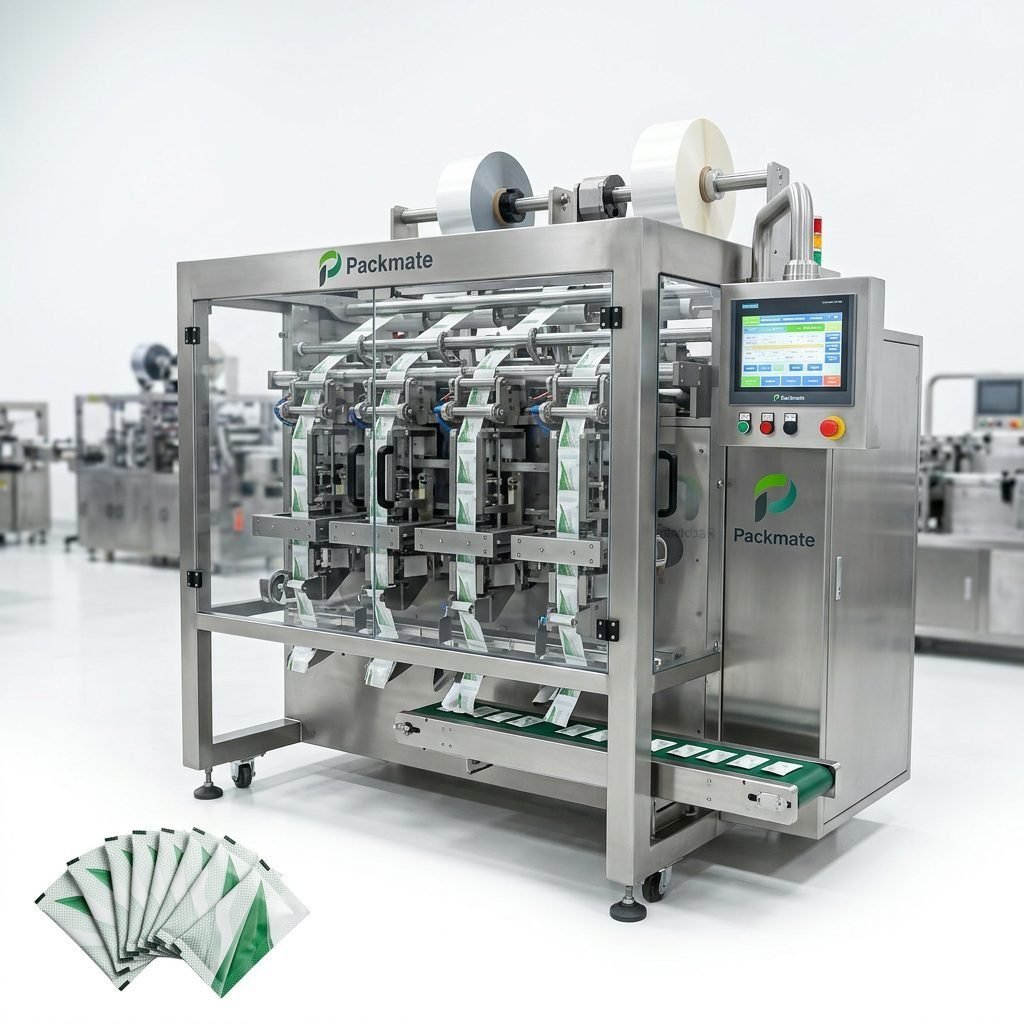
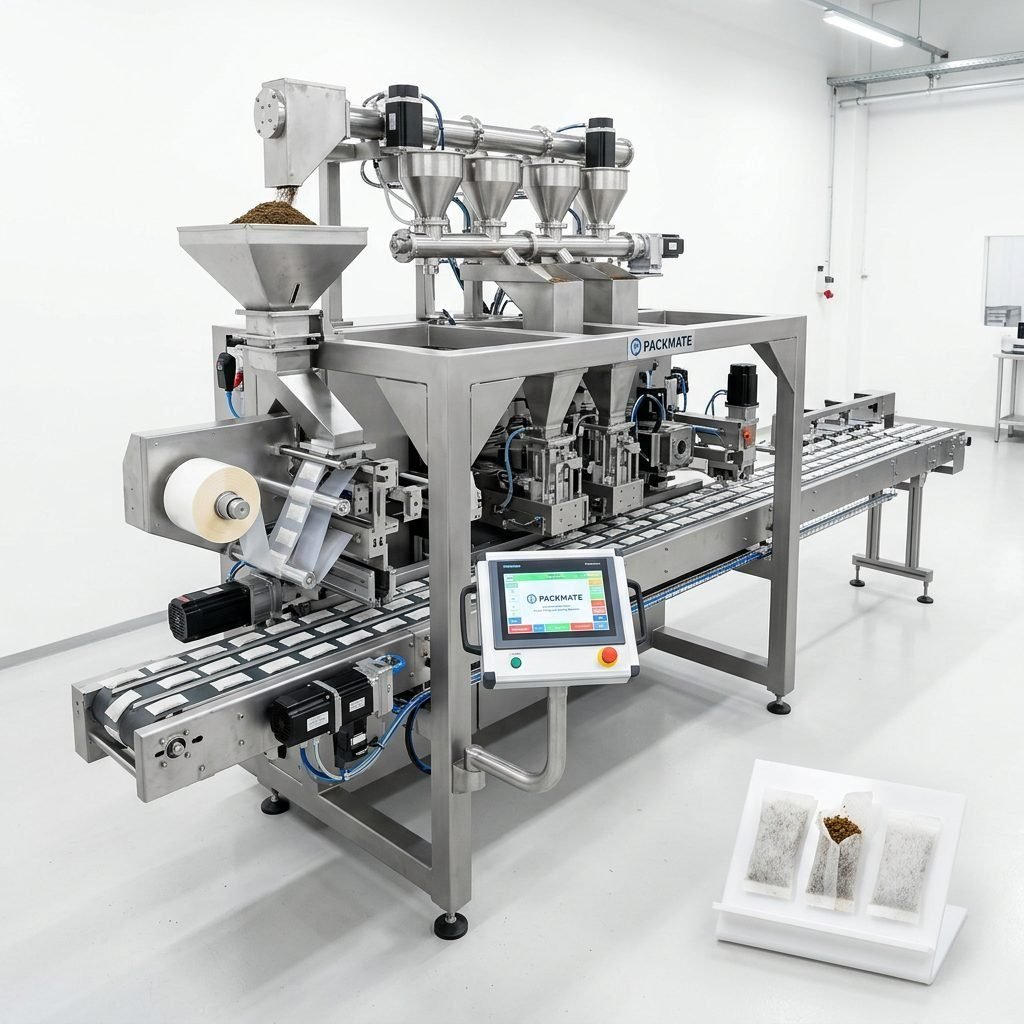
Choosing the right nicotine packaging machine manufacturer in Mauritania can determine the success, compliance, and profitability of your production line. From small-scale snus pouch operations to fully automated multi-lane nicotine pouch plants, the decision requires a structured evaluation of technical capabilities, factory strength, quality systems, and long-term service. This guide walks you through practical steps, key checks, and negotiation tips so you can confidently select a supplier that delivers performance, reliability, and value.
Why the right manufacturer matters
A reliable manufacturer is not just a machine vendor — they are a long-term partner. The right partner ensures machines meet nicotine industry standards, reduce downtime, and adapt to product format changes. When your supplier has proven experience in snus and nicotine packaging, you benefit from optimized machine design, faster troubleshooting, and professional turnkey solutions that consider every stage from weighing to final packing.
Start by clarifying your product and output requirements
Before contacting suppliers, document the specifics: pouch format (snus pouch, stick pack, sachet), pouch weight range, production speed (pieces per minute per lane), number of lanes, packaging materials, and end-of-line requirements such as secondary packing, boxing, or labeling. These details allow suppliers to propose the right equipment and avoid expensive over- or under-specifications.
ℹ️ Quick checklist: product format, dose tolerance, packaging film types, required speed, regulatory requirements, available footprint, power supply, and budget range.
Match machine types to your product
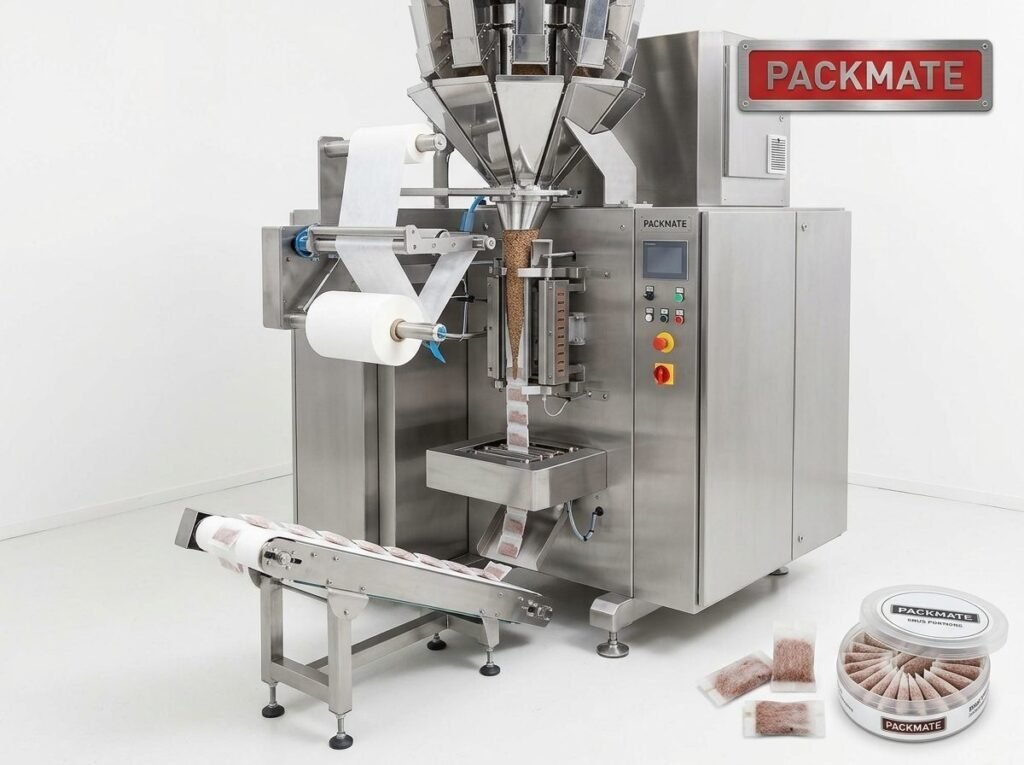
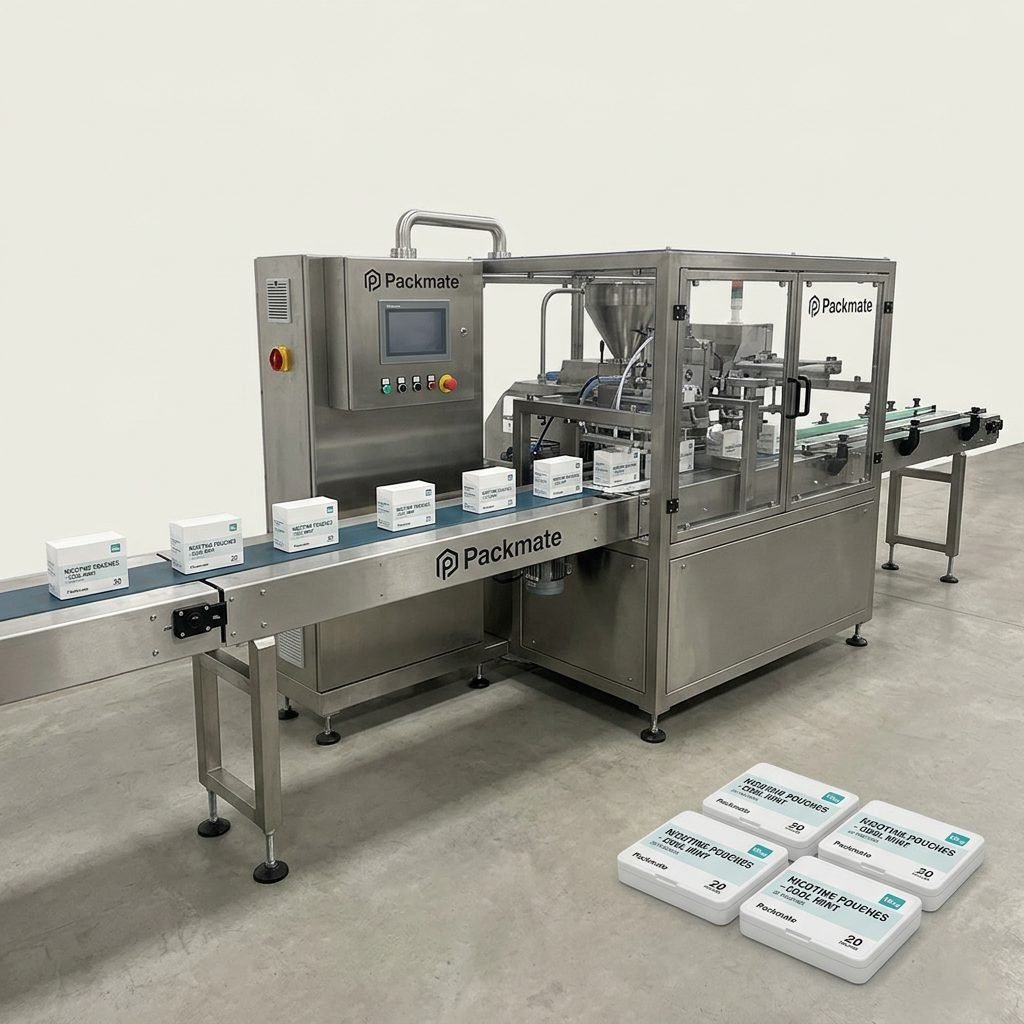
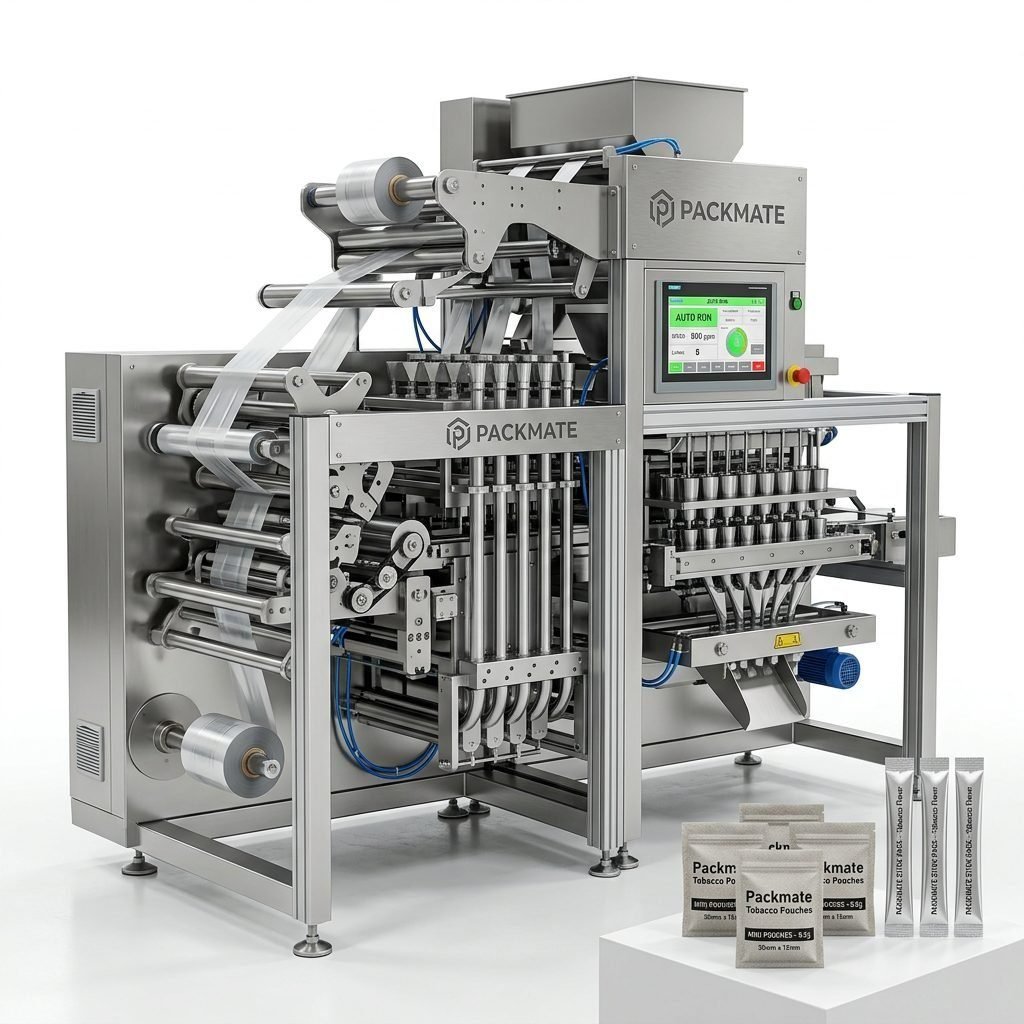
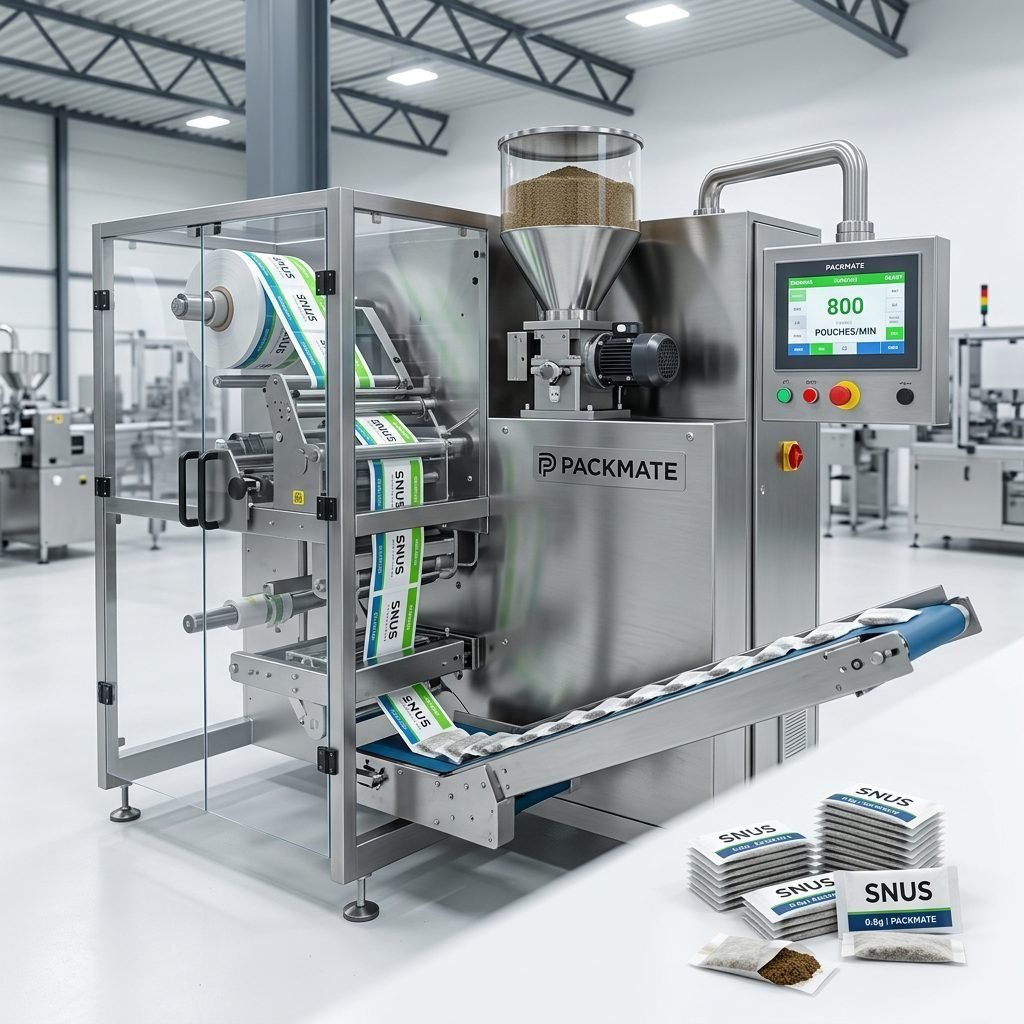
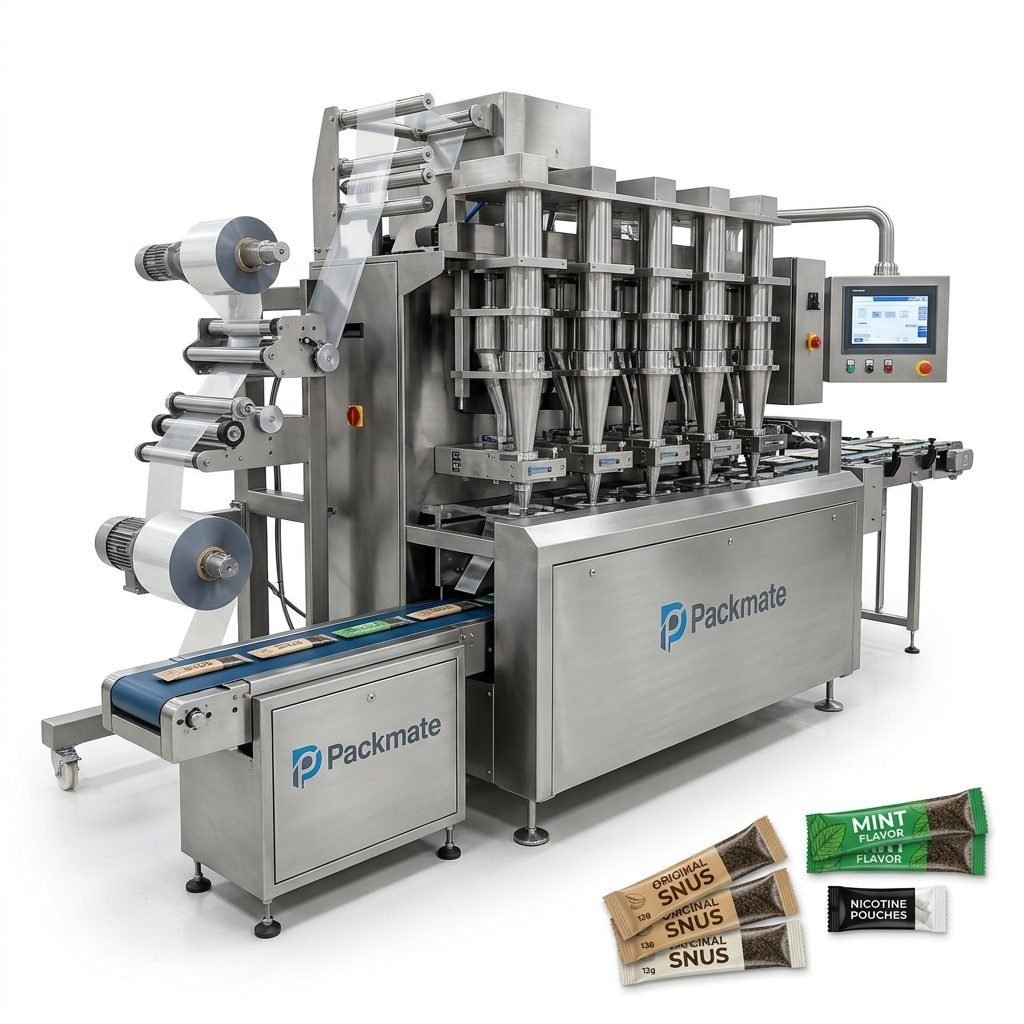
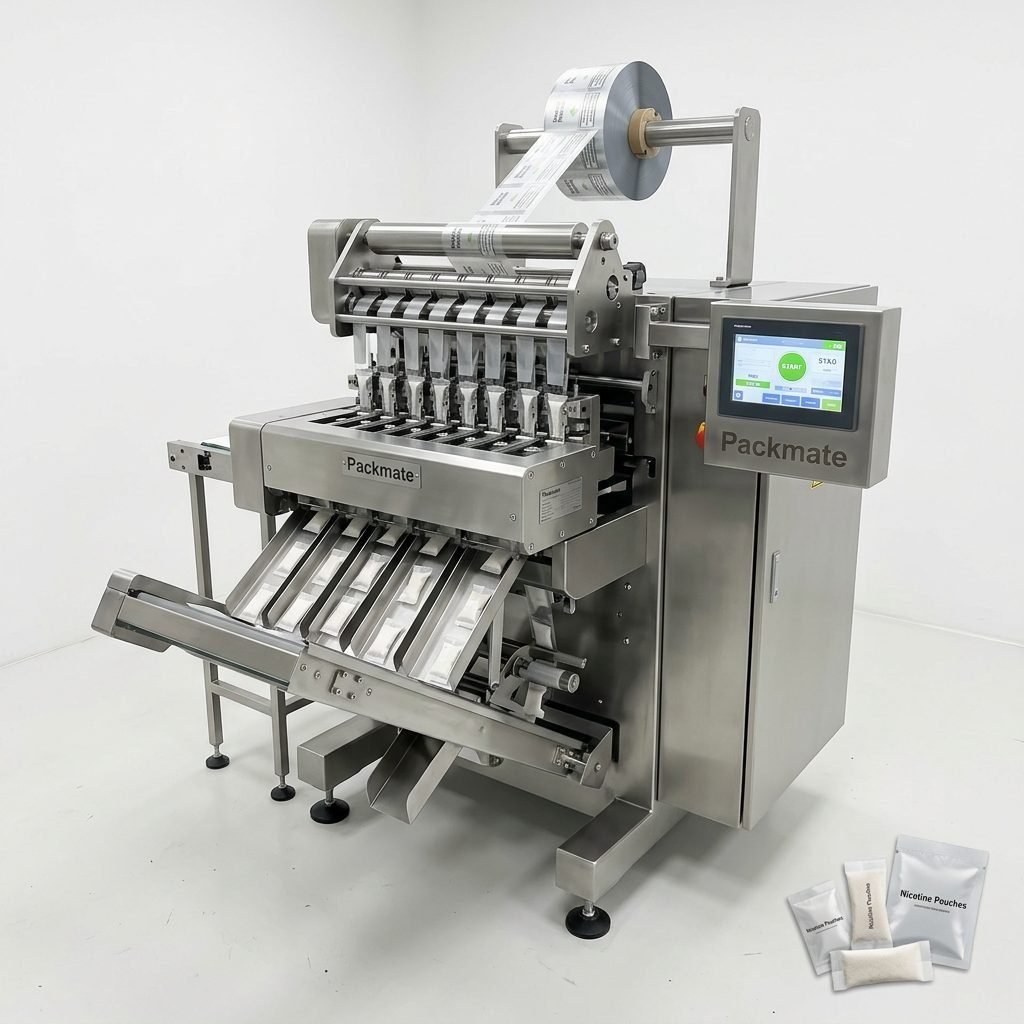
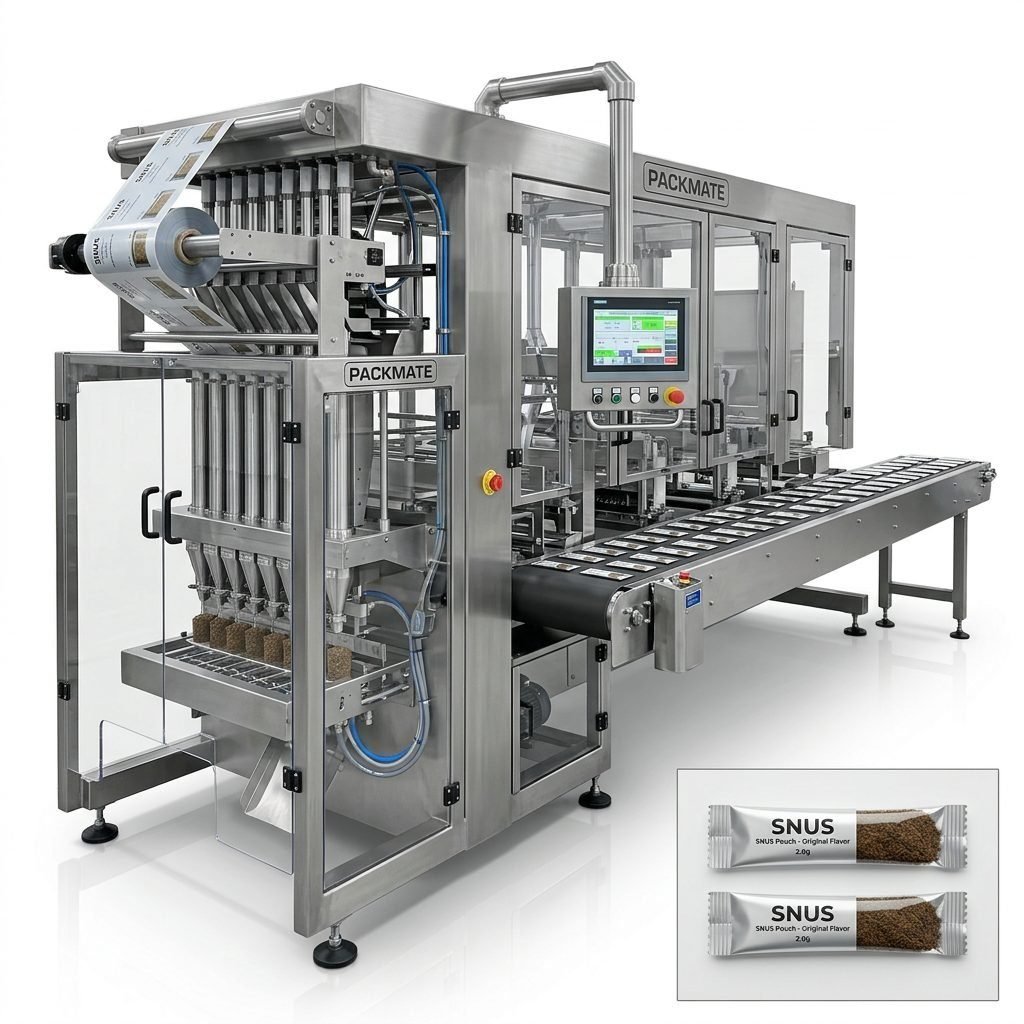
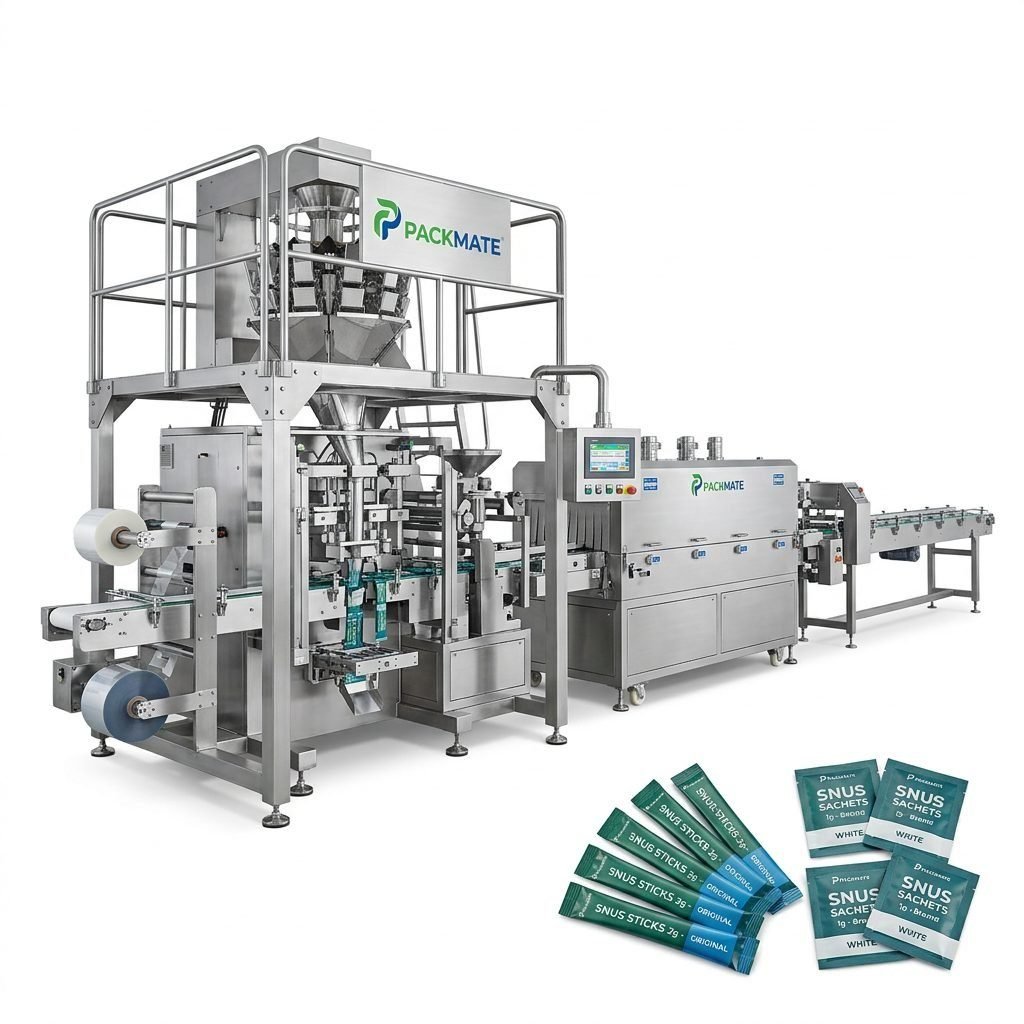
Different packaging machines suit different nicotine products. For high-speed small-dose nic-pouches, multi-lane snus packing machines are typical. For single-serve sachets or stick packs, dedicated sachet & stick pack machines provide the best mix of speed and precision. Review each machine’s filling accuracy, sealing method, and film handling capability before selecting a model.
For product-specific pages and technical references, you may review manufacturer portfolios such as Snus & Nicotine Packaging Machines and Sachet & Stick Pack Machines which showcase model ranges and typical applications.
Assess factory capability and engineering depth
Proven manufacturing strength reduces risk. Look for a factory with modern CNC machining, precision assembly lines, and a documented quality testing process. A facility occupying a large area with many machine models and long engineering history typically signals the ability to deliver robust, serviceable equipment and customized solutions when required.
If a supplier highlights facts such as 30+ years of industry experience or a 20,000㎡ manufacturing facility, that suggests scale and engineering depth — both helpful for complex nicotine pouch projects.
What factory details to verify
✔️ Number of machine models available and previous project references.
✔️ In-house CNC and assembly capabilities.
✔️ Test run facilities for customer acceptance.
✔️ Spare parts stock and documentation procedures.
These items matter to minimize lead time and secure ongoing support.
Verify certifications and compliance
Equipment used in nicotine and snus production must meet international standards. Ask for CE and ISO certificates, and proof of conformity to local regulatory requirements. Certified suppliers will typically have documentation available and can support compliance audits.
If needed, consult the supplier’s public pages such as Certificate to confirm their declared standards.
⚙️ Must-have documentation: product datasheets, CE/ISO certificates, FAT (Factory Acceptance Test) protocols, and spare parts lists.
Service, commissioning and spare parts support
After-sales service is essential. Confirm whether the manufacturer provides on-site installation, operator training, remote diagnostics, and spare parts availability. Lead times for critical spare parts should be transparent and acceptable for your risk tolerance. Service agreements can be a major differentiator between two otherwise similar suppliers.
Review the manufacturer’s service offerings via their Service and FAQs pages when available.
Price vs total cost of ownership (TCO)
An attractive initial price may hide higher lifecycle costs. Factor in uptime history, maintenance intervals, spare parts pricing, energy consumption, and consumables (seal jaws, belts, cutting blades). A higher-quality machine with stable performance usually lowers TCO over the life of the equipment.
When comparing quotes, request a total cost table including: purchase price, estimated annual maintenance, recommended spare parts kit price, energy consumption per shift, and expected MTBF (mean time between failures).
Lead time, delivery and installation planning
Discuss realistic lead times including manufacturing, FAT, international shipping, customs clearance, and on-site commissioning. Choose suppliers who run formal FATs and allow remote or in-person inspection before shipment. A supplier with exhibition presence often demonstrates machine performance publicly — a good sign of transparency and confidence.
Consider visiting a production floor or attending an exhibition to see the machines in operation; you can find such events and demonstrations on the manufacturer’s Our Exhibition page.
Supplier evaluation checklist — a practical walkthrough
Use this checklist when evaluating prospective manufacturers. Ask for written evidence and, where possible, on-site or virtual demonstrations. Save responses in a comparative table.
📌 Technical capability: model specs, speed claims, accuracy tolerances, and materials compatibility.
📌 Production & QA: manufacturing footprint, CNC capabilities, quality control steps, and FAT procedures.
📌 After-sales: warranty terms, spare parts lead time, remote support, and on-site service availability.
📌 References: customer case studies, long-term clients, and sample installations. Check real-world examples on the supplier’s Case page.
Conducting a Factory Acceptance Test (FAT)
A formal FAT ensures the machine meets agreed specifications before shipment. The FAT should test speed, product handling, dosing accuracy, sealing quality, and film processing under representative conditions. FAT protocols and acceptance criteria should be agreed in the contract to avoid disputes.
✅ Essential FAT elements: run at production speed, use actual product and packaging film, record output samples, and issue a signed FAT report.
Negotiation and contract tips
Negotiate delivery terms, payment milestones, warranty period, spare parts package, training sessions, and penalty clauses for missed delivery or performance shortfall. Include a clear acceptance criteria and dispute resolution mechanism in the purchase agreement.
Red flags to watch for
– Reluctance to conduct FAT or allow visits.
– Vague answers on spare parts availability.
– Overly aggressive speed claims without data.
– Missing or unverifiable certifications.
Any of these should prompt deeper verification or consider alternative vendors.
How Packmate-style manufacturers typically support buyers
Established manufacturers with long histories in snus and nicotine packing provide integrated solutions: model variety, turnkey lines, spare parts, and field service. They often publish product categories like Snus & Nicotine Packaging Machines, Bag & Pouch Packaging Machines, and Weighing & Packaging Systems so customers can assemble full production lines from trusted components.
Look for companies that disclose factory facts (years of experience, facility size, number of models) and share case studies — these details help you gauge scale and fit for your project.
Preparing your site and project timeline
Early planning reduces installation delays. Confirm site power, compressed air, foundation/load requirements, and access for large equipment. Agree on a commissioning plan with the supplier and schedule operator training during installation to accelerate ramp-up.
📦 Document pack: electrical schematics, machine manuals, spare parts list, maintenance schedule, and training records should be delivered with each machine.
Making the final decision — summary of steps
1) Define your product and throughput needs clearly.
2) Shortlist manufacturers with relevant machine types and proven factory strength.
3) Request detailed proposals, sample FAT protocols, and references.
4) Compare TCO, not just purchase price.
5) Negotiate terms that include FAT, warranty, spare parts, and training.
6) Conduct FAT and approve only when acceptance criteria are met.
Next actions for buyers in Mauritania
Initiate contact with shortlisted suppliers, share your product specifications and production targets, and request a formal proposal with lead time, installation plan, and commercial terms. When you are ready to view supplier capabilities or particulars about snus/nicotine machines, the manufacturer’s catalog and contact pages will be helpful references.
Use the supplier’s About Packmate and Contact Us pages to request technical meetings, quotes, and FAT arrangements.
Choosing the right manufacturer in Mauritania boils down to clear requirements, verified factory capability, strong after-sales support, and transparent commercial terms. Invest time in evaluation to ensure long-term production stability and regulatory compliance.
Frequently Asked Questions
Q1: How long does it take to procure and install a snus packaging line?
Lead time varies by machine complexity and customization. Typical timelines range from 12 to 24 weeks for production and FAT, plus shipping and on-site commissioning. Always confirm lead times during quotation and include FAT schedules to avoid surprises.
Q2: What warranty and spare parts support should I expect?
Standard warranties usually cover mechanical and electrical defects for 12 months after commissioning, though terms vary. Prefer suppliers who offer defined spare parts kits, global logistics support, and optional extended service contracts to minimize downtime.
Q3: Can packaging machines be customized for local packaging films and regulations?
Yes — reputable manufacturers design machines to handle different film types, thicknesses, and sealing parameters. Ensure your supplier tests the actual film and product during FAT and documents the correct machine settings for consistent production.
Q4: What are common start-up issues and how are they resolved?
Common issues include film tracking, dosing calibration, and seal integrity. These are typically resolved through training, parameter adjustments, and fine-tuning during commissioning. Choose a supplier offering comprehensive training and remote troubleshooting capabilities.
Q5: Where can I see real-world examples and machine demos?
Suppliers often publish case studies and attend international exhibitions where live demos are available. Visit their case and exhibition pages or request virtual demonstrations and video recordings of machines running similar products.