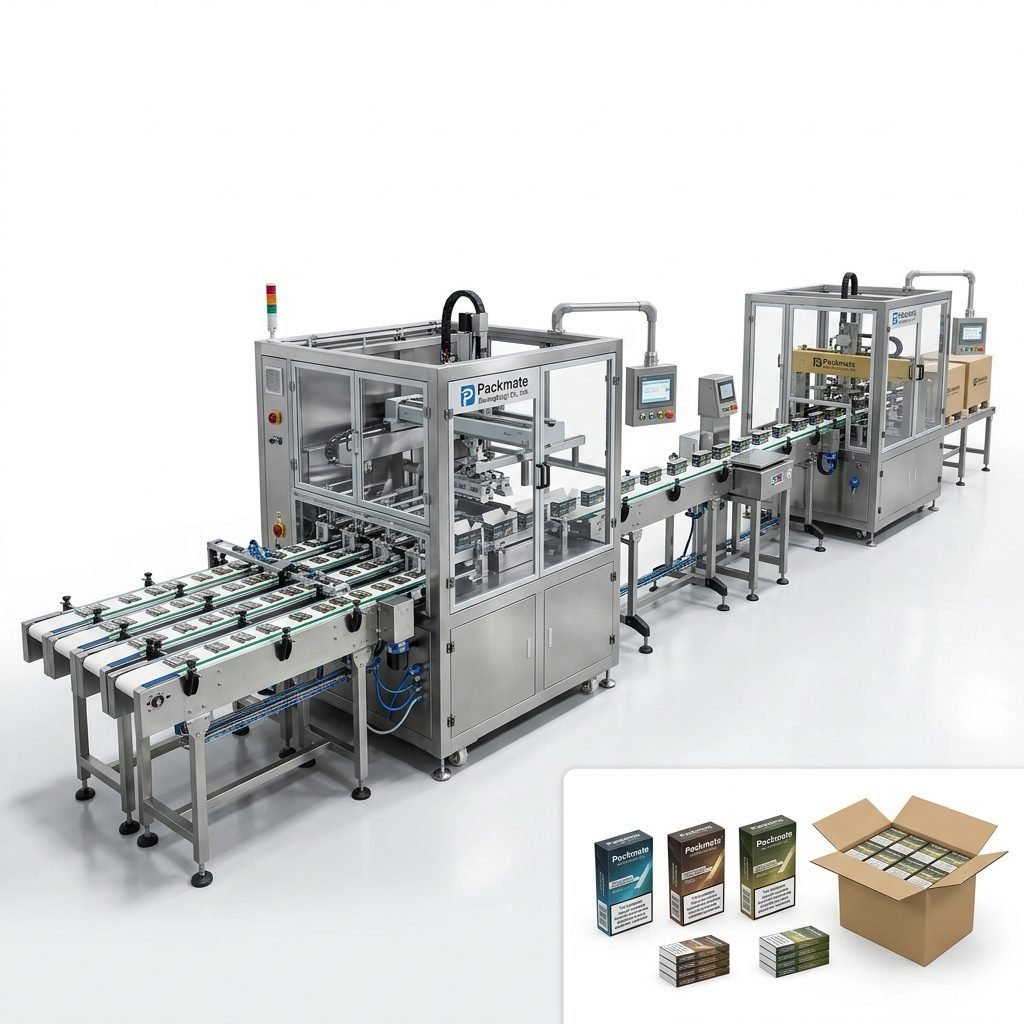
Choosing the right snus packaging machine supplier in Cameroon requires more than comparing prices. You need a partner who understands local market habits, climate challenges, regulatory realities, and the operational conditions of a Cameroonian factory. This guide walks you through practical, purchase-ready criteria and action steps so your factory can install a reliable, high-performance snus or nicotine pouch packaging line that suits Cameroon’s unique needs.
Understand Cameroon-specific market and operational factors
Cameroon’s market is diverse: official languages are French and English, consumption patterns vary between urban centers like Douala and Yaoundé, and informal trade channels are important. When evaluating suppliers, consider three local realities:
-
Climate impact: Cameroon’s tropical regions have high humidity and temperature — choose equipment that provides hermetic sealing and flexible packaging material handling to avoid moisture ingress and product spoilage.
-
Workforce & language: Opt for suppliers offering training in English and French, on-site commissioning, and clear operation manuals—local teams should achieve quick uptime.
-
Distribution & regulation: Understand import duties, local labeling regulations, and whether nicotine pouches face specific restrictions in Cameroon; ensure the machine supplier can assist with compliant packaging formats.
Technical criteria: what the machine must deliver
Before you contact vendors, prepare a clear technical brief. The best machines match your product, capacity target, and site conditions. Key technical points include:
Production capacity and scalability
Decide current and 2–3 year forecasted annual output. Suppliers offer single-lane and multi-lane options; multi-lane systems increase throughput in a smaller footprint. Look for machines with modular upgrades so you can scale without replacing the entire line.
Packaging format flexibility
If you plan multiple SKUs — stick packs, sachets, or pouches — choose a supplier experienced in fast changeovers. A system that handles different pouch materials and thicknesses is essential in humid Cameroon environments where barrier films are critical.
Sealing quality & material compatibility
Poor seals are the main cause of product loss in humid climates. Insist on machines with precise temperature control, adjustable dwell times, and verification sensors. Confirm compatibility with local preferred films (foil laminates, PET/PE) and test-run your chosen materials.
Hygiene, maintenance and downtime
A robust design with accessible components reduces maintenance time for local technicians. Ask about Mean Time Between Failures (MTBF), recommended spare parts, and average service intervals. In Cameroon, where quick local support may be limited, choose machines with simple maintenance routines.
Energy & utilities
Power stability and compressed air quality vary by location. Look for energy-efficient drives and machines tolerant of voltage fluctuations, or confirm whether the supplier can include voltage stabilizers and integrated air-dryers as part of the supply.
Certifications, compliance and quality assurance
Verify that the supplier’s equipment meets international standards such as CE and ISO. Certifications matter not just for safety but for financing, insurance and importing machines into Cameroon. Ask for factory test reports and FAT (Factory Acceptance Test) documentation that demonstrates the exact machine performance you will receive.
📌 Tip: Request a video FAT and machine acceptance checklist in English and French. This protects both parties and speeds up customs clearance when the machine arrives in Cameroon.
After-sales support: the most critical supplier attribute
After-sales service is where good suppliers differentiate themselves. In Cameroon, aim for a supplier that offers:
-
Local or regional spare parts inventory, or fast shipping lanes to Douala port.
-
Remote diagnostics and online support available in both French and English.
-
Optional on-site commissioning, operator training, and maintenance courses for your engineering staff.
Questions to ask any potential supplier
🔎 Factory & capability — Can you visit their factory or watch a live demo? Do they have CNC equipment and structured assembly processes?
🔧 Spare parts — What parts are recommended as spares and how quickly can they be shipped to Cameroon?
📑 References — Ask for case studies in similar climates and industries; request contactable customer references.
Evaluating supplier credibility and performance — a checklist
Use this checklist during supplier evaluation calls and visits. Items marked important should be verified with documentation or a demonstration.
-
Company age and factory size — longer history and larger manufacturing footprint usually indicate stable production capacity.
-
Certifications — CE, ISO; request copies of certificates and machine testing reports.
-
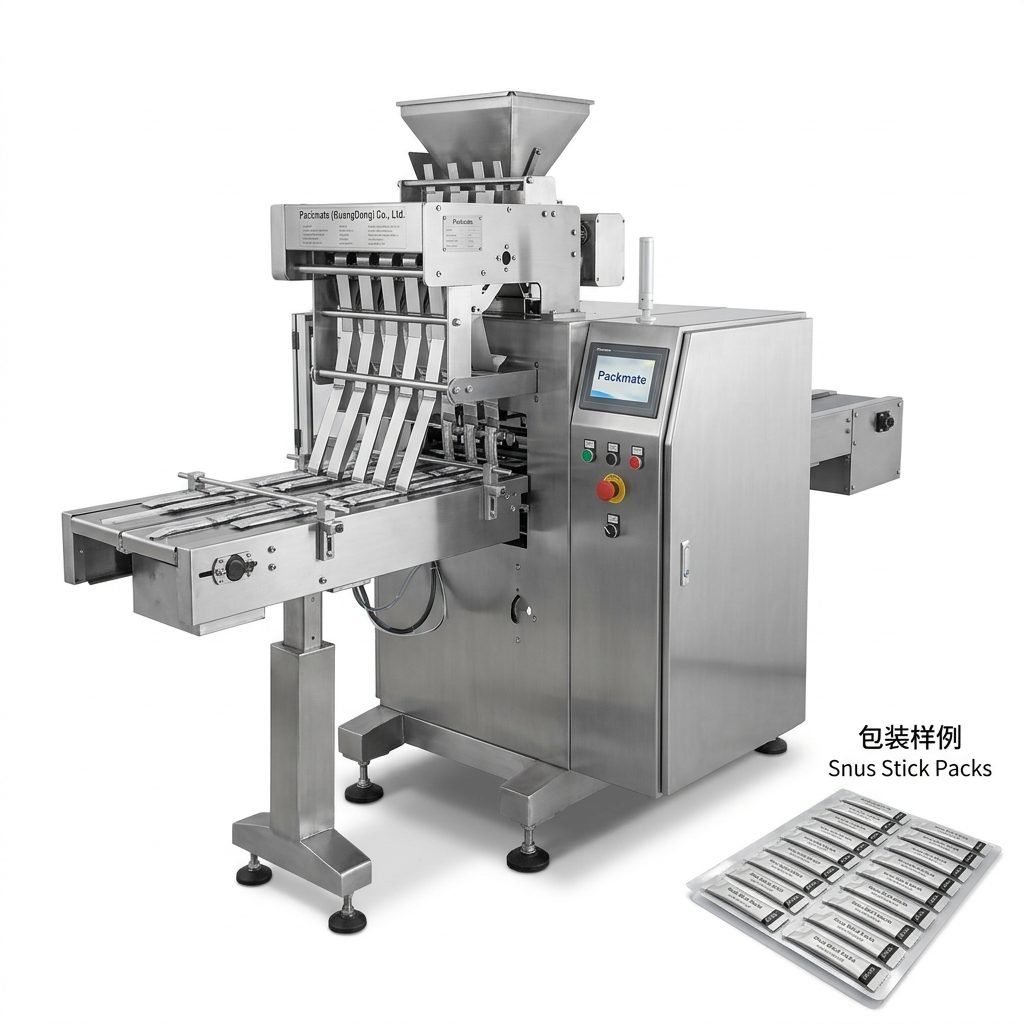
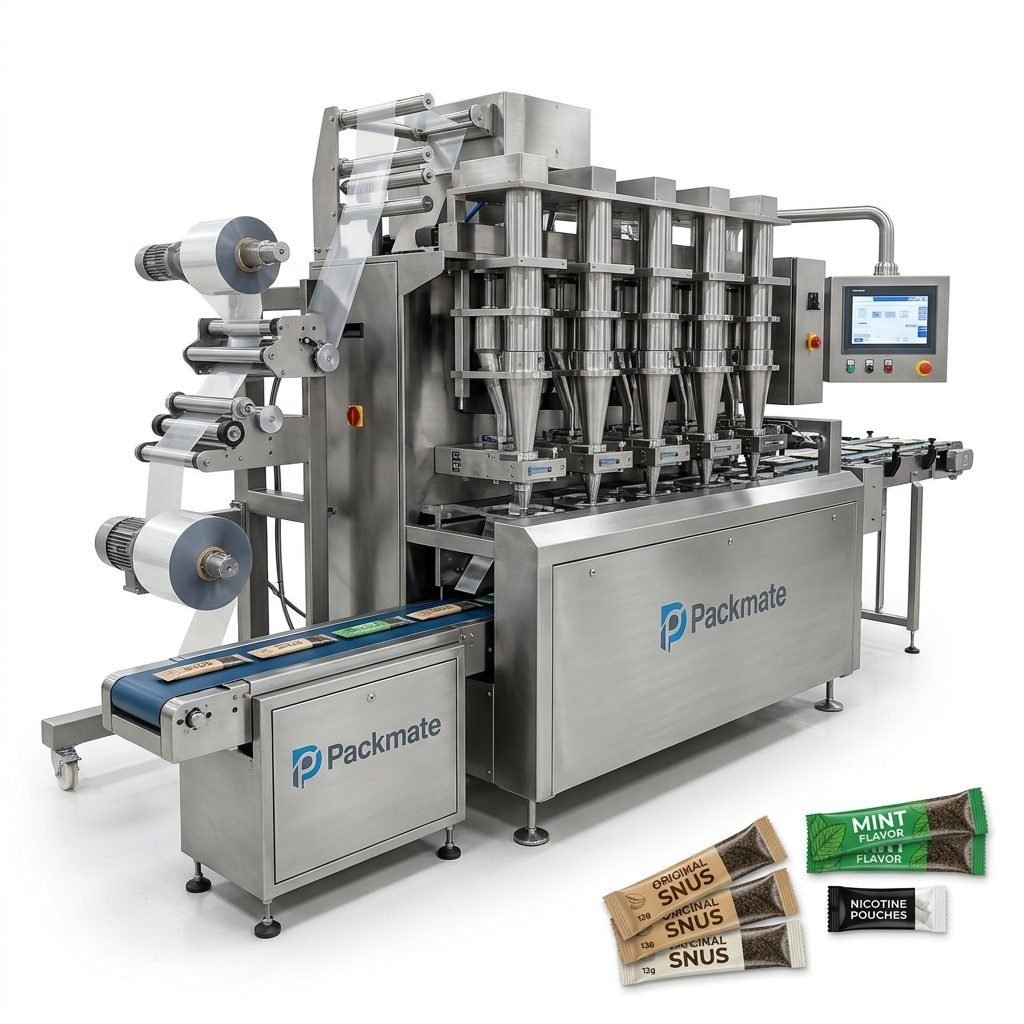
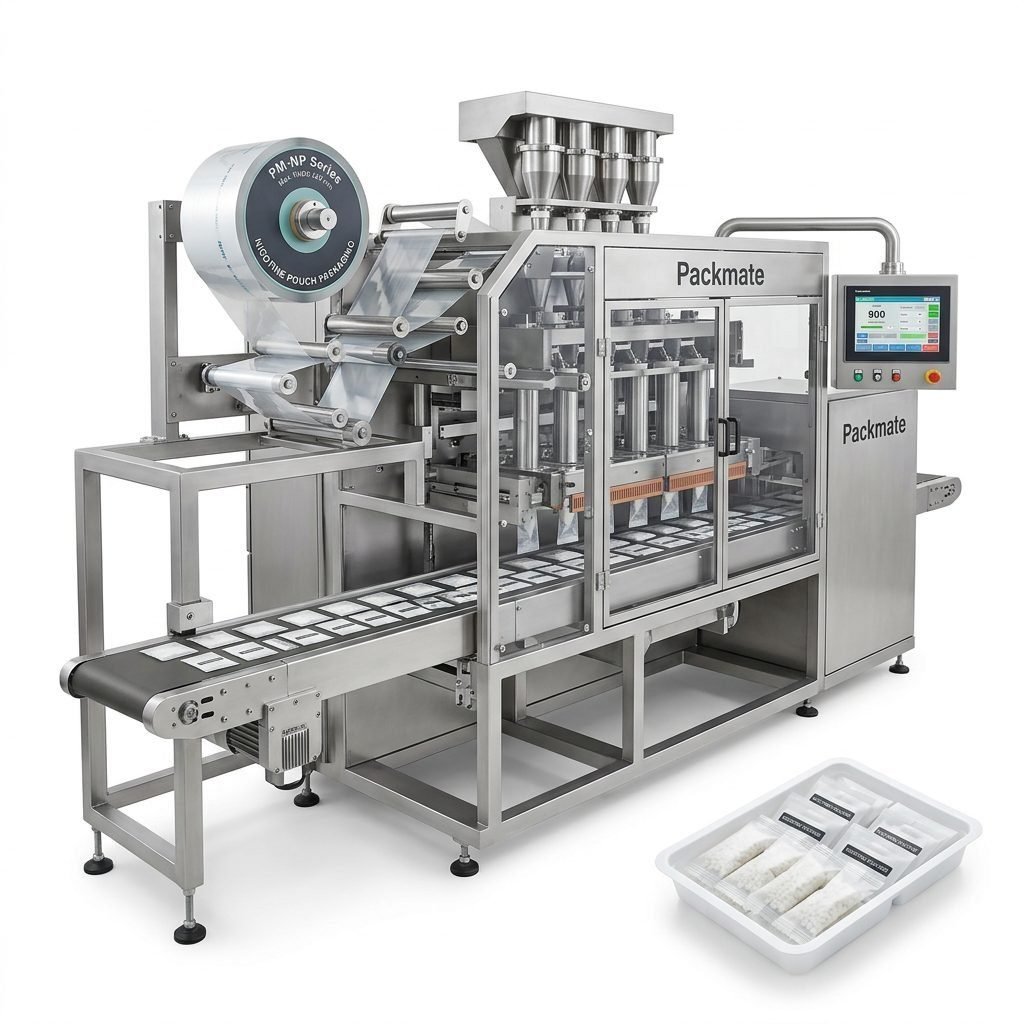
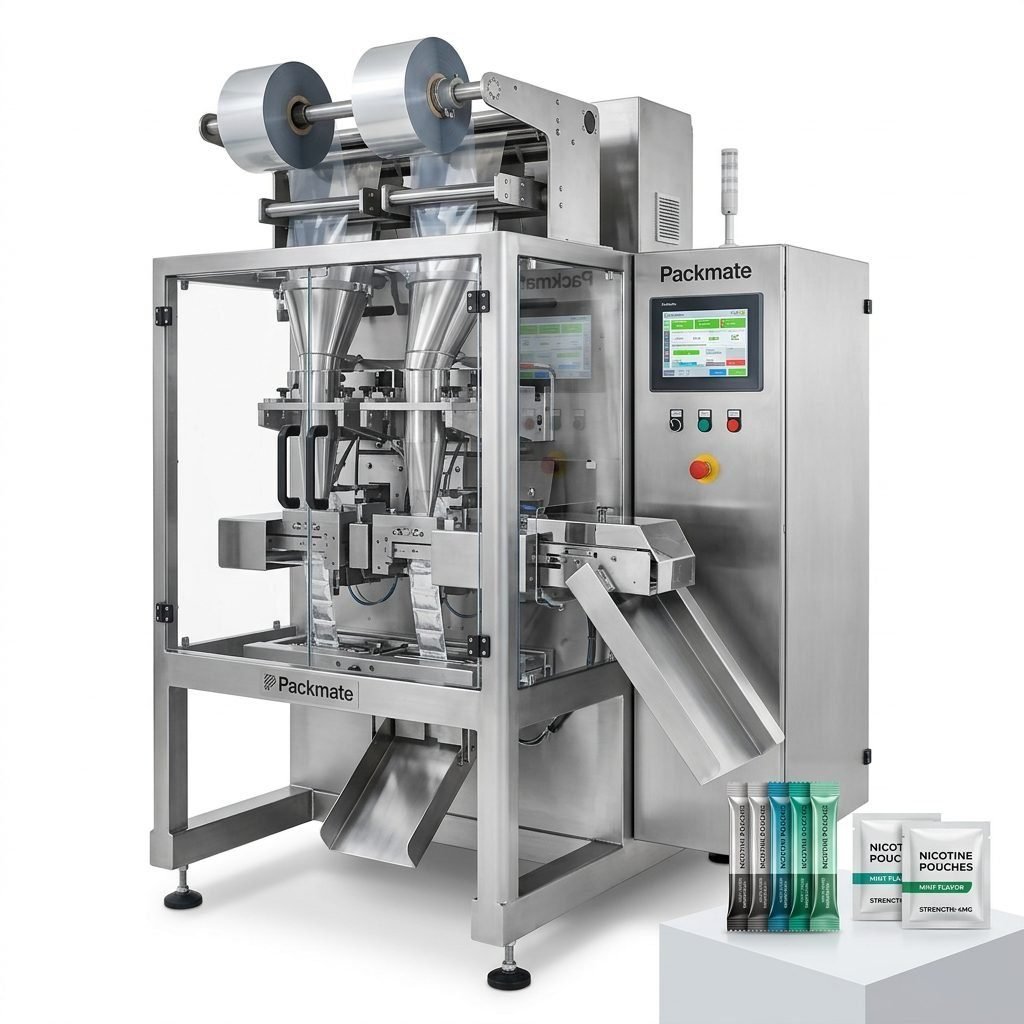
Model range and customization options — can the supplier offer both snus/nicotine pouch machines and complementary equipment (weighers, filling lines)? See sample portfolios.
-
Real-world cases — look at similar projects; request details about commissioning, uptime, and spare parts usage. (A supplier case portfolio is a strong signal.)
Why choose a supplier with turnkey and multi-equipment capability
If you plan to expand beyond snus pouches — for example producing stick packs, sachets, or bagged SKUs — a supplier that covers multiple systems reduces integration risk. A single-source provider simplifies controls, spare parts, and training, achieving faster ramp-up and lower total cost of ownership.
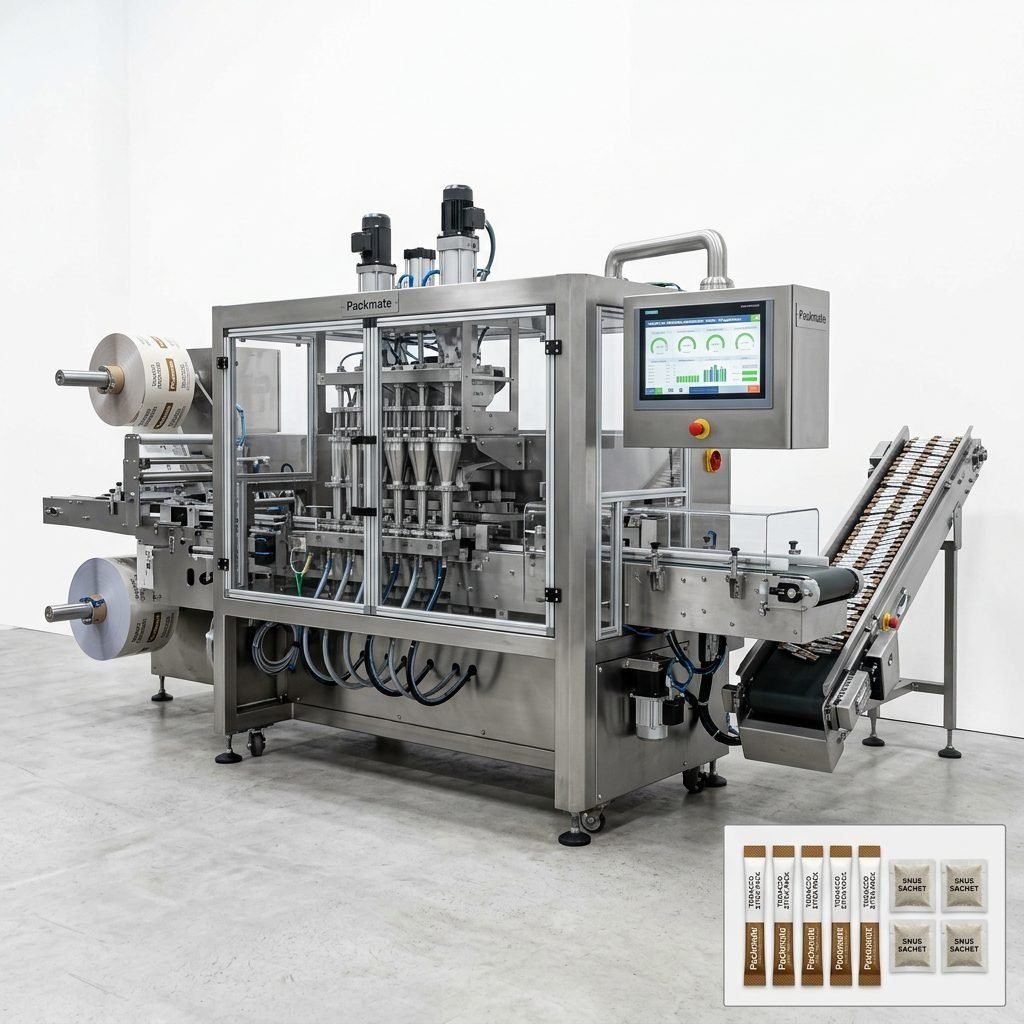
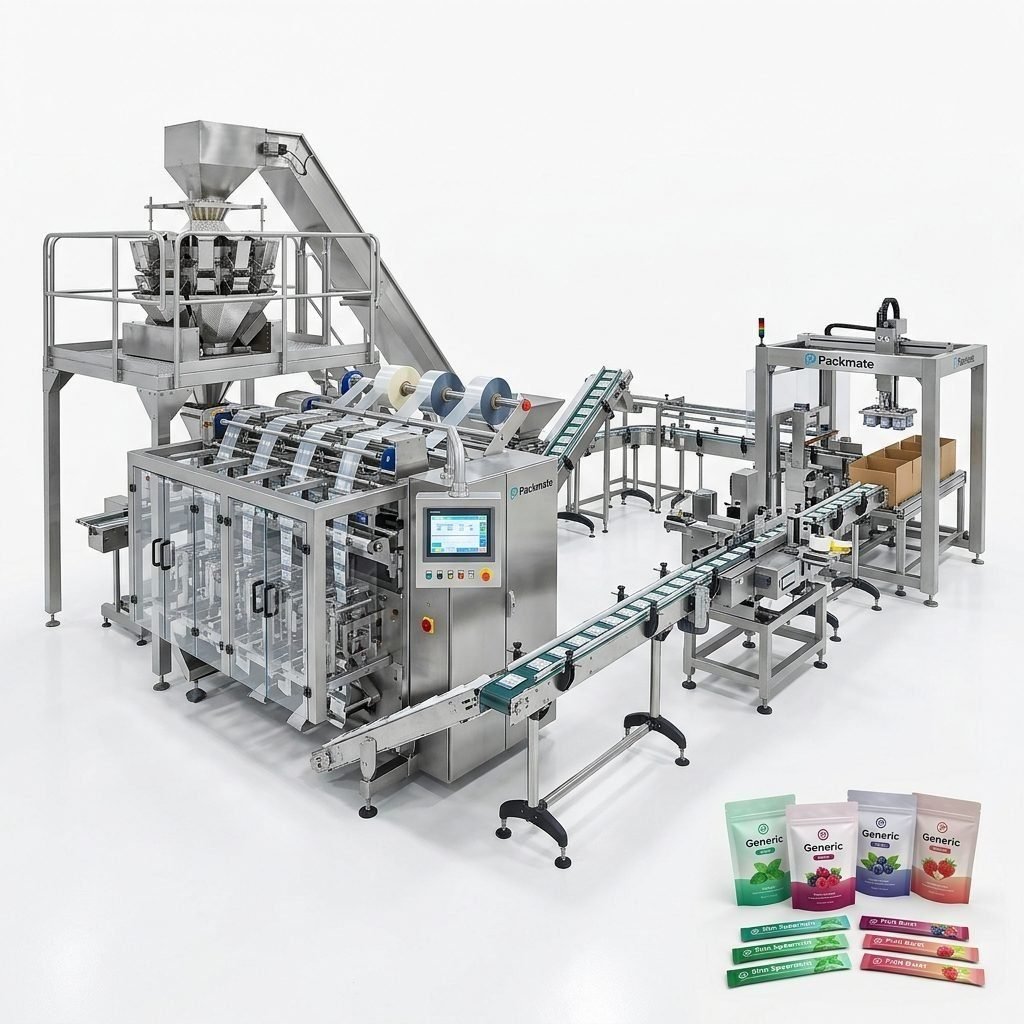
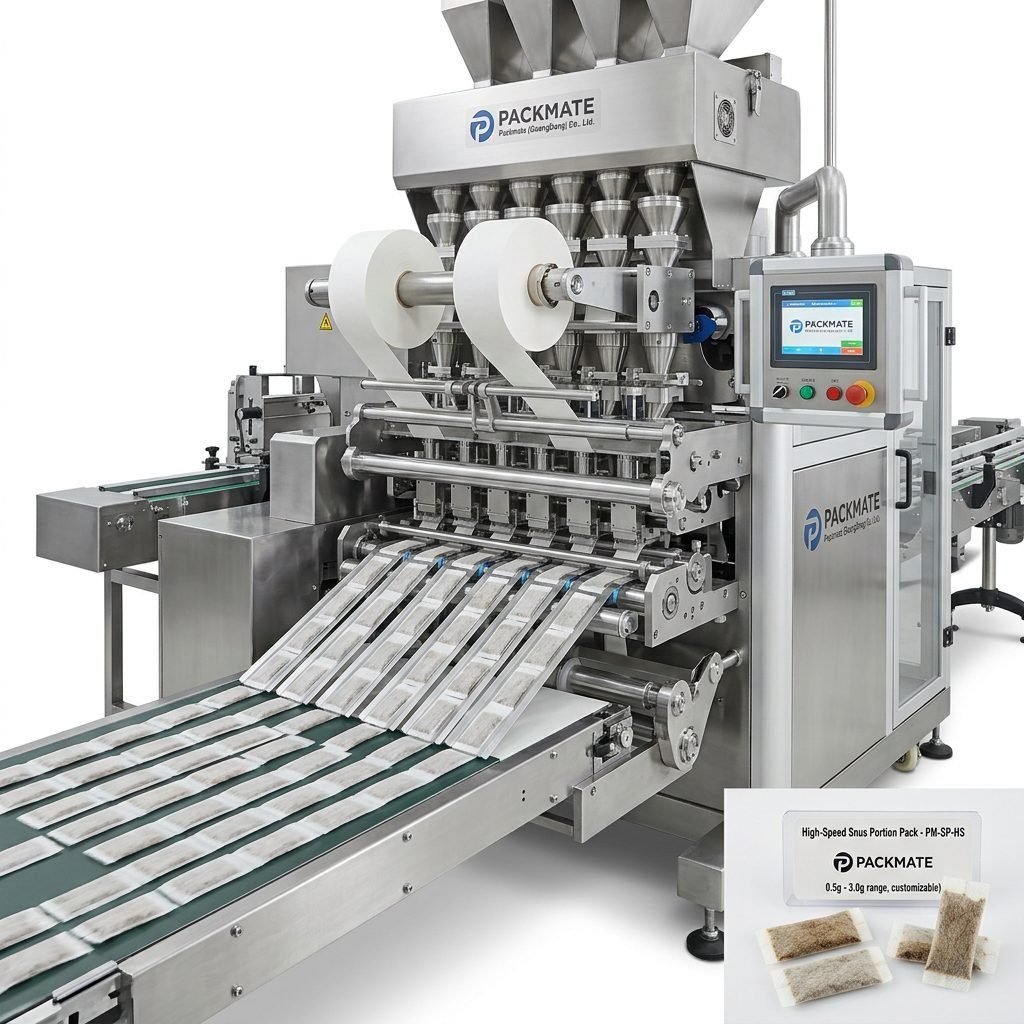
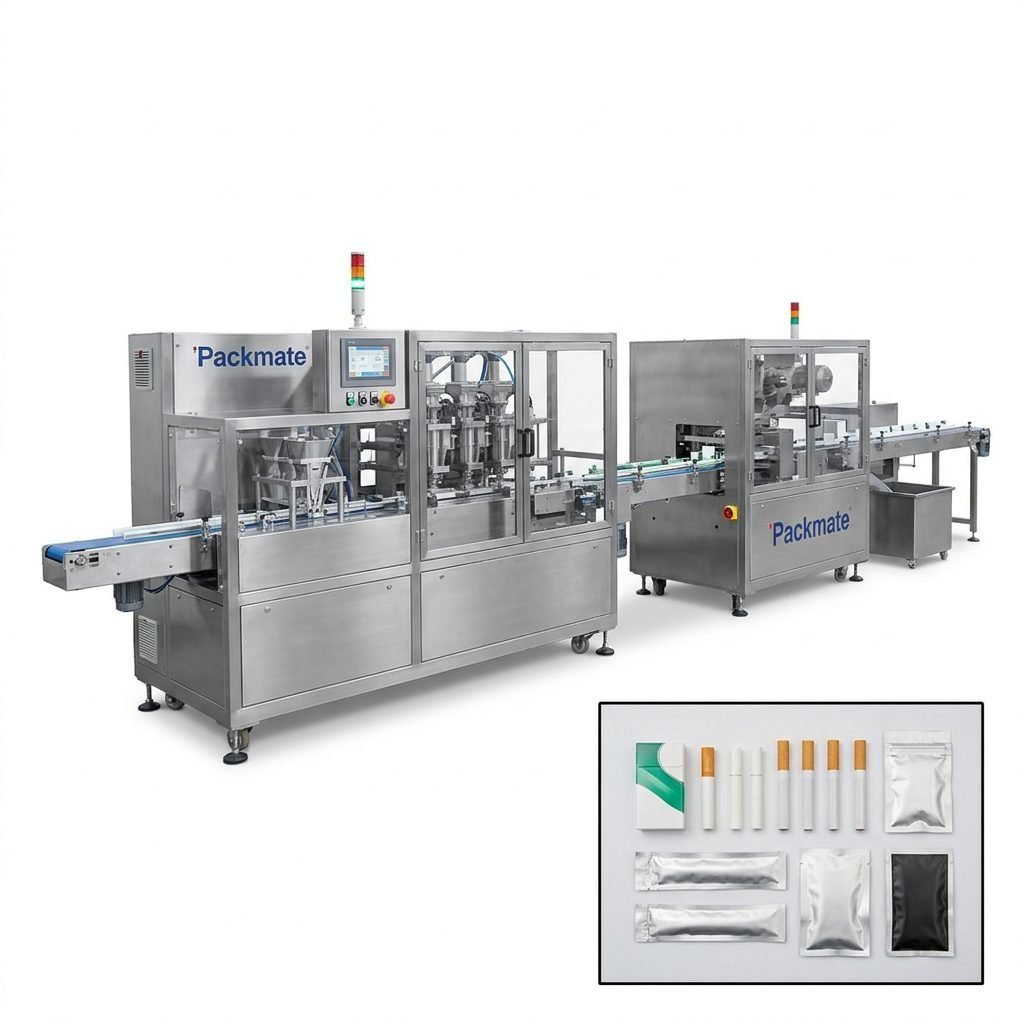
Explore suppliers that offer integrated lines: pouch machines, weighing systems, and auxiliary equipment. For supplier portfolios and model examples, you can review product categories such as
Snus & Nicotine Packaging Machines,
Bag & Pouch Packaging Machines, and the
Weighing & Packaging Systems.
Cost considerations: beyond the purchase price
Total cost of ownership (TCO) includes installation, training, spare parts stock, energy use, and expected uptime. Cheaper machines can cost more if they have frequent downtime or require expensive imported parts. Always evaluate:
-
Warranty coverage and response times for on-site service.
-
Availability and price of spare parts shipped to Cameroon.
-
Provision of training and technical documentation in French and English.
Selecting a supplier: recommended vendor attributes
A reliable supplier for Cameroon should demonstrate:
-
Proven product lines for snus and nicotine pouch packaging with multiple models and case studies.
-
A manufacturing facility with modern CNC machining and precision assembly, ensuring consistent build quality.
-
Clear after-sales channels and regional logistics solutions to minimize downtime.
-
Turnkey offerings — integration of filling, weighing and packaging lines to speed production ramp-up. See examples in their product catalog and case pages such as
Case and
About Packmate.
Practical next steps for Cameroonian buyers
1) Define your target SKUs, annual volume, and desired packaging materials. 2) Prepare a technical checklist and send it to shortlisted suppliers. 3) Request FAT videos, references in similar climates, and a detailed spare parts list. 4) Confirm training language preferences and on-site commissioning terms. 5) Factor customs, duty, and port logistics into lead-time calculations.
Final practical note: When negotiating, include a clear SLA (service-level agreement) for spare part delivery times to Douala, and ask for bilingual manuals (English/French) and remote support windows aligned with West Africa time zones.
Where to find more details and model examples
For detailed machine categories and product specifications, review supplier product pages such as
Sachet & Stick Pack Machines,
Filling & Packaging Lines, and auxiliary equipment options at
Auxiliary Packaging Equipment.
Summary FAQs
Q1: What machine features prevent moisture problems in Cameroon’s climate?
A1: Look for precise temperature-controlled sealing, compatibility with high-barrier films (foil laminates), and integrated gas flush or desiccant-ready packaging options.
Q2: How important is on-site commissioning?
A2: Very important. On-site commissioning ensures the line is tuned for local materials and workforce skill levels. Bilingual training (English and French) accelerates operator competency.
Q3: What should I expect for spare parts lead times to Douala?
A3: Confirm with suppliers — good suppliers maintain regional inventories or can deliver key spares within 7–14 days by air. Include spare parts agreements in the contract.
Q4: Are turnkey lines better than buying single machines?
A4: For new factories or product expansion, turnkey lines reduce integration risk and streamline supplier accountability. They often result in faster production ramp-up.
Q5: Where can I review examples of snus packaging machines and company credentials?
A5: Review supplier product pages, case studies and certificates such as those available at the supplier’s site sections for product categories and credentials — for example their product, case and certificate pages linked above.