Importers in Portugal looking for a reliable snus packaging machine supplier must balance technical performance, regulatory compliance, and local market nuances. This guide walks you through pragmatic steps to choose the best snus packaging machine manufacturer for Portugal — covering machine types, certifications, factory capabilities, logistics, after-sales support, cost of ownership and Portuguese market considerations. Whether you are sourcing stick packs, sachets, multi-lane nicotine pouch lines or full turnkey systems, the right decision reduces downtime, improves product quality, and speeds time-to-market.
Understand the Portuguese market and regulations 🇵🇹
Portugal is part of the EU and follows EU tobacco and nicotine product regulations, which affects labeling, packaging warnings, and import rules. Importers should expect:
- Strict requirements for product labeling and documentation — Portuguese language labels are often expected for retail products.
- Customs clearance via major ports (Lisbon, Leixões/Porto) and familiarity with VAT, excise regulations, and CE/ISO evidence for machinery.
- A preference among buyers for quality, traceability, and certified equipment rather than the lowest price.
- Marketplace habits: Portuguese retail and B2B channels value demonstrable machine performance, local after-sales responsiveness, and clear warranty terms.
Key machine types and what they mean for your line
Choosing the right machine family affects throughput, flexibility and shelf presentation. Common options include:
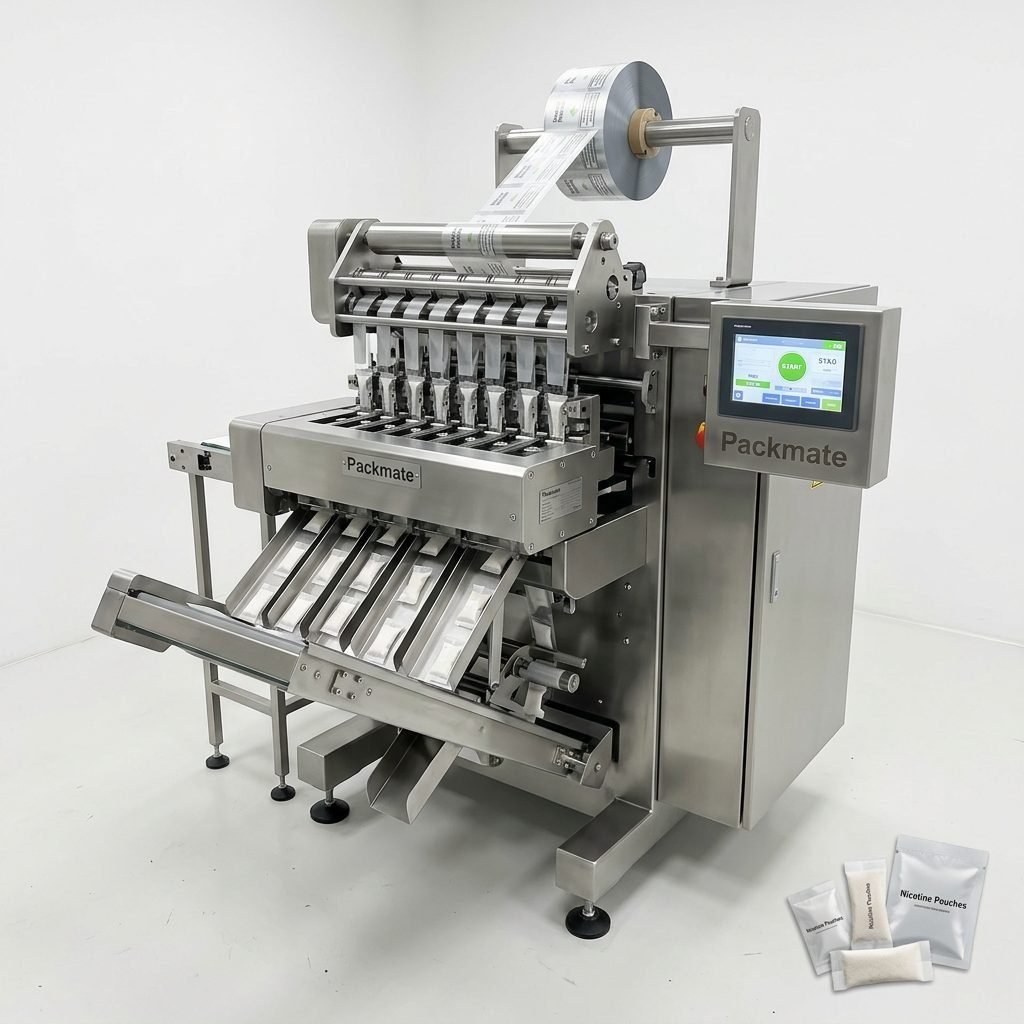
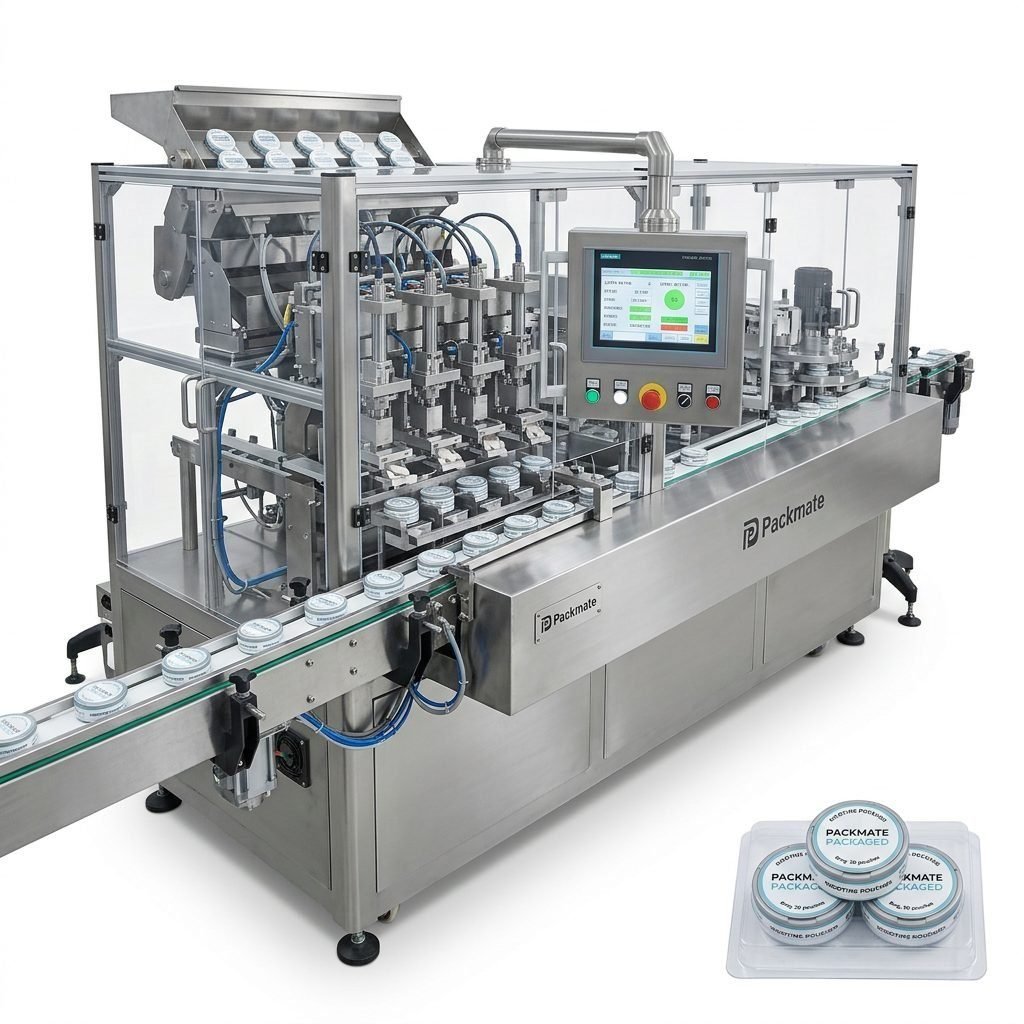
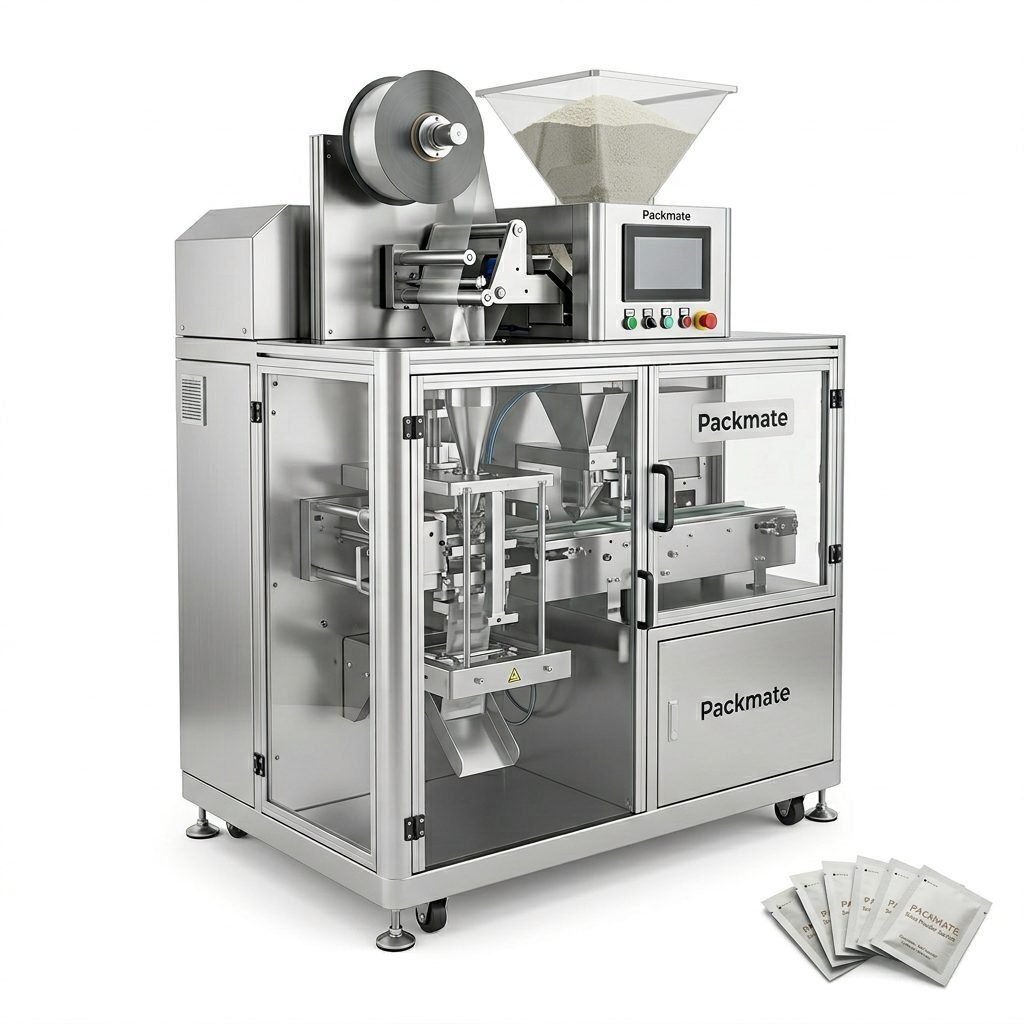
- Snus & Nicotine Packaging Machines — optimized for pouches and snus formats with controlled dosing and low-weight accuracy. Example models can handle nicotine pouches and moisture-sensitive products. (product examples)
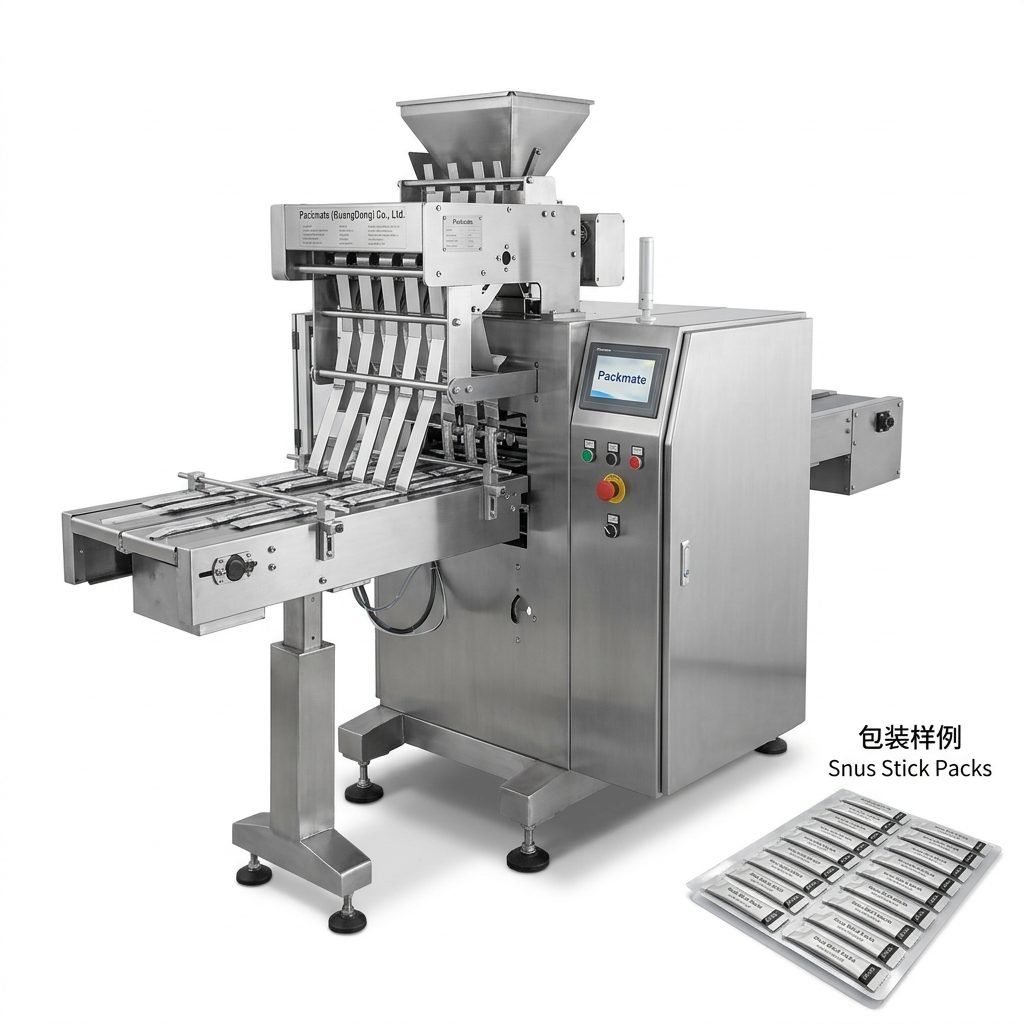
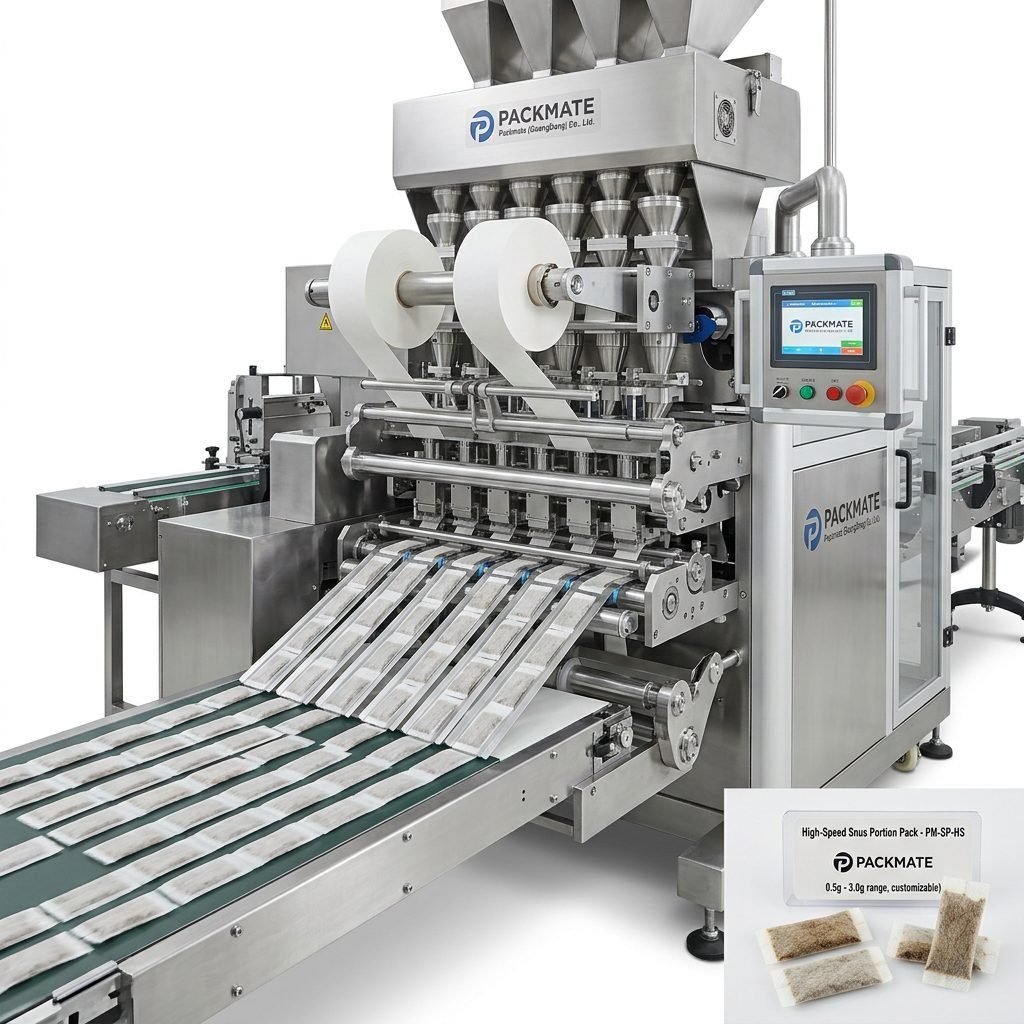
- Stick pack and sachet machines — great for single-dose sticks, ideal for promotional packaging or sample runs. (see models)
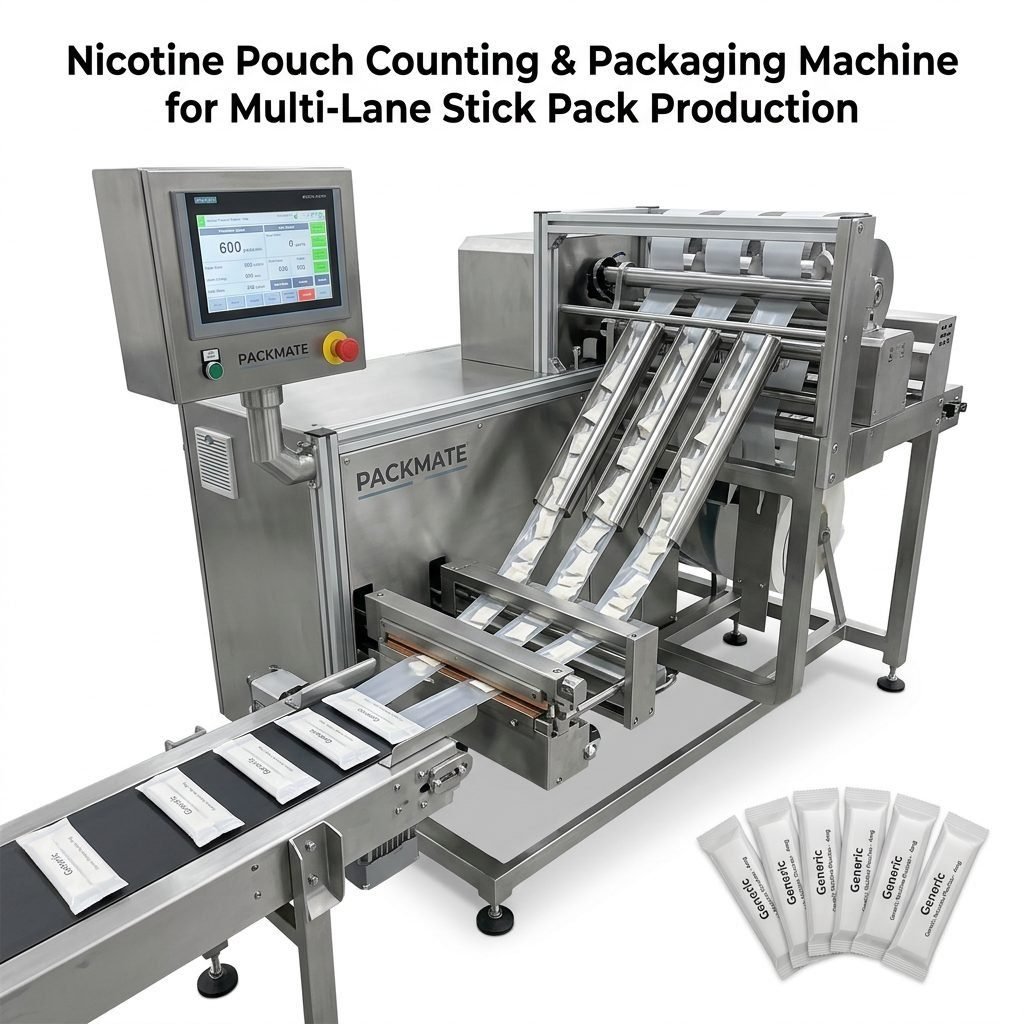
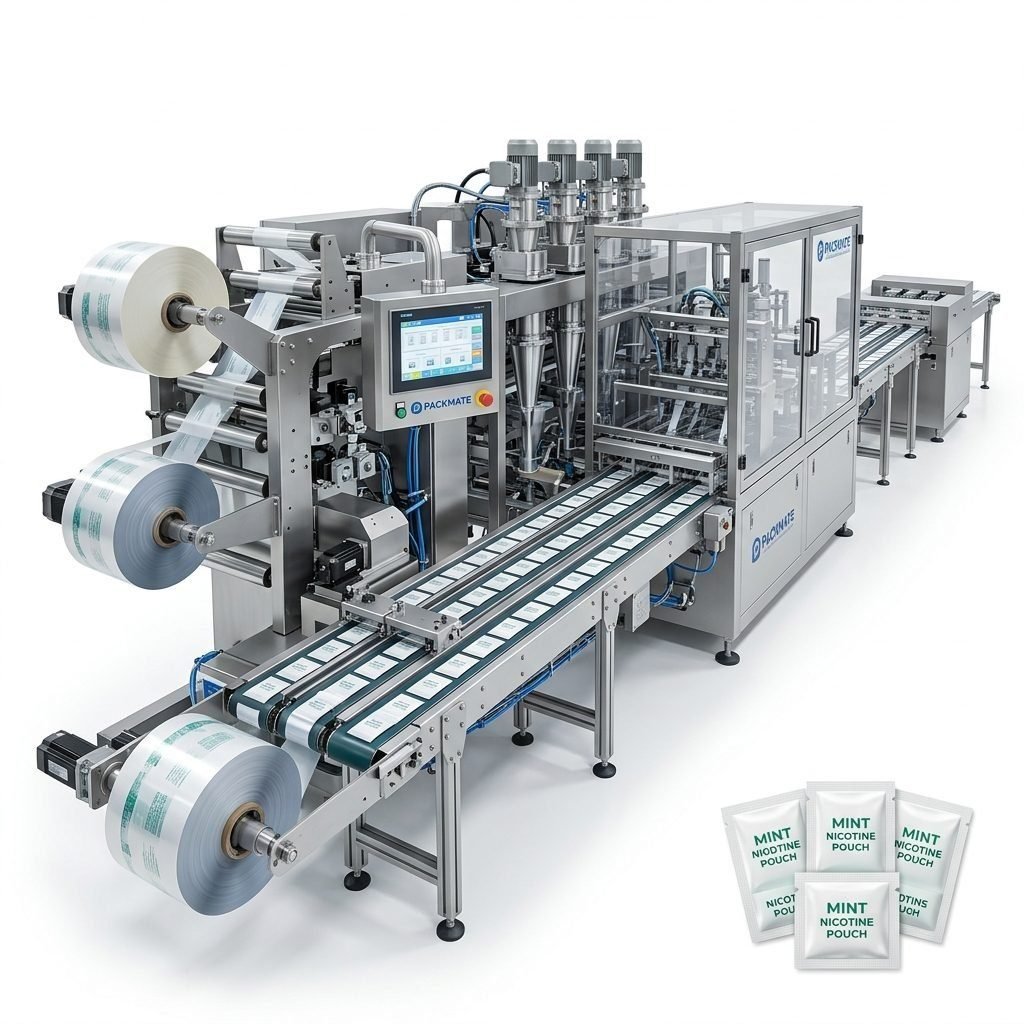
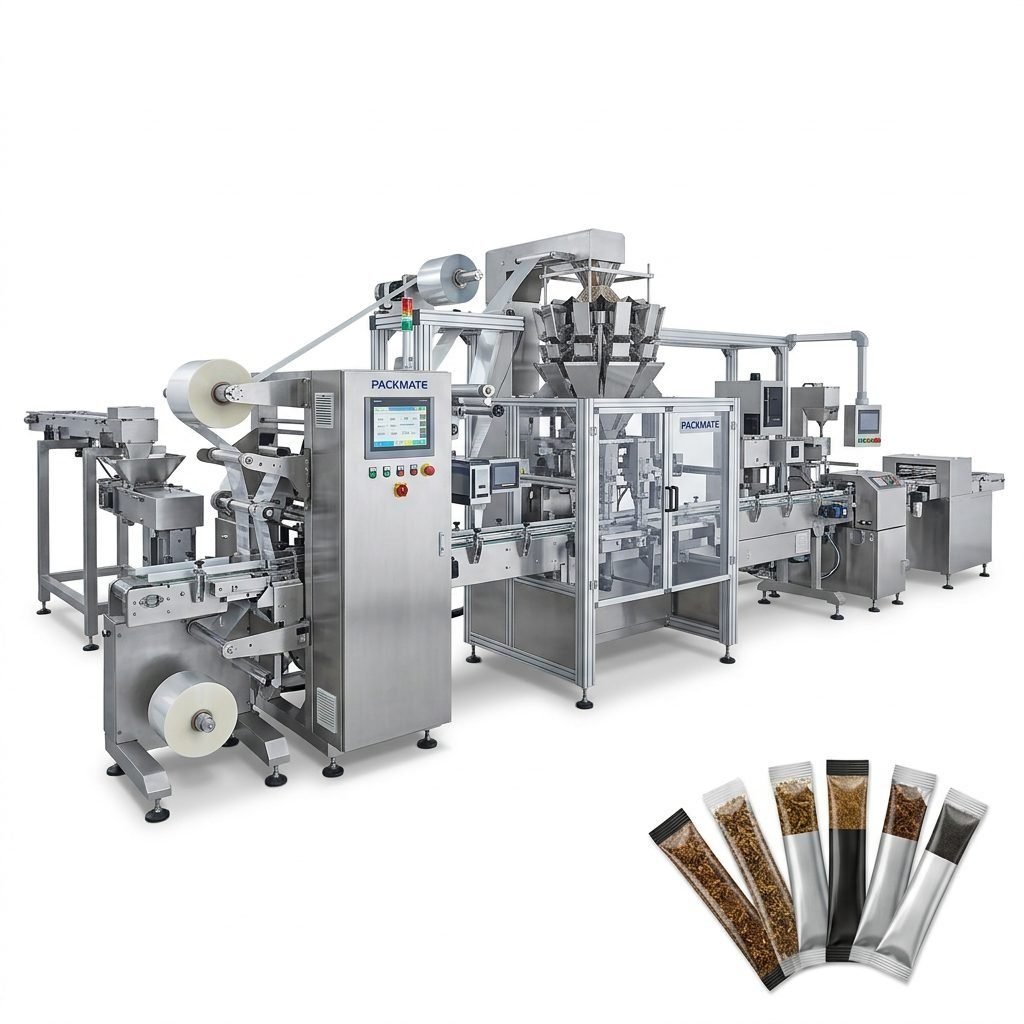
- Multi-lane systems — increase output without increasing factory footprint; best for growing brands that need scalable capacity.
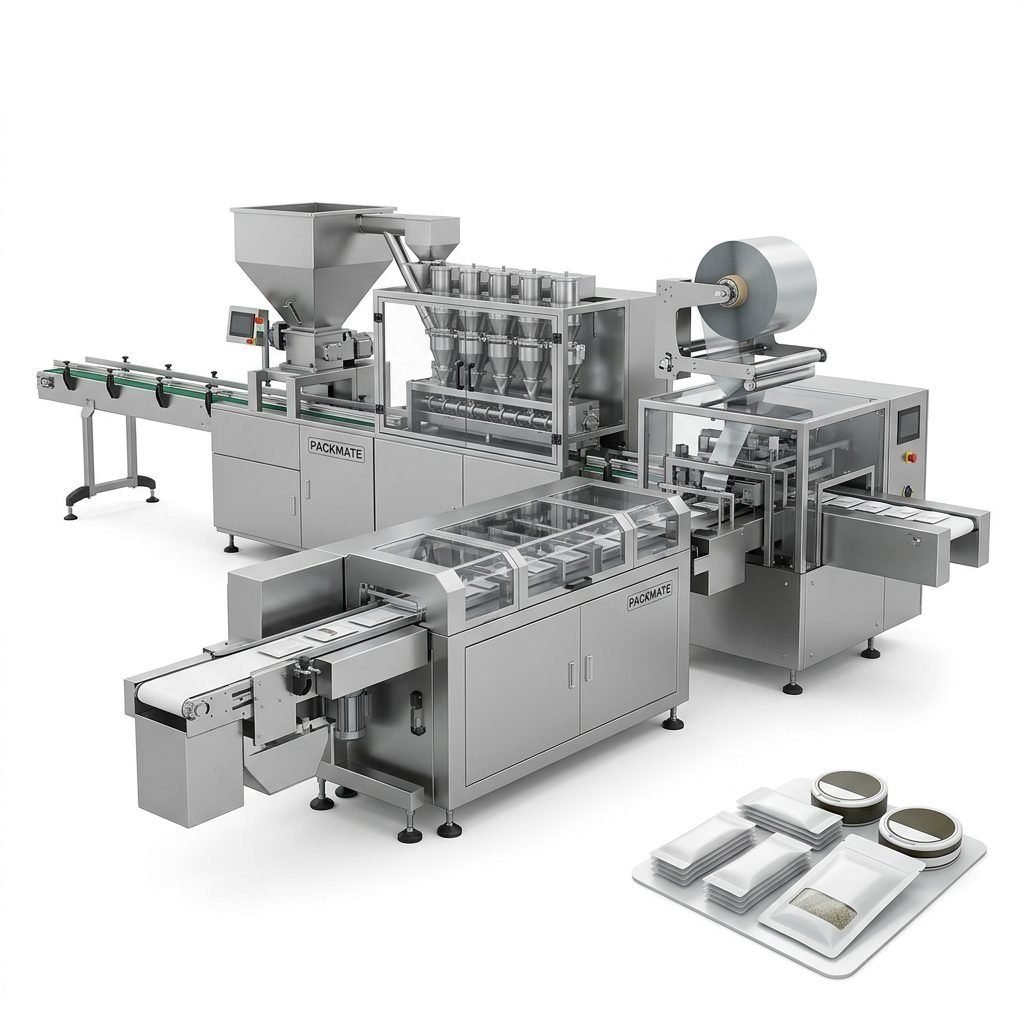
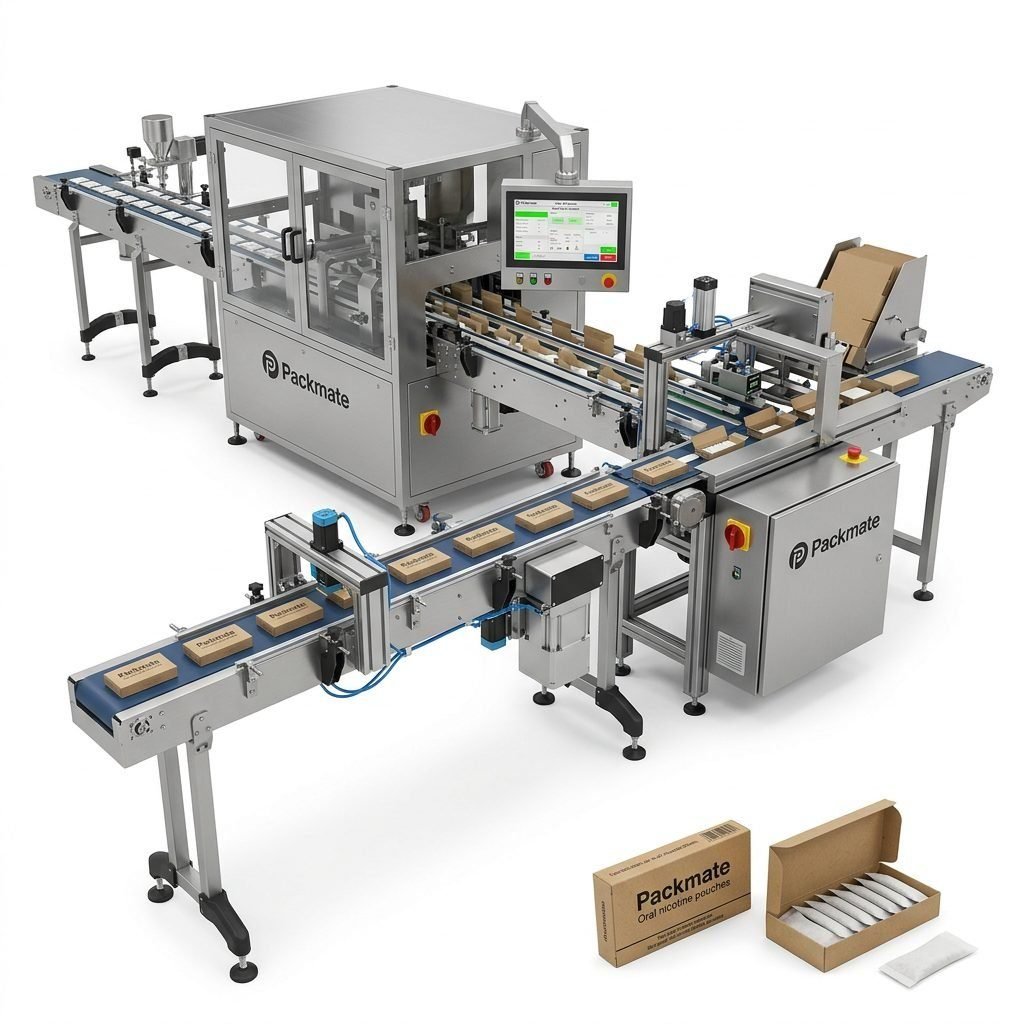
- Complete filling & packaging lines — include weighing, filling and downstream cartoning for turnkey installation. (full lines)
Performance specs to compare
When reviewing RFPs and quotes, compare these objective metrics:
- Throughput (pouches/min or sticks/min) and its stability across product types
- Filling accuracy and weight tolerance for nicotine contents
- Changeover time between formats and the level of automation for format parts
- Downtime statistics and MTTR — mean time to repair
- Energy consumption and footprint for planning installation in Portuguese facilities
Factory capability and production quality
Visiting or auditing the manufacturer’s factory is essential. Look for:
- Large manufacturing facility with advanced CNC and assembly lines — evidence of consistent parts quality and capacity to build multiple models in parallel.
- Quality control systems, CE and ISO certification documentation, and testing protocols for final commissioning.
- A documented assembly and testing workflow that demonstrates functional checks, leak tests (for pouches), and packaging trials before shipment.
- Ability to supply spares, consumables, and upgrade kits — minimize future downtime in Portugal by ensuring a steady spare parts supply.
After-sales, training and spare parts
Prioritize manufacturers who provide clear post-sale programs:
Ask for:
- Structured on-site commissioning in Portugal and bilingual training materials (Portuguese/English).
- Fast remote diagnostic support and spare parts logistics — ideally with local or European stock points.
- Warranty terms that clearly state response times and replacement part lead times.
Total cost of ownership (TCO) — not just the purchase price
Evaluate TCO across a 3-5 year horizon. Include:
- Initial price + freight, import duties, and VAT for Portugal.
- Installation, commissioning and training costs (factor language support).
- Spare parts consumption, expected MTBF and service contracts.
- Energy consumption and labor requirements for day-to-day operation.
- Resale value and modular upgrade paths if your product mix evolves.
Factory acceptance testing (FAT) and sample runs
Require FAT with your actual product or a representative formulation. A proper FAT should include:
- Demonstrated throughput and quality metrics using your materials.
- Documentation of cycled runtime, changeover procedures and sample retention.
- Clear acceptance criteria and sign-off procedures so Portugal importers can avoid disputes later.
Integration and automation options
Consider vendors who can integrate:
- Weighing & packaging systems for precise dosing (weighing solutions).
- Upstream filling lines and downstream cartoning to minimize manual handling.
- Industry 4.0 ready controls for remote monitoring and predictive maintenance.
Supply chain, logistics and delivery to Portugal
Delivery and installation in Portugal require coordination on shipping method (container vs. breakbulk), packaging for export, and customs paperwork. Tips:
- Ask the supplier for a full packing list, mechanical drawings and weight/volume for customs filings.
- Decide whether the supplier will handle DDP (Delivered Duty Paid) or DAP terms. Portuguese importers often prefer suppliers who assist with customs clearance.
- Plan installation near major ports (Lisbon, Porto) or airports for faster customs handling and technical visits.
Reputation and references
Verify references and ask for case studies from similar European customers. Relevant proof points include:
Look for vendor profiles and past projects such as:
- Global cooperation cases and exhibition participation that demonstrate product maturity. (cases, exhibitions)
- Certifications and factory credentials available for review. (certificates)
- Company profile and timeline that prove long-term stability and R&D background. (about)
Negotiation tips for Portuguese importers
Portuguese importers often appreciate transparent communication and clear delivery terms. Useful negotiation items:
- Request an itemized quote with separate costs for machine, tooling, FAT, shipping, commissioning and spare kits.
- Negotiate on training language, local technical documentation and spare parts consignment stock.
- Set milestone payments tied to FAT sign-off, shipping and successful commissioning in Portugal.
Choosing the right manufacturer profile
Ideal manufacturers for Portuguese importers are those who combine engineering experience, global references, certified equipment, and a responsive after-sales network. Evaluate:
- Years of industry experience and breadth of product models (e.g., 30+ years, 50+ machine models).
- Factory size and in-house machining capabilities — critical for spare parts quality and customization.
- Readiness to provide turnkey solutions vs. single machines depending on your investment plan. (pouch solutions)
Checklist before signing a purchase agreement
- Confirmed technical specifications and FAT results with your material.
- Detailed timeline for manufacturing, testing and shipment to Portugal.
- Clear warranty, spare parts lead times and service response SLAs.
- Language support, training plan and documentation included.
- Signed acceptance criteria and payment milestones.
Why consider Packmate and how to contact
A manufacturer with decades of R&D and full packaging line capabilities can reduce risk for importers. Companies like Packmate provide a broad range of snus and pouch packaging machines, multi-lane systems, and turnkey lines — backed by factory testing and global case studies. Explore their product range and services for specifics on models and customizable options.
Useful links:
Snus & Nicotine Packaging Machines,
Bag & Pouch Packaging Machines,
About Packmate,
Contact Us
Practical next steps for Portuguese importers
1) Define your product specifications and annual volume forecast. 2) Shortlist manufacturers and request FAT with your product. 3) Arrange factory visits or virtual audits. 4) Negotiate clear delivery and commissioning terms with spare parts agreements. 5) Plan labeling and regulatory compliance for Portuguese retail channels.
Frequently Asked Questions
Q1: How important is CE/ISO certification when importing machines into Portugal?
A: CE and ISO certificates are essential for customs and for meeting EU machine safety directives. They also provide assurance to Portuguese customers about safety and compliance.
Q2: What shipping terms should I request?
A: Negotiate terms like DAP or DDP depending on your familiarity with import procedures. DDP reduces hassle but can increase the vendor’s pricing; DAP can be cost-effective if you have a reliable customs broker in Portugal.
Q3: Can manufacturers provide Portuguese language documentation and training?
A: Many manufacturers will provide bilingual materials or on-site interpreters for commissioning if requested. Make this a contractual item if Portuguese documentation is required.
Q4: How do I ensure spare parts availability?
A: Request a spare parts kit with your initial order, ask about consignment stock options in Europe, and confirm lead times for critical components.
Q5: What local considerations should I keep in mind for the Portuguese market?
A: Ensure labeling meets Portuguese language requirements, plan for EU customs and VAT, and prioritize vendors that understand European regulations and can provide fast support.