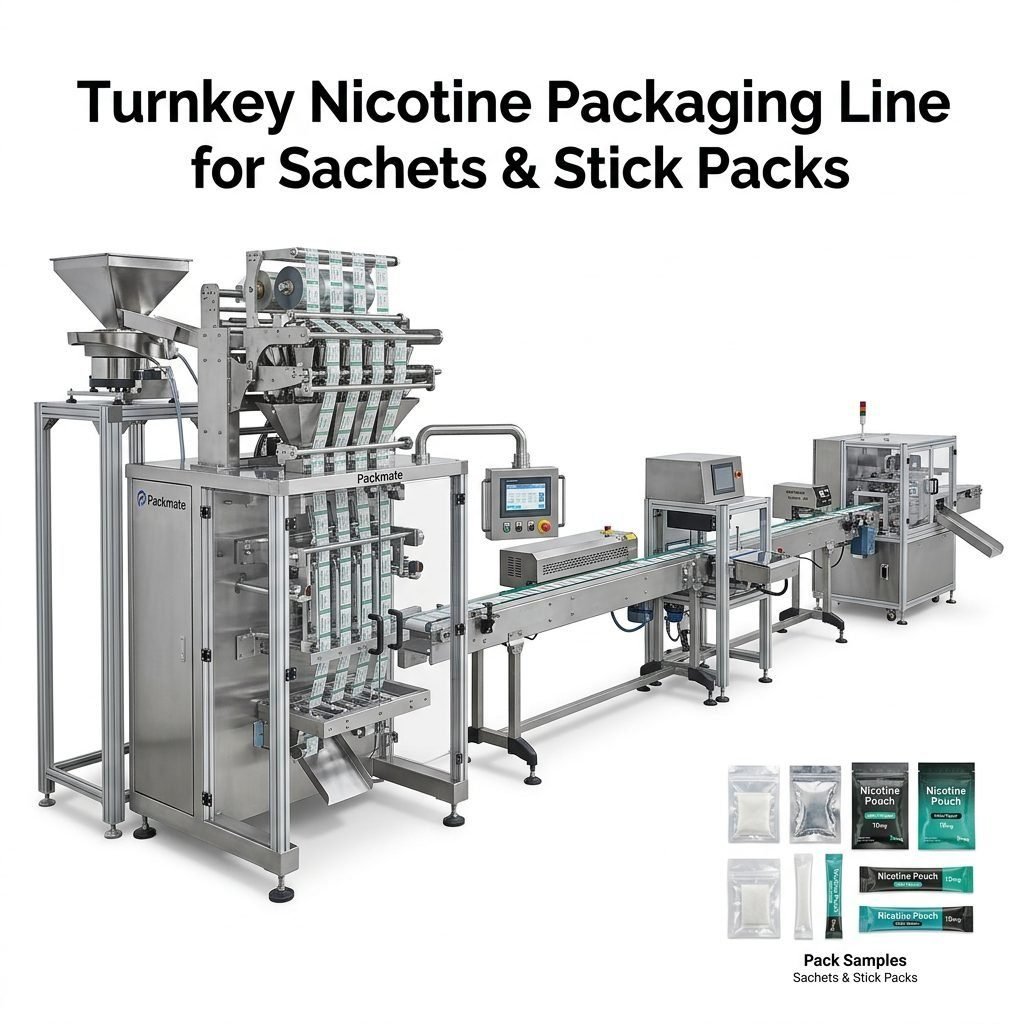
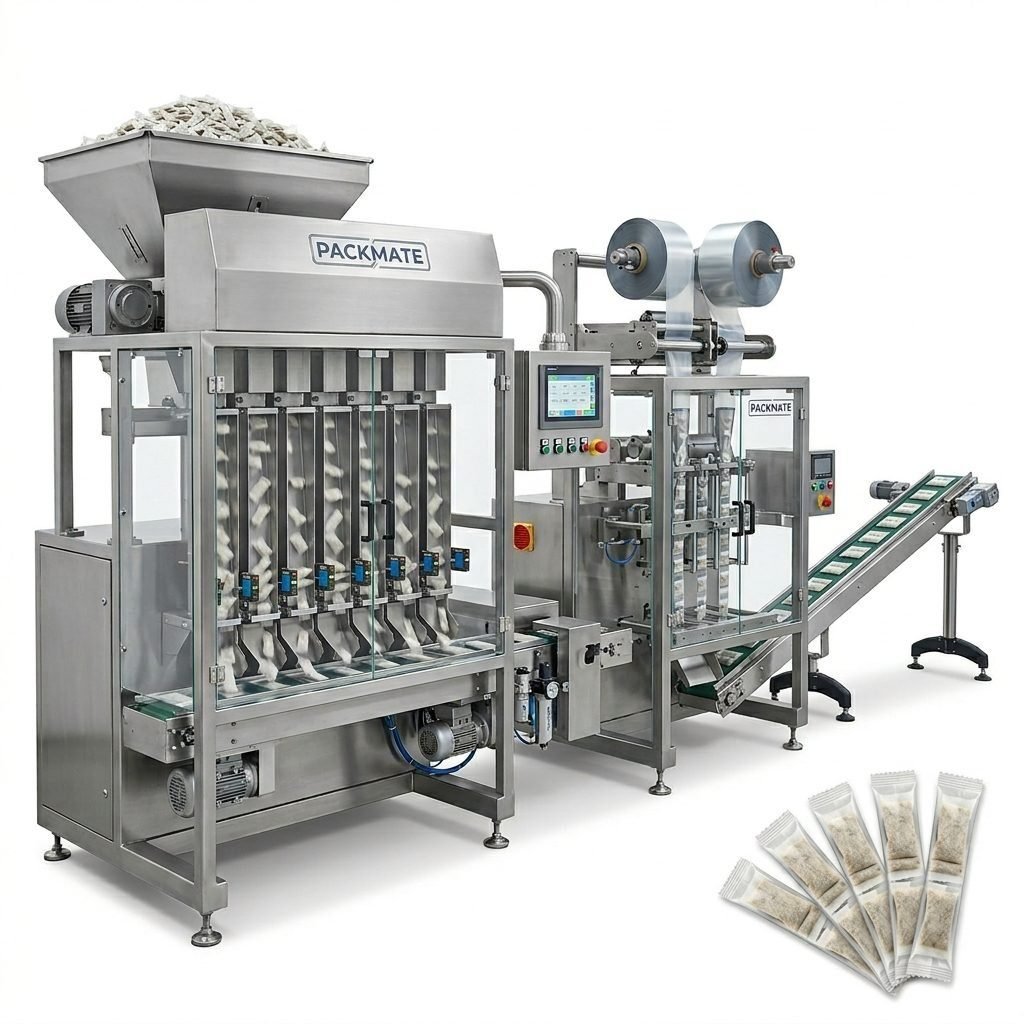
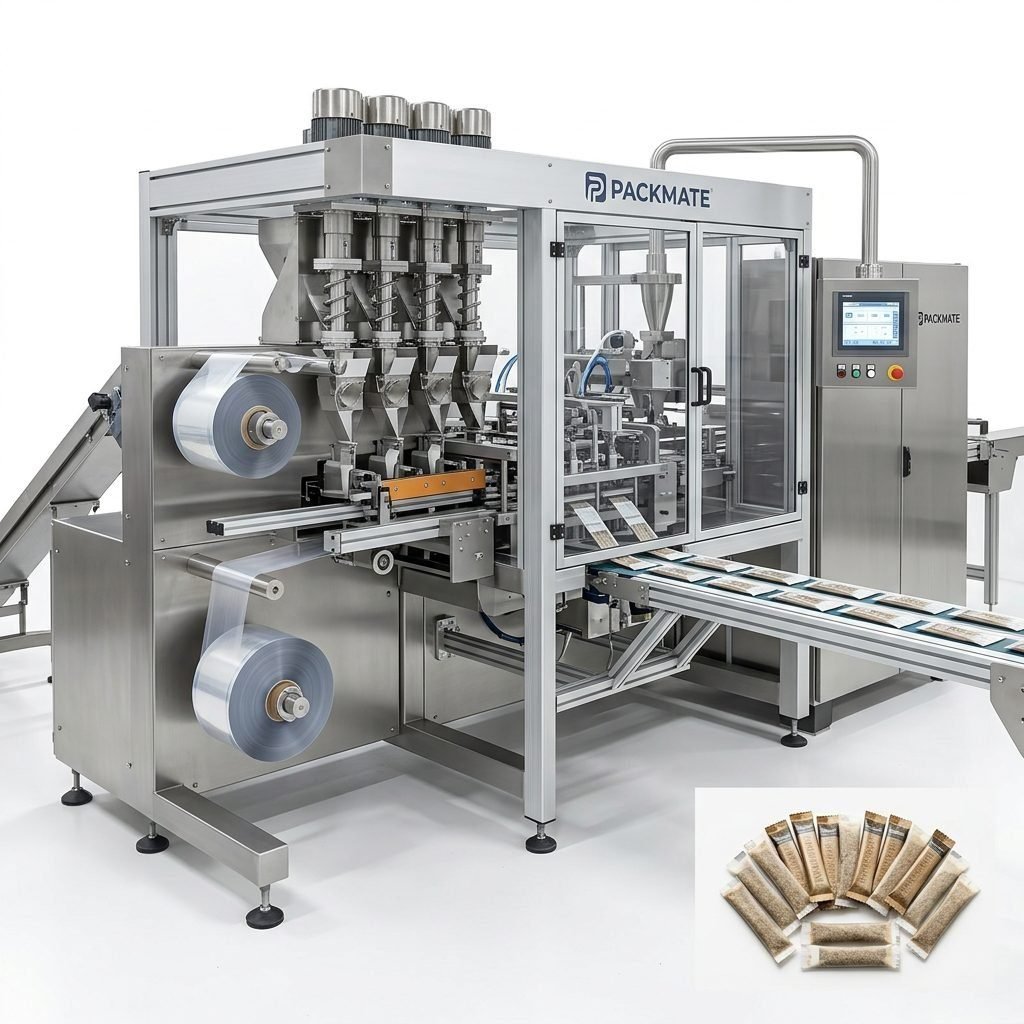
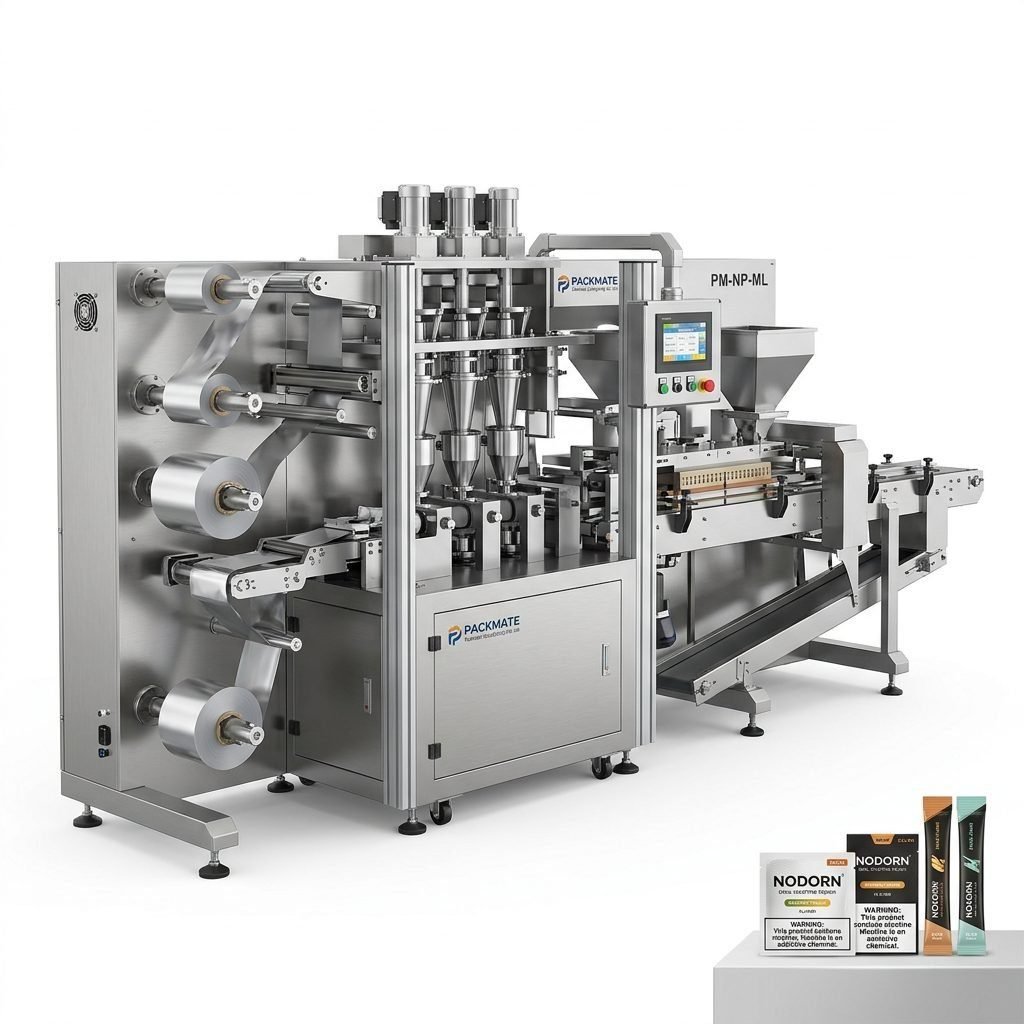
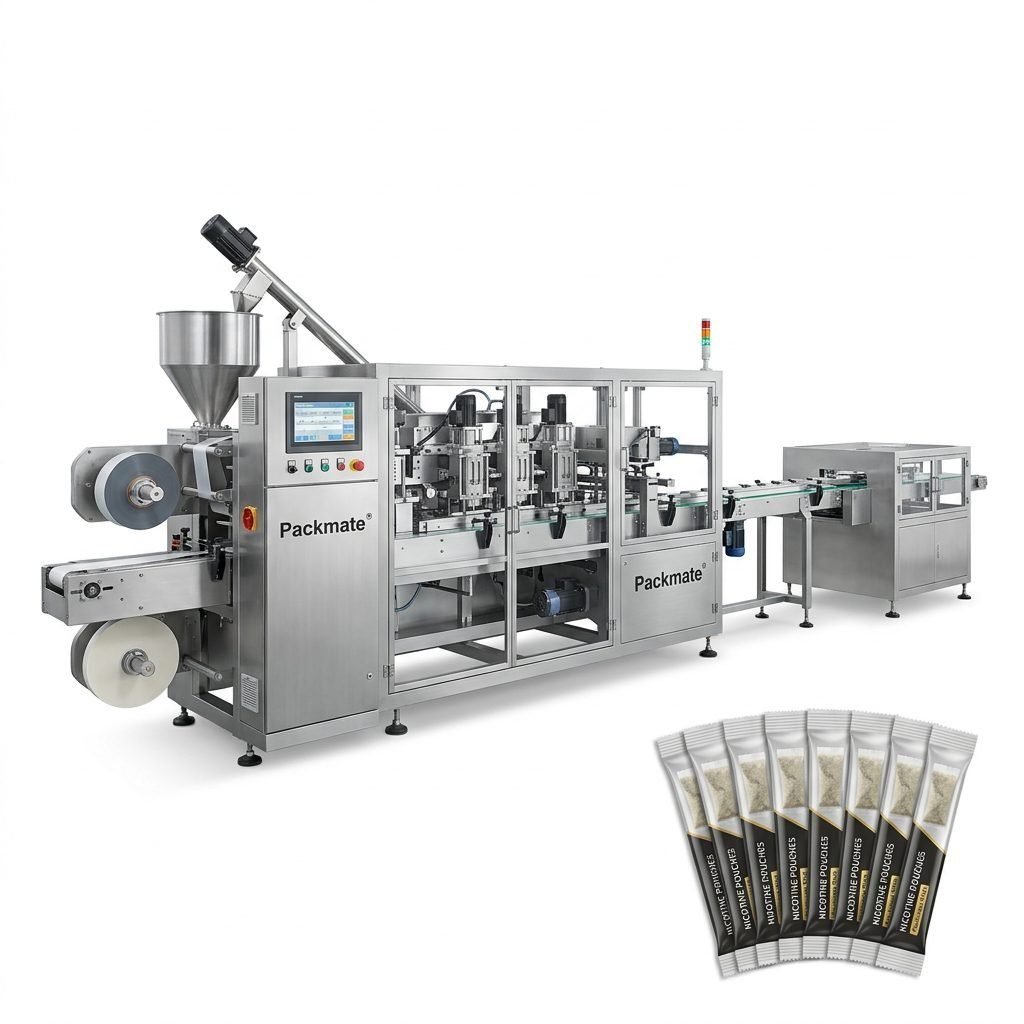
Selecting the best snus packaging line manufacturer is a strategic decision that influences product quality, regulatory compliance, production efficiency, and long-term cost. Whether you produce nicotine pouches, snus, or other small-dose sachet products, the right supplier brings not only reliable machines but also engineering expertise, turnkey integration and after-sales support. This guide walks you through practical selection criteria, evaluation steps, and how a seasoned supplier like Packmate Snus Machine positions itself as a partner for scalable and compliant production.
Why Choosing the Right Manufacturer Matters
A snus packaging line is more than a single piece of equipment: it is a coordinated system of filling, dosing, sealing, coding, and sometimes secondary packing. Choosing the wrong partner can result in frequent downtime, product waste, inconsistent pouch weight, or even regulatory breaches. Conversely, a qualified manufacturer ensures stable output, simplified maintenance, and predictable total cost of ownership.
Key outcomes of a good supplier
Reliability: consistent production rates and low unplanned downtime.
Compliance: machines that meet CE/ISO and customer-specific regulatory needs.
Scalability: modular solutions that grow with your demand.
1. Production Capacity & Factory Strength
Understand the manufacturer’s production scale and in-house capabilities. A supplier with a fully equipped factory (CNC machining centers, precision assembly lines and quality testing) is better placed to deliver consistent machine quality and timely spare parts. Look for clear facts such as factory area, number of models, and years of experience—these are practical indicators of manufacturing depth.
What to verify
- Factory size and production lines (example: a 20,000㎡ facility suggests capacity for multiple concurrent builds).
- Number of available machine models and customization options.
- In-house machining and testing capability to reduce lead times for parts and upgrades.
2. Machine Types & Flexibility
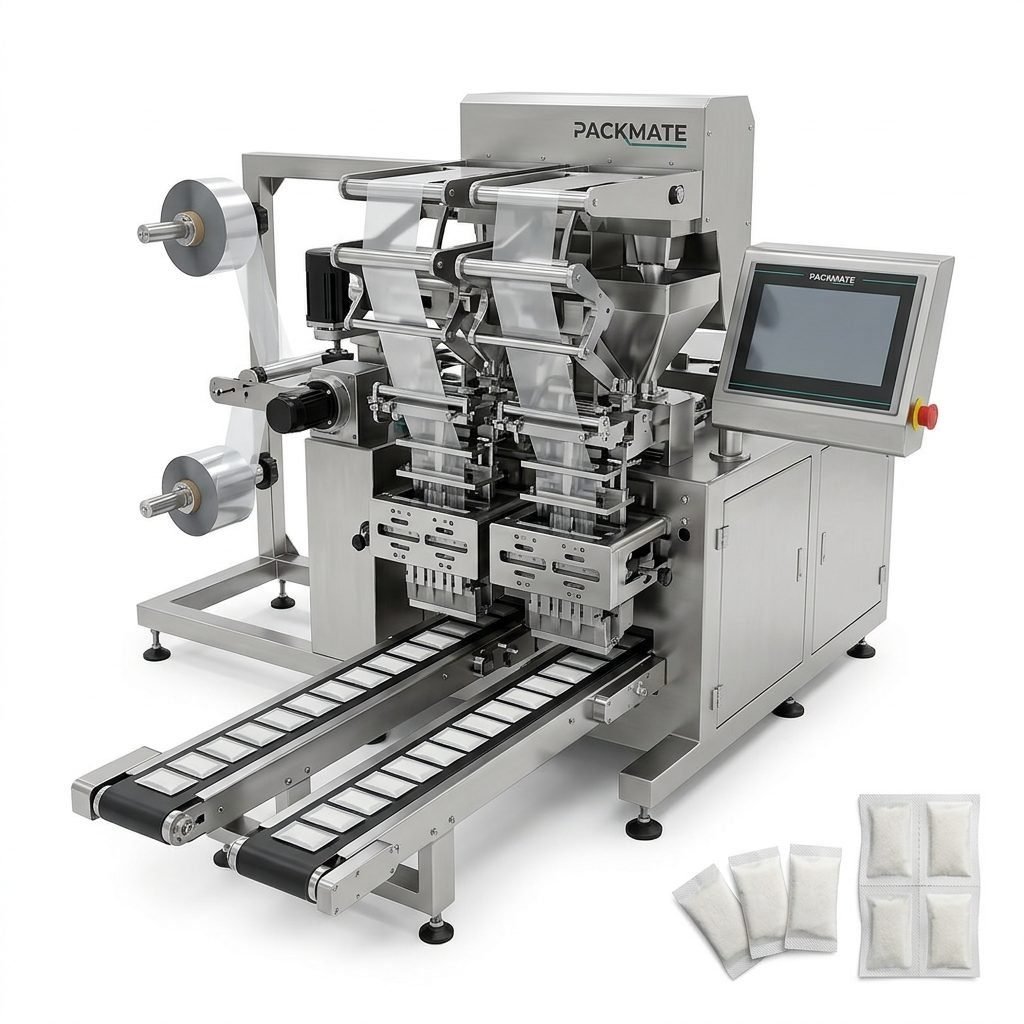
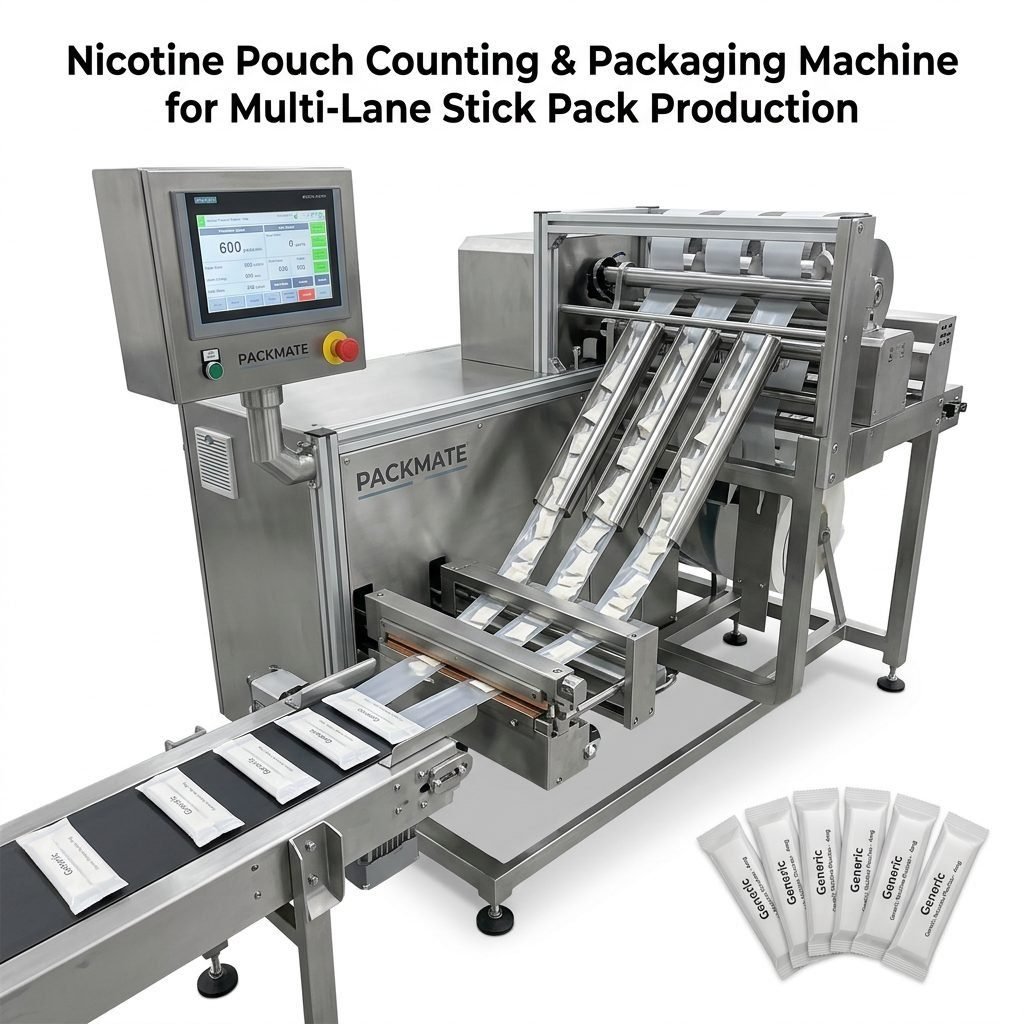
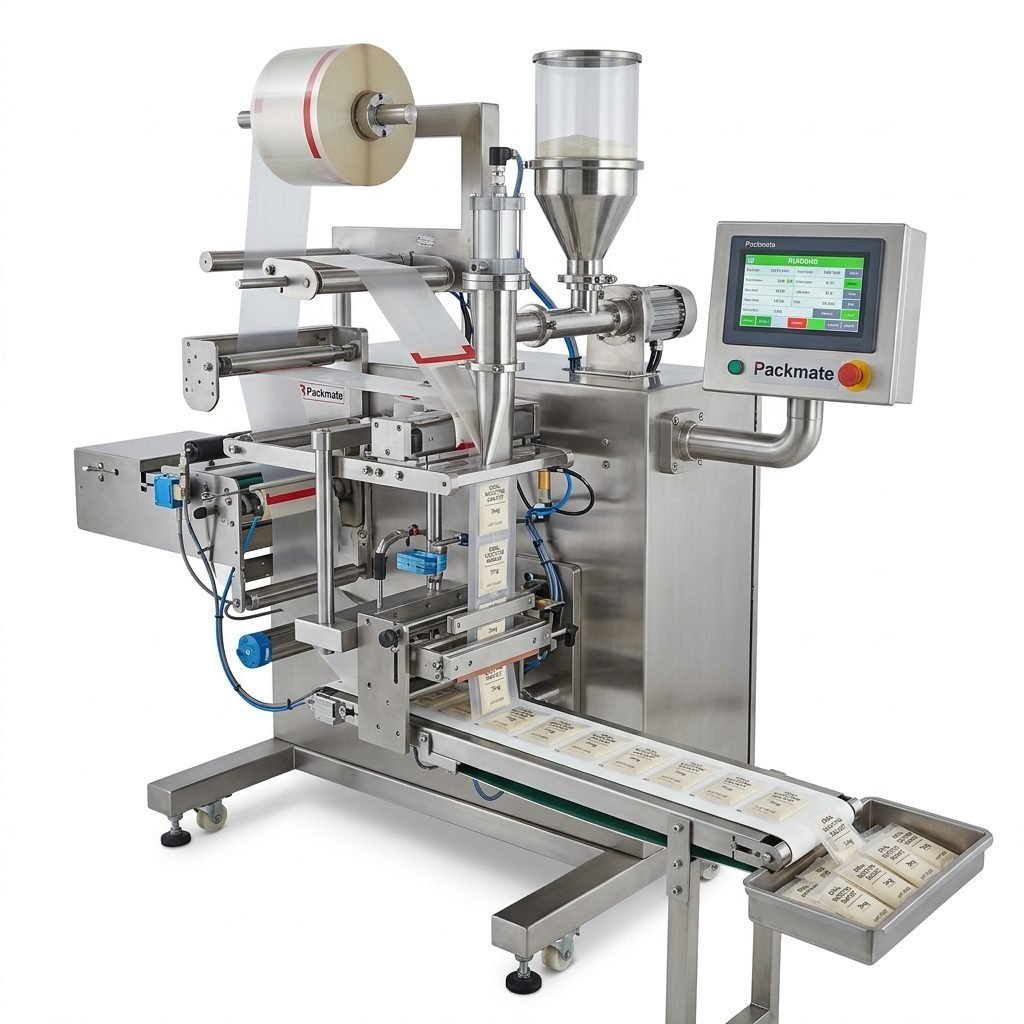
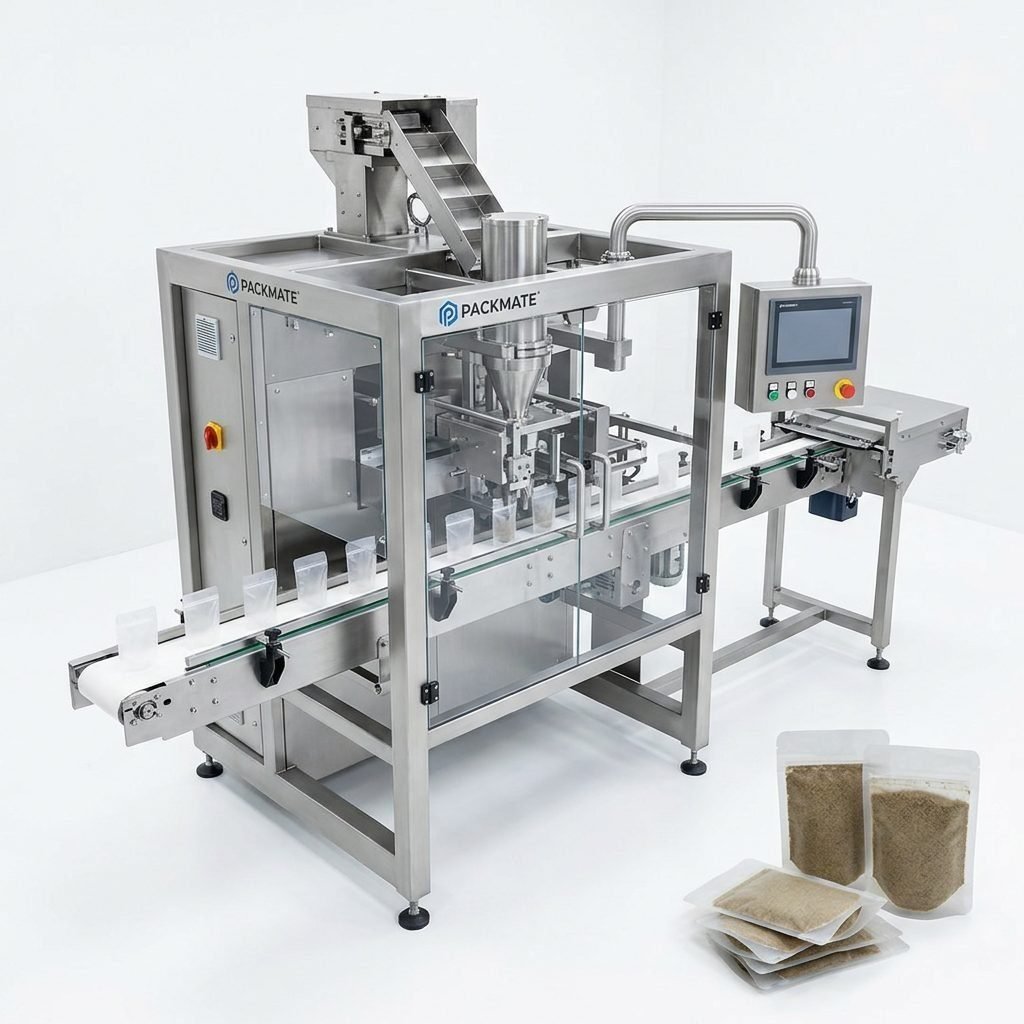
Packaging lines for snus and nicotine pouches come in many layouts: single-lane stick packs, multi-lane sachet systems, rotary pouch makers, and integrated filling lines for powders, granules or wet formulations. Prioritize suppliers that offer multiple machine families and have proven configurations for small-dose pouches.
Explore product portfolios like Snus & Nicotine Packaging Machines and Sachet & Stick Pack Machines to find matching equipment types and throughput ranges.
3. Customization & Engineering Support
Nicotine pouches vary by dose, ingredients, moisture level, and pouch material. The best manufacturers provide customization—adjustable dosing systems, special feeding modules, or unique sealing jaws tailored to your pouch film. Ask for past examples of custom engineering and how change requests are handled.
Practical questions to ask
- Can the line handle different pouch sizes and materials without major tooling changes?
- Is there in-house R&D for new pouch formats or dosing technologies?
- What is the lead time for custom components or special attachments?
4. Quality Assurance & Certifications
Quality systems and international certifications are essential for global distribution. Verify CE, ISO or other relevant certificates. Also review internal quality testing—tolerance checks, stability runs and FAT/SAT protocols (Factory and Site Acceptance Tests).
A manufacturer with documented FAT procedures and performance testing reduces onboarding risk and demonstrates mature engineering practices.
5. After-sales Service & Spare Parts Availability
After-sale support includes installation, commissioning, remote troubleshooting, spare parts supply and training. Downtime on a packaging line can cost far more than the machine price. Confirm spare parts stock levels, typical lead times, and the availability of field technicians—especially important if you operate in remote regions.
Red flags to avoid
- Long spare-part lead times without temporary solutions.
- No structured training or machine documentation.
- No remote support tools (video guidance, PLC access or diagnostic logs).
6. Turnkey Solutions & Line Integration
If you need a full production line—filling, dosing, forming, sealing, labeling and secondary packaging—select a supplier capable of delivering integrated systems. Turnkey providers handle layout engineering, utility requirements and the balance of plant, saving you coordination time and ensuring components are compatible.
Explore offerings such as Filling & Packaging Lines and complementary modules like Auxiliary Packaging Equipment.
7. Regulatory Compliance and Traceability
Nicotine products are tightly regulated in many markets. A reputable supplier integrates traceable coding systems, batch printing, and can advise on material compatibility for tamper-evident packaging. Ensure the machines support serialization, QR code printing, or electronic batch records if required by local authorities or your internal quality systems.
8. Total Cost of Ownership (TCO) vs Upfront Price
Evaluate both upfront purchase price and long-term costs: energy consumption, consumables, maintenance frequency, downtime penalties, and spare parts pricing. A slightly higher initial investment in robust equipment often delivers lower TCO through fewer stoppages and longer life.
Consider asking suppliers for a TCO estimate covering 3-5 years of operation, including spare parts, consumables and recommended maintenance schedules.
9. Factory Visit & Reference Checks
Whenever possible, schedule a factory visit to watch machines running and to review build quality. If travel is restricted, request live demos, recorded machine runs and customer references. Check case studies for similar product types and production speeds.
Packmate publishes real-world examples—review the Case page for installations and customer feedback to verify claims.
10. Decision Checklist: How to Compare Suppliers
- Production capacity and available throughput ranges.
- Machine types, flexibility and compatibility with your pouch formats.
- Certifications, FAT protocols, and quality assurance documentation.
- After-sales support, spare parts lead times and technician availability.
- TCO estimates and warranty terms.
- References, factory visits and real machine demonstrations.
Quick scoring method
Score each supplier on: Performance (30%), Support (25%), Compliance (20%), TCO (15%), References (10%). Total out of 100 gives a comparative ranking.
Why Packmate Snus Machine Is a Considered Option
With a history of over 30 years in packaging engineering and a dedicated focus on snus and nicotine pouch systems, Packmate offers a wide model range and full turnkey capabilities. Their factory scale, certifications, and demonstrated global deployments are strong indicators of maturity in this niche market.
For more technical information on their solutions, see About Packmate or get in touch via Contact Us to request demos and quotations.
Selection Workflow: Step-by-step
- Define your product specifications: pouch size, weight range, materials, and production targets.
- Shortlist suppliers with relevant machine types and certifications.
- Request technical proposals, TCO calculations, and FAT protocols.
- Arrange demos, site visits or live video runs.
- Compare scores, negotiate warranty and spare part terms, then finalize purchase order with clear acceptance criteria.
Final Recommendations
Prioritize reliability, regulatory compatibility and after-sales support over the lowest bid. Insist on FAT/SAT testing, documented performance guarantees, and a clear spare parts plan. If your product requires special dosing or pouch format, seek a supplier with proven customization and in-house R&D.
Important: Ensure all contractual terms include acceptance tests, penalty clauses for missed lead times, and defined support SLAs to protect your production launch timeline.
FAQs
Q1: How long is the typical lead time for a snus packaging line?
Lead times vary by customization level and factory scheduling. Standard machines might ship in a few months, while fully customized turnkey lines can take 4–9 months. Always confirm a timeline with documented milestones.
Q2: What ongoing maintenance should I expect?
Regular maintenance includes lubrication, belt and seal inspections, sensor checks, and periodic calibration of dosing systems. A supplier should provide a maintenance manual and recommended spare parts kit.
Q3: Can machines be upgraded for higher speeds later?
Many systems are designed modularly so you can add lanes, increase automation, or replace modules for higher throughput. Confirm upgrade paths and associated costs before purchase.
Q4: Where can I see real installations or request a demo?
Ask the supplier for case studies, live demos or references. Packmate lists installations and exhibition demonstrations—review the Our Exhibition page or contact sales for demo scheduling.