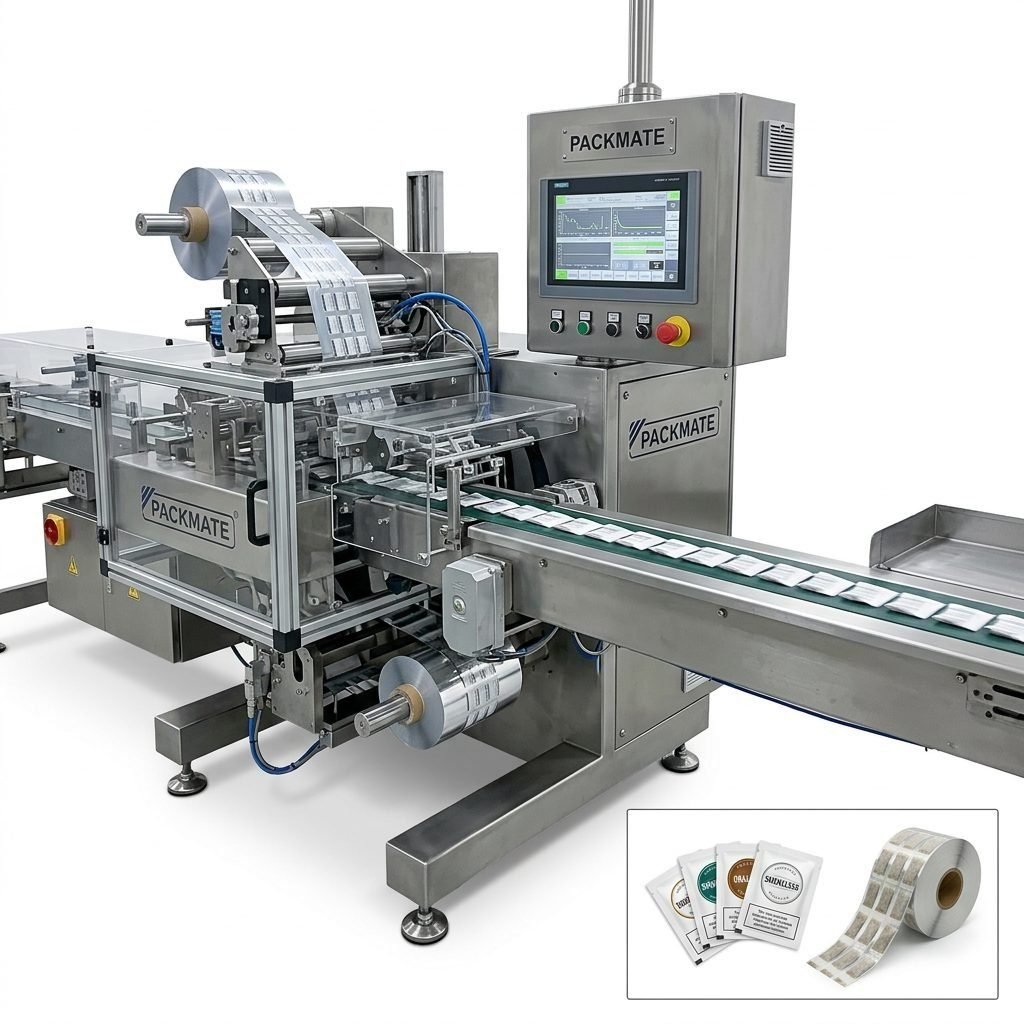
Selecting the right nicotine packaging machine for your business in Kenya requires balancing production needs, regulatory compliance, local market preferences, and long-term serviceability. Whether you’re launching a small nicotine pouch brand in Nairobi or scaling a multi-lane snus line for export, the right equipment affects product quality, operating costs, and time-to-market. This guide walks Kenyan manufacturers, distributors, and entrepreneurs through the practical considerations and criteria to choose the best nicotine packaging machine for your operation.
Understanding the Kenyan Market & Local Considerations 🔍
Kenya’s consumer landscape is diverse — from urban modern retail in Nairobi and Mombasa to informal kiosks and regional distributors. This diversity affects packaging formats, labeling language, and batch sizing. When choosing machinery, consider:
🔸 Market channel: Retail shelves demand premium, tamper-evident packs; informal trade may prioritize smaller, low-cost sachets.
🔸 Regulatory environment: Ensure packaging supports required warnings, traceability coding and any local labeling norms. Work with local compliance experts before finalizing pack format.
🔸 Climate & logistics: High humidity in coastal regions and temperature swings can affect pouch adhesives and barrier films; choose materials and machines built to handle local conditions.
🔸 Power & maintenance: Expect occasional voltage fluctuations outside major cities — machines with robust drives, voltage stabilizers and simple maintenance procedures reduce downtime.
Types of Nicotine Packaging Machines to Consider ⚙️
Different product designs and production targets require different machines. Common categories include:
Snus / Nicotine Pouch Packaging Lines
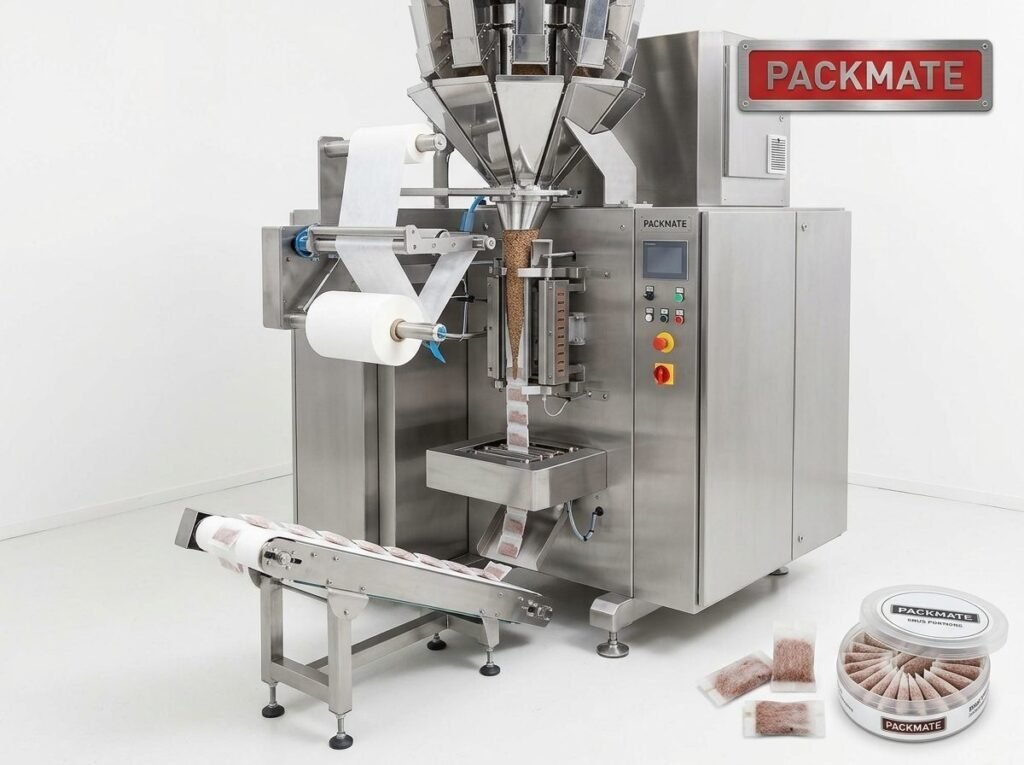
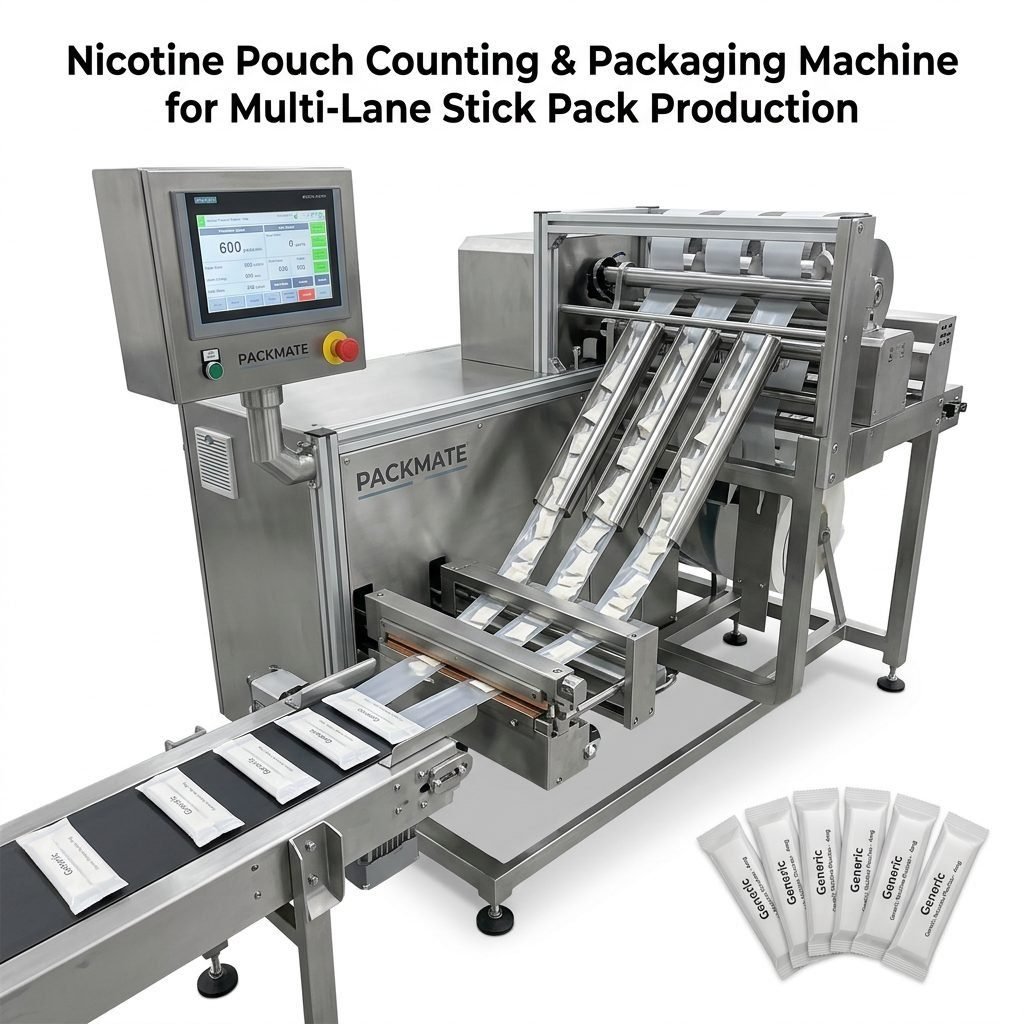
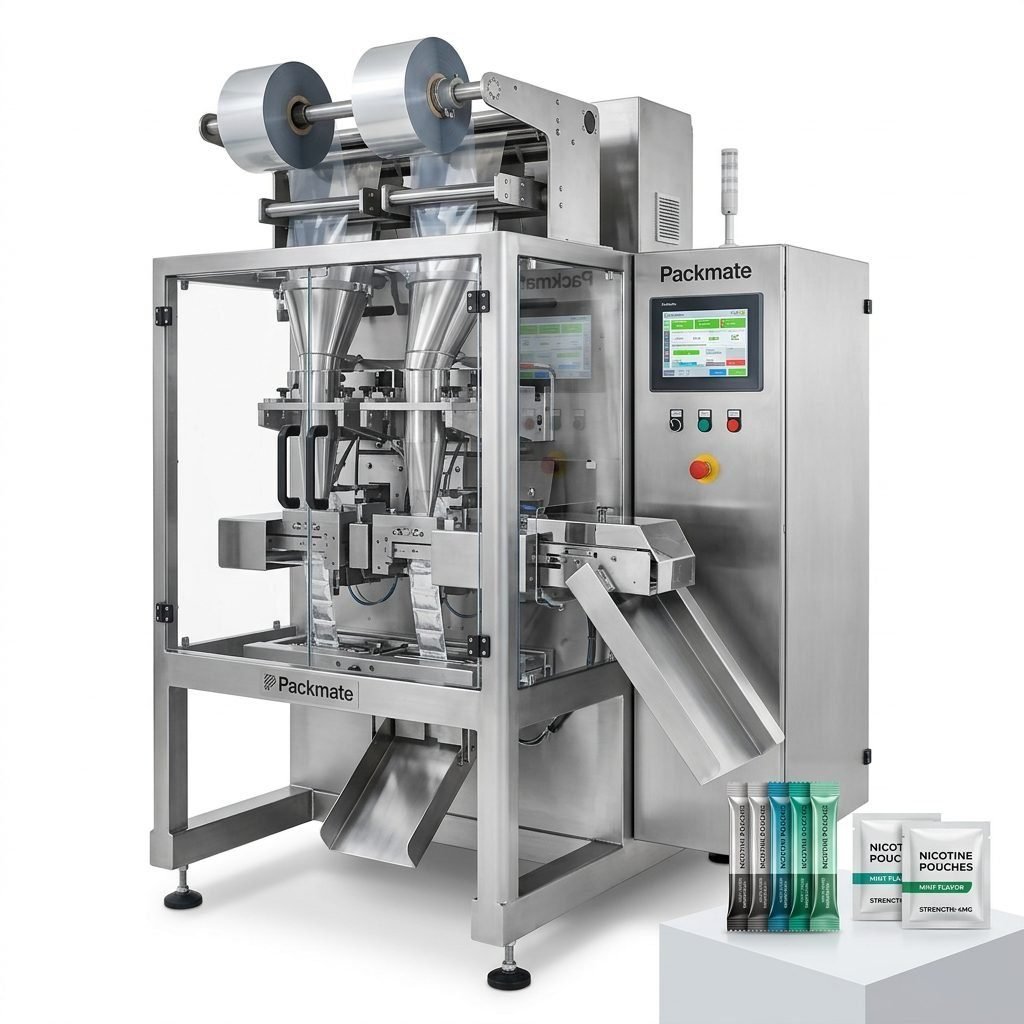
These systems are specialized for small-dose pouches and offer precision dosing, pouch forming and sealing. For manufacturers focused on nicotine pouches and snus, explore dedicated systems optimized for pouch size consistency and gentle handling. See examples at Snus & Nicotine Packaging Machines.
Sachet & Stick Pack Machines
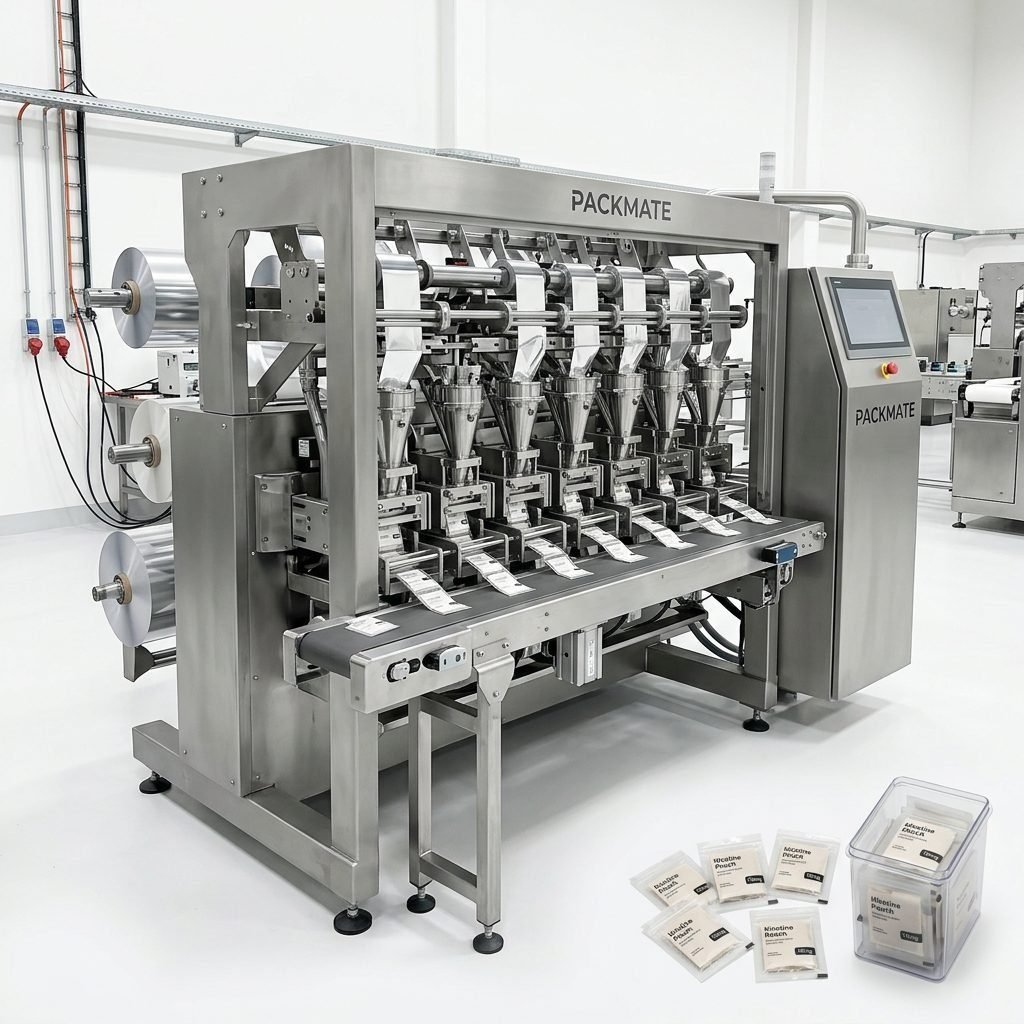
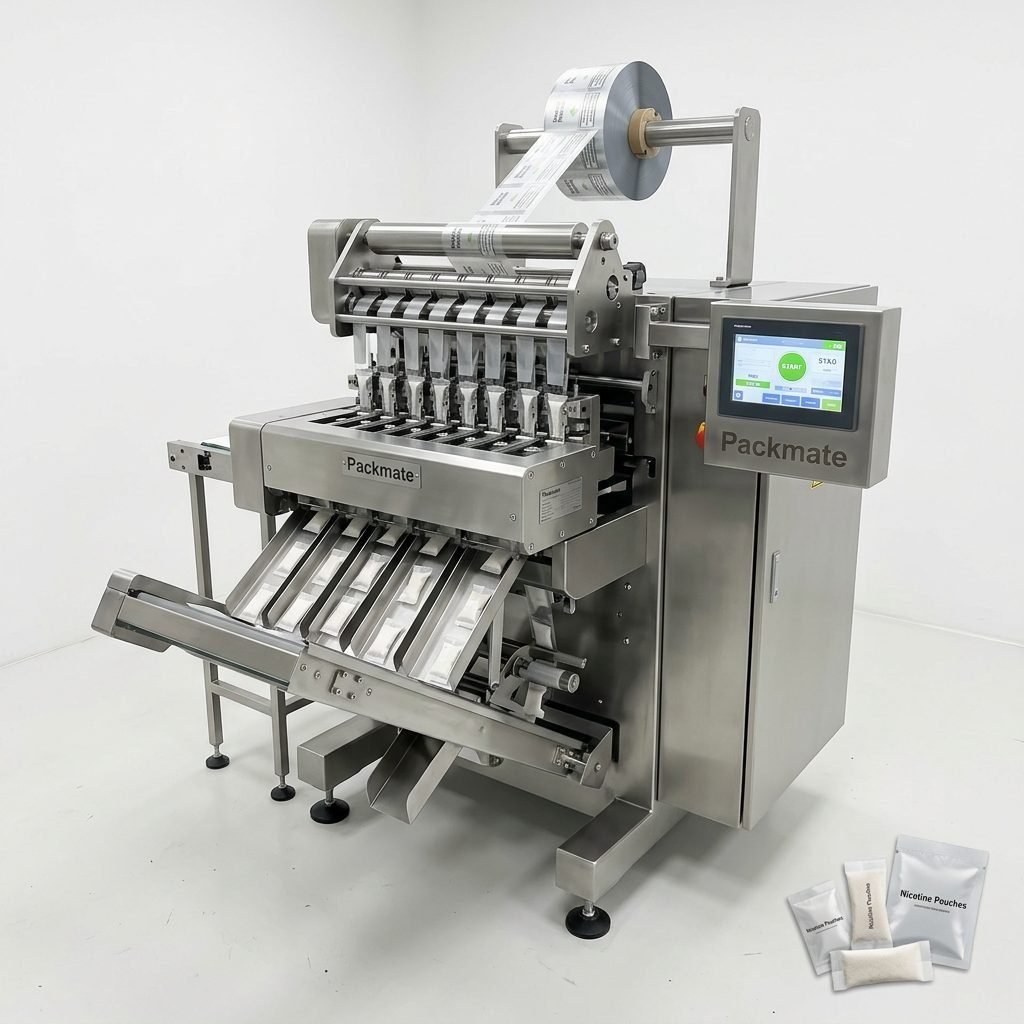
Sachet and stick pack machines are flexible for single-dose presentations and promotional packs. They are suitable for low-cost, high-volume batch runs. For multi-format options, check Sachet & Stick Pack Machines.
Multi-lane Systems & High-speed Lines
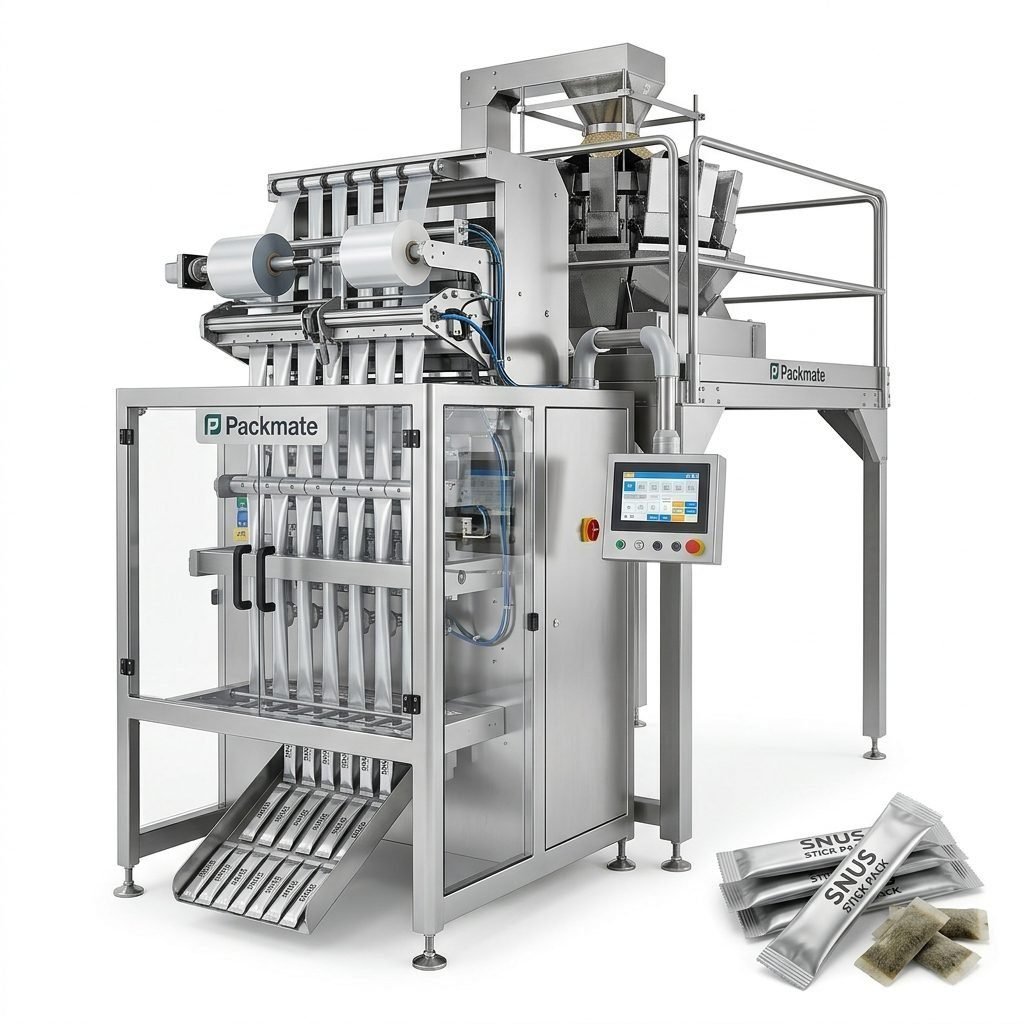
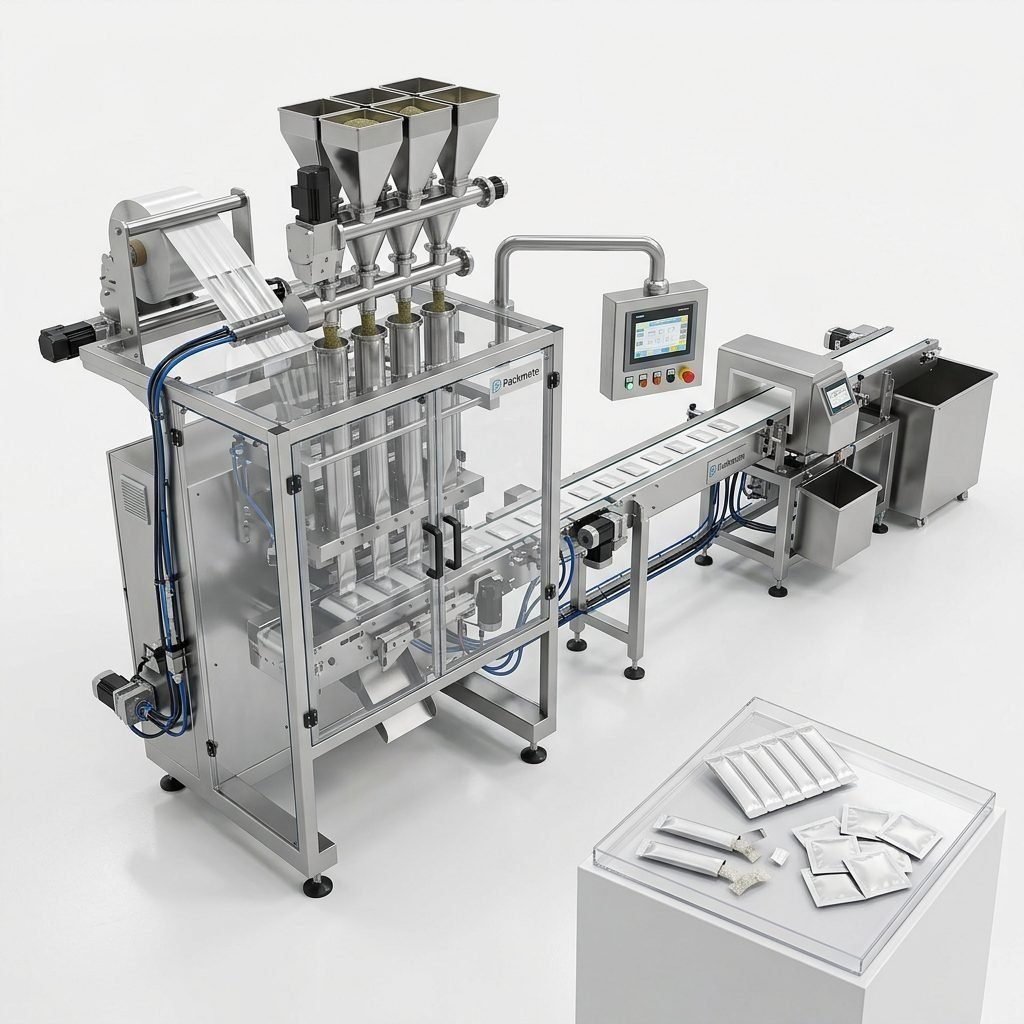
If you plan rapid scaling or export, multi-lane packaging lines provide high throughput with synchronized dosing and film handling. They demand higher initial investment but deliver better cost per unit at scale.
Key Technical Specifications — What to Prioritize ✅
⚙️ Filling accuracy — Nicotine dosing must be consistent for safety and compliance. Look for machines with precision weighing or volumetric systems and automatic calibration.
🕒 Throughput (packs/min) — Match machine speed to your projected demand. Startups may choose modular solutions; larger manufacturers need multi-lane or high-speed equipment.
🎛 Control system & HMI — User-friendly interfaces reduce training time. Multilingual displays (including English) are common and helpful for Kenyan operators.
🔩 Build quality & spare parts — Stainless steel contact parts, quality drives, and an accessible spare parts supply chain are essential for continuous operation.
🌡 Environmental robustness — Machines with sealed electronics, humidity-resistant components and dust control extend life in Kenyan production environments.
Packaging Formats, Materials & Local Preferences 📦
Choosing the right film and pouch style matters for shelf appeal, shelf life and regulatory labeling. In Kenya:
• Retail-focused brands often prefer rigid tins or premium pouches with resealable zippers, clear expiration printing, and crisp graphics.
• Economy sachets and stick packs remain popular for sampling, trial packs, or price-sensitive channels.
• Barrier films with good moisture and oxygen resistance are recommended for coastal or high-humidity regions to prevent product degradation.
Supplier Selection: What to Ask & Verify 📋
Choosing a reliable supplier reduces risk. When evaluating vendors, check:
🔎 Certifications — Verify CE, ISO or other relevant certifications. Machines from certified manufacturers simplify regulatory review and import processes.
📦 Range of models & customization — Suppliers offering modular lines and multiple models (e.g., 50+ models) help you grow without a full re-investment. See product options at Bag & Pouch Packaging Machines.
🛠 After-sales service & training — Local or regional support, spare parts lead times and operator training are essential. Confirm warranty terms and service packages.
📁 References & case studies — Ask for local references or international case studies showing long-term performance; many suppliers publish customer success stories and case pages.
Installation, Commissioning & Training 🛠️
Proper installation sets the tone for uptime. Confirm the supplier provides:
• On-site commissioning and calibration by experienced technicians.
• Operator and maintenance training with local language support where needed.
• Clear documentation and digital resources for troubleshooting and spare parts ordering. Consider suppliers that publish catalogs and FAQs online to support your team — for example, review the manufacturer’s background at About Packmate.
Auxiliary Equipment & Full Line Considerations 🔗
A packaging line is more than the sealing machine. Think about upstream and downstream equipment such as feeders, weighers, case packers and metal detectors. Integrating these systems saves handling time and improves quality control. Explore options for weighing and automated systems at Weighing & Packaging Systems.
Cost, ROI & Financing Considerations 💰
While initial purchase price is important, evaluate total cost of ownership (TCO). Factors to include:
• Operating costs: energy consumption, spare parts, maintenance and labor.
• Yield and waste rates: higher precision machines can reduce raw material loss.
• Depreciation and resale value: machines from reputable manufacturers often retain value longer.
• Financing & payment terms: ask suppliers about leasing options or staged payments to preserve working capital.
Practical Checklist Before Purchase ✅
📌 Define product specs: pouch size, filling weight, film type, sealing style.
📌 Estimate throughput: daily/monthly volumes and future growth scenarios.
📌 Inspect build quality: request factory photos, manufacturing details (e.g., CNC capability, assembly lines) and certifications.
📌 Confirm service plan: response times for spare parts, remote support and training schedules.
📌 Plan for local logistics: customs clearance, local taxes and warehousing for spare parts.
Why Choose a Manufacturer with Global Experience? 🌍
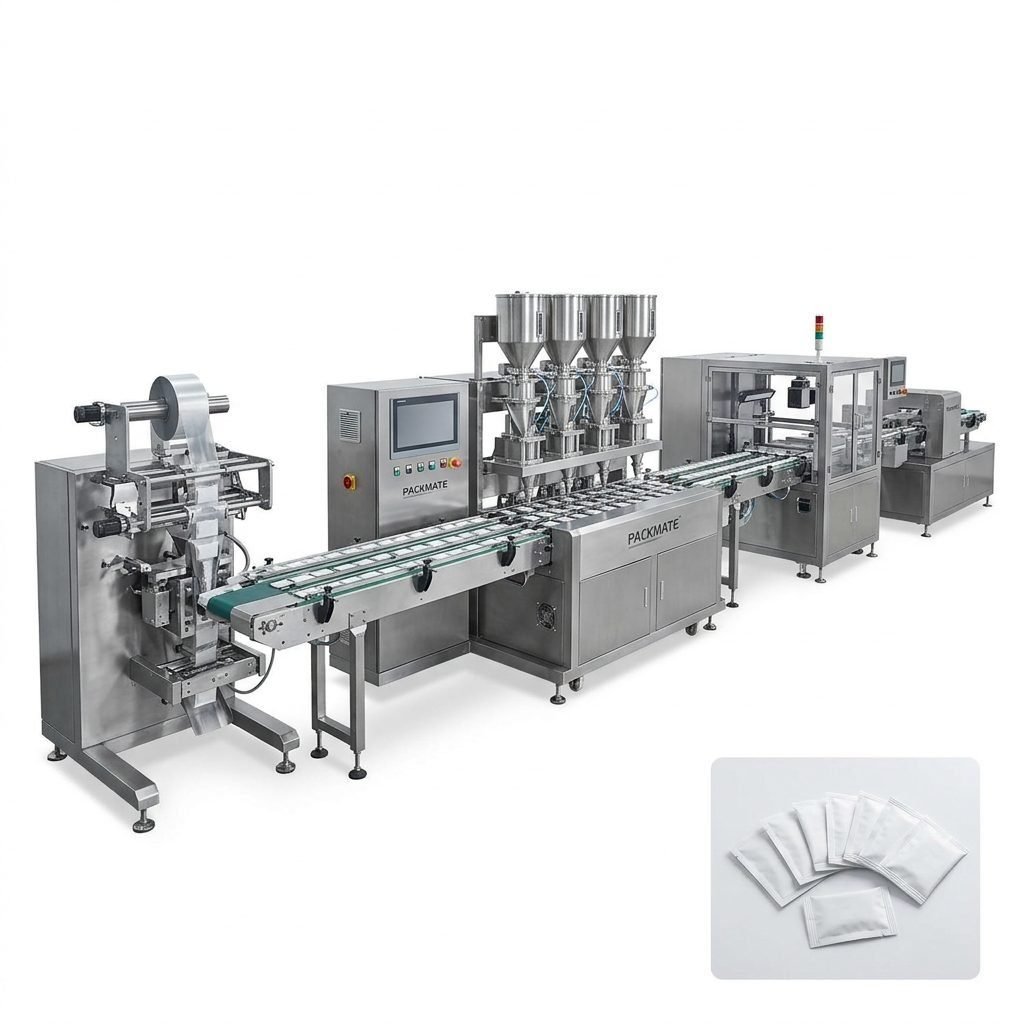
Manufacturers with decades of experience and diverse export case studies bring mature engineering, tested designs and better spare parts availability. For example, long-established suppliers offering turnkey lines, multiple machine models and advanced machining facilities (CNC centers, precision assembly) streamline expansion and reduce integration risk. If you want to review examples of full production lines and services, see the manufacturer’s offering of complete solutions on their service and product pages at Filling & Packaging Lines.
Common Challenges & How to Mitigate Them ⚠️
Challenge mitigation is often about upfront planning:
• Supply of spare parts: keep a starter kit of wear parts on hand and choose vendors with local or regional warehouses.
• Operator turnover: invest in clear SOPs and periodic training programs to maintain consistency.
• Regulatory changes: build flexible label and film printing systems so warnings and codes can be updated quickly.
How to Validate a Supplier: A Quick Vetting Guide 🧾
Before signing, request:
1. Factory tour or video of assembly lines and machining centers to verify manufacturing capability.
2. Performance data and acceptance criteria for your chosen machine model.
3. References from existing customers in similar markets or product categories — real case studies can confirm reliability. See examples of global cooperation and case pages: Case.
Making the Final Decision — Practical Steps ✅
1. Shortlist 2–3 machines based on product compatibility and throughput.
2. Request sample packs from suppliers produced on the exact machine model and film you plan to use.
3. Calculate TCO for 3–5 years including spare parts, energy, labor and potential downtime.
4. Negotiate warranty, training, spare parts kit and service response times before signing the purchase order.
Getting Started in Kenya — Next Practical Steps 📈
If you’re ready to move forward:
• Prepare a detailed product spec sheet (pouch dimensions, weight ranges, film structure).
• Contact suppliers with your projected volumes and ask for tailored proposals and layout drawings.
• Review local import rules and duty implications and plan lead times accordingly.
For supplier contact and service inquiries, visit the manufacturer’s contact page: Contact Us.
Final Recommendations
• Start with a clear product spec and volume forecast before choosing a machine.
• Prioritize filling accuracy, environmental robustness, and after-sales support to minimize operational risk in Kenya.
• Work with experienced suppliers offering modular growth paths and verified global case studies to protect your investment.
Frequently Asked Questions (FAQs)
Q1: What machine speed do I need for a small Kenyan brand?
A1: For starter brands targeting local retail, a single-lane system capable of 30–60 packs/min often suffices. If you anticipate rapid growth or export, consider multi-lane systems (100–500+ packs/min).
Q2: How important are CE and ISO certifications?
A2: Certifications are critical for safety, quality assurance and simplifying imports. CE and ISO signals that manufacturing and design meet international standards commonly required by buyers and regulators.
Q3: Can I buy a machine without local technical support?
A3: While possible, it’s risky. Local or regional service partners reduce downtime and shipping delays for spare parts. Always negotiate a clear service and spare parts agreement.
Q4: How do humidity and coastal conditions affect packaging?
A4: High humidity accelerates film moisture ingress and can affect adhesive seals. Use high-barrier films, humidity-control in packaging rooms where feasible, and machines designed with sealed components.
Q5: Where can I find full packaging lines and turnkey solutions?
A5: Look for manufacturers with experience delivering complete lines — from filling and dosing to final packaging and case packing. Review turnkey offerings and product lines on the manufacturer’s site: Auxiliary Packaging Equipment and main product categories.