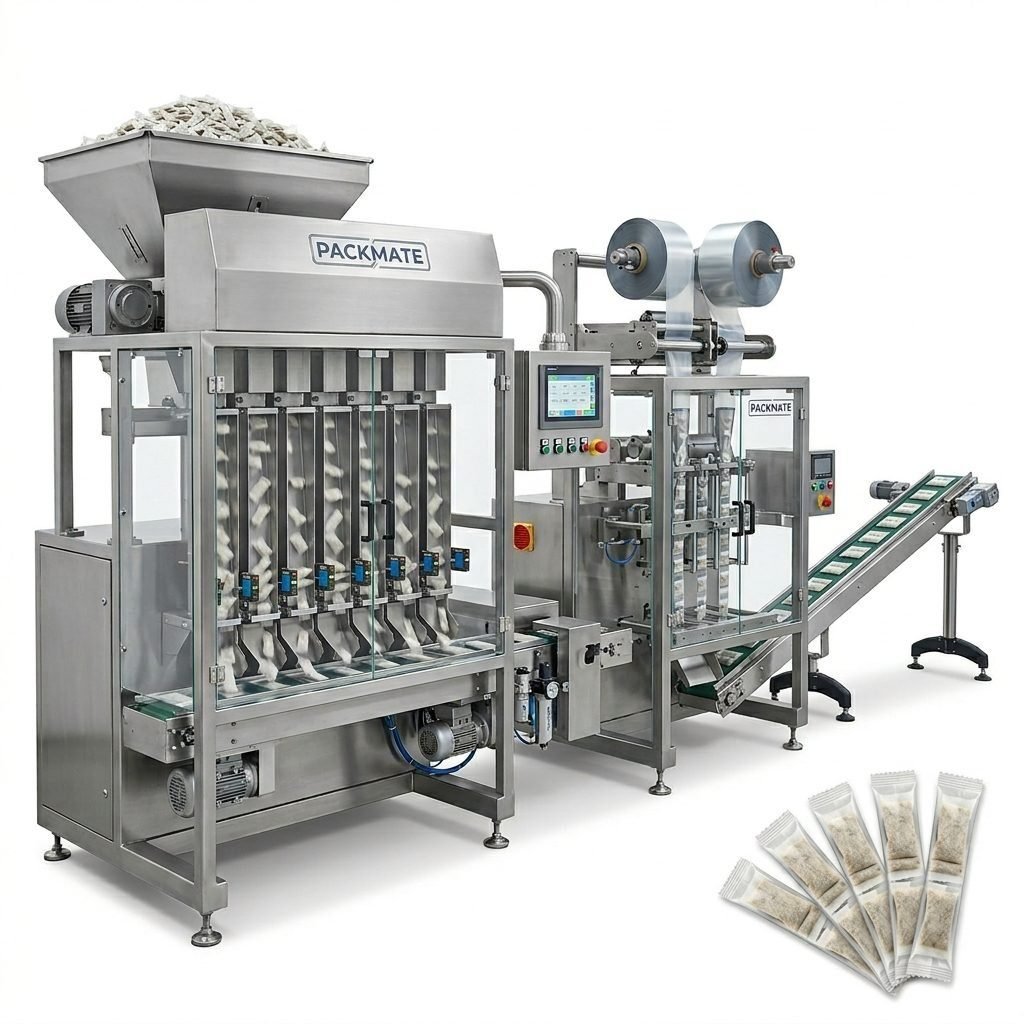
Choosing the right snus packaging machine in Zambia requires balancing production capacity, local market preferences, regulatory compliance, and long-term service support. This guide walks you through practical steps to evaluate machines, compares popular formats, and highlights considerations specific to Zambia so you can make an informed purchase decision that supports efficient, compliant, and profitable production.
Understand Your Production Needs in Zambia
Start by clearly defining your product and market. Are you producing nicotine pouches or traditional snus-style pouches? Will you sell to retailers in Lusaka, Copperbelt, or export to neighboring countries? Typical choices in Zambia include single-dose pouches, multi-pouch rolls, and stick or sachet formats for convenience stores and kiosks. Understanding these will determine the machine type, number of lanes, and downstream equipment you need.
Production volume & SKU mix
Estimate daily and monthly volumes and the number of SKUs (flavors, strengths, pouch sizes). For low-to-medium volumes, a single-lane high-precision machine can be cost-effective. For growing brands or contract manufacturing in Zambia, multi-lane systems provide higher throughput with lower labor per unit. Consider a machine that allows relatively quick changeovers if you expect frequent SKU rotations.
Local consumption patterns and packaging preferences
Zambian customers often value convenience and portability. Retail channels range from supermarkets to small shops and street vendors. Compact, tamper-evident pouches with clear English labeling and discreet retail-ready boxes tend to perform well. Also consider humidity and storage: Zambia’s tropical climate can affect pouch stability and sealing integrity, so choose machines compatible with robust barrier films.
Consider Local Regulations & Compliance
Regulatory compliance is critical. Zambia has specific tobacco and nicotine regulations that affect manufacturing, labeling, and distribution. Verify local licensing requirements, import duties, and health-warning obligations. Choose equipment that helps you meet traceability and batch coding needs, and confirm your supplier can provide CE and ISO-certified machines and documentation for customs and regulatory audits.
Labeling, warnings & language
Ensure machines can print or apply labels with batch codes, manufacture dates, and statutory warnings in English (the official business language). Some retailers also expect simple product information in local languages—plan for flexible labeling solutions or inkjet printers integrated with the line.
Select the Right Machine Type
Different packaging formats require distinct machinery. Evaluate machines on format flexibility, lane count, and future scalability. The main categories to consider:
Snus / Nicotine Pouch Packaging Machines
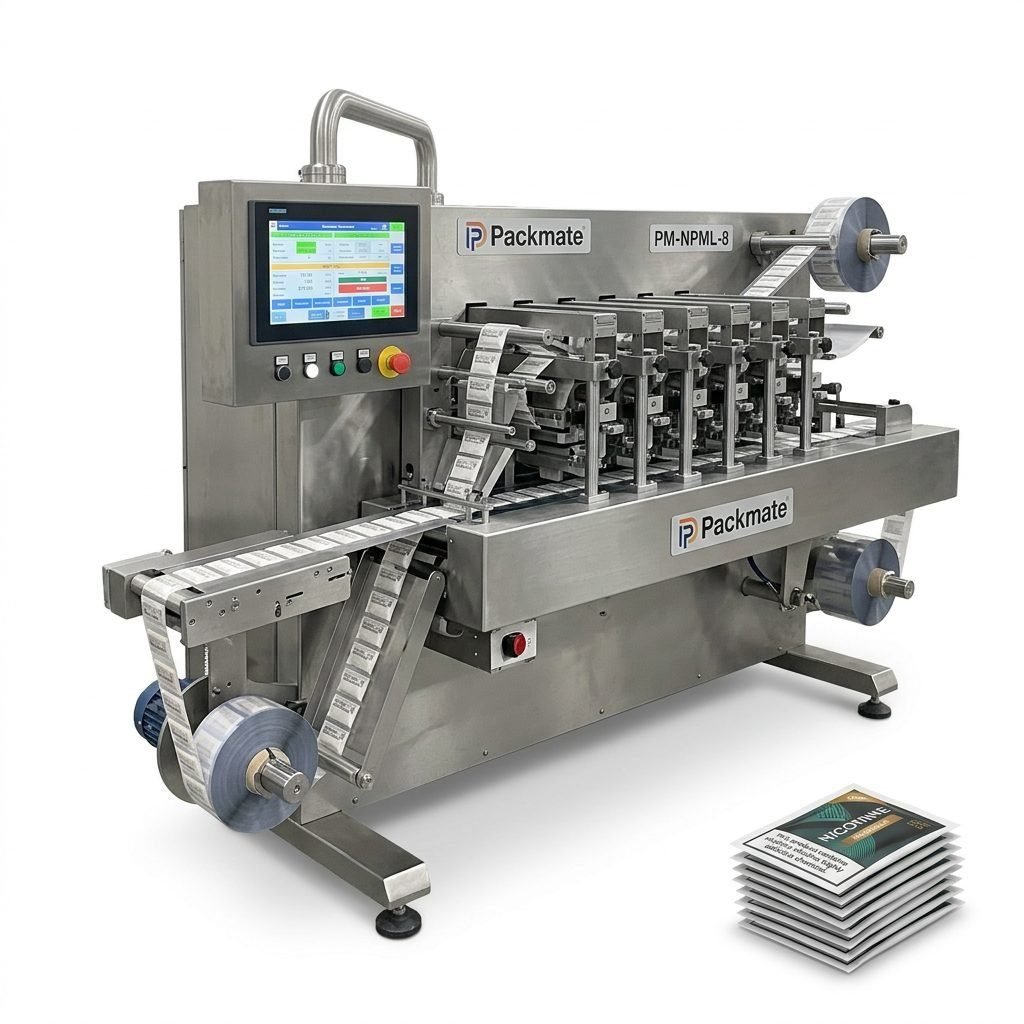
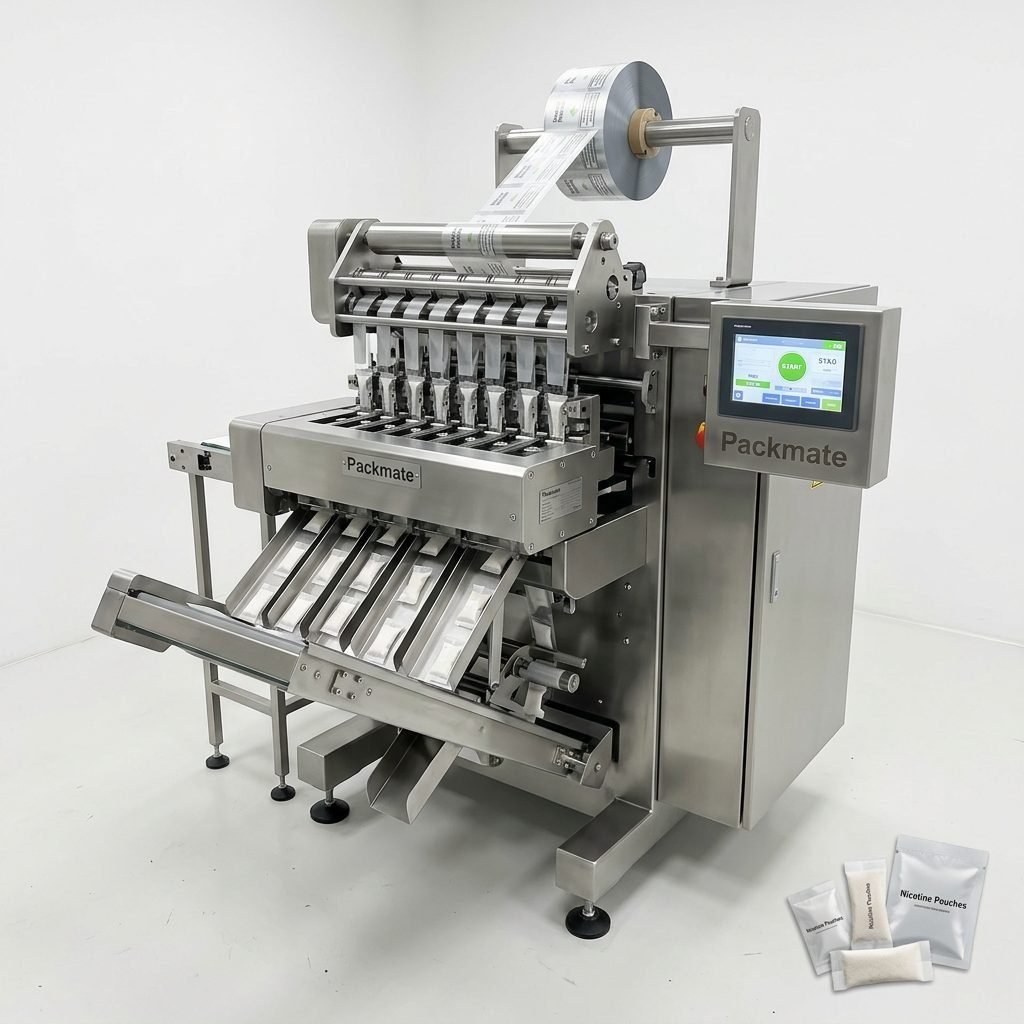
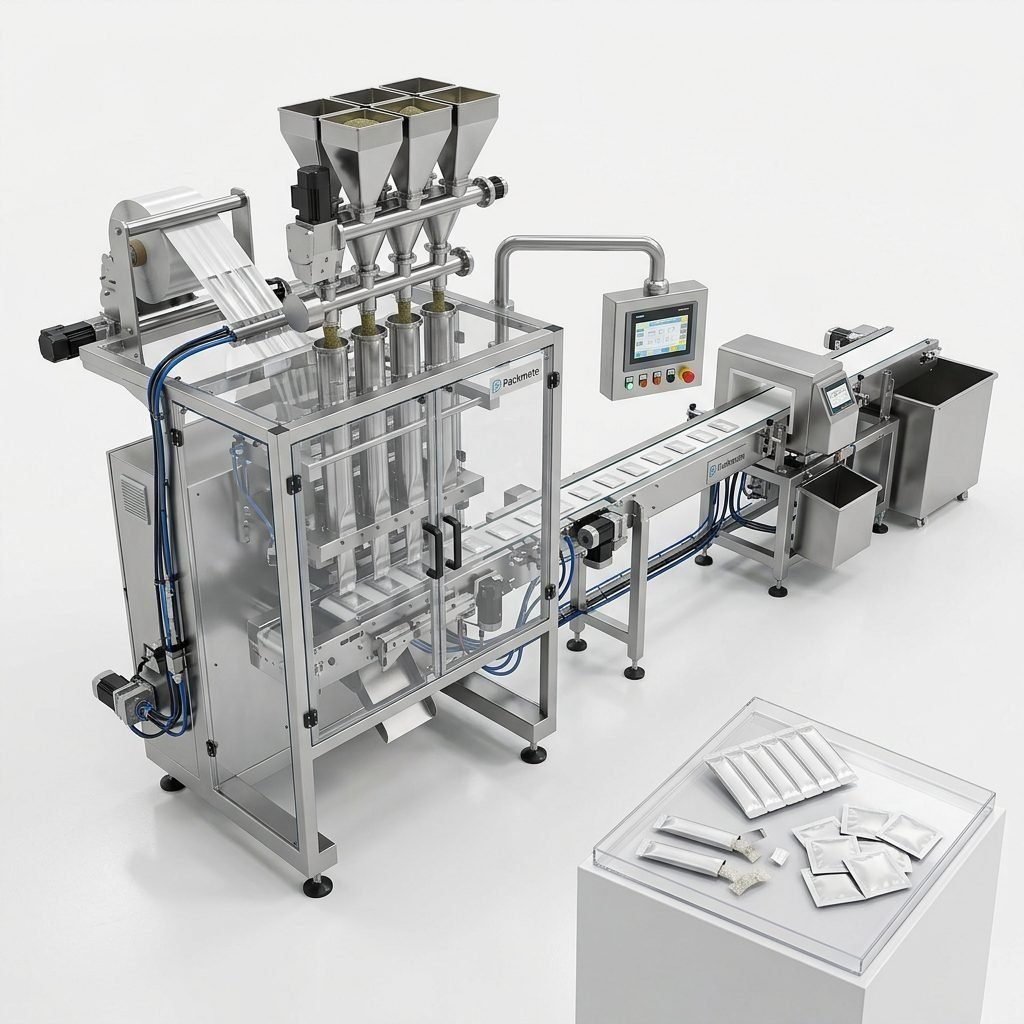
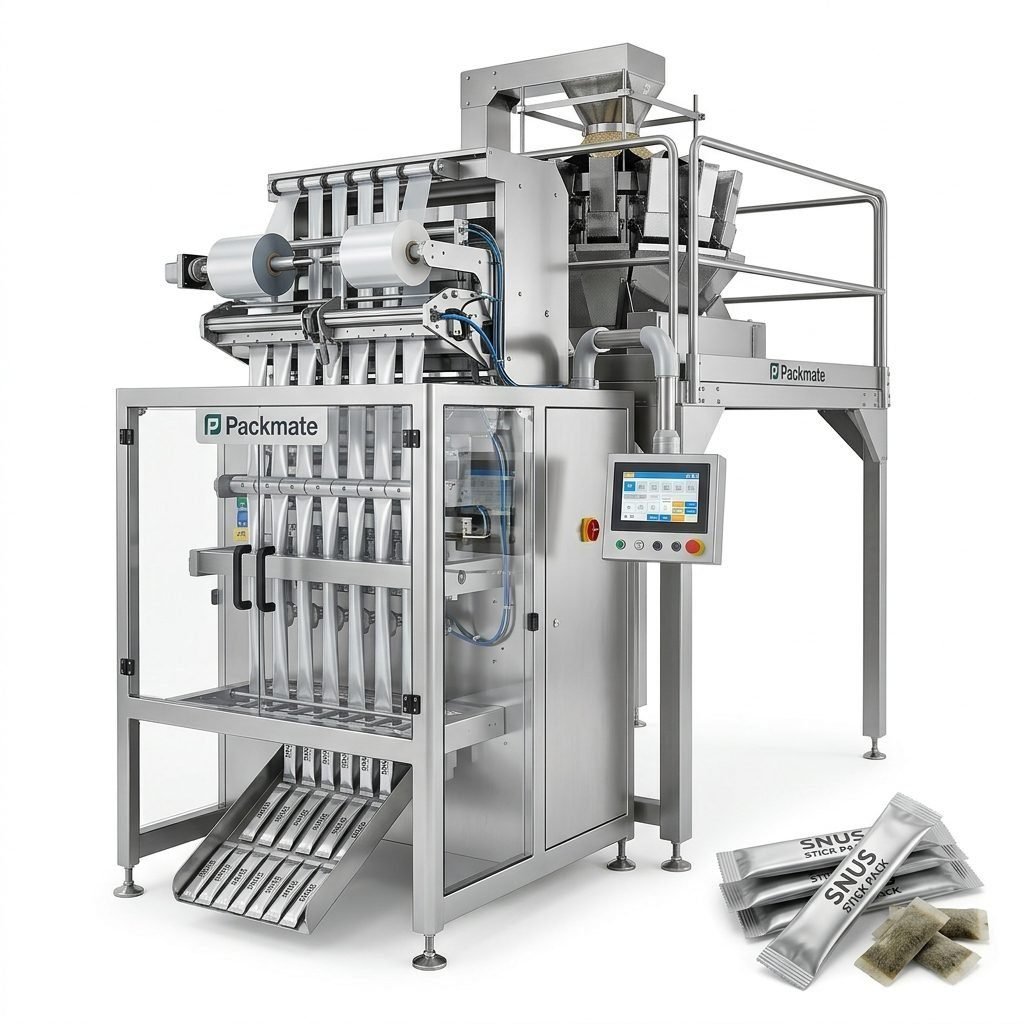
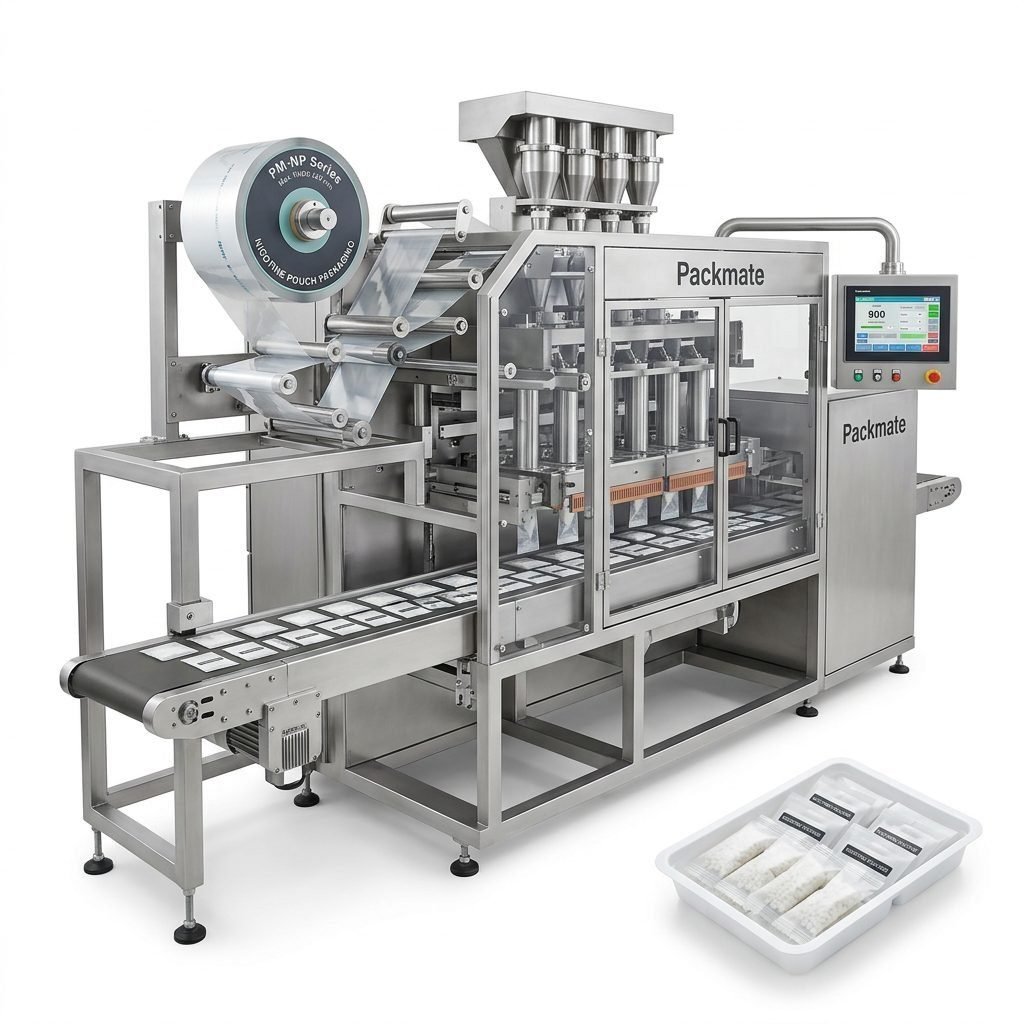
These specialized lines are optimized for low-dose pouches and precise dosing of powder or moisture-stable fills. They often include automated pouch forming, filling, and sealing with high accuracy. For details on industry-standard models, review dedicated product pages such as Snus & Nicotine Packaging Machines: Snus & Nicotine Packaging Machines.
Sachet & Stick Pack Machines
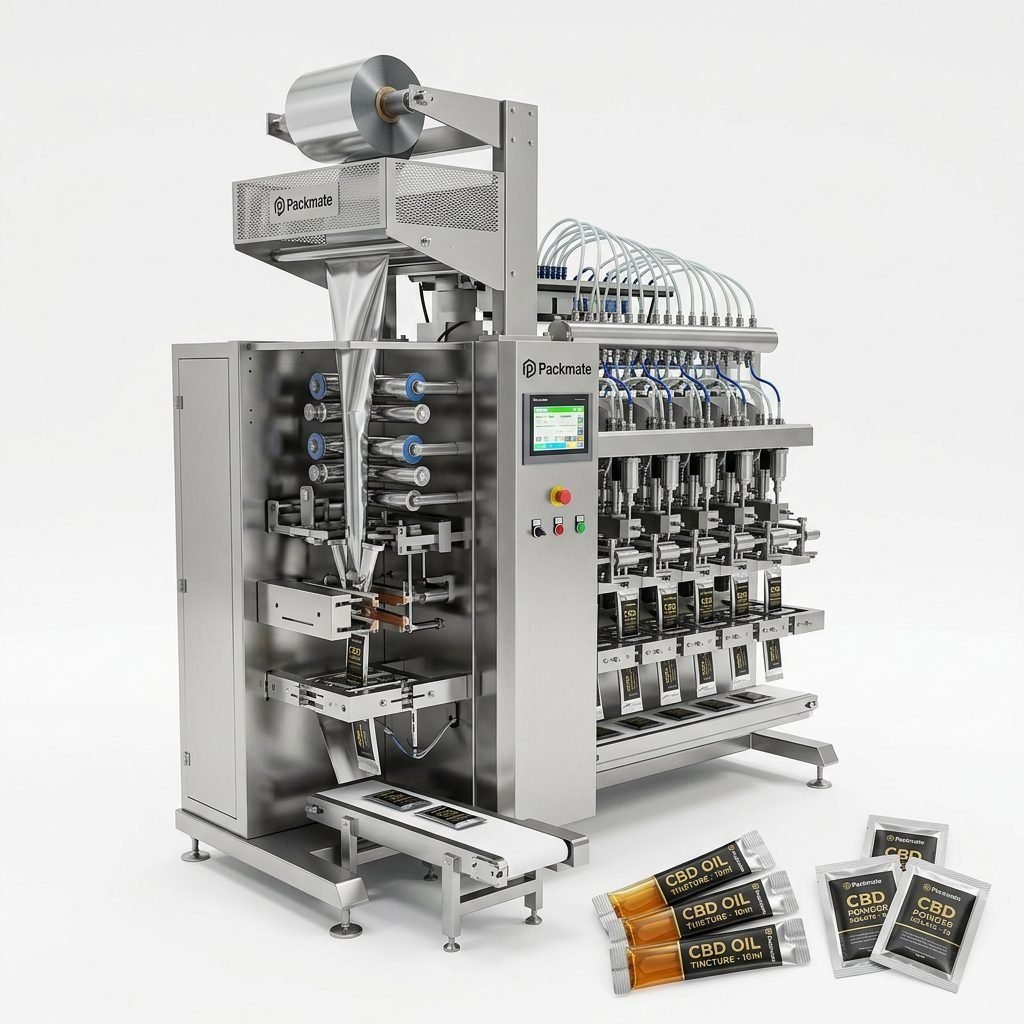
If your product strategy includes sachets, single-serve stick packs, or small pouches, sachet & stick pack machines offer simple formats with easy retailer acceptance. They can be ideal for trial-size products or sampling promotions in urban markets. Explore options here: Sachet & Stick Pack Machines.
Key Technical Specifications to Compare
When comparing models, focus on specifications that affect efficiency, cost of ownership, and product quality.
📌 Must-have features:
- Filling accuracy & dosing tolerance (critical for nicotine content control)
- Machine speed and multi-lane throughput (pouches/min and lanes)
- Servo-driven motion & PLC controls for repeatability
- Material changeover time and tool-less adjustments
- In-line quality checks: weight check, seal integrity, date coding
Speed vs accuracy trade-off
High-speed machines increase output but demand greater control systems to maintain dosing precision. For nicotine pouches, dosing accuracy directly impacts regulatory compliance and customer trust. Prioritize machines with reliable weighing or volumetric dosing integrated into the line.
Material & format flexibility
Choose equipment that handles a range of film thicknesses and barrier laminates. Zambia’s climate makes moisture barrier films important—confirm the machine achieves consistent seal quality on high-barrier films and can work with compostable or recyclable films if that’s part of your sustainability strategy.
Automation, Integration & Auxiliary Equipment
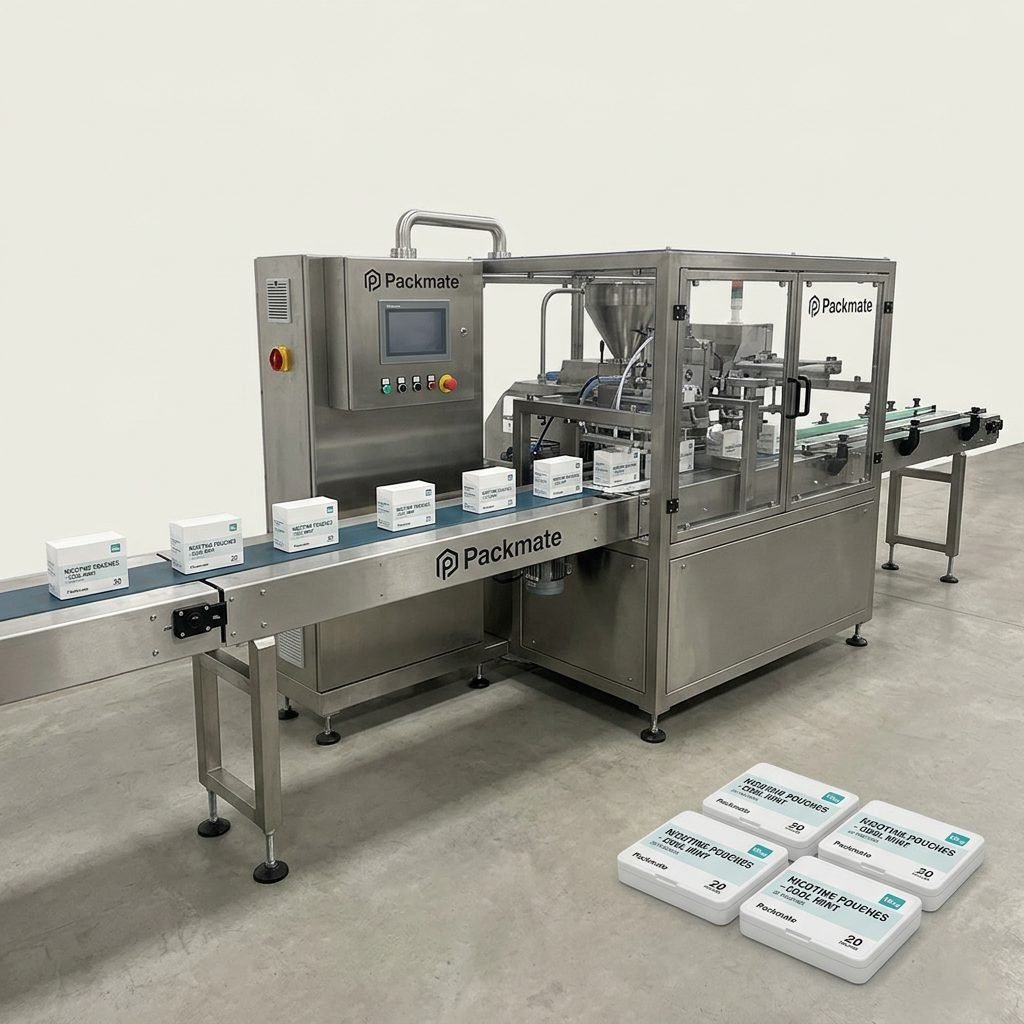
Packaging lines are more than just the primary machine. For a complete, efficient line consider upstream and downstream integration: dosing and filling systems, feeders, metal detectors, checkweighers, and cartoning systems. Well-integrated systems reduce manual handling and increase throughput.
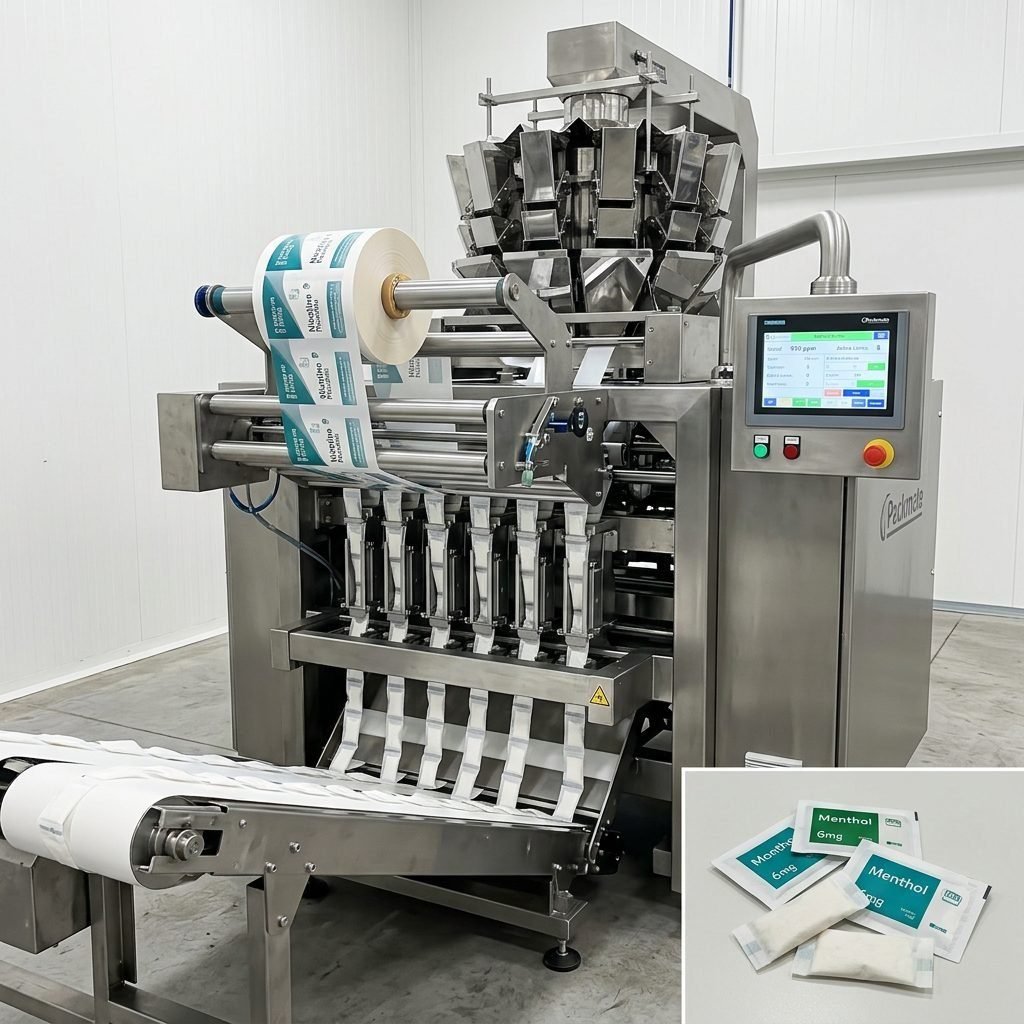
If you plan to add weighing or multihead gravimetric systems, review Weighing & Packaging Systems here: Weighing & Packaging Systems. For full filling and packaging solutions, see Filling & Packaging Lines for how equipment can be combined: Filling & Packaging Lines.
Factory Support, Spare Parts & After-Sales in Zambia
Reliable local support is a major decision factor for businesses in Zambia. Consider whether the supplier offers:
- Spare parts kits and quick shipment options to Lusaka or local forwarders
- Remote troubleshooting and training for local technicians
- On-site commissioning and validation support
- Comprehensive documentation, CE/ISO certificates, and service contracts
A manufacturer with a strong factory background and global experience—such as Packmate Snus Machine with 30+ years in R&D and a 20,000㎡ facility—can provide robust technical support, spare parts, and training programs tailored to your needs. Learn more about company credentials at About Packmate: About Packmate.
Power, parts & warranty considerations
Confirm the machine’s electrical requirements (voltage and phase) match local supply, or plan for transformers and stabilizers. Ask about warranty coverage, preventive maintenance schedules, and lead times for critical components that may need importation to Zambia.
Site Preparation & Installation in Zambia
Proper site preparation avoids costly delays. Typical requirements:
- Stable concrete floor, level and capable of bearing machine weight
- Controlled humidity and temperature in production areas
- Compressed air lines with adequate dew-point control
- Clean water and drainage where needed for auxiliary equipment
- Safe storage for films and raw materials to preserve barrier performance
Provide local staff with hands-on training at installation and ensure electrical systems align with Zambia’s grid standards. Many suppliers offer remote commissioning support to speed up ramp-up.
✔️ Pre-purchase checklist
- Define target output (pouches/min, lanes, shifts)
- Confirm regulatory labeling and batch coding needs
- Verify material compatibility and seal quality on intended films
- Check power, air, and footprint requirements
- Evaluate warranty, spare parts availability, and on-site training
Budgeting, ROI & Financing
Calculate total cost of ownership: initial machine cost, installation, tooling, training, spare parts, and operational expenses. Estimate the cost per pouch including materials and labor, then forecast payback time based on realistic sales projections. Many suppliers offer modular upgrades so you can start with the essentials and expand lanes or automation later to match growth.
Why Choose a Proven Supplier
Partnering with an experienced manufacturer reduces risk. Look for suppliers who demonstrate:
- Long industry track record and extensive R&D (e.g., 30+ years)
- Wide model range and the ability to customize turnkey solutions
- Certifications and global exhibition presence for validation
- Proven case studies and global customers across markets
Explore real-world examples and certifications: Case and Certificate.
Local cultural considerations in Zambia
Respect for community norms and business etiquette is important when establishing production. Most Zambian business interactions value relationship-building and clear communication. Consider working with local distributors or agents who understand retail network dynamics across provinces. Provide education materials for retailers about safe storage, shelf life, and legal sale age to maintain brand reputation.
Next Steps & How to Get Started
1) Prepare a concise specifications brief with your target formats, volumes, and regulatory needs. 2) Request machine demonstrations or videos, plus performance data for similar deployments. 3) Ask for a factory quote that includes installation, training, and spare parts. 4) Confirm lead times and shipping options to Zambia. For direct support or tailored solutions, contact the manufacturer to discuss turnkey offerings and project timelines: Contact Us.
Frequently Asked Questions
Q1: What machine speed do I need for a small factory in Zambia?
A1: For small-scale production, machines that deliver 30–80 pouches per minute per lane are typical. If you expect to scale, consider multi-lane systems or modular upgrades that increase throughput without replacing the entire line.
Q2: How do I ensure compliance with Zambian regulations?
A2: Work with local regulatory consultants to confirm labeling, warnings, and licensing. Choose CE-/ISO-compliant equipment and ensure your supplier can provide certification and traceability systems for audits.
Q3: Are spare parts and service available locally?
A3: Many reputable suppliers maintain spare parts inventories and offer expedited shipping to Southern Africa. Discuss local stocking of critical parts and remote troubleshooting options before purchase to minimize downtime.
Q4: Can I start with a basic line and upgrade later?
A4: Yes. Look for manufacturers offering modular solutions and compatible auxiliary equipment so you can add lanes, automated cartoning, or advanced dosing systems as demand grows.
Q5: Where can I view machine examples and specs?
A5: Manufacturer websites and exhibition pages provide model specifications and videos. For a selection of machine types, review product pages like Snus & Nicotine Packaging Machines and the full catalogue of systems to compare features and request demos.