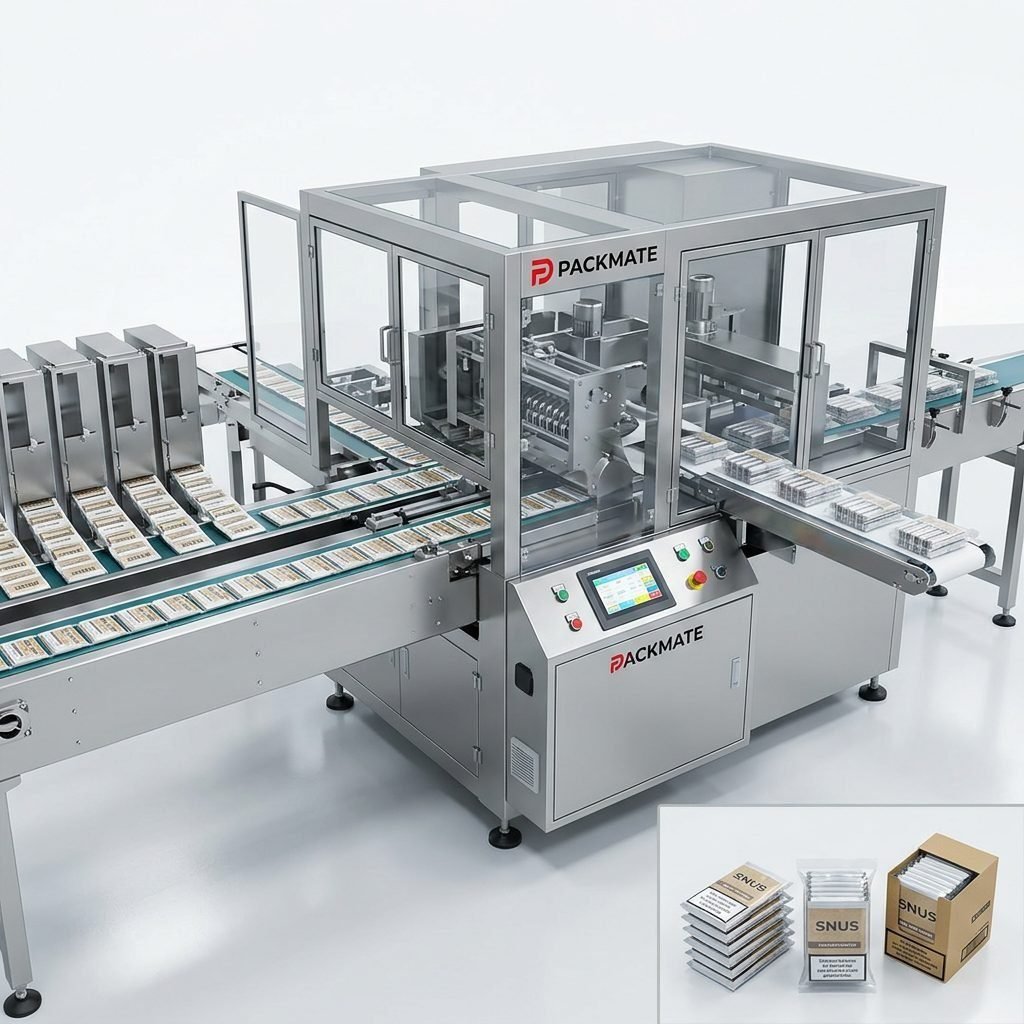
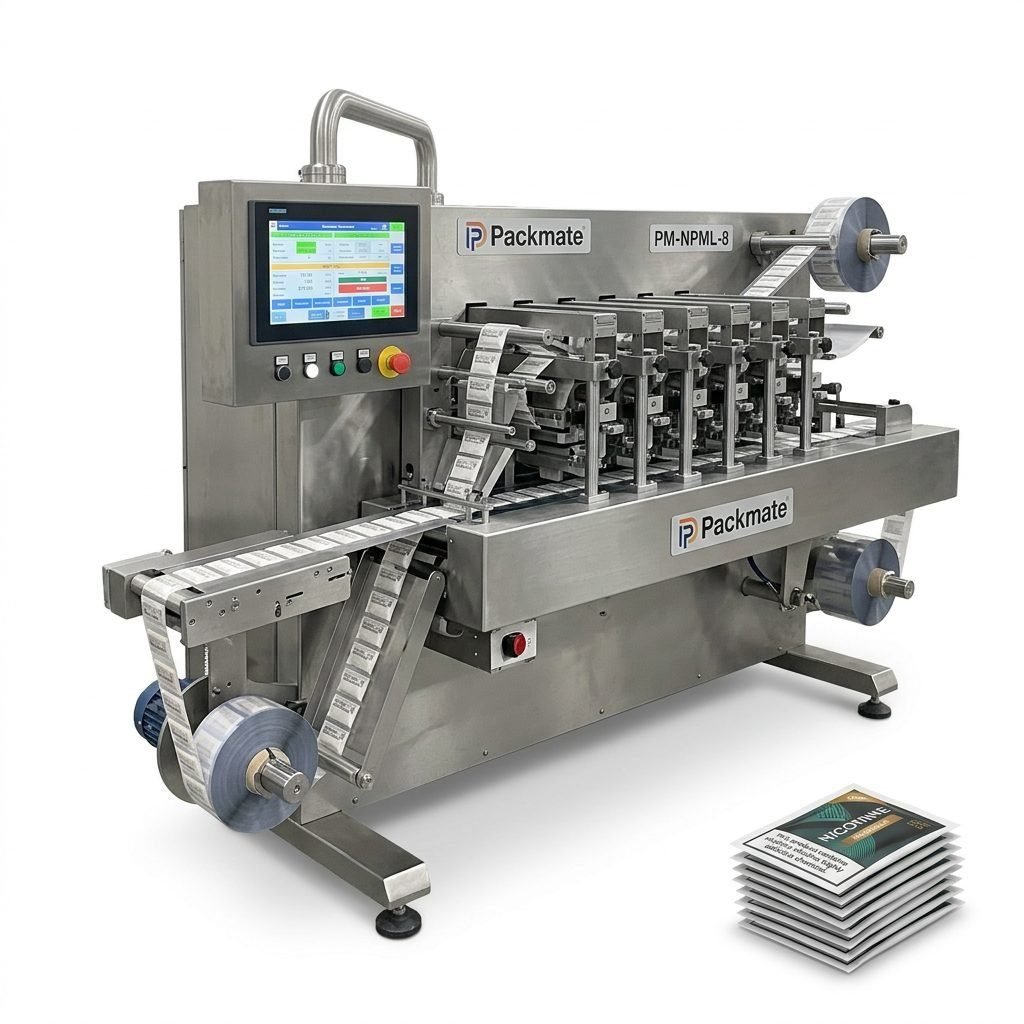
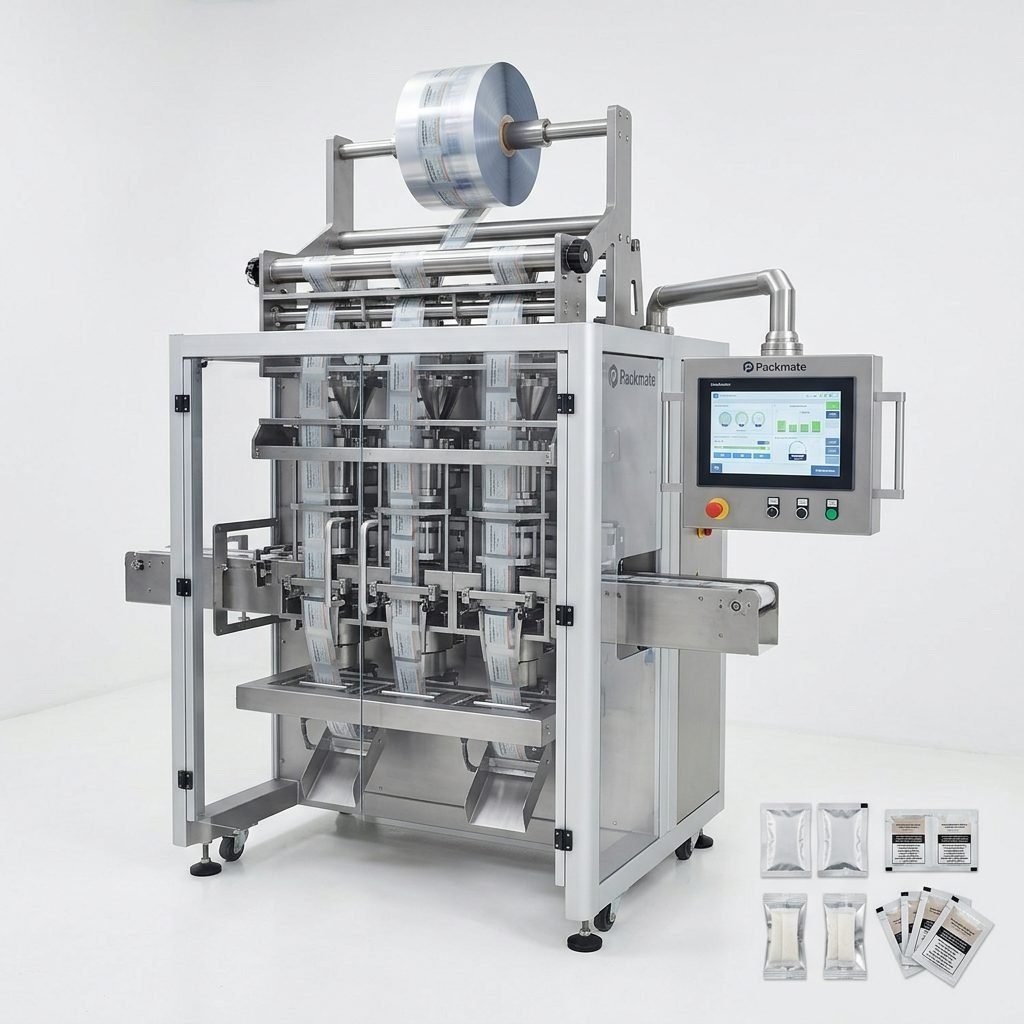
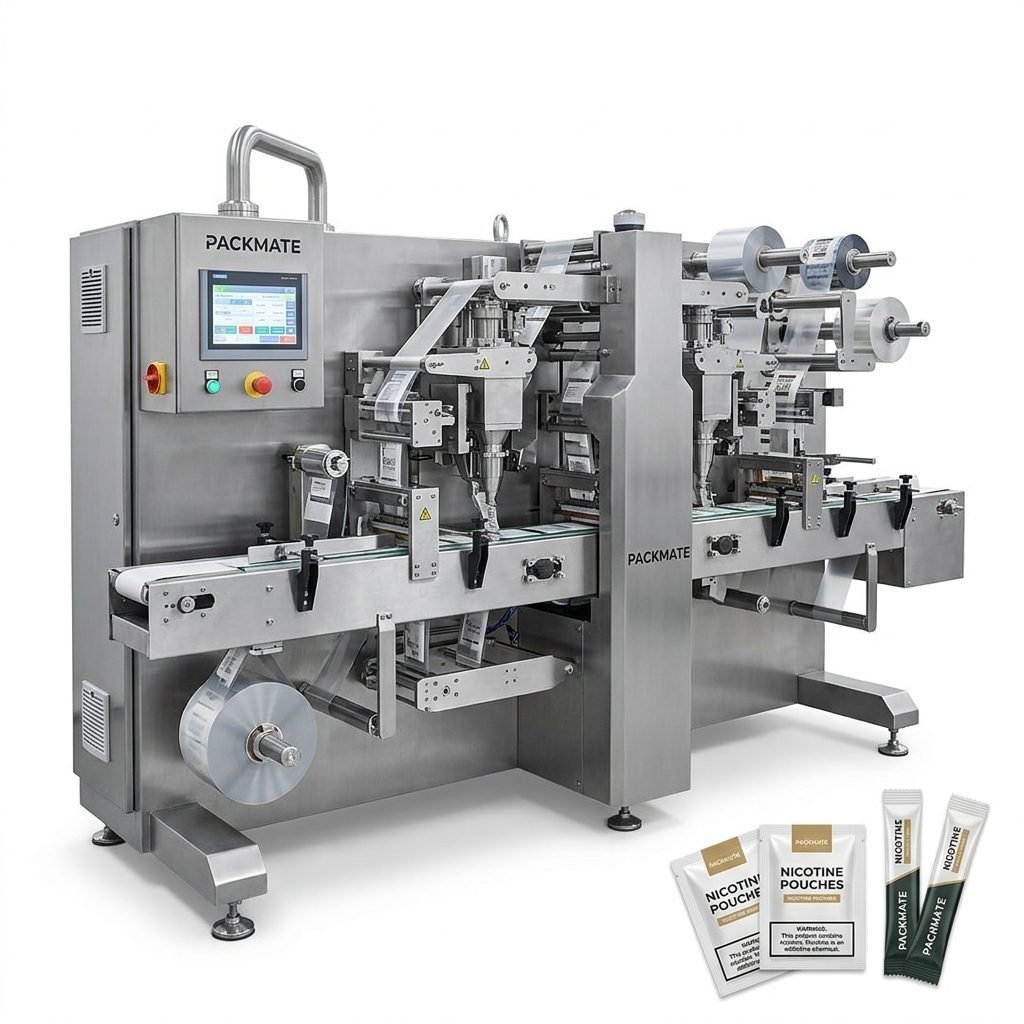
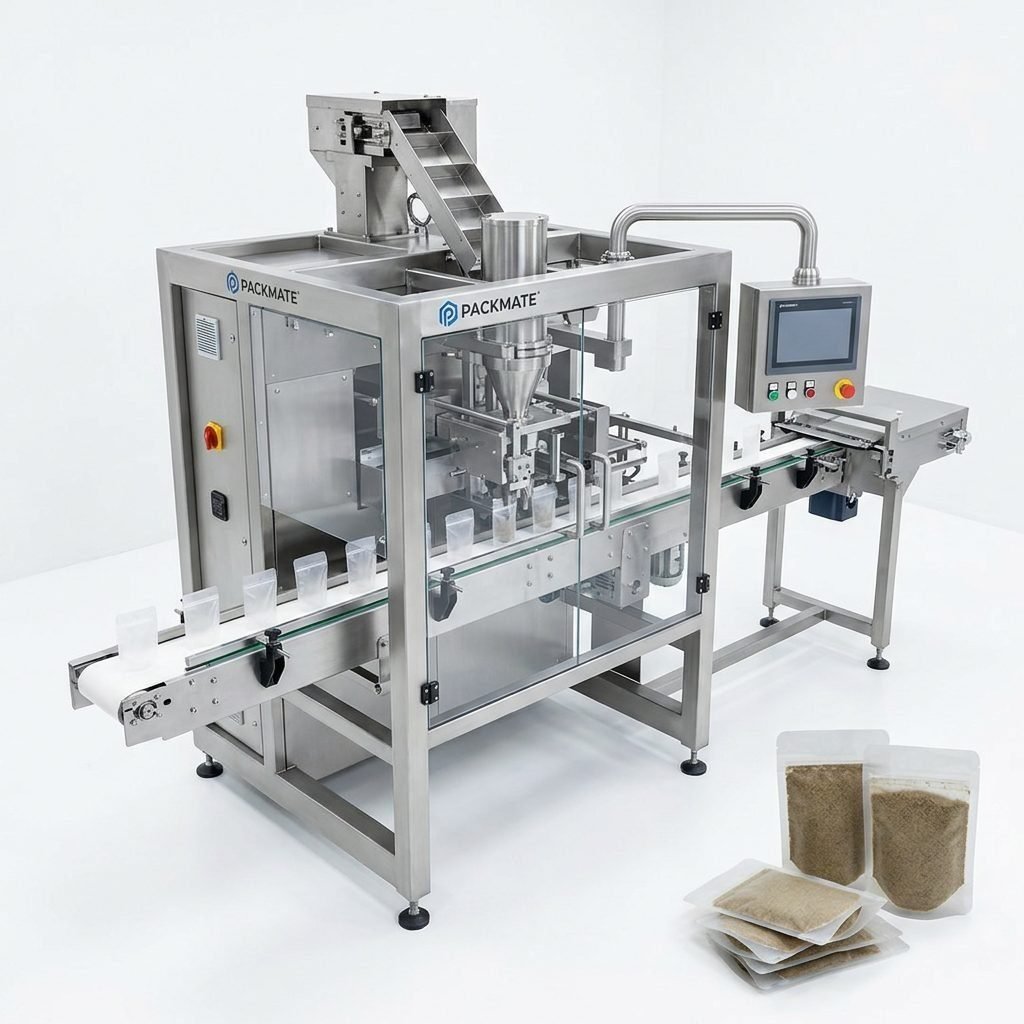
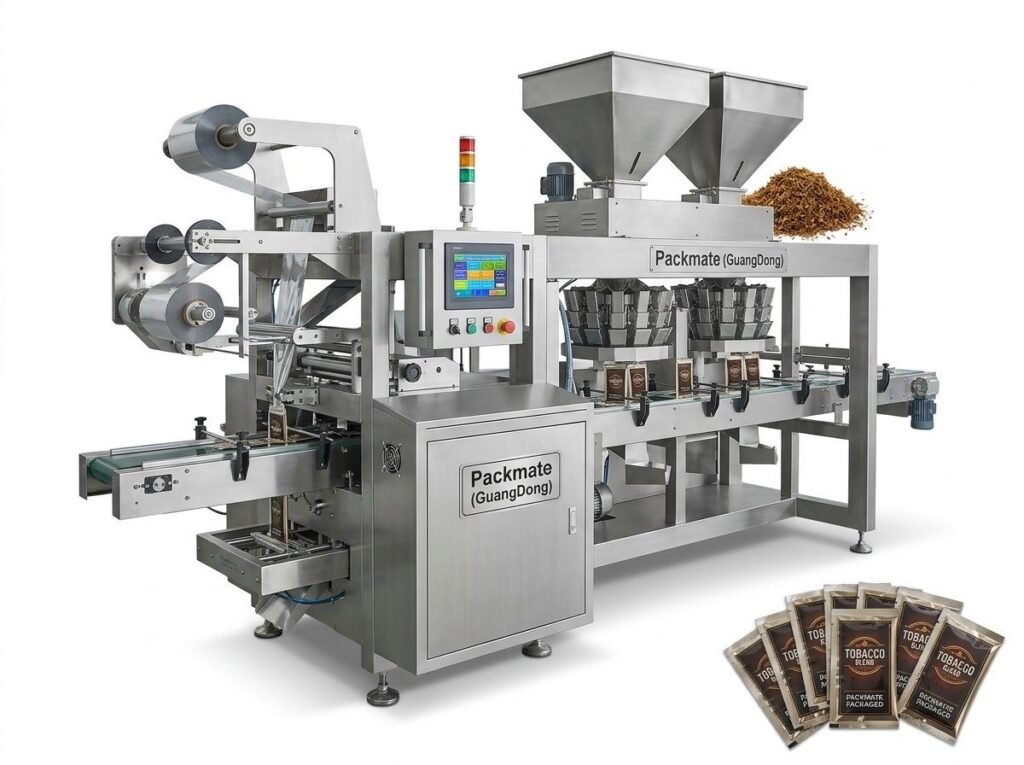
Entering the Somalian market with nicotine pouches or snus requires a careful selection process when choosing a packaging machine supplier. The right partner will not only supply equipment but also ensure reliable after-sales support, spare parts availability, local adaptability, and compliance with international standards. This guide explains how to choose the best nicotine packaging machine supplier in Somalia for your business, with practical checklists, local considerations, and red flags to watch for.
Understand Your Production Needs First
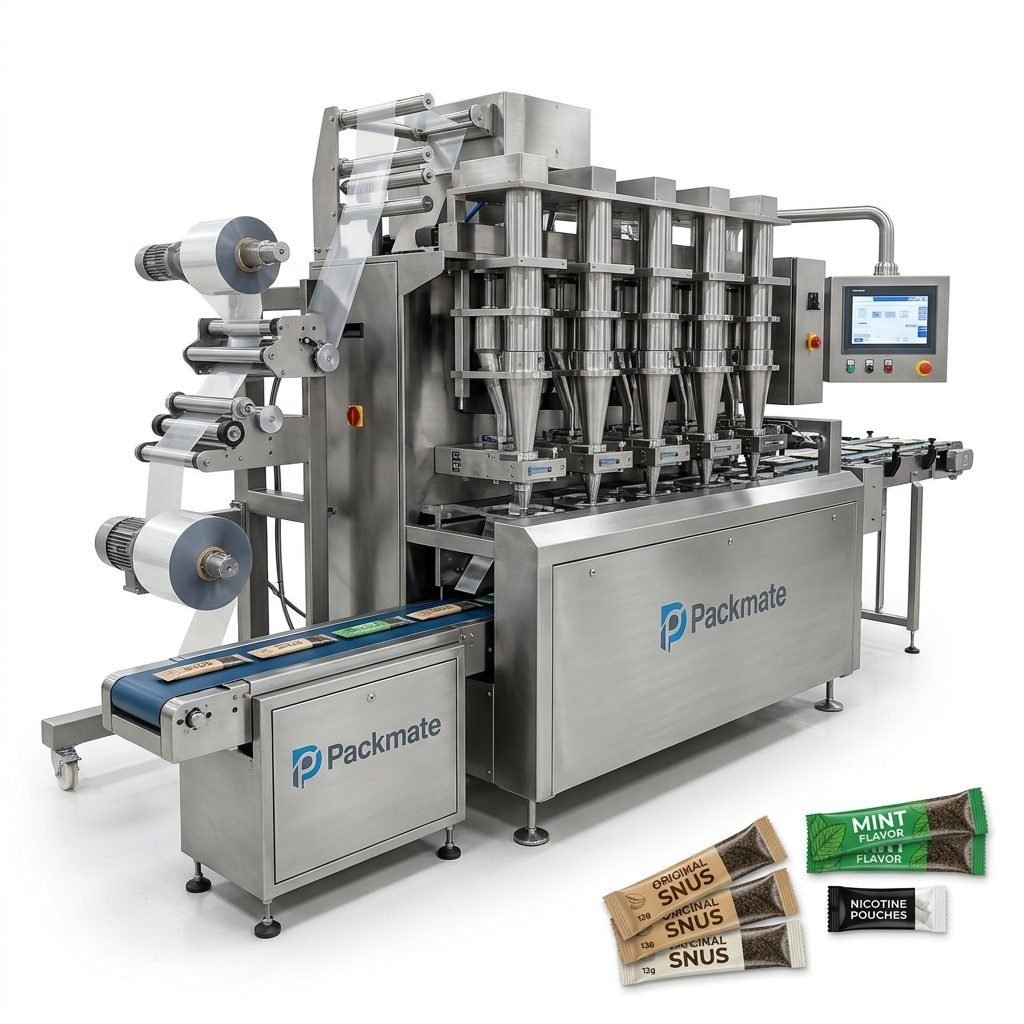
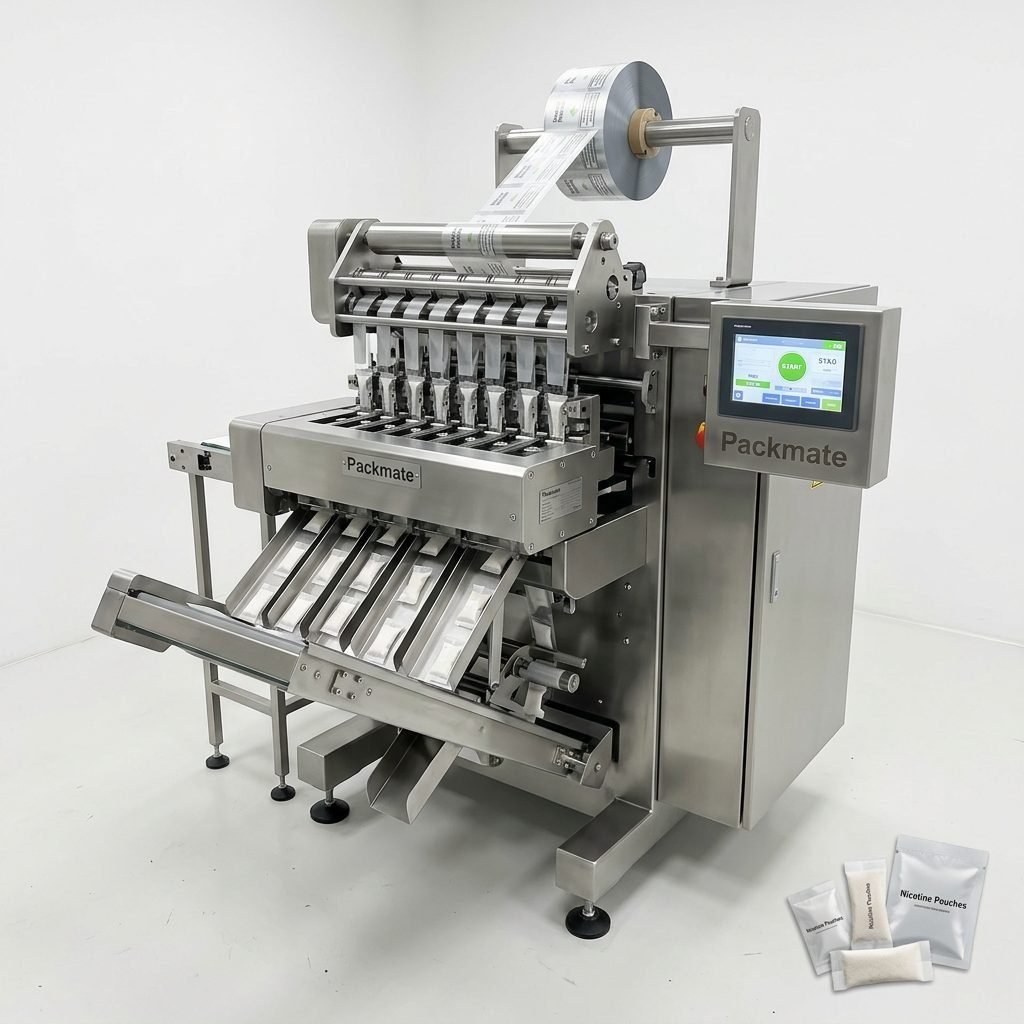
Before contacting any supplier, define your production goals. Ask: what daily output do you need? What pouch format (stick, sachet, multi-lane pouches)? Do you require integrated weighing and filling systems? Capacity, format flexibility, and uptime expectations are the top drivers of machine selection. Suppliers like Packmate offer multi-lane systems and full turnkey options tailored to small-dose nicotine pouch lines, which is ideal if you plan to scale.
Local Market & Cultural Considerations in Somalia
Somalia is predominantly Muslim and conservative; consumer acceptance and regulation for nicotine products may vary across regions. Work with local legal counsel to understand advertisement, packaging, labeling, and import rules. Building trust with local partners and distributors is critical — business relationships are often based on long-term personal connections and reliable service.
Logistics, Ports, and Import Practicalities
Somalia’s major ports (like Mogadishu and Bosaso) and the regional transport network determine shipping timelines and costs. Consider lead times for large machines, customs clearance, and the availability of local rigging teams. Choose a supplier experienced with international logistics who can help manage export documents, sea freight booking, and clearance.
Technical Criteria: What to Inspect
When evaluating suppliers, evaluate machines on performance metrics rather than sales pitches. Key technical criteria include:
- Production speed and multi-lane capability (important for small-dose pouches)
- Filling accuracy and compatibility with powders, granules, or moist blends
- Changeover time between sizes and formats
- Spare parts availability and standardized components
- Energy consumption and compatibility with local power specifications
Reliability in Harsh Environments
Somalia’s coastal climate can be hot and dusty. Ask suppliers about protective coatings, dust seals, and maintenance intervals to ensure machines keep running smoothly in local conditions.
Certifications, Compliance & Quality Assurance
International certifications (CE, ISO) are a minimum expectation for equipment that will operate in regulated chains or for export. Confirm:
- Copies of machine-level certificates and factory quality policies
- Traceable manufacturing records and test reports
- Warranty terms and scope of free vs. paid service
After-Sales Support: Training, Spare Parts, and Service
After-sales service is often the most important factor for foreign buyers operating in Somalia. Consider the following support elements during negotiations:
- Local training for operators and technicians—on-site or remote
- Availability and lead-times for spare parts; request a spare-parts list and pricing
- Remote diagnostics and PLC program backup plans
- Service contracts and response-time commitments (SLA)
Why a Turnkey Supplier Helps
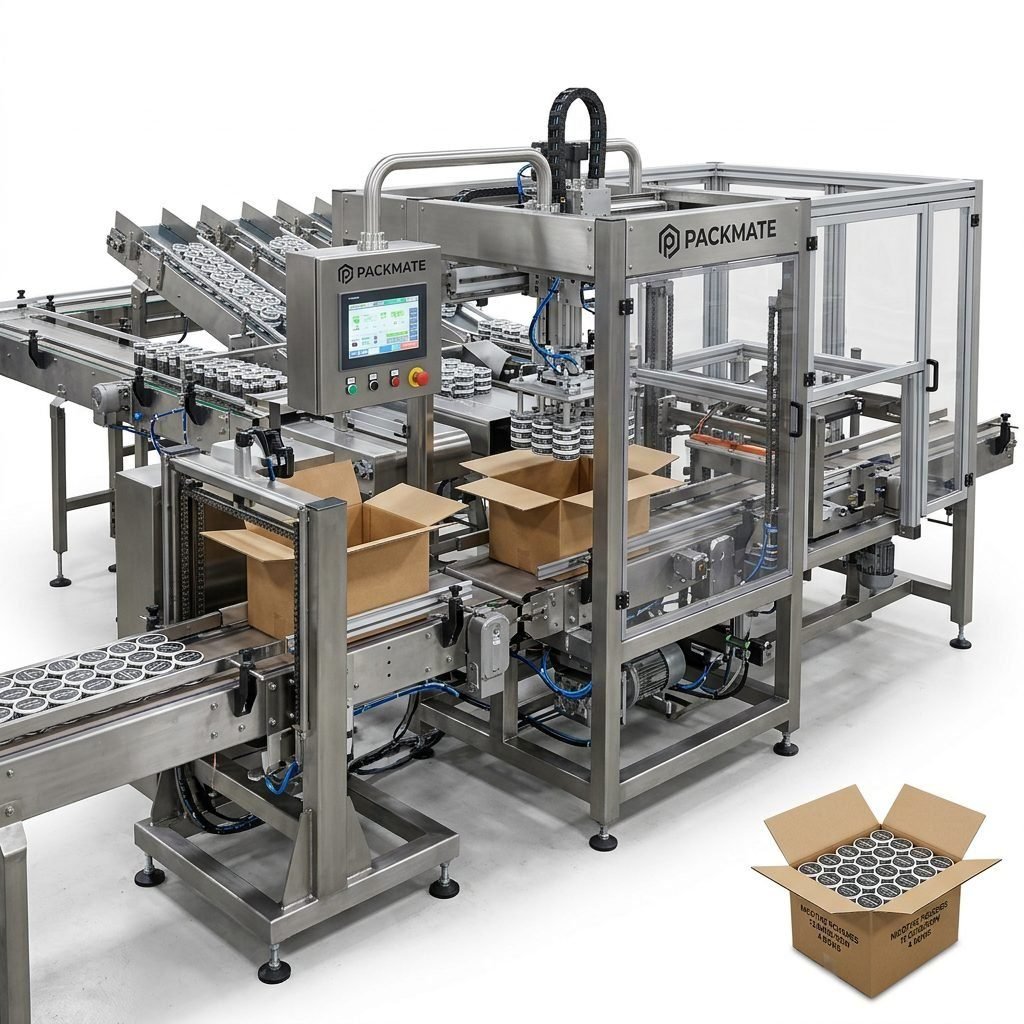
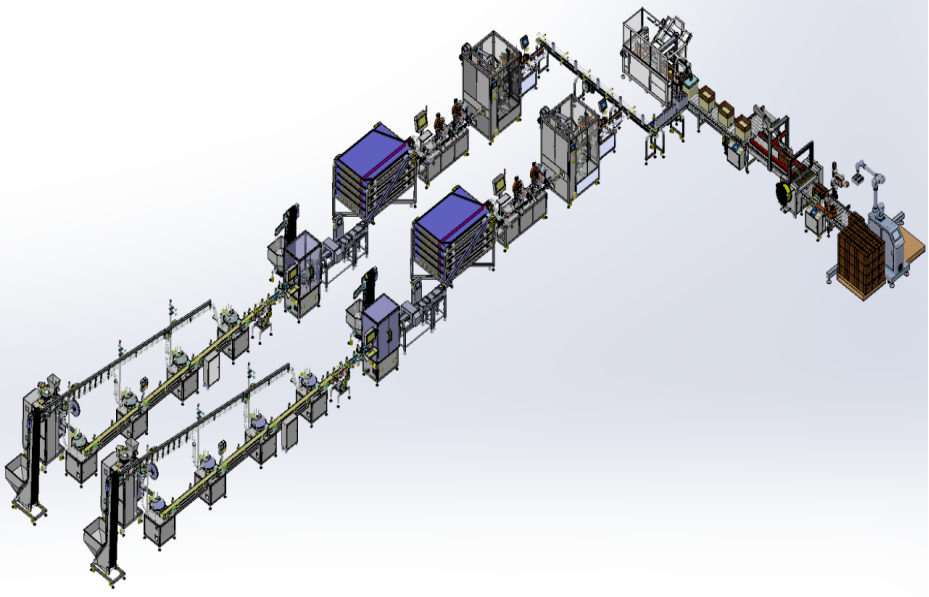
A turnkey supplier provides everything from filling & weighing to packing, case packing, and conveyor integration. This reduces integration risk and is especially valuable when you lack local engineering resources. Suppliers with 30+ years’ experience and a robust factory floor, such as Packmate, typically offer proven turnkey lines for snus and nicotine pouches.
Verify Reputation: References & Live Demonstrations
Ask for references in similar markets and case studies showing installed lines. Visiting a demonstration (or watching live demos) is ideal. Reliable suppliers can provide videos, machine run times, and customer contacts. Explore suppliers’ case examples and exhibition presence to validate claims.
Recommended resources and reference links:
- Snus & Nicotine Packaging Machines — product portfolio 🔍
- Case studies & installations — real customer cases 📌
- About the manufacturer — company background ✓
- Service and support details — service offerings
Cost Considerations Beyond the Purchase Price
The lowest quote may hide future costs. Make sure you factor in:
- Shipping, insurance, customs duties, and inland transport to your facility
- Installation, commissioning, and training fees
- Yearly maintenance costs and spare-part kits
- Software updates and control system licenses
Negotiation Tips and Contract Clauses to Secure
When finalizing a purchase, include clear SLA terms, warranty definitions, and acceptance criteria. A good contract should cover:
- Detailed machine specifications and performance guarantees (e.g., run speed and accuracy)
- Acceptance tests and criteria for final payment
- Spare parts delivery times and pricing commitments
- Training scope and documentation delivery
- Penalty clauses for missed delivery or incomplete commissioning
Local Partnerships and Financing
Establish local partnerships for distribution, installation, and field service. In Somalia, leveraging established local companies helps with permits, customs clearance, and on-the-ground logistics. Also explore supplier financing options, leasing, or staged payments to manage cash flow.
Red Flags to Watch For
Proceed carefully if you see any of these signs:
- No verifiable references or factory visits refused
- Unclear warranty terms or very short warranty windows
- Difficulty providing spare-part lists or long lead times for critical parts
- Lack of after-sales training or remote support options
Making the Final Decision
Choose a supplier who matches your technical needs, offers strong after-sales support, and demonstrates experience with international logistics. Suppliers with a long history, complete manufacturing facilities and compliance records (e.g., 20,000㎡ factories, CE/ISO certification), and robust turnkey solutions can reduce risk and speed time-to-market. For nicotine pouch lines, inspect multi-lane solutions and integrated weighing and filling systems that deliver both high accuracy and throughput.
Final Checklist Before Purchase
Use this quick checklist:
- Technical specification sheet and performance guarantees received
- Certifications and factory inspection/virtual demo completed
- Spare parts list and lead times agreed
- Service contract and training schedule finalized
- Logistics plan and total landed cost calculated
Useful Links for Further Research
- Filling & Packaging Lines — integrated production lines for complete output
- Weighing & Packaging Systems — high-accuracy dosing solutions
- Our Exhibition — check live demos and trade show visits
Conclusion
Choosing the right nicotine packaging machine supplier for Somalia means balancing technical fit, logistics expertise, and dependable after-sales service. Prioritize suppliers with proven turnkey solutions, international certifications, strong spare-parts strategies, and a willingness to provide training and local support. With the right partner, you can launch a reliable, scalable snus or nicotine pouch production line that suits both the demands of the product and the realities of the Somalian market.
Common Questions (FAQ)
Q1: How long does it take to deliver and commission a snus packaging line to Somalia?
Delivery and commissioning typically take 3–6 months depending on machine complexity, spare parts, shipping schedules, and customs clearance. Turnkey projects with local preparation can sometimes be faster.
Q2: What level of local technical skill is required to operate and maintain these machines?
Basic operator training can be provided in a few days; however, a trained technician for mechanical and PLC maintenance is highly recommended. Suppliers usually provide operator and technician training as part of commissioning.
Q3: Are CE and ISO certificates sufficient for exporting machines to Somalia?
CE and ISO are internationally recognized quality indicators and generally sufficient for import procedures, but you should confirm any additional local documentation required by Somali authorities or your import agent.
Q4: What spare parts should I stock locally?
Stock critical wear parts such as belts, cutters, bearings, and sensors, plus an emergency kit of PLC modules and fuses. Discuss a recommended spare-parts kit with your supplier based on expected production volumes.
Q5: How important is the supplier’s exhibition and case history?
Very important — exhibition presence, case studies, and customer references provide proof of performance and show a commitment to transparency and ongoing support.