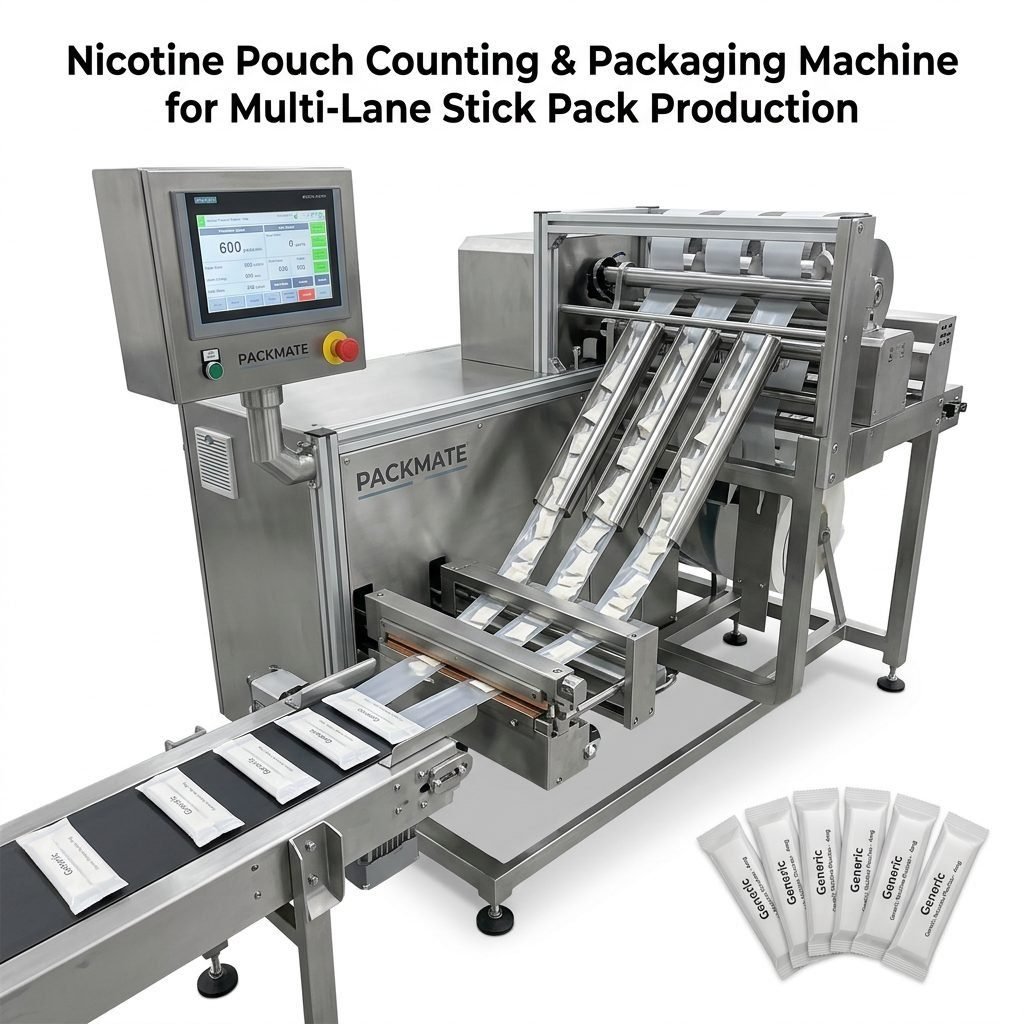
Choosing the right snus packaging machine supplier in El Salvador is a critical decision for manufacturers and distributors looking to enter or expand in the Central American nicotine pouch market. This practical buyer’s guide walks you through local market considerations, technical evaluation criteria, supplier audits, regulatory issues, logistics and after-sales support so you can make an informed purchase that minimizes risk and maximizes uptime and ROI.
Market & Local Context in El Salvador
El Salvador presents unique opportunities and constraints for snus and nicotine pouch producers. While traditional tobacco consumption remains prevalent, modern nicotine pouch products are increasingly attracting urban consumers who prefer discreet, smoke-free alternatives. When assessing suppliers, incorporate local consumer preferences—such as compact packaging sizes, Spanish labeling, and robust sealing to withstand the humid tropical climate—into your purchasing criteria.
Regulatory & Cultural Factors to Consider
⚠️ Ensure the supplier understands import rules, health warnings, and labeling requirements that apply in El Salvador and neighboring Central American markets. Because Spanish is the primary language, request templates for Spanish-language labels and user manuals. Also, test packaging performance under local humidity and temperature conditions—poor seals or inappropriate film choices can result in product spoilage and customer complaints.
Types of Machines & Which One Fits Your Needs
The right supplier should offer multiple machine types and custom solutions. Typical product lines you should evaluate include:
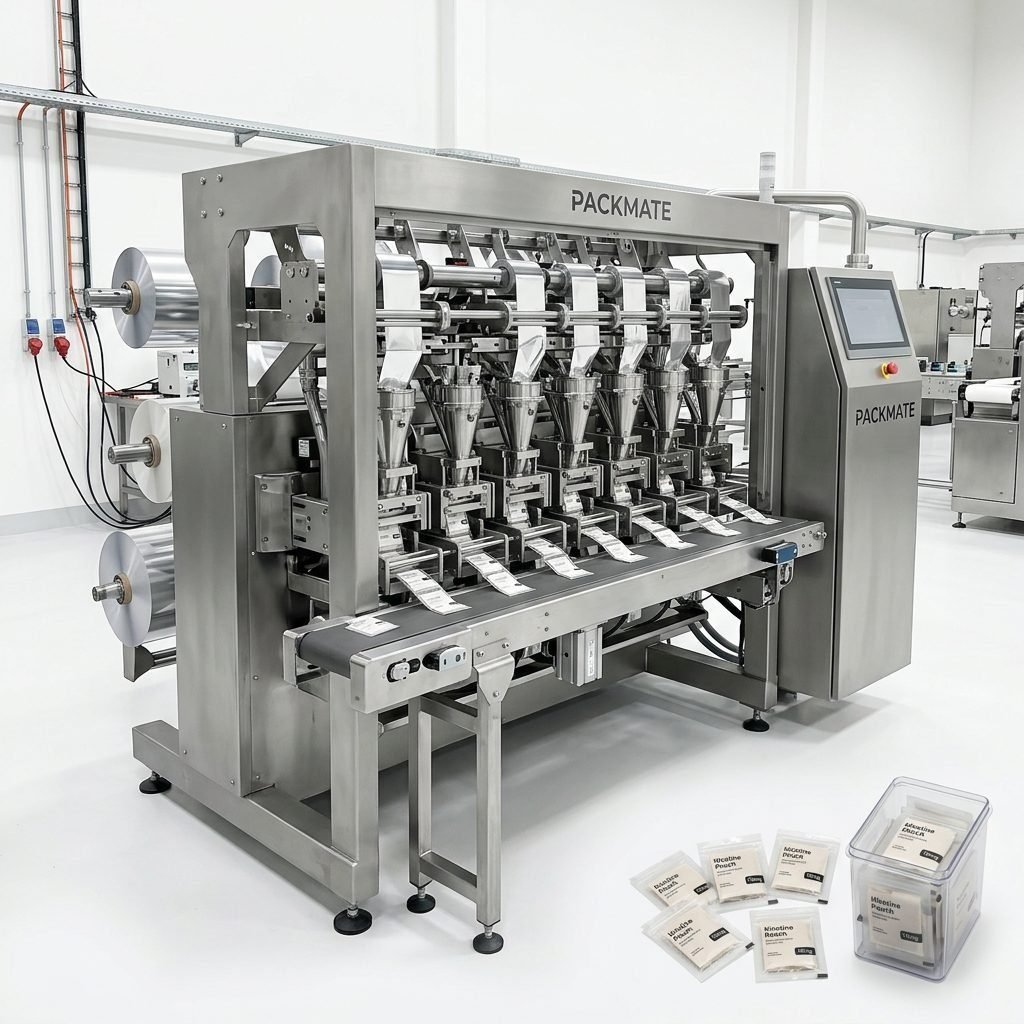
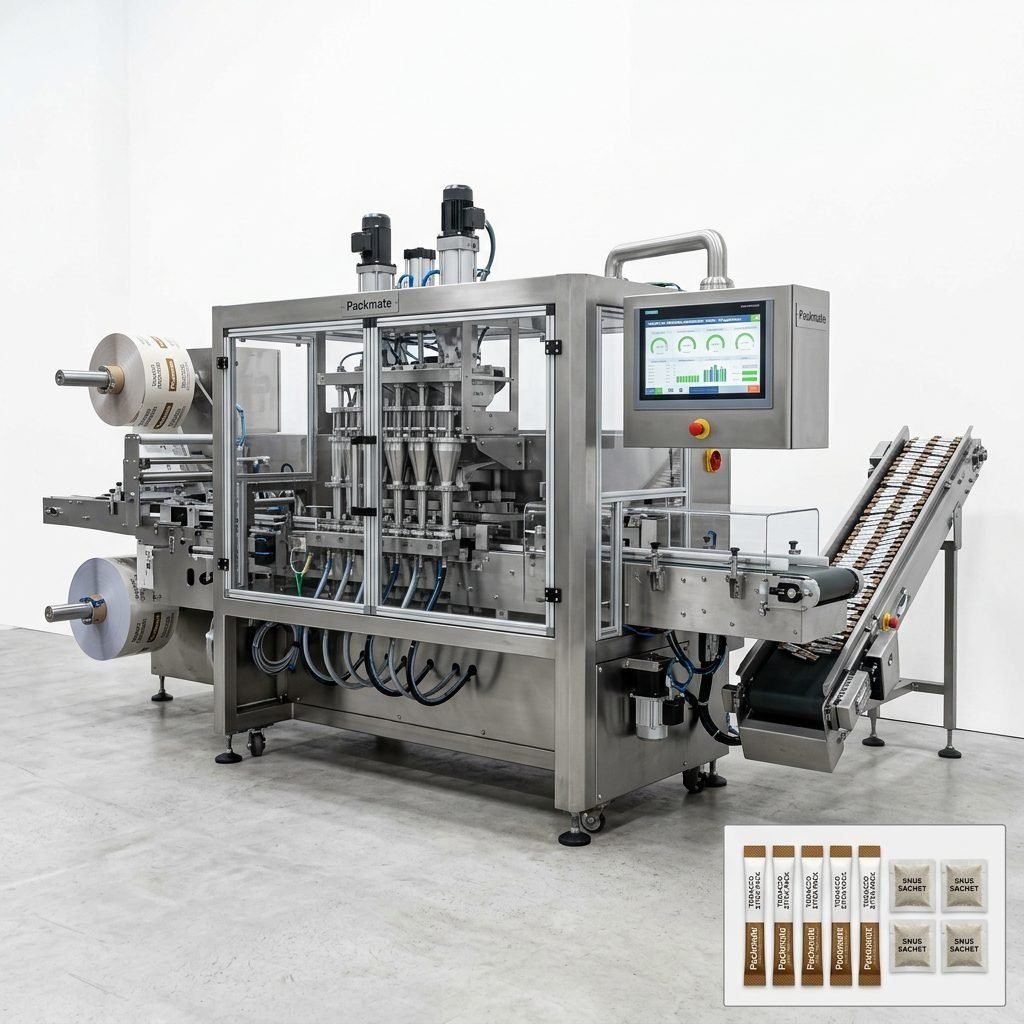
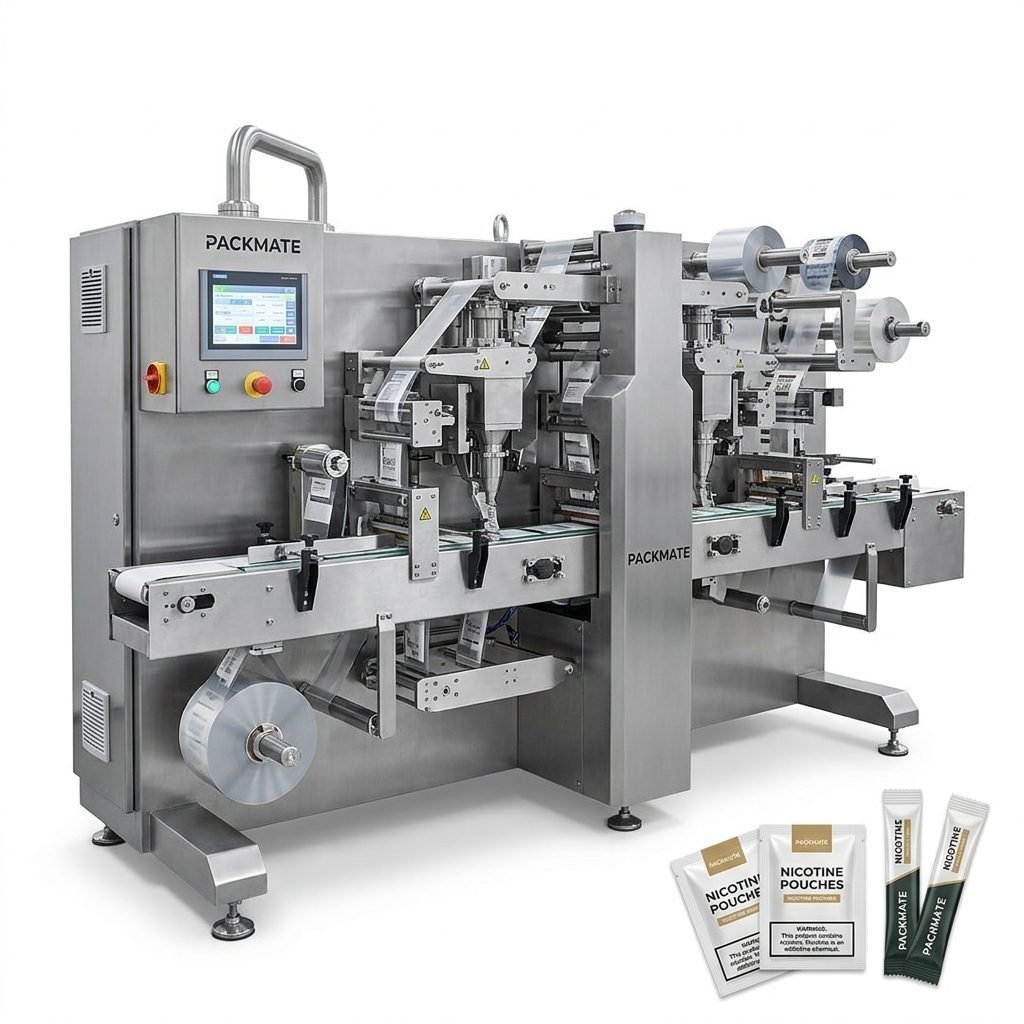
- Snus & Nicotine Packaging Machines — for pouches and sachets (consider multi-lane options for high throughput). Explore models
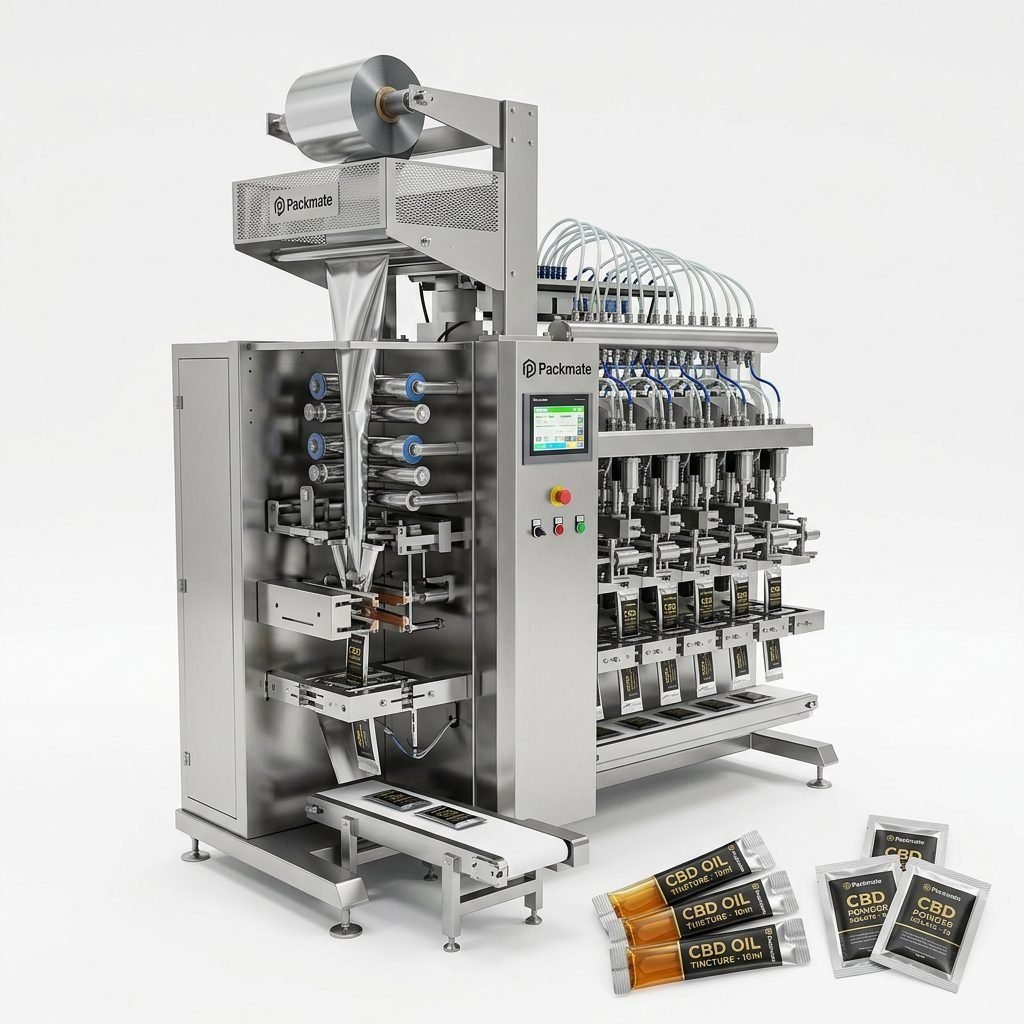
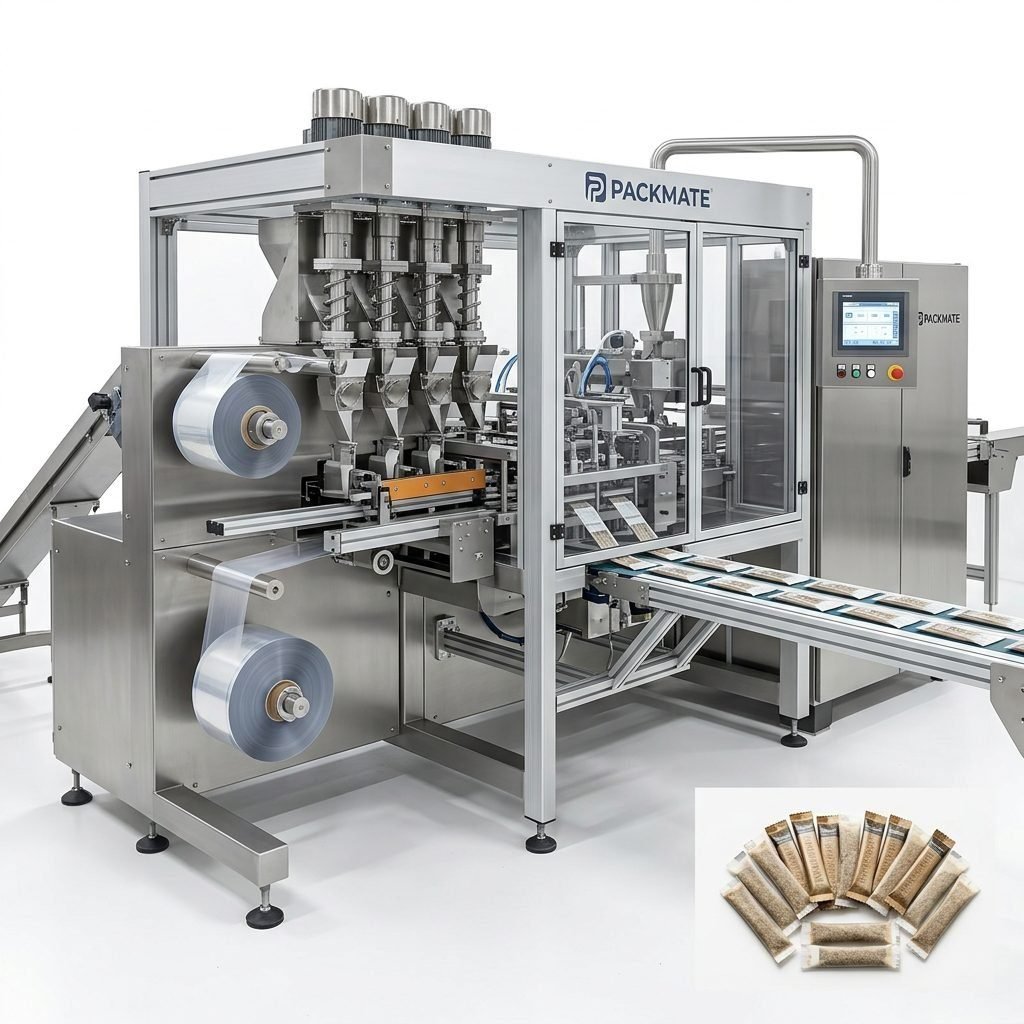
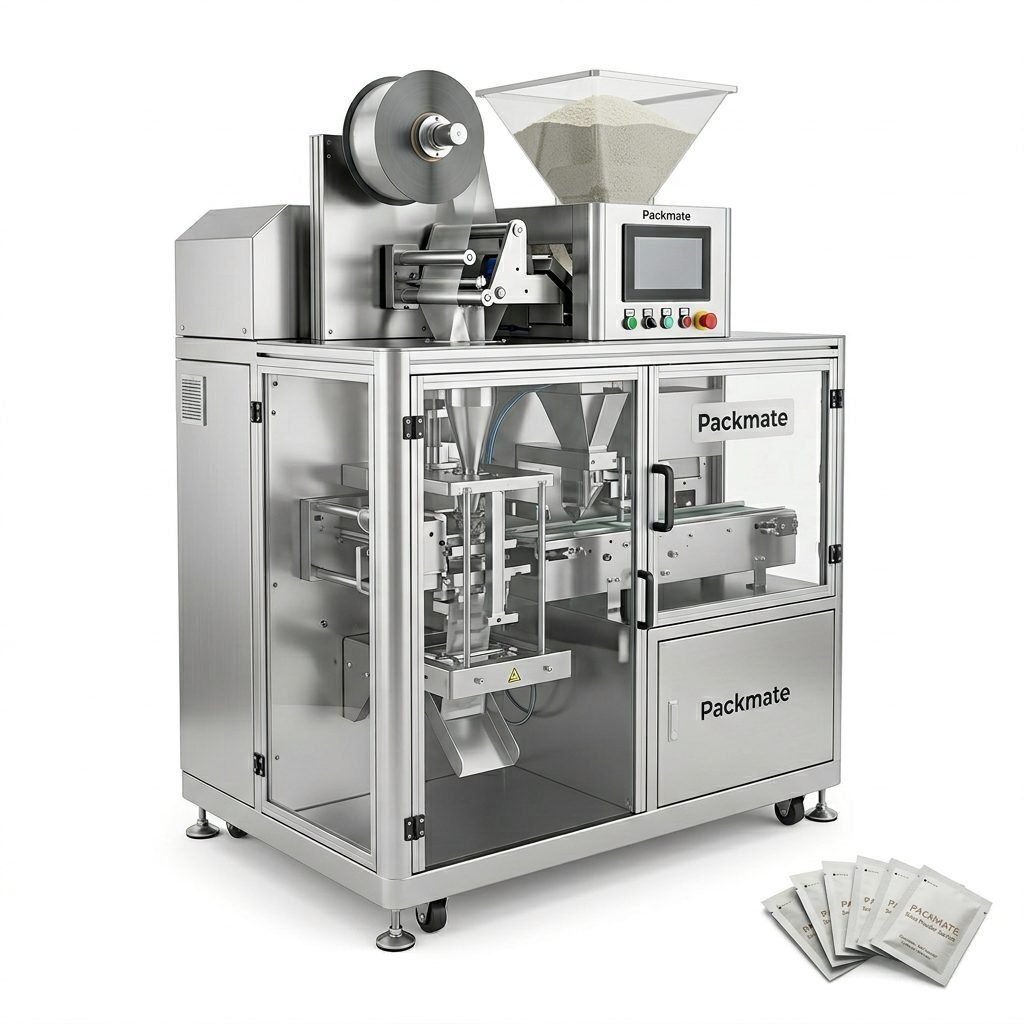
- Stick Pack & Sachet Machines — ideal for single-dose and promotional packaging. View stick/sachet options
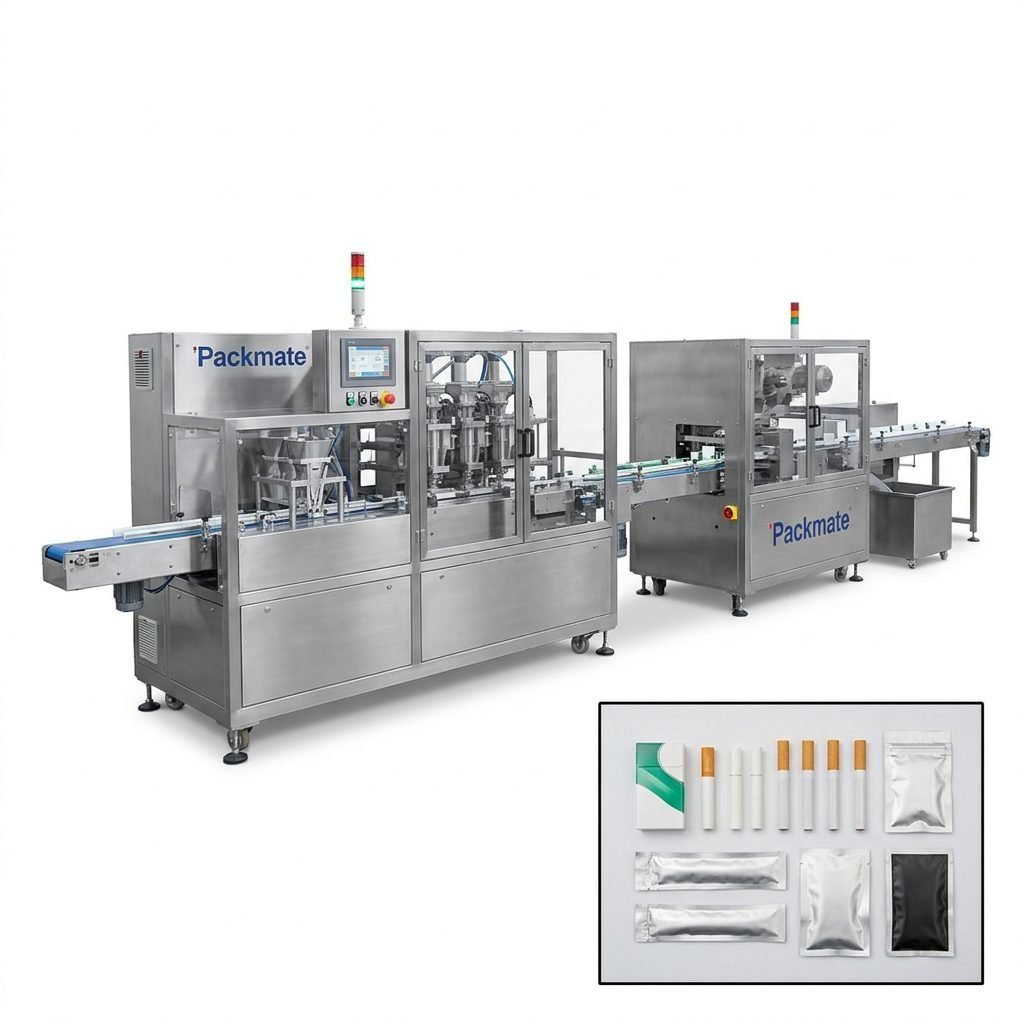
- Filling & Packaging Lines — integrated systems for powder, granule, and liquid components. Learn more
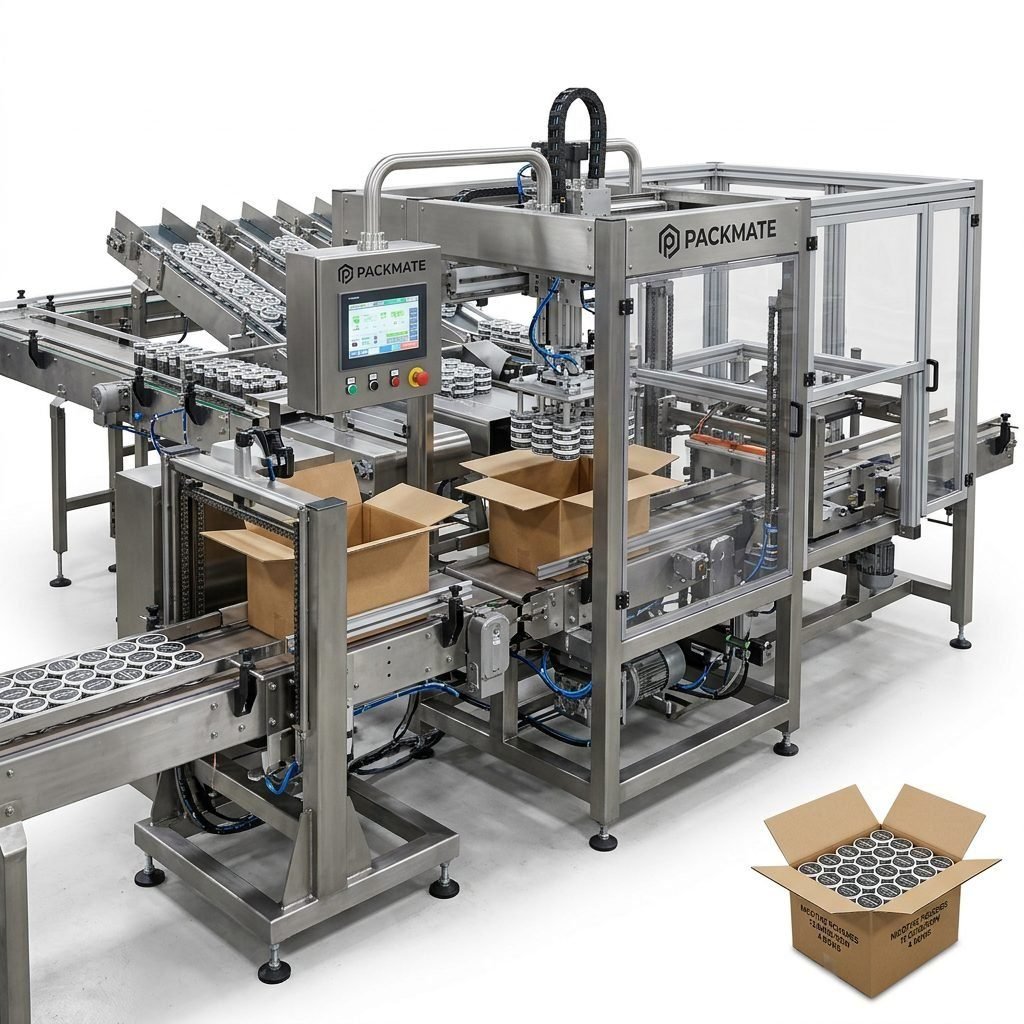
- Auxiliary Equipment — cappers, labelers, pouch feeders and weighing systems to complete a turnkey line. Auxiliary solutions
🔶 Quick selection tip
If you prioritize high-volume production in El Salvador, evaluate multi-lane systems that maximize output per footprint. For niche or artisanal brands, flexible single-lane machines with easy changeover may be preferable.
Technical Evaluation Checklist
Use this checklist when comparing suppliers. These technical details directly affect performance and total cost of ownership.
- Throughput & Scalability: measured in pouches/min, and whether the line can be upgraded (e.g., additional lanes).
- Packaging Formats & Flexibility: compatibility with different pouch sizes, materials and reclosable options.
- Weighing & Dosing Accuracy: tolerance levels for nicotine powder/portion weight; check repeatability specs and test results.
- Automation & HMI: intuitive controls, recipe management, and remote monitoring capabilities.
- Material Contact & Hygiene: stainless steel grades (e.g., 304/316), cleanability, and compliance with food/pharma standards.
- Spare Parts & Consumables: availability of belts, seals, sensors and critical components locally or through quick shipment.
- Noise, Power & Footprint: ensure the machine fits your facility and local power standards; check noise levels for operator comfort.
Performance Evidence
Request factory acceptance test (FAT) videos and performance data under conditions similar to your production environment. Reliable suppliers provide traceable test logs, error-rate statistics, and sample-filled pouches for evaluation.
Factory Strength & Quality Assurance
A strong manufacturer will demonstrate production capacity, advanced machining, and a documented quality system. Look for:
- Extensive CNC and precision assembly lines — which reduce lead times and variability.
- Quality certifications such as CE and ISO, showing adherence to international standards.
- Clear manufacturing footprint and staffing levels for upgrades and urgent orders.
📦 What to ask during a factory visit
Verify assembly areas, test benches, spare parts warehouse, and quality control stations. Ask for examples of completed lines in operation and references from customers in similar climates or markets.
Customization & Turnkey Solutions
For El Salvador-based operations, turnkey solutions can reduce the complexity of commissioning and regulatory compliance. A supplier that offers end-to-end services—machine supply, production layout, electrical and pneumatic integration, and final on-site commissioning—will save you time and help ensure consistent quality from day one. Consider suppliers that also provide weighing & packaging systems as part of integrated lines. See integrated systems
Customization examples
- Spanish-language HMI and safety signage
- Climate-resistant sealing solutions for high-humidity storage
- Brand-specific filling ranges and pouch designs
After-sales Service, Spare Parts & Training
A strong warranty, fast spare parts shipment, and local training programs are indispensable. Key service factors include:
- Response time: guaranteed SLA for remote support and on-site visits.
- Spare parts inventory: minimum recommended stock list and procurement lead times for critical items.
- Training packages: operator and maintenance training with documentation in Spanish.
- Remote diagnostics: machine telemetry and secure remote access for troubleshooting.
Costing & Total Cost of Ownership (TCO)
The lowest purchase price rarely equals the lowest TCO. Include these items in your calculations:
- Initial capital expenditure and installation costs
- Energy consumption and consumables (films, adhesives)
- Planned maintenance, spare parts, and mean time to repair (MTTR)
- Downtime cost per hour and expected lifetime throughput
✅ Negotiation focus points
Secure a clear warranty period, list of included spare parts, acceptance criteria for FAT/SAT, and penalties or remedies for missed delivery dates.
Logistics, Lead Time & Import Considerations
Shipping heavy machinery to El Salvador requires careful planning: select appropriate Incoterms, confirm port options (Acajutla, La Unión, or San Salvador via air), and prepare documentation for customs clearance. Ask the supplier for experience shipping to Central America, and request assistance with import paperwork if needed. A local agent can accelerate clearance and avoid demurrage costs.
Warranty, Acceptance Testing & Contracts
Include detailed acceptance tests in the purchase contract: FAT at supplier site, shipping inspections, and a final SAT (site acceptance test) in El Salvador. Warranties should clearly define coverage, exclusions, and service response times. Secure spare parts pricing and lead-time commitments in writing.
References, Case Studies & Local Partners
Request references and case studies from suppliers—preferably customers in Latin America or with similar climate challenges. Reviewing real-world installations gives insight into reliability and support quality. Check supplier project portfolios and exhibition presence for credibility. See case studies and exhibition track record. About the manufacturer
Decision Matrix & Final Selection Steps
Build a weighted decision matrix to compare suppliers across categories: performance, TCO, lead time, service, references, and compliance. Assign weights based on your priorities (e.g., service = 30%, uptime = 25%, TCO = 20%, customization = 15%, delivery = 10%).
Final steps before signing
- Verify on-site acceptance criteria and include them in the contract.
- Confirm delivery schedule, installation plan, and training dates.
- Arrange spare parts shipment or source a local stock list.
- Plan a small pilot run and third-party lab tests for final product validation.
📘 Ready resources
For product and machine configuration details, manufacturers often publish product catalogs and FAQs that help prepare technical questions. See published product pages and service information for detailed specs. Catalog • FAQs • Service
Practical Example: From Inquiry to Commissioning
1) Initial inquiry: provide product specs, desired output, and local constraints. 2) Supplier proposes machines, layout and budget. 3) Negotiate FAT, lead time, warranty and spare parts. 4) Conduct FAT and approve machine. 5) Ship and complete SAT in El Salvador with supplier’s technician. 6) Run pilot production and adjust recipes to local materials and climate.
Why Work with an Experienced Snus Packaging Manufacturer
Experienced suppliers bring optimized multi-lane solutions, proven dosing and sealing technologies, and a portfolio of successful installations. They can help you avoid common pitfalls like incorrect film selection, inadequate dosing accuracy, and poor seal integrity in humid climates. Manufacturers with established global operations also provide more predictable logistics and spare parts availability.
Contact & Next Steps
When you are ready to request quotes, technical drawings, or arrange a factory visit, use the supplier’s official contact channels and request a formal RFQ response with lead times, payment terms and warranty details. Contact the manufacturer
Conclusion
Selecting the best snus packaging machine supplier for El Salvador means balancing machine performance, local regulatory and climate requirements, logistics and warranty commitments. Prioritize suppliers that demonstrate production strength, offer turnkey solutions, and provide strong after-sales service with Spanish-language support. A sound decision will protect product quality, reduce downtime, and support long-term market growth.
Frequently Asked Questions
Q1: How long does it typically take from order to commissioning in El Salvador?
A1: Lead times vary by machine complexity, customization and current factory schedule. Expect 3–6 months for standard systems and 6–12 months for complex turnkey lines including FAT and shipping. Always confirm lead times with documented schedules in your contract.
Q2: What spare parts should I stock locally in El Salvador?
A2: Keep critical consumables and wear parts on hand: sealing bars, belts, sensors, seals, gaskets, and common electrical components. Your supplier should provide a recommended minimum stock list based on expected usage and local shipping lead times.
Q3: Can machines be adapted for Spanish-language operation and documentation?
A3: Yes. Reputable suppliers provide HMI localization and Spanish manuals, and can supply safety signage in Spanish as part of customization packages.
Q4: What certifications should I expect from a global supplier?
A4: Look for CE, ISO and other relevant safety or food-contact certifications. Certificates indicate adherence to international manufacturing and safety standards and are often necessary for regulatory compliance and insurance.
Q5: How can I validate a supplier’s claims before purchasing?
A5: Request FAT videos, customer references (preferably in similar climates), sample pouches produced under test conditions, and an invitation to visit the factory or remote live demo. A trusted supplier will readily provide these materials.