Selecting the right snus packaging machinery manufacturer for your Kosovo business is a strategic decision that affects product quality, compliance, production efficiency, and long-term costs. This article guides small and large producers through practical criteria, regional considerations specific to Kosovo, and a clear decision checklist so you can confidently choose a supplier that fits your product profile and growth plans.
🔍 Understand the Kosovo Market and Local Habits
Kosovo’s consumer landscape blends local traditions and regional influences from neighboring markets in Albania, North Macedonia and the EU. While snus and nicotine pouch consumption is still emerging compared with traditional tobacco products, demand for modern, low-profile nicotine formats is growing among younger urban adults in Pristina and regional trade hubs.
Key local factors to consider: product labeling in Albanian and Serbian, cultural sensitivity toward nicotine products, distribution channels (specialty shops, duty-free, online), and an evolving regulatory environment influenced by EU standards. A manufacturer familiar with cross-border trade and certifications can smooth import and market entry.
✅ Top Selection Criteria When Evaluating Manufacturers
When evaluating suppliers, prioritize criteria that directly impact your production continuity and product compliance:
🔹 Product Range & Flexibility — Machines that handle nicotine pouches, sachets, stick packs and multi-lane formats allow you to expand SKUs without new capital investment.
🔹 Certifications & Compliance — CE and ISO certifications are critical, especially if you plan to export to EU markets or follow international safety standards.
🔹 Factory Capability — Look for modern CNC machining, dedicated assembly lines, and clean production areas to ensure consistent build quality.
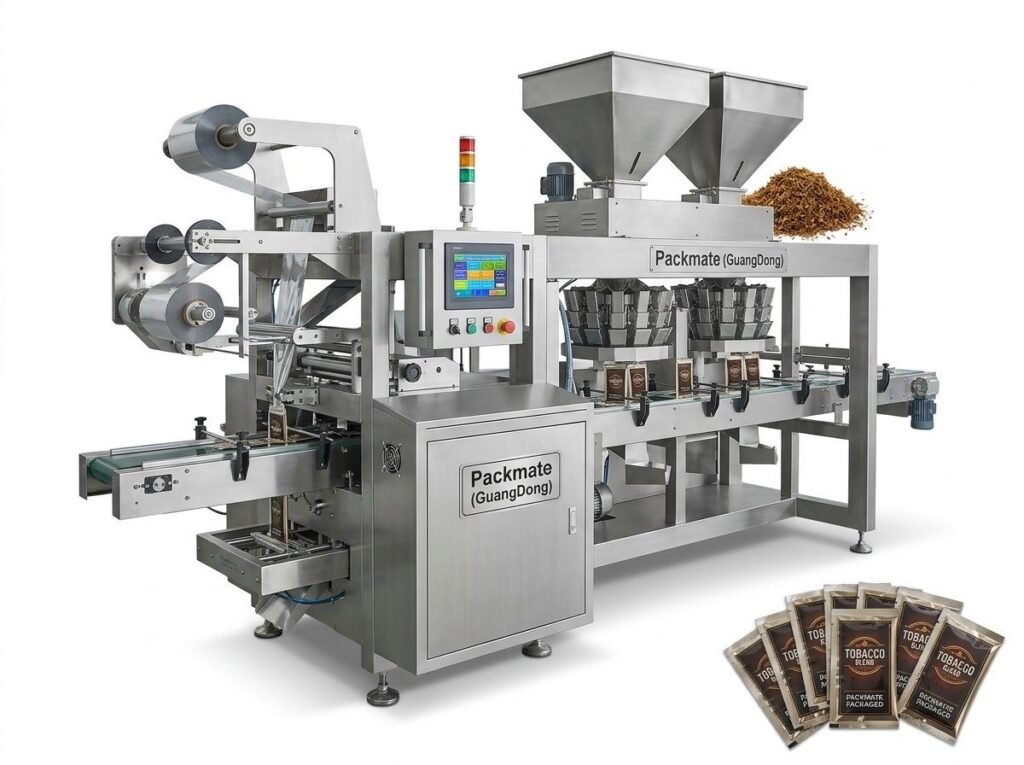
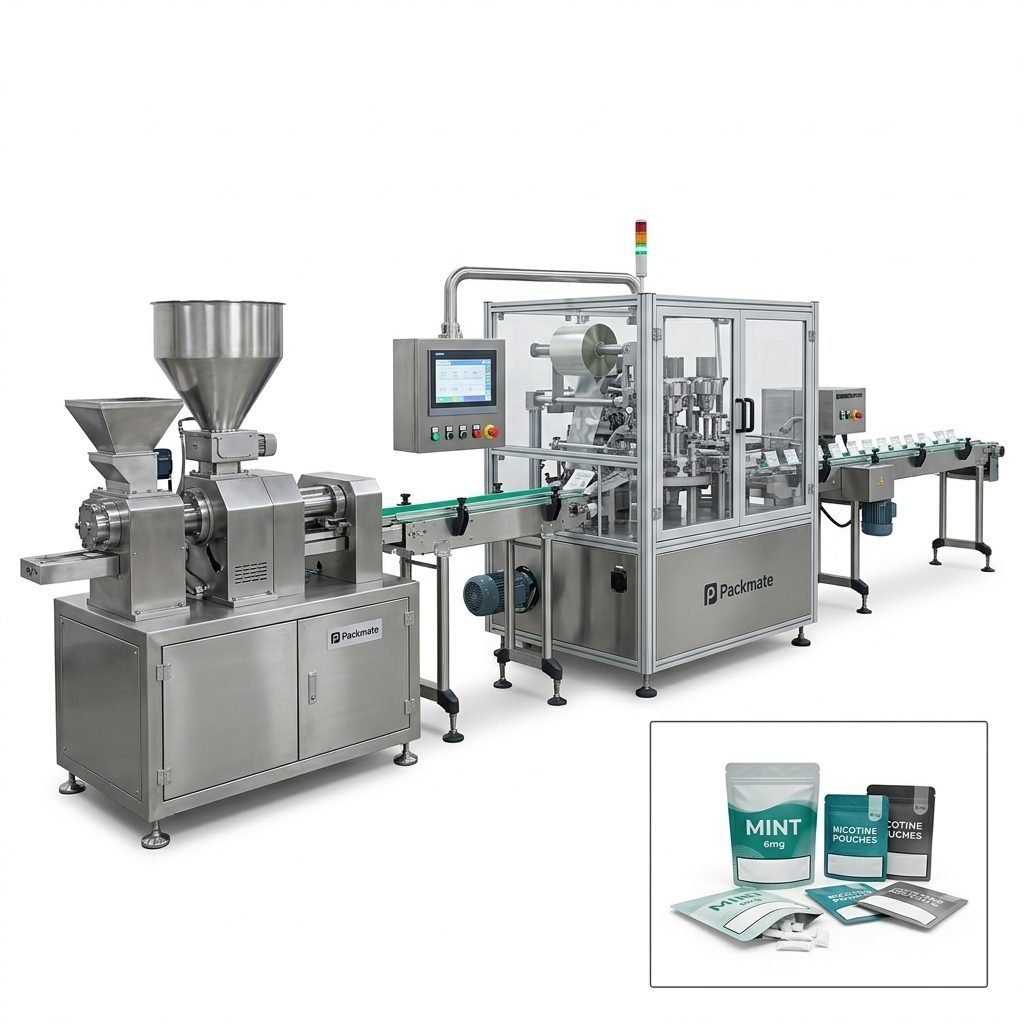
🔹 Turnkey Solutions & Integration — End-to-end lines including weighing, filling, and packaging reduce integration headaches and timeline risk.
🔹 After-sales Service — Fast spare parts, remote diagnostics and on-site support are vital for minimizing downtime in Kosovo’s market where service delays can be costly.
🔹 References & Case Studies — Real customer cases show how machines perform under full production conditions; prefer suppliers who invite factory visits or provide detailed case documentation.
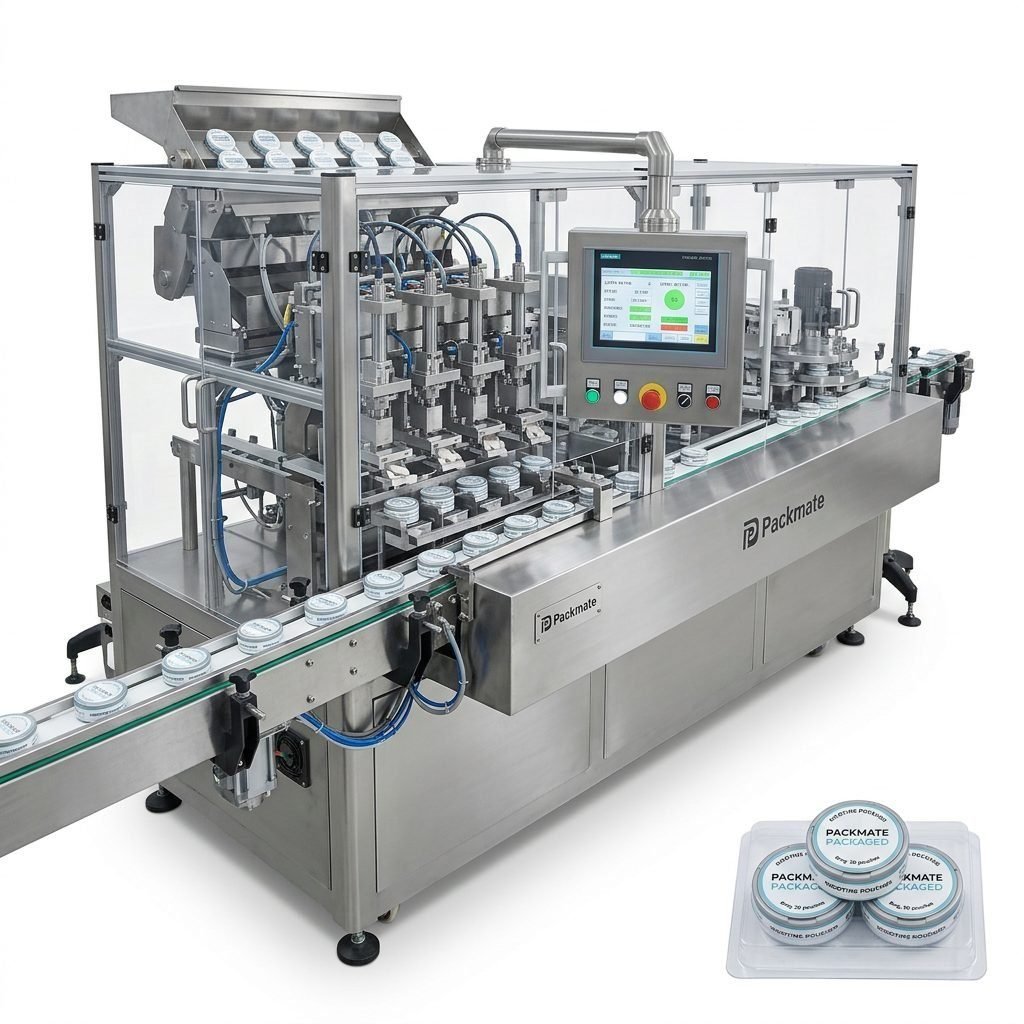
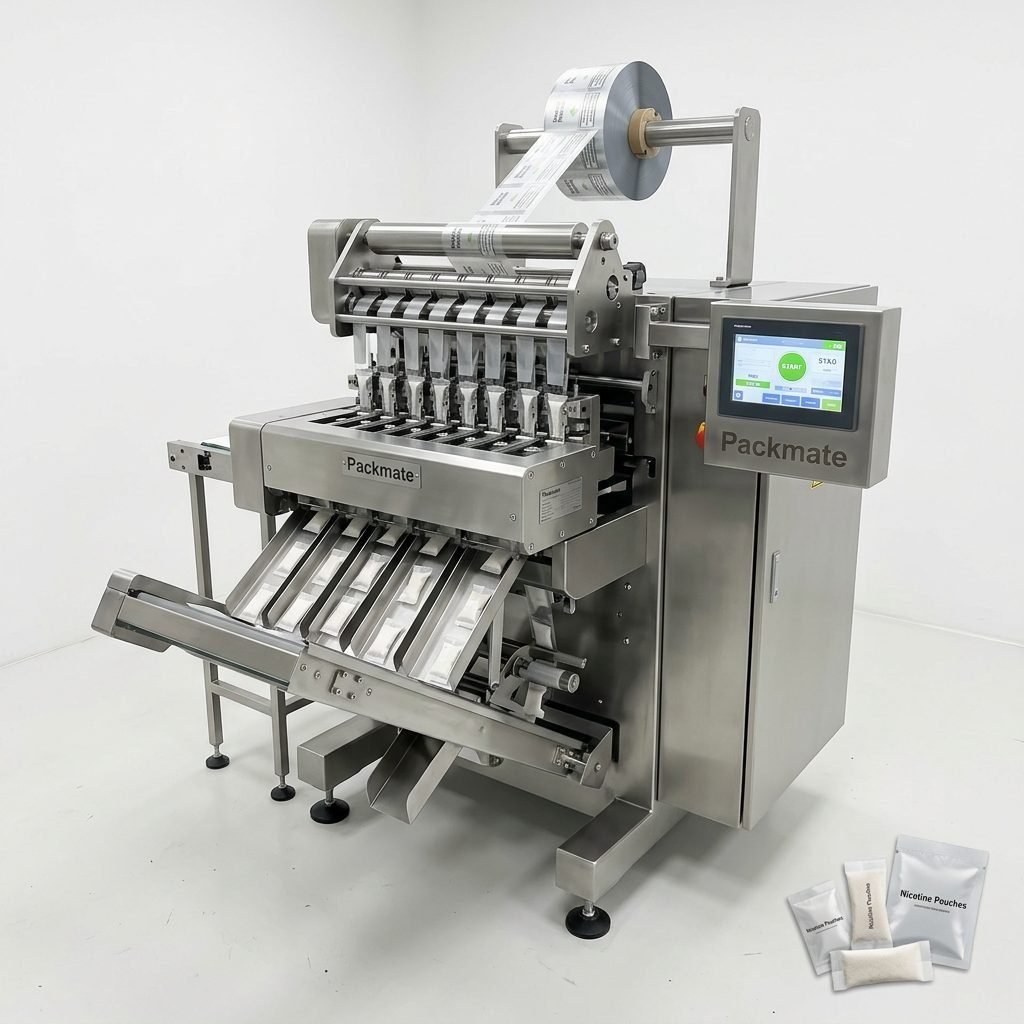
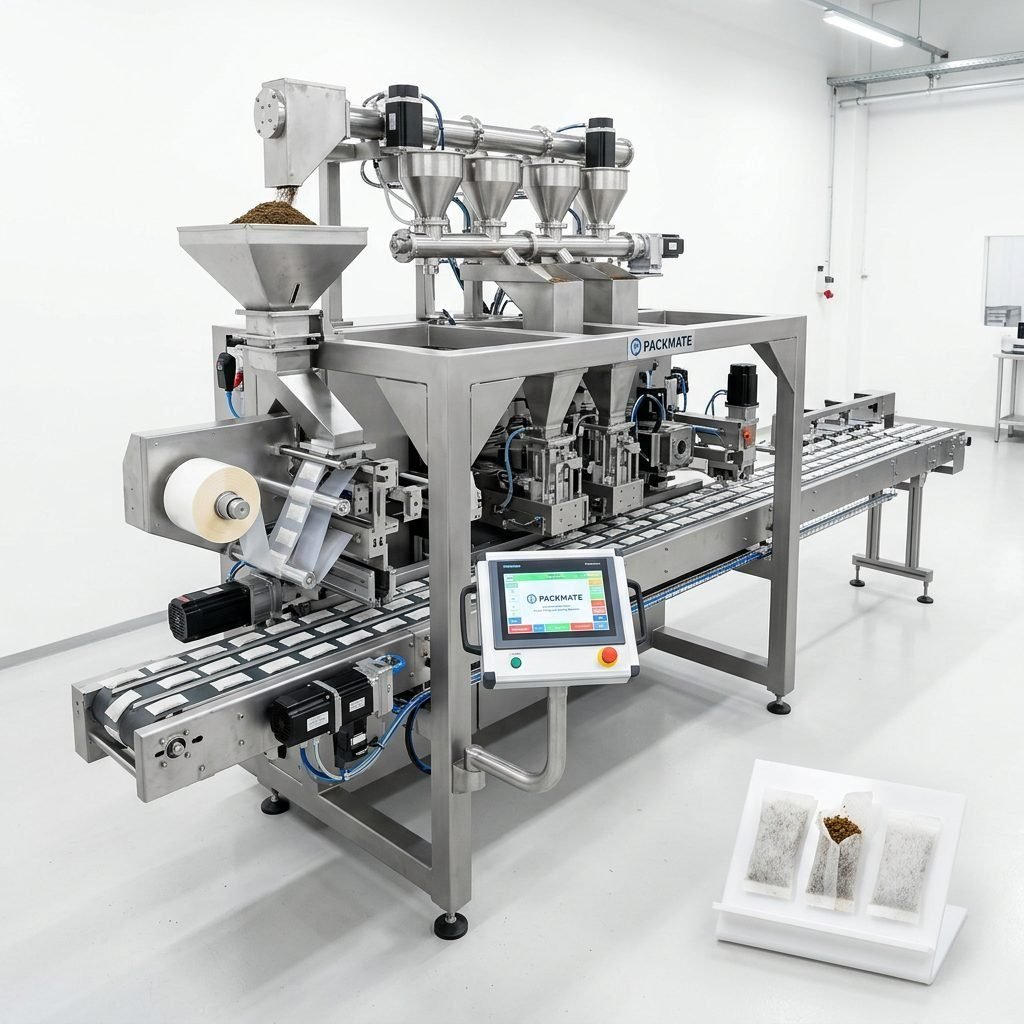
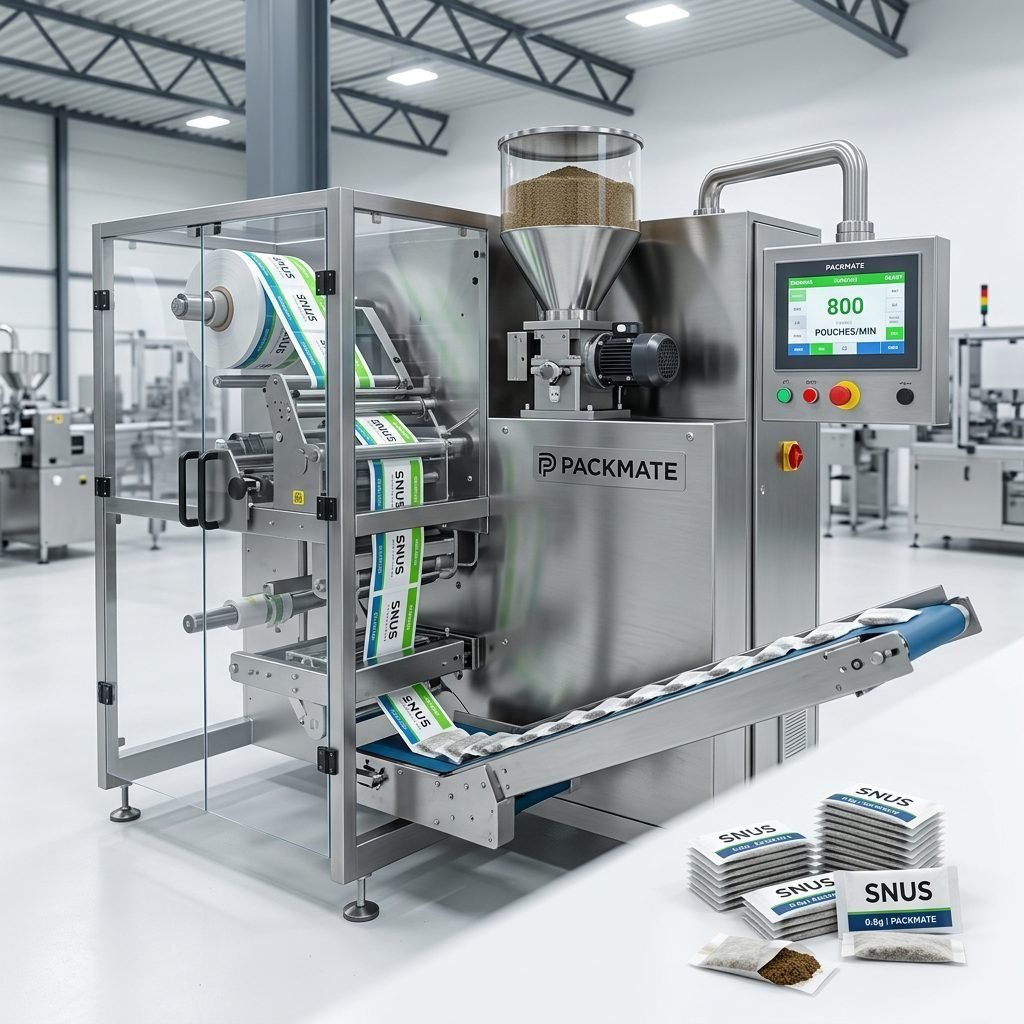
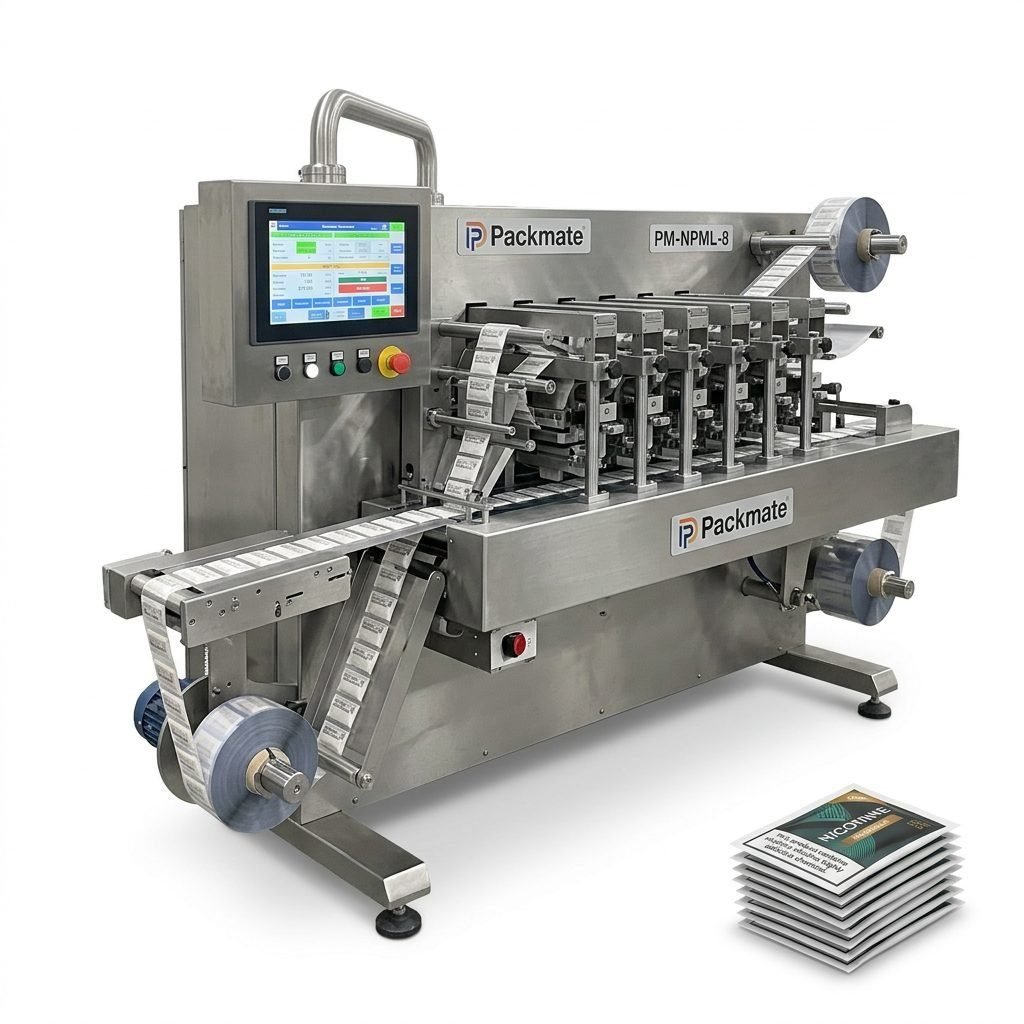
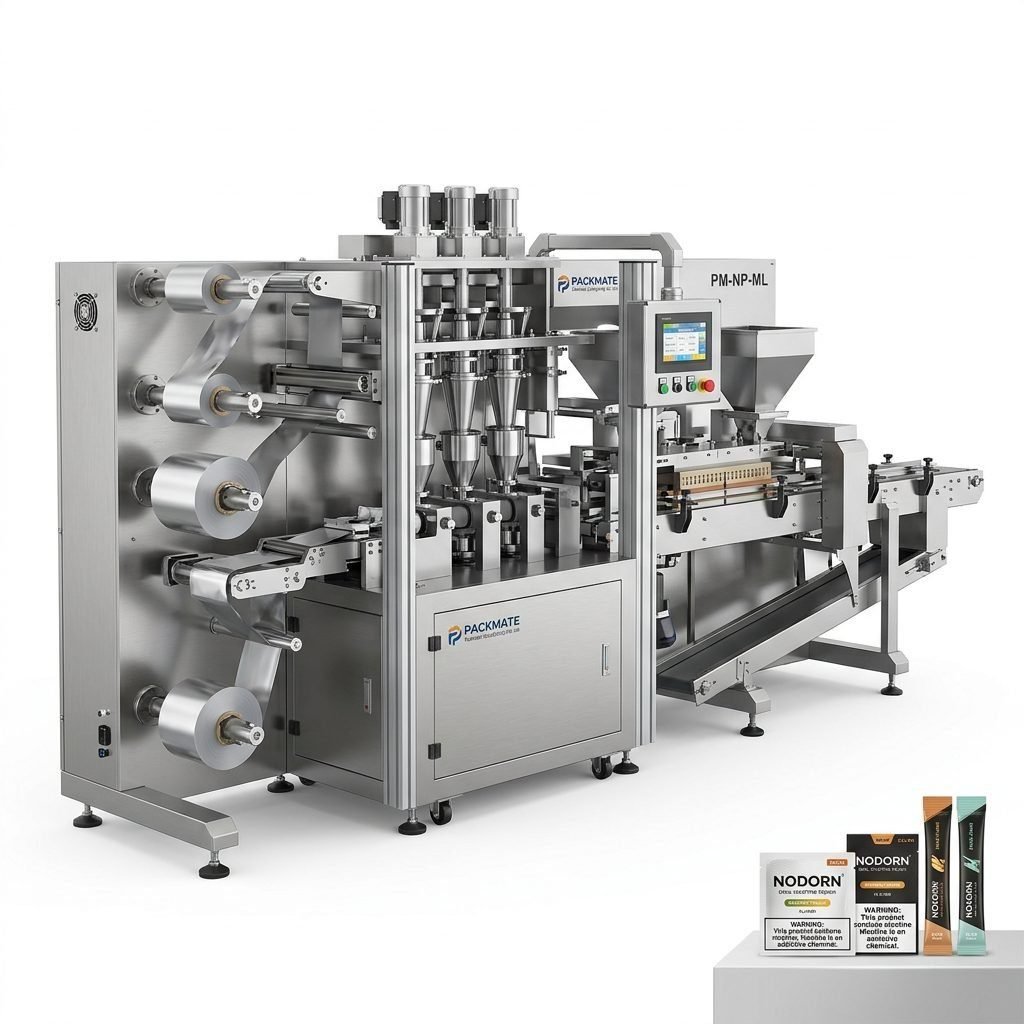
Highlighted: Packmate Snus Machine is an example of a supplier with broad capabilities — 30+ years of engineering experience, a 20,000㎡ factory, 50+ machine models and CE/ISO compliance. For detailed product options see the Snus & Nicotine Packaging Machines page.
⚙️ Understand Machine Types and Which Suits Your Business
Different product forms and output targets require different equipment. Below are the common machine types relevant to snus and nicotine pouches:
• Single/lane pouch machines — Ideal for small-batch specialty flavors or test markets. Easier to operate and lower initial cost.
• Multi-lane systems — For higher throughput and lower per-unit cost. Essential for scaling production in Kosovo when demand rises.
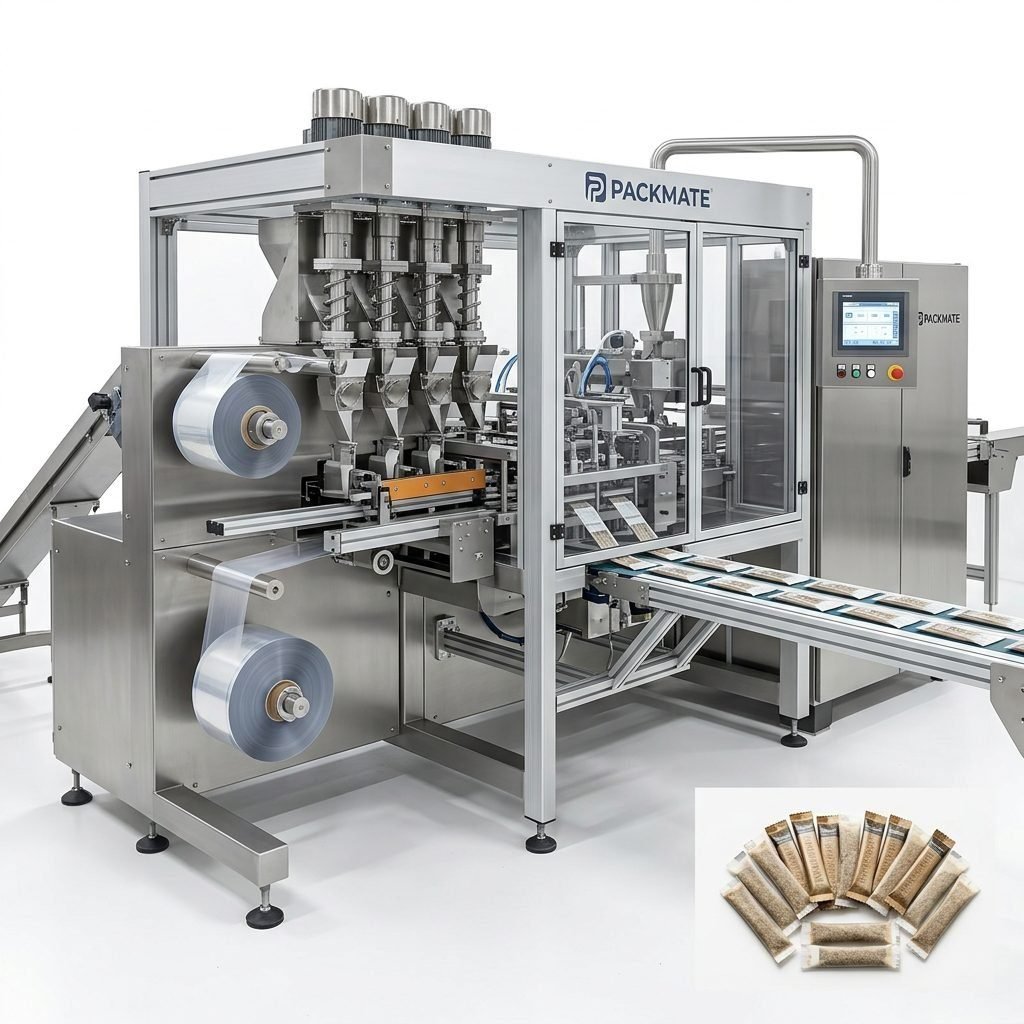
• Stick pack & sachet machines — Useful if you plan line extensions into powdered or liquid products that share the same distribution channels.
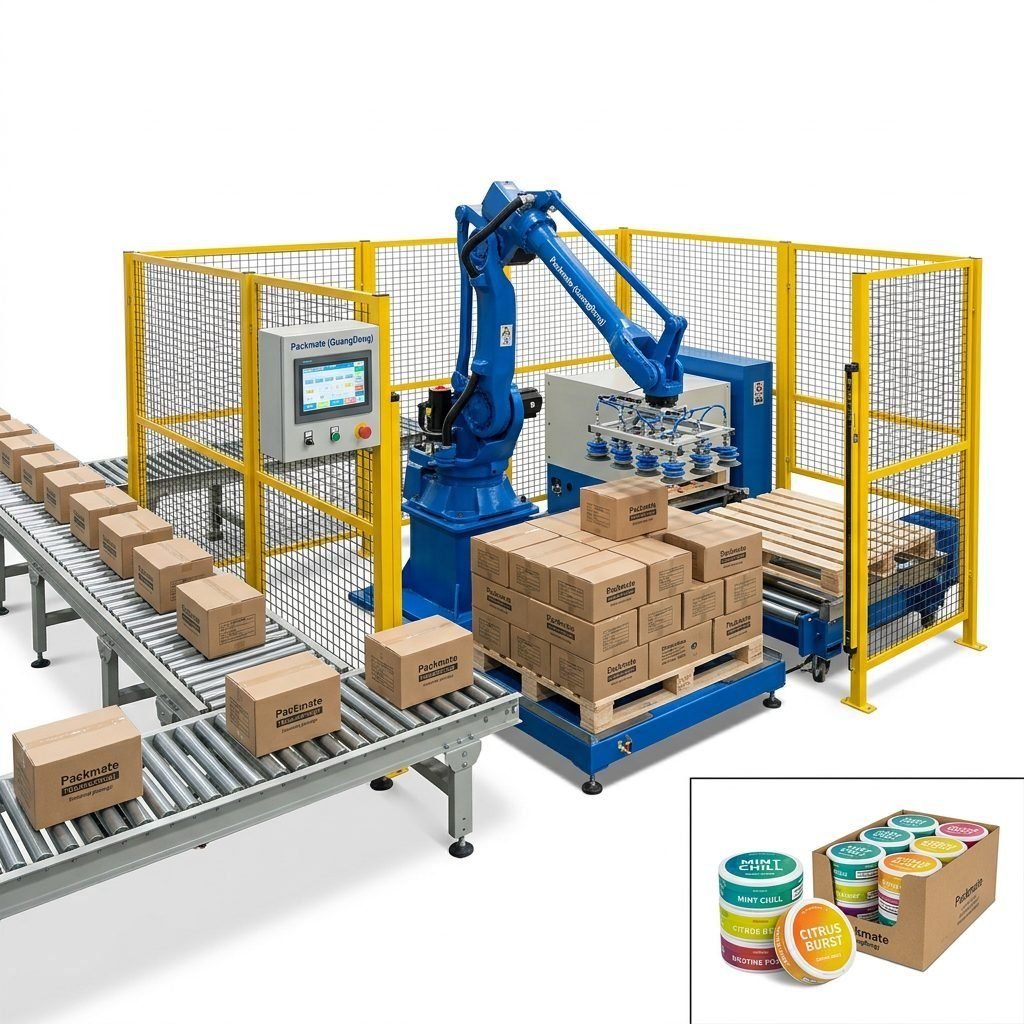
• Auxiliary equipment — Weighers, fillers, and automated packing conveyors reduce manual handling and increase hygiene standards.
For a full view of compatible systems and accessories, consult product group pages like the Bag & Pouch Packaging Machines and Sachet & Stick Pack Machines to plan an integrated line.
📦 Factory Capability, Quality Control and Certifications
Reliable supply rests on manufacturing strength. Key red flags and positives:
• On-site CNC machining demonstrates the ability to produce precision parts and quickly replace components.
• Dedicated assembly lines and a 20,000㎡ factory footprint indicate scale and consistency in manufacturing.
• Quality inspections & testing — Ask for documented QC processes and test reports for run-in and reliability tests.
• International certificates (CE, ISO) are essential when importing into Kosovo or exporting to EU-aligned markets; verify the certification numbers and scope.
Tip: Ask the manufacturer for a virtual or in-person factory tour and a demo run using your product recipe. Case studies and client references are particularly valuable when negotiating terms.
🔧 Customization, Turnkey Lines and Integration
Kosovo producers often benefit from turnkey solutions that include weighing, dosing, filling, sealing and packaging. Customization options you should request:
• Tailored pouches and sealing types compatible with local packaging preferences.
• Integration of labeling and multilingual printing (Albanian/Serbian/English) to meet local regulations and retailer requirements.
• Modular design that allows adding lanes or modules as production scales, keeping initial CAPEX conservative.
Explore turnkey options and real-world lines in supplier case documentation to understand the lead time and installation scope; a detailed case portfolio is available here.
🛠 After-sales Support, Spare Parts and Training
Ongoing support is where many partnerships succeed or fail. Essential questions to ask suppliers:
• What is the guaranteed spare parts lead time and local stock availability?
• Do they offer operator and maintenance training on-site in Kosovo or remotely?
• Is remote troubleshooting available (video diagnostics, PLC remote access) to reduce downtime?
A strong after-sales network in Europe or regional partners shortens response times; check their service commitments and existing service centers or authorized partners.
💶 Cost, ROI and Total Cost of Ownership
Price is important, but total cost of ownership (TCO) is the metric that measures real value:
• Initial CAPEX, transport and import duties to Kosovo.
• Consumables, spare parts and energy consumption — more efficient machines save money over time.
• Productivity gains from multi-lane systems and automation, which reduce labor costs and increase throughput.
Run a simple ROI model comparing scenarios: low-volume single-lane entry vs multi-lane scale-up. Ask suppliers for real cycle-time data and OEE metrics from similar installations.
📋 How to Validate a Manufacturer — Practical Checklist
Use this checklist during supplier selection and negotiation:
1. Request machine performance data and production videos with similar product examples.
2. Verify certifications (CE/ISO) and ask for copies of certificates and scope. Certifications should cover electrical safety, machine safety and quality systems.
3. Check factory scale: CNC capability, assembly lines, and QA labs. Ask for a virtual tour if travel is limited.
4. Review case studies and request contactable references; review uptime statistics and service history.
5. Confirm warranty terms, spare parts pricing, and average lead times to Kosovo.
6. Plan installation and training: confirm whether the supplier includes commissioning, start-up, and operator training in the contract.
Quick Action: Prioritize suppliers that can share factory case studies and offer clear service SLAs. Review their exhibition presence and discovery meetings — you can often meet them at trade fairs or schedule remote demos. See Packmate’s exhibition history for events and demos.
🌍 Logistics, Import and Regulatory Considerations for Kosovo
Importing heavy machinery into Kosovo requires planning: shipping terms, customs clearance, VAT and possible special permits for nicotine-related equipment. Important points:
• Choose clear incoterms (e.g., CIF, DDP) and verify who handles customs brokerage.
• Ensure documentation includes CE/ISO certificates, packing lists, and detailed machine manuals for customs and future servicing.
• Verify local health and product regulations for nicotine pouches; labeling and ingredient disclosures may be required in Albanian/Serbian.
A supplier with export experience to European and Balkan customers will better support customs paperwork and logistics. See supplier case examples to verify similar shipments and installations.
📈 Scaling Strategy — Start Small, Plan Big
Many Kosovo manufacturers start with a conservative system and expand as demand rises. Recommended approach:
• Pilot line to validate recipes and packaging in local stores and online channels.
• Modular machines that accept additional lanes or modules avoid costly full replacements.
This staged approach reduces risk and allows you to iterate packaging aesthetics and recipes in line with local consumer preferences.
📞 Next Steps — What to Ask Suppliers Right Now
When contacting manufacturers, prepare a concise brief: product weight per pouch, pouch dimensions, target throughput (units/min), desired automation level, and delivery timeline. Ask for:
• A written quotation with EXW/CIF/DDP options and estimated lead time.
• A sample run video using similar product specs and a list of included spare parts.
• Commissioning plan, training schedule, and warranty details.
If you want to review a reliable supplier profile and product categories before making contact, review the manufacturer information on their About page, view product groups like Snus & Nicotine Packaging Machines, and check recent installations in their case library.
Conclusion
Choosing the best snus packaging machinery manufacturer for your Kosovo operation requires balancing technical fit, factory capability, regulatory compliance and after-sales support. Prioritize suppliers with proven multi-lane solutions, CE/ISO certifications, turnkey integration experience and a clear service network. Use pilot lines and modular expansion strategies to de-risk early investments and scale with market demand.
Further Resources
– Product lines for reference: Snus & Nicotine Packaging Machines
– Company background and credentials: About Packmate
– Real installation examples: Case Studies
– Contact for inquiries and quotes: Contact Us
Frequently Asked Questions
Q1: How do I know whether to buy a single-lane or multi-lane machine for Kosovo markets? — Evaluate your initial demand, SKU plan and cash flow. Single-lane is lower risk for test launches; multi-lane reduces unit cost and supports faster scaling.
Q2: What certifications are essential when importing packaging machines into Kosovo? — CE and ISO quality management certification are commonly required and expected by distributors; verify the certificates explicitly with the supplier.
Q3: How long does installation and commissioning typically take? — Depends on complexity: a single-machine setup may take days to a week; full turnkey lines typically require 2–6 weeks including training and adjustments.
Q4: Are spare parts and maintenance services available locally in Kosovo? — Some manufacturers partner with regional service centers; confirm spare parts lead times and whether local distributors or agents provide field service.
Q5: Can machines be customized for multiple languages and labeling for Kosovo retailers? — Yes. Request printing and labeling modules that support Albanian and Serbian, and confirm font/graphic compatibility during the quotation phase.