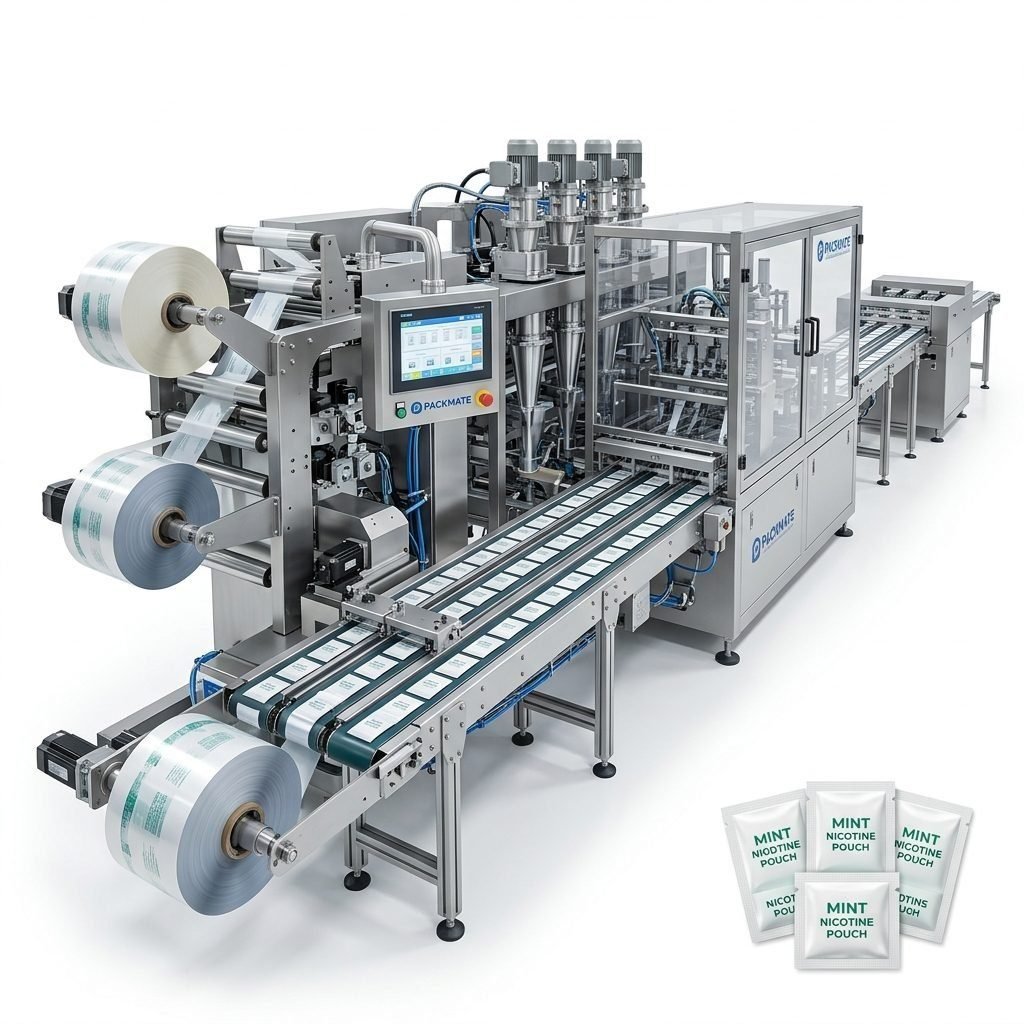
Selecting the right snus packaging machinery for your factory in South Africa can transform production efficiency, product quality, and compliance with local and international regulations. This guide walks you through the practical considerations, machine types, supplier evaluation steps, and purchasing tips so you can confidently choose equipment that matches your capacity, product format, and budget.
🔎 Understanding the South African Snus Market & Production Context
South Africa’s growing demand for nicotine pouches and similar oral products means manufacturers must focus on both speed and precision. Local factories often require machines that balance high output with flexible formats — from single-lane sachets to multi-lane nicotine pouch systems. When planning equipment purchases, consider local supply chains, customs timelines, and after-sales service availability to minimize downtime.
📌 Key local considerations
Customs & import lead times — plan for shipping and clearance delays.
Local service partners — having local technical support reduces downtime.
Regulatory compliance — choose machines that support hygienic design, traceability, and CE/ISO standards where applicable.
🧩 Types of Snus Packaging Machinery to Consider
Packaging technology varies by format, speed, and integration level. Below are common machine types used in snus and nicotine pouch production:
⚙️ Sachet & Stick Pack Machines
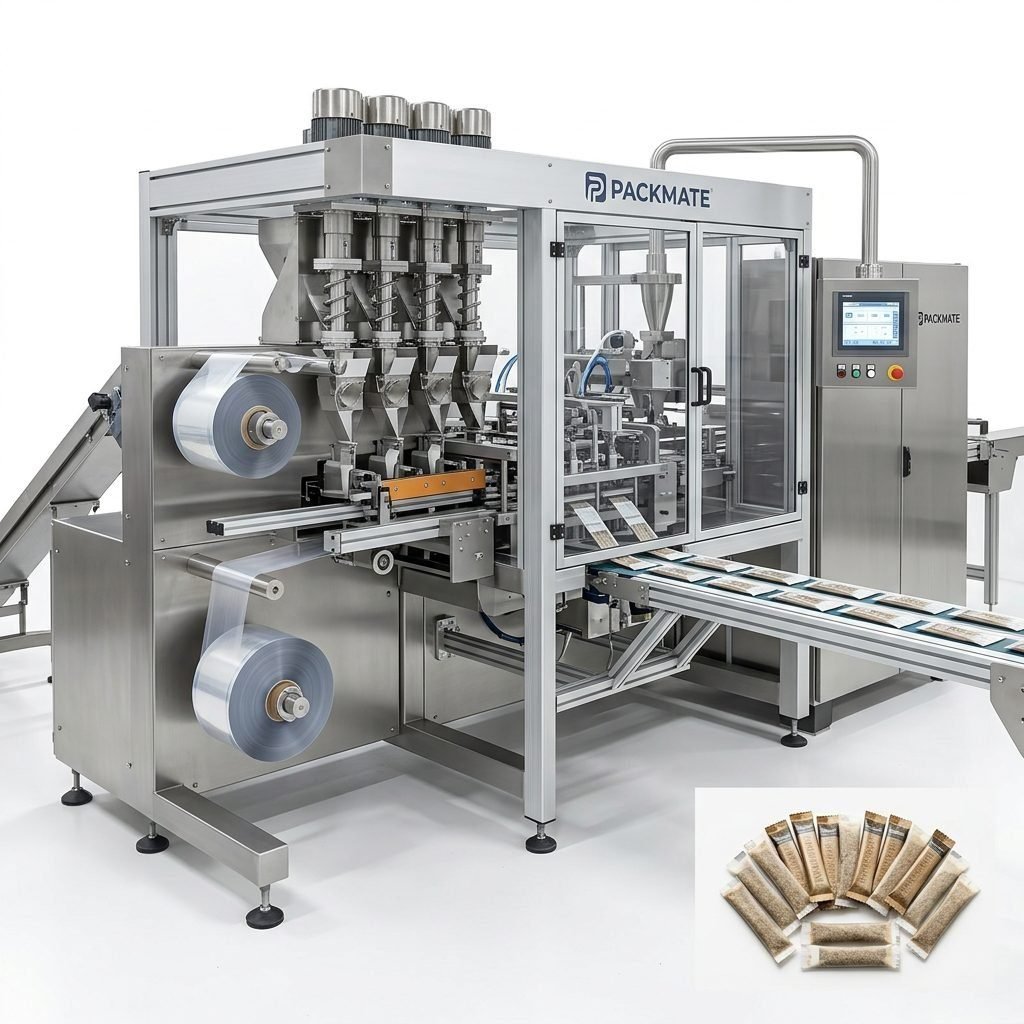
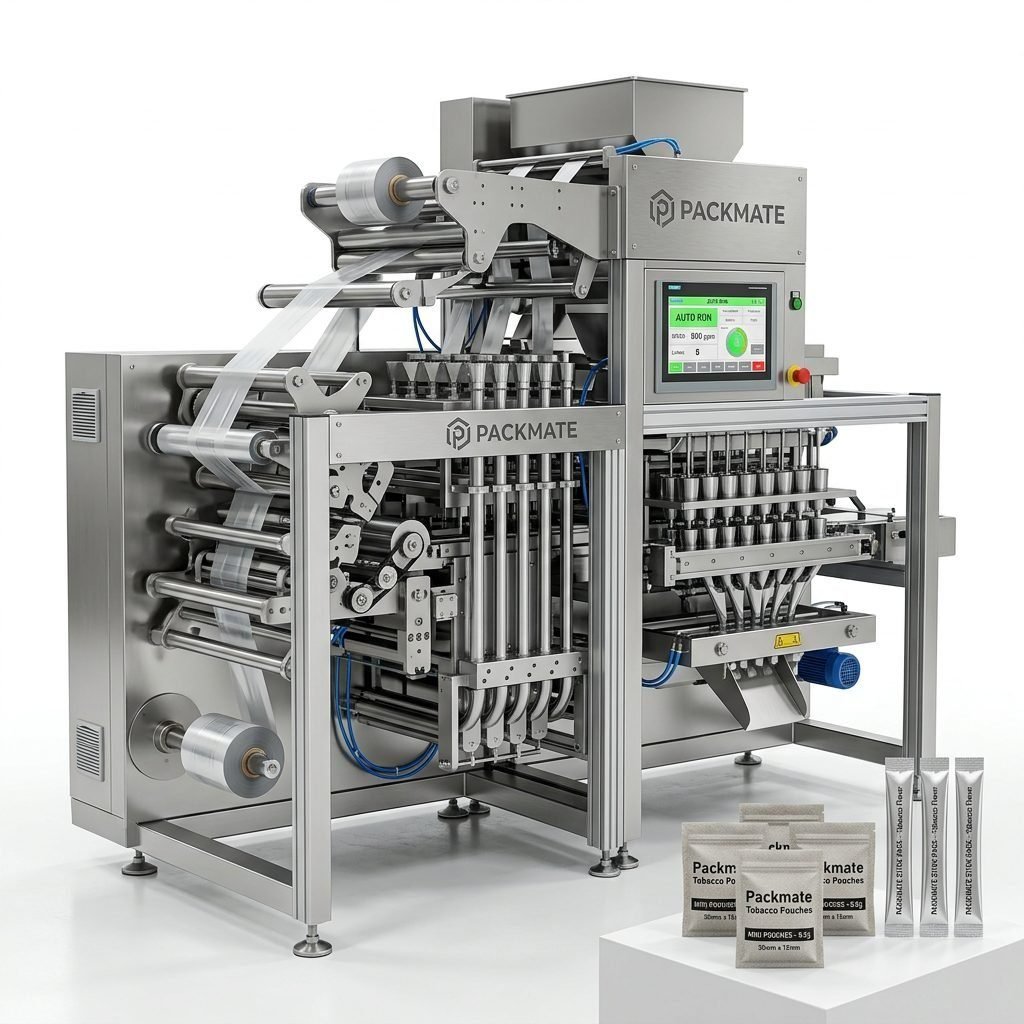
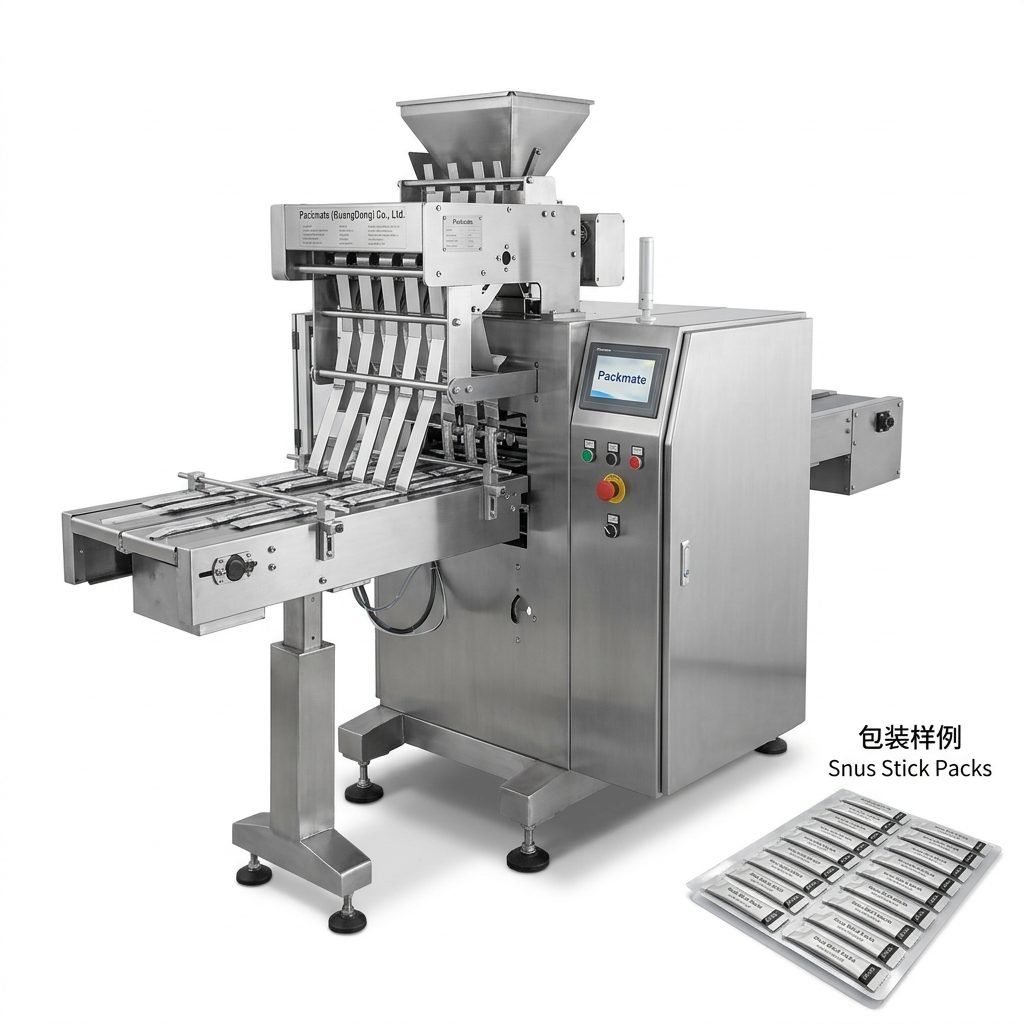
Ideal for single-dose stick packs or sachets, these machines provide continuous film feeding, precise dosing, and high sealing integrity. If your product uses powder or moist blends, choose equipment with compatible dosing heads and moisture control systems. Explore examples on the Sachet & Stick Pack Machines page.
🟦 Multi-Lane Snus/Nicotine Pouch Machines
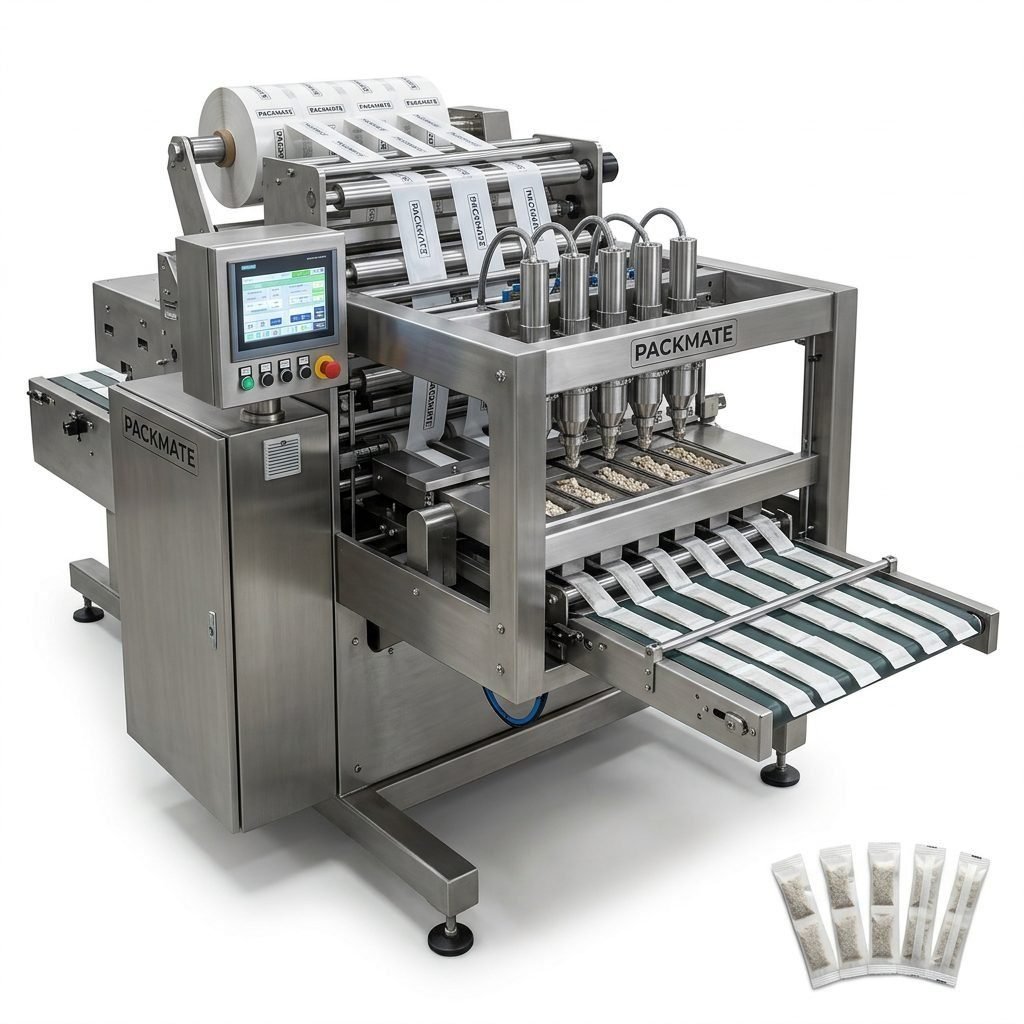
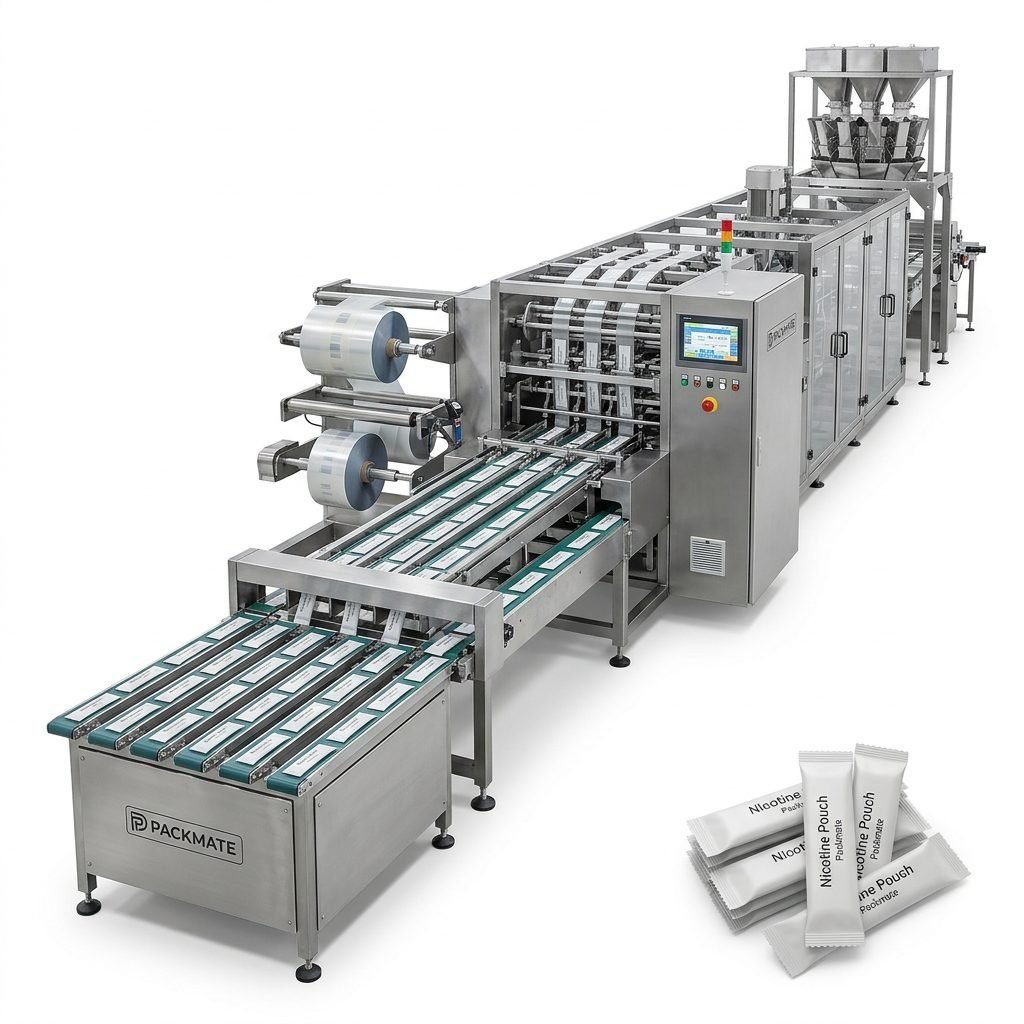
For high-volume operations, multi-lane systems significantly increase throughput without proportionally increasing floor space. These machines are engineered for synchronized lane control and precise dosing per pouch. Manufacturers with deep experience in multi-lane technology can provide tailored layouts for your production line.
🔢 Weighing & Filling Systems
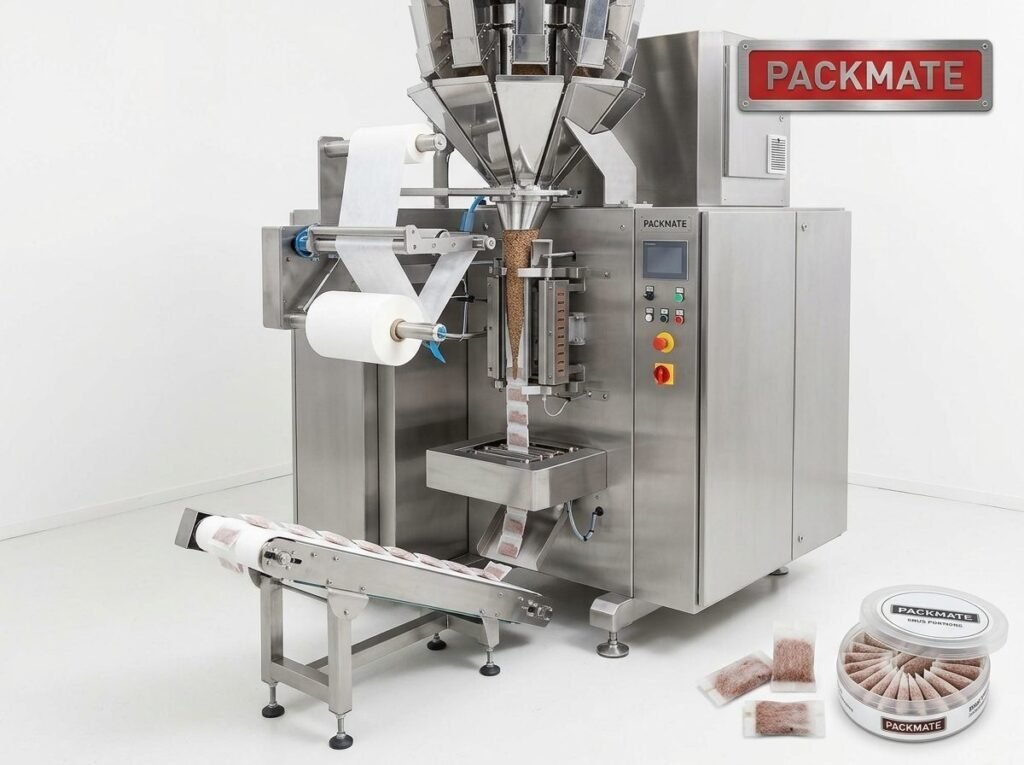
Accurate dosing is critical for regulatory compliance and cost control. Gravimetric and volumetric fillers, combined with checkweighers and metal detectors, ensure each pouch meets specification. See robust options at Weighing & Packaging Systems.
🔁 Auxiliary & Complete Filling Lines
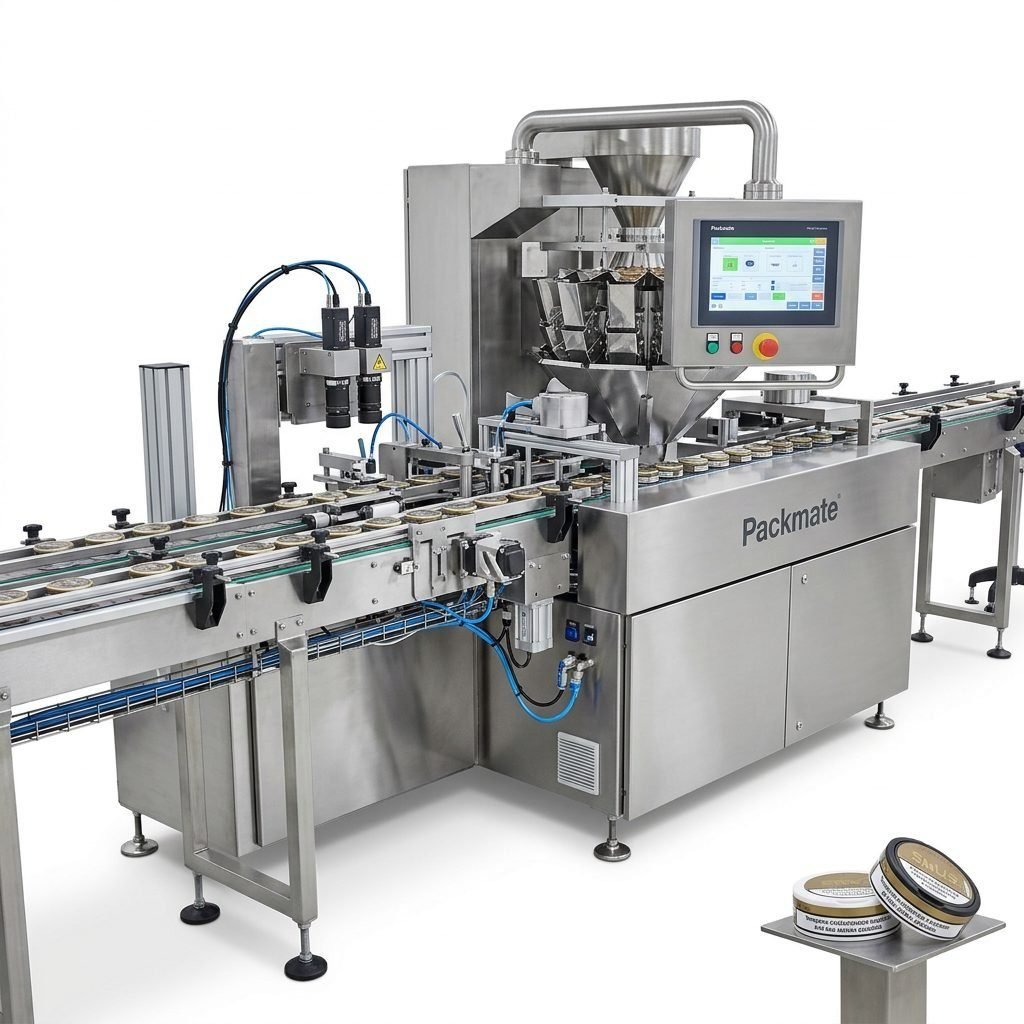
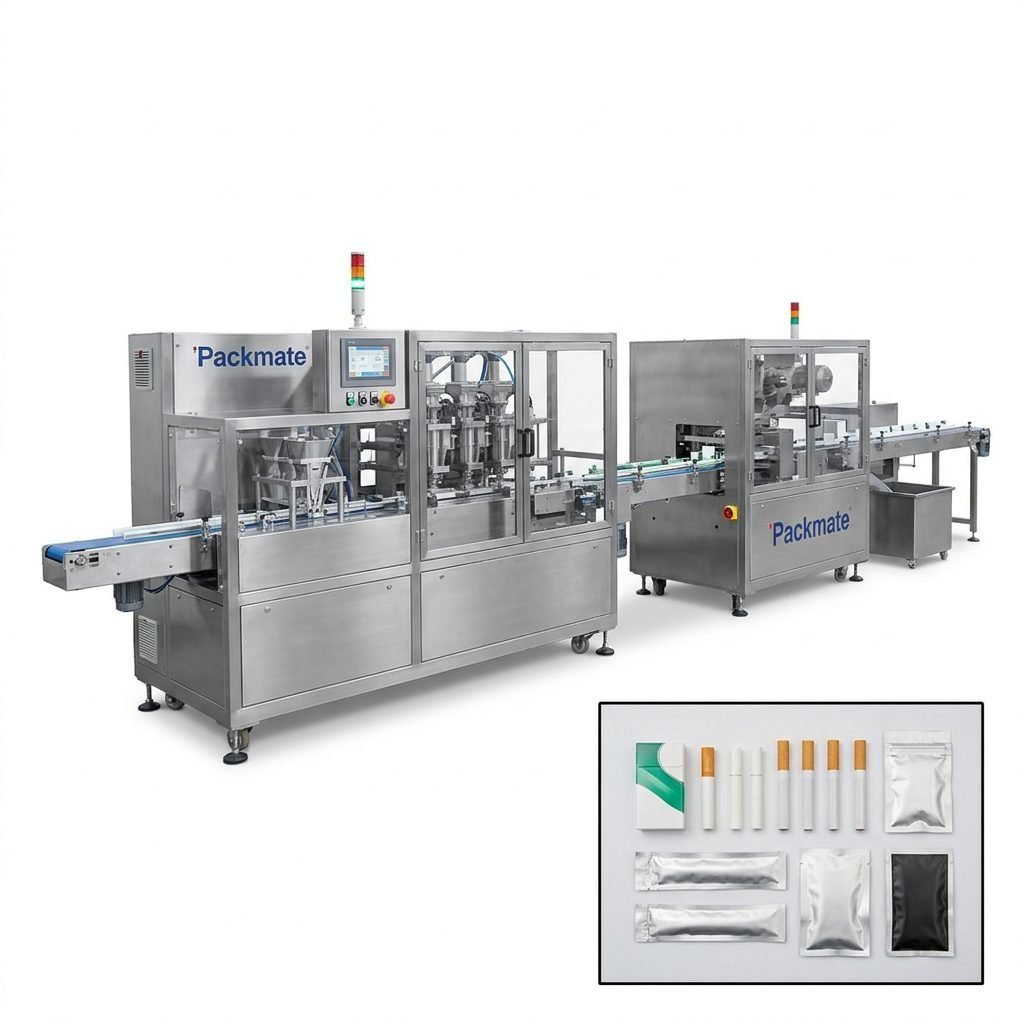
Packaging is often one element in a larger production chain. Conveyors, bagging, cartoning, and end-of-line case packing are important to consider. Many vendors offer turnkey solutions integrating Filling & Packaging Lines components for a seamless workflow.
✅ Critical Selection Criteria — What to Prioritize
Choosing the best machine isn’t just about price. Prioritize the following factors to ensure long-term performance and ROI.
1) Production Capacity & Scalability
Estimate your daily and monthly output targets, then choose a machine that meets peak demand with room for growth. Multi-lane systems or modular machines can be scaled up as volumes increase.
2) Product Compatibility & Format Flexibility
Confirm the machine supports the materials (films, laminates), product forms (powder, granule, moist pouches), and pouch sizes you plan to run. Flexible tooling and quick-change systems reduce downtime during format changes.
3) Accuracy & Waste Reduction
High-precision dosing reduces material waste and regulatory risk. Look for integrated weighing/feedback systems and low-tolerance fillers to maintain consistent net weights.
4) Reliability, Uptime & Maintainability
Mean Time Between Failures (MTBF) and easy access for routine maintenance are crucial for continuous production.
Spare parts availability — confirm local or fast-shipping spare parts options.
5) Supplier Experience, Factory Strength & Certifications
Work with an established manufacturer that has proven designs, strong machining capability, and quality control. A supplier with decades of experience, a large manufacturing facility, and CE/ISO certifications reduces adoption risk. Learn more about a capable supplier profile at About Packmate.
6) After-Sales Service & Training
Ensure the vendor provides installation support, operator training, and remote troubleshooting. Contracts for preventive maintenance and spare kits are valuable for minimizing unplanned downtime.
💡 Evaluating Suppliers — Practical Checklist
Use the checklist below during supplier evaluation to compare proposals and verify claims.
🔧 Factory tour / photos: Confirm machining centers, assembly lines, and test areas.
📄 References & case studies: Ask for customer cases similar to your product. See examples in their Case library.
🧾 Certifications: Request CE / ISO certificates and machine test reports. Check the Certificate page if available.
🚚 Logistics & installation: Confirm shipping, on-site assembly, commissioning, and training timelines.
🛠️ Warranty & spare parts: Get clarity on warranty scope, lead times for critical parts, and local distributors.
📈 Calculating Total Cost of Ownership & ROI
Look beyond the purchase price. A lower-cost machine with frequent downtime or high waste can be more expensive long term. Build an ROI model that includes:
- Capital expenditure and installation costs
- Expected output and yield per shift
- Material savings from accurate dosing
- Maintenance and spare parts budget
- Energy consumption and consumables
- Depreciation and potential upgrade paths
🔍 How a Strong Vendor Partnership Makes a Difference
The best long-term outcomes come from suppliers who provide technical partnership — offering engineering input on line layout, product trials, operator training, and rapid remote diagnostics. Choosing a vendor with a substantial R&D and manufacturing footprint, experienced engineers, and a wide model range makes it easier to adapt to new products and regulations. Packmate’s multi-decade experience and 20,000㎡ facility are examples of the type of supplier capability to prioritize.
📦 Turnkey vs. Modular Purchases
Turnkey solutions deliver a fully integrated line and can shorten time-to-market. Modular purchases allow staged investments and easier upgrades. Decide based on capital availability, internal project management capability, and urgency to start production.
🛒 Procurement Tips for South African Buyers
These practical tips reduce common procurement pitfalls:
- Request FAT (Factory Acceptance Test) videos or remote witness sessions before shipment.
- Negotiate spare parts kits for the first 12 months and ask about local stocking partners.
- Plan for electrical and pneumatic standards compatibility and confirm supplier offers local adapters or converters.
- Factor in import duties and arrange a reliable customs broker to avoid delays.
- Ensure training materials and manuals are in English and include troubleshooting guides.
🔧 Installation, Commissioning & Training
Proper commissioning is essential. A structured handover includes performance verification, SOP creation, preventive maintenance schedules, and operator certification. Remote support with clear SLAs for response time is highly valuable for South African operations.
📣 Closing Thoughts
Selecting the best snus packaging machinery is a strategic decision that affects product consistency, regulatory compliance, and long-term profitability. Prioritize machines that offer precise dosing, robust multi-lane capacity if required, easy maintenance, and strong supplier support. Working with an experienced manufacturer that provides full-line solutions and after-sales service reduces risk and speeds up production ramp-up.
🔗 Helpful Resources
For further exploration of machine types and company background, visit the product and company pages:
- Snus & Nicotine Packaging Machines
- Sachet & Stick Pack Machines
- About Packmate
- Contact Us for quotes, FAT scheduling, and factory tours.
❓ Frequently Asked Questions
Q1: How do I choose between single-lane and multi-lane machines?
Consider current and projected throughput, available floor space, and product changeover frequency. Multi-lane systems are ideal for high-volume, consistent products; single-lane systems offer lower upfront costs and easier format changes.
Q2: What certifications should the machine have?
At minimum, seek CE compliance and ISO-aligned manufacturing processes. For food-contact applications, hygienic design and traceability features are important. Request certificates and test reports during evaluation.
Q3: How can I reduce downtime after machine arrival?
Insist on FAT verification, operator training, spare parts kits, and a commissioning plan that includes initial preventive maintenance and remote support SLAs.
Q4: Are turnkey solutions better than buying modules?
Turnkey systems speed up deployment and reduce integration complexity. Modular purchases allow staged investment and more flexible upgrades. Choose based on budget, timeline, and in-house integration capability.
Q5: How do I find reputable suppliers with local support?
Ask vendors for regional partners, spare parts lead times, customer references in similar markets, and remote service options. Visiting a manufacturer or viewing FAT reports provides additional assurance.