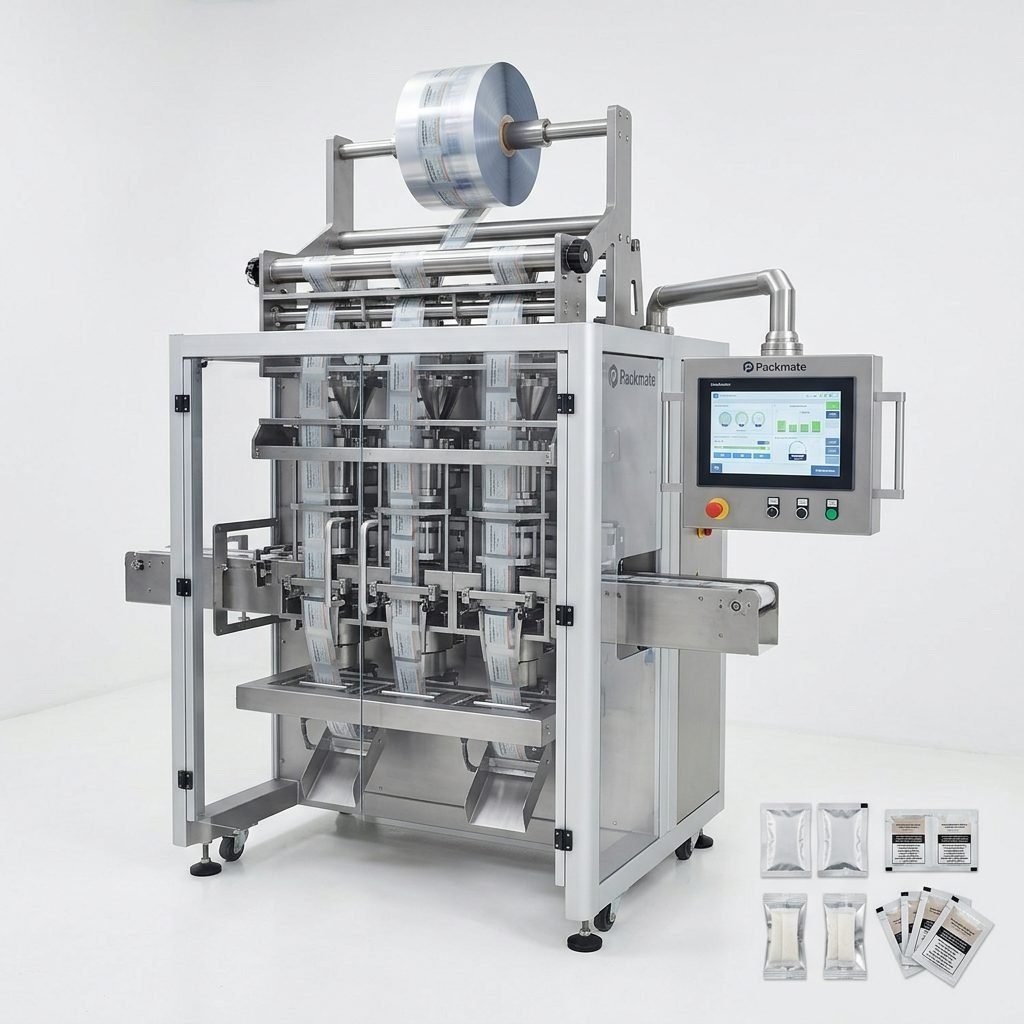
Choosing the right nicotine packaging machinery manufacturer in Saudi Arabia can determine the speed, efficiency, and compliance of your production line. This guide walks purchasing managers, plant engineers, and business owners through a structured decision-making process, highlighting the critical technical, commercial, and service factors to evaluate when selecting a partner for snus and nicotine pouch packaging solutions.
Understand Your Production Requirements
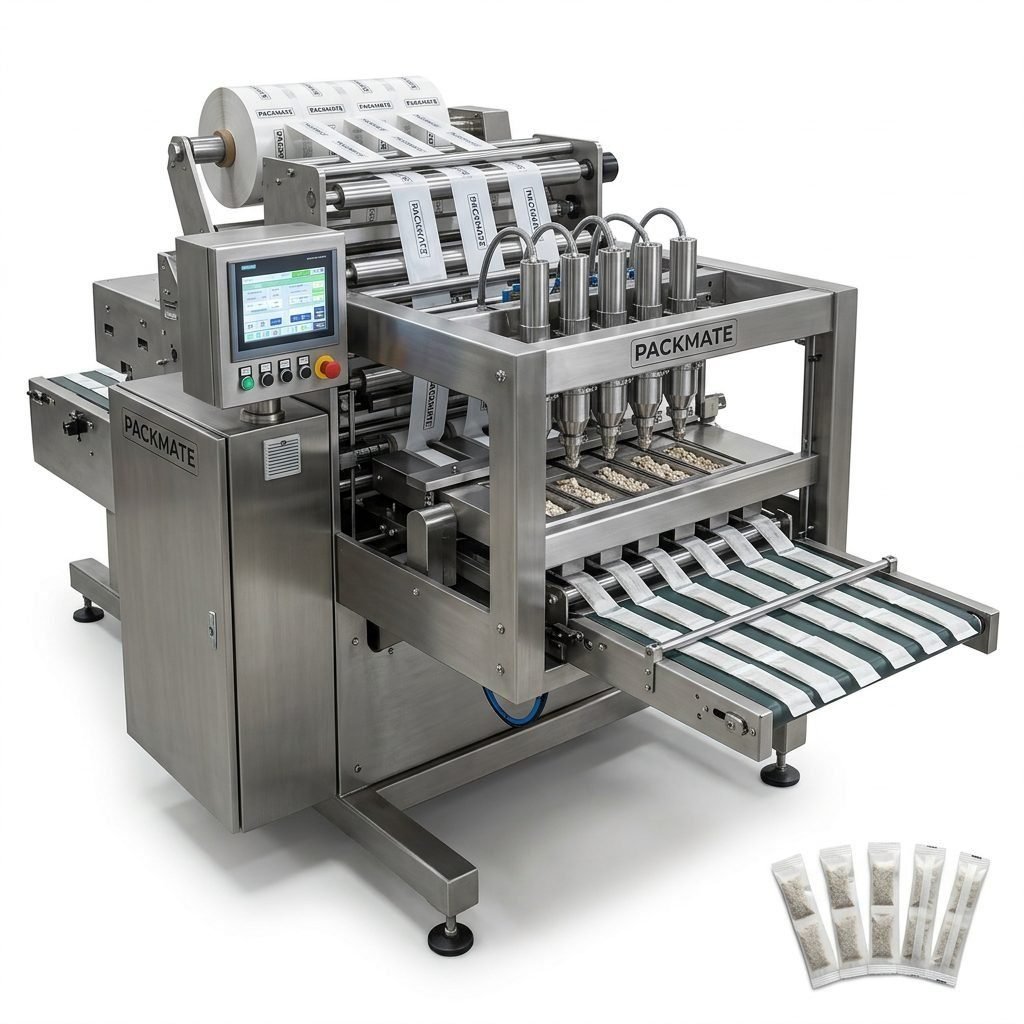
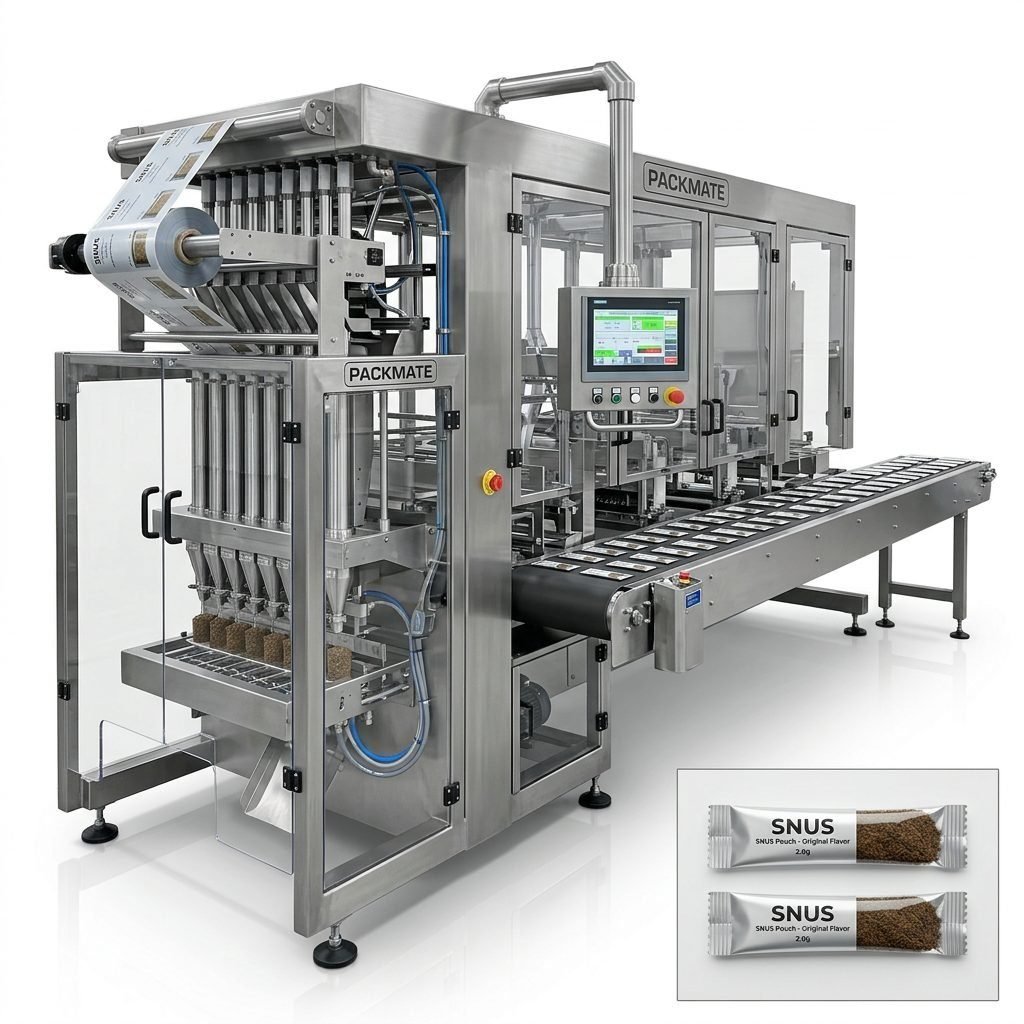
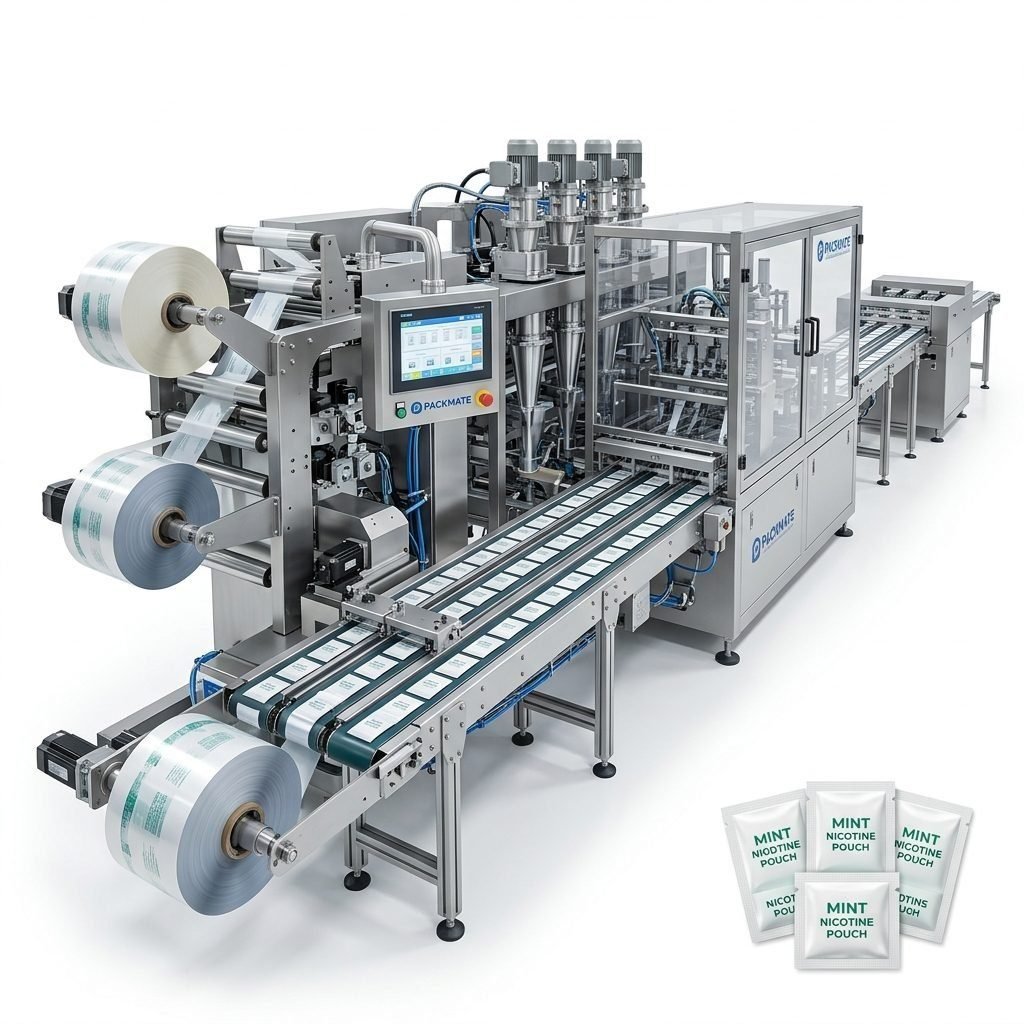
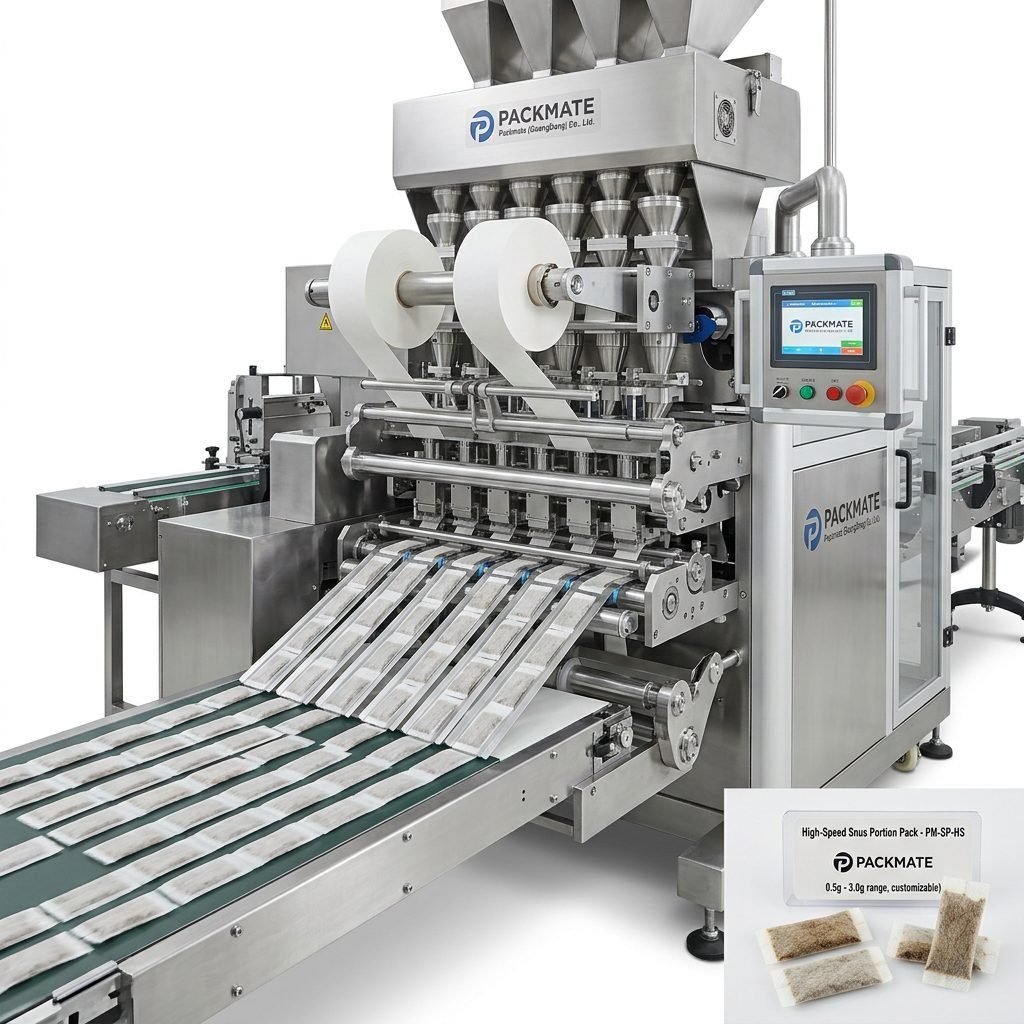
The first step is to define your product portfolio and expected output. Ask: what pouch formats will you run (single-lane sachets, multi-lane snus pouches, stick packs)? What are target speeds (pieces per minute) and batch sizes? If you plan to scale, consider modular systems and multi-lane machines that allow future throughput upgrades without full line replacement. For examples of machine types and line configurations, review the manufacturer’s product pages such as Snus & Nicotine Packaging Machines and Sachet & Stick Pack Machines.
Match Machine Technology to Product Specifics
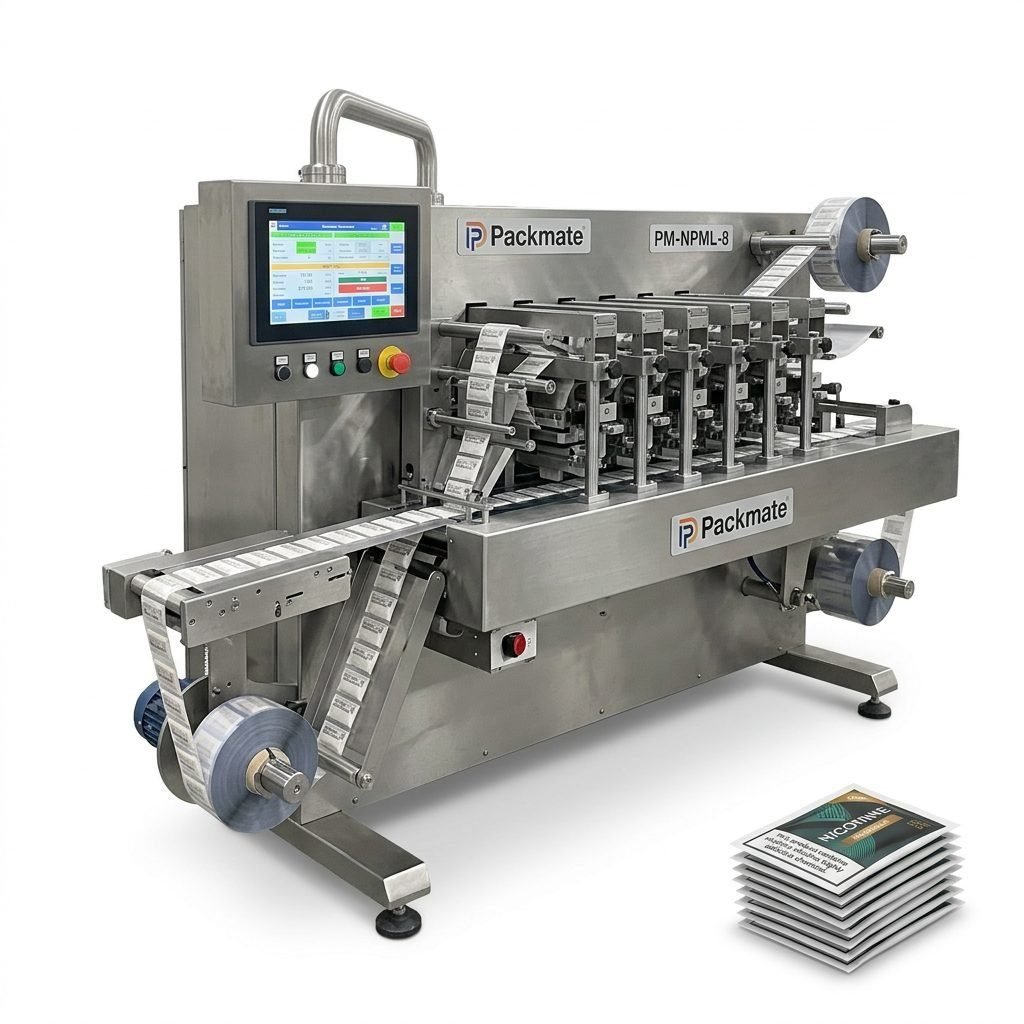
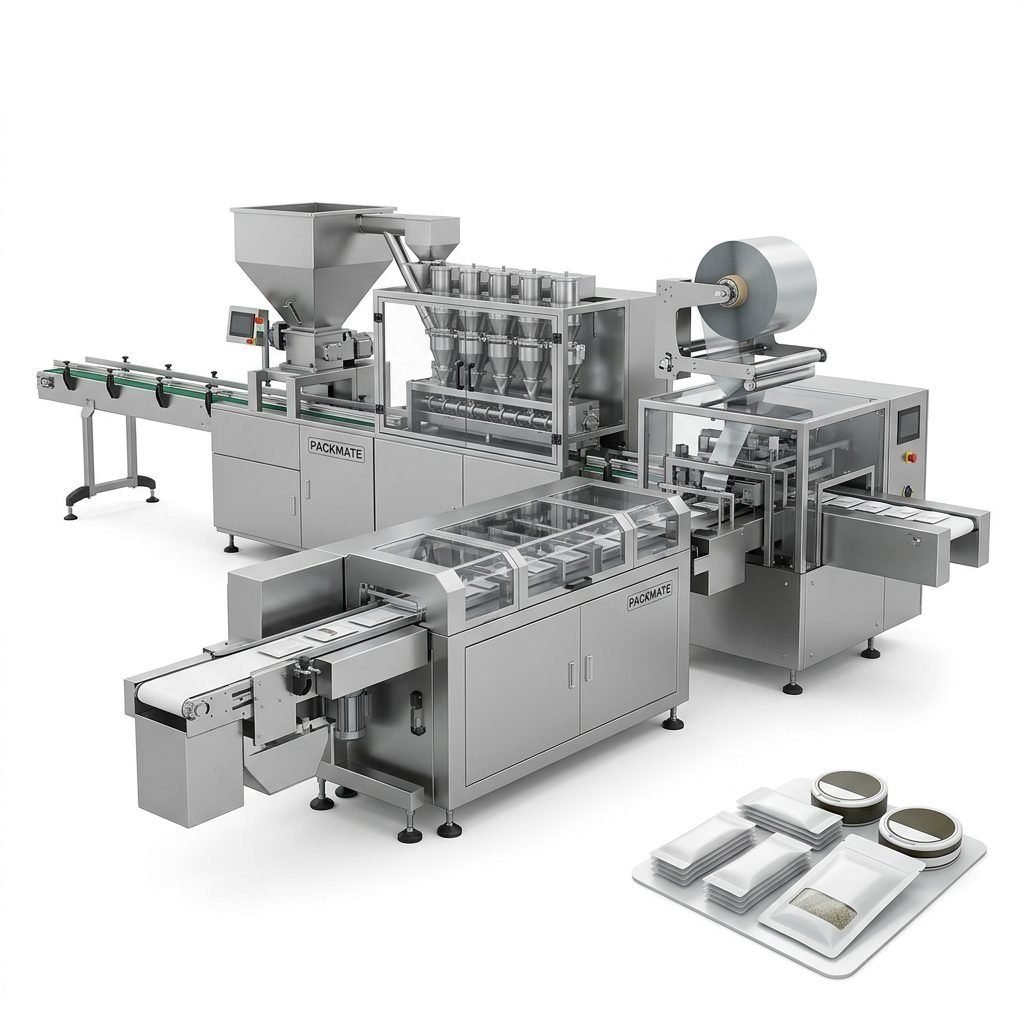
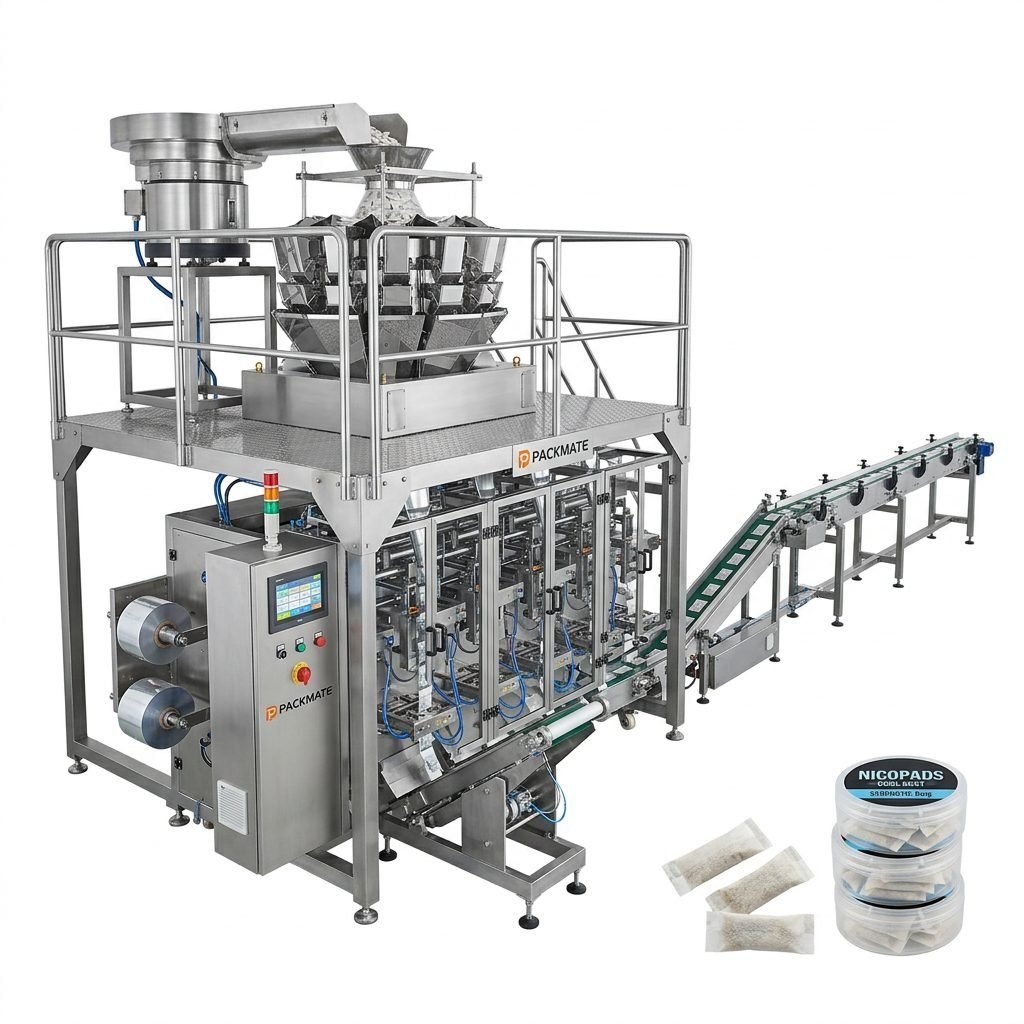
Different formulations require different dosing and sealing technologies. Powders and low-viscosity liquids need precise weighing and metering; small nicotine pouches require delicate pouch handling and accurate filling. Prioritize manufacturers who demonstrate competency across the necessary subsystems: dosing/weighing, form-fill-seal, cutting, and multi-lane synchronization. Consider exploring the manufacturer’s Weighing & Packaging Systems and Filling & Packaging Lines.
🔍
Quick checklist:
product type, dosing accuracy, sealing method, lane count, target speed, footprint and utilities.
Assess Manufacturer Capabilities and Experience
Experience matters in high-precision packaging. Look for manufacturers with a proven history in snus and nicotine pouch applications and a track record of delivering turnkey packaging lines. Companies that began as engineering workshops and evolved into specialized suppliers often have the practical problem-solving skills needed for complex installations. For example, firms with decades of R&D and a wide machine portfolio can better support multi-product factories.
Factory Strength and Certifications
Evaluate factory scale, machining capability, and quality systems. A 20,000㎡ production plant with advanced CNC machining centers and precision assembly lines signals capacity to supply repeatable, high-quality equipment. Also confirm international certifications such as CE and ISO — these reflect global compliance and safety standards. Manufacturers often publish certificates and case studies on their sites; consult those pages for verification.
✅
What to request from suppliers:
factory photos, equipment lists, QC procedures, and copies of CE/ISO certificates.
Evaluate Technical Support and After-sales Service
A machine is only as good as the service behind it. In Saudi Arabia, local response time, spare part availability, and remote diagnostics are crucial. Choose manufacturers offering:
-
Local or regional technical partners for fast onsite support.
-
Remote troubleshooting and PLC/HMI support via secure communication.
-
Comprehensive training programs for operators and engineers.
-
Spare parts kits and clear spare-part catalogs for critical wear items.
Service Agreements and Warranty
Secure a clear warranty period and defined service-level agreements (SLAs). Request response time guarantees and parts lead times. Working with suppliers who offer preventive maintenance plans and remote support reduces downtime and total cost of ownership.
Inspect Customization and Turnkey Delivery Capabilities
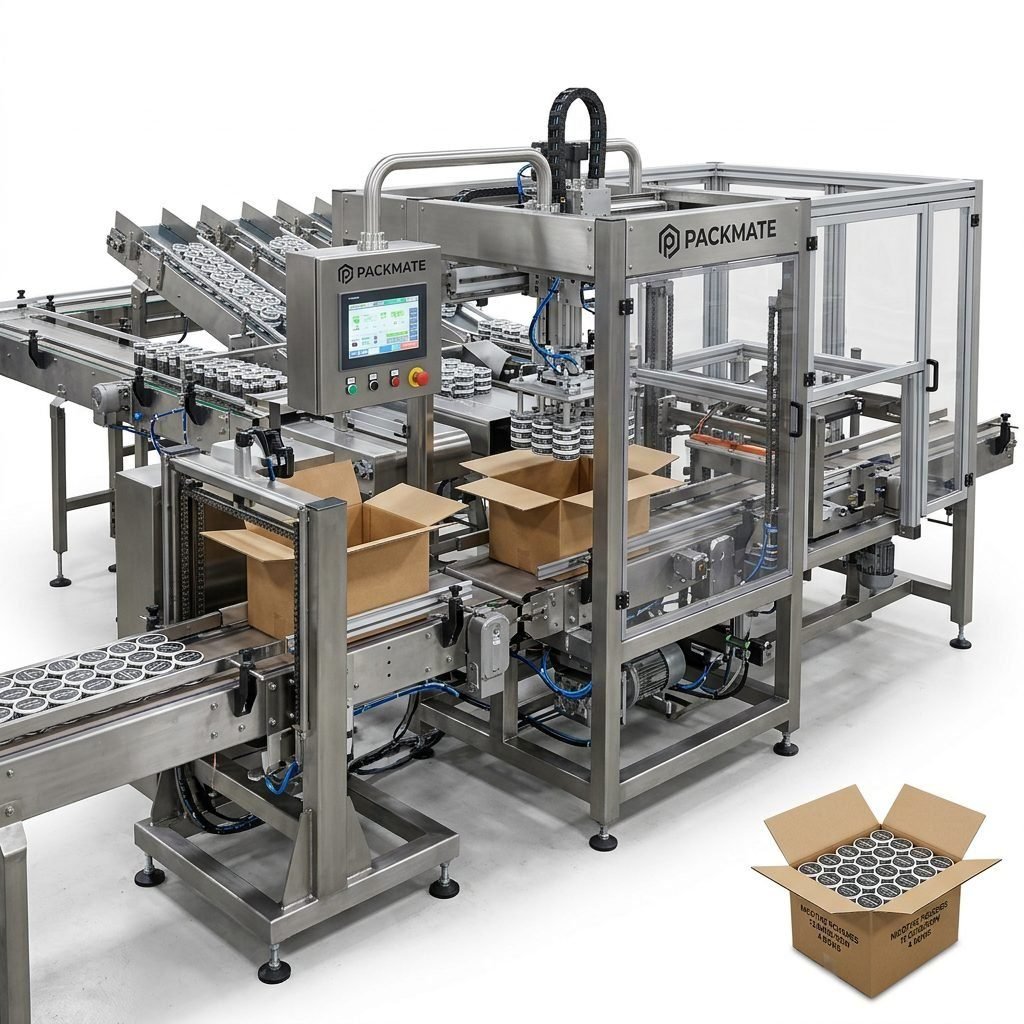
Some production lines need tailored conveyors, product accumulation, or integration with upstream filling and downstream cartoning systems. Confirm the supplier’s ability to deliver turnkey solutions including auxiliary equipment such as checkweighers, metal detectors, and packaging conveyors. Browse manufacturer case studies or project references to see examples of integrated lines; many companies provide documented Case histories.
📌
Turnkey indicators:
mechanical design, electrical cabinets, PLC/HMI programming, installation supervision, and FAT/SAT documentation.
Quality, Testing and Commissioning
A reputable manufacturer performs factory acceptance testing (FAT) and provides detailed test reports, including speed trials, sealing strength tests, and dosing accuracy data. During FAT you should witness production runs on your product or a close simulant. After delivery, site acceptance testing (SAT) is equally important — ensure the supplier commits to on-site commissioning until the line meets agreed KPIs.
Spare Parts and Consumables
Ask for a recommended spares list for the first 12 months of operation including belts, sealing jaws, sensors, and critical bearings. Fast access to these parts reduces production interruptions. Identify emergency part-supply channels within the region and confirm typical lead times.
Commercial Terms, Lead Times and Total Cost of Ownership
When comparing quotes, look beyond initial capital cost. Include installation, training, spare parts, utility requirements, and expected maintenance. Ask suppliers to provide a clear timeline from order to FAT to onsite commissioning. Manufacturers with extensive in-house fabrication capabilities typically offer more predictable lead times and quality consistency.
Payment Terms and Financing
Negotiate milestone-based payments tied to design approval, FAT completion, and successful commissioning. Some manufacturers provide financing support or leasing options—especially useful for scaling businesses. Confirm warranty activation criteria and post-delivery support obligations in the contract.
⚠️
Red flags:
vague performance guarantees, unclear spare parts policy, and missing third-party certifications.
Visit the Manufacturer and Request Demonstrations
Whenever possible, visit the supplier’s manufacturing site, observe assembly and testing lines, and watch a factory demonstration. A visit helps validate workmanship, control systems, and the company’s workflow discipline. If a factory visit is not feasible, request a live remote demo and recorded FAT runs on similar products. The manufacturer’s exhibition calendar and global presence can be good indicators of maturity; check their Our Exhibition page for event participation.
Integration with Local Regulations and Compliance
Nicotine-related products are subject to strict regulations. Confirm the manufacturer understands relevant Saudi Arabian regulations for nicotine handling, packaging labeling, and hygiene standards. Request documentation that machines are designed to meet local electrical standards, CE/ISO compliance, and that risk assessments and safety interlocks are in place.
Sustainability and Energy Efficiency
Energy-efficient drives, optimized sealing temperatures, and minimal scrap design reduce operating costs and environmental footprint. Manufacturers that can quantify energy usage and scrap rates help you forecast operational costs more accurately.
References, References, and More References
Ask for client references in the nicotine pouch market and request contact details for recent installations. Case studies showing long-term operational performance are especially helpful — inspect the quality of outcomes, uptime metrics, and how the supplier handled post-sale issues. The manufacturer’s About and Service pages often provide helpful credibility information; see About Packmate and Service.
💡
Pro tip:
request a trial production run on your actual product before final acceptance to validate packaging integrity and machine performance.
Final Selection and Contracting
Compile technical, commercial and service scores for each supplier, weighting criteria according to your priorities (e.g., uptime, speed, cost). Use the evaluation to shortlist vendors for final negotiation. Ensure the purchase contract includes delivery milestones, acceptance criteria, spare parts lists, training commitments, and warranty terms.
Working with Packmate and Next Steps
If you are considering partners with deep experience in snus and nicotine pouch packaging, investigate manufacturers with decades of engineering history, broad product ranges, and turnkey capabilities. For more detailed product specs and catalogues, consult available manufacturer catalogs and contact pages such as the Catalog and Contact Us sections to initiate technical discussions.
✅
Summary checklist before ordering:
defined product specs, FAT plan, spare parts list, service agreement, warranty and clear delivery milestones.
Frequently Asked Questions
Q1: How long does it take from order to commissioning?
Lead times vary by customization level and production schedule. Typical delivery windows for standard snus packing lines range from 12 to 28 weeks, including FAT; turnkey projects may require additional time for auxiliary equipment and site preparation.
Q2: What warranty and support do manufacturers usually provide?
Most reputable manufacturers provide at least a 12-month warranty on new equipment, plus optional extended service contracts. Support typically includes remote diagnostics, spare parts supply, and on-site commissioning/repair services as part of SLA agreements.
Q3: Can machines be upgraded for higher speeds or additional lanes?
Many modern packaging systems are designed with modularity in mind. Upgrades such as additional lanes, faster servo drives, or enhanced dosing modules are possible but require validation and often new mechanical or control components. Confirm upgrade paths during the procurement phase.
Q4: How do I verify a supplier’s claims about uptime and accuracy?
Request FAT reports, customer references, and trial production runs on your product or a closest-match simulant. Third-party audits, client testimonials, and documented case studies are strong evidence of consistent field performance.
Q5: Where can I find more information and product listings?
Manufacturer websites typically host detailed product categories such as Bag & Pouch Packaging Machines and Auxiliary Packaging Equipment, along with contact and service resources.