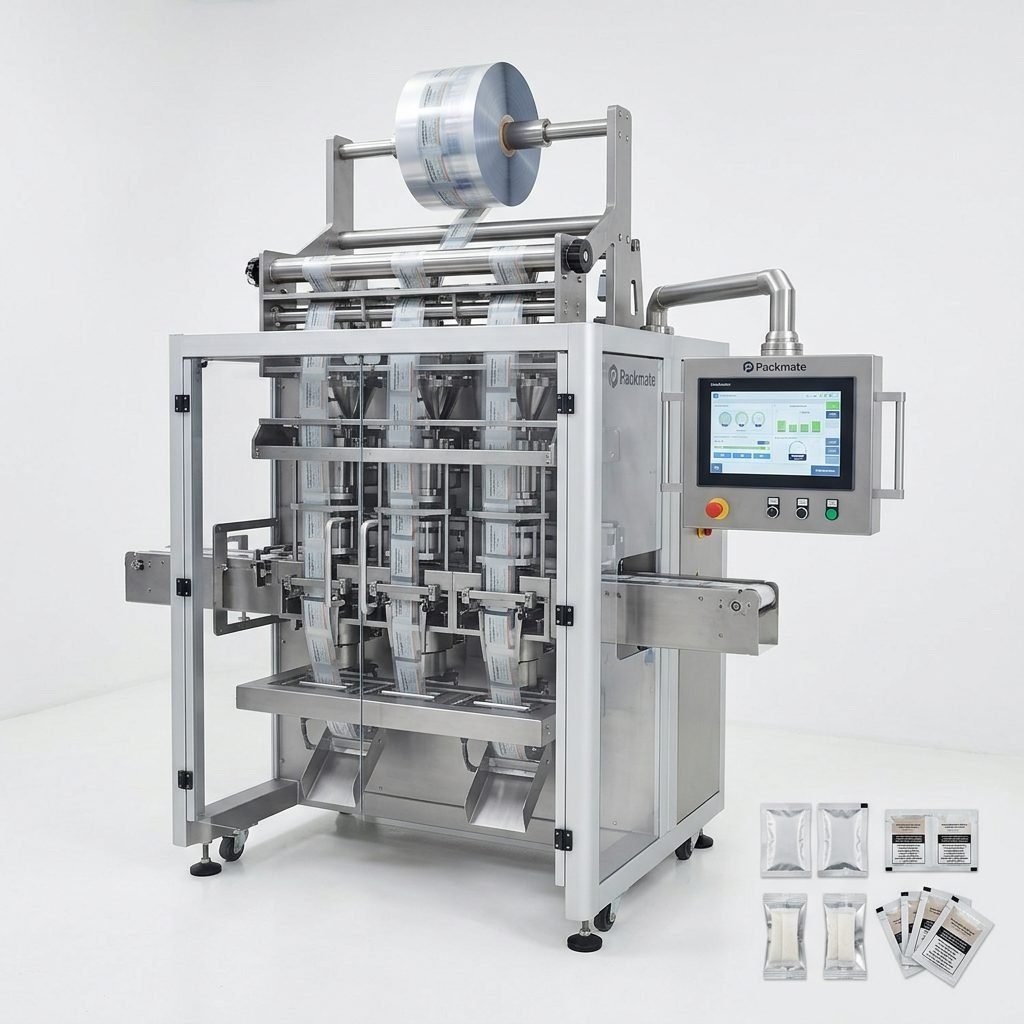
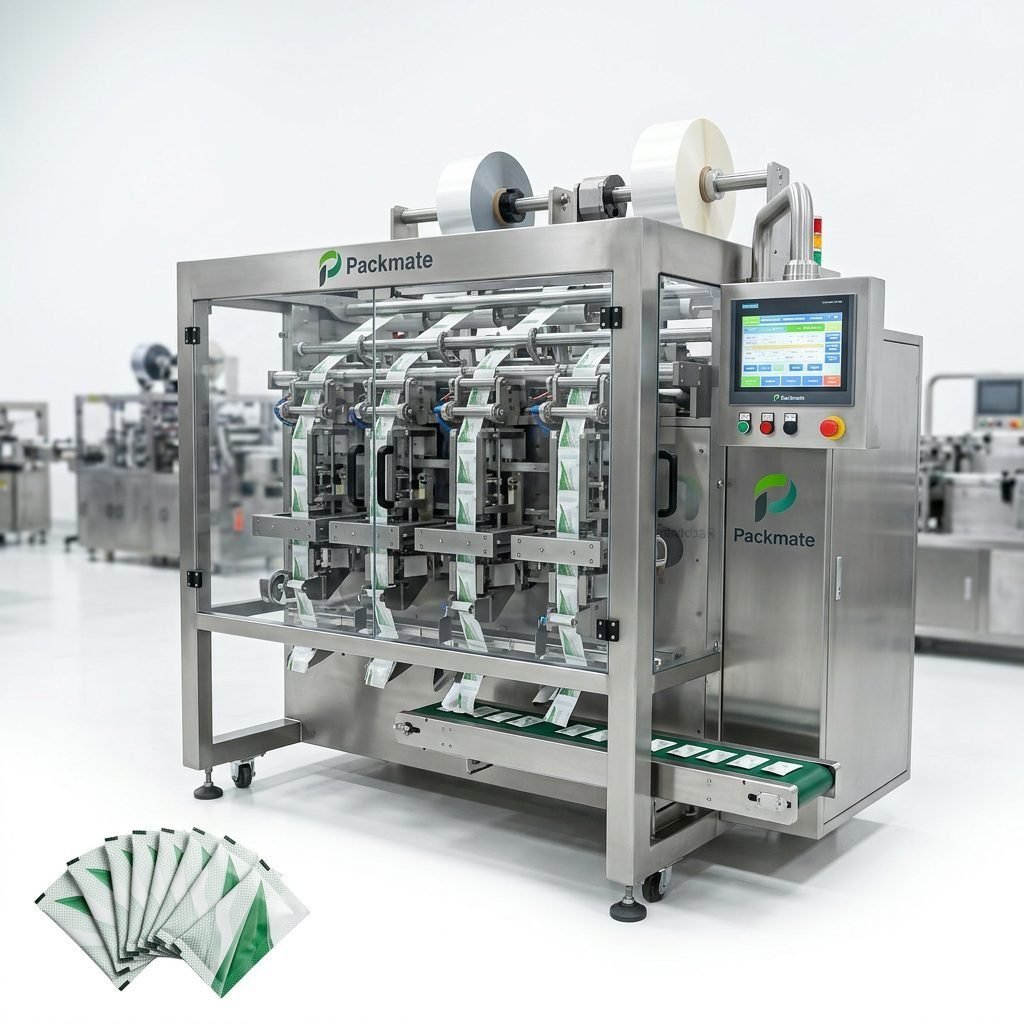
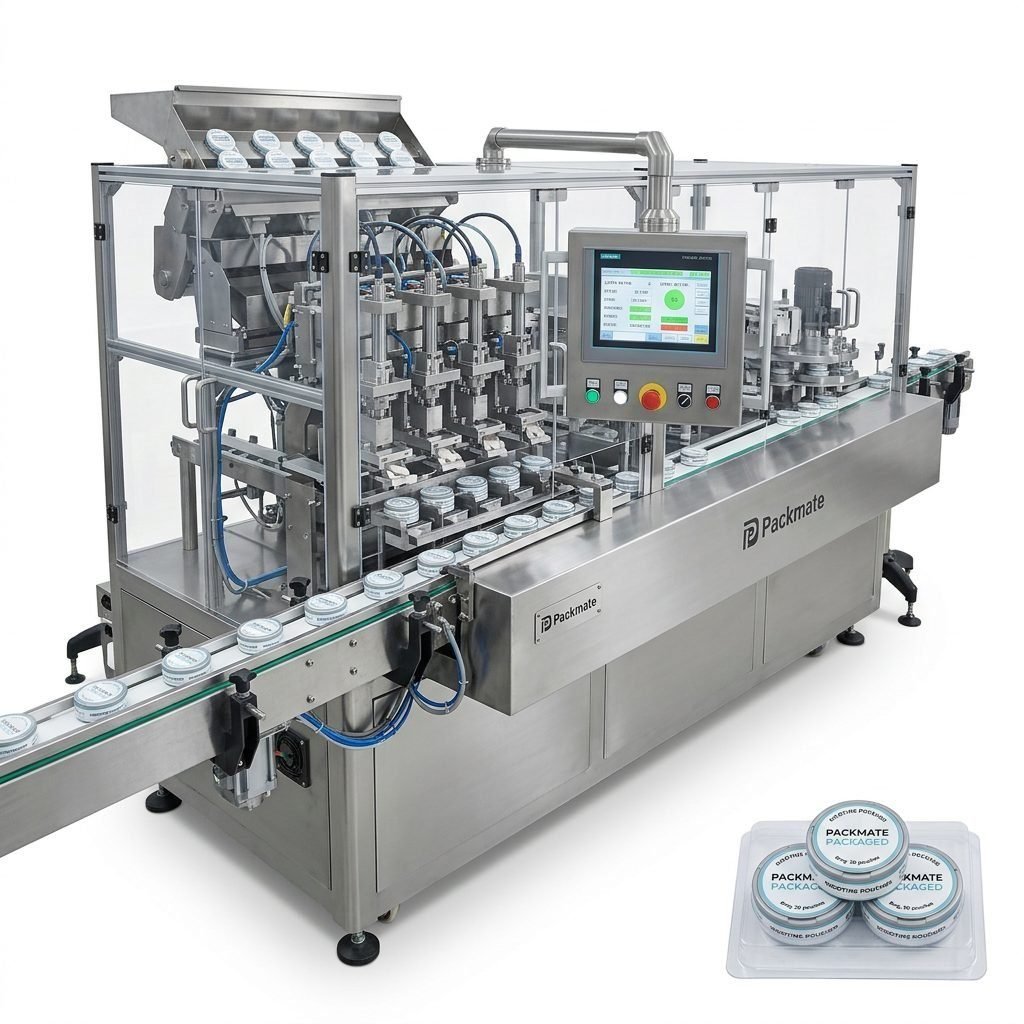
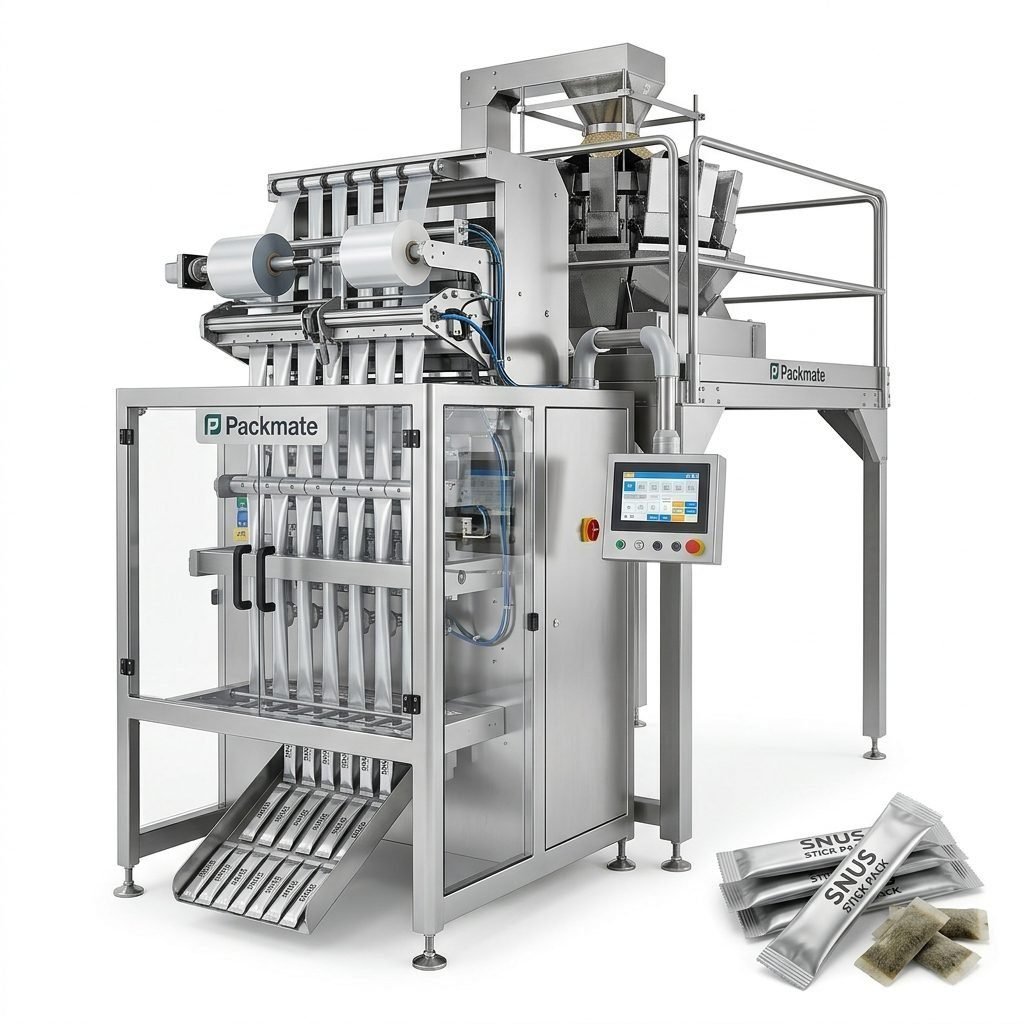
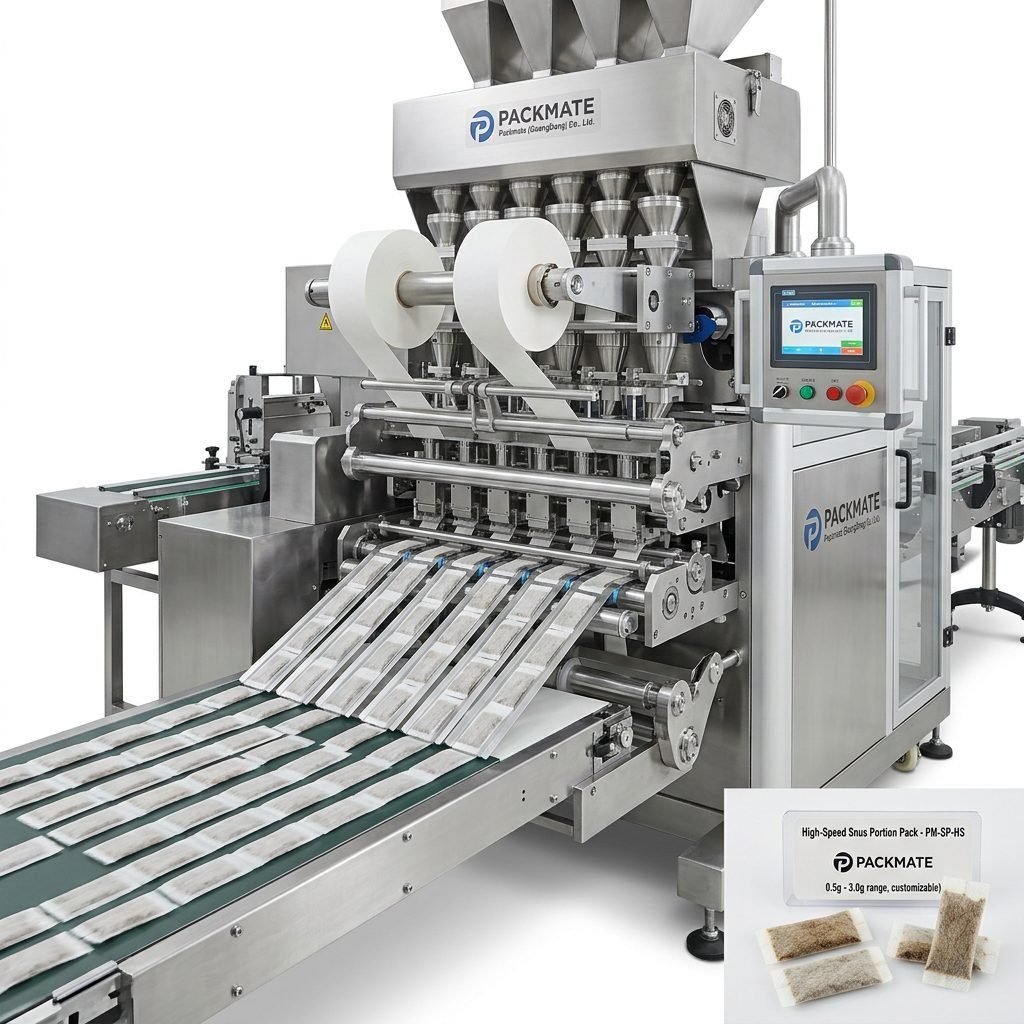
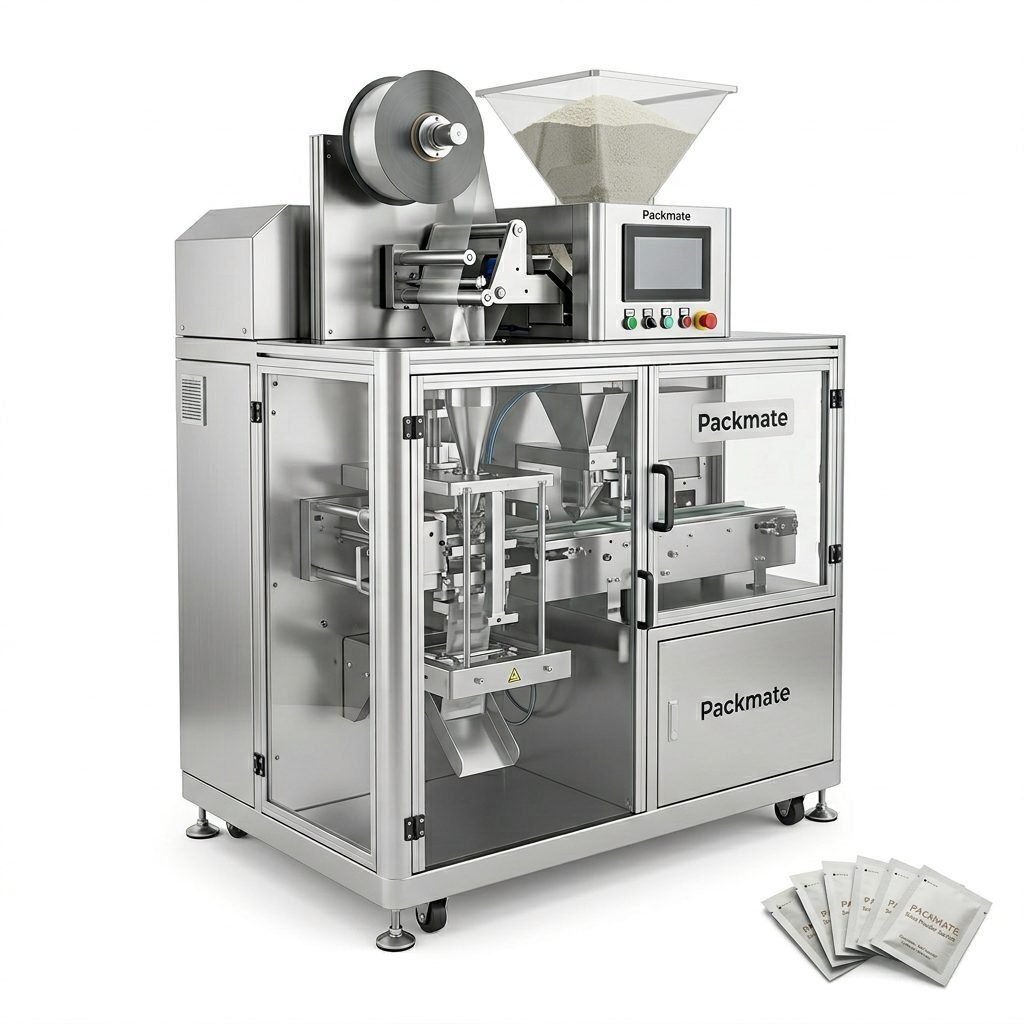
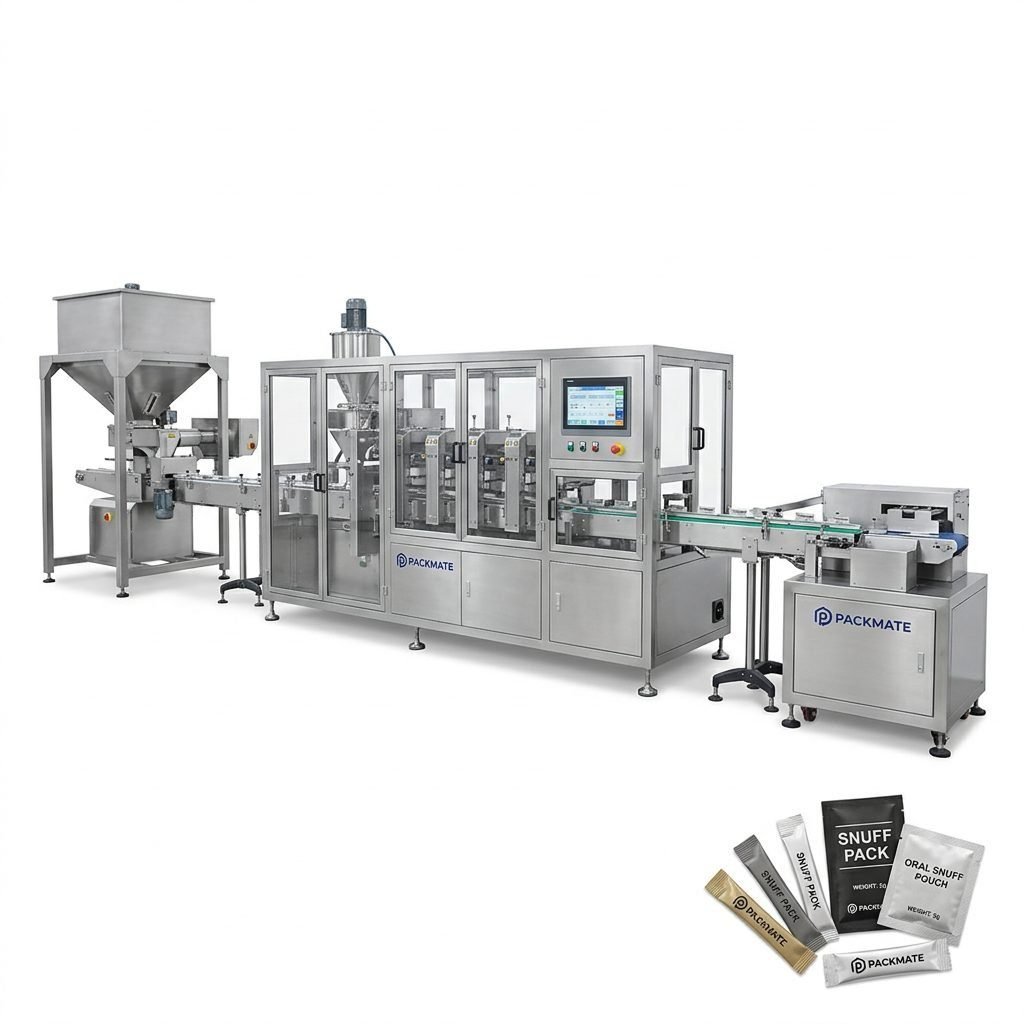
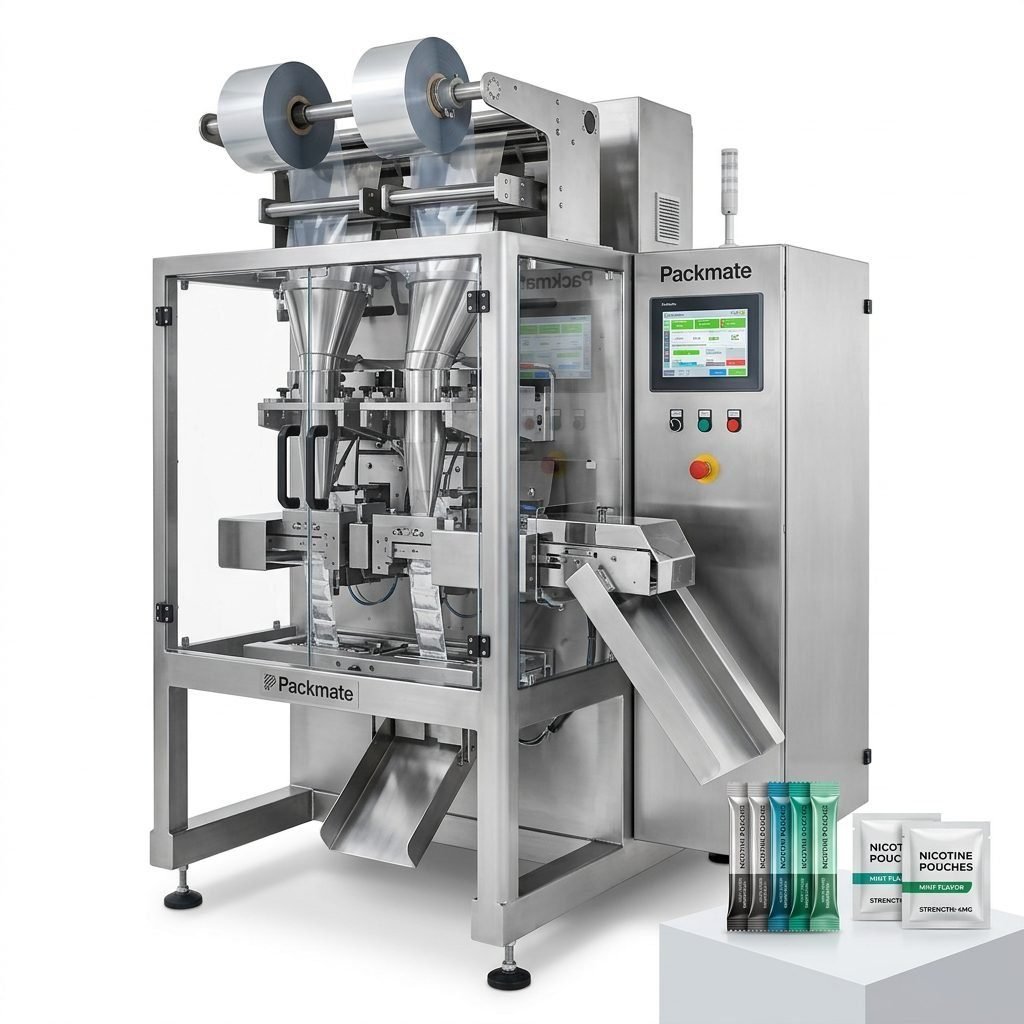
This troubleshooting guide is designed for operators, engineers, and maintenance teams working with snus production lines and snus packing machines. It condenses decades of packaging engineering experience into a practical, step-by-step reference: how to identify common problems, determine the most likely root causes, and apply effective fixes so your line runs reliably and safely. Use the quick checks and repair notes below as a daily reference to minimize downtime and protect product quality.
Quick Diagnostic Flow — First 10 Minutes
🔧 When a fault occurs, follow this short triage: (1) stop the line and ensure safety locks are engaged, (2) check alarm messages on the HMI and note error codes, (3) visually inspect feed systems, film path and sealing stations, (4) verify electrical supply and emergency stops, (5) if unsure, switch to safe manual mode and consult the checklist below. This rapid procedure isolates most production-stopping events quickly.
Pro tip: Always record the HMI alarm code and production speed at the time of stoppage — this saves diagnostic time and supports remote service.
Most Common Problems and Their Root Causes
1. Inconsistent Dosing / Weight Variation
⚖️ Symptoms: pouches underweight or overweight, frequent weight alarms, customer complaints about inconsistent content. Root causes are typically weighing system drift, hopper bridging, worn dosing components, or incorrect recipe settings in the PLC.
Fixes: check and calibrate load cells, clean and inspect augers/dispensers for wear, adjust feed air and vibratory feeder settings, clear any product build-up in the hopper. Re-run a calibration routine and update the recipe if product bulk density changed.
2. Sealing Problems (Poor/Incomplete Seals, Leaks)
🔥 Symptoms: visible leaks, pouches splitting during handling, seal wrinkles, or charred seals. Sealing faults often come from incorrect temperature profiles, worn seal jaws, contaminated sealing surfaces, or incorrect film materials.
Fixes: verify PID temperature settings and thermocouple readings, clean and inspect sealing bars and Teflon covers, replace damaged jaws, ensure proper dwell time and pressure. Confirm film sealant coatings and laminates are compatible with machine settings.
3. Film Misfeed, Wrinkling or Jamming
📎 Symptoms: film wrinkling before the forming area, lateral tracking errors, film tearing at unwind or nip rollers. Causes include incorrect tension, roller damage, poor film quality, or misaligned film guides.
Fixes: inspect unwind brakes and dancer systems, set correct film tension, replace worn rollers, align guides, and verify core and film width specifications. Test with a sample roll before full production.
4. Multi-Lane Synchronization & Lane Index Errors
🔁 Symptoms: lanes falling out of sync, different fill amounts between lanes, punctured or overlapped pouches. Causes tend to be encoder mismatch, servo tuning issues, mechanical wear on cams and belts, or incorrect lane setup parameters.
Fixes: confirm encoder signals and cable integrity, re-tune servos per manufacturer instructions, inspect lane-specific mechanical parts, and run synchronization routine in the HMI. Replace damaged timing belts or sprockets immediately.
5. Sensor Faults and False Triggers
🔍 Symptoms: frequent false stops, part-detect sensors not reading, or inconsistent presence detection. Sensors fail due to dirt, misalignment, damaged cables, or incorrect threshold settings.
Fixes: clean sensor lenses, verify connector pins and shielding, adjust sensitivity and hysteresis, ensure proper LED indicators, and replace failing sensors. Keep spare photoelectric and proximity sensors on hand.
Electrical & Software Issues
⚡ PLC alarms, touchscreen freezes, intermittent motor stalls, and unexpected reboots often come from loose terminals, electrical noise, insufficient cooling, outdated firmware, or faulty power supplies. Modern snus lines integrate PLC, servo drives, and HMI — proper electrical maintenance is critical.
Recommended checks: tighten all terminal blocks, inspect fuses and surge protectors, verify 24VDC supply stability, review drive fault logs, and ensure firmware/PLC logic matches the machine configuration. Keep firmware backups and contact service for complex PLC faults.
Mechanical Wear & Alignment
🛠️ Even with routine maintenance, bearings, cams, belts, and guide rails will wear. Symptoms include increased vibration, noise, drift in product placement, and higher scrap rates. Early detection prevents catastrophic failures.
Preventive actions: use the manufacturer’s recommended lubrication schedule, monitor bearing temps, replace belts at specified intervals, and perform weekly alignment checks on forming and sealing stations. Keep critical spare parts: seals, bearings, belts, and heater cartridges.
Material Compatibility and Environmental Controls
🌡️ Product characteristics (moisture, particle size, hygroscopicity) and ambient conditions (temperature and humidity) dramatically affect fill behavior, film static, and sealing. If you change supplier or material grade, expect to revalidate machine recipes.
Actions: conduct material trials at target humidity and temperature, use dehumidifiers or air-conditioned rooms for hygroscopic powders, adjust vibratory feeder amplitude and feed-air for powders, and ensure film specifications match sealing system.
Operational Best Practices (to Reduce Troubleshooting)
✅ Keep a daily log: production speed, recipe used, alarm occurrences, film batch number, and staff on shift. This operational context helps identify intermittent faults and material-linked issues.
🧰 Maintain a small lockable cabinet of critical spares and common consumables near the line: heater cartridges, Teflon tape, sealing jaws, sensors, thermal fuses, and key filters. Time to repair drops dramatically when parts are on hand.
📘 Use checklists for line start-up and shut-down: warm-up seals, confirm tension, and run a test batch at low speed to verify all systems before ramping to production speed.
Calibration & Validation Steps
1) Calibrate weighing systems with certified weights and record the offset. 2) Validate sealing by producing a 100-sample run and testing seal integrity via vacuum or peel tests. 3) Check multi-lane synchronization by inspecting product alignment across lanes for one minute at target speed.
Note: document all calibration values and keep them attached to the machine log; this protects your process from accidental parameter changes.
When to Contact Manufacturer Support
🆘 If you observe persistent electrical faults, PLC logic errors, servo drive failures, or mechanical breakages beyond standard wear (e.g., fractured shafts or severe frame deformation), contact Packmate service. For authorized spare parts or on-site support, use the manufacturer’s service channel and provide the machine serial number and alarm logs.
Visit the manufacturer’s product pages for tailored solutions and parts: Snus & Nicotine Packaging Machines, Sachet & Stick Pack Machines, and review service options at Service.
Spare Parts and Recommended Inventory
Keep these on-site to reduce MTTR: heater cartridges (2-4), sealing jaws set (1-2), spare sensors (photoelectric & proximity), encoder and motor fuses, bearing kits, belts, Teflon sleeves and common fasteners. For full lists by model consult the machine catalog.
For full product ranges and replacement parts, see Auxiliary Packaging Equipment and the Contact Us page to request parts or technical drawings.
Operator Training & Safety
👷 Proper training reduces human error: train staff on start-up/shut-down procedures, safe lockout/tagout, troubleshooting steps, and basic electrical isolation. Emphasize PPE when handling hot seals and confined areas.
Safety highlight: never bypass safety interlocks to chase production. Short-term gains lead to accidents and long downtimes.
Case Example — Fast Fix for a Repeating Seal Failure
Scenario: repeated weak seals on one lane. Quick diagnostic sequence: (1) stop and isolate lane, (2) inspect seal jaw surface and replace if worn, (3) verify lane-specific temperature sensor and heater cartridge, (4) check HMI recipe that sets lane offset. In our experience, 80% of single-lane seal problems are a failed heater cartridge or a misconfigured lane offset.
Final Checklist Before Restarting the Line
– All guards and safety interlocks reinstalled and tested.
– All tools and loose parts removed from the machine.
– Confirmed heater and sensor diagnostics clear on HMI.
– Test-run at 30-50% speed for 2–5 minutes and visually inspect production.
– Update the maintenance log with findings and actions taken.
Reminder: consistent documentation and adherence to preventive maintenance schedules deliver the biggest reductions in downtime.
Useful Resources
For product specifications, installation guides and parts catalogs please see the manufacturer’s pages: Filling & Packaging Lines and the Catalog. For case studies and real-world examples of multi-lane snus systems in operation, review Case.
Summary — Key Takeaways
Maintain electrical integrity, verify sensor health, keep sealing and forming components pristine, and validate materials before production runs. Use documented calibration and preventive maintenance to reduce incident frequency — and when in doubt, engage manufacturer support with clear logs and alarm histories.
Frequently Asked Questions (Common Problems)
Q1: Why do I get frequent weight variation on the same recipe?
A1: Check load cell calibration, hopper flow consistency, and verify that product moisture and bulk density haven’t changed. Also confirm dosing mechanism wear.
Q2: What causes one lane to seal poorly while others are fine?
A2: Likely causes are a failed heater cartridge, localized jaw damage, or lane-specific temperature sensor offset. Inspect lane components and compare sensor readings across lanes.
Q3: Film keeps tearing shortly after the unwind — what should I check?
A3: Verify tension control, dancer system response, and look for sharp edges on rollers or guide plates. Confirm film roll core and width are within specs.
Q4: Sensors are triggering false stops — how do I quickly debug?
A4: Clean sensor optics, check wiring and shielding, validate sensor alignment, and ensure the HMI thresholds are set correctly. Swap with a known-good sensor to isolate hardware faults.
Q5: When should I call Packmate technical support?
A5: Contact support for persistent PLC/drive faults, mechanical failures beyond routine wear, or if you need assistance with firmware or electrical schematics. Provide machine serial number and alarm logs for rapid help.