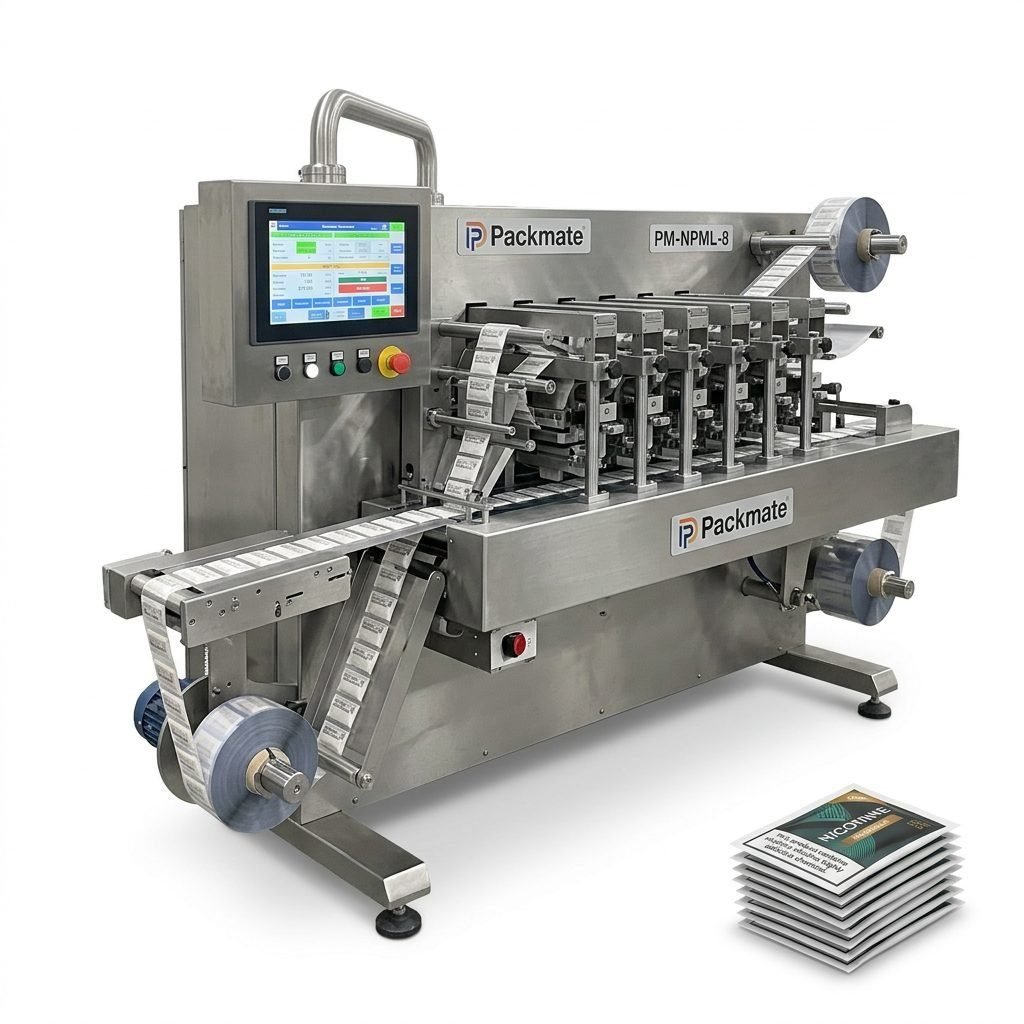
Selecting the right nicotine packaging machinery in Montenegro is more than a technical choice — it is a strategic decision that affects product quality, regulatory compliance, production cost, and market responsiveness. This guide walks you through practical considerations, local business and consumer habits in Montenegro, machine types, performance indicators, and how to match a packaging line to your production goals. Whether you are launching a small-batch brand or scaling a high-speed export line, you’ll find targeted advice to make an informed investment.
Understanding Montenegro’s Market & Local Habits
Montenegro has a growing, discerning consumer base that values quality and product consistency. Local retail networks include small tobacconists, pharmacies, and specialty kiosks in coastal tourist areas where seasonal demand peaks. When planning packaging solutions, consider the following regional characteristics:
🔍 Seasonal demand swings: coastal tourism causes demand peaks in summer months; machines must support flexible production scheduling.
📦 Packaging appearance matters: consumers prefer neat, compact pouches with clear labeling and consistent fill.
⚖️ Regulatory attention: EU-adjacent regulations and local standards require traceability and CE/ISO-compliant equipment.
Why local habits influence machine choice
Small retailers in Montenegro often prefer mixed SKUs in limited shelf space. This means you may need machines capable of frequent changeovers and smaller batch runs while maintaining high accuracy. Additionally, tourist-heavy regions create short production windows; lines with fast setup and reliable uptime will maximize output during key seasons.
Types of Nicotine Packaging Machinery to Consider
Packaging formats vary by consumer preference and regulatory labeling requirements. Choosing the right machine family is the first step:
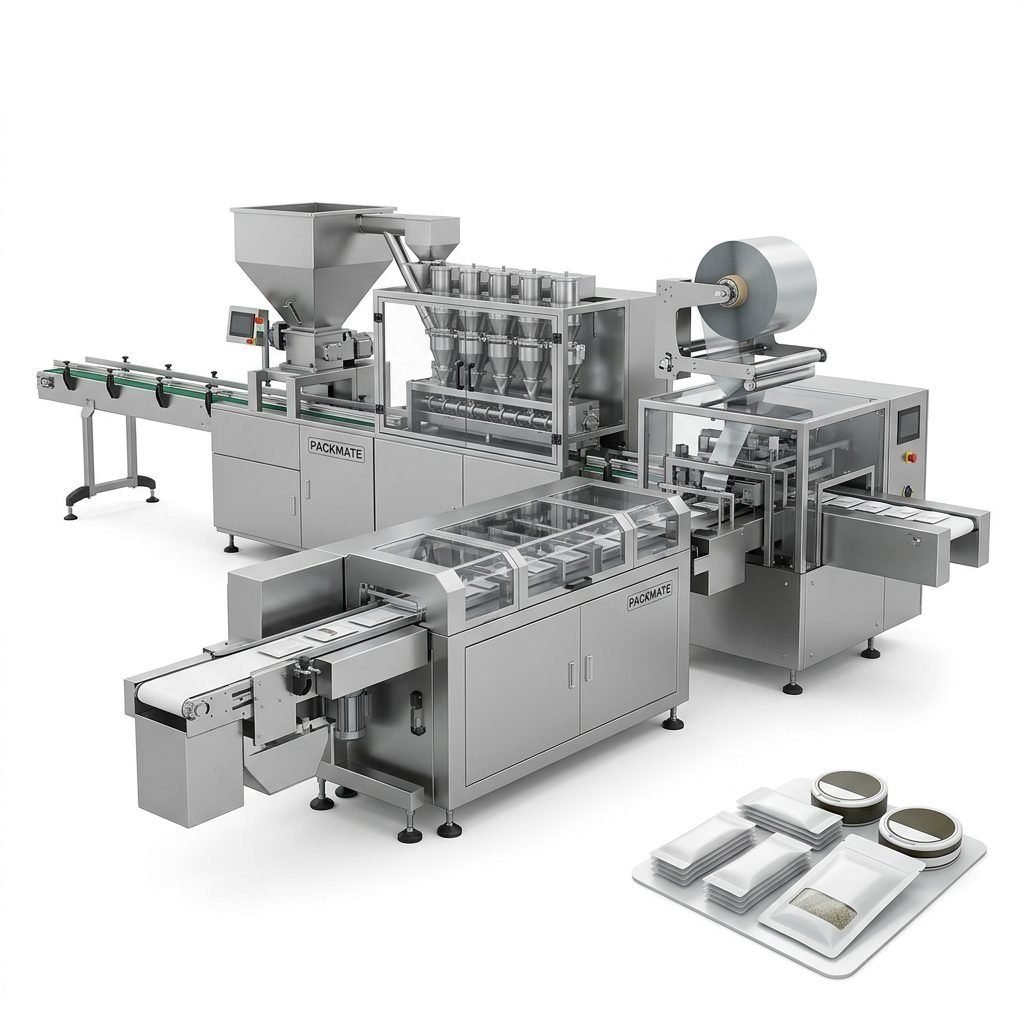
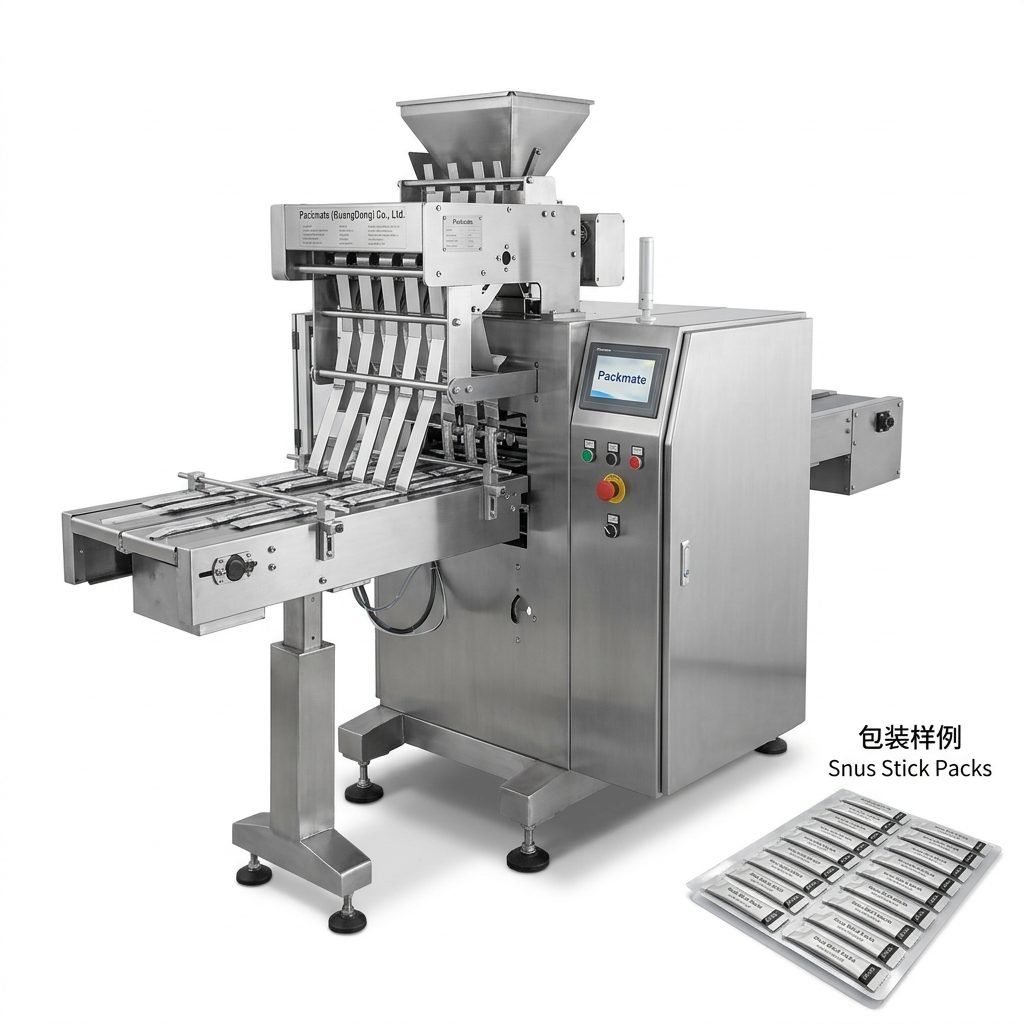
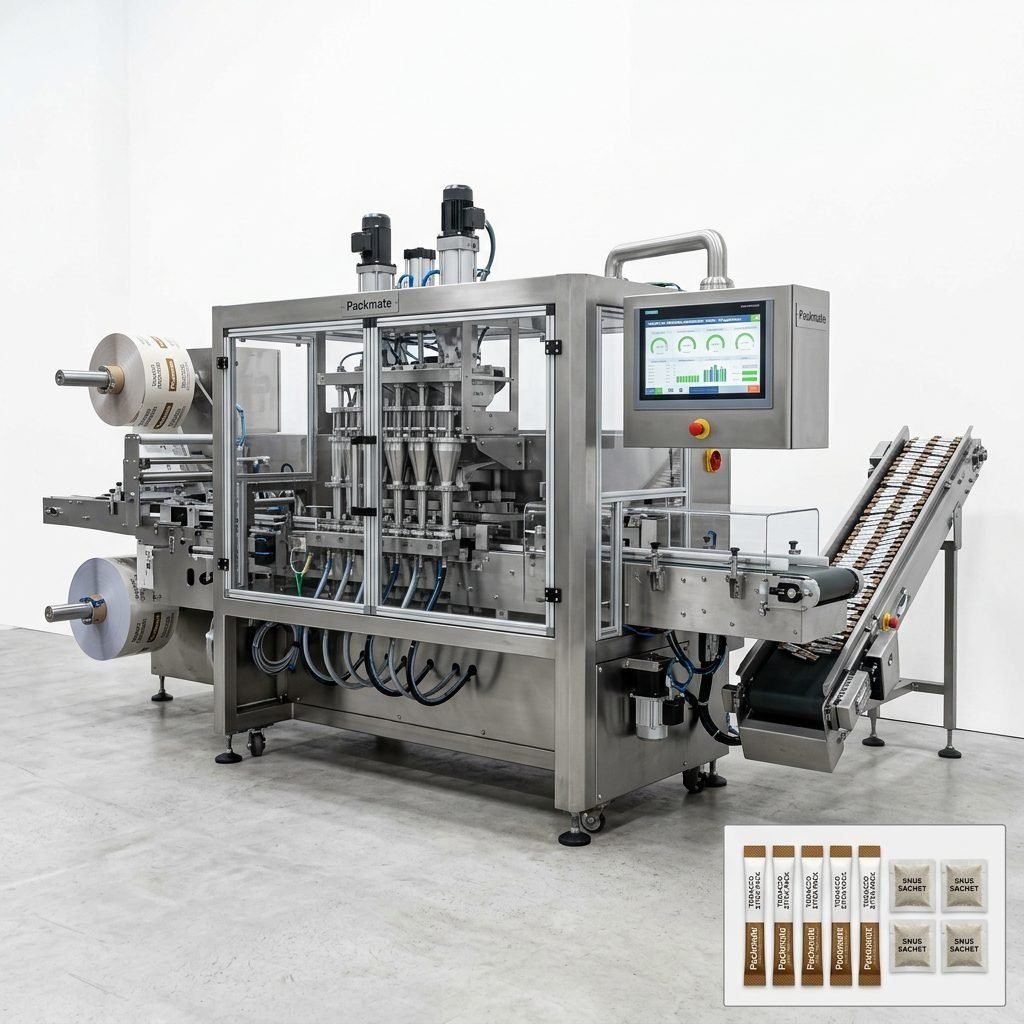
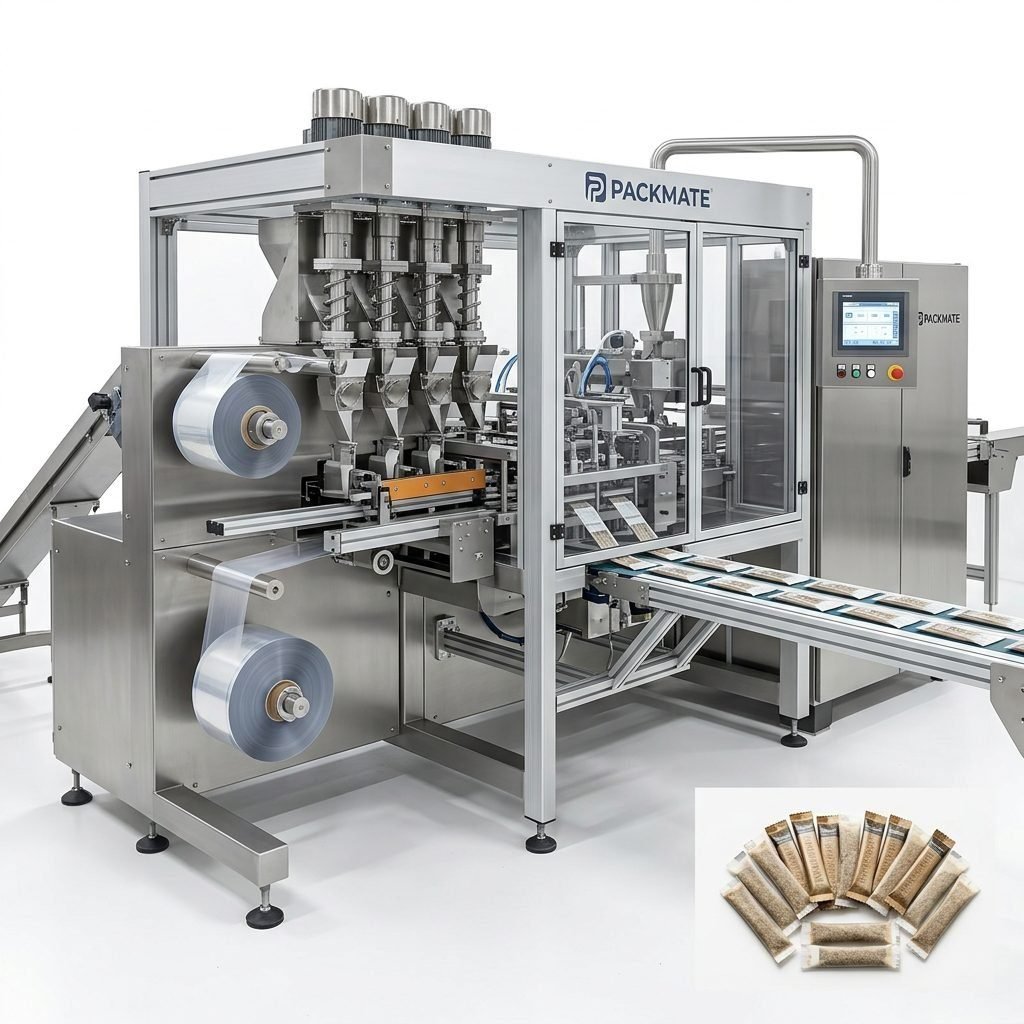
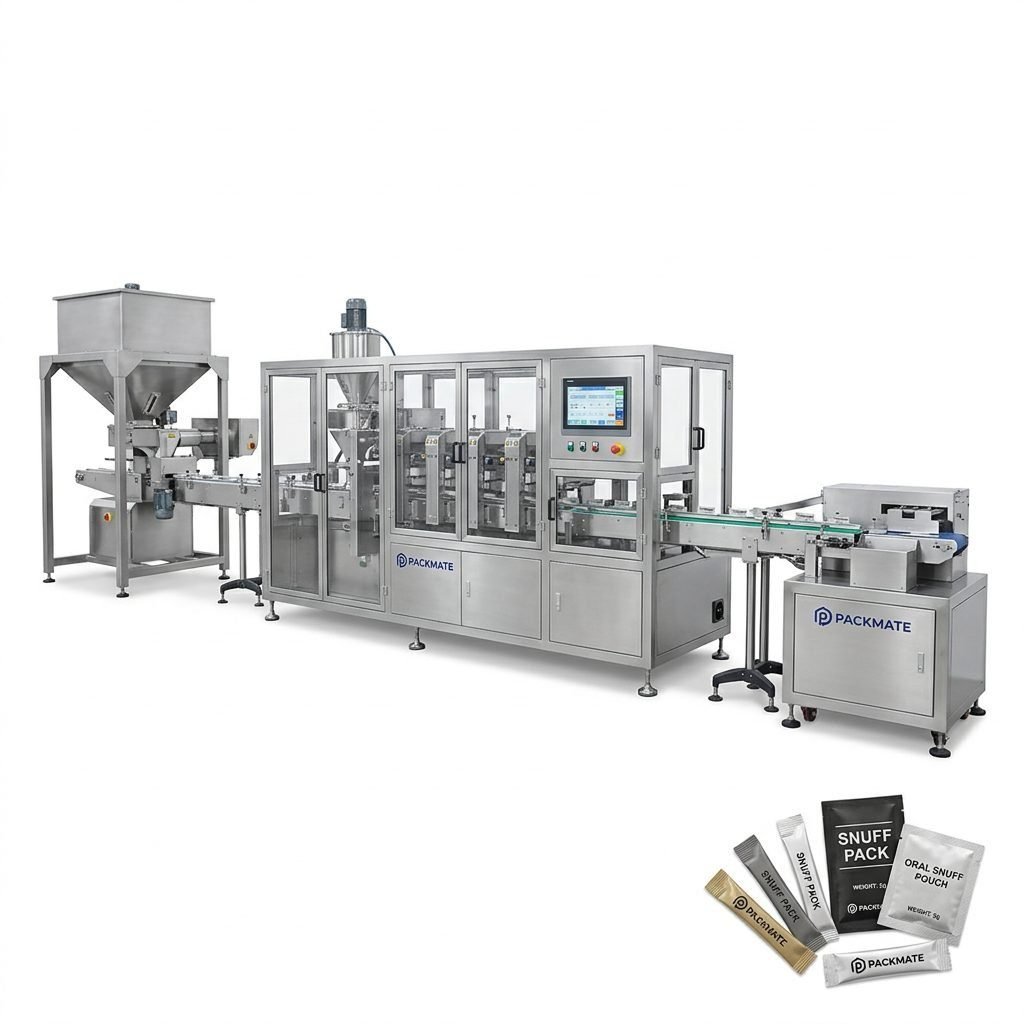
Sachet & Stick Pack Machines
Ideal for single-dose or stick-style nicotine pouches. These machines deliver high-speed, continuous packaging with tight weight control — good for businesses targeting volume sales with consistent dosing.
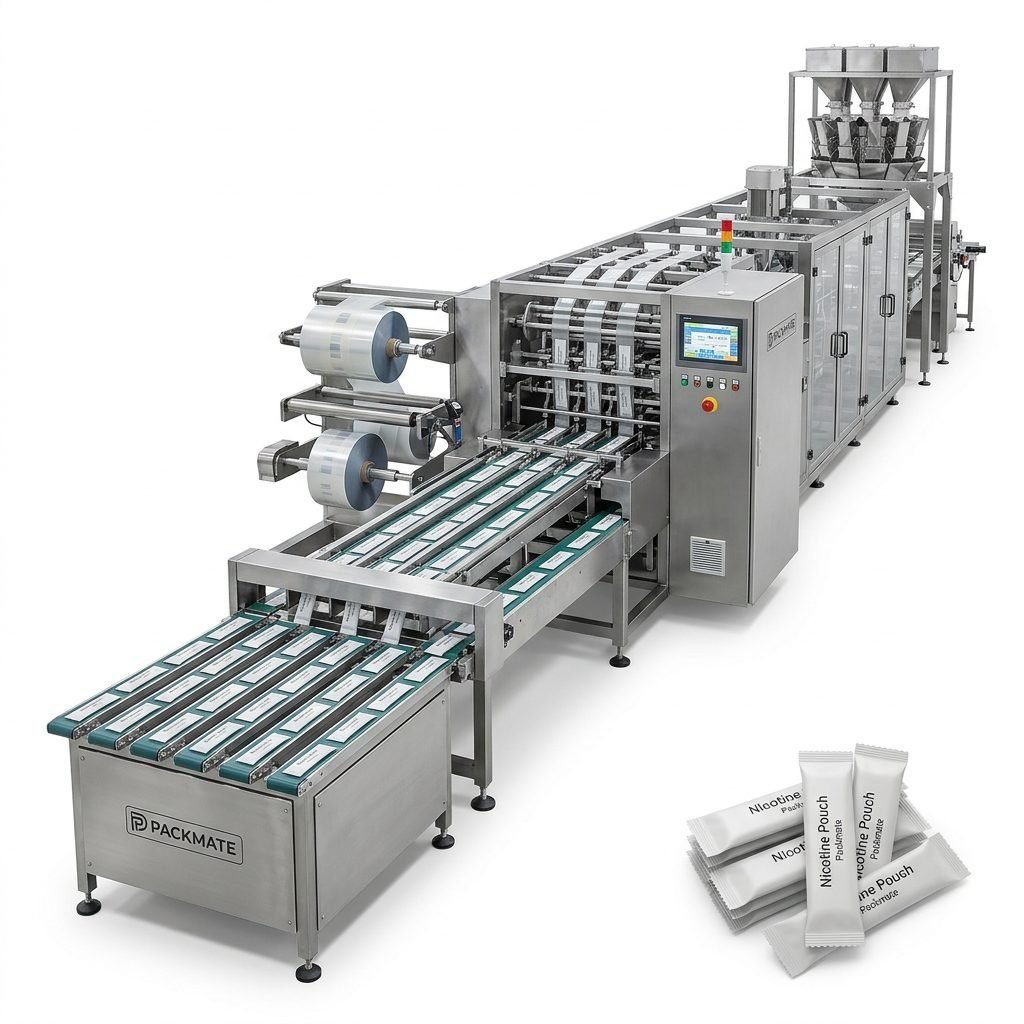
Snus & Nicotine Pouch Packaging Machines
Specialized for small, soft pouches (snus/nicotine pouches). Look for multi-lane systems to increase throughput without significantly enlarging factory footprint. These machines are excellent for premium pouch products requiring delicate handling.
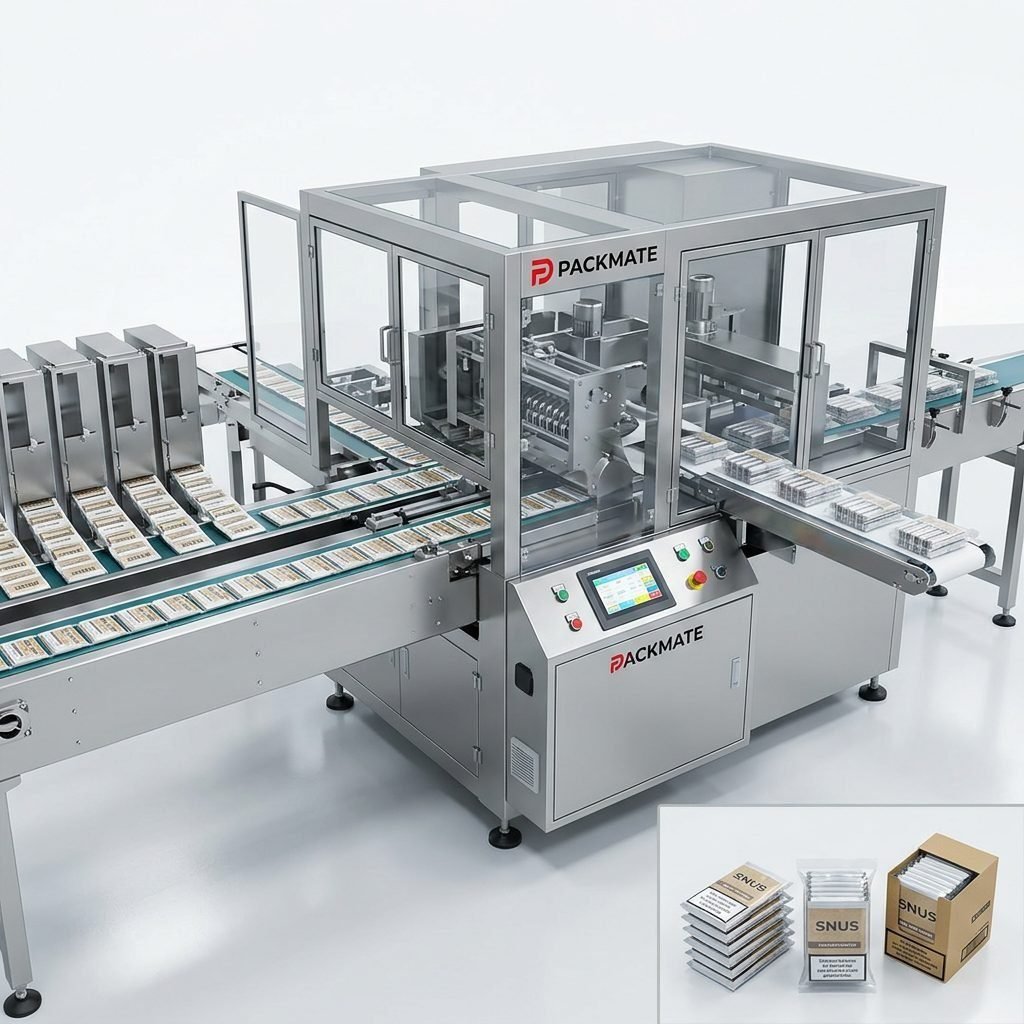
Bag & Pouch Packaging Machines
For outer packaging — resealable pouches, display-ready bags, or multi-pack formats. Integrating pouch machines with bagging systems enables finished goods ready for retail shelves.
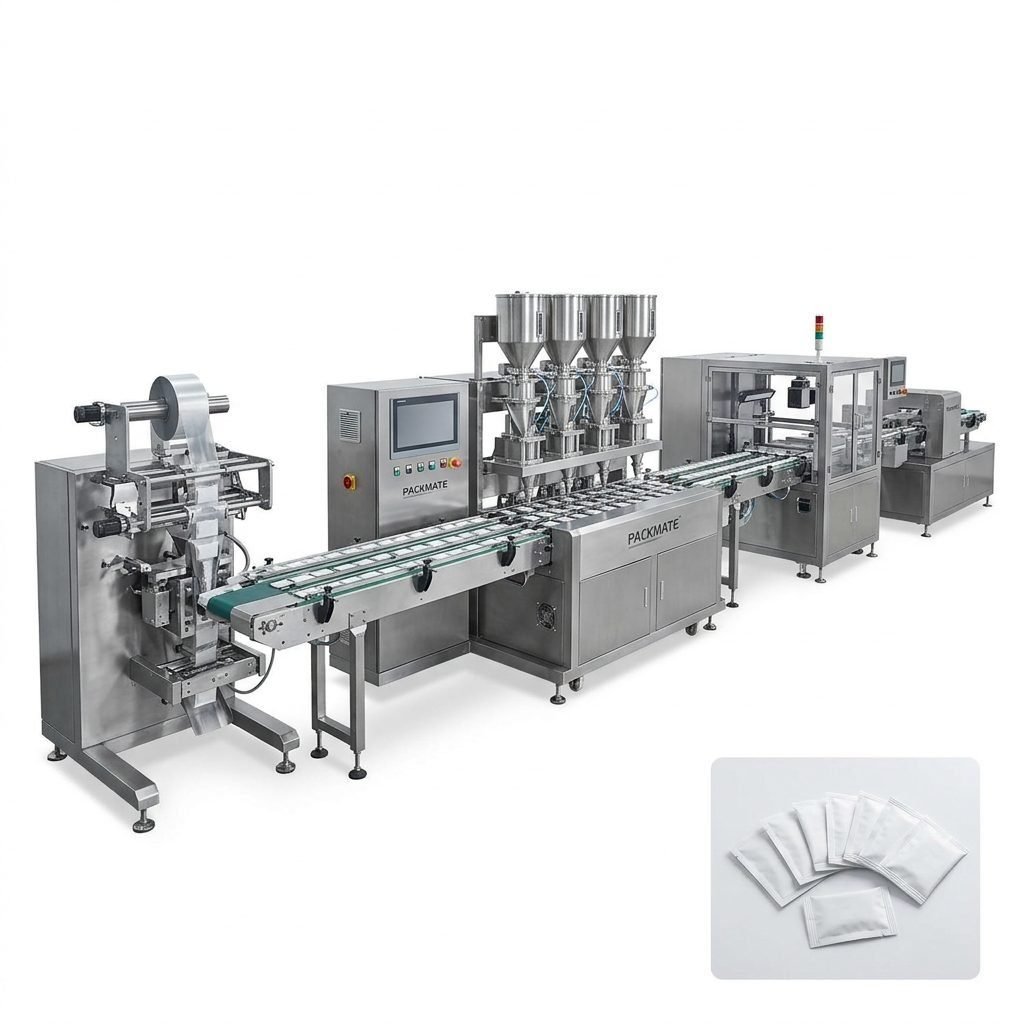
Weighing & Auxiliary Systems
Accurate weighing and dosing systems ensure compliance with nicotine content specifications. Auxiliary equipment such as conveyors, checkweighers, and case packers improve line efficiency and reduce manual handling.
For full product ranges and model options, explore trusted suppliers of specialized equipment like Snus & Nicotine Packaging Machines, Sachet & Stick Pack Machines, and Bag & Pouch Packaging Machines.
Key Selection Criteria — Technical & Business Factors
Selecting machinery requires balancing technical specifications with commercial objectives. Below are primary factors to evaluate.
1. Throughput & Scalability
Estimate your peak hourly and daily output. Machines must handle both current demand and foreseeable growth. Multi-lane machines are excellent for scaling throughput without additive labor costs.
2. Flexibility & Changeover Time
If you will run multiple SKUs or seasonal products, prioritize quick-change tooling and recipe-driven controls. This reduces downtime and waste during SKU swaps.
3. Portioning Accuracy & Weight Control
Nicotine content and portion consistency are critical. Look for systems with precise dosing, stable fill mechanisms, and integrated checkweighers to minimize rework and regulatory risk.
4. Regulatory Compliance & Certifications
Ensure machines comply with CE, ISO, and hygiene standards relevant to nicotine product packaging. Suppliers that provide certification documentation and validation support simplify market entry.
5. Local Service & Spare Parts Availability
Fast service response reduces downtime. Choose suppliers with established global service networks or rapid spare-part logistics. Consider suppliers offering remote diagnostic tools to speed troubleshooting.
6. Total Cost of Ownership (TCO) & ROI
Purchase price is only one component. Evaluate energy use, consumables, maintenance frequency, training, and expected production yield. A slightly higher capital cost can be justified by lower operating expenses and higher uptime.
✅ Tip: Build a scoring matrix for machine proposals: include throughput, ROI, spare-part lead time, warranty, and CE/ISO documentation. This objectivity speeds decision-making and reduces procurement risk.
Integrating a Packaging Line in Montenegro: Practical Steps
Integration is more than putting machines together — it involves layout planning, utilities, operator training, quality systems, and supply chain alignment. Follow these steps for a smooth launch:
Step 1: Define Product Formats & Daily Targets
Start with SKU specifications: pouch size, fill weight, sealing type, and labeling. Then convert sales forecasts into daily production targets to derive required machine speed and number of lanes.
Step 2: Factory Layout & Utilities
Plan for power supply, compressed air, vacuum, and drainage. Allow service access and safe operator zones. In Montenegro, factory spaces are often constrained; compact multi-lane machines help optimize footprint.
Step 3: Quality Control & Traceability
Integrate checkweighers, metal detectors (if needed), and labeling systems with batch coding. Traceability through barcodes or QR codes supports regulatory compliance and product recalls.
Step 4: Training & Local Support
Invest in thorough training for operators, technicians, and supervisors. Strong supplier support — including remote diagnostics and spare-part kits — reduces downtime for Montenegro-based operations where immediate local parts may be limited.
Why Choose an Experienced Supplier — The Packmate Example
Selecting a supplier with deep domain experience in snus and nicotine pouch packaging can accelerate your time-to-market and improve reliability. Companies with decades of engineering experience understand niche requirements such as small-dose handling and multi-lane synchronization.
⚙️ Real-world expertise: Established manufacturers with 30+ years of engineering track record provide tested multi-lane systems, precision CNC-produced parts, and global turnkey solutions tailored to nicotine pouch production. Learn more about a proven company profile at About Packmate and their case studies.
Service & After-sales Considerations
A strong after-sales package includes preventive maintenance schedules, spare-part kits, remote support, and optional on-site technician visits. For Montenegro, factor in import lead-times and customs when planning parts stock.
Explore extended services and global exhibition demos for hands-on evaluation: Our Exhibition and the Service page offer more practical insight.
Cost Planning & Financing Tips
Create a realistic budget that includes equipment, installation, testing, operator training, spare parts, and a contingency for unexpected site adaptations. Financing options may include leasing or staged payments tied to milestones such as FAT (Factory Acceptance Test) and SAT (Site Acceptance Test).
💡 Negotiation tip: Request a detailed proposal with uptime guarantees, spare-part lists with lead times, and machine performance acceptance criteria. This reduces ambiguity and protects ROI.
Case Example: Small Montenegro Manufacturer Scaling Up
Imagine a Montenegro-based producer selling nicotine pouches through regional distributors and coastal retailers. They experience summer surges and want to introduce a premium pouch line. The recommended approach:
– Start with a 2-lane snus pouch machine that supports small-batch runs and fast changeovers.
– Add an inline checkweigher and automatic bagging system to create finished retail-ready pouches.
– Ensure CE/ISO compliance and request training for onsite technicians.
– Maintain a critical spare-part kit in-country for immediate fixes during peak season.
This pathway balances flexibility and future capacity expansion while preserving product quality and shelf appeal.
Checklist: Questions to Ask Potential Suppliers
Before purchasing, ask suppliers the following critical questions to compare offers objectively:
- What is the actual tested throughput for my SKU and pouch size?
- Can the machine run multiple SKUs with minimal downtime? What changeover time is typical?
- Which spare parts are recommended to keep on-site for 6–12 months of operation?
- Do you provide CE/ISO certificates and FAT documentation?
- What remote support and training options are available for Montenegro-based teams?
Supplier transparency improves long-term results
Reliable suppliers will provide detailed answers, reference installations, and allow machine trials or exhibition demos. Consider visiting trade shows or arranging on-site demonstrations where possible.
Further Resources & Product Links
For detailed machine specifications and turnkey solutions, review product categories and documentation from established manufacturers:
– Snus & Nicotine Packaging Machines
– Weighing & Packaging Systems
– Filling & Packaging Lines
Final Recommendations
For Montenegro operations, prioritize machines that combine multi-lane throughput with compact footprints, fast changeovers, and robust after-sales service. Ensure CE/ISO compliance and build spare-part buffers to manage seasonal demand spikes smoothly. Partnering with an experienced manufacturer will shorten your learning curve and improve long-term value.
Take the next step
Request detailed proposals with FAT/SAT plans, spare-part lists, warranty terms, and references of similar installations. If you need consultation or turnkey solutions, visit the supplier’s contact and service pages to arrange a demo or technical discussion: Contact Us and Service.
Common Questions (FAQs)
Q1: How do I choose between single-lane and multi-lane machines for Montenegro’s market?
A1: If you have high seasonal peaks or plan export volumes, multi-lane machines offer better throughput per footprint. For limited SKUs or small-batch artisan products, single-lane machines provide flexibility and lower initial cost.
Q2: What certifications should I demand for nicotine pouch packaging equipment?
A2: Require CE and ISO compliance, plus hygiene-related documentation if applicable. Ensure the supplier provides test reports and FAT documentation for machine acceptance.
Q3: How much spare parts inventory should I keep in Montenegro?
A3: Maintain essential wear parts and critical spares that could stop production (motors, PLC modules, sealing jaws, sensors) to cover at least 3 months of peak-season operation, adjusting for supplier lead times.
Q4: Can I get remote support for troubleshooting?
A4: Many advanced suppliers offer remote diagnostics and software support. Confirm the availability, SLAs, and any required connectivity hardware during procurement.
Q5: Where can I see machines in action before buying?
A5: Visit manufacturer exhibitions, arrange factory visits, or request video demos and customer references. Check exhibition schedules and case studies on supplier sites for live demonstrations.