Entering the nicotine pouch and snus market in Senegal requires more than just purchasing a machine — it demands a careful partner selection process. This guide explains how to choose a reliable nicotine packaging machine supplier in Senegal, covering technical criteria, local considerations, logistics, regulatory compliance, and after-sales support so you can make a confident, long-term investment.
Understand the Senegal market and local customs
Senegal is a West African market with French as its official language and Wolof widely used in everyday communication. Business relationships often rely on trust and personal rapport — spending time on-site visits, face-to-face meetings, and clear, polite communication will help close deals. Consider local preferences for packaging sizes, flavor profiles, and labeling language (French + local dialects), and be mindful of religious and cultural norms when designing marketing materials.
Why local knowledge matters
Suppliers with experience in African markets or knowledge of West African logistics (ports like Dakar, customs procedures, and regional distribution) can shorten lead times and reduce unforeseen costs. Check whether the vendor has delivered machines to nearby countries or worked with import/export partners familiar with Senegalese requirements.
Key technical and manufacturing criteria
When evaluating suppliers, focus on machine performance, durability, and how well the equipment matches your production goals. Below are the crucial factors to assess:
📌 Core checklist (quick view)
- Production speed and accuracy (pouches/minute, multi-lane capability)
- Sealing reliability and materials compatibility (film, laminated films)
- Ease of changeover and format flexibility
- Quality of critical components (servo systems, PLCs, sensors)
- Spare parts availability and lead time
- Factory certifications (CE, ISO) and quality control records
Performance & customization
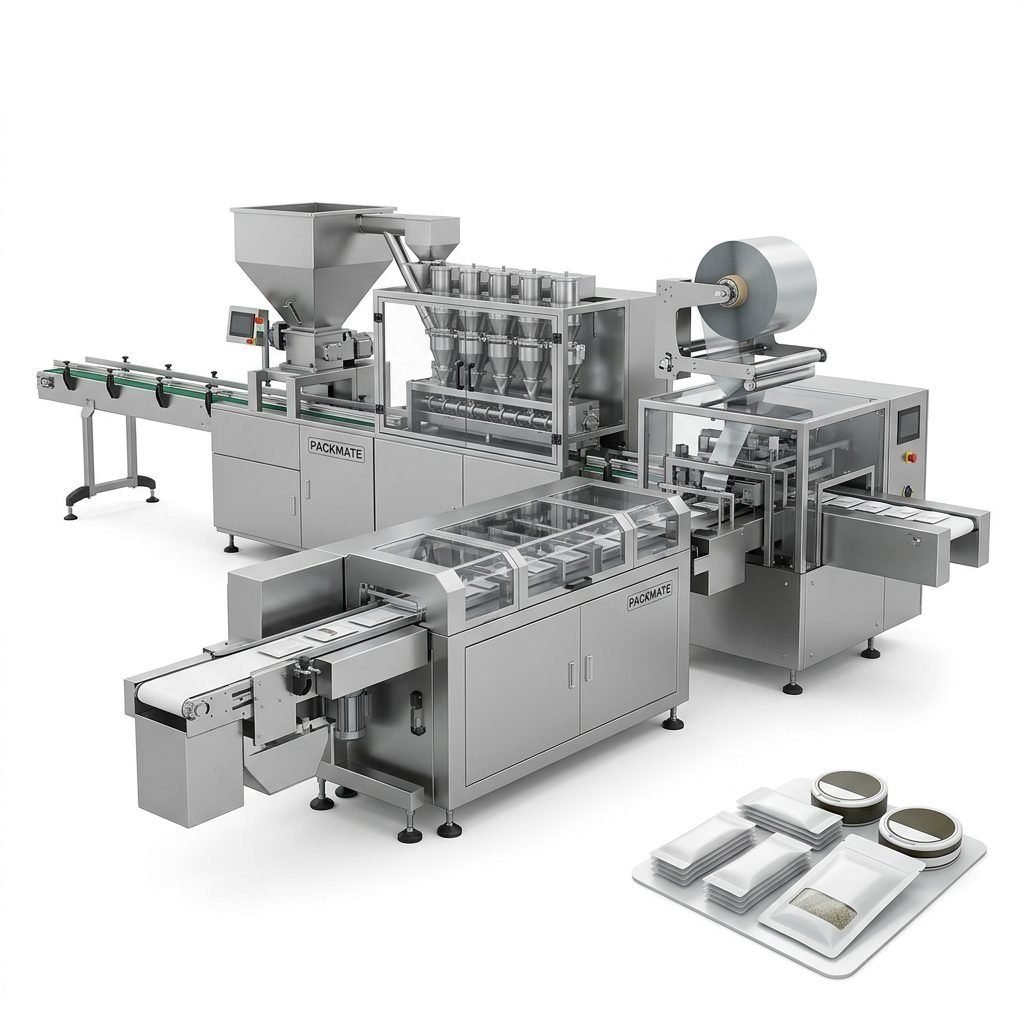
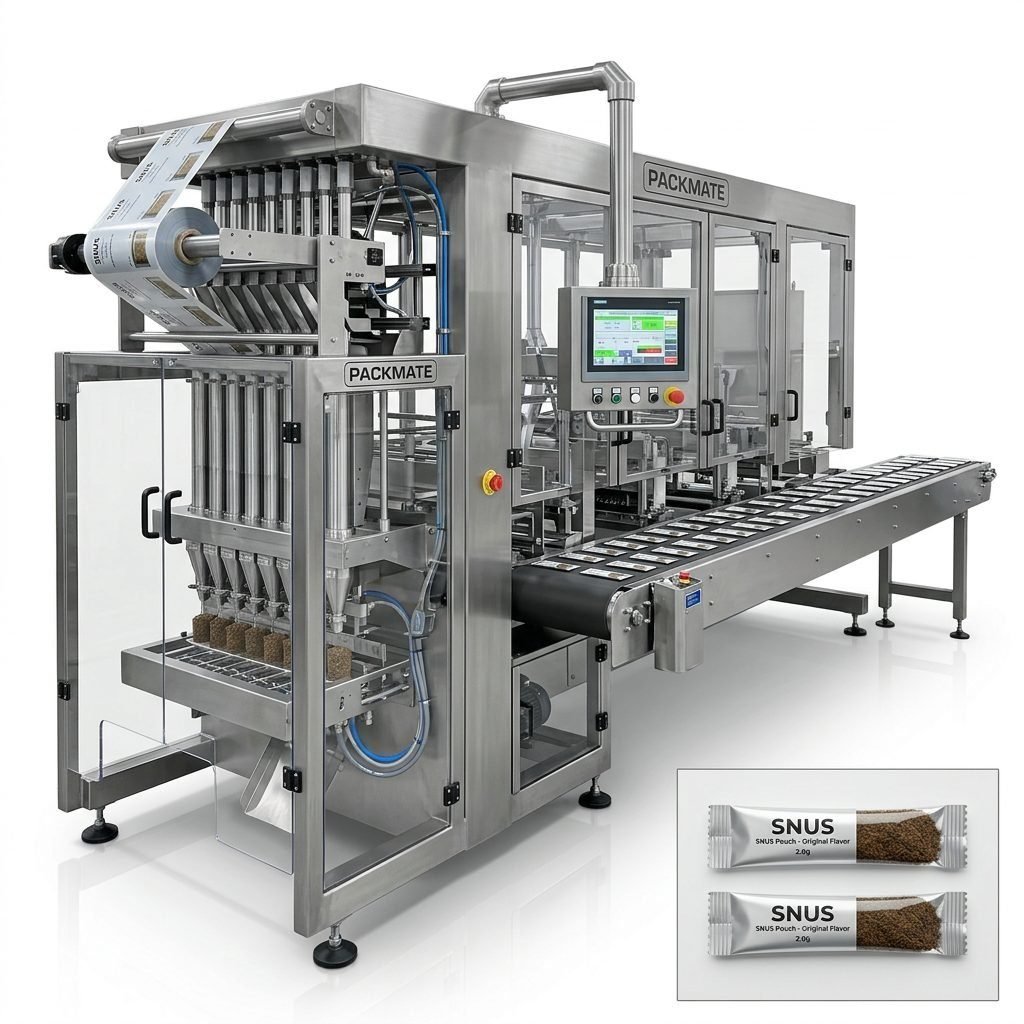
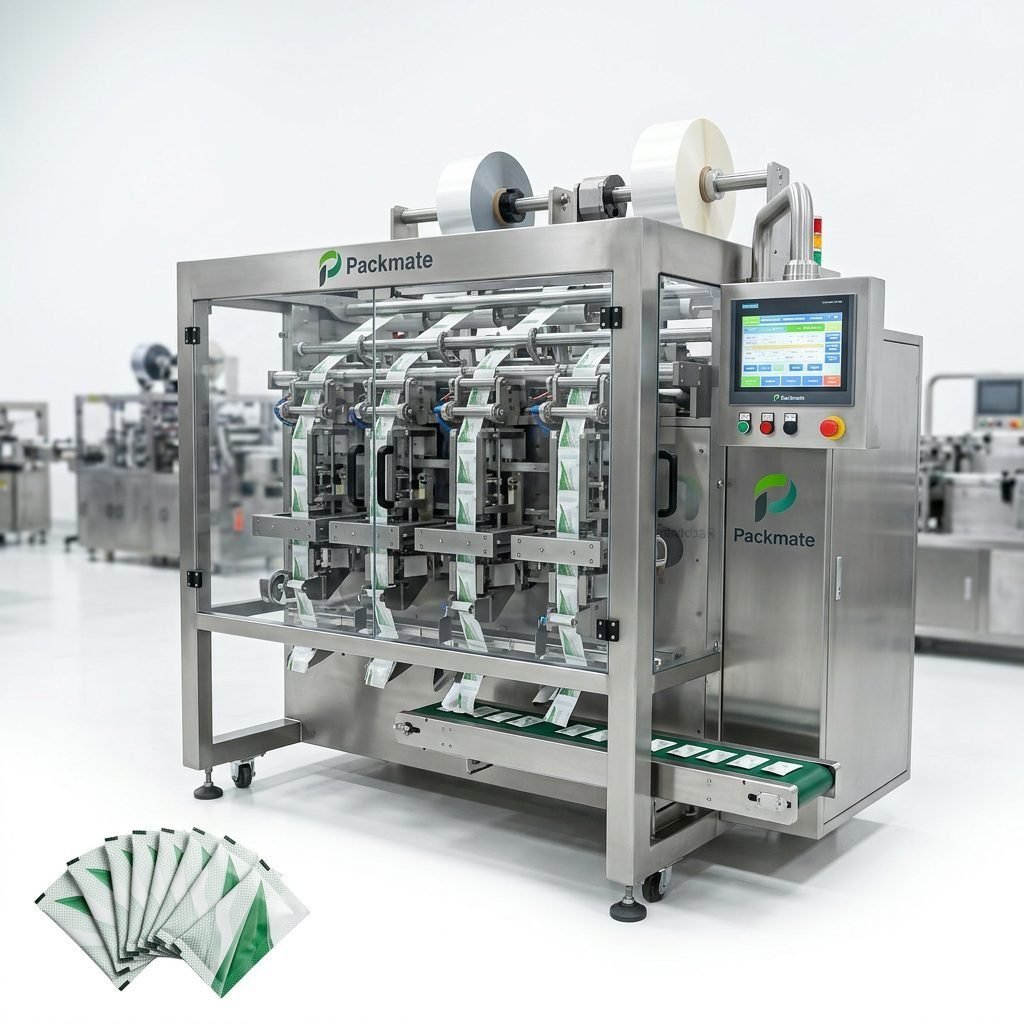
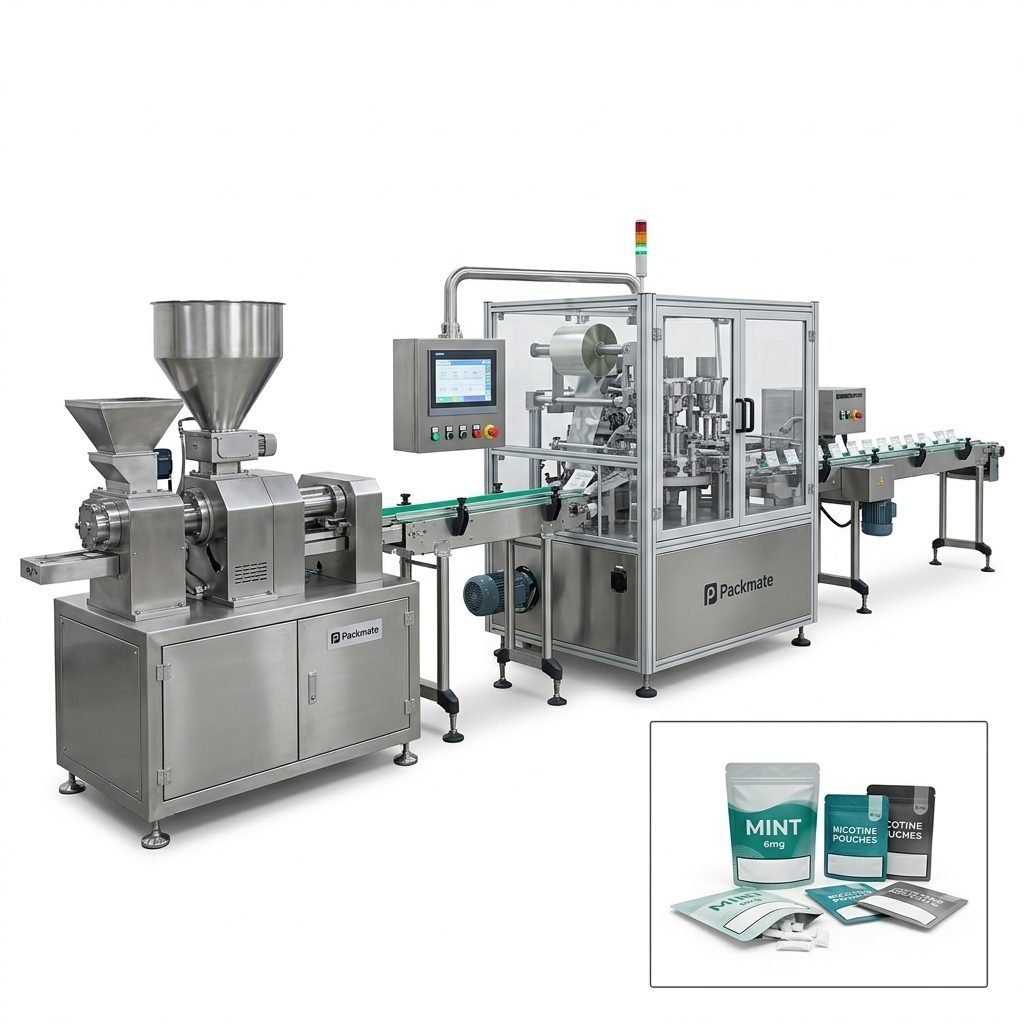
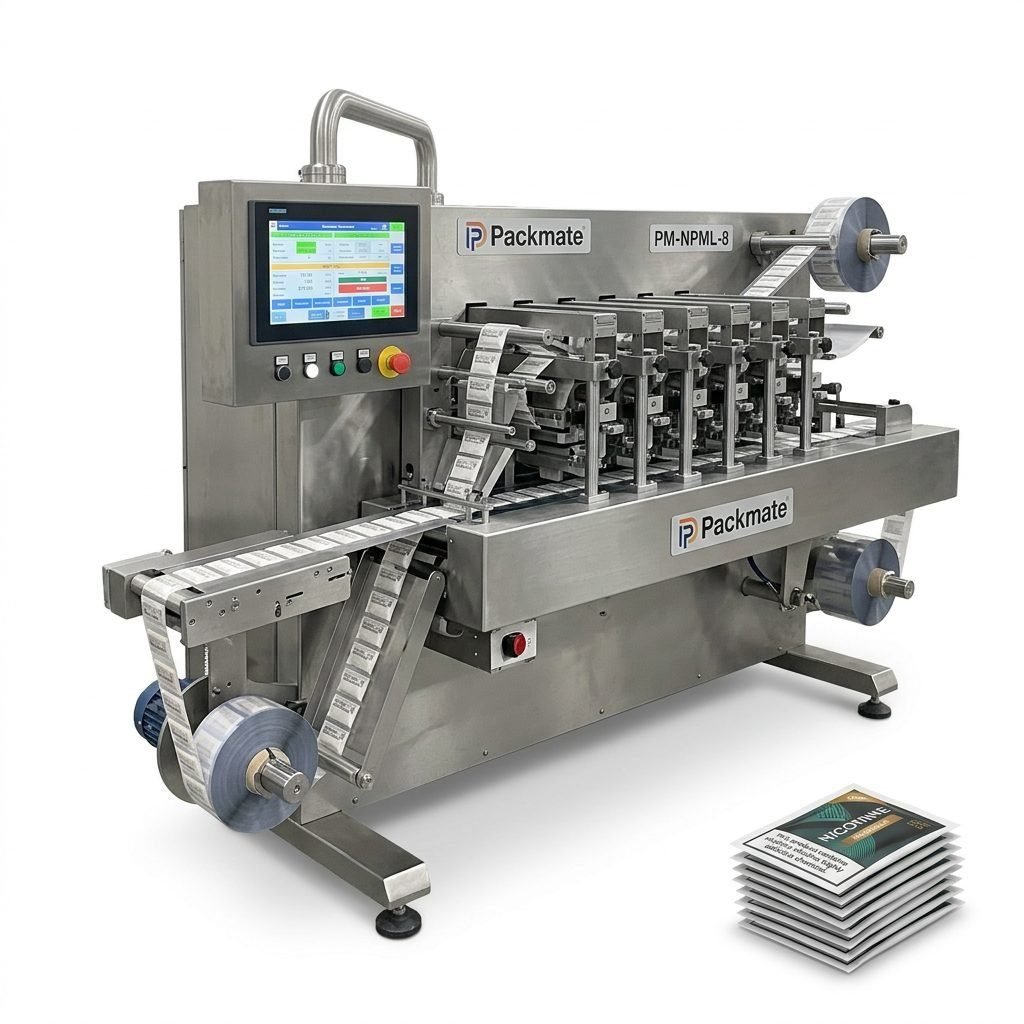
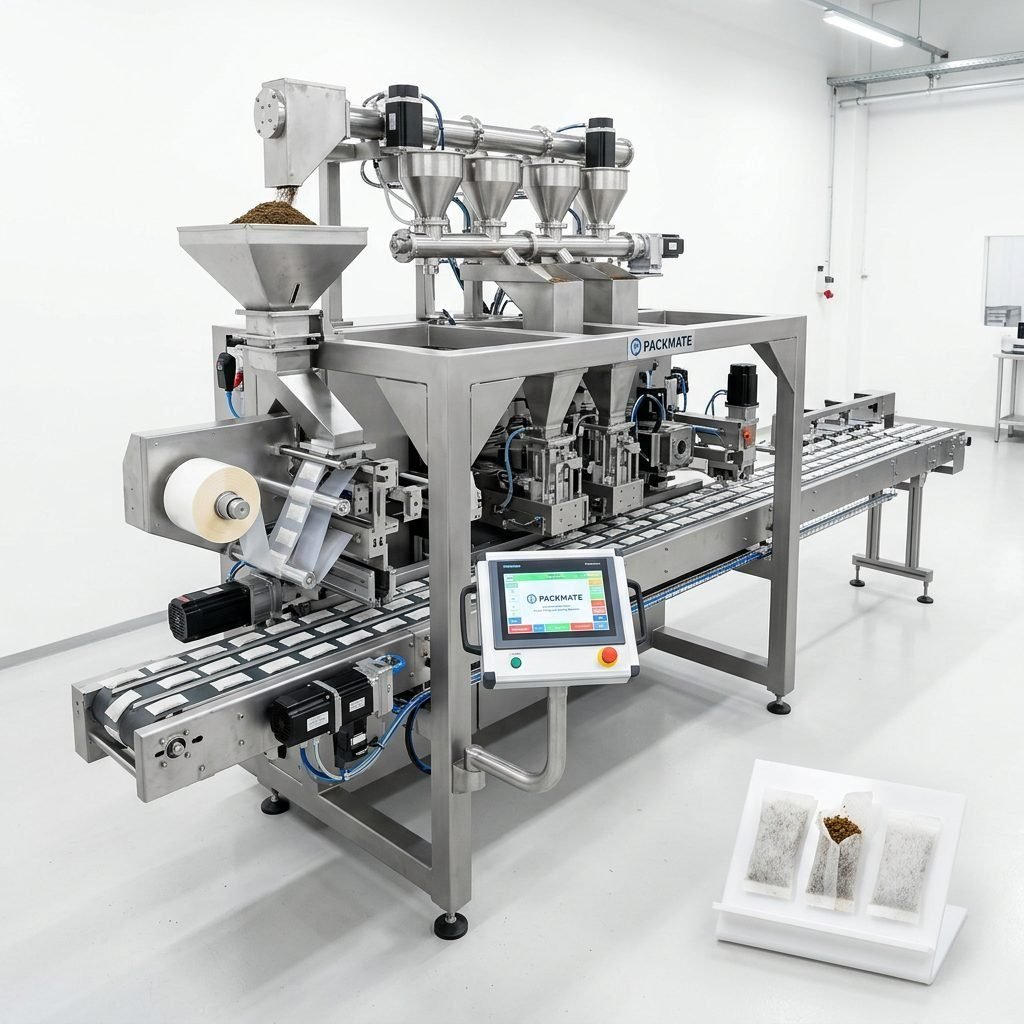
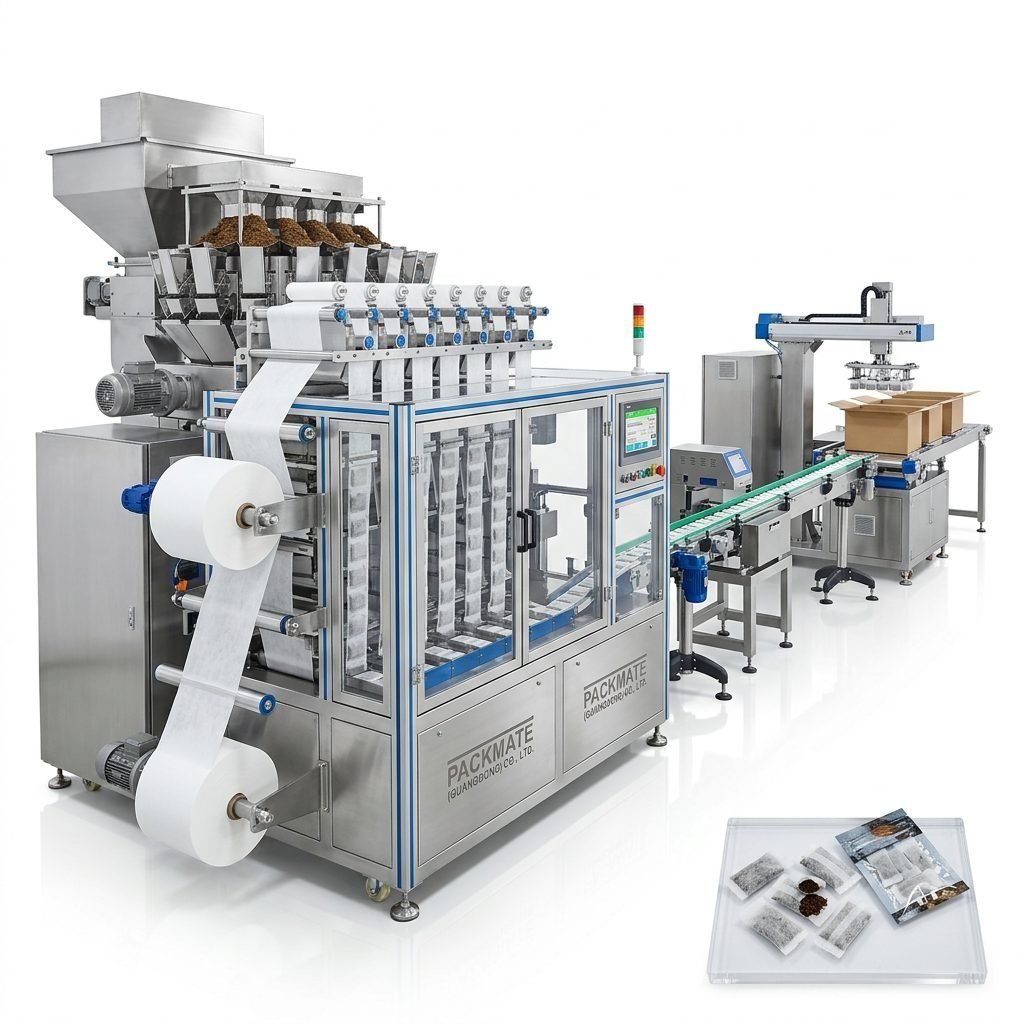
Choose suppliers who offer a range of models and customization. For example, Packmate provides stick pack, sachet, and multi-lane systems tailored to nicotine pouches, and can adjust lane counts and dosing systems to match your target output. Multi-lane machines are ideal if you plan to scale quickly while keeping footprint compact.
Build quality, certifications, and factory capability
Prefer suppliers with advanced CNC machining, precision assembly lines, and documented quality testing. Verified CE and ISO certifications indicate compliance with international safety and quality standards. Suppliers with a sizable factory (e.g., 20,000㎡) and a long history of development demonstrate stability and production capacity.
Service, training, and after-sales support
After-sales support can be the difference between a successful launch and costly downtime. For Senegal, where immediate onsite service can be costly, suppliers that offer strong remote support, clear documentation, and fast spare parts shipping are advantageous.
✅ Must-have after-sales features
- Remote commissioning & training (video, VPN assistance)
- Spare parts kits and clear ordering process
- Onsite installation and operator training options
- Service agreements and response time SLAs
- Warranty terms and extended maintenance plans
Training and local skills transfer
Ensure the supplier can provide comprehensive training in French (important for Senegalese operators) and can adapt materials to local technicians’ skill levels. Ask for training manuals, PLC ladder explanations, and recurring refresher training packages.
Commercial and contractual considerations
Contract clarity reduces risk. Negotiate technical specs, delivery terms, acceptance tests, warranty coverage, payment milestones, and penalties for missed commitments. Use clear Incoterms — CIF Dakar or DDP Senegal can protect you from logistic uncertainty when importing.
Factory acceptance test (FAT) & site acceptance test (SAT)
Include FAT (in factory) and SAT (onsite) clauses. FAT verifies functionality before shipping; SAT confirms machine performance after installation. Request video recordings of FAT if you cannot attend in person.
Logistics, customs, and local regulations in Senegal
Know import duties, necessary certifications, and labeling requirements in Senegal. A supplier experienced with West African exports can help prepare paperwork, certificates of origin, and packing lists to avoid customs delays. If your product is regulated as a nicotine product, coordinate labeling and health warnings in French and any applicable local laws.
Shipping tips and ports
The main maritime gateway is the Port of Dakar. For inland distribution, evaluate road and trucking options. Work with freight forwarders experienced with machinery import and ensure proper crating, lifting points, and weight declarations for safe handling.
How to vet suppliers — practical steps
Follow a structured vetting process to assess reliability, reputation, and capability:
- Check company history and facility size — long-standing manufacturers with a large production base are preferable.
- Request references and case studies in similar markets; ask for local contacts if available.
- Ask for video demos and live machine runs; test packaging samples using your materials when possible.
- Evaluate certifications (CE/ISO) and safety documentation.
- Verify spare parts lead times and whether local stocking is possible via regional distributors.
- Confirm language support for manuals and training (French is a plus for Senegal).
Red flags to avoid
Be cautious if a supplier has vague delivery schedules, refuses FAT, provides no references, or has unclear spare part policies. Limited documentation or reluctance to sign clear warranties are also warning signs.
Cost vs. value — evaluating total cost of ownership (TCO)
Purchase price is only part of the equation. Calculate TCO including energy consumption, spare parts, downtime risk, service costs, and expected lifespan. High-quality machines with proven performance often deliver lower TCO through reduced waste and downtime.
📈 ROI considerations
- Yield and material savings from precise dosing
- Labor savings via automation and faster changeovers
- Reduced waste from consistent sealing and packaging
- Service contracts that minimize downtime
Choosing the right machine type for your product
Depending on product format and dose, choose from stick pack, sachet, or multi-lane nicotine pouch systems. Each format has its own advantages:
Stick pack & sachet machines
Stick and sachet machines are excellent for single-dose presentations and easily fit into retail channels. They are typically simpler to operate and cost-effective for small to medium outputs.
Multi-lane systems for scale
Multi-lane systems produce multiple pouches per cycle and are ideal for large production volumes with consistent formatting. They require precise synchronization, robust components, and expert commissioning — features offered by specialized manufacturers with decades of experience.
References and demos — ask the right questions
When requesting demos or factory visits, prepare specific questions: Can the machine handle your pouch size and material? What are typical throughput numbers with your formula? How often are wear parts replaced, and what is the expected MTBF (mean time between failures)?
Request sample runs
A reliable supplier will run your specific product materials on test machines and provide samples. This reduces risk and reveals subtle compatibility issues (e.g., moisture, powders that compact, or film adhesion).
Where to find reputable suppliers and additional resources
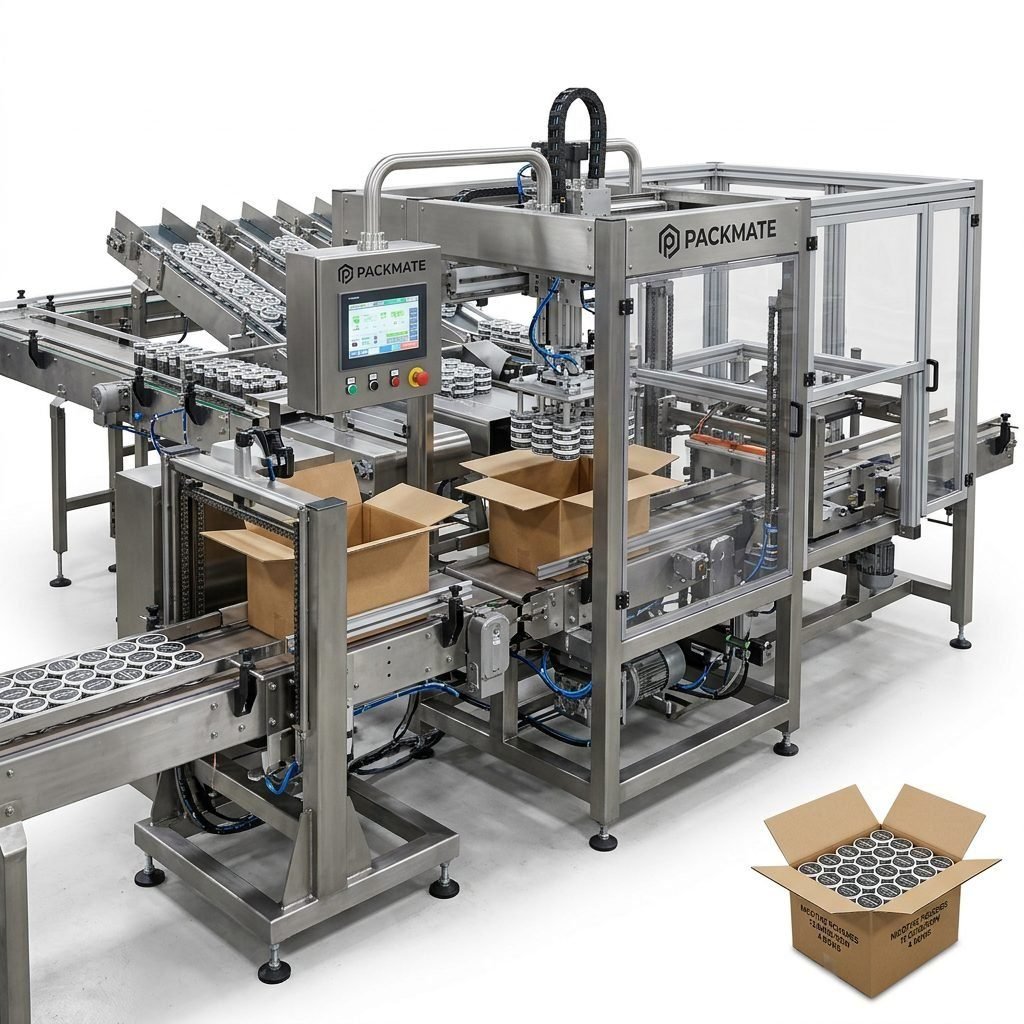
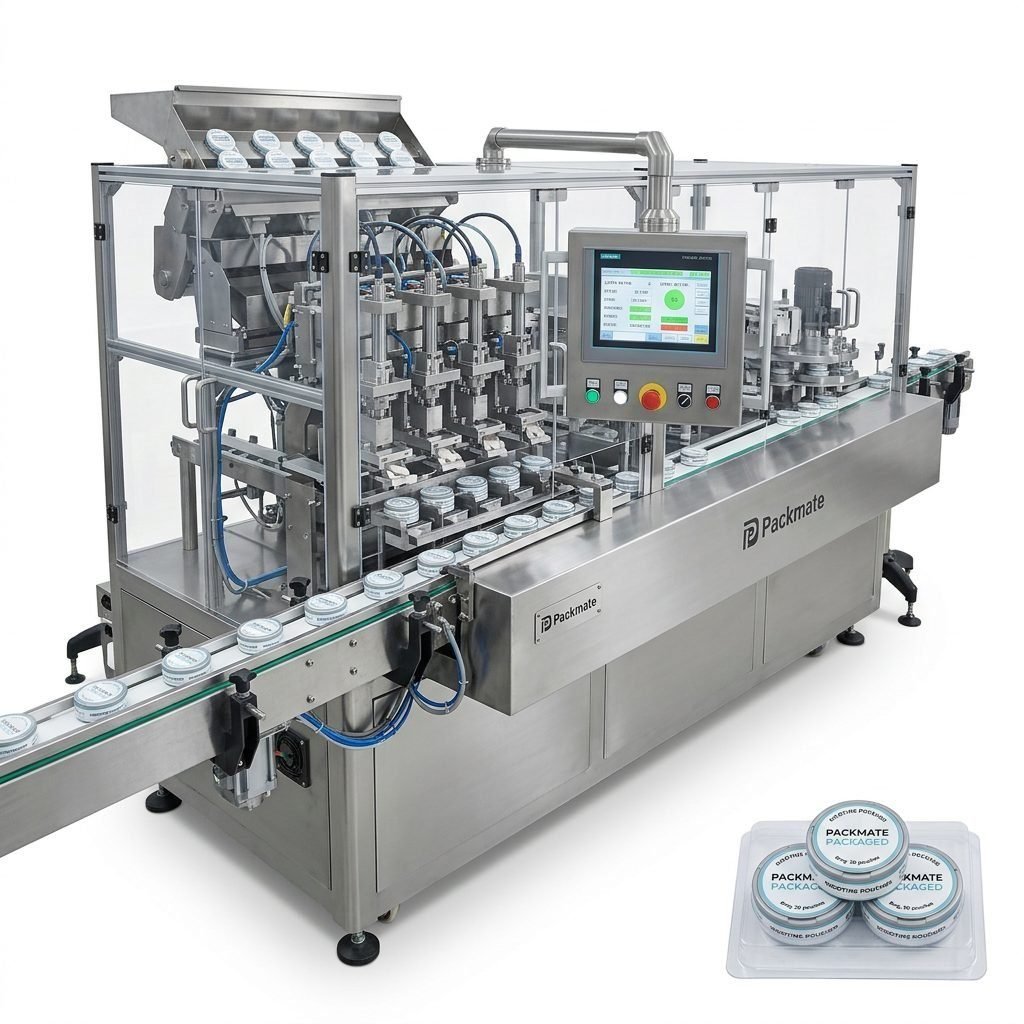
Look for manufacturers with relevant product lines and documented solutions. For example, Packmate specializes in snus and nicotine pouch packaging machines and offers full turnkey lines for snus, stick packs, and sachets. You can explore their product lines and company background to evaluate fit with your project.
Useful links for deeper research and product comparisons:
Negotiation tips and final selection steps
During negotiation: seek clear delivery timelines, confirm spare parts kits included, and request training and commissioning in the contract. Secure a clear warranty and include acceptance criteria tied to SAT. If possible, schedule a trial production week as part of the contract to validate performance under expected conditions.
⚠️ Final checklist before signing
- FAT/SAT acceptance criteria are documented
- Spare parts list & initial kit confirmed
- Training language and duration specified (French support for Senegal)
- Warranty duration and coverage are written
- Clear escalation channels and response times included
Common pitfalls and how to avoid them
Avoid underestimating installation complexity, neglecting local regulatory checks, and skipping FAT. Always validate supplier claims with references and documented machine runs. Investing in proper commissioning and operator training up front will prevent costly downtime later.
Conclusion
Selecting a reliable nicotine packaging machine supplier in Senegal requires balancing technical capability, after-sales support, and local market understanding. Prioritize suppliers with proven machine designs, robust factories, international certifications, and strong service offerings. Suppliers that provide tailored solutions for nicotine pouches — including multi-lane systems, stick pack, and sachet lines — will help you scale efficiently and maintain product quality.
Frequently Asked Questions
Q1: What certifications should I look for when buying a nicotine pouch machine?
A1: Look for CE and ISO certifications to ensure safety and quality standards. Additionally, ask for documented factory testing procedures and compliance with any local regulatory requirements in Senegal.
Q2: How important is on-site training for local operators in Senegal?
A2: Very important. On-site training in French and practical hands-on sessions reduce operator errors and downtime. If on-site visits are limited, ensure the supplier offers comprehensive remote training and clear manuals.
Q3: Should I choose a local distributor or buy direct from the manufacturer?
A3: Both options have merits. Local distributors can provide faster spare parts and on-the-ground service, while buying direct from a reputable manufacturer may offer better pricing and customization. Evaluate case-by-case based on service SLAs and parts availability.
Q4: How can I minimize customs delays when importing machines to Senegal?
A4: Work with experienced freight forwarders, ensure accurate HS codes, certificates of origin, and complete packing lists, and choose appropriate Incoterms like CIF Dakar or DDP. Pre-clearance documentation speeds customs processing.
Q5: Where can I view demonstration units or real cases of nicotine pouch production?
A5: Ask suppliers for case studies and videos of machine runs. Manufacturers like Packmate often showcase machines at global exhibitions and provide real case references — see their product pages and case examples for more information.