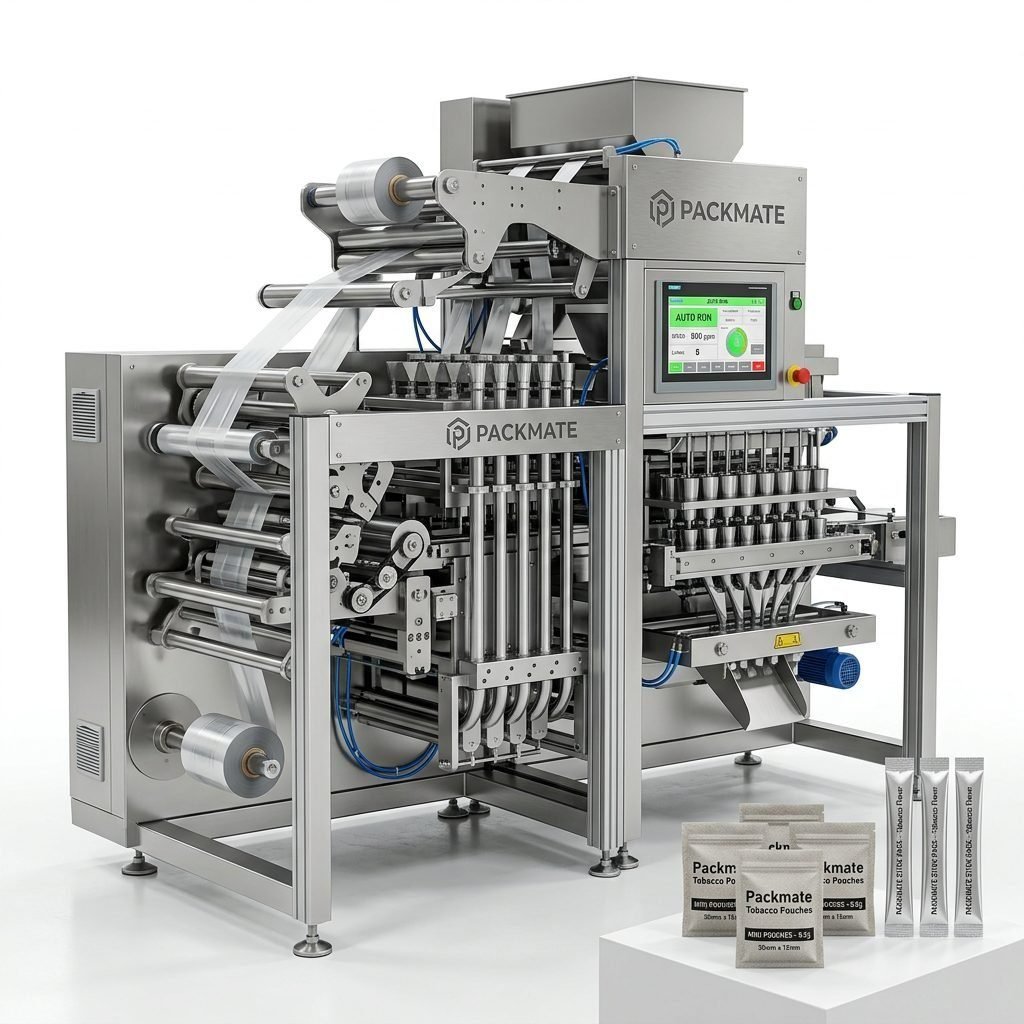
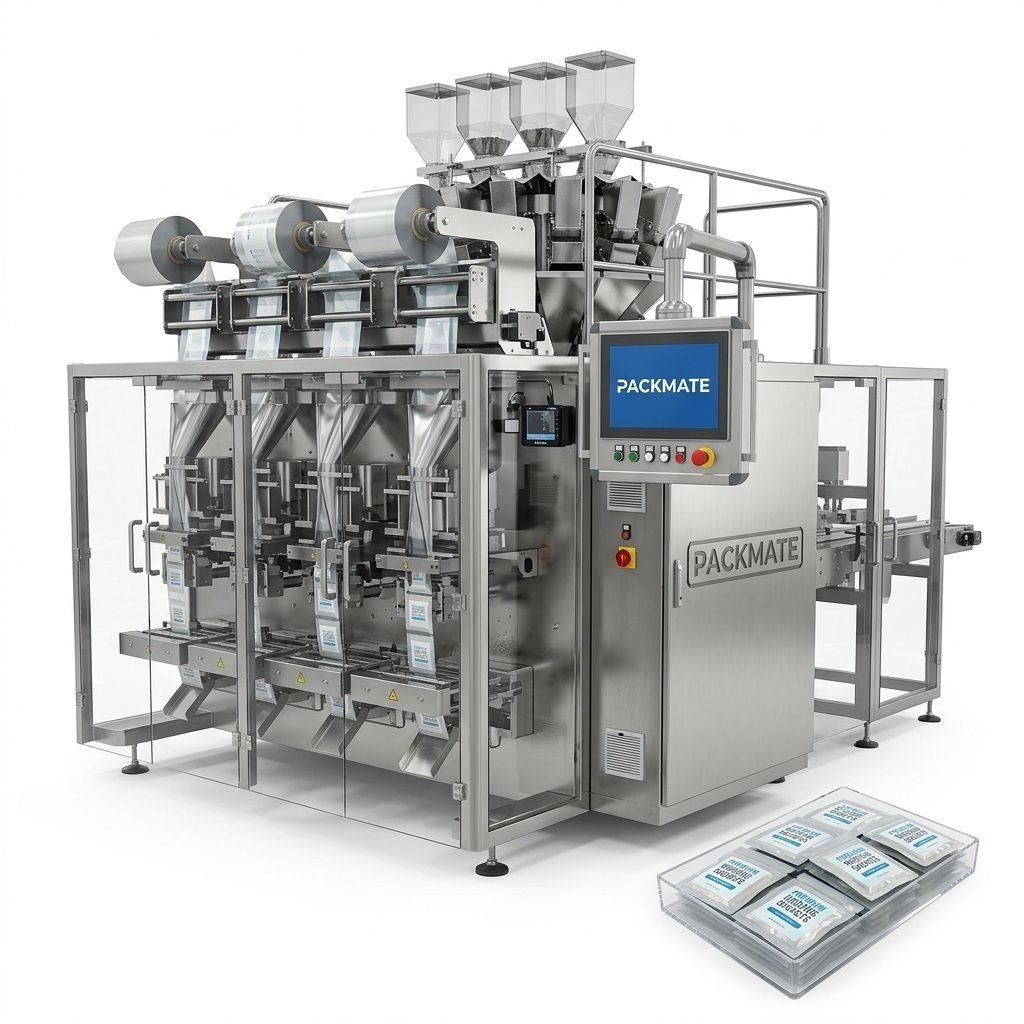
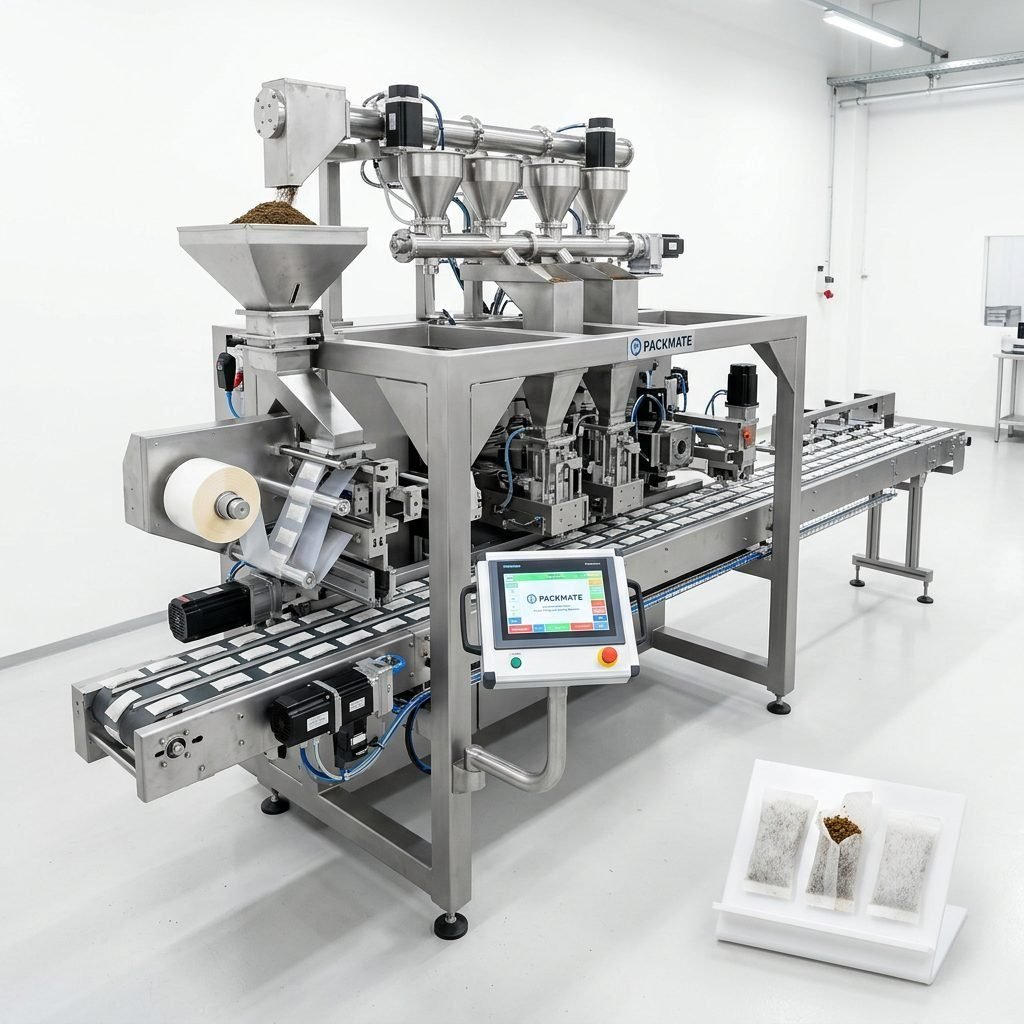
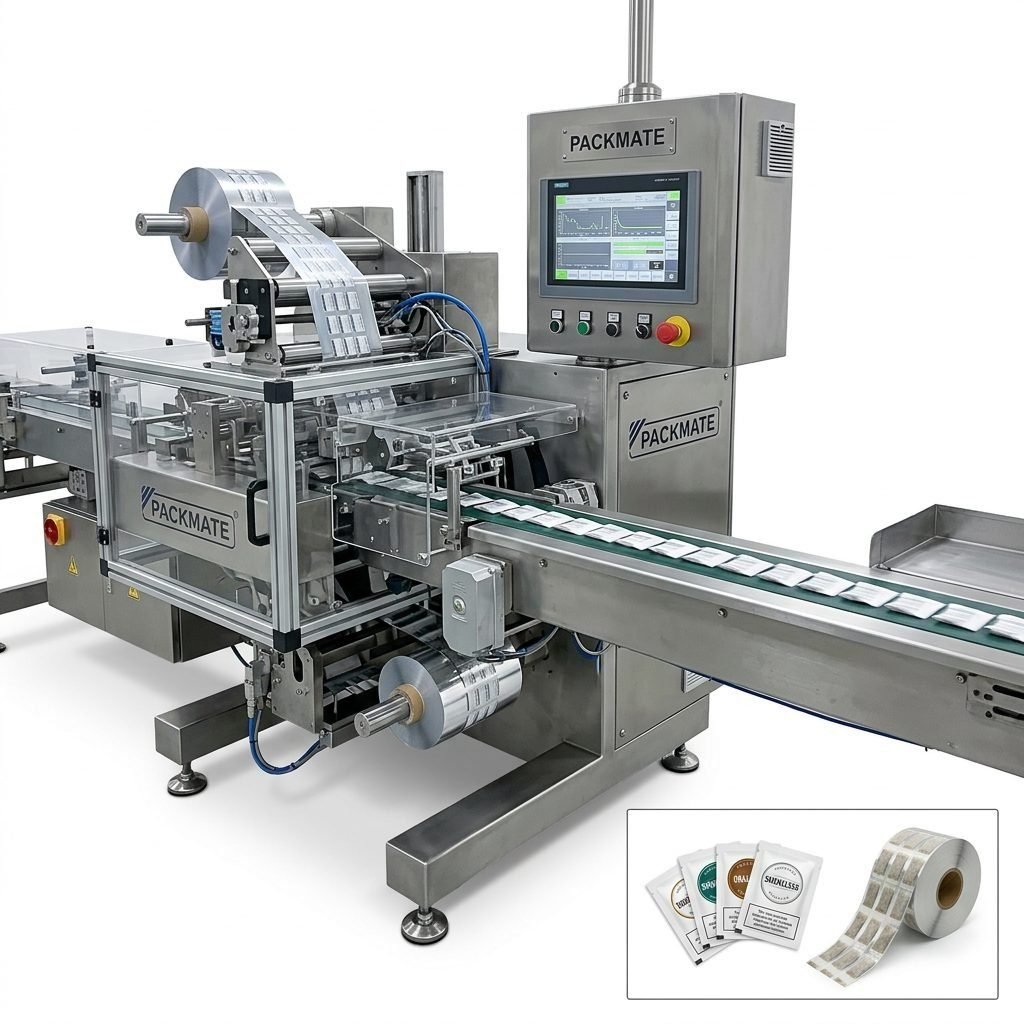
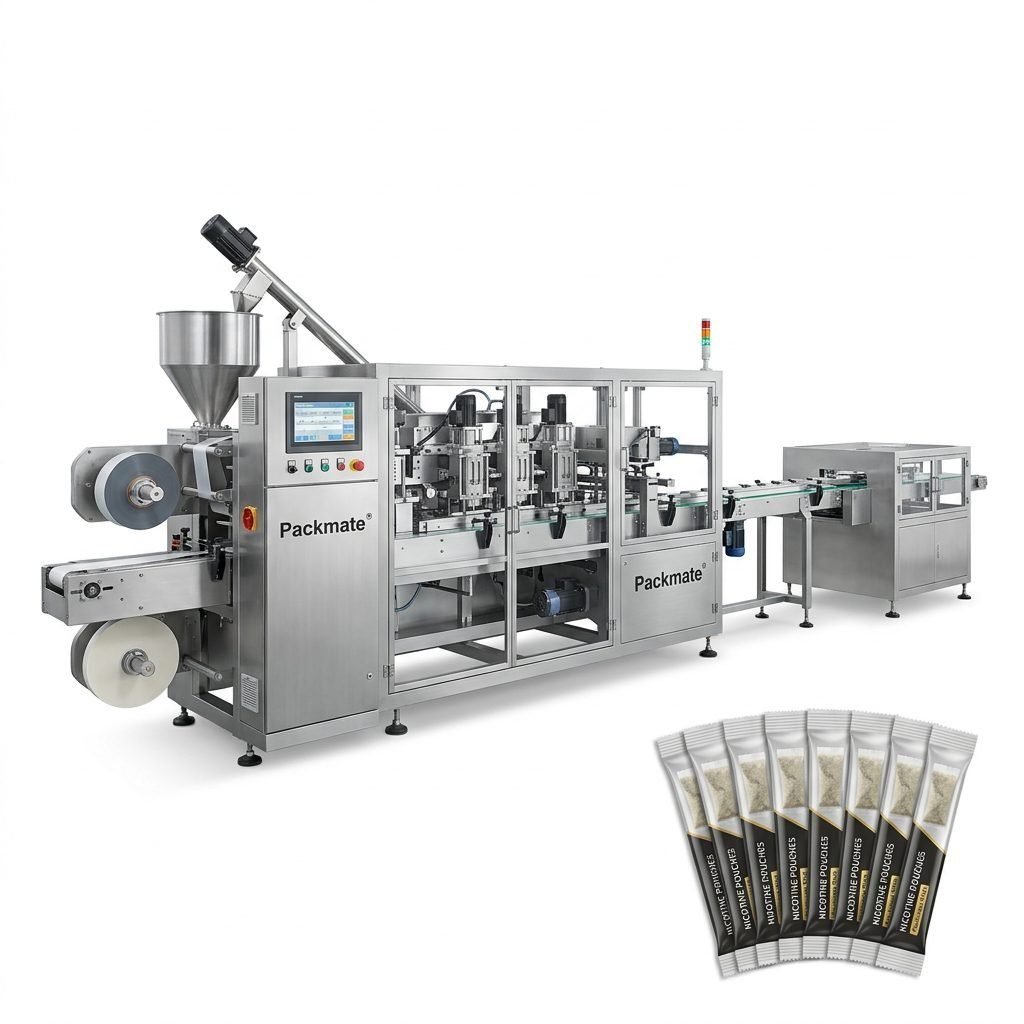
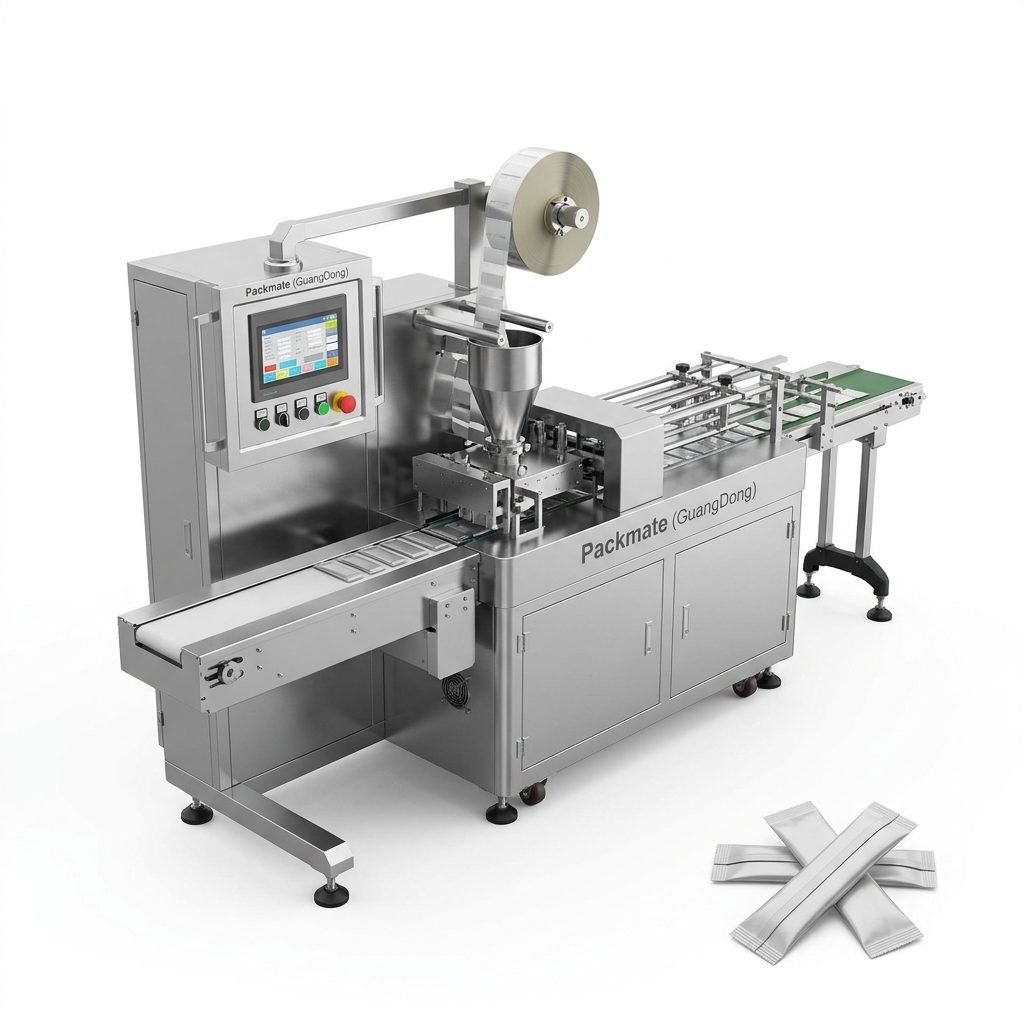
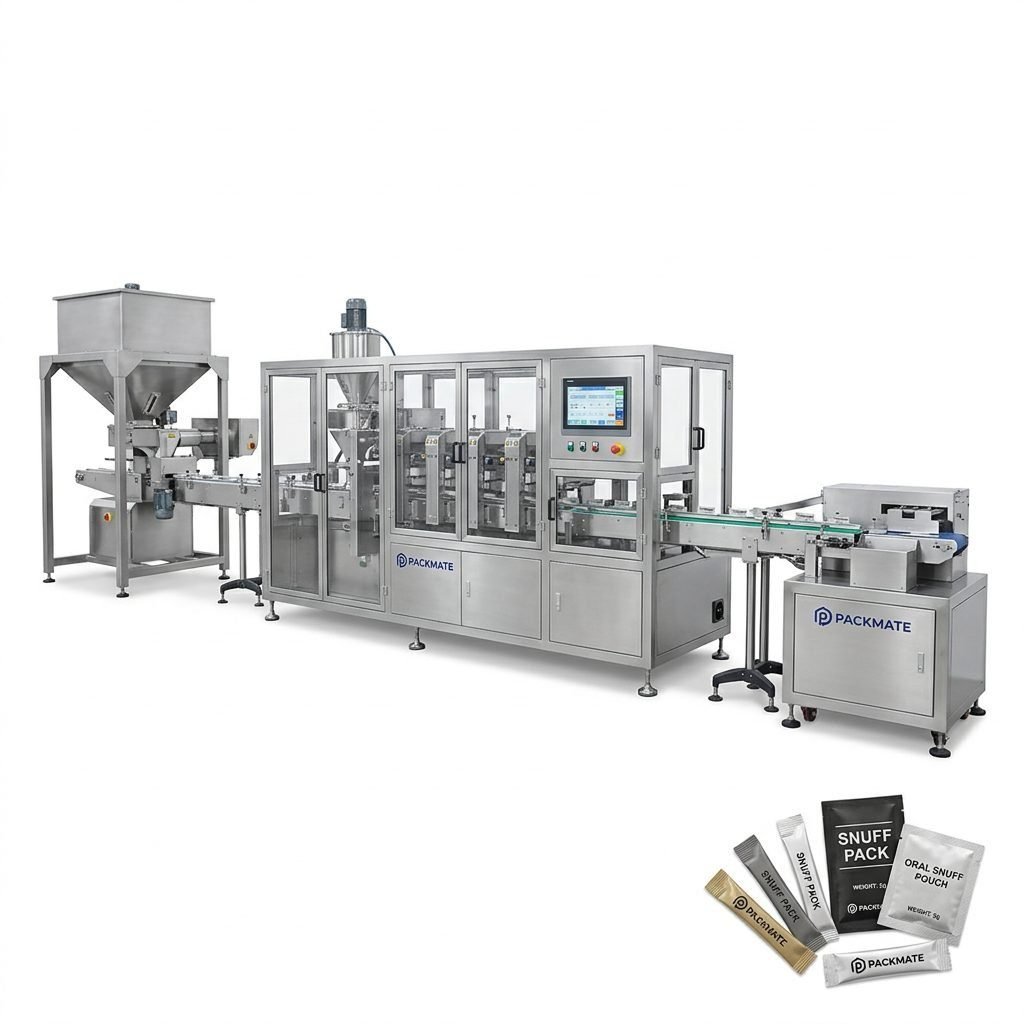
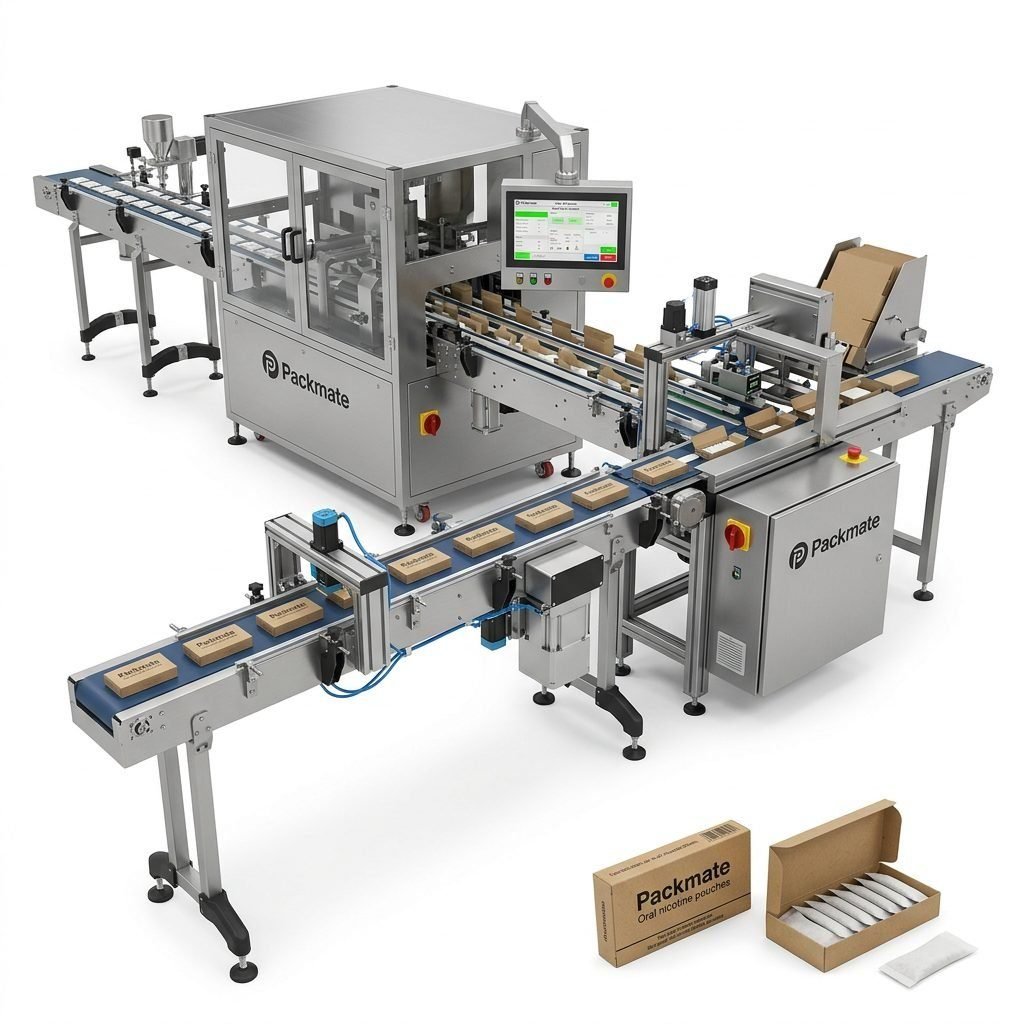
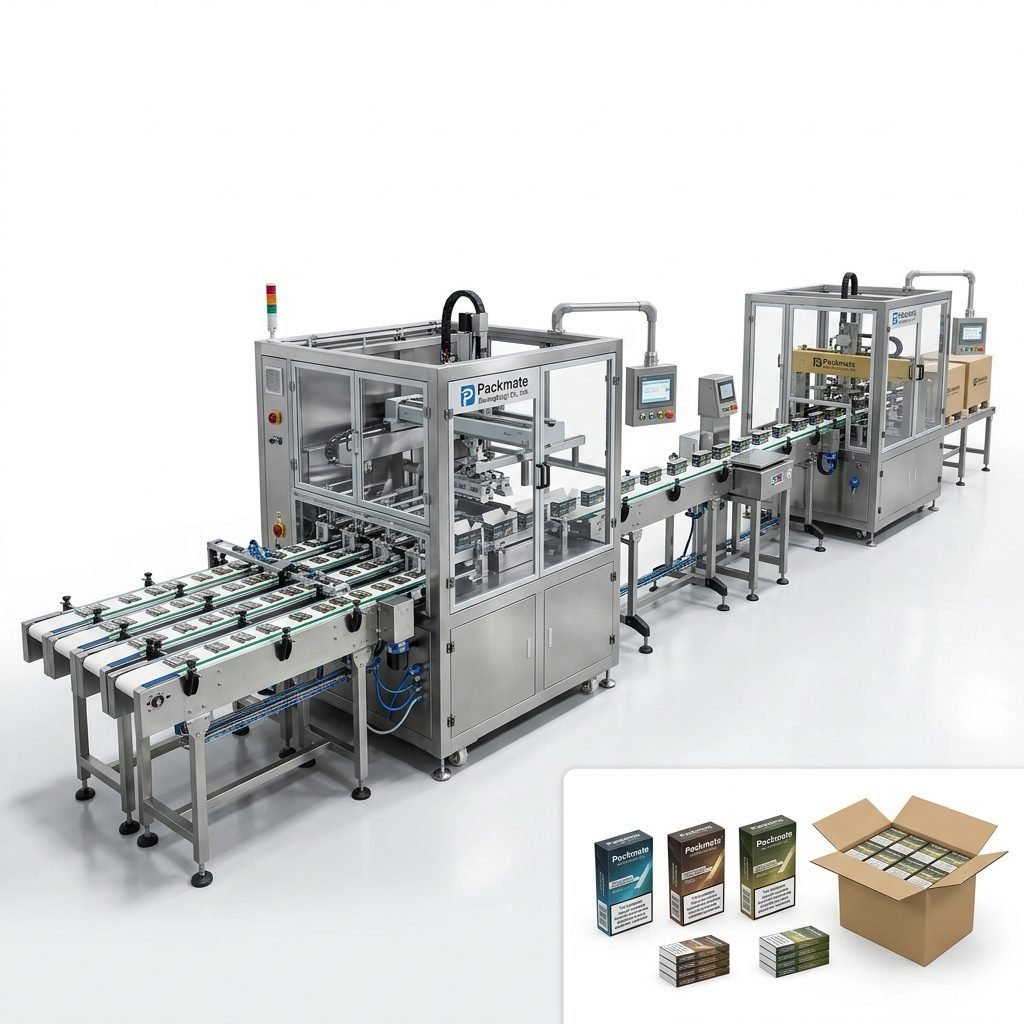
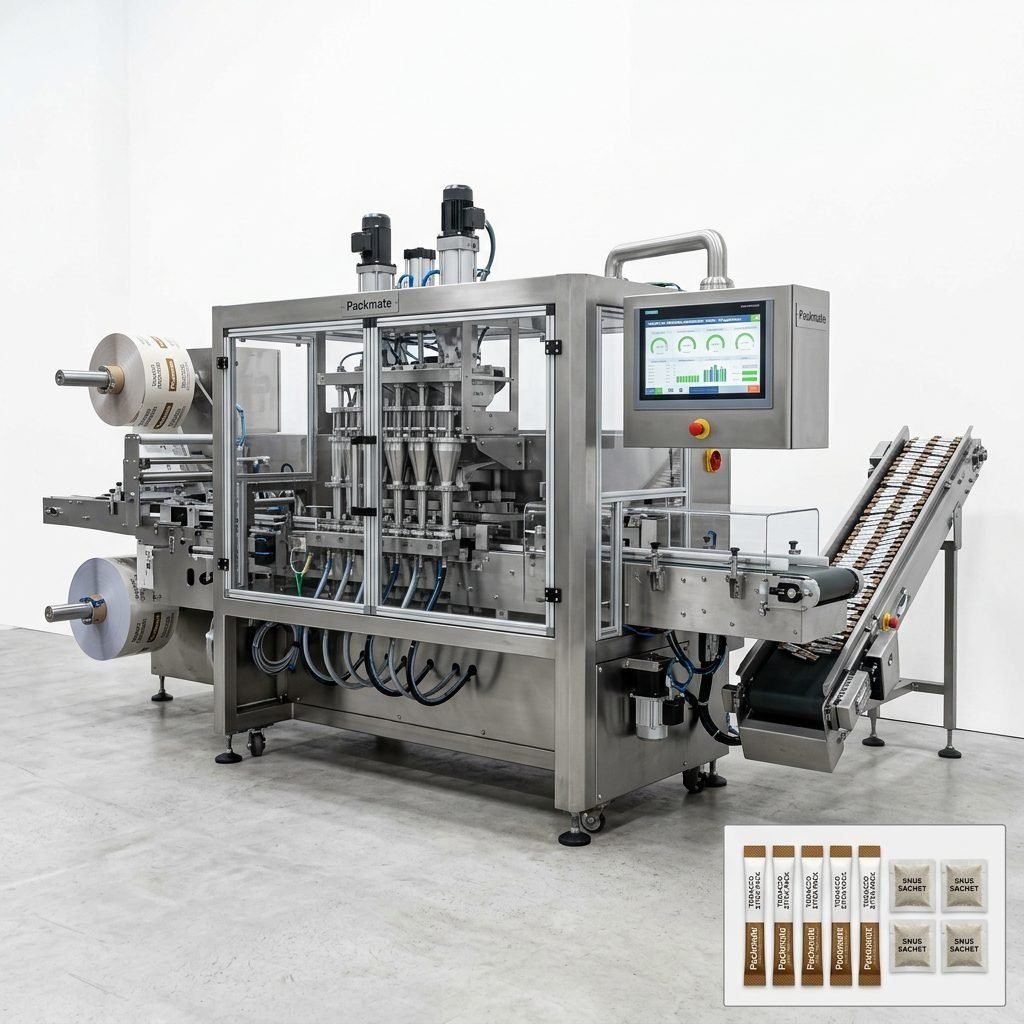
Choosing the right nicotine packaging machinery supplier in Lesotho requires a balance of technical insight, regulatory awareness, and local logistics understanding. Whether you are launching a small-batch nicotine pouch brand or scaling up a multi-lane snus production line, this guide walks you through practical steps, key evaluation criteria, and Lesotho-specific considerations to help you select a supplier that matches your production needs and business culture.
Understand Your Production Requirements
Start with a clear assessment of your production goals. Ask yourself: what is your target daily output? Do you need single-lane or multi-lane systems? Are you packaging nicotine pouches, snus, sachets, or stick packs? Matching the machine type to your product form is the first step to avoiding costly mistakes.
Important variables to define:
✔ Production capacity — average and peak throughput targets (pieces/hour or kg/hour).
✔ Product format — nicotine pouch diameters, sachet size, stick pack length, or tray sizes.
✔ Filling type — powder, granule, liquid or mixed formulations.
✔ Integration — need for upstream (weighing, dosing) or downstream (cartoning, sealing) equipment.
Why clear specs matter
Vendors design solutions around precise specs. Provide accurate data to get realistic quotes, lead times, and floor-layout recommendations. This saves time and ensures the supplier proposes machines that are optimized for yield and minimal waste.
Key Machine Features to Prioritize
🔍 Reliability & Stability — uptime is critical. Look for machines with proven track records in nicotine pouch production and rigid component sourcing.
⚙️ Precision Dosing — for small-dose nicotine pouches, accurate dosing mechanisms minimize product variance and regulatory risk.
🧭 Flexibility — quick changeover features, modular design, and support for various pouch sizes give you scalability without major capital overhaul.
Technical checklist
Evaluate servo control systems, sensor suites for quality detection, hygiene-friendly construction materials, and user-friendly HMI interfaces. If you plan automated lines, inspect compatibility with weighing and cartoning modules.
Supplier Evaluation: What to Ask
When you contact suppliers, use a structured questionnaire to compare proposals objectively. Key areas to cover include lead time, warranty, spare parts policy, training, and whether the supplier provides turnkey lines or individual machines.
🔧 Ask for these specifics:
• Factory acceptance test (FAT) procedures and whether you can witness FAT remotely or onsite.
• Spare parts lead times and recommended on-site inventory.
• Training plan for your operators and maintenance staff.
• References and case studies from similar projects.
Ask for evidence
Request machine videos, FAT reports, and contact details of existing customers. A supplier’s willingness to share these materials reflects transparency and confidence in performance.
Factory & Manufacturing Strength Matters
Strong manufacturing capabilities reduce lead times and improve component quality. Suppliers with advanced CNC centers, precision assembly lines, and rigorous QC processes are better positioned to deliver durable equipment. Consider suppliers with a wide product range and the capacity to customize solutions, especially if you might expand production later.
For example, manufacturers with decades of continuous engineering experience and a large factory footprint are more likely to handle complex multi-lane snus systems and deliver turnkey lines.
Certifications, Compliance & Safety
Ensure the supplier’s equipment meets international safety and quality standards. Certificates like CE and ISO indicate adherence to global requirements. For Lesotho operations, check whether machinery documentation supports import clearance, and whether electrical and safety standards match local utility conditions.
After-Sales Support and Spare Parts
After-sales service defines long-term value. Confirm response times for technical support, availability of remote troubleshooting, and on-site service options. A clear spare parts strategy — with recommended inventories and lead times — reduces unplanned downtime.
Key support questions:
• Is remote support available via video or secure connection?
• What is the standard warranty period and coverage?
• Does the supplier offer installation and commissioning in Lesotho or a neighboring country?
Pricing, Financing & Total Cost of Ownership
Price is important, but evaluate total cost of ownership (TCO): energy consumption, maintenance intervals, spare part costs, and expected service life. Ask suppliers for a TCO estimate for typical utilization and compare machines on lifecycle cost, not just initial purchase price.
Customization & Turnkey Solutions
If you require custom pouch sizes or integrated lines (weighing, filling, sealing, packing), prefer suppliers who provide turnkey solutions and have experience tailoring systems. A modular approach makes future upgrades easier and can reduce initial capital expenditure.
Explore product lines like specialized Snus & Nicotine Packaging Machines or modular Weighing & Packaging Systems if you need integrated dosing and packaging.
Lesotho-Specific Considerations
Lesotho is landlocked and largely relies on nearby South African ports and infrastructure for imports. When selecting a supplier, factor in shipping routes, customs clearance via South Africa, and inland freight to Maseru or your factory location. Suppliers familiar with Southern African logistics can simplify import paperwork and reduce unexpected delays.
Business culture in Lesotho places value on relationships and clear communication. Expect negotiations to benefit from patience, trust-building, and local representation where possible. English is widely used for business, but acknowledging local customs and languages (Sesotho) builds rapport with local partners and authorities.
Regulatory considerations: nicotine-related products are regulated in many jurisdictions. While specific Lesotho regulations vary and may evolve, ensure your machinery and product labels can comply with export requirements if you plan regional distribution. Engage local legal or regulatory advisors to confirm packaging and labeling standards.
Logistics & Installation in Lesotho
Verify the supplier’s experience shipping to Southern Africa and whether they provide CIF (Cost, Insurance, Freight) or DAP (Delivered at Place) options. Clarify who handles customs clearance, duties, and inland trucking. If the supplier offers commissioning services in Lesotho, this can greatly shorten ramp-up time.
How to Make the Final Selection
Use a weighted decision matrix. Assign importance to categories such as price, quality, lead time, after-sales, and local logistics. Score each supplier and compare totals. Include a risk assessment for parts availability and the supplier’s financial stability.
Selection checklist (quick):
• Technical match to product specs.
• Proven references and FAT documentation.
• Clear warranty and spare parts plan.
• Experience with Southern African logistics.
• Professional training and commissioning support.
Vendor Examples & Further Reading
Research manufacturer case studies to see similar projects. For example, review the supplier’s case library and product catalogs when available. You can explore product pages for insight into the types of machines and configurations that best suit nicotine pouch production: Case, Sachet & Stick Pack Machines, and general About Packmate.
Negotiation Tips
Negotiate on delivery terms, payment milestones, and spare parts kits. Consider requesting a phased payment schedule tied to FAT completion and successful installation. Ask for a basic spare parts package to be included in the initial sale to protect early production.
Making the First Purchase: Practical Steps
1) Finalize your technical specification and production plan.
2) Request detailed proposals and FAT schedules from shortlisted suppliers.
3) Review warranty, spare parts, and training packages.
4) Confirm logistics, customs handling, and commissioning responsibilities.
5) Sign contracts with clear acceptance criteria and payment milestones.
After purchase
Plan operator training early, set up preventive maintenance schedules, and stock critical spare parts. Early collaboration with the supplier during commissioning ensures quicker stabilization of production and helps prevent avoidable issues.
Conclusion: Make Informed, Relationship-Driven Choices
Selecting the best nicotine packaging machinery supplier in Lesotho blends technical due diligence with pragmatic logistics and local relationship management. Prioritize suppliers with proven snus or nicotine pouch experience, robust after-sales support, and familiarity with Southern African import routes. A reliable supplier becomes a long-term partner that supports growth, compliance, and product quality.
Useful resources
Visit the manufacturer’s product pages and service information to compare specific machine models and support offerings: Snus & Nicotine Packaging Machines, Filling & Packaging Lines, and the Contact Us page to request quotes or FAT invitations.
Common Questions
Q1: How much floor space do nicotine pouch machines require?
A1: Space depends on configuration and whether you have integrated upstream/downstream equipment. Single machines can fit compactly, while turnkey lines require detailed layout planning. Always request a machine layout drawing and a recommended clear working area from the supplier.
Q2: How long is the lead time for a multi-lane snus packaging line?
A2: Lead times vary with customization and factory capacity. Typical delivery ranges from several weeks for standard units to several months for customized turnkey lines. Confirm FAT schedule and shipping timelines before placing orders.
Q3: What level of local support can I expect in Lesotho?
A3: Local support may be limited; however, reputable suppliers offer remote troubleshooting, spare parts shipping, and regional technicians through partnerships. Ask suppliers about regional service networks and commissioning support in Southern Africa.
Q4: Are nicotine packaging machines easy to operate for new staff?
A4: Modern machines prioritize user-friendly HMIs and simple changeovers. Training is still essential — confirm the supplier’s training plan and request on-site or virtual sessions for operators and maintenance teams.
Q5: How can I ensure compliance with product and packaging regulations?
A5: Work with local regulatory experts and ensure your supplier provides documentation, material certificates, and labeling support. If exporting, verify destination country requirements early in the process.