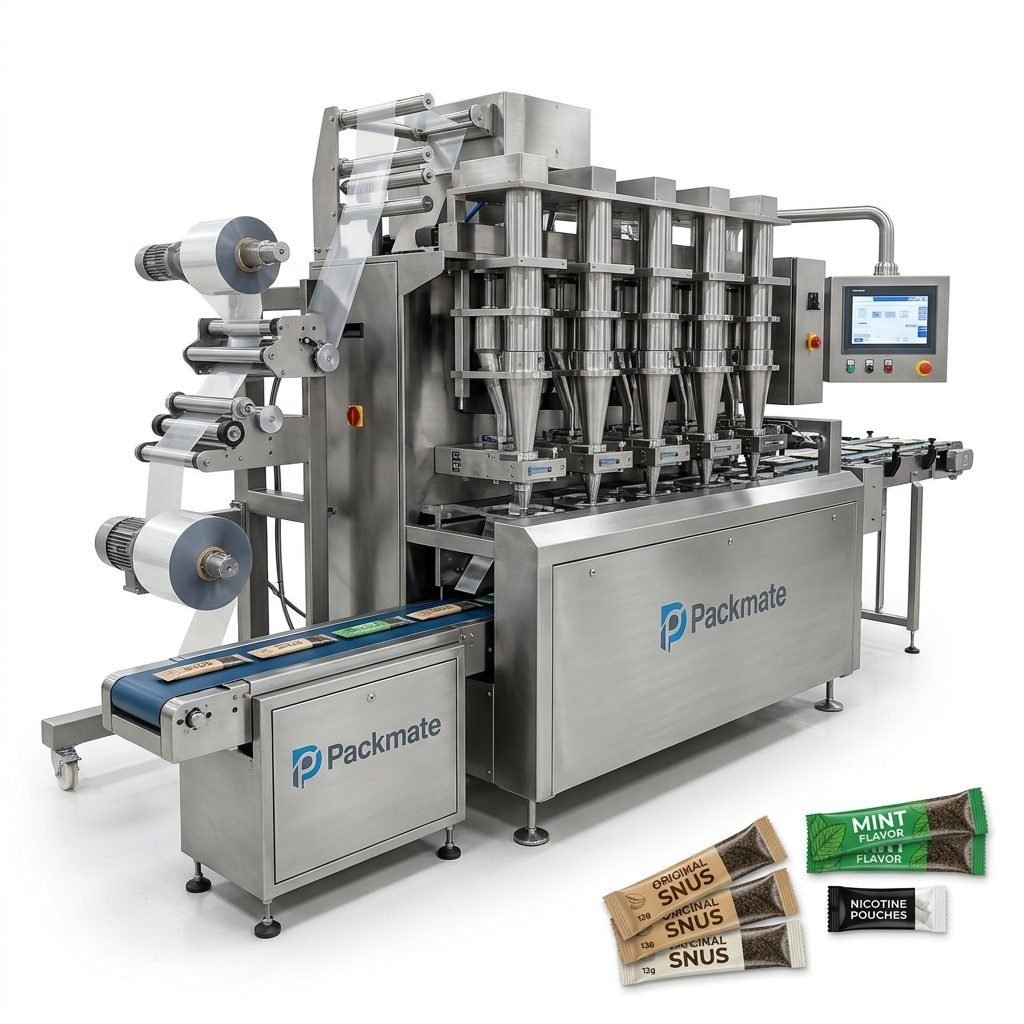
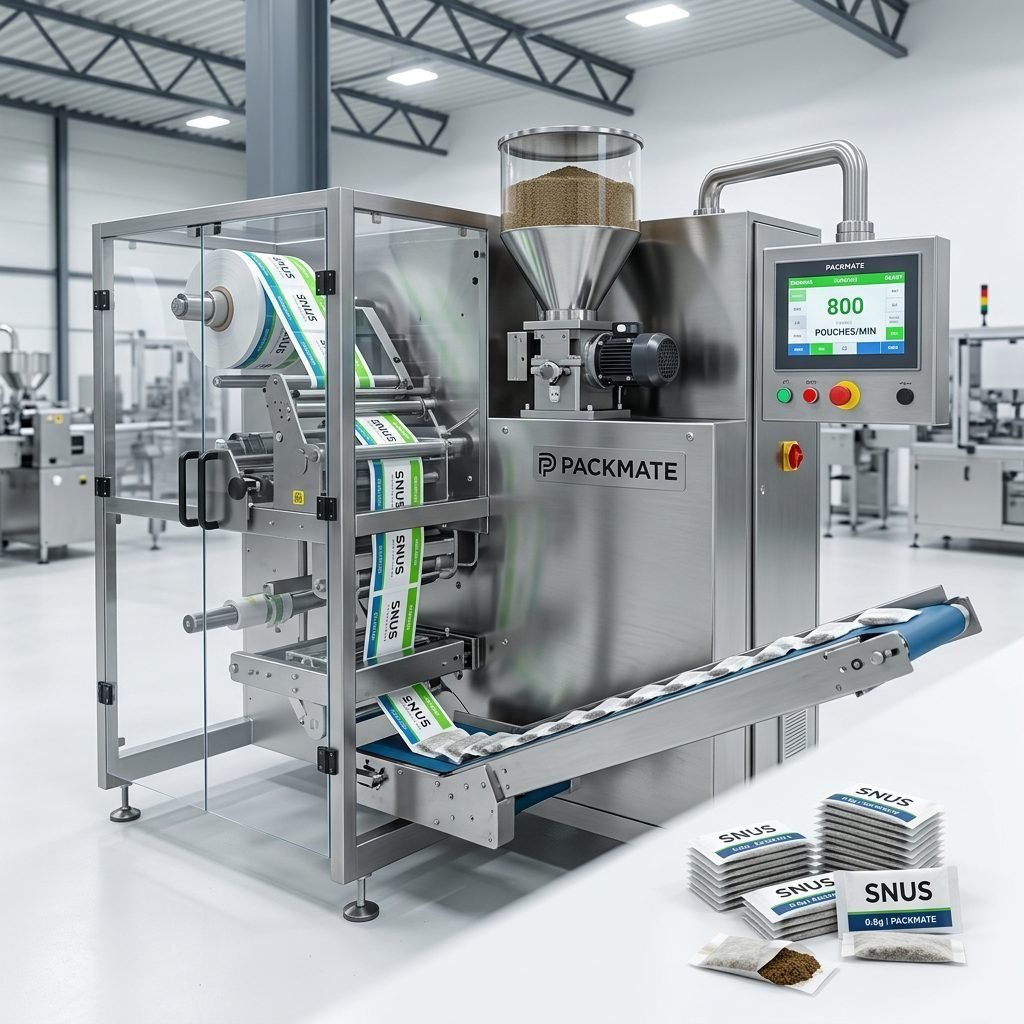
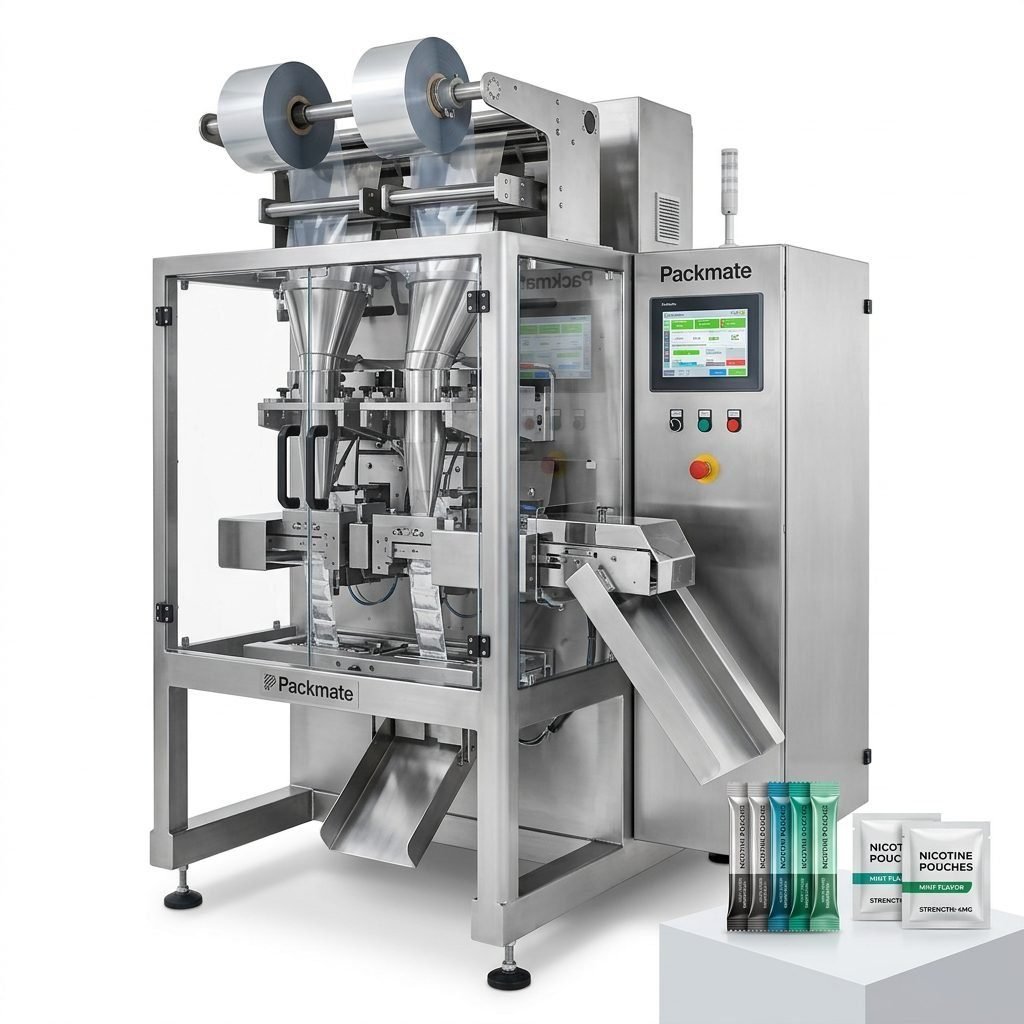
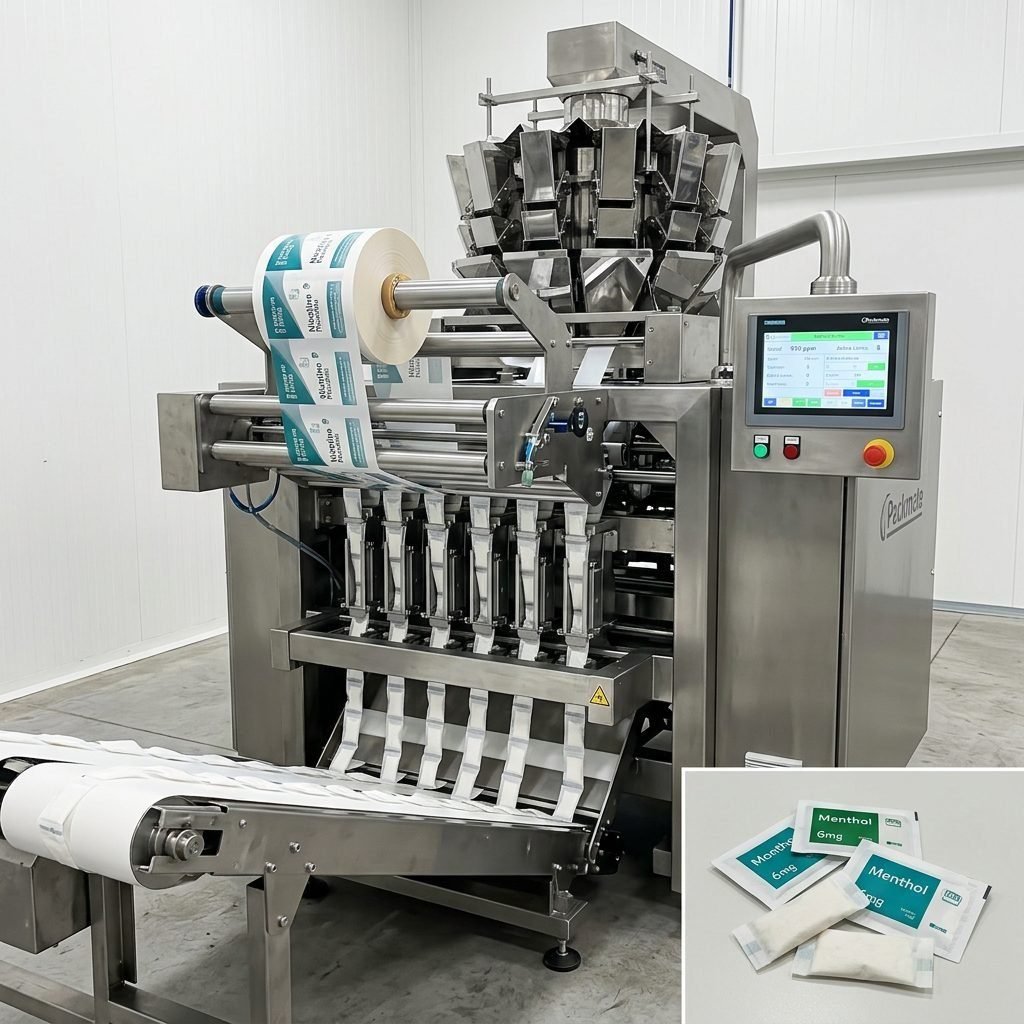
Choosing the right snus packaging machine supplier for Fiji requires more than price comparison. From island logistics to local market preferences and regulatory constraints, the supplier you select will directly affect product quality, uptime, and long-term profitability. This guide breaks down the critical factors you should evaluate to confidently select a supplier that meets technical, commercial, and after-sales needs in Fiji.
Understand the Fiji Market and Local Customs
Fiji’s retail landscape blends small local stores, duty-free outlets, and growing supermarket chains across islands. Consumers often value convenience, clear labeling, and portability. When planning snus or nicotine pouch packaging for Fiji, consider:
✔️ Local logistics: Shipping between islands can be slow and expensive; machines that are modular or easy to commission on-site reduce downtime and freight complexity.
✔️ Cultural considerations: Fiji’s communities prefer clear, durable packaging that stands up to humid climates. Waterproof seals and robust pouch materials are vital.
1. Supplier Experience and Industry Credentials
Prioritize suppliers with a proven track record in snus and nicotine pouch packaging. Look for:
🔧 30+ years of engineering or similar experience — this often translates to mature designs and fewer teething problems. Verify certifications such as CE and ISO to ensure compliance with international safety and quality benchmarks.
Tip: Ask for machine performance data and references from markets with similar climate and logistics, such as Pacific islands or tropical regions.
Reference & transparency
Request case studies and on-site photos or videos. You can review supplier portfolios such as their snus machine product line — for example, suppliers often list machines on their site under Snus & Nicotine Packaging Machines to show technical capabilities and typical applications. A trustworthy supplier will share production case examples and allow client contact for verification. See supplier cases.
2. Machine Models, Flexibility and Customization
Fiji customers often require flexibility to serve small retailers and larger chains. Ensure the supplier provides a range of models:
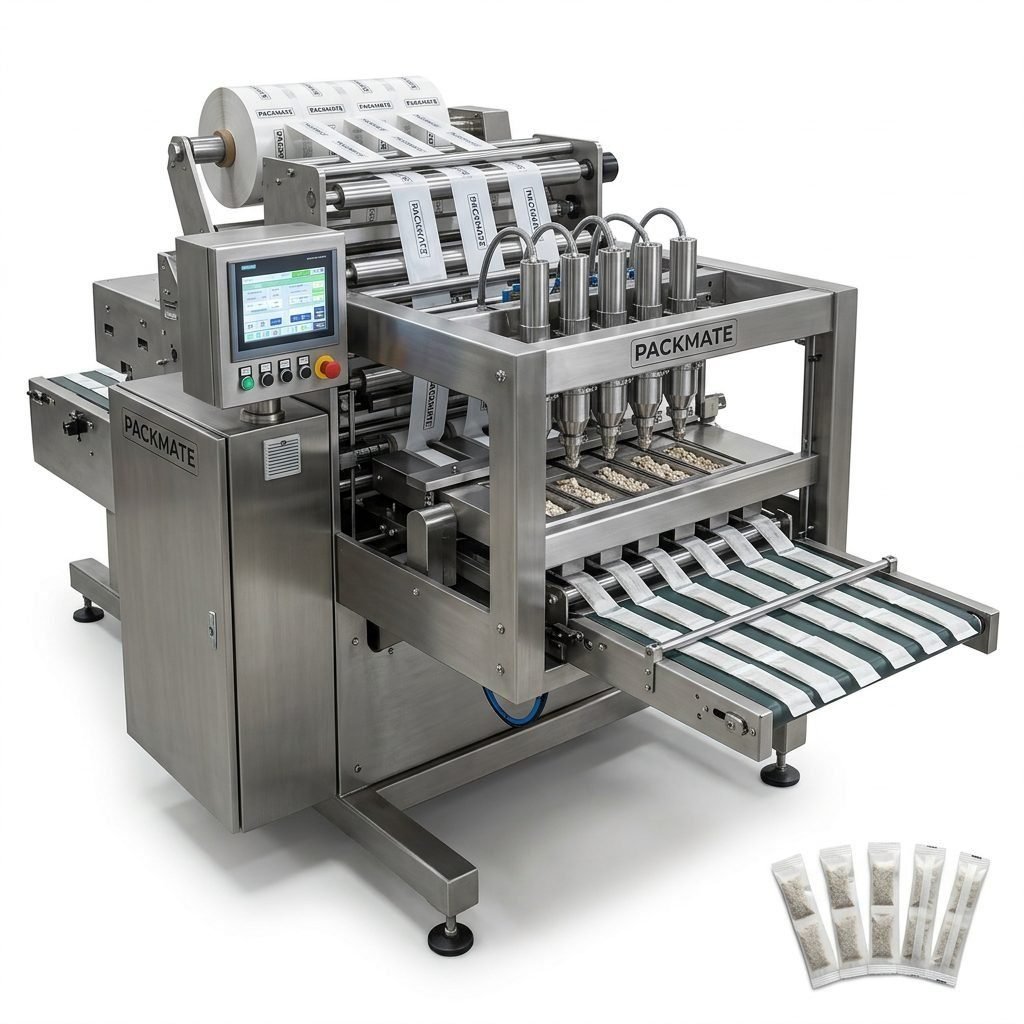
✔️ Multi-lane systems for higher throughput when demand scales.
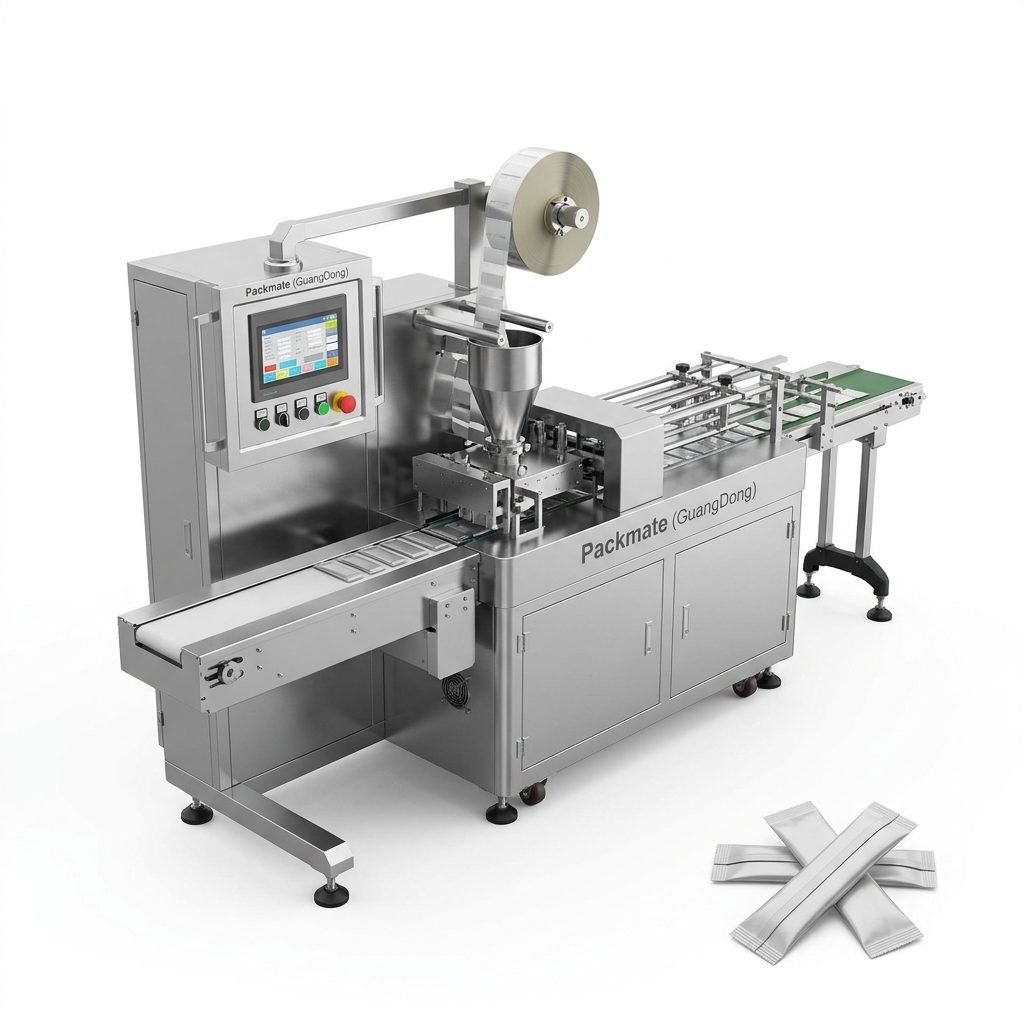
✔️ Single-lane or compact units for lower volumes and island-based operations with limited floor space.
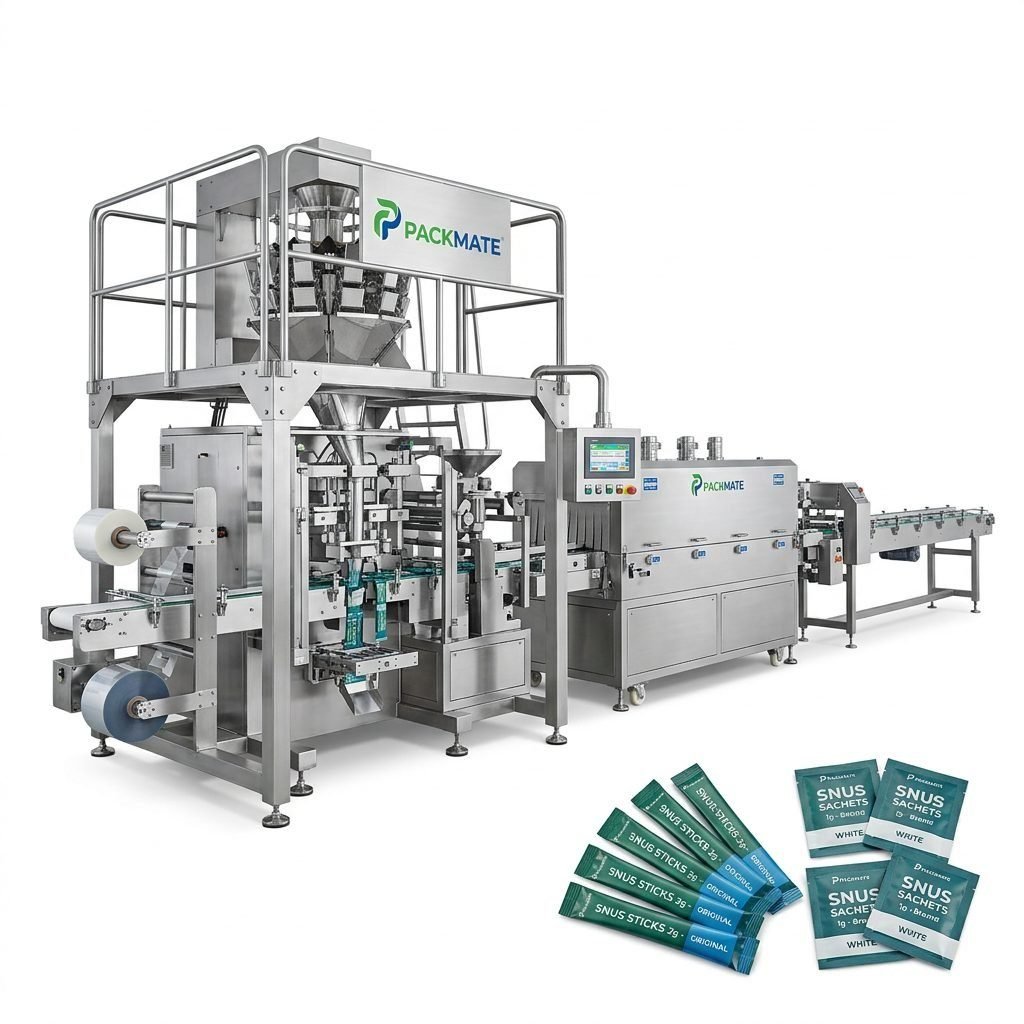
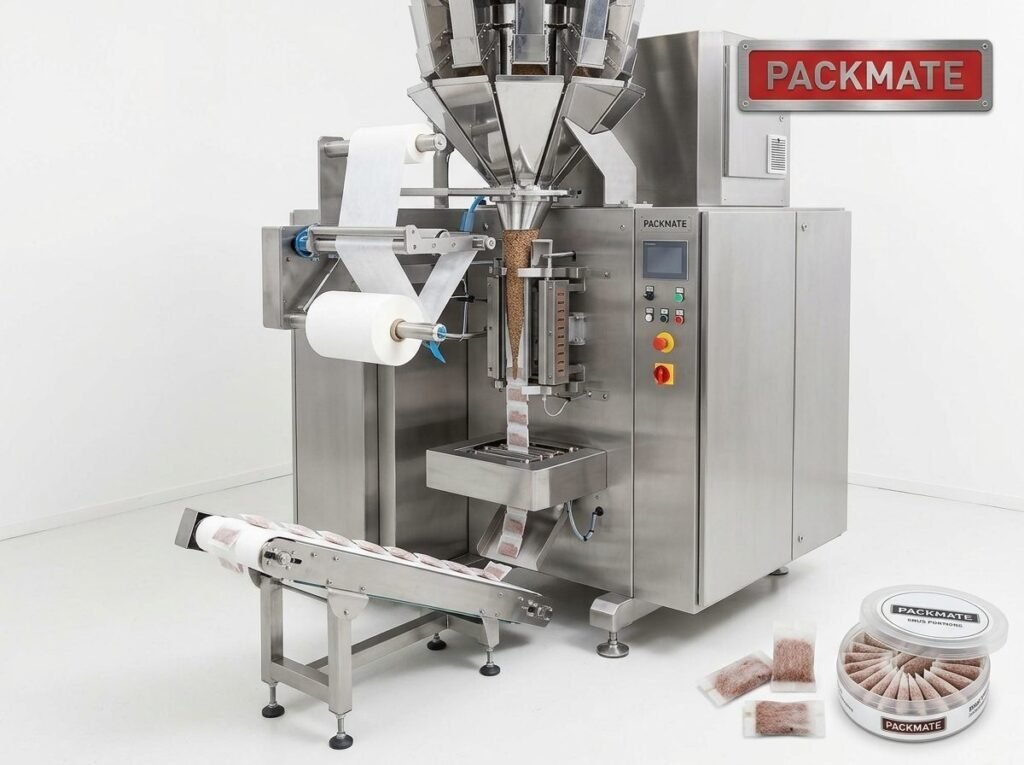
Look for suppliers who can provide turnkey solutions — from weighing and filling to sealing and final pack — so you receive a fully integrated line. A supplier’s product range like Bag & Pouch Packaging Machines or Sachet & Stick Pack Machines helps confirm their ability to tailor lines to product formats and dosing needs. Explore sachet & stick options.
3. Production Capacity, Lead Times and Factory Strength
Assess lead time realism and factory capability. Suppliers with large, well-equipped factories (e.g., 20,000㎡ workshops, CNC centers, and precision assembly lines) generally deliver more reliably. Key questions:
- What is the standard lead time for standard machines and for custom configurations?
- Can the supplier handle scale-up quickly if your Fiji demand grows?
- Do they provide pre-shipment testing and FAT (Factory Acceptance Test)?
4. After-Sales Service, Spare Parts and Local Support
On an island market like Fiji, fast access to spare parts and skilled technical support is vital. Evaluate:
⚠️ Response time: Ask for guaranteed response times for remote troubleshooting and onsite visits.
Essential: A stocked spare parts list and local distributor arrangements reduce downtime. Confirm whether the supplier offers training for local technicians and operators before shipment.
Suppliers with global turnkey solutions and service pages often list support packages and logistics planning under their Service or Contact pages — review those sections when evaluating commitments. Supplier service offerings.
5. Total Cost of Ownership (TCO) vs. Purchase Price
The lowest upfront cost is rarely the best choice. Consider:
- Energy consumption and efficiency
- Spare parts costs and availability
- Downtime rates and mean time between failures (MTBF)
- Training, installation, and commissioning costs
Ask the supplier to provide an estimated three-year TCO scenario for your expected production volumes — reputable vendors will model this for you.
6. Quality Assurance, Testing and Certifications
Verify that machines undergo strict quality control and testing. Important items:
🔍 FAT & SAT — Factory Acceptance Testing and Site Acceptance Testing procedures should be documented.
Check for CE, ISO or other applicable certificates and a clear manufacturing traceability system. Suppliers often publish these on their Certificate or About pages. Supplier certificates.
7. Regulatory Compliance and Packaging Materials
Fiji and Pacific nations may have specific labeling and ingredient disclosure rules for nicotine products. Ensure your supplier can:
- Accommodate variable label printing and variable data printing for batch codes and regulatory text
- Recommend suitable barrier films and seals for humid, tropical climates
- Support child-resistant packaging features if required by local laws
Materials and climate
Note: Humidity resistance and strong seals are non-negotiable for Fiji. Ask the supplier about recommended pouch substrates and testing protocols for water vapor transmission rates (WVTR).
8. Logistics, Packaging for Shipment and Local Commissioning
Island shipping demands smart packaging and clear installation instructions. Confirm:
✈️ Shipping options — sea freight vs. consolidated shipments to Fiji, and whether the supplier can handle customs documentation.
🔧 Onsite commissioning — does the supplier offer a technician visit for installation or remote commissioning support?
9. Training, Documentation and Language
Training operators and maintenance staff reduces downtime. Check:
- Whether the supplier provides operator manuals and maintenance guides in English
- Onsite or virtual training sessions tailored for your staff
- Spare parts lists and recommended preventive maintenance schedules
10. Visiting the Factory, Exhibitions and Live Demos
If possible, visit the factory or see machines at trade shows. Suppliers that attend global exhibitions and invite customers to watch live demos demonstrate transparency and confidence in their equipment. View exhibitions.
Quick checklist for factory visits: production floor tour, quality control stations, FAT procedure walkthrough, and review of spare parts inventory.
11. Contract Terms, Warranties and Payment Options
Carefully review warranty coverage, payment milestones, and acceptance criteria. Preferred suppliers offer:
- Clear warranty period and covered components
- Options for extended service contracts
- Staged payments tied to delivery, FAT, and SAT milestones
12. Making the Final Decision: Practical Steps
Use a weighted decision matrix to compare suppliers across categories like price, machine reliability, lead time, service support, and customization. Assign weights to reflect Fiji priorities such as spare parts availability and humidity-resistant packaging options.
Actionable checklist (use before you sign):
- Obtain FAT report and performance guarantees
- Confirm spare parts lead times to Fiji ports
- Secure training dates and documentation in English
- Agree on commissioning support and warranty terms
Additional Resources and Suppliers to Review
To compare machine types and supporting systems, review supplier pages for product categories such as Snus & Nicotine Packaging Machines and auxiliary systems. These pages often outline available configurations, optional modules, and integration with weighing & packaging systems. Snus & Nicotine Packaging Machines and Weighing & Packaging Systems are good starting points.
Why Packmate-style Suppliers Are Often a Good Fit
Suppliers with long R&D histories, large manufacturing facilities, and diverse product lines offer advantages for Fiji operators:
- Robust engineering and multi-lane solutions for scale
- Comprehensive spare parts inventories and global service networks
- Turnkey capabilities that simplify delivery and startup
If you want to learn more about a supplier’s background and commitments, check their About page and contact them for detailed product catalogs and references. About Packmate and Contact the supplier.
Final considerations before purchase
Balance technology with practicality. For Fiji, prioritize machines that are durable under humid conditions, easy to maintain with available local skills, and backed by a supplier committed to spare parts and training. Investing in a slightly higher-grade machine from a reputable supplier often reduces total cost and risk over time.
Quick recap
Essentials: Verify certifications, confirm spare parts logistics to Fiji, secure clear FAT/SAT processes, and arrange operator & maintenance training before shipment.
Frequently Asked Questions (FAQs)
Q1: Are snus and nicotine packaging machines legal to import into Fiji?
A: Legal status depends on local regulations regarding nicotine products. Before purchasing equipment, consult Fiji’s Ministry of Health and local customs to confirm import and sale rules. Suppliers can often provide documentation to assist customs classification.
Q2: How long does delivery and commissioning typically take for Fiji?
A: Typical lead times vary by machine complexity. Basic single-lane machines may ship in weeks; multi-lane turnkey lines often require months for custom engineering, FAT, and shipping. Factor in sea freight time and local customs clearance; always confirm estimated arrival and commissioning windows with the supplier.
Q3: What after-sales support should I expect?
A: Expect remote technical support, spare parts lists with lead times, and optional on-site commissioning visits. Good suppliers provide training manuals in English and remote training sessions for operators and technicians.
Q4: Can machines be customized for specific pouch sizes and materials?
A: Yes — most reputable suppliers offer customization for pouch dimensions, materials, and multi-lane configurations. Confirm the extent of customization, prototype testing, and additional costs before finalizing the order.
Q5: How do I verify a supplier’s credibility?
A: Request factory photos, FAT reports, client references, certifications, and attendance at exhibitions. Reviewing product pages such as Filling & Packaging Lines or Auxiliary Packaging Equipment can reveal the supplier’s breadth of capability and industry focus.