Choosing the right snus packaging machine manufacturer in Belarus can make or break your product launch. Whether you are producing nicotine pouches, traditional snus, or discreet tobacco-free sachets, the machine supplier you pick affects product quality, compliance, uptime, and your ability to serve local tastes. This guide walks you through practical steps and local considerations so you can select a reliable partner and scale efficiently.
Market Snapshot: Why Belarus Matters
Belarus occupies a unique position between EU and CIS markets. Local consumers often value discreet, high-quality nicotine pouches and expect clear Russian-language labeling and reliable supply chains. For manufacturers and brands entering Belarus, it’s important to balance European regulatory expectations with local distribution practices, import processes, and payment preferences. When vetting packaging partners, prioritize suppliers who understand cross-border logistics, regional certification, and perishable handling during cold months.
Key Local Considerations
• Local language support (Russian/Belorussian) for manuals and training is often required.
• Winter shipping conditions require robust packaging solutions and reliable sealing to prevent product damage.
• Payment terms and customs clearance practices can favor partners who offer flexible commercial terms and documentation in Russian.
1. Start with the Right Machine Types
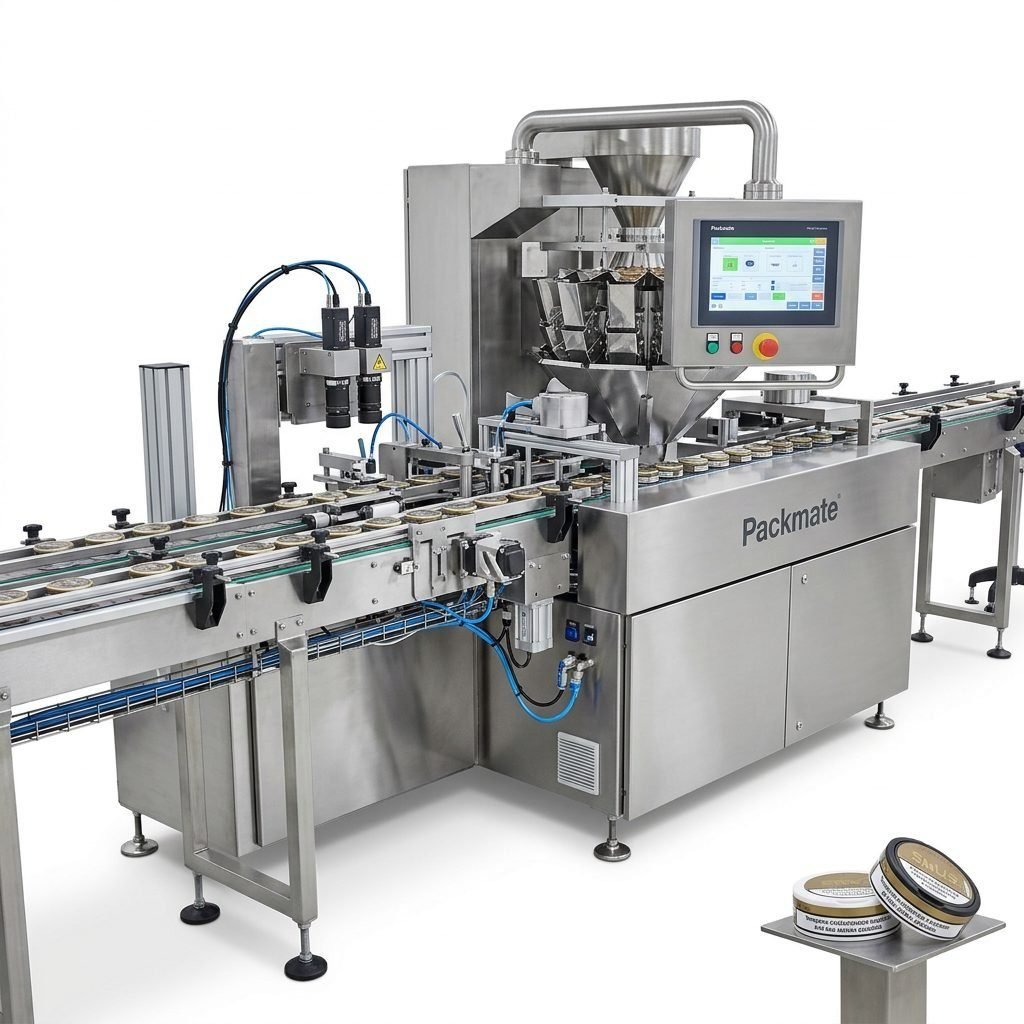
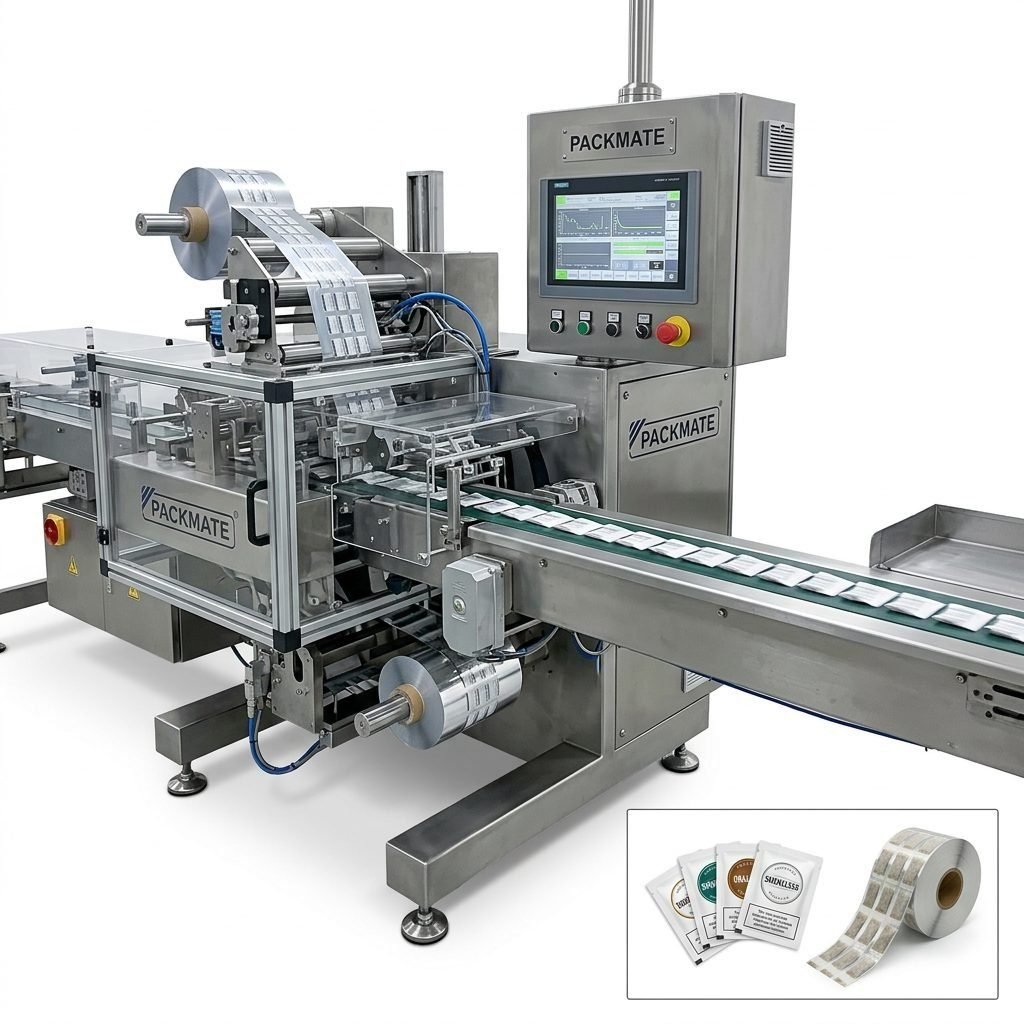
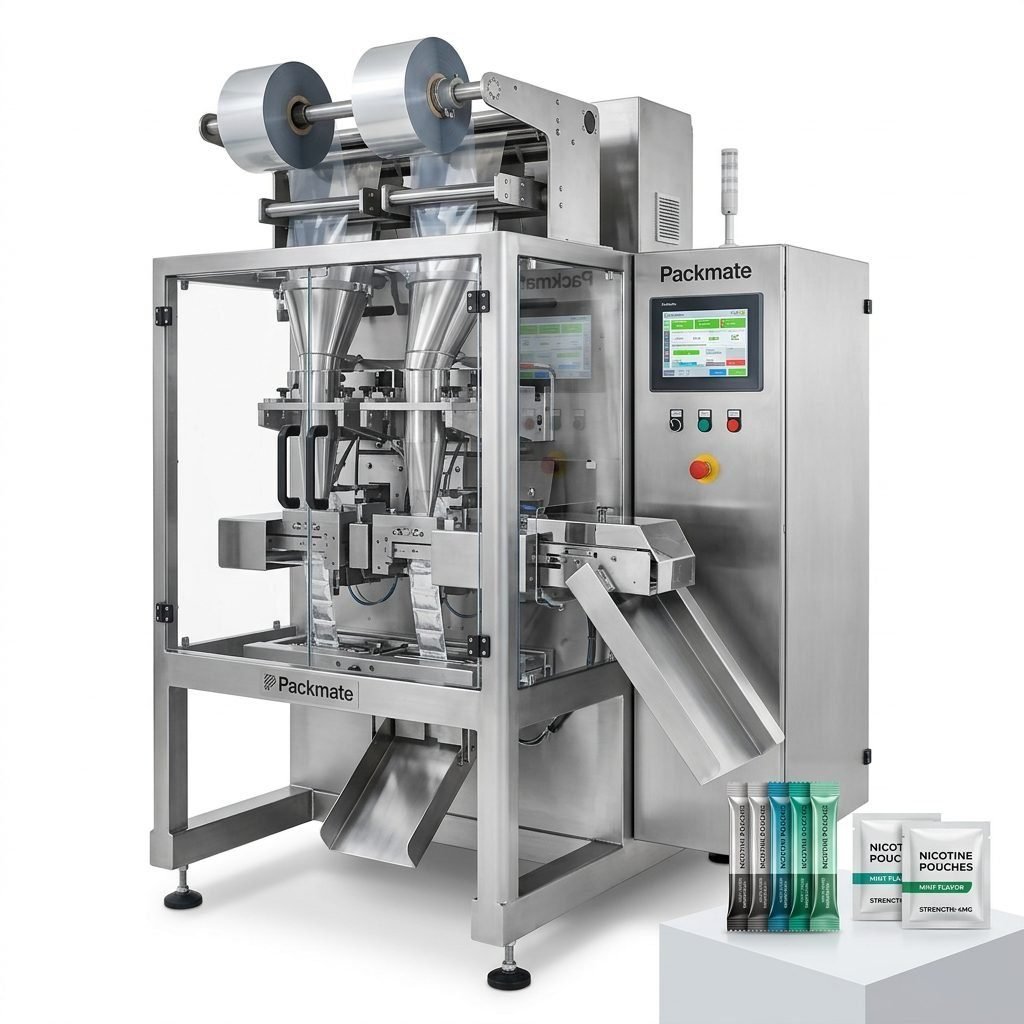
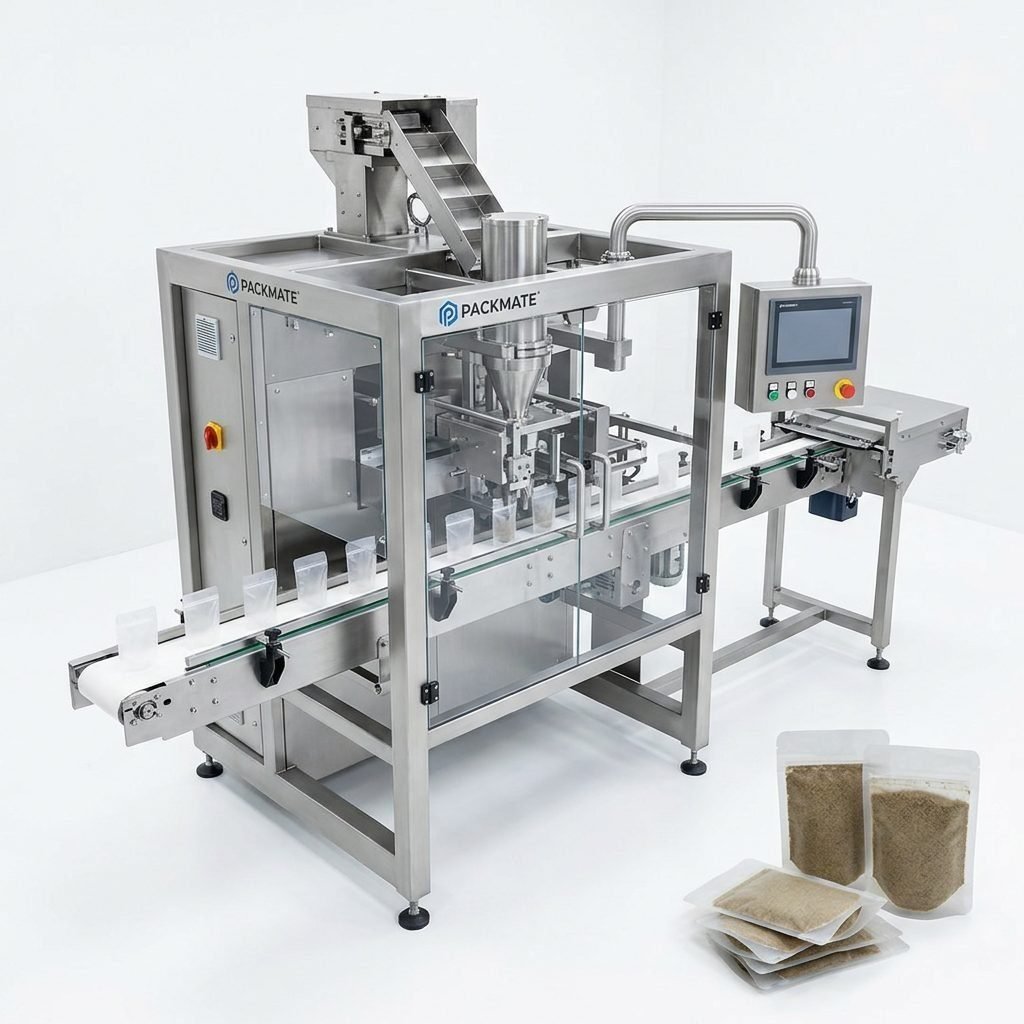
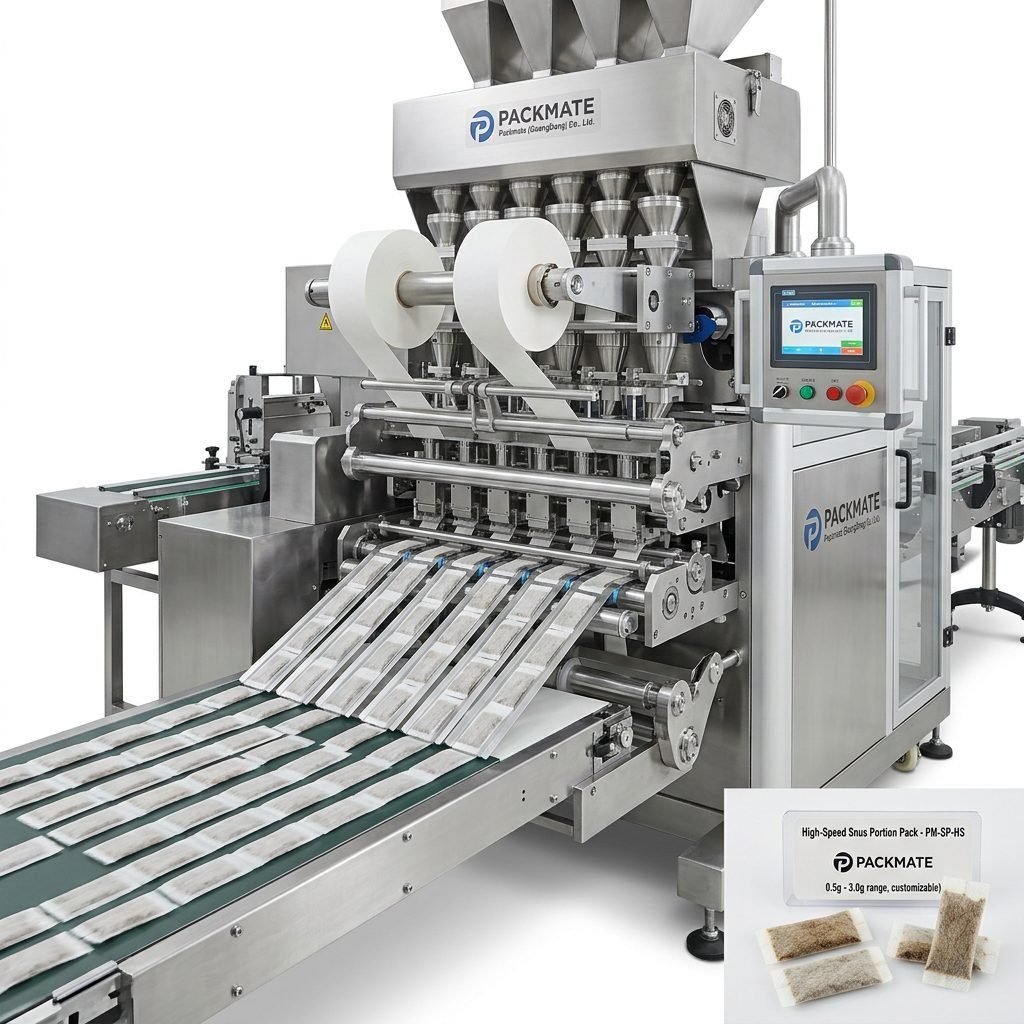
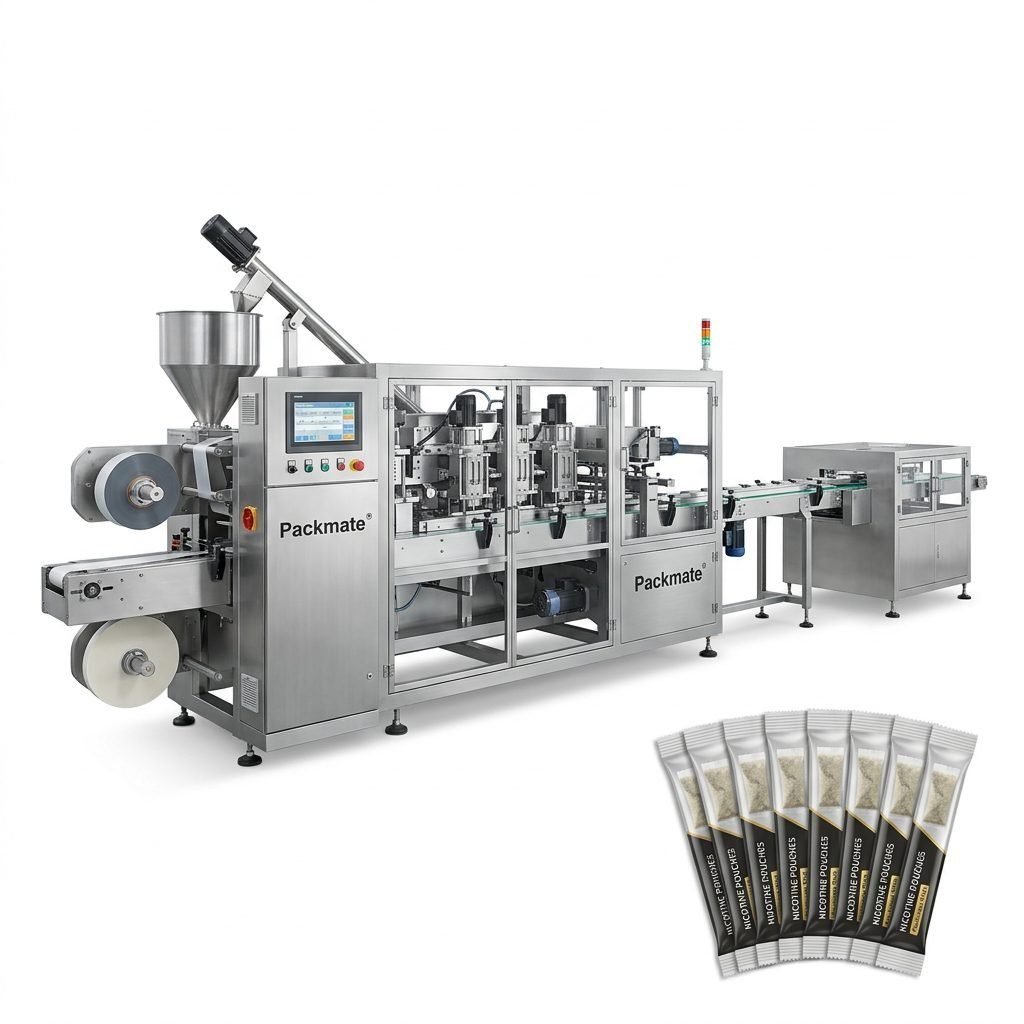
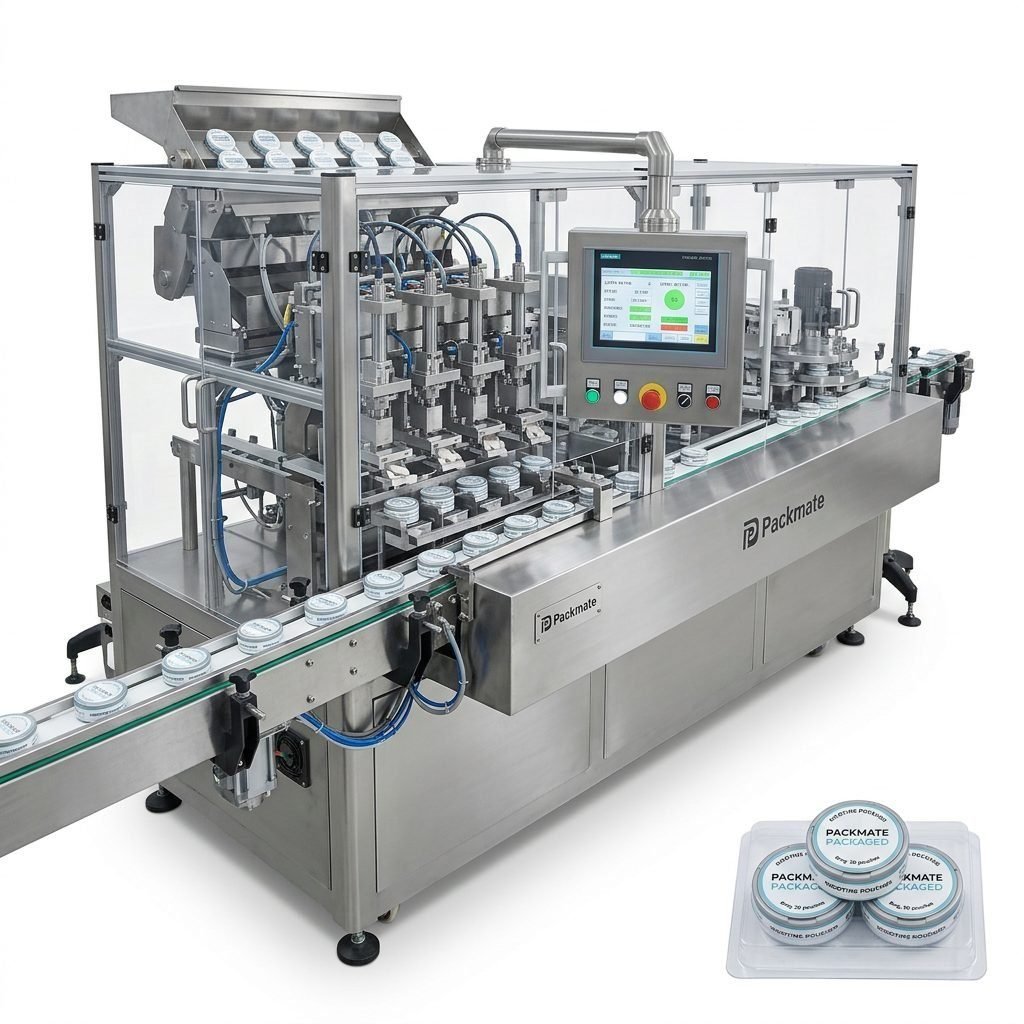
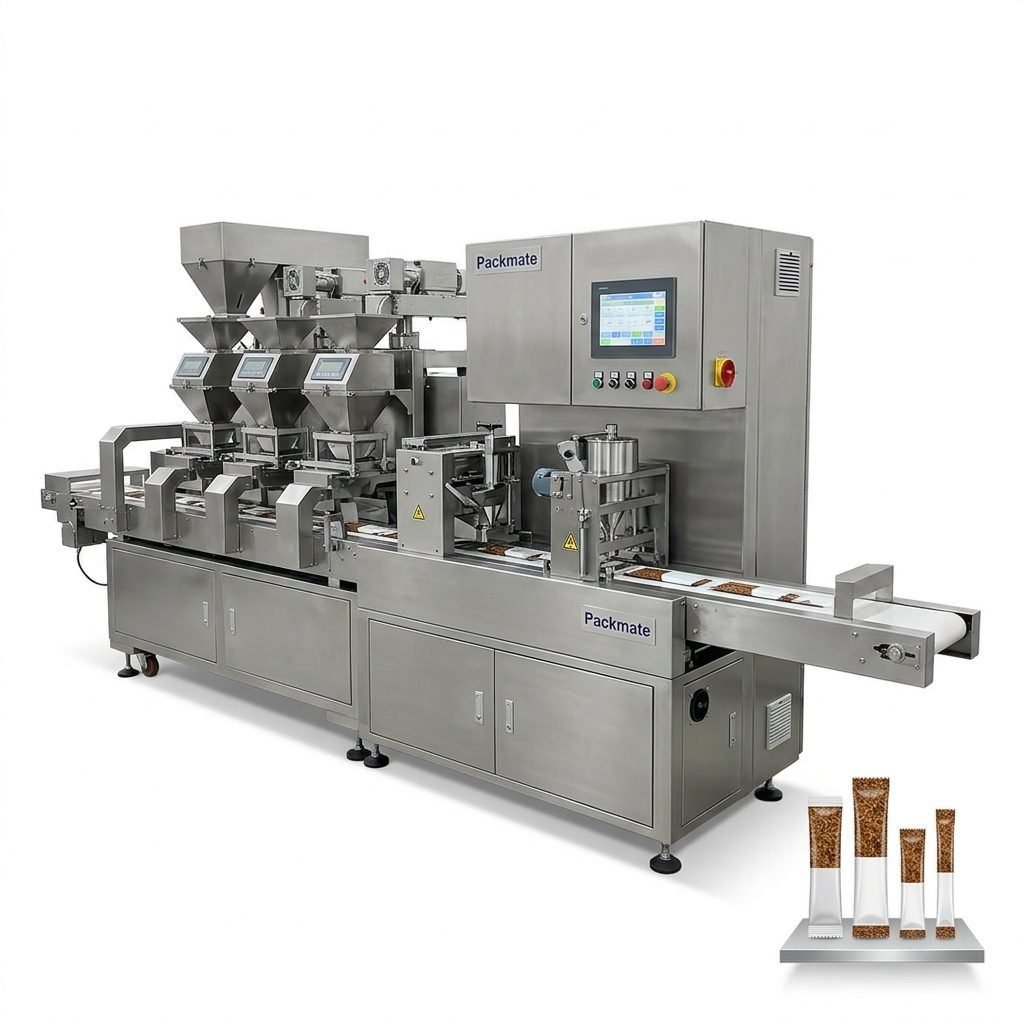
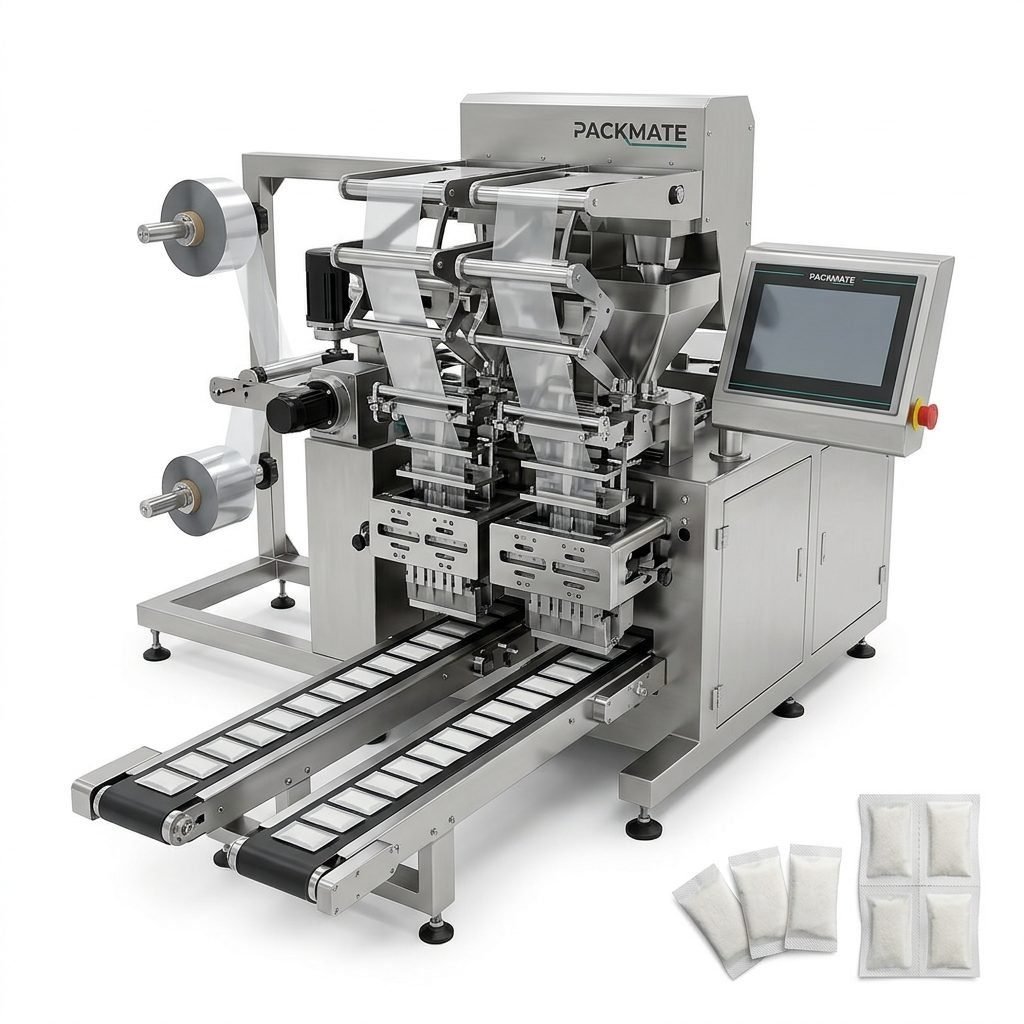
Look for manufacturers that offer machines specifically designed for snus and nicotine pouches, such as stick pack, sachet, and multi-lane pouch systems. These machines need precise dosing for small volumes and consistent sealing to protect nicotine stability. Review product pages and technical specifications — for example, Packmate’s range includes dedicated lines for snus and nicotine pouches that are optimized for multi-lane, small-dose applications (Snus & Nicotine Packaging Machines).
Checklist: Machine Features to Prioritize
✅ High-precision dosing for micro-gram level fills; important for nicotine pouches.
✅ Multi-lane capability to increase throughput while keeping footprint compact.
✅ Stable sealing and controlled atmosphere options to preserve freshness.
✅ Modular design for add-on weighing, labeling, or banding systems.
2. Factory Capacity, Experience & Certifications
Choose manufacturers with large, well-equipped factories and a proven track record. Packmate, for example, has a 20,000㎡ facility with advanced CNC machining centers and 30+ years of engineering history — factors that reduce lead time and improve spare-part availability. Certifications such as CE and ISO are essential to ensure machines meet international safety and quality requirements.
Why certifications matter
Certified machines simplify customs clearance, open doors to international retailers, and reassure distributors. Look for documented compliance and test reports during evaluation.
3. After-Sales Service & Local Support
In Belarus, rapid support and parts availability can prevent costly downtime. Prioritize suppliers who provide:
🚚 Local spare parts stock or fast shipment options.
🛠️ Remote troubleshooting and Russian-language technical documents.
🧑🏫 On-site installation and operator training packages tailored to your team.
Ask during vendor evaluation
Request documented response times for critical spare parts and sample training schedules. Confirm whether the manufacturer has completed projects in similar climates or with similar logistics constraints.
4. Customization & Turnkey Solutions
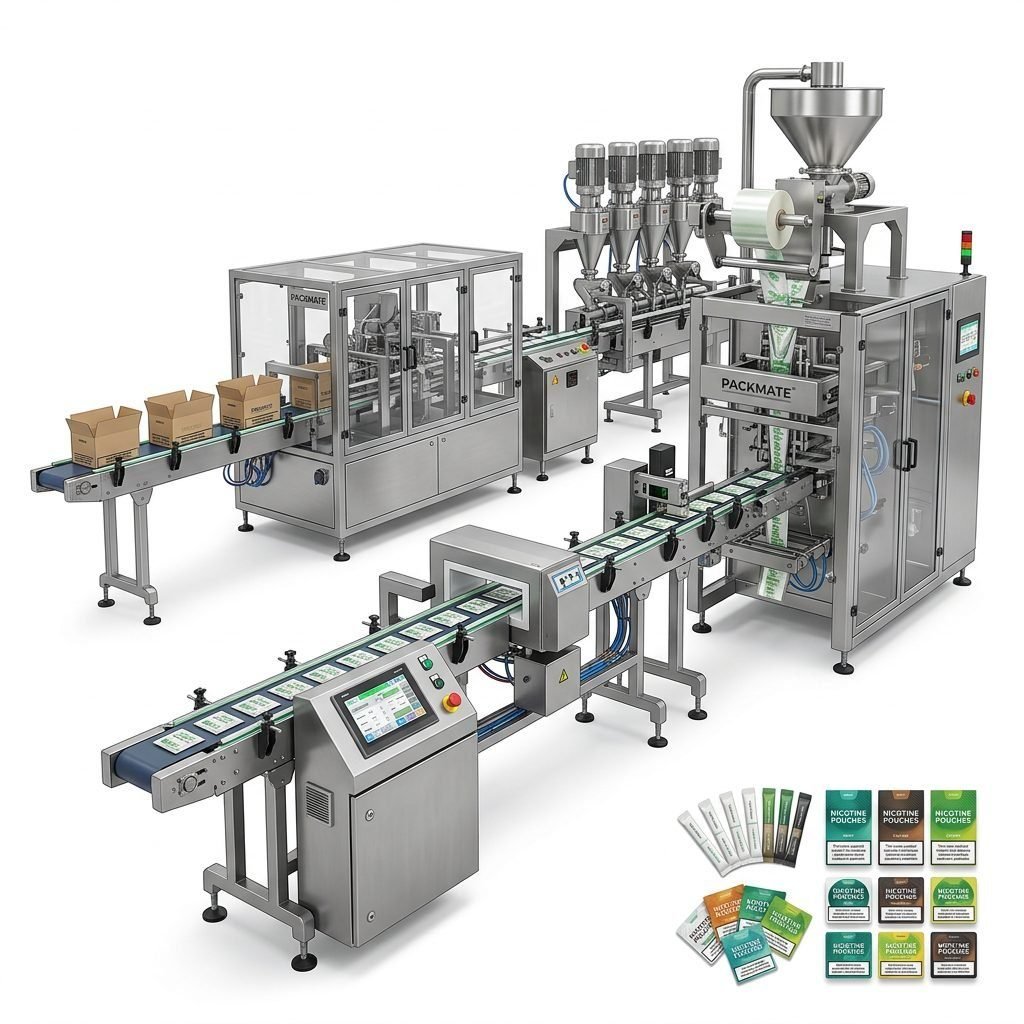
Many Belarusian businesses benefit from turnkey lines that include filling, weighing, packaging, and auxiliary equipment. Suppliers like Packmate provide end-to-end systems and can adapt machinery to preferred packaging formats and labeling — consider visiting their case studies to see similar deployments (Case).
Benefits of a turnkey partner
A single supplier reduces integration risk, shortens commissioning time, and simplifies warranty and maintenance arrangements.
5. Total Cost of Ownership & ROI
Upfront price is only one part of the equation. Calculate lifetime costs including:
– Energy consumption and consumables (films, labels, sealing materials).
– Maintenance intervals and mean time to repair.
– Operator training and changeover times for different SKUs.
💡 Tip: Request a sample ROI calculation based on your expected daily throughput and product cost. Evaluate scenarios for seasonal demand spikes common in colder markets.
6. Technical Visits, Demonstrations & Local Presence
Visit the manufacturer’s factory or attend live demos where possible. Many suppliers participate in international fairs — check upcoming exhibitions and live demos to observe multi-lane systems, dosing accuracy, and hygienic design. Packmate lists exhibitions and live demonstrations for customers to attend (Our Exhibition).
What to inspect on a demo
• Fill weight consistency report.
• Changeover time between flavors/SKUs.
• Operator interface language options and safety interlocks.
7. Documentation, Warranty & Compliance Support
Ensure the manufacturer supplies full documentation in Russian and English, including electrical drawings, spare parts lists, and CE/ISO certificates. Verify warranty terms and options for extended service contracts. If you plan to export within the region, confirm that documentation supports customs classification and local certification needs.
8. Who to Contact & Next Steps
When you’re ready, reach out to manufacturers with a clear request for proposal (RFP) that includes target throughput, pouch size, product type (powder, granule, liquid), desired automation level, and local language support requirements. Suppliers who offer modular solutions such as weighing and auxiliary equipment can be a strategic fit — consider reviewing their comprehensive product lines (Weighing & Packaging Systems, Bag & Pouch Packaging Machines).
📞 Action Step: Prepare a one-page spec sheet and contact manufacturers for a preliminary feasibility call. If you seek a reliable partner experienced in snus packaging lines and global turnkey projects, check the manufacturer profile and contact details for direct discussions (About Packmate, Contact Us).
Installation, Training & Pilot Runs
A reputable manufacturer will include commissioning, operator training, and pilot runs to validate performance on your product. Ask for time-limited on-site support during the first production month and remote diagnostics for the first year. Confirm spare part lead times and whether consumables are available locally or via express shipping.
Cultural Fit & Long-Term Partnership
In Belarus, long-term relationships and clear communication matter. Vendors who provide Russian-language documentation and local logistics knowledge will be easier to work with. Prefer partners who offer transparent warranties, regular maintenance plans, and clear escalation paths.
Final Practical Checklist Before Signing
– Confirm machine performance on your actual product samples.
– Verify documentation in Russian and English.
– Get a detailed spare parts list and pricing.
– Agree on commissioning timelines and penalties for delayed delivery.
– Ensure training, warranty, and remote support terms are explicit.
Summary
Selecting the best snus packaging machine manufacturer in Belarus means balancing technical capability, certifications, local language support, and after-sales service. Prioritize vendors with specialized snus and nicotine pouch experience, proven factory capacity, turnkey solutions, and strong regional logistics. A careful RFP, factory demo, and a clear spare-part plan will protect your investment and accelerate market entry.
Common Questions
Q1: How quickly can a manufacturer deliver a multi-lane snus line?
A1: Typical lead times depend on customization and factory backlog; realistic estimates range from 8–20 weeks. Discuss expedited options and stock components with the supplier.
Q2: Do snus packaging machines need special certification for Belarus?
A2: Machines should meet international safety standards (CE/ISO) and have documentation in Russian to ease customs and regulatory checks. Verify any local technical regulations with your customs broker.
Q3: Can I get training in Russian and on-site commissioning in Belarus?
A3: Many experienced manufacturers provide Russian-language manuals and offer on-site commissioning. Confirm language support and trainer availability before purchase.
Q4: Are turnkey solutions more cost-effective than buying separate machines?
A4: Turnkey solutions reduce integration risk and often lower total cost of ownership, especially when suppliers provide coordinated warranties and support.
Q5: Where can I find examples of installed lines and references?
A5: Review vendor case studies and request client references. Manufacturers like Packmate publish project cases illustrating snus packaging implementations (Case).