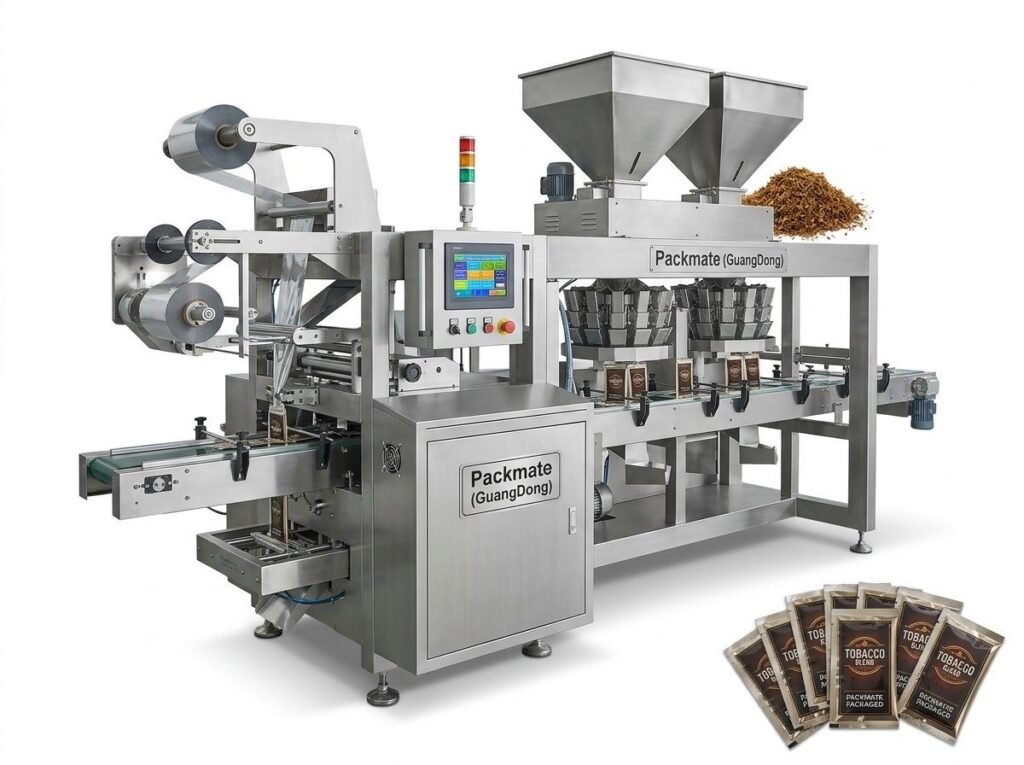
Choosing the best nicotine packaging machine in South Korea requires combining technical knowledge with an understanding of local market preferences, regulations, and production habits. This guide walks you through practical steps—from machine types and throughput needs to after-sales support and compliance—so you can make an informed investment for snus, nicotine pouch, or other pouch-based product lines.
Why South Korea needs a tailored approach
South Korean manufacturers and importers emphasize quality, compact production footprints, and strict compliance with labeling laws. Local consumers generally prefer minimalist, well-designed packaging and reliable supply chains. In addition, regulatory scrutiny around nicotine products means that manufacturers importing or producing nicotine pouches in Korea must be extra careful about documentation, testing, and product traceability.
Key local considerations
✔️ Compact factory layouts are common in urban and suburban areas—machines that save floor space are preferred.
✔️ Korean labeling requirements and Korean-language instructions are expected by retailers and regulators.
✔️ After-sales service, spare parts supply and on-site training in East Asia time zones are highly valued.
✔️ Design aesthetics matter: clean seams, precise cuts and consistent pouch shape improve brand perception.
Step 1 — Decide on packaging format and capacity
The first decision is the package type: single-dose sachets, multi-lane nicotine pouches, stick packs, or pre-formed bags. Your product form (powder, granule, moist pouch) determines the filling and sealing technology required. Next determine your required throughput measured in pouches per minute or per hour.
⚙️ Tip: For export-focused lines or large domestic volumes, multi-lane servo-driven machines deliver the best balance of speed and accuracy. For boutique or small-batch runs, a single-lane, flexible machine reduces changeover time and waste.
Step 2 — Match machine type with product characteristics
Different products need specific machine features. For example, moist nicotine pouches require careful humidity control and non-stick feeding, while powdered formulations demand accurate dosing systems. Consider these main machine families:
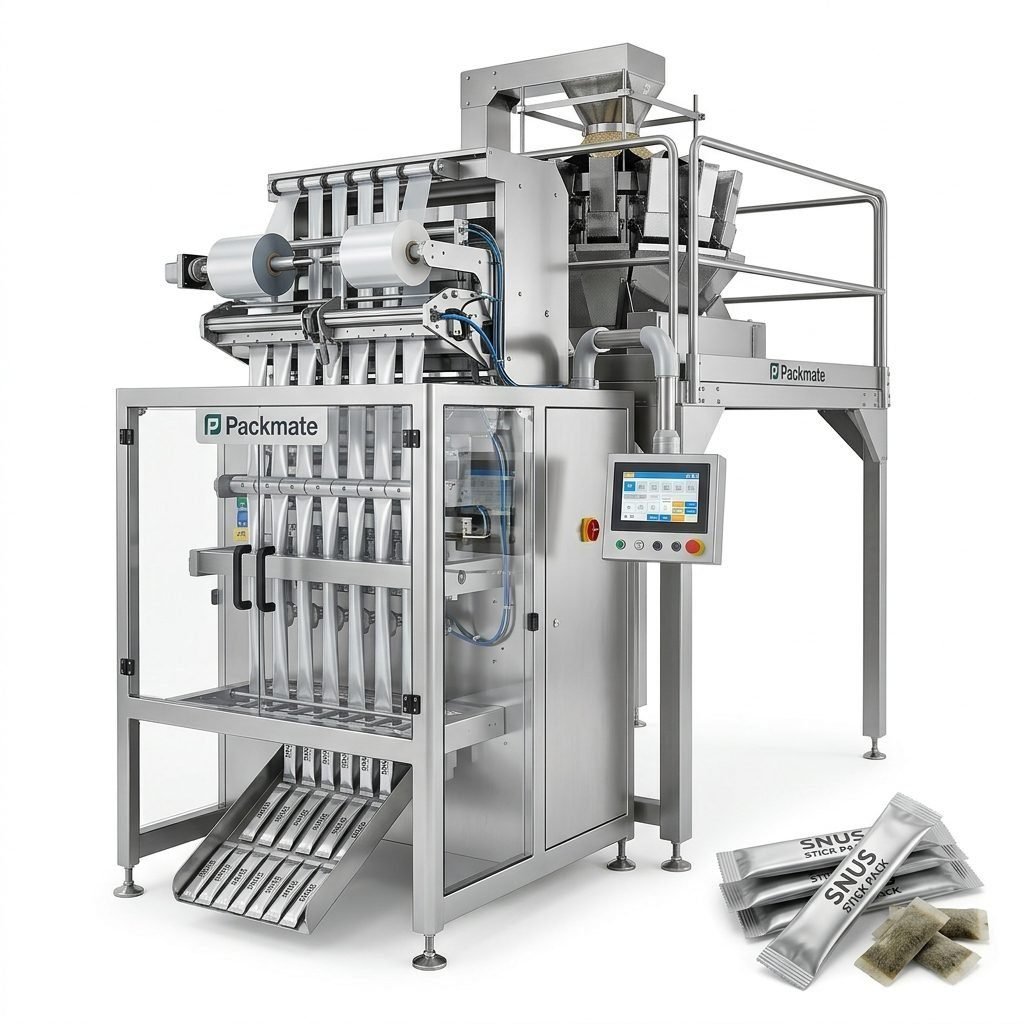
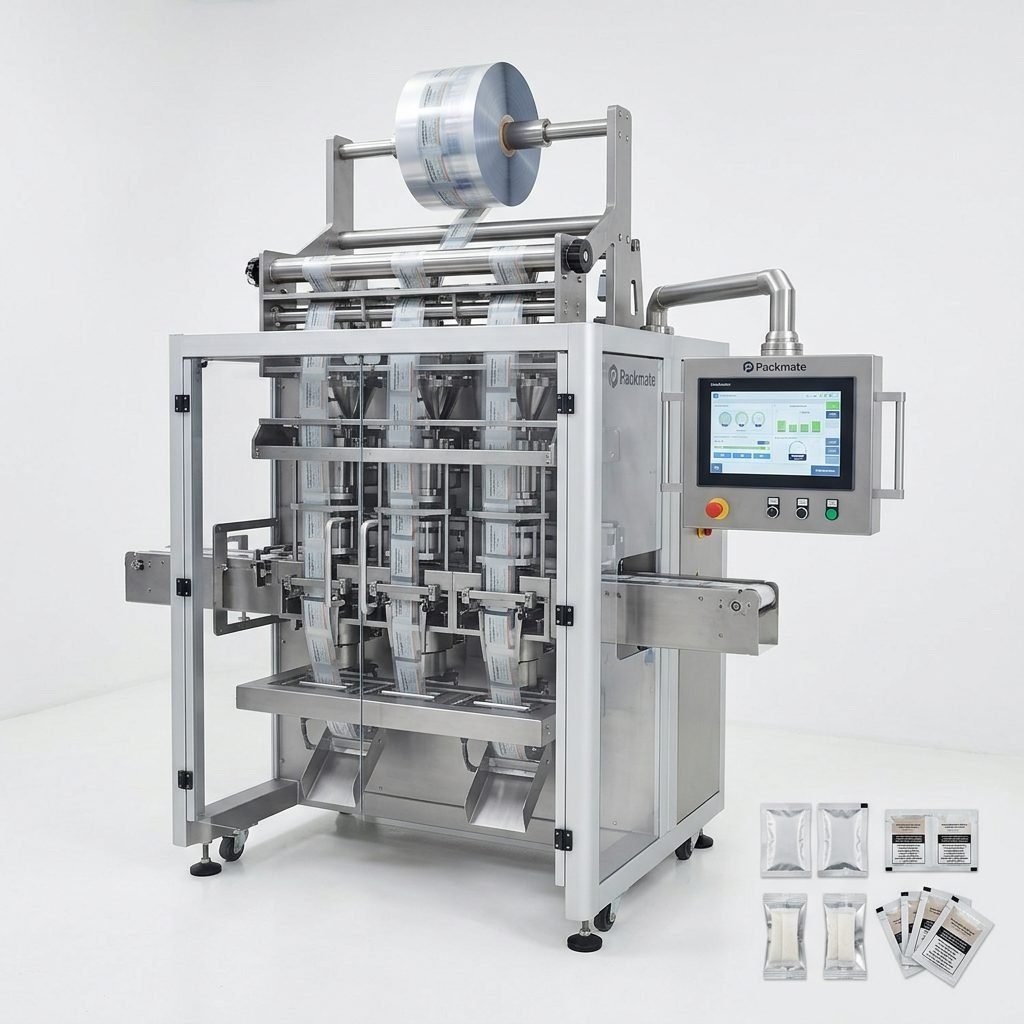
✔️ Stick pack and sachet machines — great for single-doses and slim retail packs.
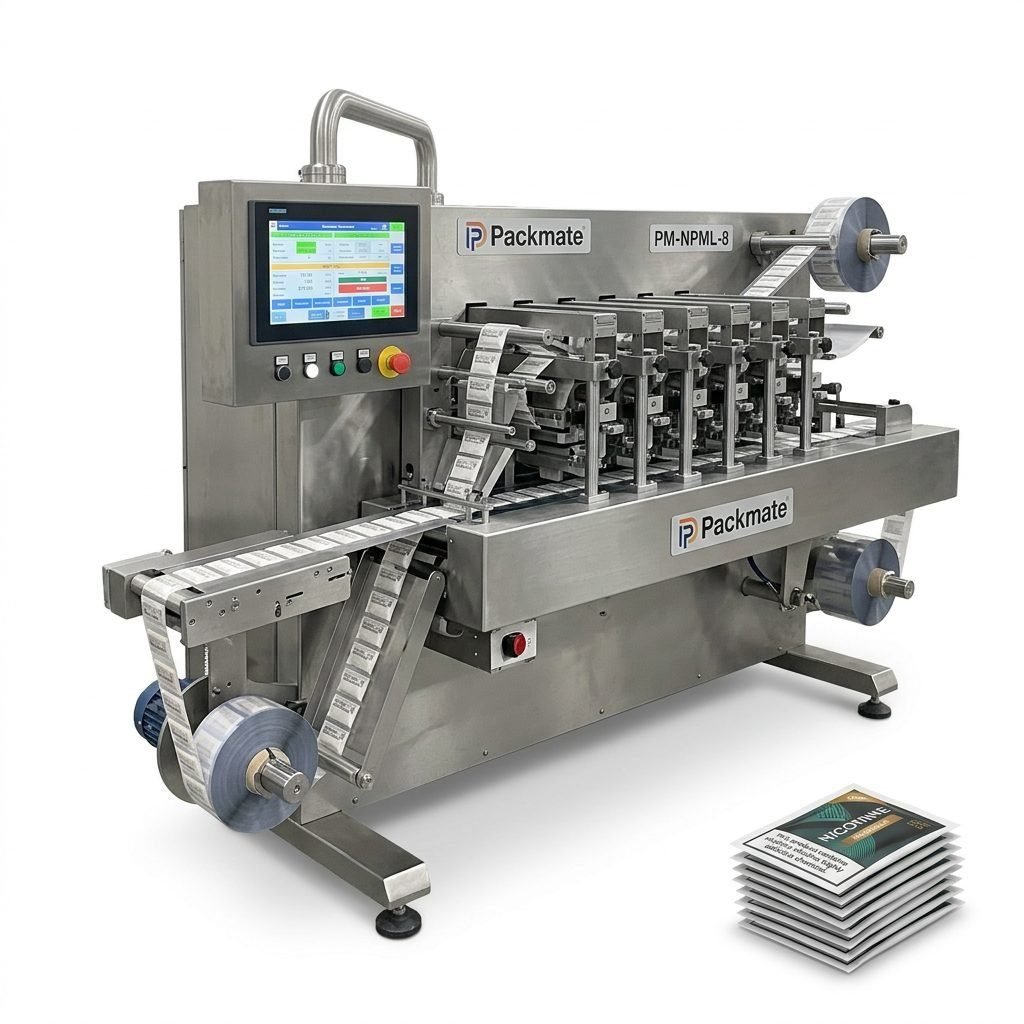
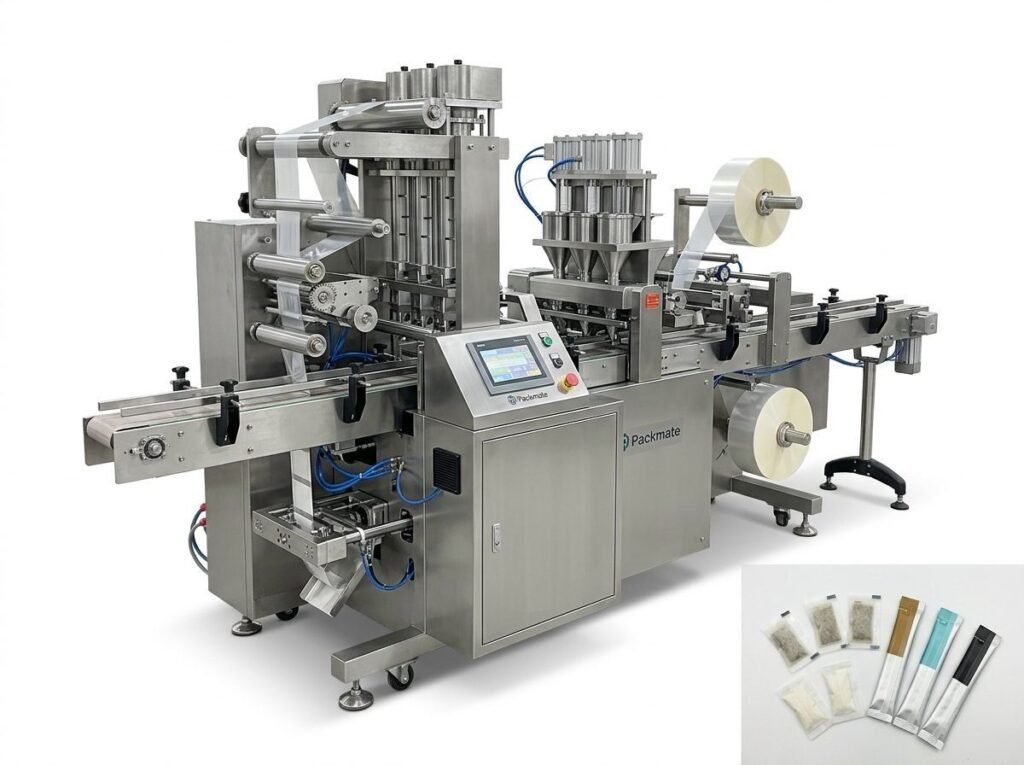
✔️ Multi-lane horizontal pouch machines — ideal for high-throughput nicotine pouch production.
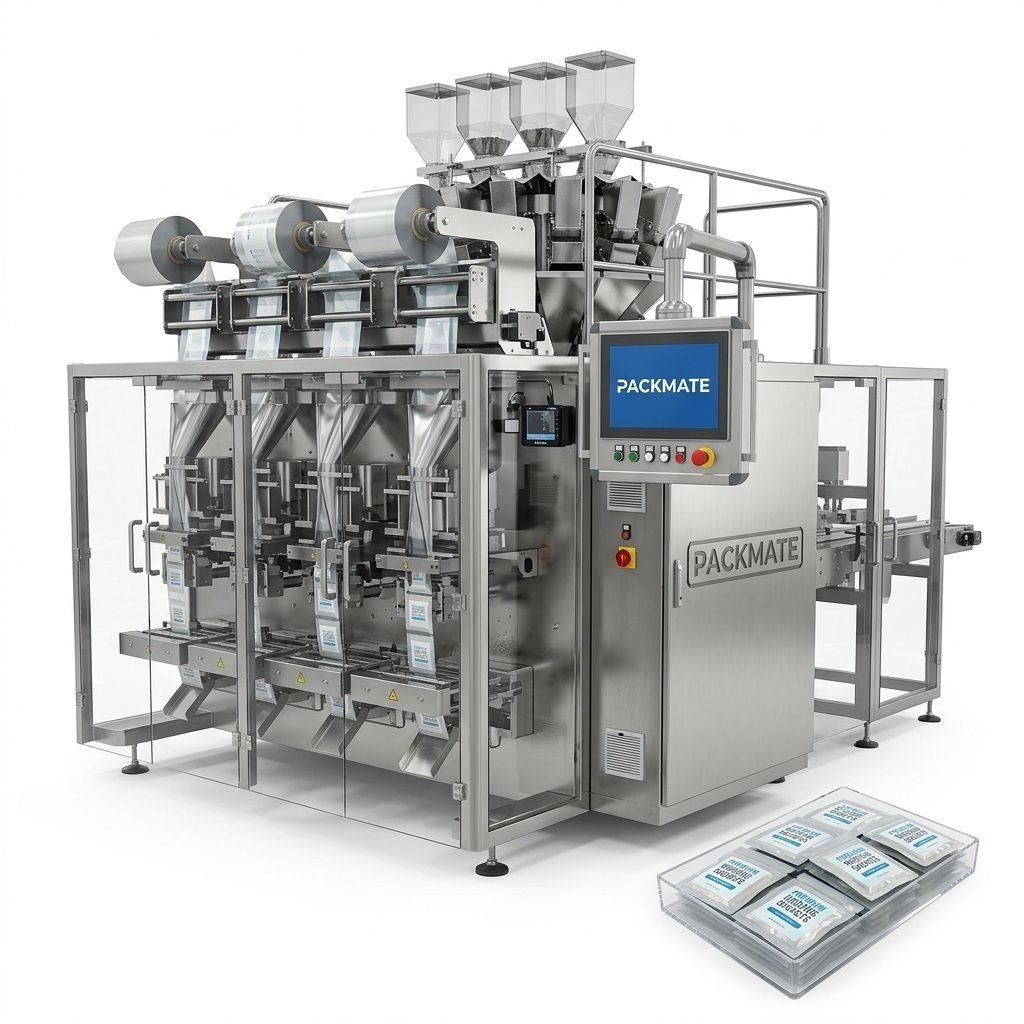
✔️ Pre-made pouch machines and vertical form-fill-seal (VFFS) systems — useful when using specific barrier films or zip features.
✔️ Integrated weighing and dosing systems — essential for precise nicotine content control and regulatory compliance.
Resources to explore
For product and machine portfolios, check the manufacturer’s online product categories such as Snus & Nicotine Packaging Machines and Sachet & Stick Pack Machines.
Step 3 — Key technical specifications to compare
When evaluating suppliers, focus on measurable specs and machine control features:
🔎 Essential specs: nominal throughput (pouches/min), number of lanes, dosing accuracy (± mg), film roll width, maximum pouch size, power consumption, and required footprint.
Control features to prioritize include PLC/servo systems for repeatability, HMI touchscreens with recipe management, remote diagnostics, and quick-change tooling for fast format swaps.
Step 4 — Quality, certifications and compliance
Working with an equipment supplier that offers CE, ISO and documented quality control processes is important—these reduce compliance risk during audits and product registration. For nicotine products in South Korea, documentation of material compatibility and potentially emissions testing may be asked by local authorities.
✅ Pro advice: Choose suppliers who can provide machine FAT (Factory Acceptance Test) videos, IQ/OQ documentation, and spare parts lists. This simplifies local approvals and saves time during installation.
Step 5 — Automation level and integration
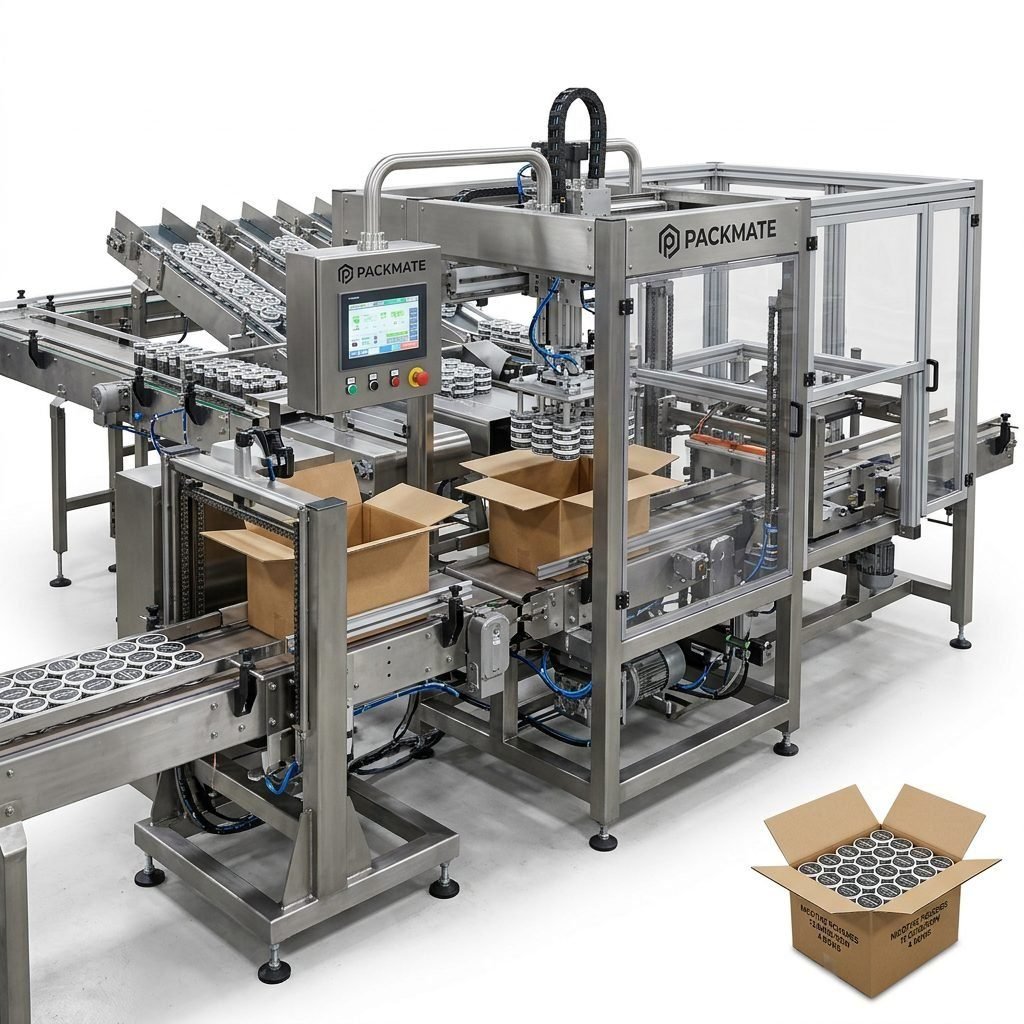
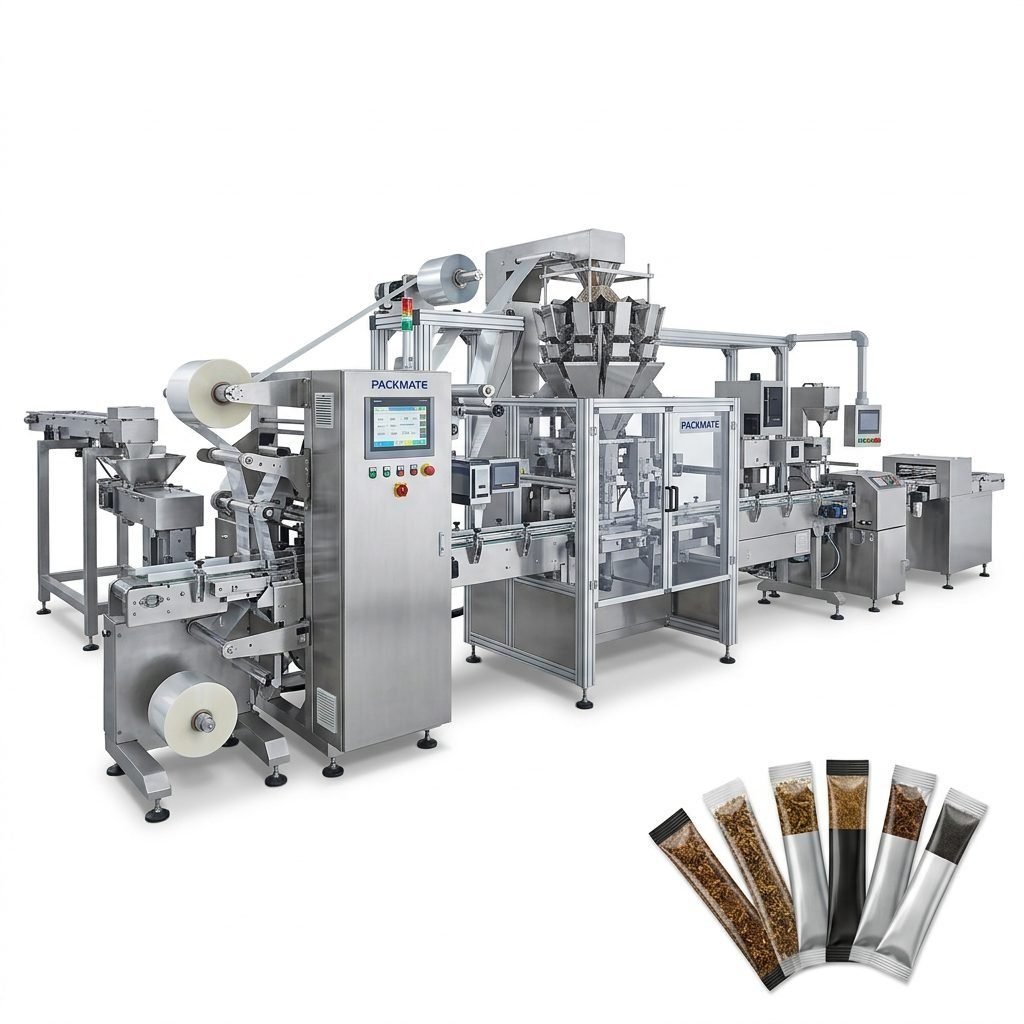
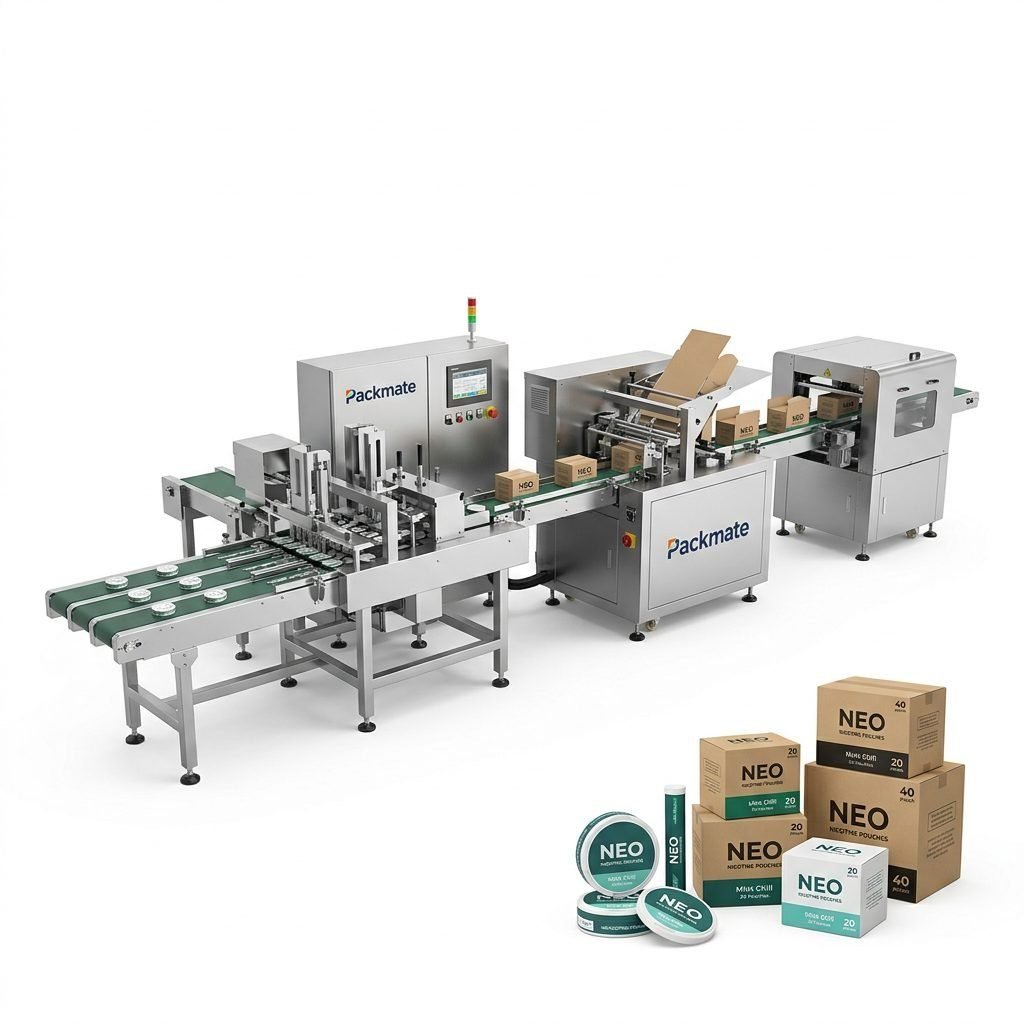
Decide how much automation you need: a standalone packing machine, a semi-automatic line with manual feeding, or a fully integrated production line with feeders, checkweighers, metal detectors, and case packers. Higher automation reduces labor costs but increases initial investment.
If your business targets exports, a fully integrated line improves consistency and maintains export-grade traceability. For flexible production and quick SKU changes, modular equipment with standardized interfaces is preferable.
Step 6 — Evaluate supplier capability and local support
Beyond machine specs, supplier experience, local service partners and spare parts logistics are critical—especially in South Korea where uptime expectations are high. Prioritize suppliers with a proven track record in nicotine packaging and clear after-sales commitments.
📞 Must-have services: on-site commissioning in Korea or nearby, remote troubleshooting in local business hours, spare parts guaranteed, and operator training materials available in Korean or with translation support.
Supplier checks
• Review case studies and customer references. The manufacturer’s case portfolio is a useful starting point: Case.
• Confirm production capacity—do they operate a 20,000㎡ factory and advanced CNC facilities? (Such facilities indicate greater manufacturing control.)
• Ask for FAT protocols and video demonstrations of machines running your type of product.
Step 7 — Pricing, ROI and lifecycle costs
Price is one factor—total cost of ownership (TCO) is more important. Consider:
✔️ Initial capital cost and delivery lead times.
✔️ Installation and commissioning expenses.
✔️ Warranty length and extended service contracts.
✔️ Consumables and spare parts pricing.
✔️ Energy consumption and operator labor.
📈 ROI example: If a multi-lane machine doubles throughput vs. an older single-lane system, the payback period can be significantly shortened despite higher upfront cost—especially when labor savings and reduced scrap are included.
Step 8 — Run trials and pilot production
Always test with your exact formulation, pouch materials and target film. Manufacturers like Packmate often perform pilot runs to optimize dosing, sealing parameters and film handling. Trials reveal issues early—film curling, pouch misfeeds, or belting wear—allowing adjustments before full production.
If the supplier offers a demonstration center or local partner in Asia, arrange to observe machine performance under representative conditions.
Step 9 — Installation, training and documentation
Plan for proper installation and staff training. Comprehensive documentation—spare parts list, electrical schematics, maintenance schedules, and operator manuals in Korean or translated versions—reduces downtime and training friction.
🧰 Checklist: On-site commissioning, operator training, maintenance training, spare part kit, service SLA, remote support credentials.
Step 10 — Long-term partnerships and upgrades
A machine purchase is the start of a relationship. Suppliers offering continuous improvement, retrofit options, and modular upgrades help you scale as product lines grow. Consider suppliers who collaborate on packaging design and process optimization to reduce material costs and improve shelf appeal.
For a broad range of equipment and full-line solutions, see product categories such as Filling & Packaging Lines and Auxiliary Packaging Equipment.
Why choose experienced manufacturers
Manufacturers with decades of industry experience, large manufacturing facilities and proven multi-lane systems—like companies operating 20,000㎡ factories and advanced CNC centers—are better positioned to deliver consistent machine quality and long-term support. Look for product catalogs, certifications and exhibition participation to validate reputation. Visit the company profile for more context: About Packmate.
Practical example: Selecting a multi-lane pouch line in Korea
Suppose you plan to manufacture nicotine pouches with 8 lanes at 400 pouches/min per lane. Total theoretical throughput would be 3,200 pouches/min. In practice, choose a machine rated slightly above your target to allow for maintenance windows and margin. Verify dosing accuracy, film handling, and choose a machine with robust servo controls and easy lane isolation for maintenance.
✅ Real-world benefit: A reliable multi-lane line reduces changeovers, improves OEE and supports consistent product quality—which matters for retailer acceptance and export compliance in South Korea.
Helpful links and next steps
To explore machine options and contact suppliers for quotes or demo scheduling, consider the manufacturer’s product pages and contact channels: Snus & Nicotine Packaging Machines, Bag & Pouch Packaging Machines, and Contact Us.
Final checklist before purchase
• Confirm production capacity and machine footprint.
• Validate dosing accuracy and film compatibility.
• Request FAT and pilot run with your product.
• Confirm warranties, spare part lead times and service SLAs.
• Verify certifications and regulatory documentation.
Summary
Choosing the right nicotine packaging machine in South Korea requires aligning product needs, local regulatory expectations, and long-term service capabilities. Focus on precise dosing, material compatibility, automation level and the supplier’s ability to support installation and operation in your timezone. With careful selection—backed by testing and documented quality controls—you can build a reliable production line that satisfies both domestic and export customers.
Frequently Asked Questions
Q1: Are nicotine pouch machines legal in South Korea?
Regulatory frameworks can change—before buying equipment, consult local legal counsel or regulatory bodies. Machine purchases are typically allowed, but product sales and distribution might be subject to specific approvals, labeling and health regulations.
Q2: How important is after-sales service for packaging equipment?
Extremely important. Fast access to spare parts, remote diagnostics, and local or regional service teams minimize downtime. Prioritize suppliers offering clear SLAs, training and spare parts kits.
Q3: Should I choose a multi-lane machine or several single-lane machines?
Multi-lane machines offer higher throughput and better space efficiency for large runs, while single-lane machines offer flexibility for many SKUs and smaller batch sizes. Match the choice to your production plan and SKU mix.
Q4: What documents should I request before purchase?
Request FAT reports, CE/ISO certificates, electrical and mechanical drawings, spare parts lists, operator manuals and evidence of prior installations. Video demonstrations of the exact product or a pilot run are highly recommended.
Q5: How can I ensure consistent pouch quality?
Use accurate dosing systems, maintain film tension control, run regular maintenance, and implement inline quality checks like vision systems and weight control. Investing in good tooling and trained operators also improves consistency.