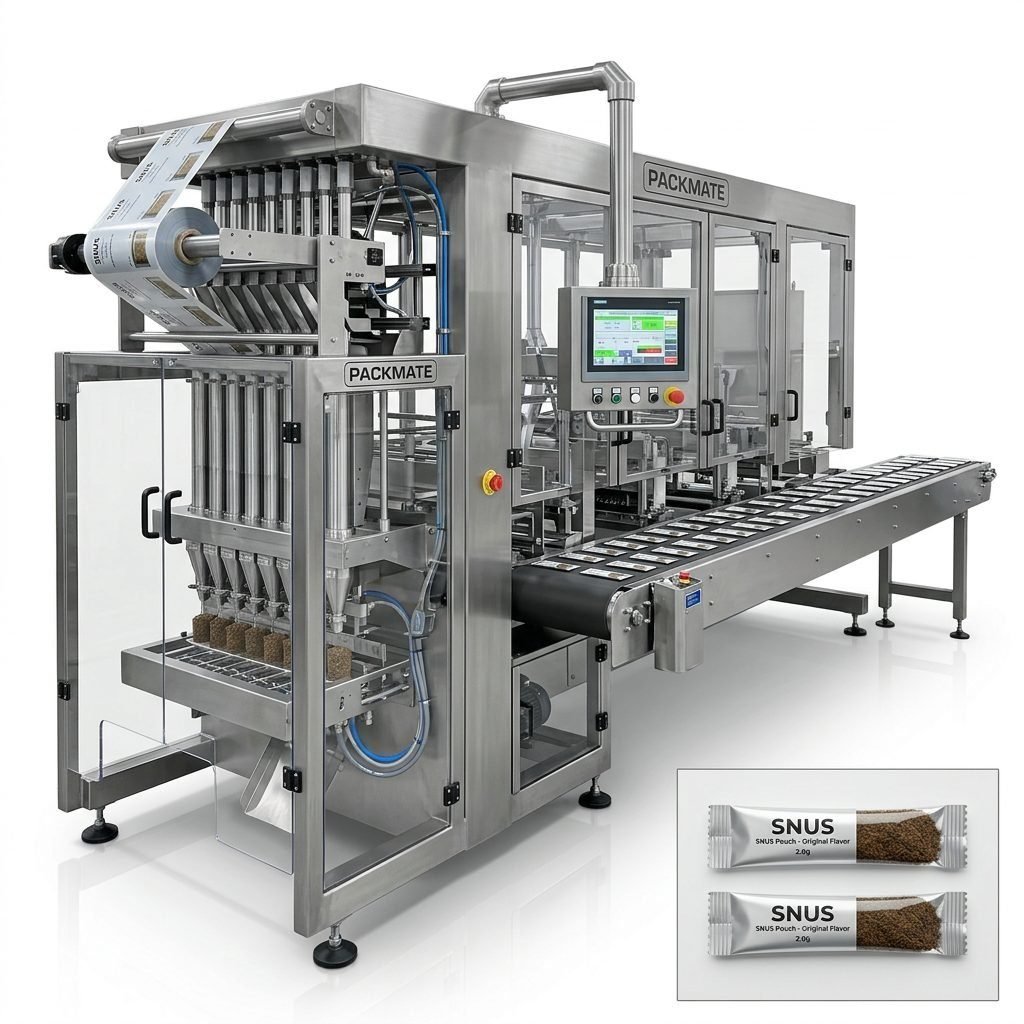
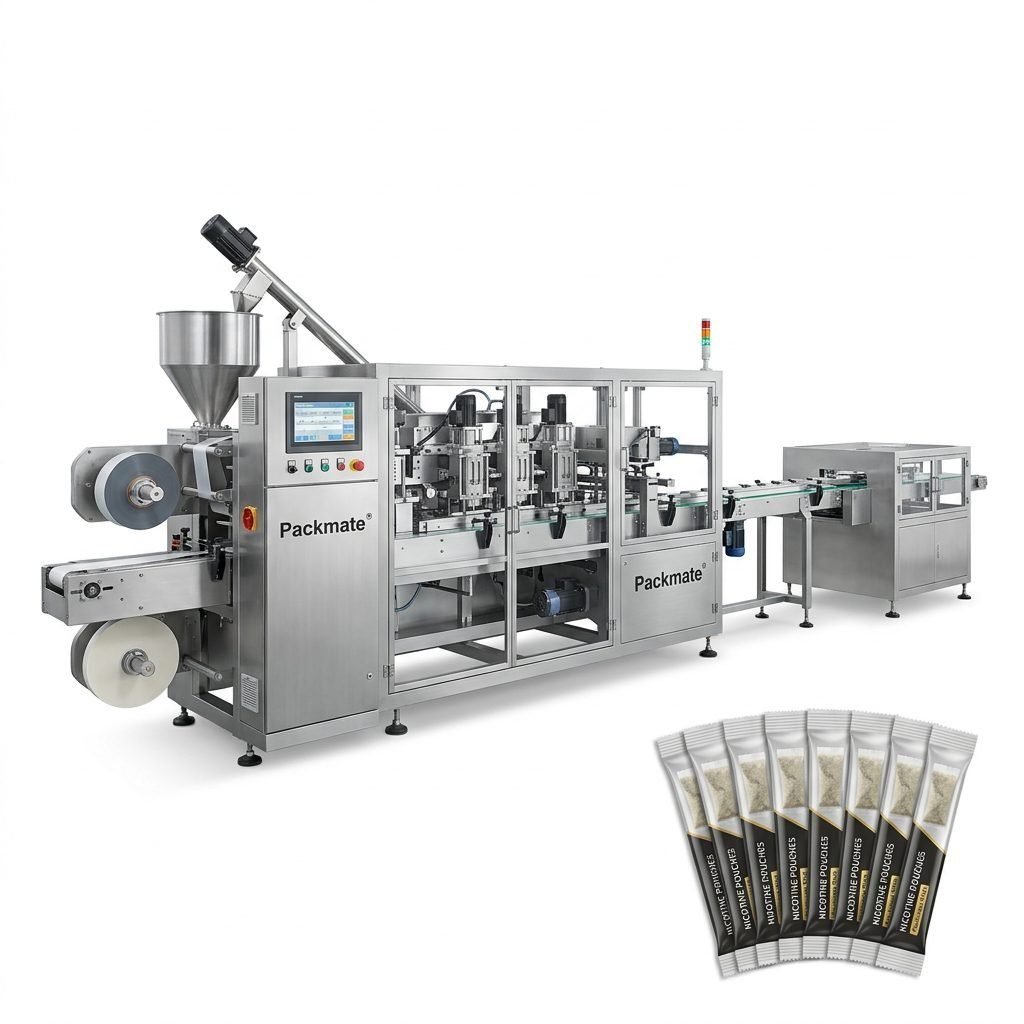
Choosing the right nicotine packaging machine manufacturer for your Oceania business is more than a procurement decision — it’s a strategic investment in production reliability, regulatory compliance, and market fit. Oceania buyers value precision, long-term service, and machines that can adapt to regional logistics and consumer preferences. The following guide walks you through practical criteria, local considerations, and actionable steps to identify a partner who will support your growth across Australia, New Zealand and nearby Pacific markets.
🔎 Understand the Oceania Context
Oceania is diverse: urban markets in Australia and New Zealand demand modern packaging aesthetics, sustainability, and efficient supply chains; while smaller Pacific islands often require compact, robust equipment and simplified maintenance. Language and cultural sensitivity matter — for example, in New Zealand, incorporating Māori language or respectful product presentation can resonate with local customers. Meanwhile, Australia and New Zealand have strict import, labeling, and health product regulations, so your packaging solutions must be adaptable to different statutory requirements.
⚖️ Regulatory and market notes (brief)
Regulations for nicotine-containing products vary and change. Always verify current local rules before manufacturing or importing nicotine products. Manufacturers should provide documentation and design flexibility for compliant labeling, batch tracking, and serialization if needed.
🧭 Key Manufacturer Selection Criteria
Below is a practical checklist to evaluate potential packaging machine partners. Use it when comparing quotations, visiting factories, or reviewing technical specifications.
1. Proven experience in snus and nicotine pouch lines
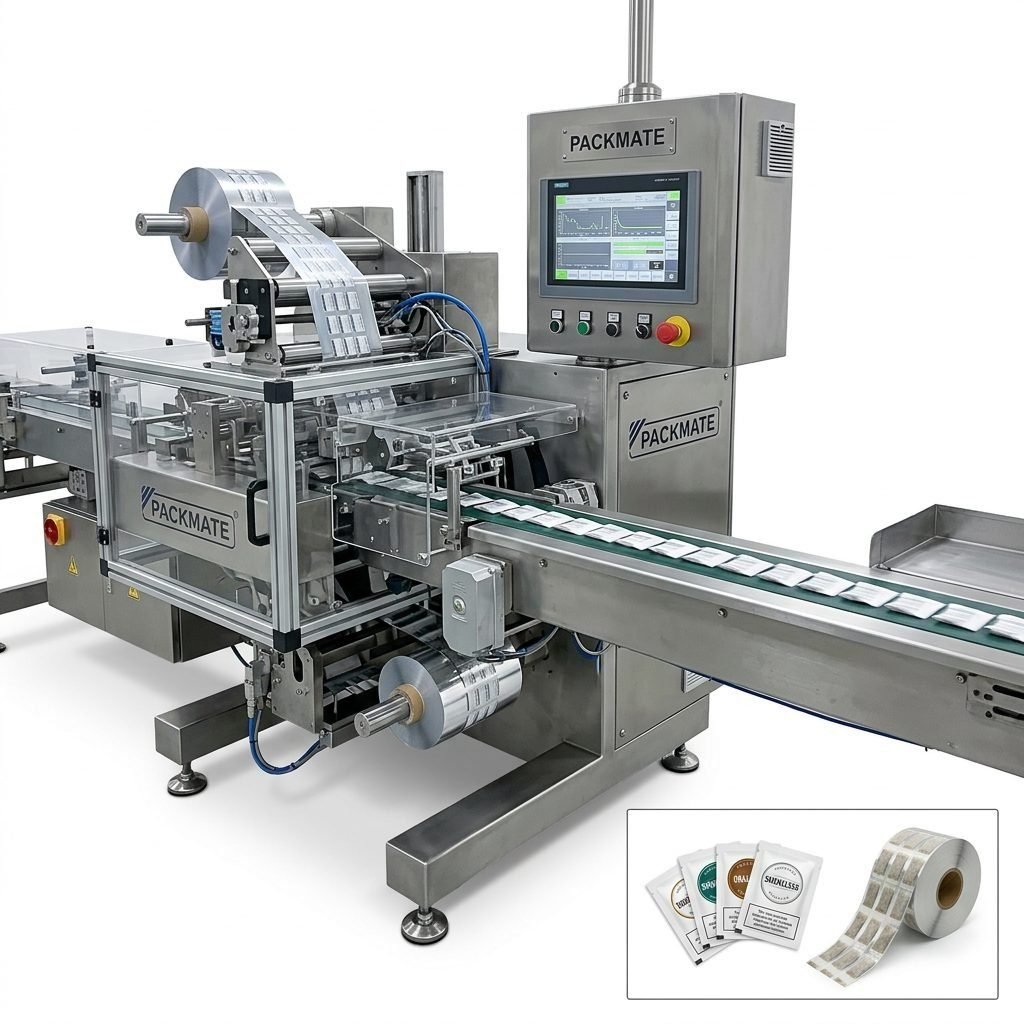
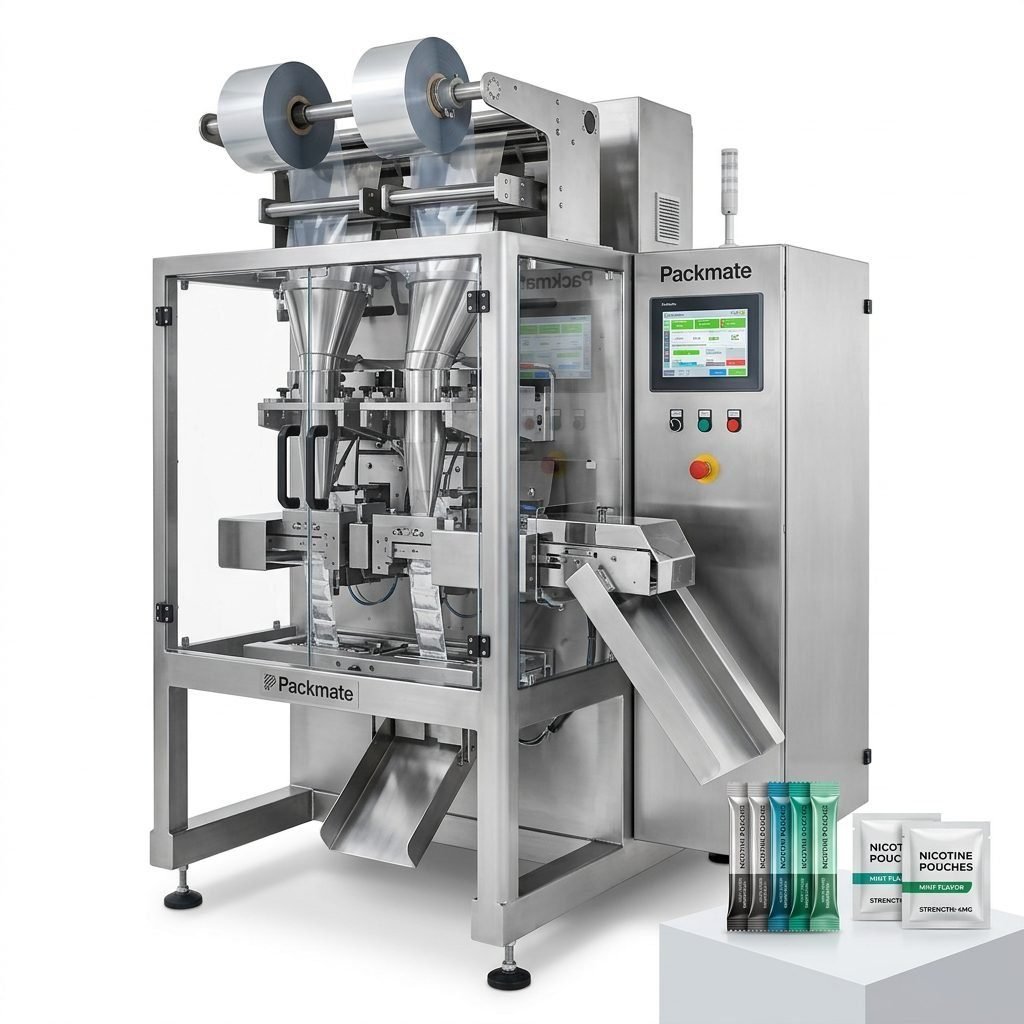
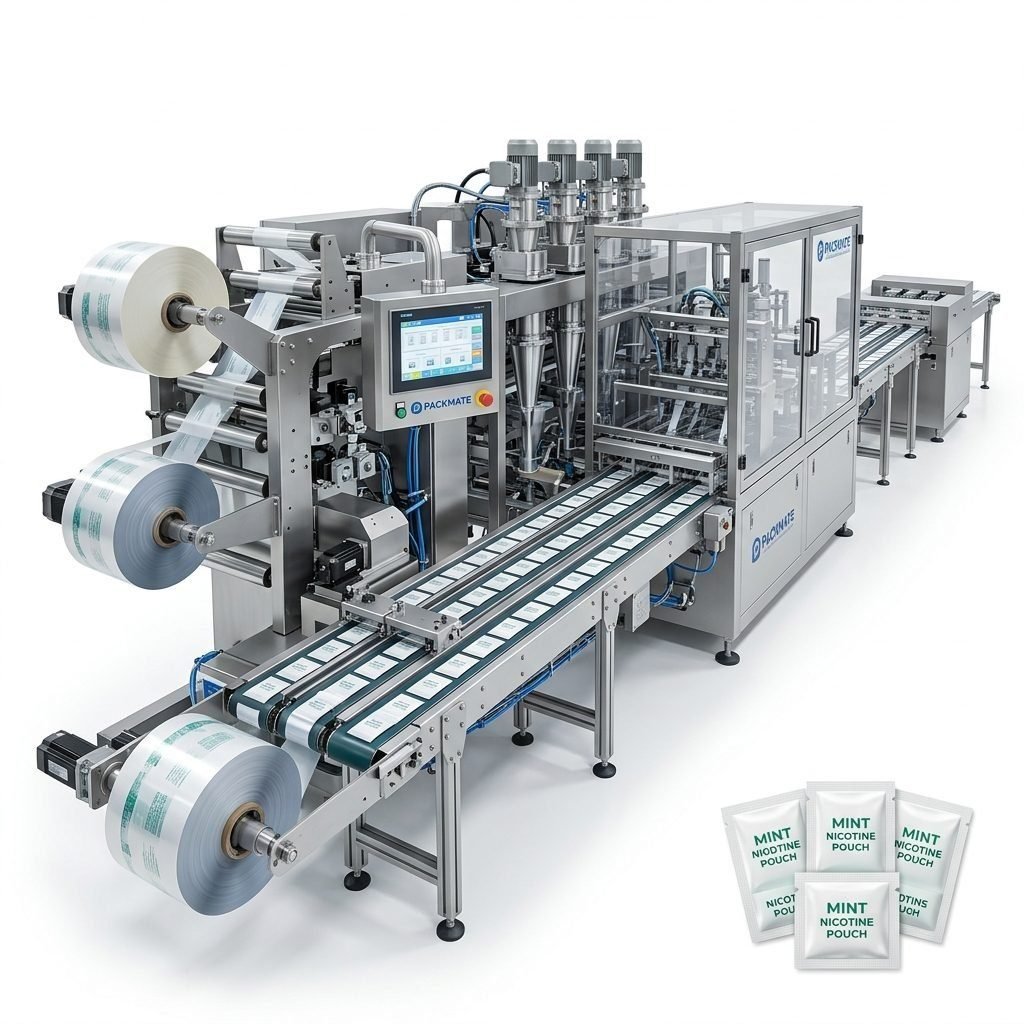
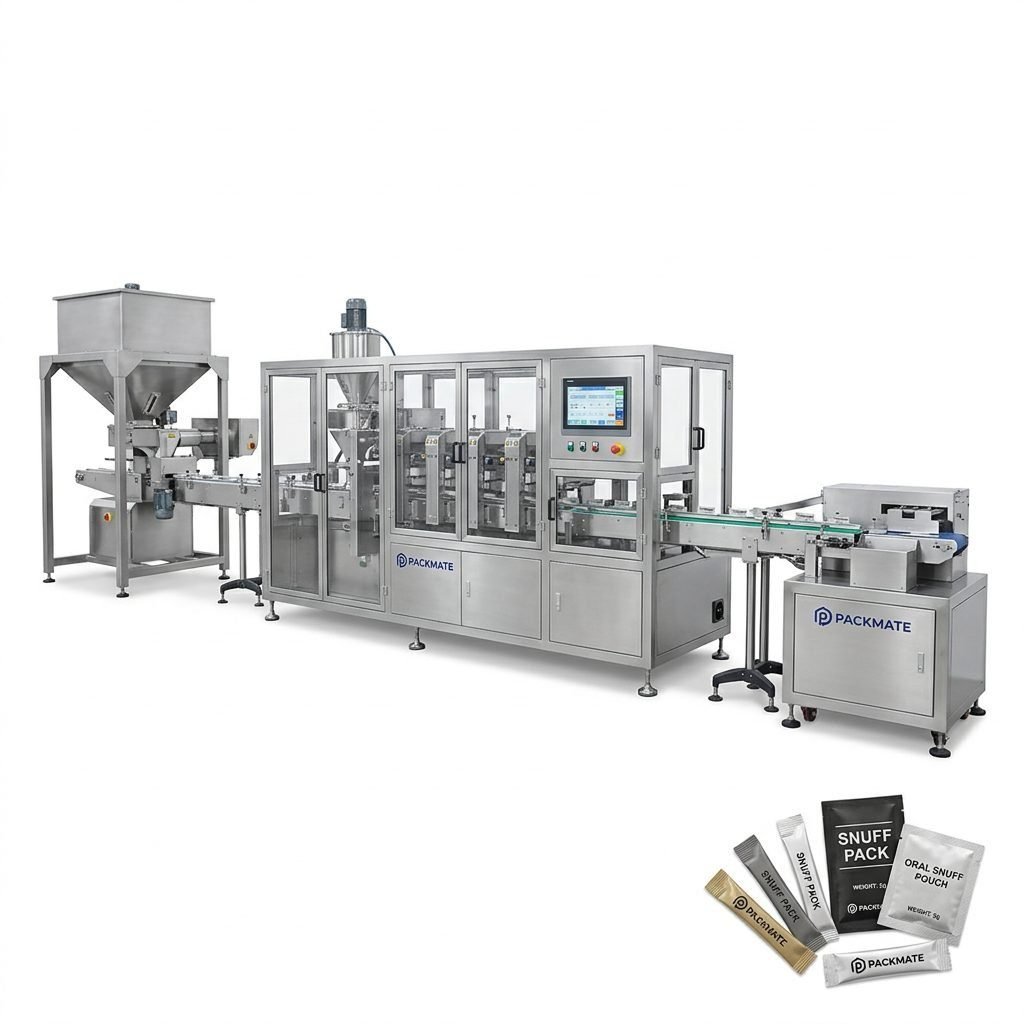
Look for manufacturers with substantial experience in nicotine pouch/snuf packaging — they understand dosing precision, pouch formation, and the hygiene and material handling demands. A supplier with decades of experience and dedicated models for snus and multi-lane small-dose production brings fewer surprises during commissioning. For example, companies offering tailored Snus & Nicotine Packaging Machines demonstrate focused capability.
2. Machine types, flexibility & capacity
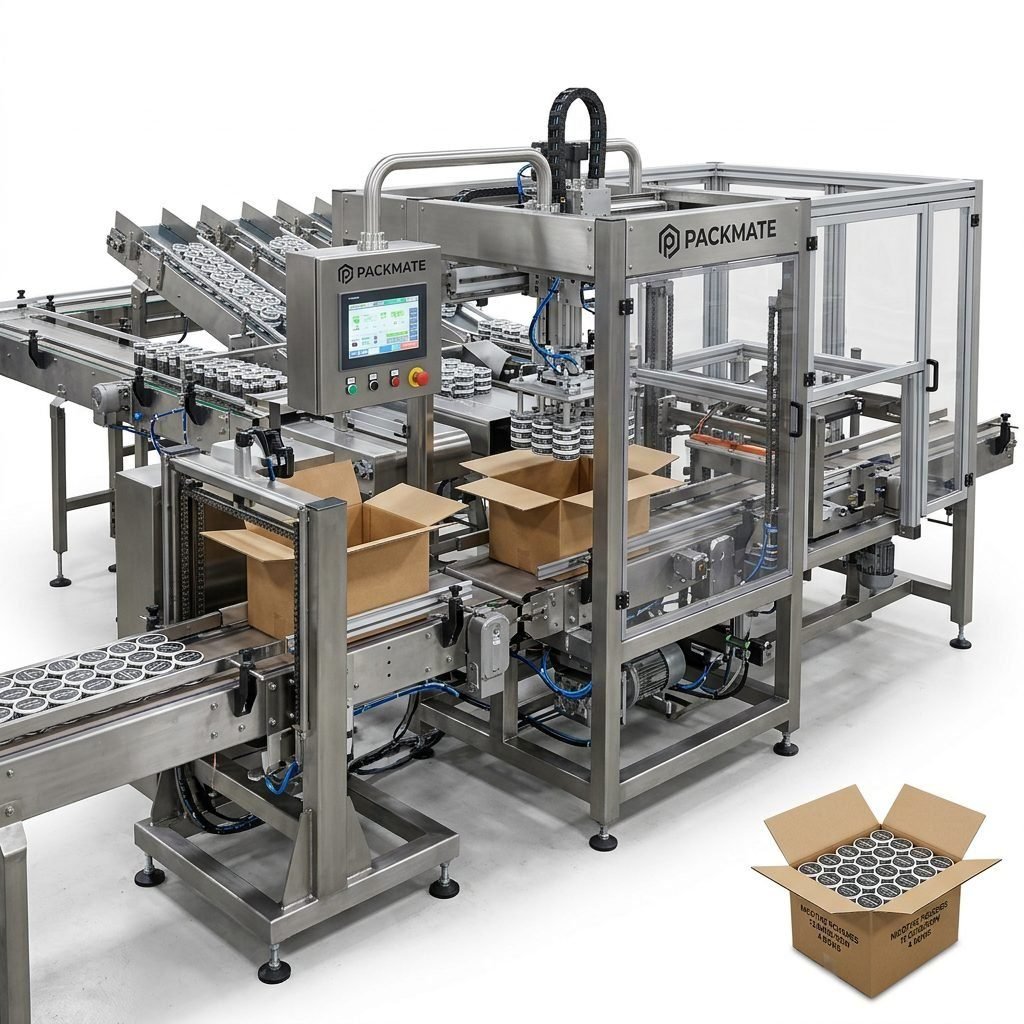
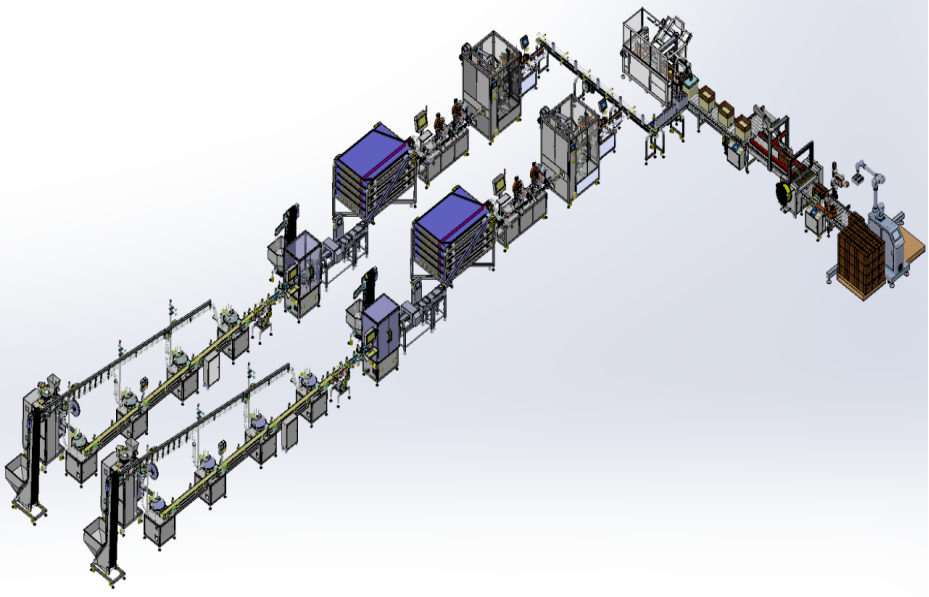
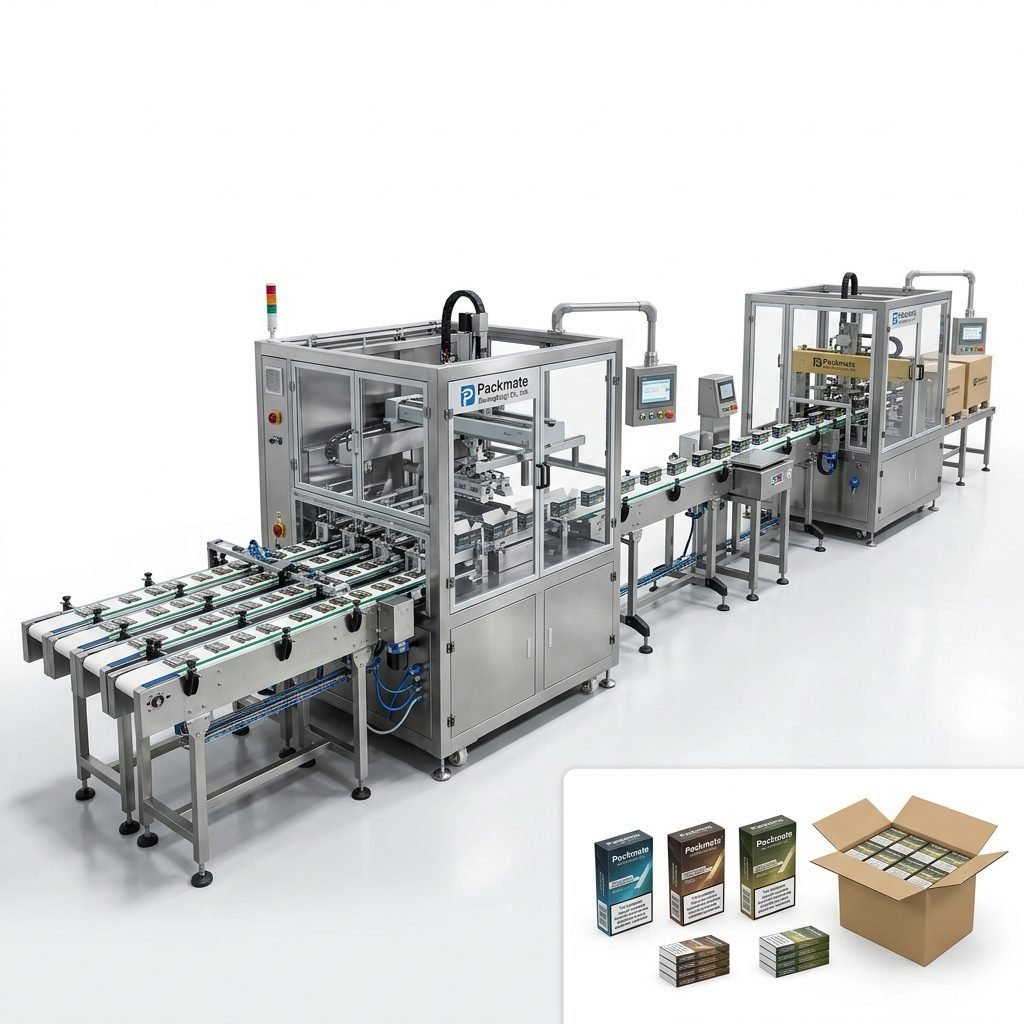
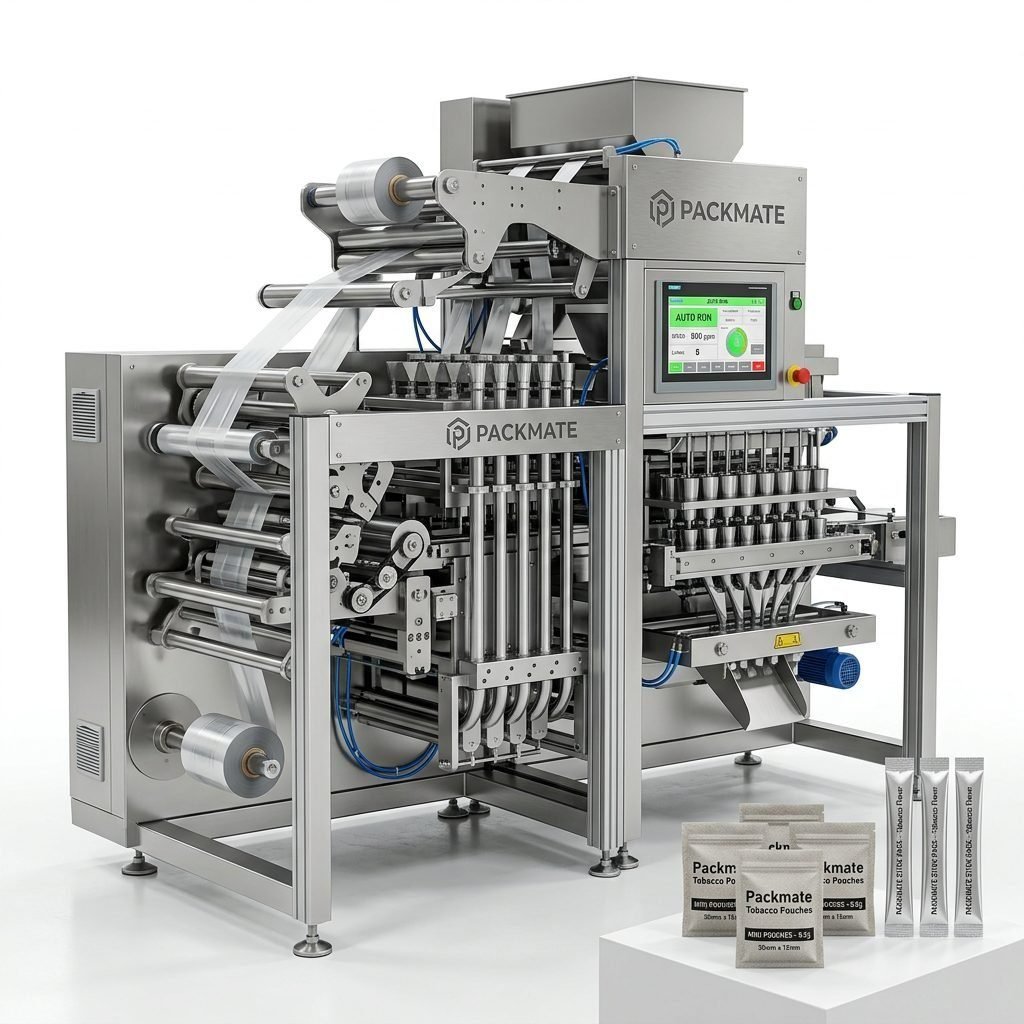
Choose a manufacturer that stocks or can customize the right machine family: stick pack, sachet, multi-lane snus lines, or integrated filling and packaging systems. Ensure the line can scale — multi-lane options permit higher throughput without sacrificing dosing accuracy. Check whether the supplier also offers complementary equipment like Filling & Packaging Lines and auxiliary systems for a turnkey solution.
3. Compliance, certifications & test reports
International certifications (CE, ISO) and factory quality control records are essential. Ask for electrical, mechanical, and safety documentation and test runs demonstrating dosing accuracy, speed, and product integrity. A manufacturer that publishes cases and certificates shows transparency and a mature QA process — see their Case examples and Certificate records when available.
4. Factory strength & manufacturing capacity
A modern factory with CNC machining centers, precision assembly lines, and rigorous testing can deliver consistent machines and quicker spare parts. Larger facilities tend to maintain inventories of spare modules and can support customization. When possible, request a virtual or on-site factory visit to validate production processes and assembly standards.
5. After-sales support and local service options
Service matters most after purchase. Clarify warranty terms, response times, availability of spare parts, and remote troubleshooting options (PLC/SCADA access, video support). For Oceania customers, ask about established logistics routes, local partners, or authorized service representatives to reduce downtime and freight delays.
🔧 Technical & Operational Factors to Verify
These are practical items to review in machine specifications and during factory acceptance testing.
• Dosing accuracy & repeatability
Nicotine pouches require tight weight/dose control. Request documented accuracy data and tolerance ranges, plus sample reports from similar lines. Confirm how adjustments are made and whether the system supports quick-change parts for different pouch sizes.
• Material compatibility & packaging options
Ensure the machine works with your chosen pouch films, barrier laminates, and sealing techniques. If you plan biodegradable or recyclable films, test sealing and machinability before committing.
• Cleanability & hygiene
Evaluate accessible surfaces, tool-free opening for cleaning, and material contact parts (stainless steel finishes). Ease of cleaning reduces contamination risk and simplifies regulatory inspections.
• Automation, data & Industry 4.0 features
Modern lines offer recipe management, production data logging, PLC controls, and remote diagnostics. These functions accelerate troubleshooting and support traceability requirements for nicotine products.
📦 Logistics, Lead Times & Total Cost Considerations
Calculate the total cost of ownership (TCO): purchase price, shipping, customs, installation, training, downtime risk, spare parts, and periodic maintenance. For Oceania shipments, plan for longer sea freight lead times and potential quarantine protocols. A manufacturer with export experience to Australia and New Zealand will guide you through documentation and shipping practices to avoid delays.
🤝 Commercial & Contractual Best Practices
Use clear acceptance criteria: pre-shipment FAT (factory acceptance test), documented performance metrics on test samples, timelines for installation and training, and defined warranty/support SLAs. Consider escrow arrangements for payment milestones tied to delivery and acceptance.
📣 Why Packmate Snus Machine Could Be a Fit for Oceania
Packmate brings 30+ years of engineering focus on snus and nicotine pouch lines, multi-lane systems, and turnkey packaging solutions. Their manufacturing capability includes advanced CNC centers and a wide model range — factors that reduce custom lead time and support robust after-sales supply. Explore their machines and solutions to compare against your operational needs.
Learn more about product categories such as Sachet & Stick Pack Machines and the broader product portfolio for weighing and packaging at Weighing & Packaging Systems.
🔍 Factory Visits, Demos & Pilot Runs
Whenever possible, schedule a factory visit or virtual demo. Witnessing a machine run your product or a close analogue gives clarity about setup, cleaning, and changeover. Ask for trial production videos, sample pouches from your formula, and references within similar markets. If you prefer, review the manufacturer’s exhibition calendar and live demos listed in their Our Exhibition page.
💡 Practical Checklist Before Signing a PO
✅ Confirm documented dosing accuracy and FAT procedures.
✅ Verify spare parts availability and lead times for Oceania shipments.
✅ Ensure warranty terms include remote support and defined SLA response times.
✅ Get a clear acceptance test with pass/fail metrics for speed, weight, and seal integrity.
✅ Ask for installation, operator training, and maintenance manuals in English (and local languages if required).
🌱 Sustainability & Packaging Trends in Oceania
Oceania consumers increasingly favor environmentally conscious solutions. When selecting machines, verify compatibility with recyclable or mono-material films, and consider equipment that minimizes material waste and energy use. Suppliers who can adapt machinery for alternative films or reduced film width help future-proof your line.
📞 Final Steps to Engage a Manufacturer
Start with a structured RFP that includes product specs, target throughput, desired uptime, and environmental constraints (floor space, power, humidity). Evaluate proposals against the technical checklist above and request references from customers operating in similar climates or regulatory environments. Confirm after-sales processes and consider an initial smaller pilot or modular purchase to validate performance before full-scale investment.
🔗 Useful Resources & Next Actions
If you want to review machine lines and company information further, check their About Packmate page and product catalogs for model options. Reach out to request a catalog, FAT video, or pricing and lead-time details via their contact channels.
❓ Frequently Asked Questions
Q1: What certifications should I request for nicotine pouch packaging machines?
A1: Ask for CE and ISO documentation, electrical safety reports, and FAT records demonstrating performance. Additionally, request certificates of material conformity for product-contact parts.
Q2: How long does shipping and installation to Oceania usually take?
A2: Typical lead time includes manufacturing (varies by customization), sea freight, customs clearance, and onsite installation — plan several weeks to a few months. Confirm timelines with the manufacturer and arrange for pre-shipment FAT to reduce onsite commissioning time.
Q3: Can the machines handle different pouch sizes and films?
A3: Many modern snus and sachet machines support modular tooling for different pouch formats; confirm quick-change parts availability and whether the supplier can supply spare tooling kits.
Q4: What after-sales support should I expect?
A4: Expect remote support, spare parts supply, scheduled maintenance programs, and training. For Oceania customers, request clear SLA response times and the possibility of local partner service.
Q5: How do I ensure regulatory compliance for packaging and labeling?
A5: Work with your manufacturer to support variable data printing, batch coding, and labelling modules. Always consult local regulatory bodies or legal counsel to ensure final product labeling meets current Oceania rules.