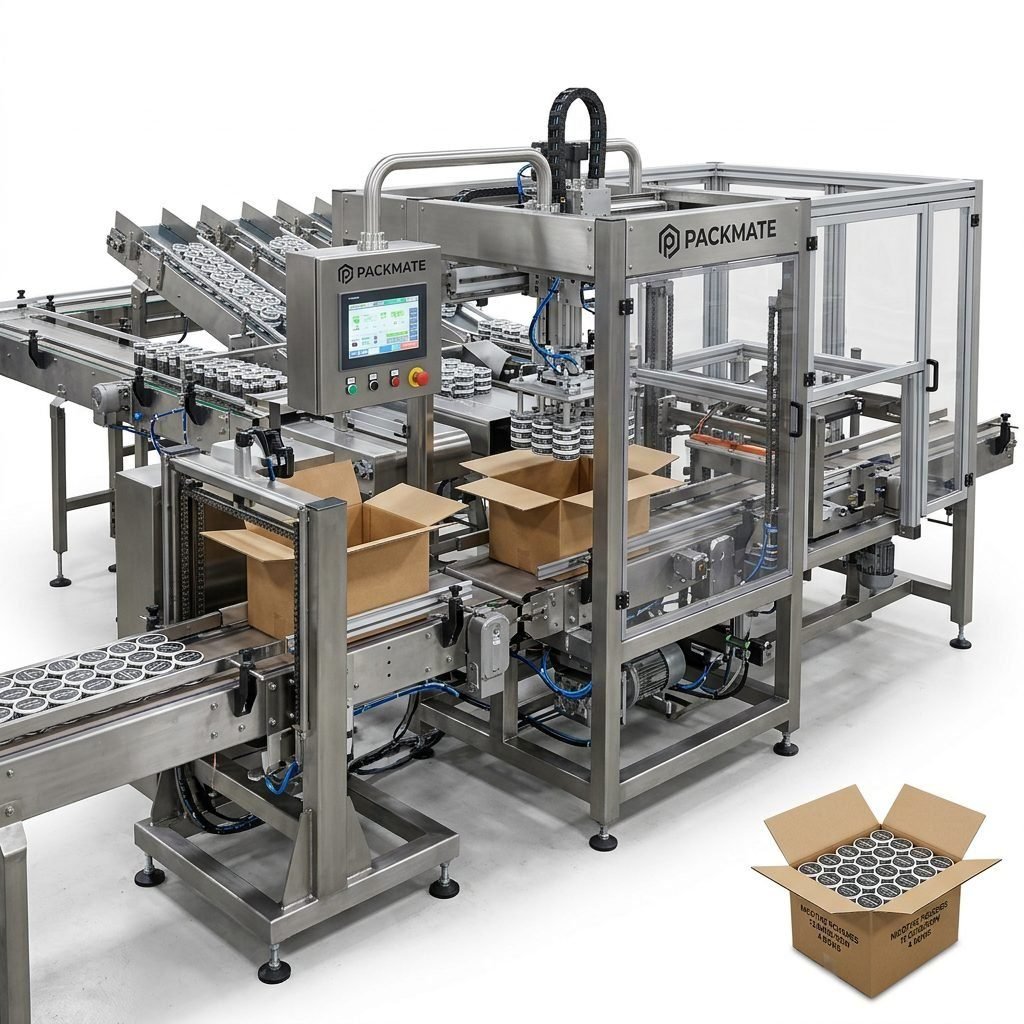
Choosing the right snus packaging machine in Estonia requires a clear understanding of your production goals, regulatory constraints, and long-term business plans. This guide walks you through the practical steps to evaluate machines, compare technologies, and select a supplier that delivers reliable performance, compliance, and a strong return on investment. Whether you are scaling a small pilot line or building a high-speed multi-lane operation, the considerations below will help you make an informed decision.
Understand Your Production Requirements
Start by documenting core production parameters: expected daily output, target pouch formats (snus pouch, nicotine pouch, stick pack, sachet), material types (paper, foil, laminated films), dosing accuracy, and batch changeover frequency. A machine that matches your current needs but also offers scalable options will protect your investment as demand grows.
Key metrics to list
• Planned units per minute/hour/day • Range of pouch sizes and shapes • Fill types: powder, granule, liquid, or pre-formed pouches • Target weight tolerance and consistency
Tip: If you expect to handle multiple product types, prioritize machines with modular dosing and quick-change tooling. This reduces downtime during product changeovers and lowers long-term operational costs.
Choose the Right Machine Type for Snus and Nicotine Pouches
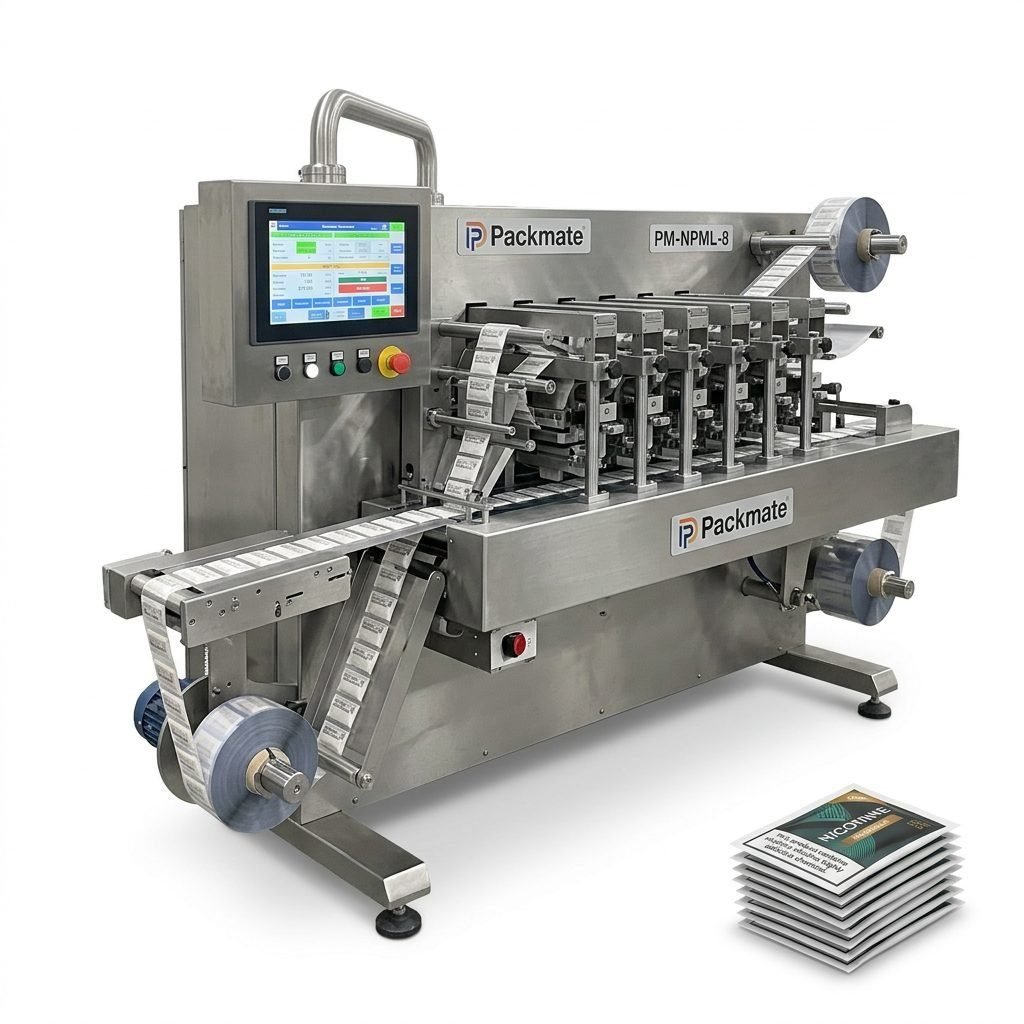
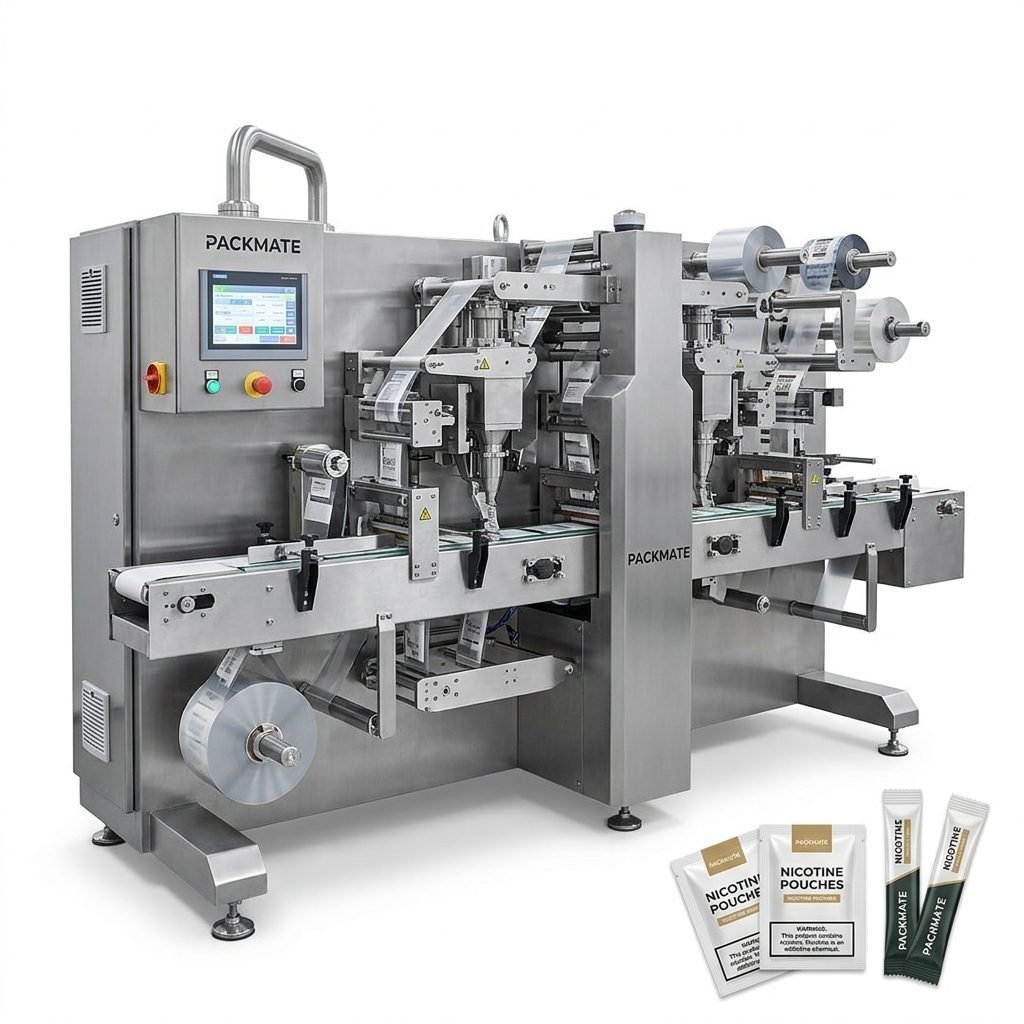
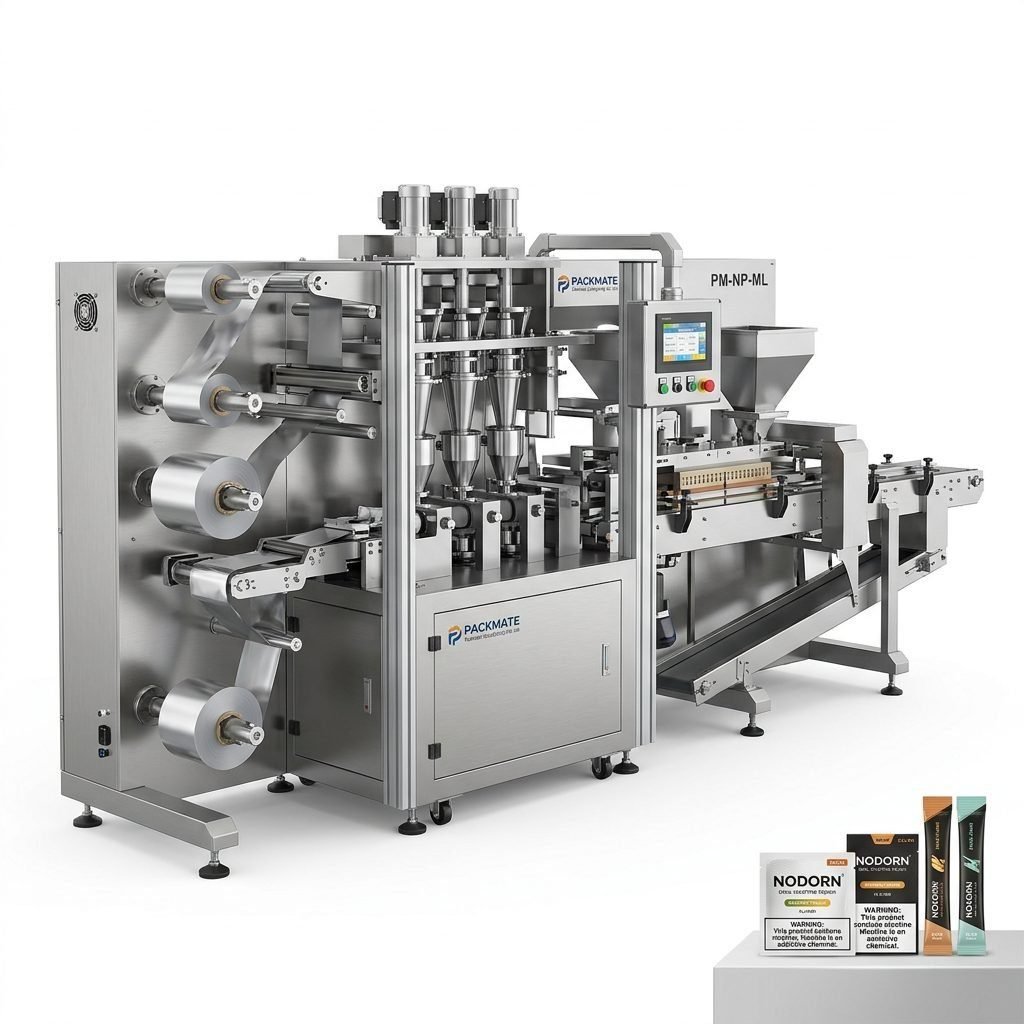
Several machine classes are commonly used in the snus and nicotine pouch market. Each has strengths depending on format, speed, and automation level. For a detailed look at available options, consult the manufacturer’s product pages like
Snus & Nicotine Packaging Machines.
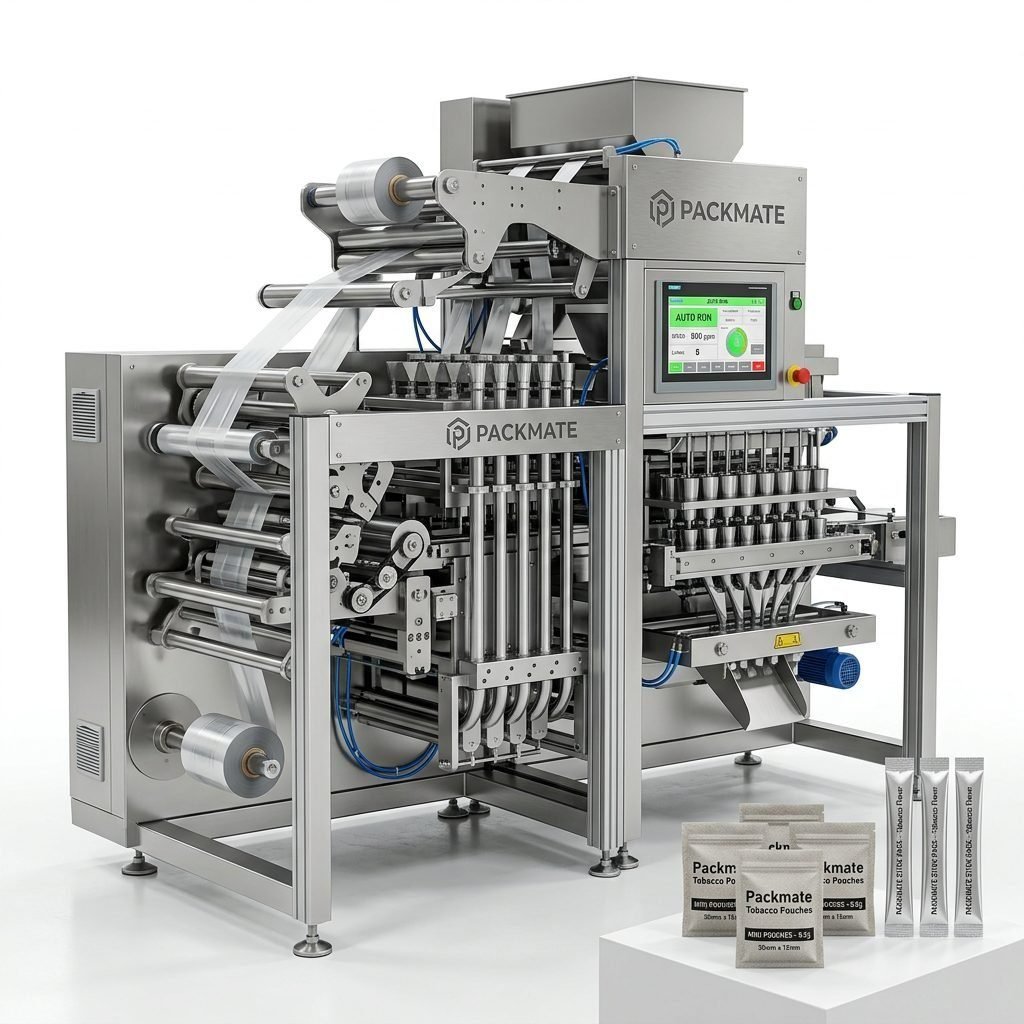
Stick pack and sachet machines
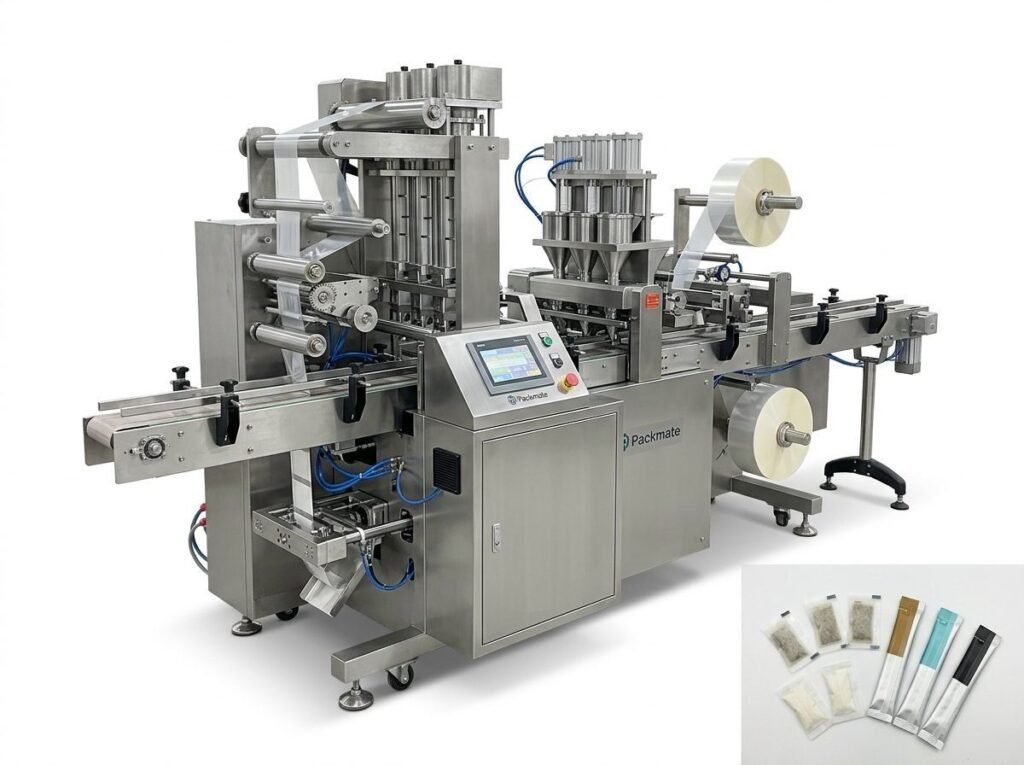
Stick packs and sachet machines are ideal for single-serve formats. They are often compact and can achieve high speeds for narrow-format pouches. See examples at
Sachet & Stick Pack Machines.
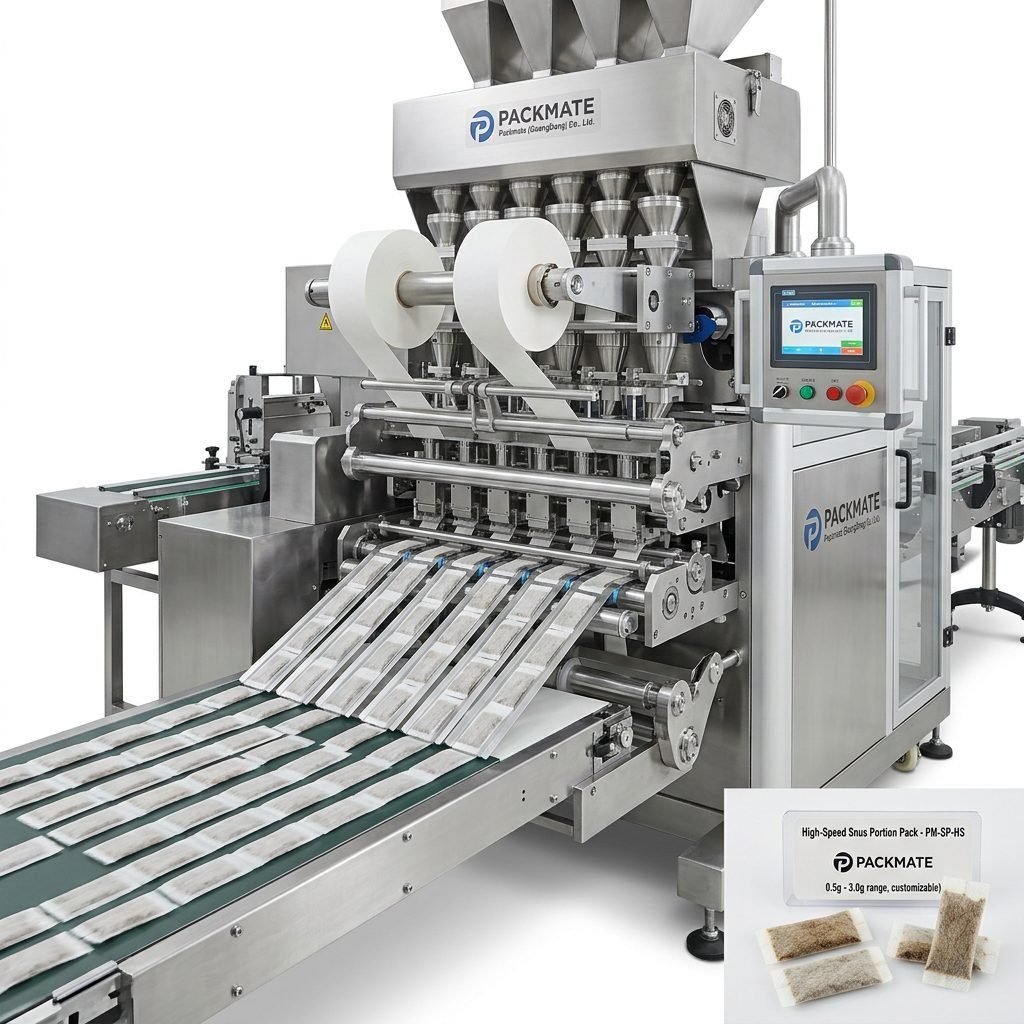
Multi-lane pouch systems
For large-scale production of small-dose pouches, multi-lane pouching systems enable parallel packaging streams to multiply throughput while maintaining dosing accuracy. These systems are especially valuable for nicotine pouches and snus where output requirements are high.
Critical Selection Criteria
Evaluate potential machines against these essential criteria to ensure they meet both operational and regulatory demands.
1. Throughput and Scalability
Match machine speed to your forecasted volumes. A machine with modular lanes or upgradeable motors lets you scale capacity without full replacement.
2. Dosing Accuracy and Product Handling
Accurate dosing ensures compliance and minimizes waste. Check the machine’s tolerance specification and what type of dosing system (volumetric, auger, loss-in-weight) is used for powders and granules.
Important: For nicotine pouches where dosage control is critical, prioritize loss-in-weight or precision multi-head weighing systems.
3. Film & Pouch Material Compatibility
Confirm the machine supports the film types you plan to use (recyclable films, laminates, paper, heat-seal coatings). Some machines require specialized jaws or sealing profiles for certain laminates.
4. Automation, HMI & Integration
Modern machines offer PLC control, touch-screen HMI, and data logging for production traceability. If you plan to integrate the packer into a larger line (weighing feeders, case packers, metal detectors), verify communication protocols and mechanical interfaces.
5. Ease of Cleaning & Maintenance
Choose designs with hygienic constructions, quick-change components, and clear maintenance access. This minimizes downtime and keeps operation safe and efficient.
Vendor Evaluation: What to Look For
Selecting the right manufacturer is as important as specifying machine features. Consider the supplier’s track record, technical support, and ability to deliver turnkey solutions.
• Experience and proven references in snus and nicotine pouch packaging • Factory capabilities and certifications (CE, ISO) • Willingness to provide FAT/SAT and on-site commissioning • Spare parts availability and service contracts • Case studies and customer testimonials
Supplier highlight: Packmate Snus Machine brings over 30 years of industry expertise, a 20,000㎡ factory, and a portfolio spanning snus packaging machines to complete filling & packaging lines. Learn more on their
About Packmate page.
Assess Total Cost of Ownership (TCO) and ROI
Purchase price is only one component of TCO. Include installation, staff training, spare parts, energy consumption, consumables, and expected downtime. A higher initial investment in accuracy or automation often pays back through reduced waste and labor costs.
Calculate ROI factors
• Labor savings per shift • Reduction in material waste due to improved dosing • Increased throughput enabling higher sales • Lower maintenance downtime with robust design
Installation, Commissioning and Training
Ensure the supplier provides factory acceptance testing (FAT) and on-site installation support. Staff training on the HMI, changeover procedures, and routine maintenance reduces early operating errors and helps you reach target performance faster.
Checklist before shipment: FAT report, recommended spare parts kit, electrical and pneumatic specifications, commissioning schedule, and operator manuals in your language.
Common Operational Tips for Snus Packaging Lines
Maintain a predictable preventive maintenance plan: daily cleaning, weekly lubrication and checks, and monthly alignment inspections. Keep a small inventory of high-use spare parts like belts, seals, and sensors to minimize downtime.
Use inline quality checks such as weight verification, pouch seal inspection, and metal detection. Data logging and SPC (statistical process control) help you detect drift in dosing and machine behavior early.
Integration & Upgrades
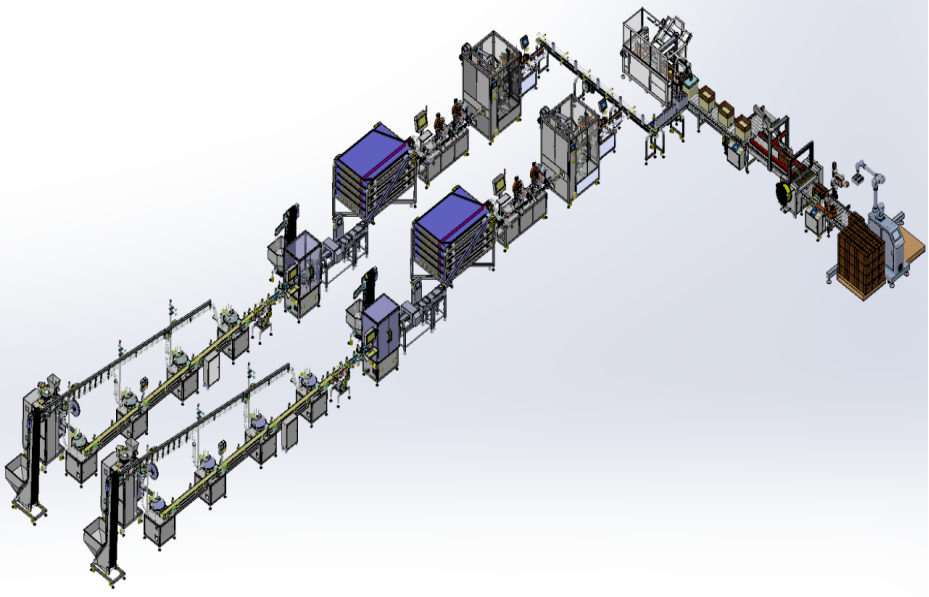
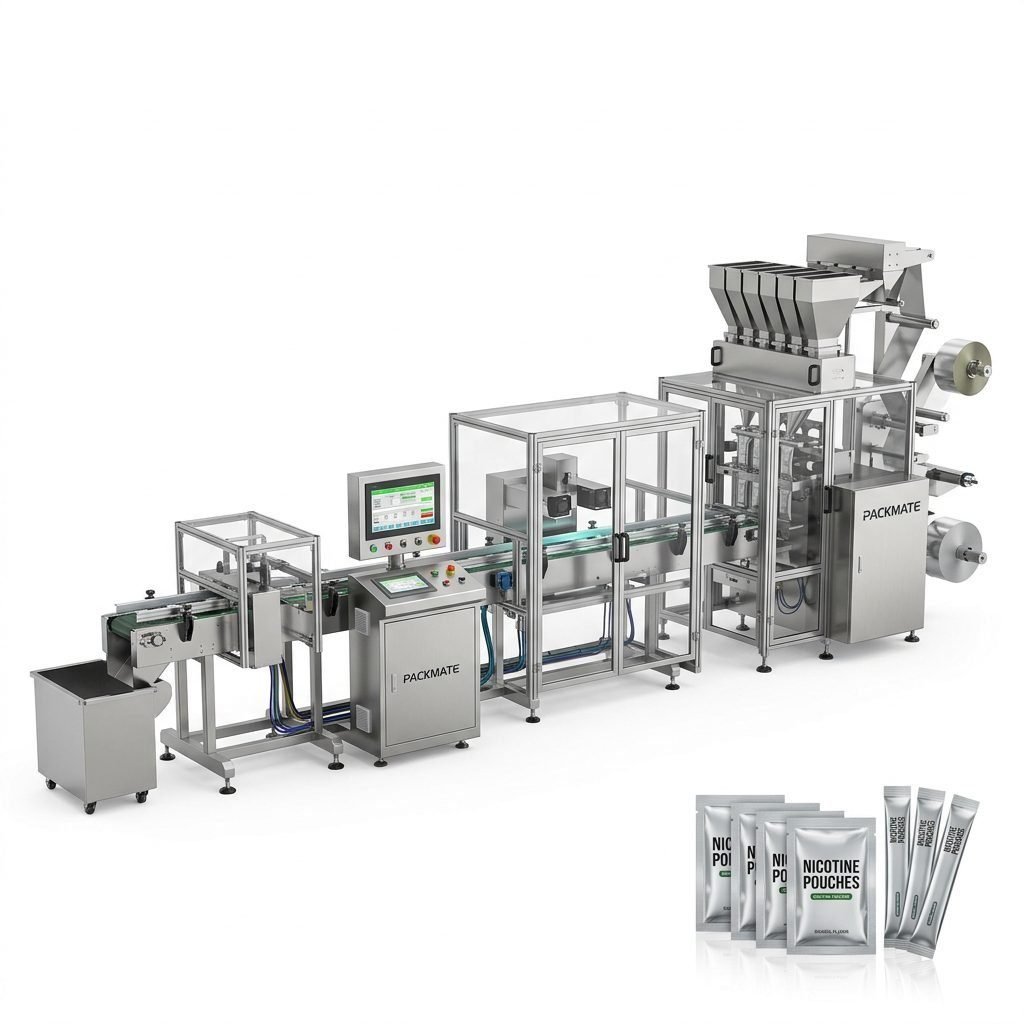
If you plan to expand later, choose machines that offer easy integration with upstream fillers, feeders, and downstream cartoning or case packing equipment. Explore full line options like
Filling & Packaging Lines and weighing systems at
Weighing & Packaging Systems.
Regulatory Compliance and Certifications
Verify that the machine and supplier comply with applicable standards (CE, ISO) and that any materials contacting product meet food-grade or pharmaceutical-grade requirements if necessary. Documentation should include test certificates and material declarations.
Global support: Manufacturers with export experience and exhibition presence indicate established global after-sales networks — check their
Our Exhibition and
Case pages for live examples.
Common Pitfalls to Avoid
• Underspecifying capacity for future growth • Ignoring spare parts lead times • Skipping FAT and operator training • Overlooking material compatibility and seal integrity • Choosing the lowest price without considering TCO
Final Checklist Before Purchase
• Detailed spec sheet with capacities and tolerances • Factory acceptance test (FAT) protocol • Installation and commissioning plan • Warranty, spare parts, and service agreement • References and live customer installations
Next step: Contact the supplier’s technical team with your specification sheet and request a proposal that includes an LED-based performance guarantee, FAT dates, and a complete spare parts list.
Summary
Selecting the best snus packaging machine in Estonia is a balance of technical fit, supplier reliability, and long-term economics. Prioritize dosing accuracy, material compatibility, and modular scalability. Verify supplier credentials, request FAT, and plan for robust after-sales support to keep your production line running efficiently and compliantly.
Frequently Asked Questions
Q1: How do I determine the right machine speed for my business?
A1: Calculate your target daily output, factor in shifts and uptime, then select a machine whose rated speed provides headroom for peak demand and maintenance windows.
Q2: What certifications should I require from the manufacturer?
A2: At minimum, ask for CE and ISO documentation, and ensure materials in contact with the product meet food or pharmaceutical-grade requirements where applicable.
Q3: Can I upgrade a single-lane machine to multi-lane later?
A3: Some manufacturers offer modular designs that allow lane expansion or performance upgrades; verify upgrade paths and mechanical space requirements before purchase.
Q4: How important is supplier proximity for service?
A4: Local presence speeds response times, but manufacturers with global service networks and regional spare parts stocks can provide equivalent support. Confirm SLA terms.
Q5: Where can I see real machine examples and request a quote?
A5: Visit product pages for machine types and full line solutions such as Snus & Nicotine Packaging Machines, Sachet & Stick Pack Machines, or contact the supplier via their Contact Us page to arrange a consultation.