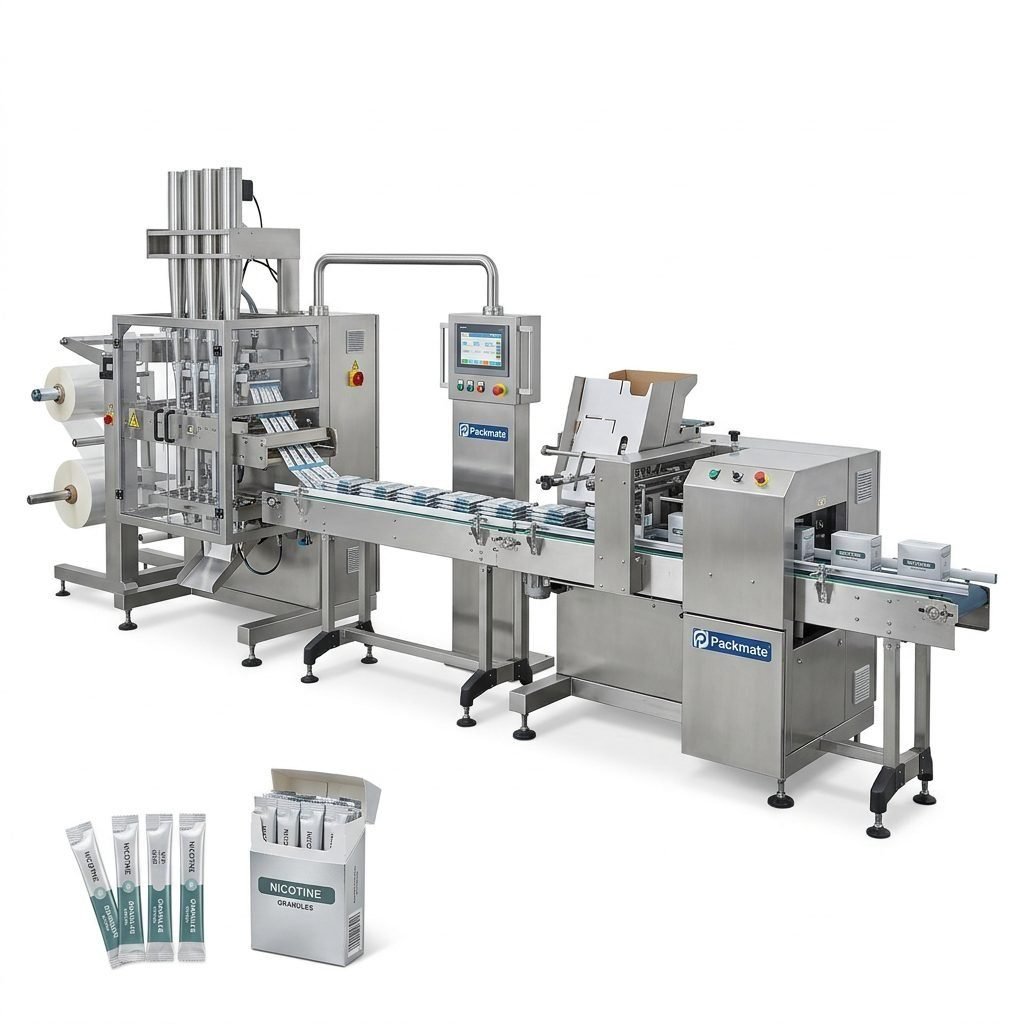
Saint Lucia’s growing duty-free tourism, combined with a niche but expanding local market for nicotine pouches and snus, makes selecting the right packaging machine a strategic decision. This guide walks you through the technical, environmental, and commercial considerations specific to Saint Lucia so you can confidently choose a machine that meets local needs, protects product quality in a tropical climate, and supports sustainable business growth.
Why the Right Machine Matters in Saint Lucia
🔧 Product integrity is everything. In a humid, tropical island like Saint Lucia, moisture and heat can rapidly degrade nicotine pouch quality. Choosing a machine that provides consistent, hermetic seals and accurate dosing reduces returns, preserves shelf life, and protects brand reputation. At the same time, tourist-driven retail opportunities (duty-free shops, cruise passengers, hotels) demand fast, reliable production runs that can react to seasonal spikes.
Local considerations that change the buying criteria
• Power standards: Saint Lucia uses 230V, 50Hz—confirm machine compatibility or the need for transformers.
• Workforce: Aim for machines with intuitive HMI and clear diagnostics to reduce downtime, especially where specialized technicians may be less available.
• Import & regulation: Tobacco and nicotine product packaging can be subject to strict rules—ensure your machine supports compliant labeling and serialization if required.
1. Understand Your Product and Packaging Format
Choosing between sachet, stick pack, or multi-lane pouch systems depends on product dose, presentation, and market expectations. Nicotine pouches and snus vary in moisture content, particle size, and intended mouthfeel—these factors determine the ideal filling and sealing technology.
✅ Key tip: For nicotine pouches in high-humidity markets like Saint Lucia, prioritize machines with high-precision heat-sealing and optional nitrogen flushing to extend shelf life.
2. Production Capacity & Scalability
Estimate your peak seasonal demand—tourism peaks and duty-free events can cause dramatic short-term increases. Look for scalable options: modular machines, add-on multi-lane heads, or systems that can be upgraded from single-lane to multi-lane as your volume grows.
⚙️ Throughput vs. flexibility: High-speed multi-lane machines maximize output but require precise maintenance; single-lane flexible machines are easier to operate for frequent recipe changes.
3. Material & Barrier Requirements
Tropical climates accelerate oxidation and moisture ingress. Your choice of film structure and sealing quality should match this reality. Consider laminated barrier films (foil or metallized layers) and high-barrier laminates that maintain seal integrity under humidity and heat.
⚠️ Important: Test final pouch samples in local conditions (heat, salt air near coastal areas) before committing to large runs—what passes lab tests in a dry environment may fail in Bridgetown-like humidity.
4. Machine Precision & Filling Technology
Nicotine pouch dosing requires high precision to meet regulatory limits and customer expectations. Look for machines with accurate volumetric or weight-based dosing systems. Integration with precision feeders and anti-bridging mechanisms is essential for consistent pouch weight.
🔎 Ask about: weight check systems, automatic rejection of under/overweight pouches, and easy calibration procedures for local operators.
5. Climate & Corrosion Protection
Salt-laden air and high humidity accelerate corrosion. Stainless steel construction (304 or better 316 for coastal operations), protective coatings on exposed metals, and sealed electrical cabinets help reduce maintenance frequency and avoid unexpected failures.
✅ Pro buyer advice: If your facility is near the coast, insist on 316-grade stainless steel and IP65-rated electrical enclosures to guard against salty air and moisture.
6. Compliance, Labeling & Traceability
Packaging for nicotine products often requires specific warnings, batch codes, and sometimes tax stamps. Choose machines that support inline printing, label application, and serialization features. This reduces manual steps and ensures consistent compliance across batches.
📌 Local note: Saint Lucia’s customs and import checks require clear documentation. Machines that print batch codes and lot tracking simplify audits and help avoid regulatory delays at ports of entry.
Recommended machine families
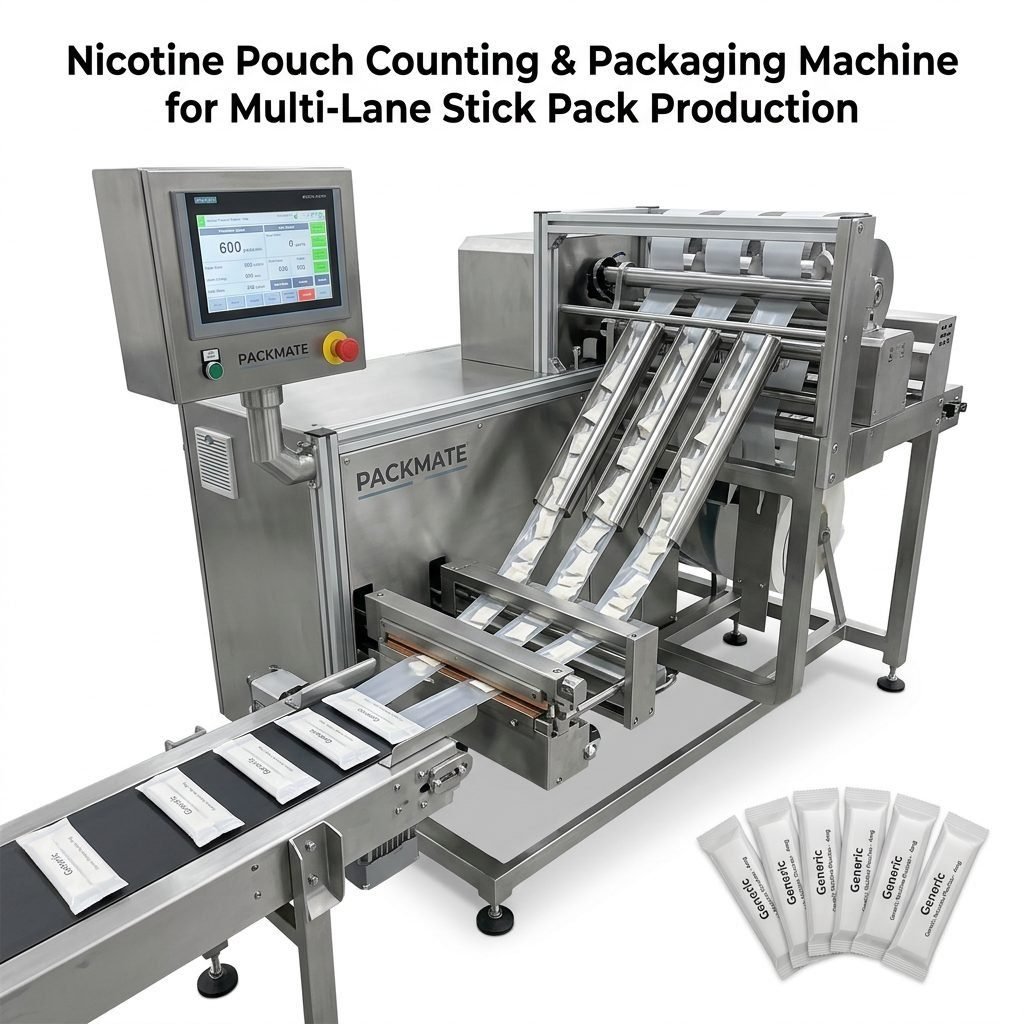
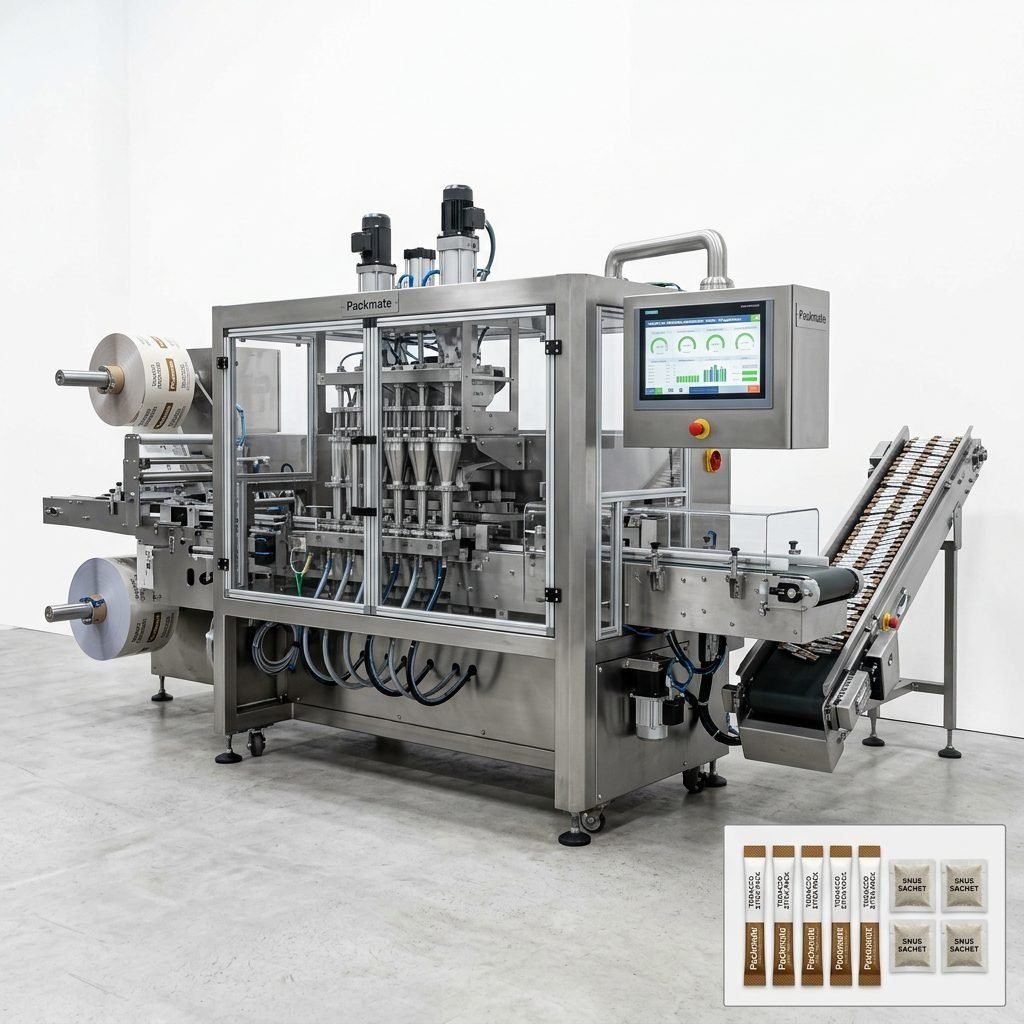
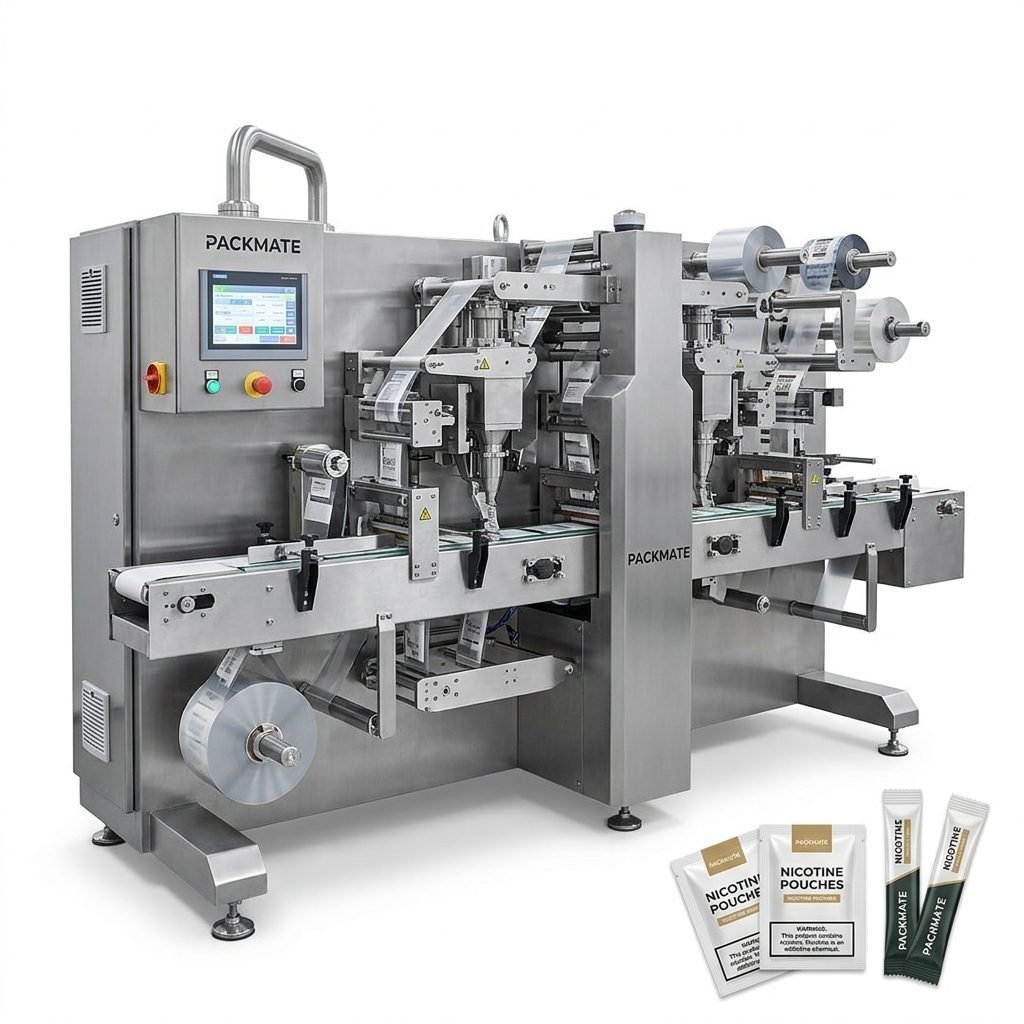
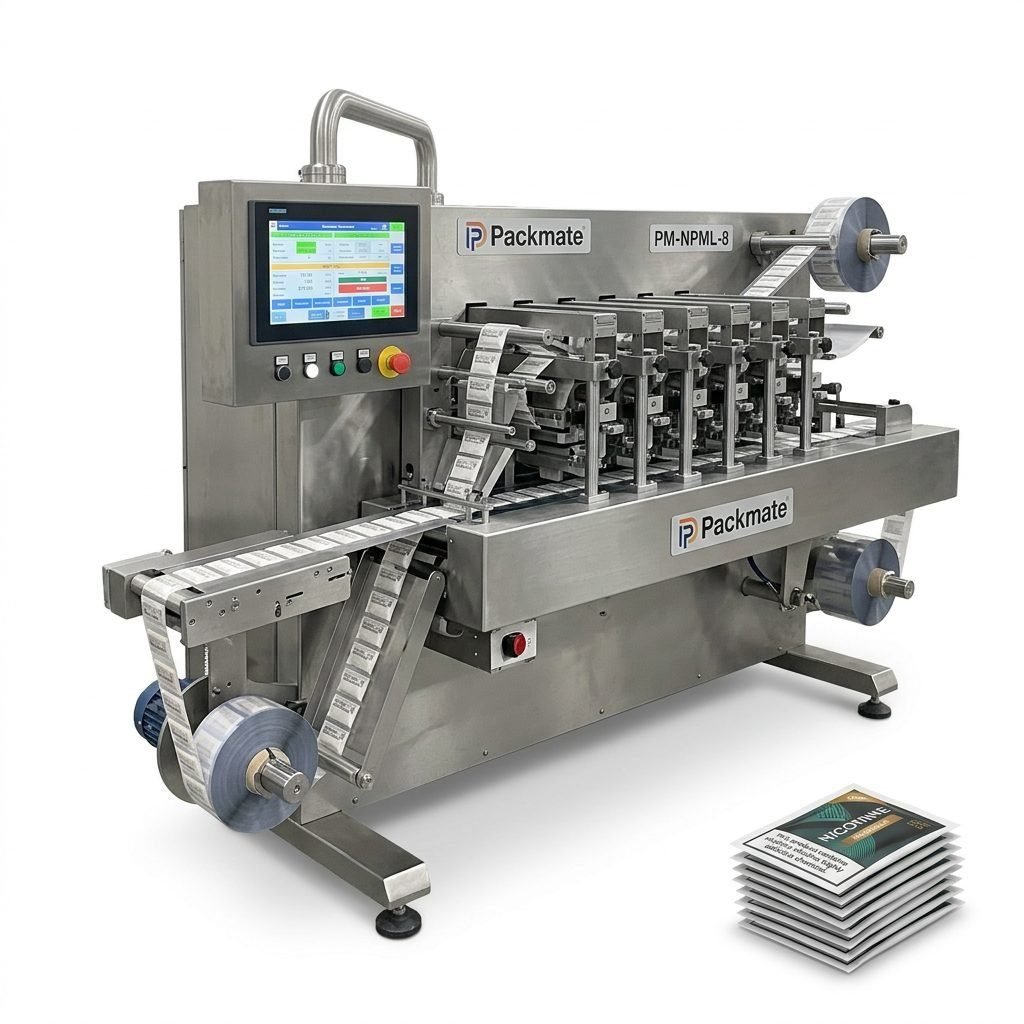
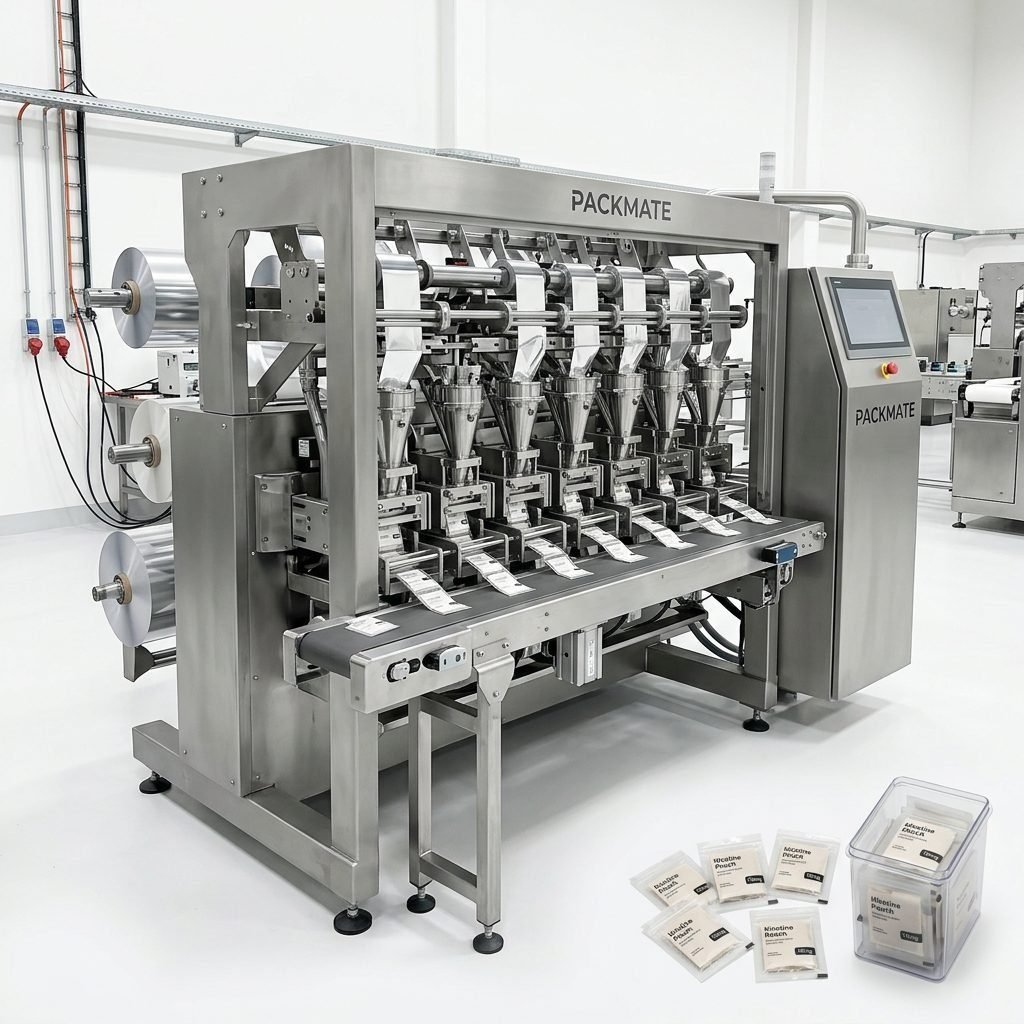
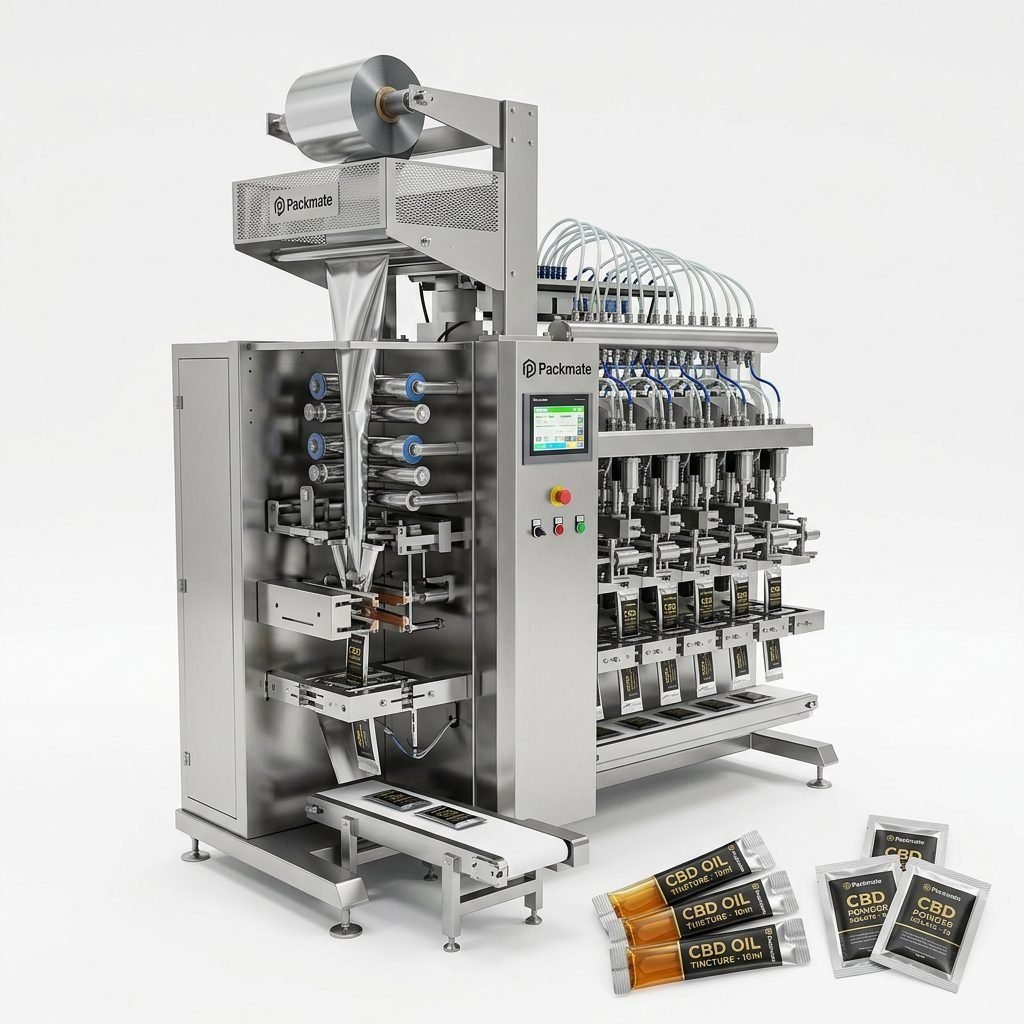
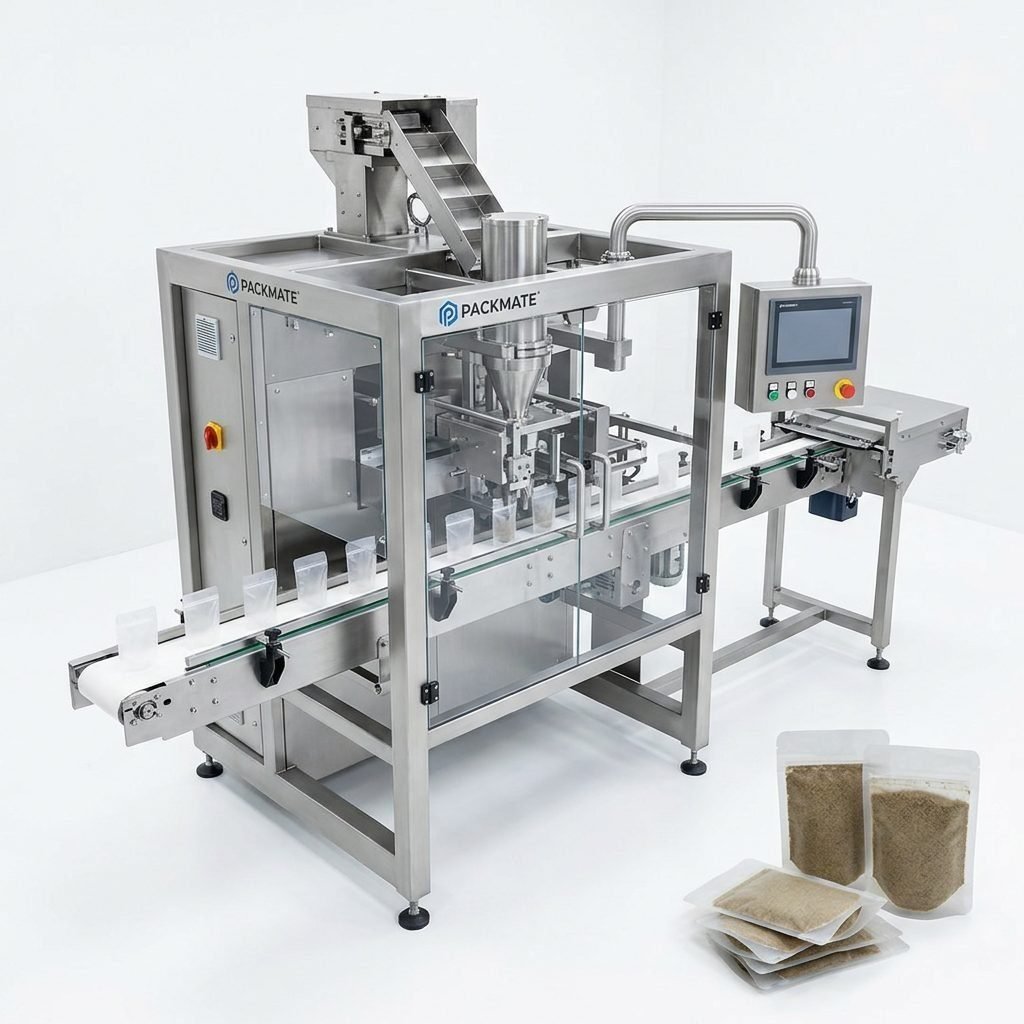
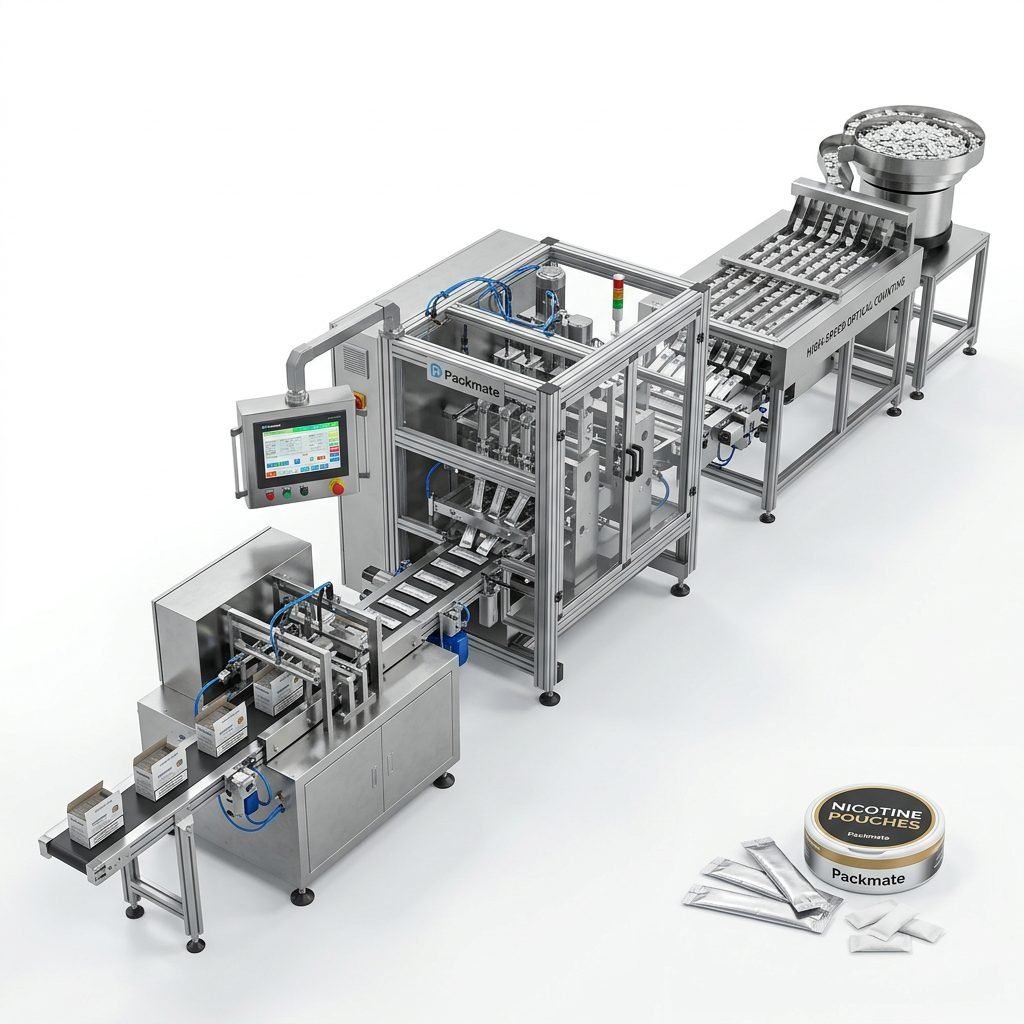
Explore specialized lines such as snus and nicotine pouch machines, multi-lane stick pack machines, and complete filling & packaging lines. Packmate offers a full range; view models specific to nicotine packaging in the Snus & Nicotine Packaging Machines catalog for technical details and case studies.
Learn more about product ranges: Snus & Nicotine Packaging Machines, Bag & Pouch Packaging Machines, and broader filling options at Filling & Packaging Lines.
7. Installation, Training & After-Sales Support
Good after-sales support is critical when operating on a small island. Machines should be supplied with comprehensive installation, operator training, and remote support options. Confirm spare parts availability and typical lead times for replacements shipped to Saint Lucia.
🔧 Ask the vendor: Are there local distributors or technicians who can perform on-site repairs? Does the supplier offer remote diagnostics, spare parts kits, and training tailored to a non-industrialized setting?
8. Total Cost of Ownership (TCO)
Evaluate not just the upfront price but energy consumption, spare parts, consumables (films, inks), and expected uptime. Machines with higher initial cost may pay back quickly through lower scrap rates, faster changeovers, and reduced labor needs.
💡 Energy tip: In Saint Lucia, where electricity prices can be volatile, machines with energy-efficient drives and sleep modes reduce long-term operating costs.
9. Facility Layout & Logistics for Saint Lucia
Consider the size of your production space, access to loading docks, and local transport limitations. Port handling in Saint Lucia may involve different container procedures; ensure machine crating is suitable for maritime transport and that the supplier offers export documentation and customs support.
📦 Documentation: Verify the vendor will provide CE/ISO certificates, packing lists, and any local-required compliance documents to smooth import clearance.
10. Choosing a Trusted Supplier — Why Packmate Matters
With over 30 years of packaging experience and a 20,000㎡ manufacturing facility, Packmate offers specialized snus and nicotine packaging solutions, from single-lane sachet machines to multi-lane high-speed lines. Their global exposure and certifications (CE/ISO) are valuable for buyers in export-focused markets like Saint Lucia.
For product overviews and case studies, check About Packmate and customer case examples to evaluate real-world performance.
Practical procurement checklist
• Confirm voltage and frequency compatibility (230V/50Hz)
• Inspect material contact parts for 316 stainless or protective treatment
• Request test fills and sample pouches under local climate conditions
• Validate inline printing and serialization options for compliance
• Check spare parts shipping times to Saint Lucia and remote support availability
Installation & Commissioning: What to Expect
A full installation package should include site survey, foundation or floor requirements, electrical and compressed air needs, on-site commissioning, and operator training. Aim for a formal FAT (Factory Acceptance Test) and SAT (Site Acceptance Test) to ensure performance before and after shipping.
📘 Pro tip: Require videos or live-streamed FAT runs if you cannot attend in person—this prevents surprises at the Saint Lucia port and ensures the machine meets contracted specifications.
Customs & Import Tips for Saint Lucia
Plan lead times generously. Maritime shipments, customs clearance, and local delivery can add weeks to equipment arrival. Use a vendor experienced in Caribbean exports and request complete export documentation early to avoid delays.
📝 Must-have documents: commercial invoice, packing list, certificate of origin, CE/ISO certificates, and any third-party inspection reports required by local customs.
Next Steps: Where to Get More Information
If you’re evaluating machines, review technical catalogs and reach out for tailored quotes. Packmate’s product pages and service contacts provide detailed specs and support options. For detailed machine lines and auxiliary equipment, visit Sachet & Stick Pack Machines and Auxiliary Packaging Equipment.
Final decision checklist
• Machine compatibility with 230V/50Hz and local climate
• Barrier films and sealing technology suited for high humidity
• Spare parts lead time and remote support options
• Compliance capabilities for labeling and serialization
• Total cost of ownership over a 5-year horizon
Frequently Asked Questions
Q1: What machine features reduce moisture-related failures in Saint Lucia?
A1: Prioritize hermetic heat-sealing, nitrogen flushing options, and high-barrier laminated films. Machines with stable, repeatable sealing temperature control and inline leak detection will reduce moisture ingress and extend shelf life.
Q2: Do I need to modify machines for Saint Lucia’s power supply?
A2: Most industrial machines can be configured for 230V/50Hz. Confirm with the supplier if a different motor or transformer is required and ensure electrical cabinets are specified for local voltage to avoid damage upon arrival.
Q3: How long does it take to import and commission a packaging line in Saint Lucia?
A3: Typical lead times vary: manufacturing and FAT (8–14 weeks), shipping and customs clearance (2–6 weeks depending on route and paperwork), and on-site commissioning (1–2 weeks). Plan for 12–20 weeks total and work with suppliers experienced in Caribbean exports.
Q4: Where can I find reliable technical support and spare parts?
A4: Choose suppliers with global service networks or those who ship spare parts quickly to Caribbean ports. Packmate provides spare parts and remote support; contact their service team for details to confirm typical shipping times to Saint Lucia via Contact Us.
Q5: How should I test packaging performance before full production?
A5: Request sample runs during FAT and test pouches under real local conditions—heat, humidity, and salt air exposure. Perform accelerated shelf-life testing and validate sealing integrity, barrier performance, and dose consistency prior to scaling up.