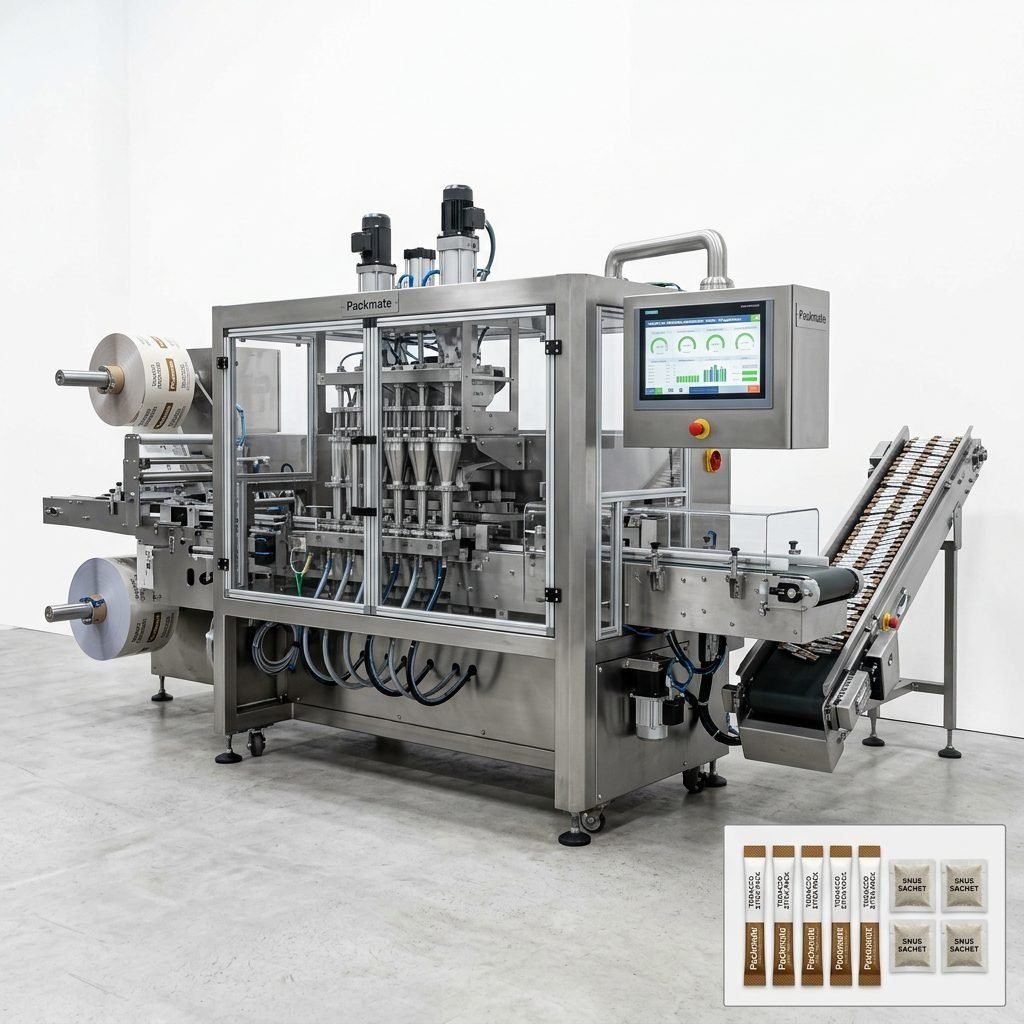
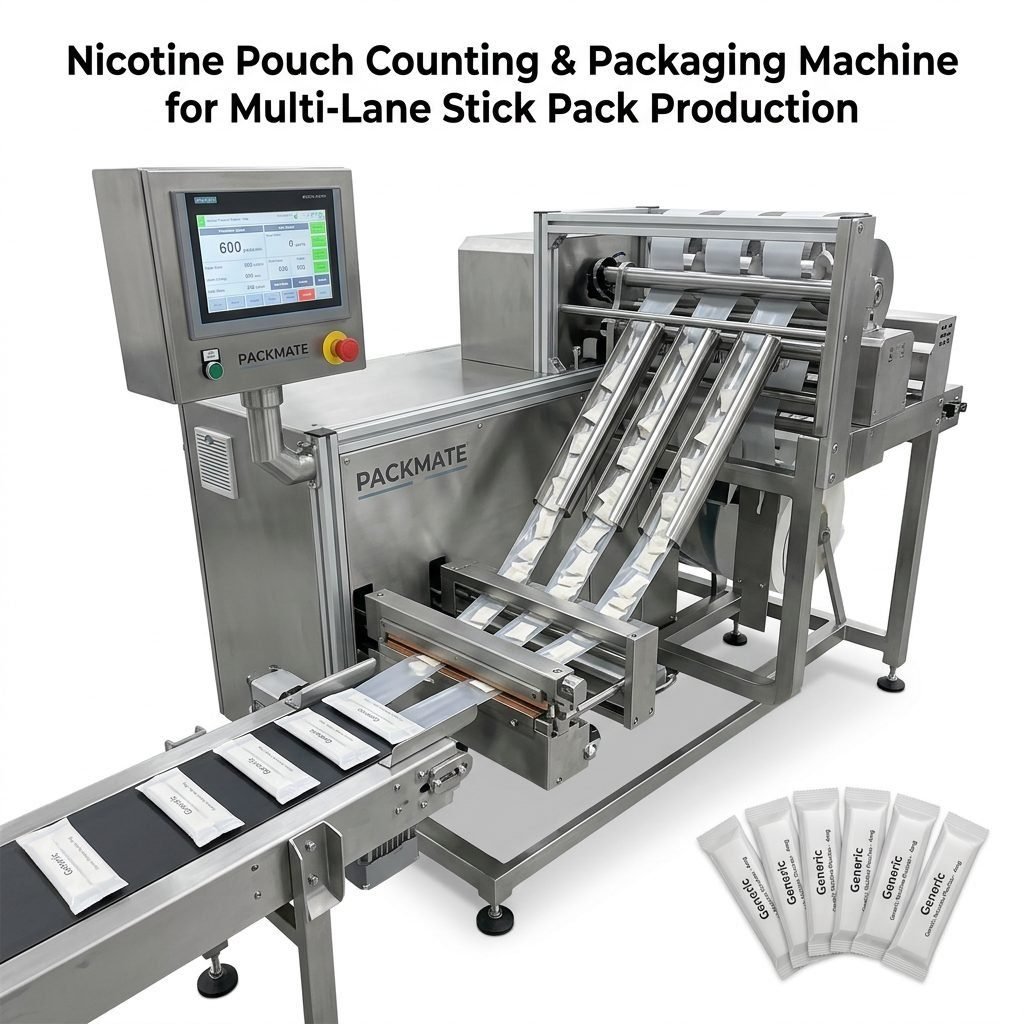
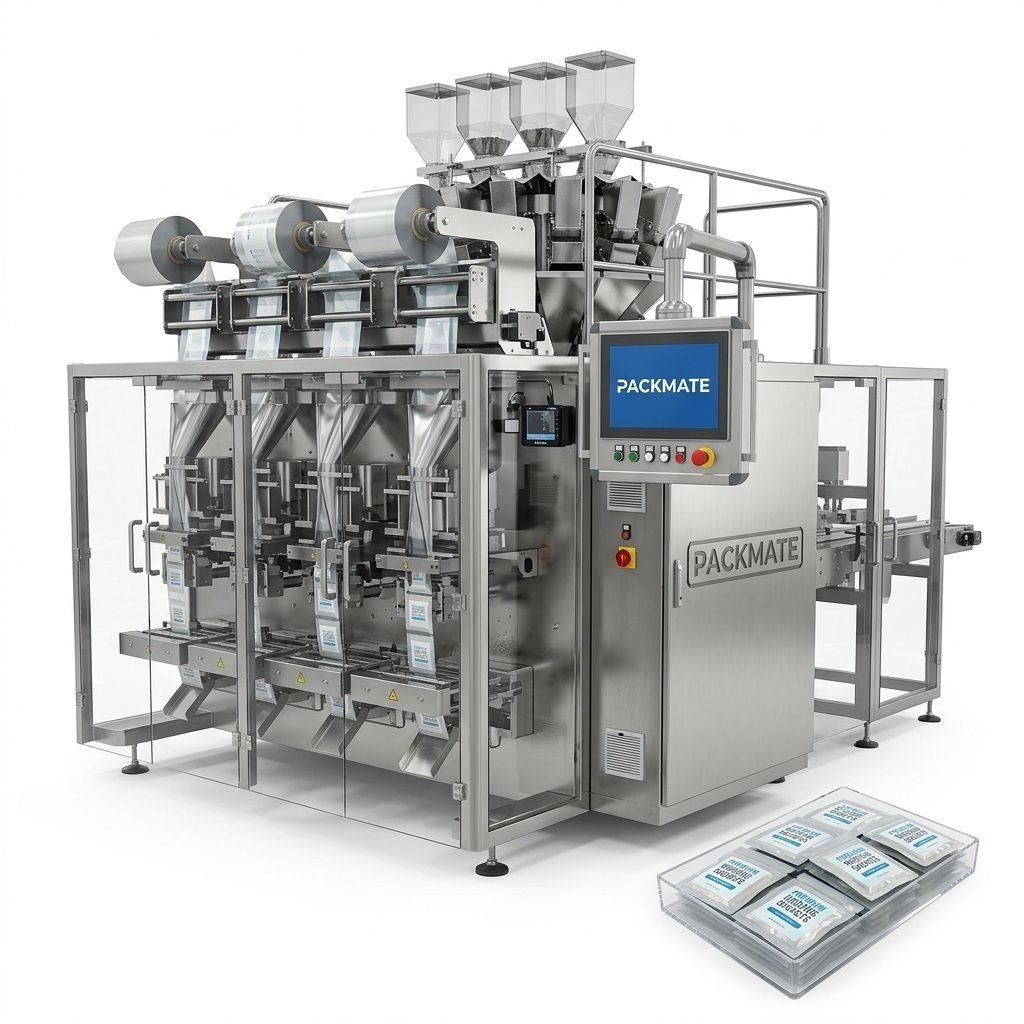
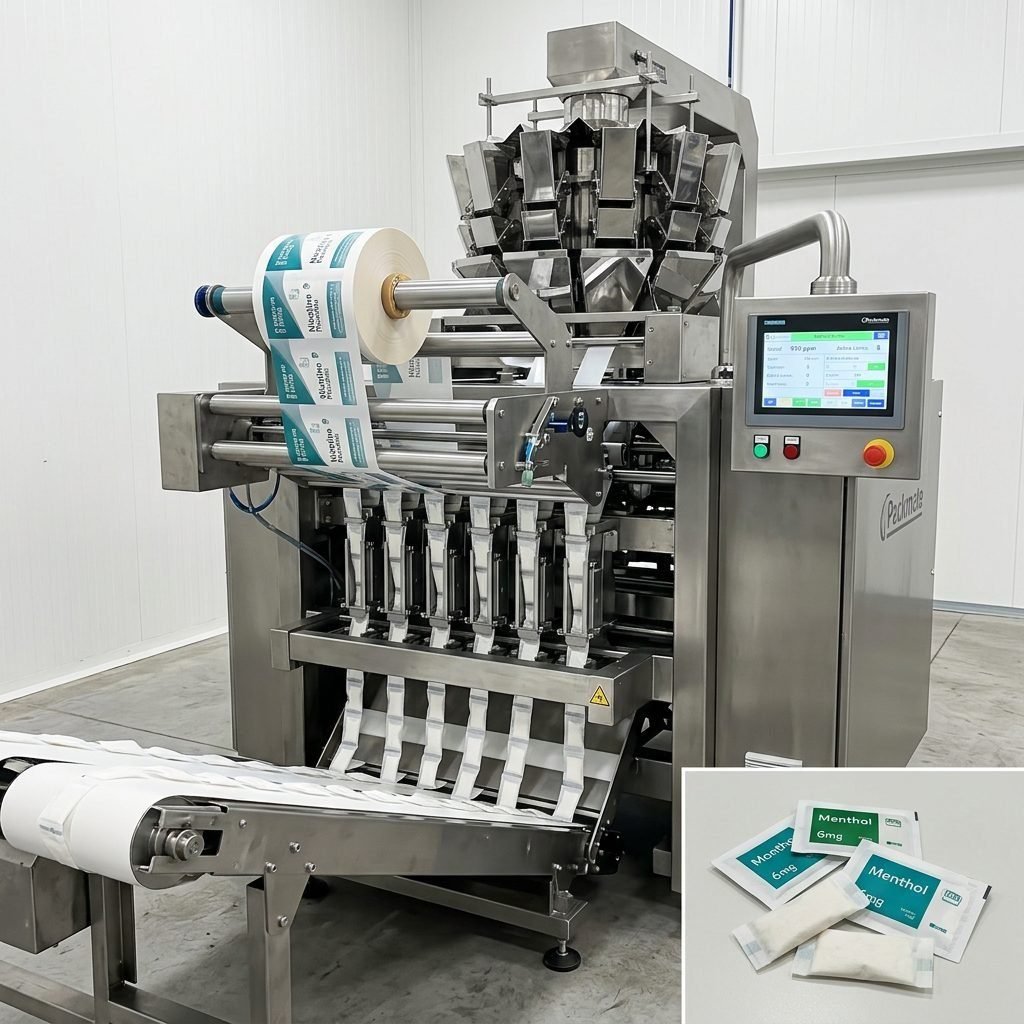
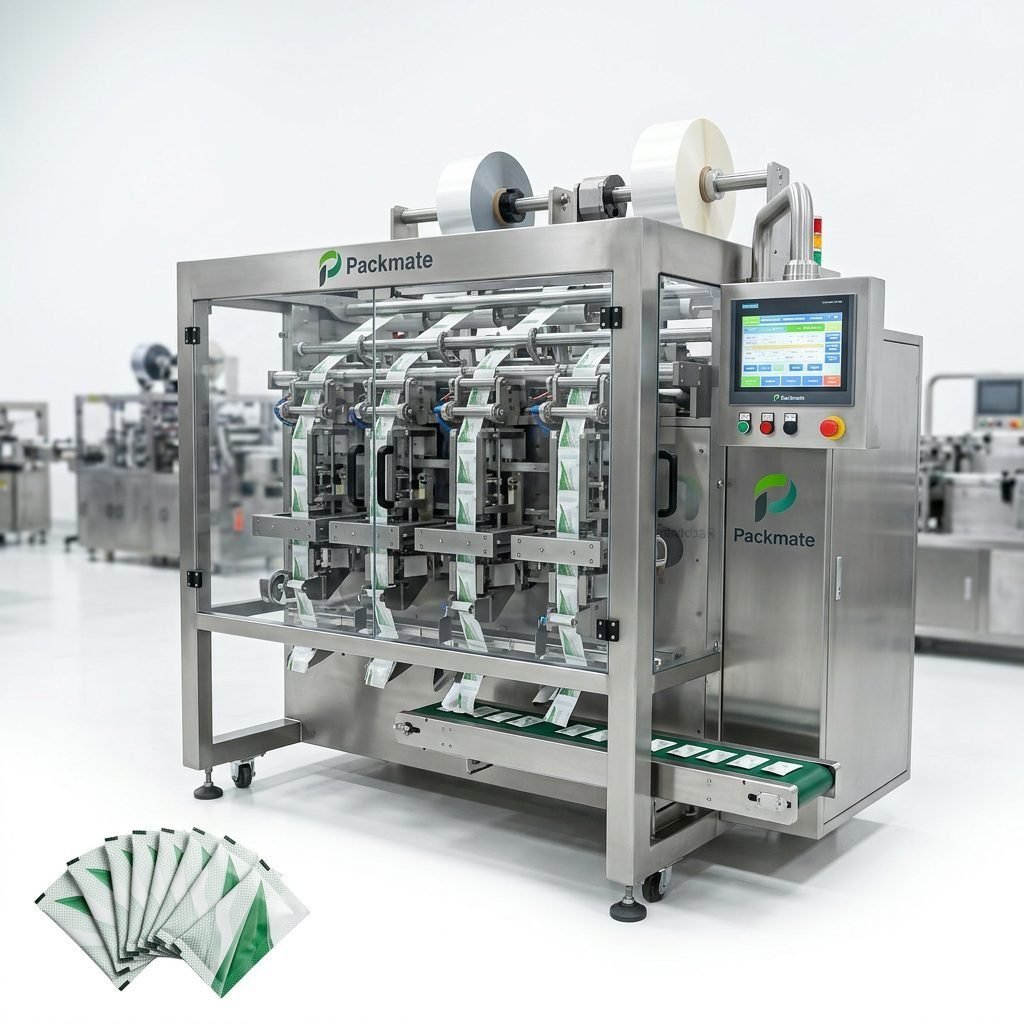
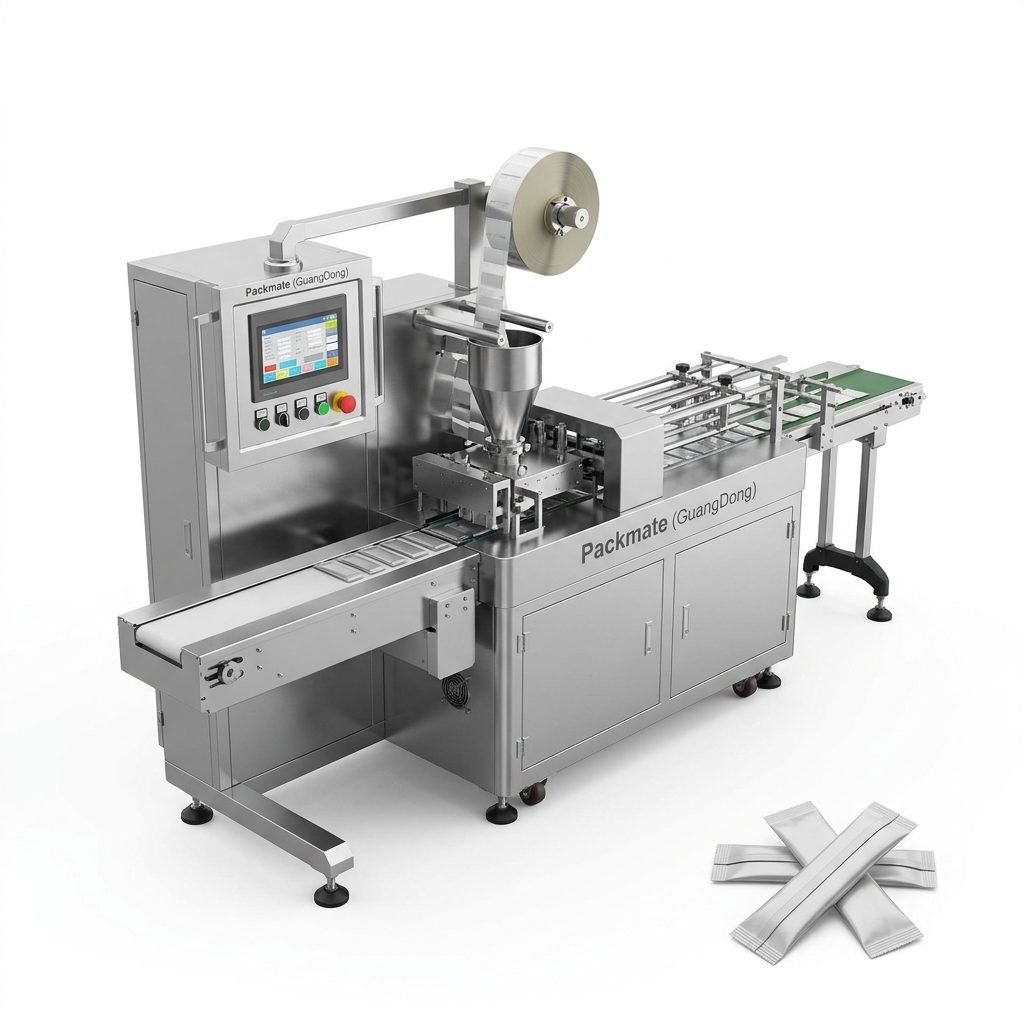
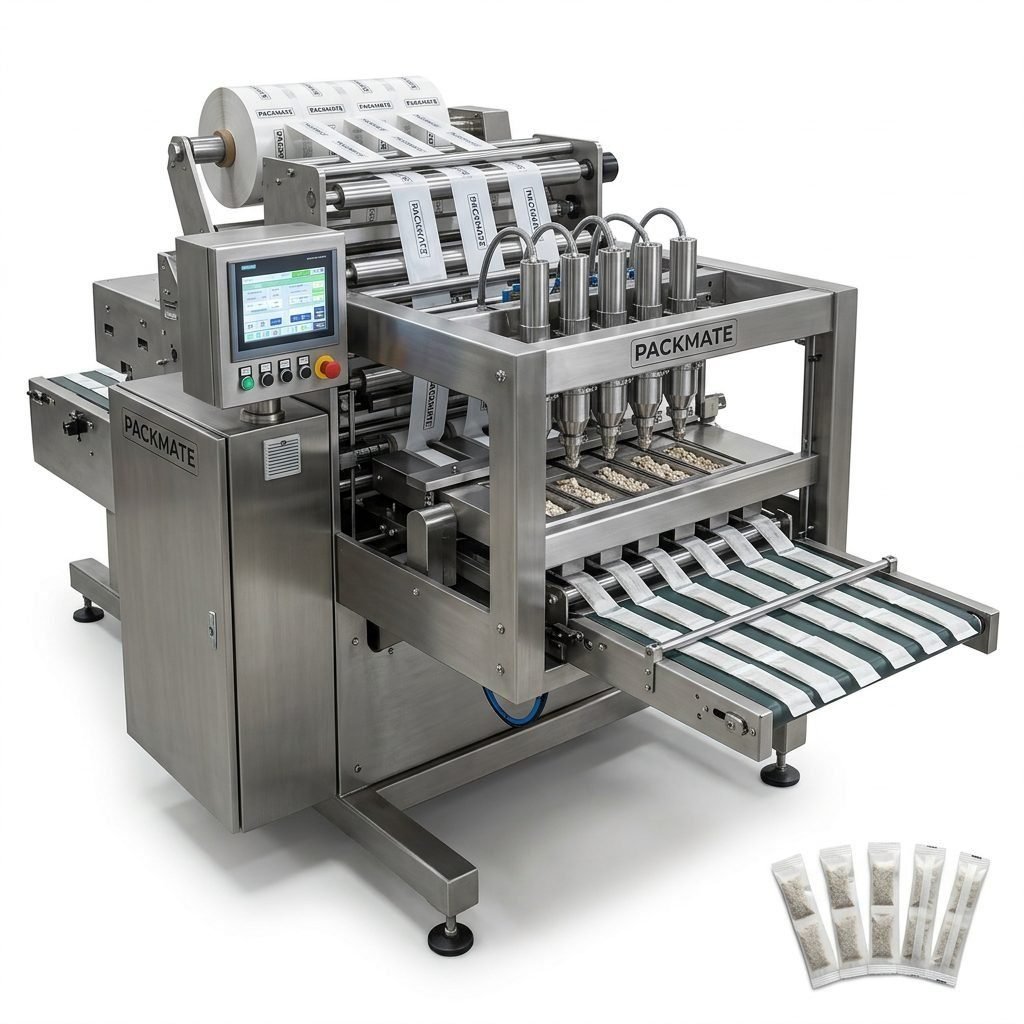
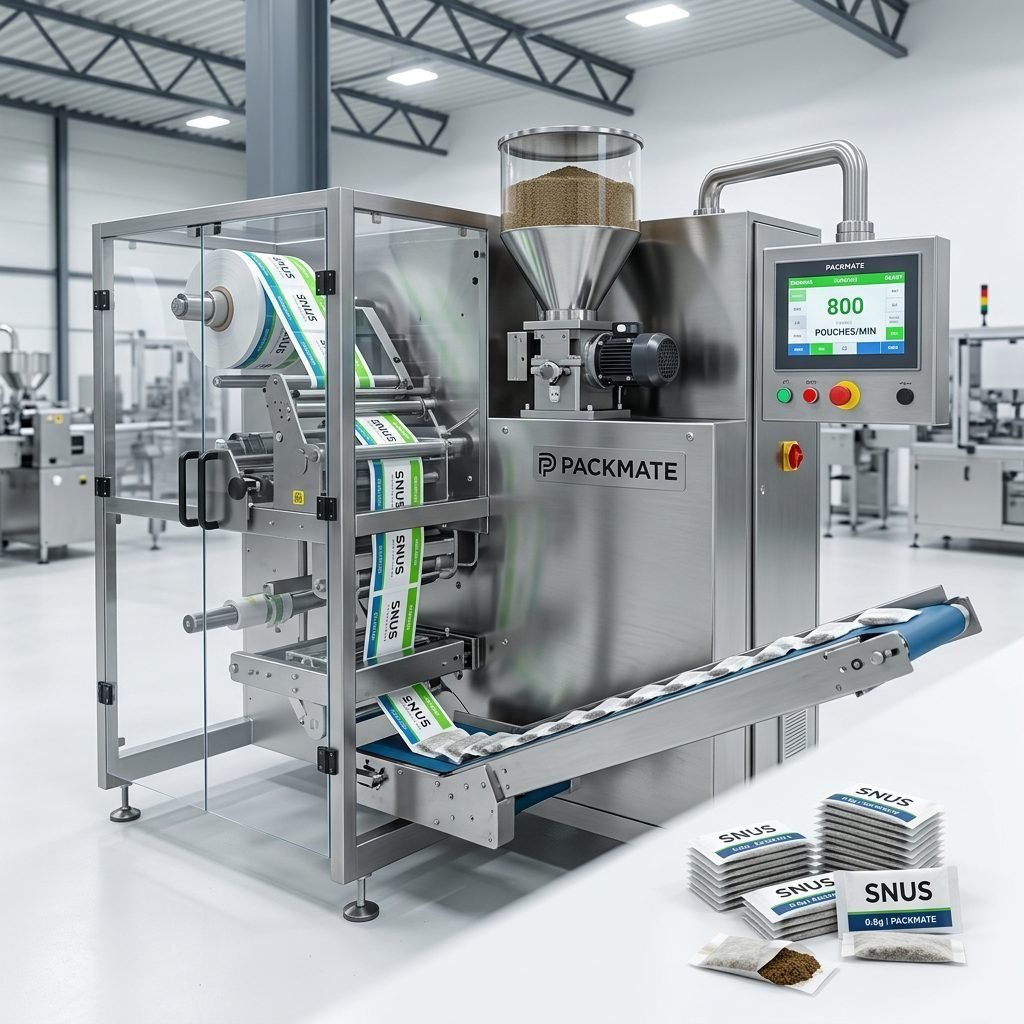
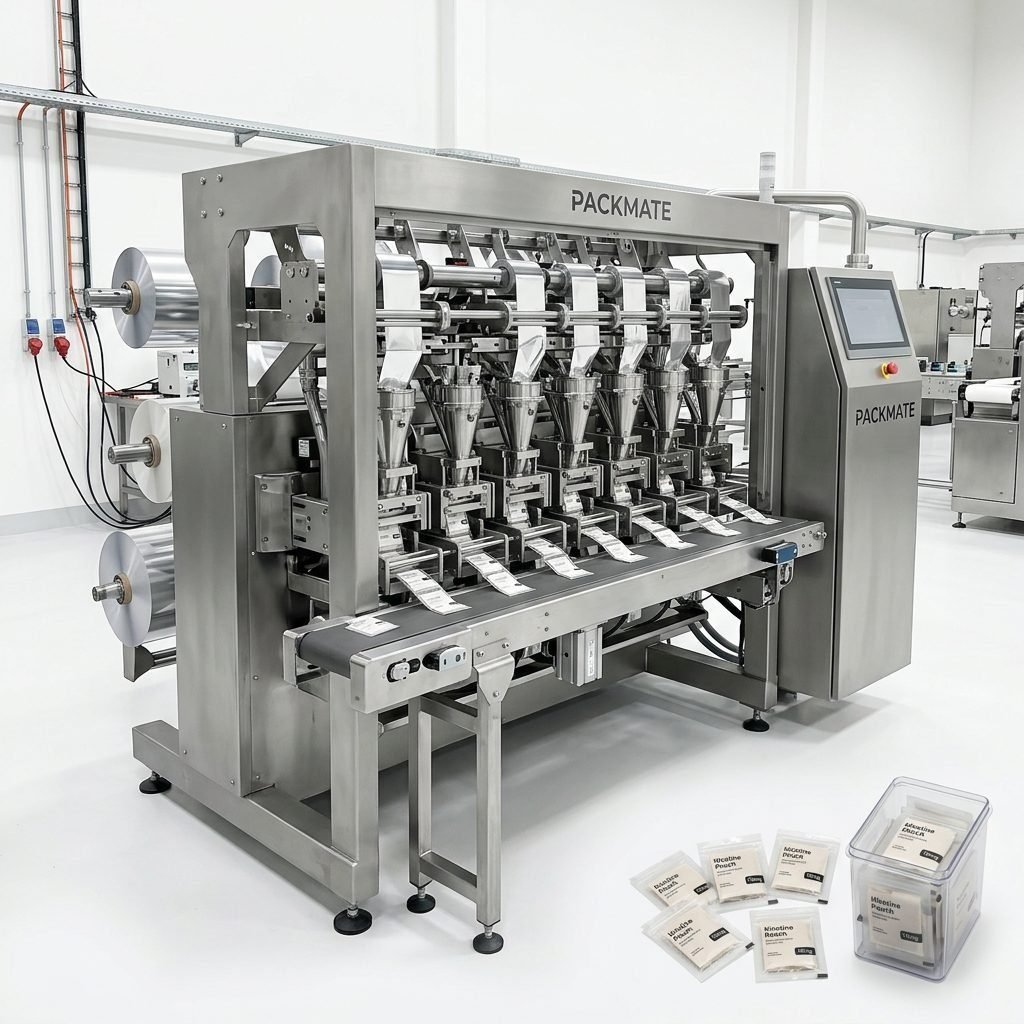
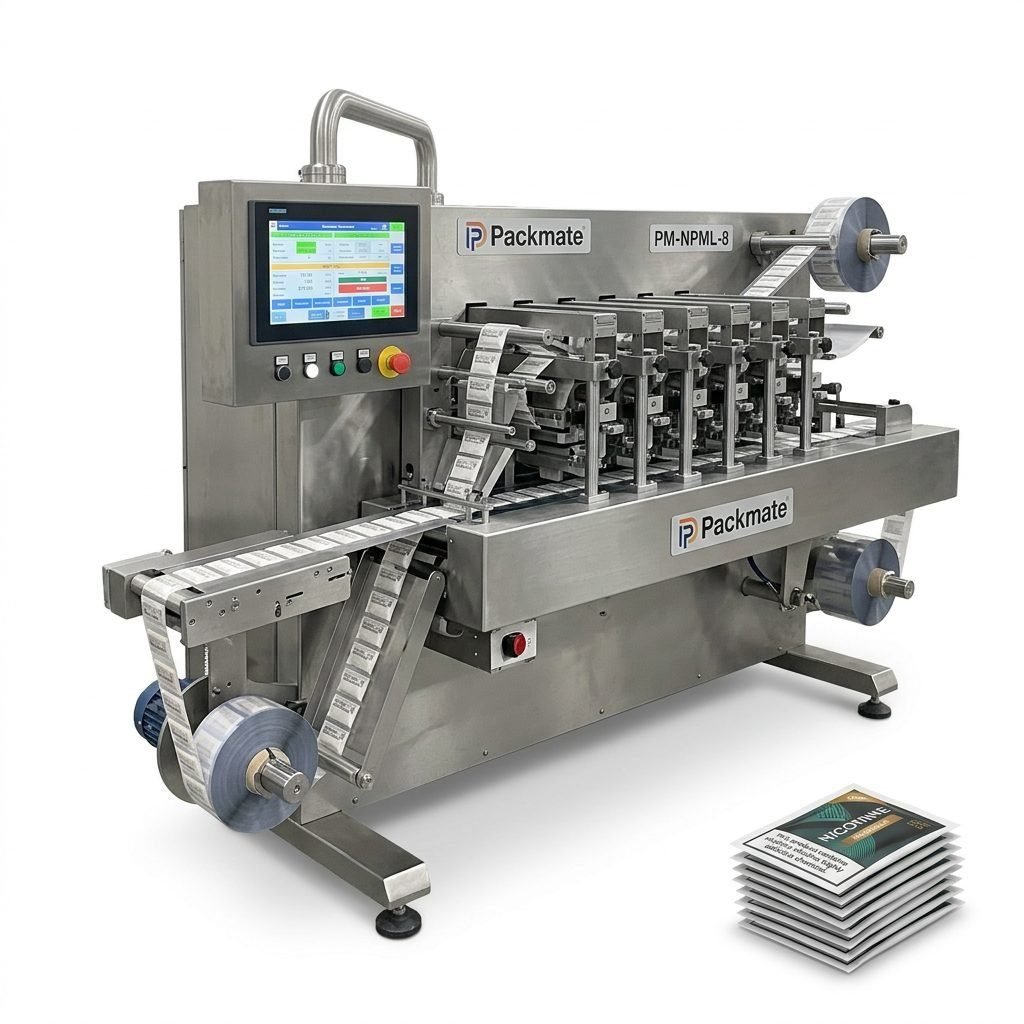
Finding a reliable nicotine packaging machine supplier in Laos requires a mix of technical knowledge, local market awareness, and careful due diligence. This guide walks you through practical steps—from defining production needs and understanding Laotian business culture to evaluating suppliers, negotiating terms, and ensuring long-term service and compliance. Whether you are a new entrepreneur in Vientiane or an established distributor exploring multi-lane snus lines, these recommendations will help you make a confident purchase decision.
Understand Your Production Requirements First
Before contacting any supplier, document your production targets and packaging specifications in detail. Ask yourself:
- What is the daily/monthly output target (units per minute/hour)?
- Which packaging formats do you need—stick pack, sachet, multi-lane snus pouches, or custom pouches?
- Do you require integrated weighing, filling, or sterilization modules?
- What is the expected uptime and maintenance capacity of your factory in Laos?
Documenting these points helps you filter suppliers quickly and avoids wasting time on machines that do not meet your core needs.
Learn How Laotian Market Traits and Business Culture Affect Procurement
Laos has its own commercial rhythms and cultural expectations. Relationship-building (often called building “trust” and rapport) is central to successful negotiations. Expect decision cycles to be more deliberate, and invest time in face-to-face meetings or trustworthy local representatives. In Vientiane and Savannakhet, buyers often prefer suppliers who can guarantee reliable after-sales service and spare parts availability.
💡 Quick Tip: Engage a local logistics partner early. Laos’ landlocked geography means import routes often go through Thailand (Laem Chabang) or Vietnam, and transit times affect delivery and customs handling.
Shortlist Reputable Suppliers: What to Look For
When evaluating manufacturers, prioritize the following objective criteria:
- Proven track record in snus or nicotine pouch equipment, including multi-lane systems.
- Factory size and capacity—larger facilities with CNC machining centers and precision assembly lines indicate stronger manufacturing control.
- Compliance with international standards such as CE and ISO for safety and quality.
- Availability of turnkey solutions if you need integrated filling, weighing, and packaging lines.
- Transparent technical documentation, electrical schematics, and machine performance data.
For example, Packmate Snus Machine emphasizes 30+ years of engineering experience and a 20,000㎡ factory with advanced CNC centers—attributes that lower supplier risk for large-scale nicotine pouch production.
Inspect Technical Specifications and Key Performance Indicators
Request detailed machine specs and compare KPIs across vendors:
- Output speed (packs/min) and multi-lane capacity.
- Accuracy of dosing systems (important for nicotine pouch dosing).
- Changeover time between formats and ease of adjustment.
- Material compatibility (pouch films, foil, barrier films) and sealing quality.
- PLC and HMI systems: language options, remote diagnostics, and recipe storage.
Suppliers with extensive product ranges—such as stick pack, sachet, and snus-specific lines—can often customize solutions to meet unique requirements. For product examples, see the manufacturer’s product categories like Snus & Nicotine Packaging Machines and Sachet & Stick Pack Machines.
Factory Visit and Third-Party Verification
If possible, schedule a factory visit or request a live video demonstration. During the visit, verify:
- Actual assembly lines and CNC equipment in operation.
- Quality control stations and testing procedures.
- Stock of spare parts and after-sales inventory.
- Trained service engineers and documentation archives.
If you cannot visit, hire a third-party technical inspector or request videos of the machine running with your specific film and product to validate performance.
Evaluate After-Sales Support, Training, and Spare Parts
Long-term performance depends heavily on support. Ask suppliers about:
- Warranty terms and response times for on-site service in Laos or neighboring Thailand.
- Availability of English and Lao-speaking technical staff or local representatives.
- Training programs for your operators and maintenance personnel, on-site or remote.
- Spare parts lead times and kits that should be stocked locally.
Choose suppliers who offer clear service contracts and remote diagnostic capabilities—this reduces downtime in Laos where specialized technicians may be less accessible.
✓ Must-Have: A spare parts starter kit and remote PLC access are particularly valuable for operations in landlocked countries like Laos.
Assess Regulatory and Import Compliance in Laos
Nicotine and tobacco-related packaging face regulatory scrutiny. Work with local legal counsel and your supplier to confirm:
- Import documentation and classification codes for nicotine packaging machinery.
- Local labeling requirements for nicotine products and packaging materials.
- Any licensing needed for manufacturing nicotine pouches within Laos.
- Compliance with electrical and workplace safety standards—suppliers certified with CE/ISO help simplify compliance abroad.
Suppliers who routinely export to Southeast Asia are familiar with cross-border requirements and can provide necessary certificates and packing lists to smooth customs clearance.
Negotiate Commercial Terms and Payment Methods
When negotiating, aim for clarity on lead times, payment schedules, and penalties:
- Agree milestones: design approval, FAT (Factory Acceptance Test), shipment, and installation.
- Common payment terms: deposit + balance before shipment, or letter of credit for high-value orders.
- Include acceptance testing criteria and remediation obligations in the contract.
- Ensure clear Incoterms—FOB, CIF, or DDP—so you know when responsibility transfers.
For added protection, include a clause for performance guarantees and an agreed FAT where you or your representative verifies machine output before shipping.
Plan Installation, Commissioning, and Local Training
Successful commissioning requires coordination. Typical steps include:
- Site readiness: foundation, power supply, compressed air, and environment control.
- Customs clearance and warehouse staging near the installation site in Laos.
- On-site commissioning with supplier engineers; verify throughput, sealing, and dosing accuracy.
- Operator and maintenance training, plus delivery of manuals and spare parts lists.
Suppliers offering full Filling & Packaging Lines and integrated weighing systems will streamline start-up and reduce coordination overhead.
Seek References and Case Studies
Ask for recent reference customers, especially those in Southeast Asia. Request:
- Case studies showing similar projects (output, product type, and format).
- Contact details for clients willing to discuss performance and service responsiveness.
- Documentation of machine uptime and field modifications after delivery.
You can review portfolios and client examples on supplier pages like their Case page or explore product ranges under Bag & Pouch Packaging Machines.
⚠️ Important: Verify that references are recent and relevant. Technology evolves quickly—machines made a decade ago may not reflect current automation standards.
Local Partnerships and Aftermarket Strategy
To ensure continuity in Laos, consider establishing a local partnership or distributor agreement. Benefits include:
- Faster local response for technical issues and parts supply.
- Local invoicing and more predictable after-sales costs.
- Assistance navigating regulatory updates and product labeling requirements.
If a manufacturer like Packmate offers global turnkey solutions and exhibition presence, they often have established channels or authorized partners who can provide better regional support—see their Contact Us and Our Exhibition pages for ways to meet them in person.
Final Checklist Before Signing
Use this short checklist to confirm readiness:
- Detailed technical spec sheet and FAT acceptance criteria signed.
- Clear delivery and payment schedule with agreed Incoterms.
- Service-level agreement with response times and spare parts lead times.
- Training plan for your staff and documentation in English (and local language if possible).
- Customs & compliance documentation prepared for Laos import clearance.
Where to Start Right Now
Begin by preparing a concise Request for Quotation (RFQ) that includes your target output, pouch formats, material specs, and expected project timeline. Send this RFQ to 3–5 suppliers and ask for:
- Detailed quotations with breakdowns for machine, spare parts kit, training, and shipping.
- Lead times and FAT schedule.
- References and videos of similar machines running your product.
A good starting source for comprehensive equipment is the manufacturer’s product catalog—review sections such as Weighing & Packaging Systems and Auxiliary Packaging Equipment for complementary modules.
Summary: Make a Risk-Aware Investment
Buying nicotine packaging machinery in Laos is a strategic investment that requires careful attention to technical performance, supplier credibility, regulatory compliance, and after-sales support. Prioritize suppliers with proven track records, clear documentation, and strong service offerings. Local partnerships and a detailed RFQ will accelerate selection and reduce hidden risks.
Additional Resources
To learn more about supplier capabilities and certifications, explore the manufacturer’s pages such as About Packmate, their Certificate section, and the FAQs for common technical questions.
Frequently Asked Questions
Q1: How long does it take to get a snus packaging line delivered to Laos?
A1: Typical lead times range from 10–20 weeks depending on customization, FAT scheduling, and shipping logistics. Allow additional time for customs clearance in Laos.
Q2: What certifications should I request from suppliers?
A2: Request CE and ISO certificates, complete technical documentation, and any export compliance documents required for machinery and electrical equipment.
Q3: Can I get local technical support in Laos after purchase?
A3: Many manufacturers work with local partners or provide remote diagnostics. Negotiate service-level agreements and spare parts guarantees before signing.
Q4: How do I ensure my machine passes Factory Acceptance Test (FAT)?
A4: Define clear acceptance criteria in the contract—output speed, dosing accuracy, sealing integrity, and format changeover times—and request a video or on-site FAT with your product sample.
Q5: What are the best practices for reducing downtime in Laos?
A5: Stock critical spare parts locally, implement operator preventive maintenance training, and secure remote access for PLC and HMI diagnostics.