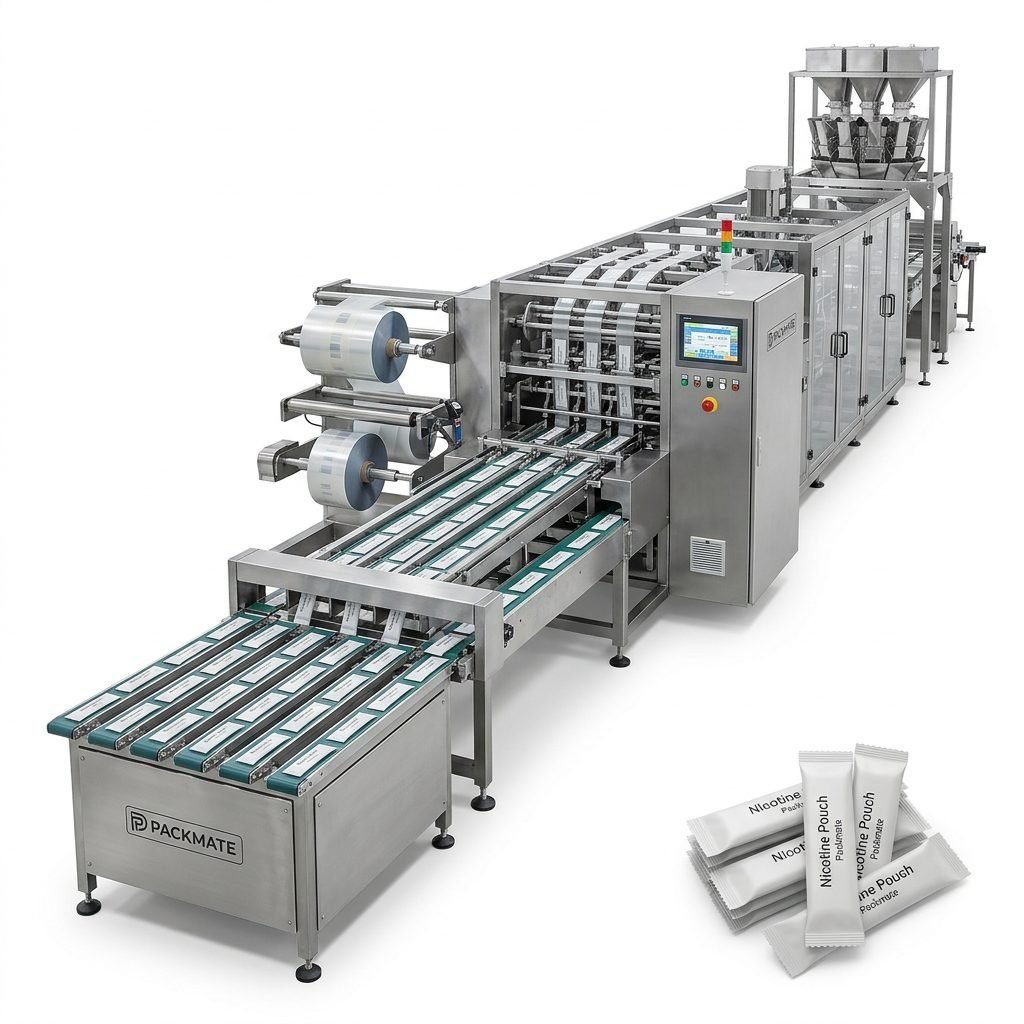
Entering the nicotine pouch market in Zimbabwe requires more than a great recipe — it demands the right packaging machinery to ensure consistent dosing, reliable sealing, and regulatory compliance. This guide walks production managers, engineers, and business owners through the practical steps to choose the best nicotine packaging machinery for your production line, with real-world considerations around throughput, quality, and long-term value.
⚙️ Understand Your Product and Production Targets
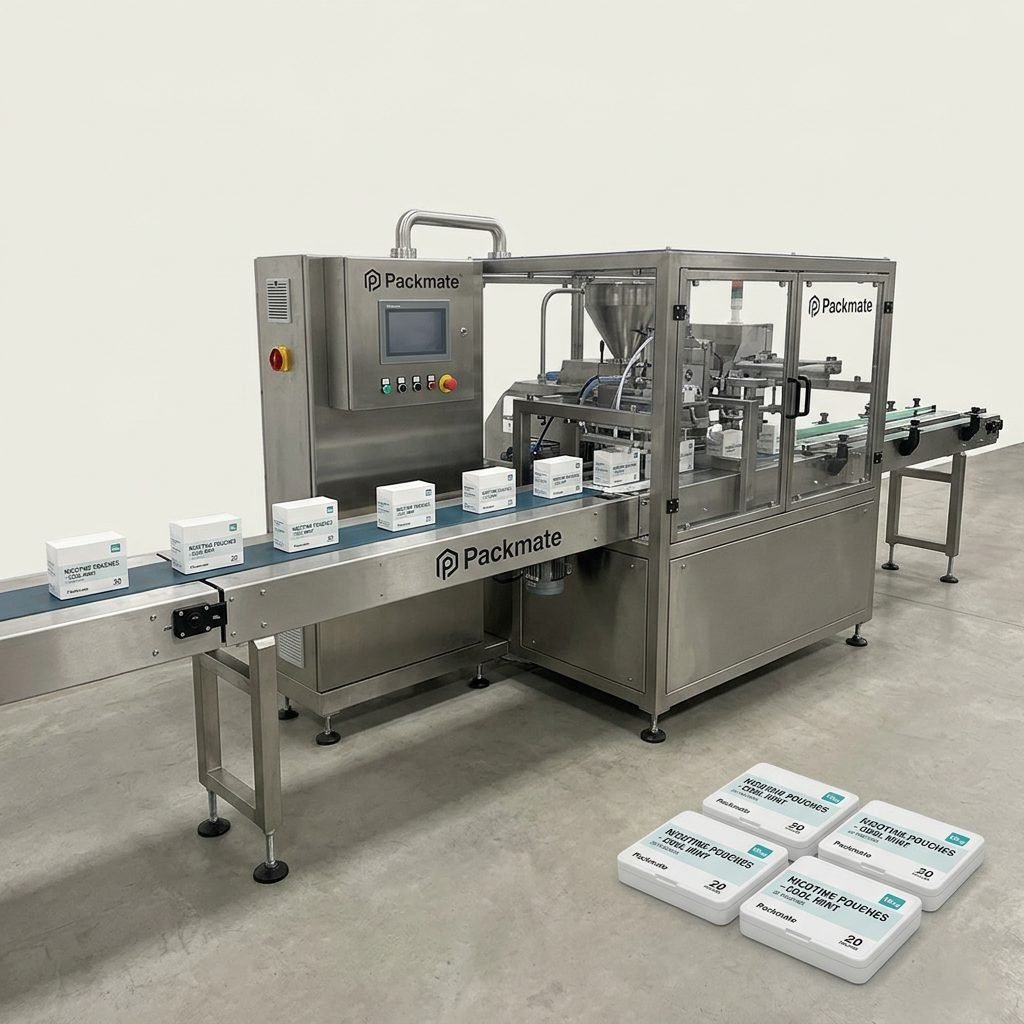
The first decision is product-driven. Are you producing nicotine pouches, snus, or multiple formats? Output requirements — small-batch R&D versus large-scale continuous production — will determine whether you need a single-lane stick pack, multi-lane sachet system, or a high-speed snus pouch line. Match machine type to pouch format, dose accuracy, and daily output goals.
Quick checklist:
- Target output (units/min, units/day)
- Pouch format(s) and size range
- Filling type: powder, granule, liquid, or pre-formed portion
- Packaging material (laminate, foil, paper)
- Regulatory marking/traceability needs
🔍 Evaluate Machine Types and Core Technologies
Familiarize yourself with available systems:
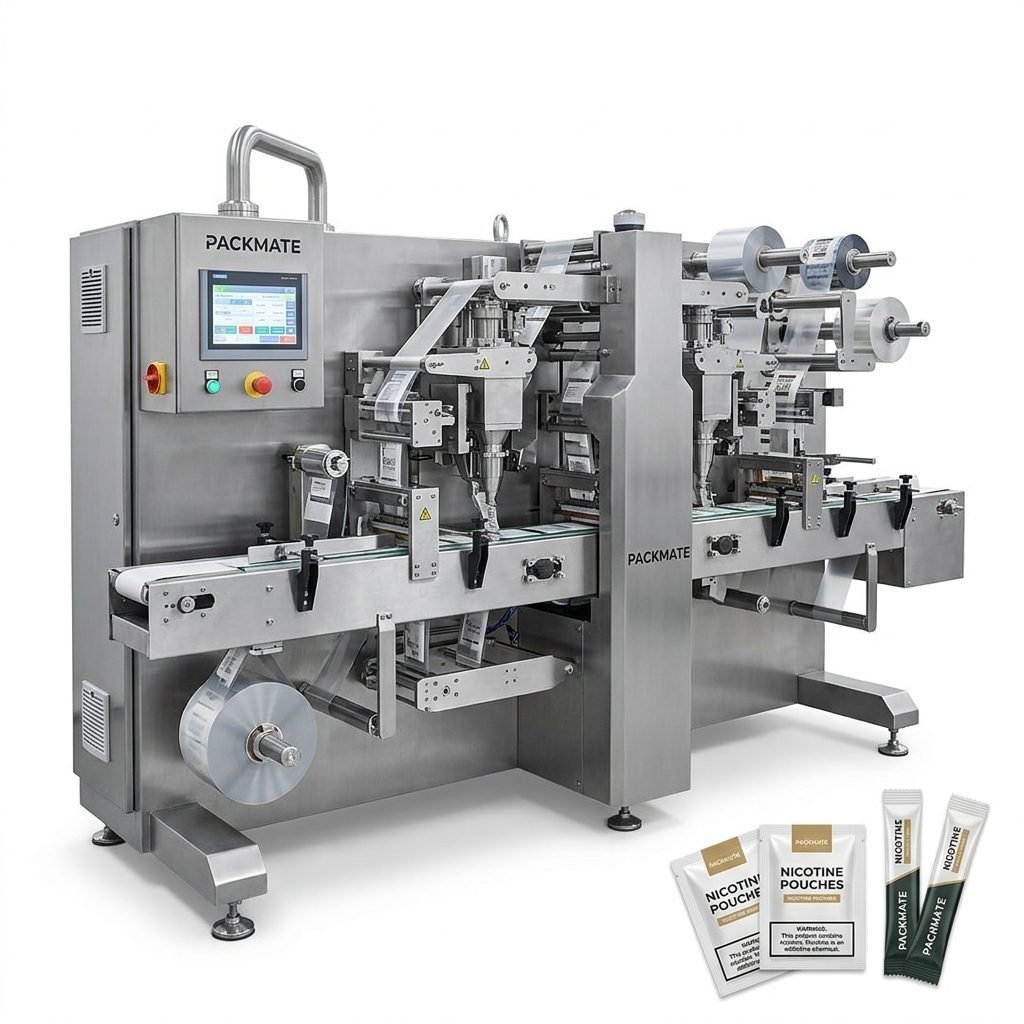
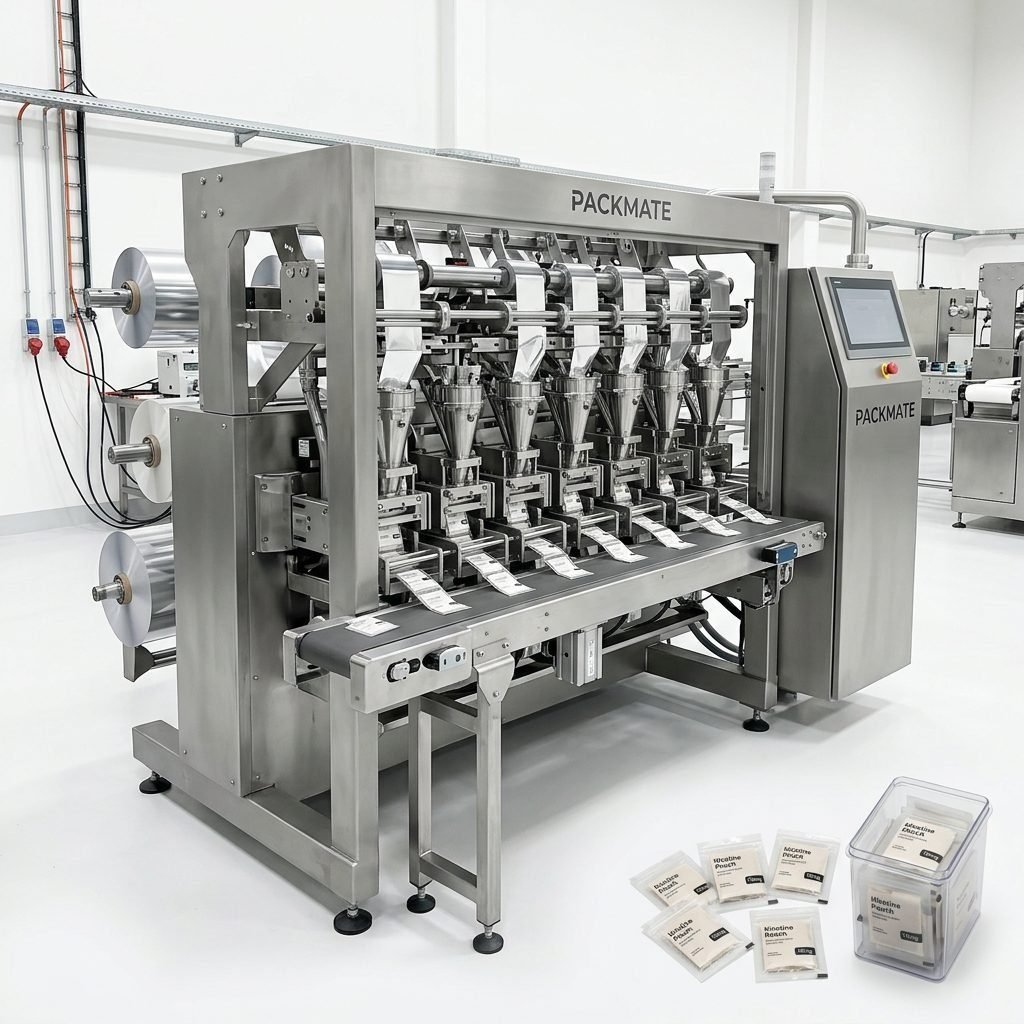
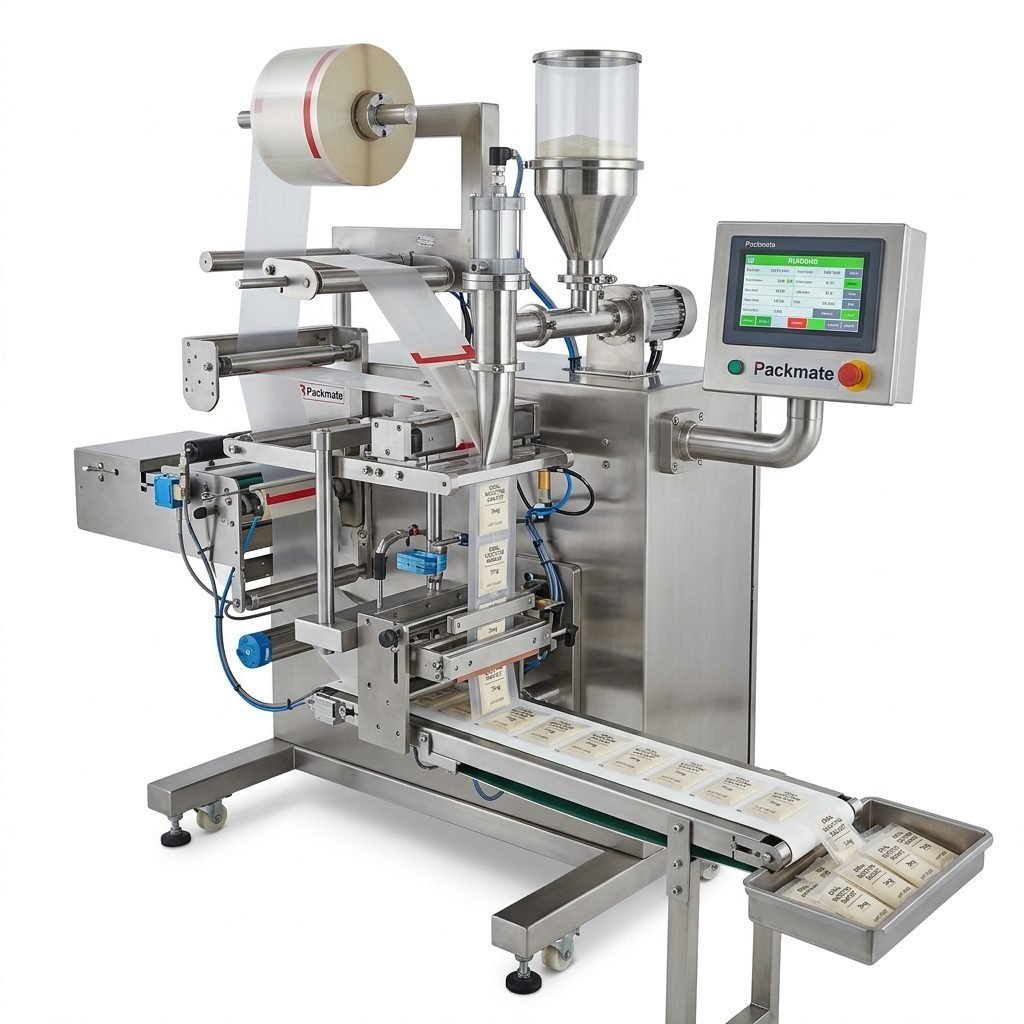
– Stick pack and sachet machines for single-portion formats. See examples in the Sachet & Stick Pack Machines catalog.
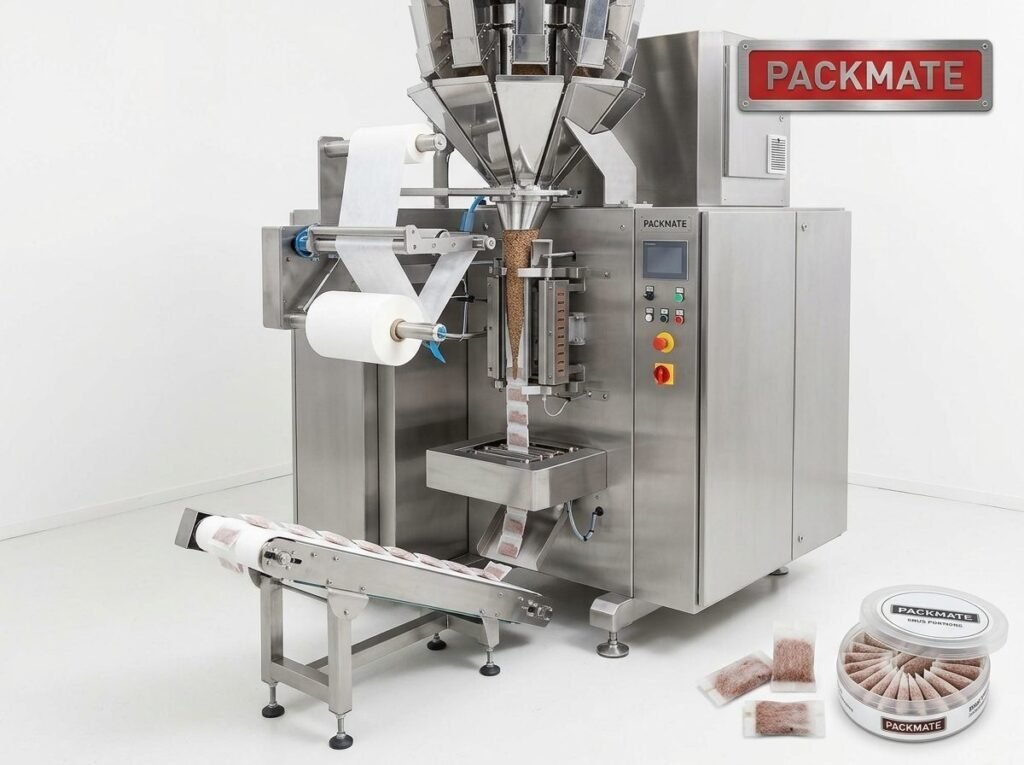
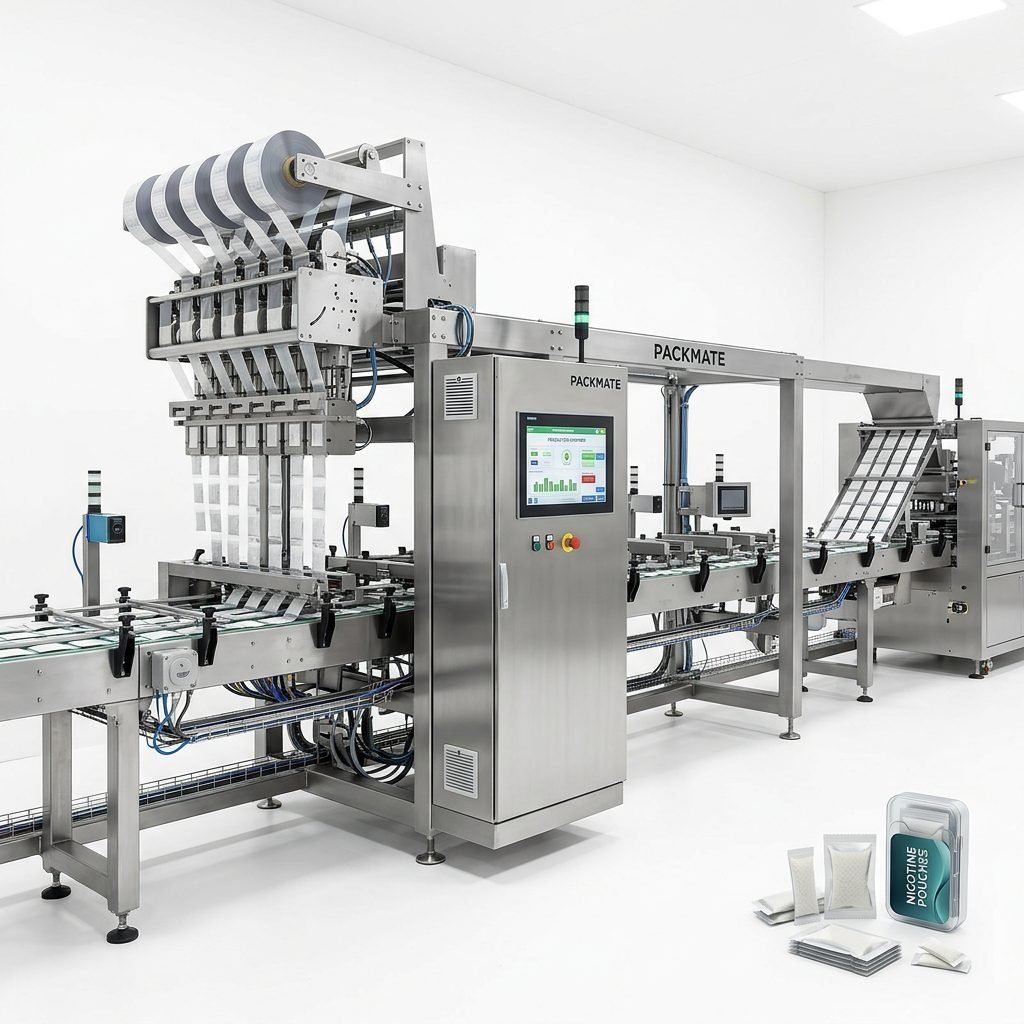
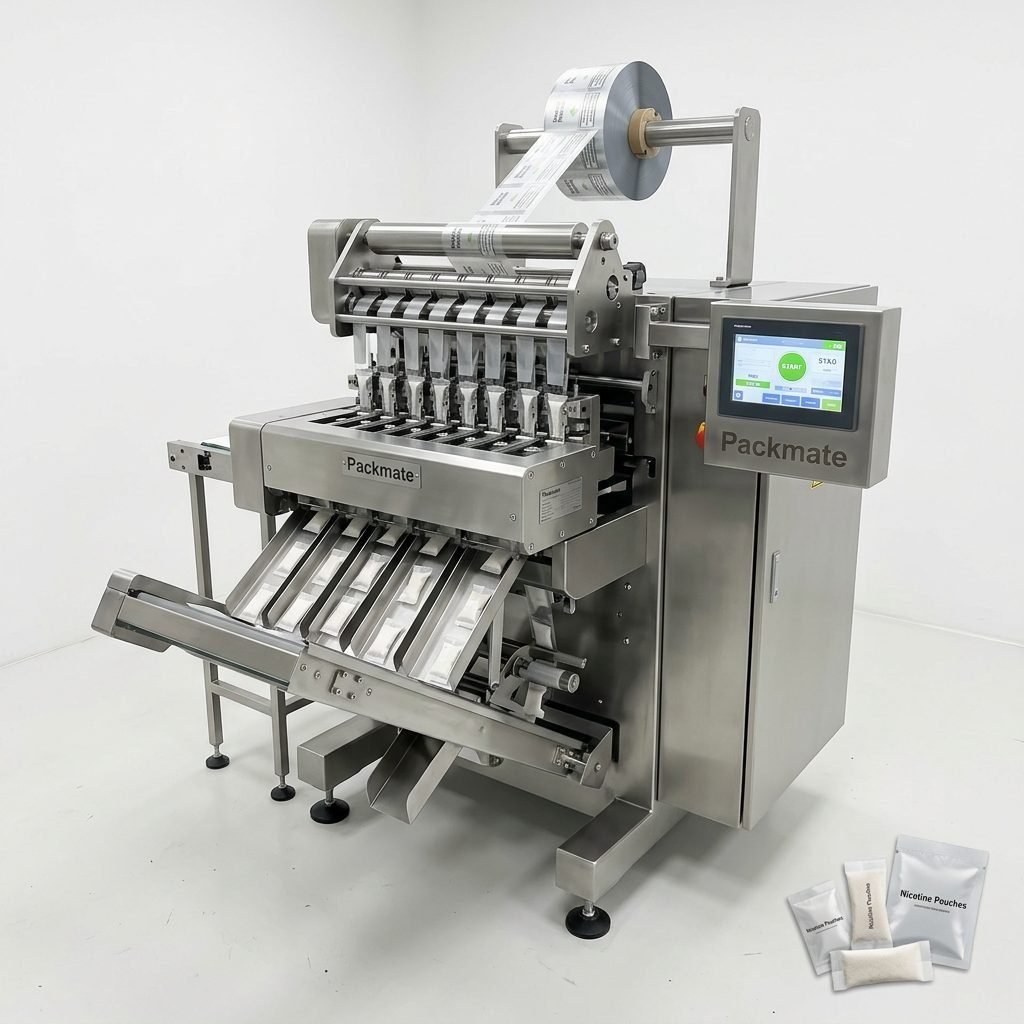
– Multi-lane snus pouch machines for small-dose, high-precision pouches — ideal when demand scales up. Explore Snus & Nicotine Packaging Machines.
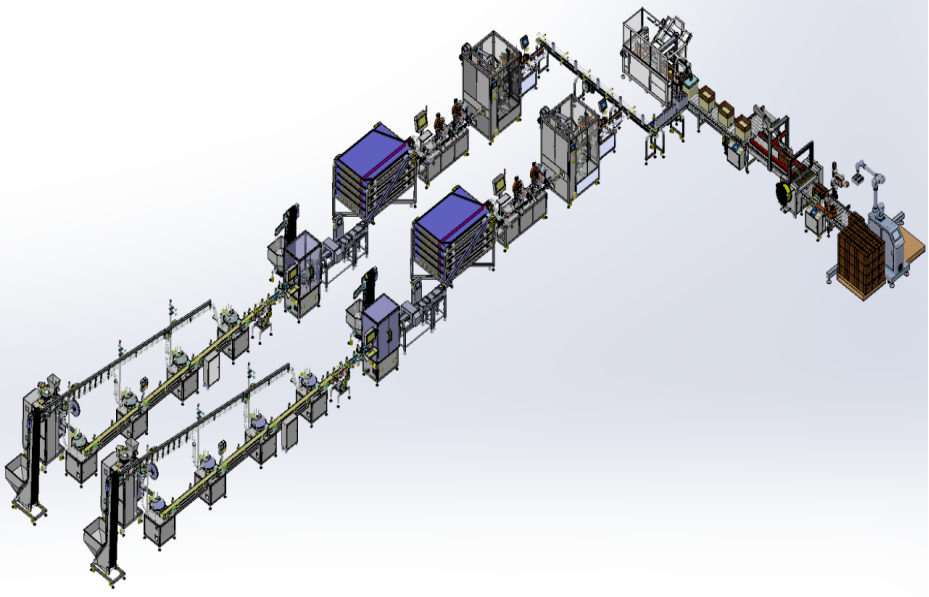
– Integrated filling and packaging lines for powder or liquid-filled pouches; consider systems listed under Filling & Packaging Lines.
📈 Key Performance Metrics to Compare
When comparing vendors and models, prioritize these measurable metrics:
- Throughput: units per minute and stable running speed under load.
- Accuracy: dosage tolerance for nicotine content and fill weight.
- Yield: percentage of acceptable pouches vs. waste/scrap.
- Changeover time: how quickly you can switch formats or sizes.
- Uptime & reliability: MTBF (mean time between failures) and typical maintenance windows.
🏭 Manufacturing Quality & Compliance
Choose equipment from manufacturers with clear factory capabilities and quality systems. Packmate’s 20,000㎡ facility, advanced CNC centers, and CE/ISO certifications signify consistent manufacturing standards. Machines built to international standards lower the risk of non-compliance and improve long-term performance.
Why certifications matter:
- Regulatory acceptance in export markets.
- Proven safety and electrical compliance.
- Quality systems that reduce variability between units.
🔧 Service, Spare Parts & Local Support
After-sales service can determine total uptime. Ask about spare parts availability, local stocking in Africa, remote troubleshooting, and training programs. Vendors with global exhibitions and case histories typically offer predictable support — review the Our Exhibition and Case pages to gauge presence and references.
💡 Automation, Controls & Integration
Modern packaging lines should include PLC control, HMI touchscreens, and easy integration with upstream weighing and downstream sealing or cartoning equipment. If your factory uses Industry 4.0 practices, ensure the machine supports common communication protocols and has options for data logging and traceability.
Consider linking filling systems and Weighing & Packaging Systems to create a seamless line that reduces manual intervention and improves consistency.
💲 Total Cost of Ownership (TCO) & ROI
Purchase price is only part of the equation. Calculate TCO by including installation, training, spare parts, consumables, energy usage, and downtime costs. Higher initial investment in robust multi-lane machines often pays back through reduced labor and higher throughput. Use a conservative ROI model to justify capital expenditure.
TCO items to include:
- Installation & commissioning
- Training & documentation
- Annual service contracts
- Spare parts kit and critical consumables
- Energy & utility consumption
🔁 Flexibility & Future-Proofing
A growing market like Zimbabwe’s nicotine pouch segment benefits from flexible equipment. Choose machines with modular tooling, adjustable lanes, and firmware updates so you can add SKUs or increase speed without replacing the whole line. Packmate offers multiple models and custom turnkey solutions that scale with demand.
🛠️ Installation, Training & Validation
Ensure the supplier provides on-site commissioning and operator training. For regulated products, you will need validation documents, IQ/OQ/PQ support, and protocols. Confirm who performs validation, what documentation is provided, and whether training materials include maintenance schedules and troubleshooting guides.
🔬 Quality Control & In-Line Inspection
Integrate in-line weighing, metal detection, and seal inspection to reduce recalls and improve consumer safety. Automated rejection and statistical process control tools are essential to maintain consistent nicotine dosing. Vendors that supply auxiliary equipment can streamline procurement — review options under Auxiliary Packaging Equipment.
🧾 Documentation & After-Sales Service
Ask for full documentation: user manuals, electrical schematics, spare parts lists, and maintenance intervals. A clear service plan with defined SLA (response times, remote support capability) reduces risk. Check if the manufacturer offers extended warranties or local service partners in Africa.
🔎 How to Evaluate Suppliers — A Practical Buying Checklist
Use a scorecard when comparing suppliers. Score these categories:
- Technical fit: machine can handle your formats and materials
- Performance claims validated by on-site demos or references
- Factory capability and capacity (20,000㎡ and advanced CNC centers are a plus)
- Compliance & certifications (CE, ISO)
- After-sales support & spare parts logistics
- Price, payment terms, and lead time
Pro tip: Request a factory acceptance test (FAT) or a video demonstration with your product to verify machine performance before shipment.
🤝 Negotiation, Delivery & Installation Timeline
Clarify lead time, shipping terms, and installation schedule. Negotiate for spare parts inclusion, training days, and remote commissioning support. For turnkey solutions, confirm responsibilities for civil works, utilities, and safety interlocks.
📌 Final Recommendation
Selecting the best nicotine packaging machinery in Zimbabwe revolves around aligning machine capabilities with market strategy. Prioritize accuracy, uptime, and supplier support. A reputable manufacturer with a broad model range, strong factory capabilities, and global service — like Packmate — can offer scalable solutions and documentation required for regulated nicotine products. For product-specific solutions and turnkey lines, check Packmate’s About Packmate and explore product categories that match your needs.
📞 Next Steps
Prepare sample products and target throughput figures, contact shortlisted suppliers for demos, and require clear service and spare-part agreements. When you are ready to discuss customized solutions, review the Contact Us page and request a proposal including FAT, installation, and warranty terms.
Key reminder: invest in validation, operator training, and remote monitoring to protect product quality and maximize uptime.
Frequently Asked Questions
Q1: What machine type is best for small-batch nicotine pouch production in Zimbabwe?
A1: For small batches, a flexible single- or dual-lane sachet/stick pack system with quick changeover is ideal. When scaling, move to multi-lane snus pouch machines to increase throughput without sacrificing accuracy.
Q2: How important are certifications like CE and ISO for packaging machines?
A2: Very important. Certifications indicate compliance with safety and quality standards, ease entry to export markets, and reflect consistent manufacturing procedures.
Q3: Can I integrate existing weighing or filling equipment with new packaging machines?
A3: Yes. Most modern machines support integration through PLCs and standard interfaces. Evaluate compatibility early to minimize integration costs — see Weighing & Packaging Systems.
Q4: What after-sales support should I expect from a reputable supplier?
A4: Expect on-site commissioning, training, spare parts kits, remote troubleshooting, and clear SLAs. Suppliers with global exhibition presence and case studies often provide reliable long-term support.
Q5: How do I ensure consistent nicotine dosing and product safety?
A5: Use precise filling systems, in-line weight and seal checks, and statistical process control. Regular calibration and documented validation protocols are mandatory.