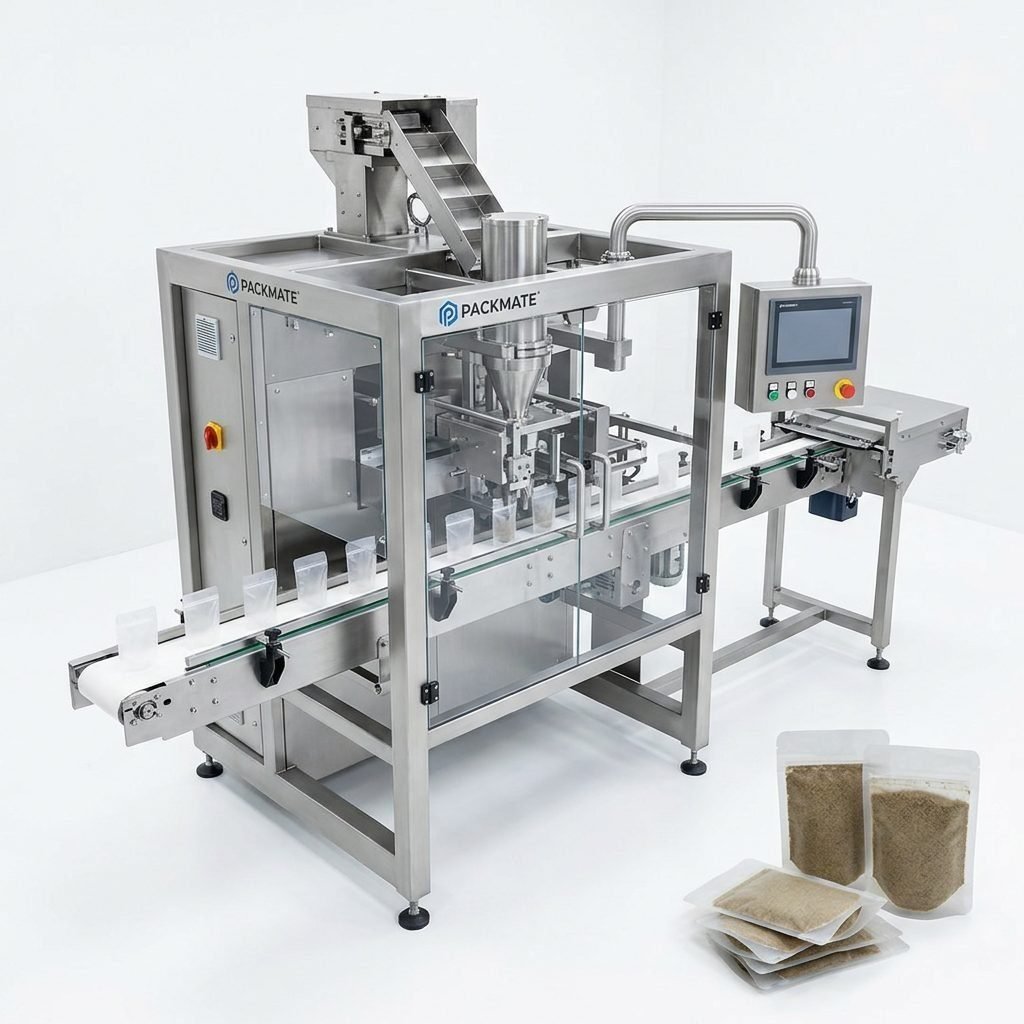
Choosing the right nicotine packaging machinery supplier in Sierra Leone is a strategic decision that will affect your production capacity, product quality, regulatory compliance, and long-term return on investment. This guide walks you through practical criteria, local considerations, and supplier capabilities to look for when sourcing machines for snus and nicotine pouches in the Sierra Leonean market.
Understand Local Market Needs and Cultural Context
Sierra Leone’s consumer landscape is shaped by urban centers such as Freetown and Bo, informal trade networks, and price-sensitive customer segments. Products often succeed when they are affordable, easy to distribute through small retailers and kiosks, and compliant with local norms. English is the official language, which simplifies packaging text, but clear pictorial instructions and simple dosage information will improve user acceptance across diverse literacy levels.
Keep in mind local business customs: relationships and trust matter, communication during working hours is preferred, and decision cycles may include face-to-face meetings or site visits. Logistics are centered around the port of Freetown; manufacturers should be prepared to work with importers familiar with Sierra Leone customs and freight handling.
Key Technical Criteria to Evaluate
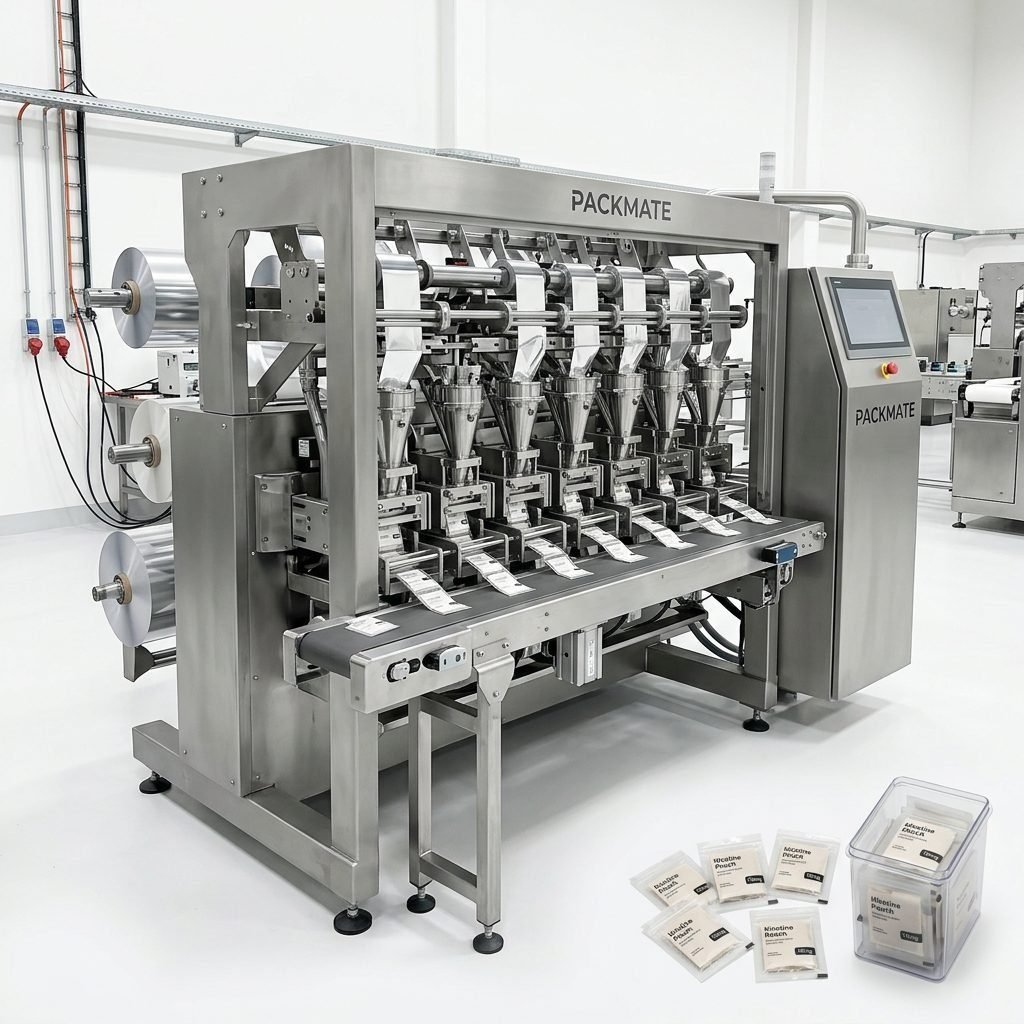
🔶 Production Capacity & Speed: Match machine throughput to your projected volumes. Consider multi-lane systems if you plan rapid expansion or seasonal peaks.
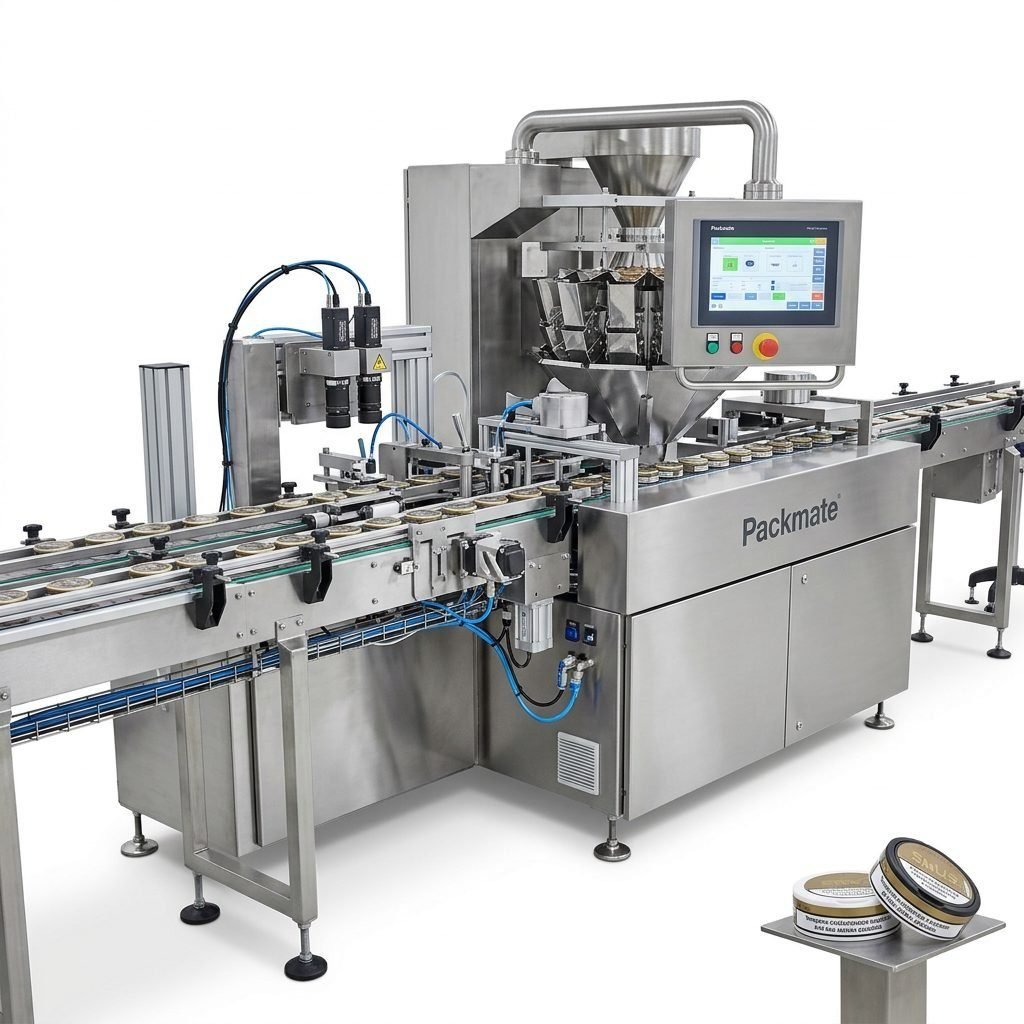
🔶 Accuracy & Wastage Control: Precise dosing reduces material loss and ensures consistent nicotine content per pouch, which is critical for regulatory compliance and consumer trust.
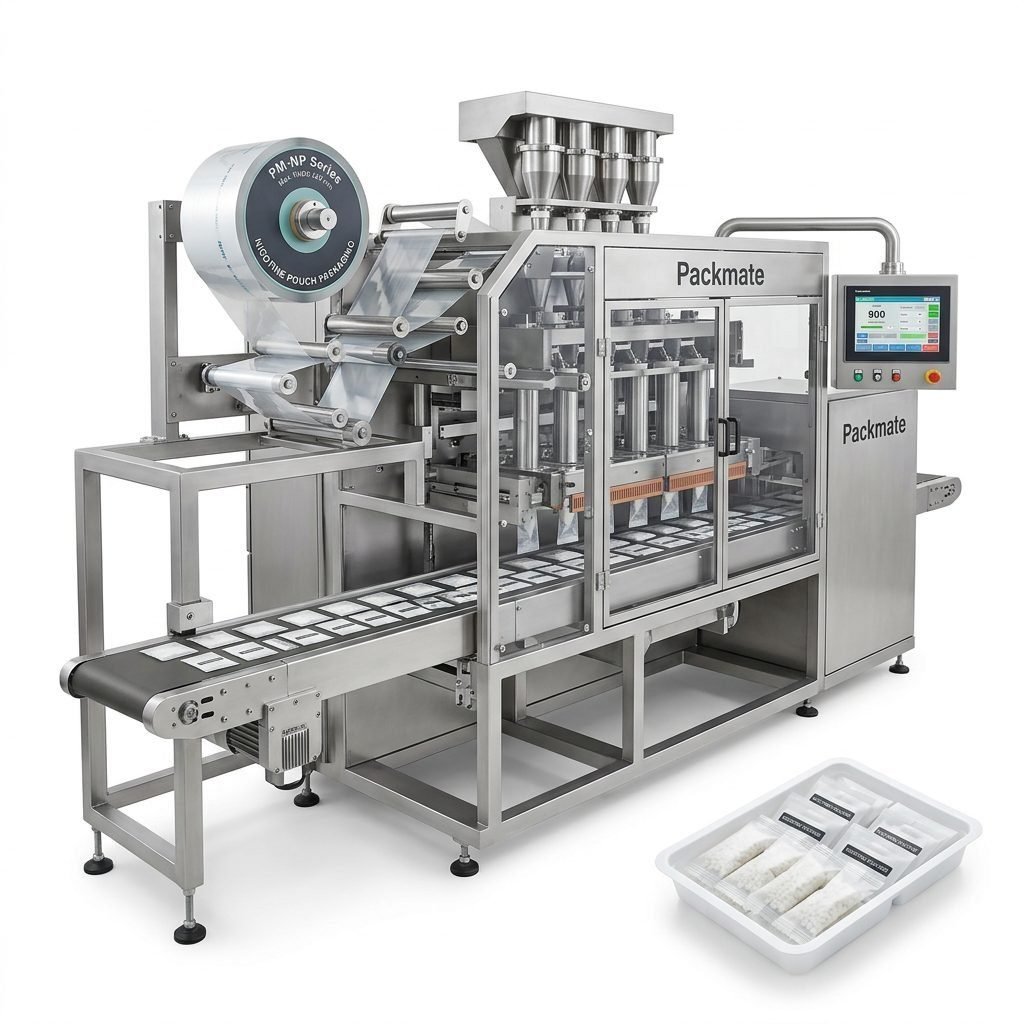
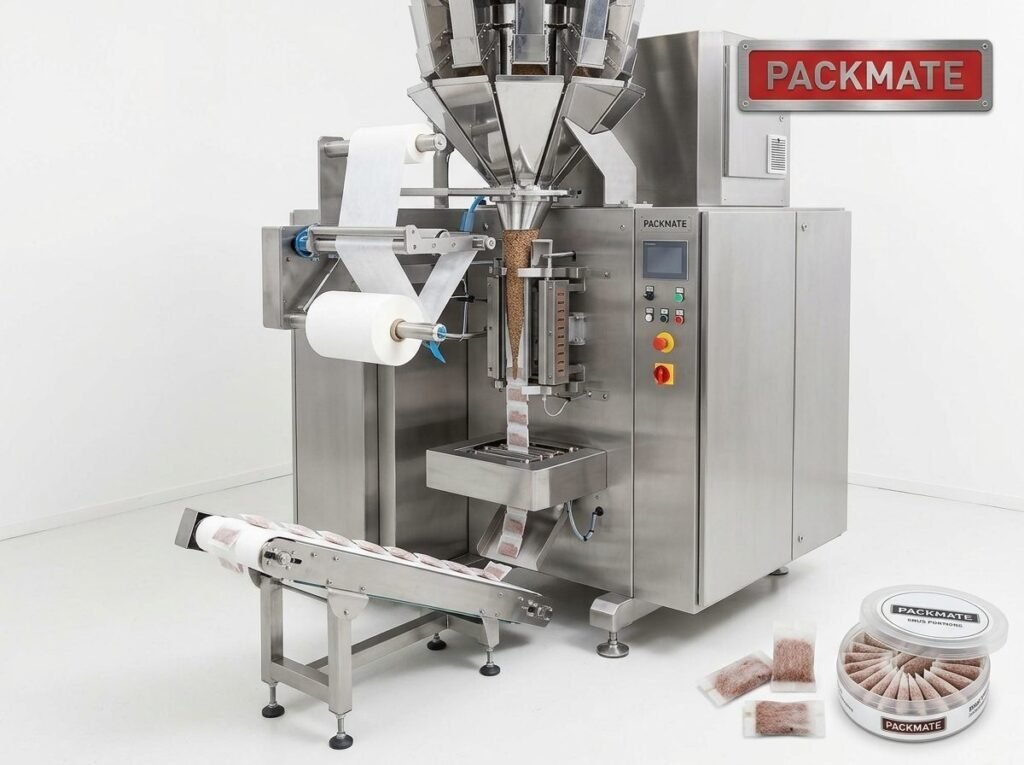
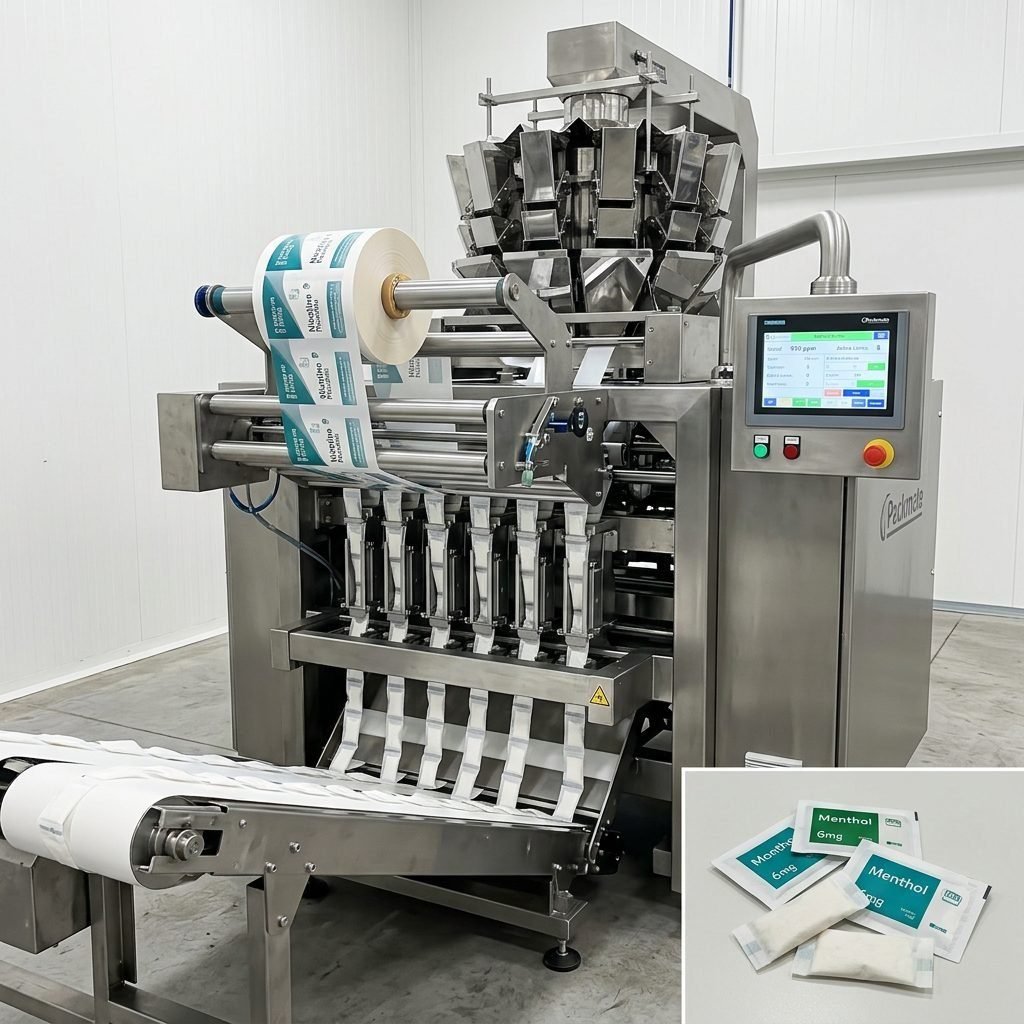
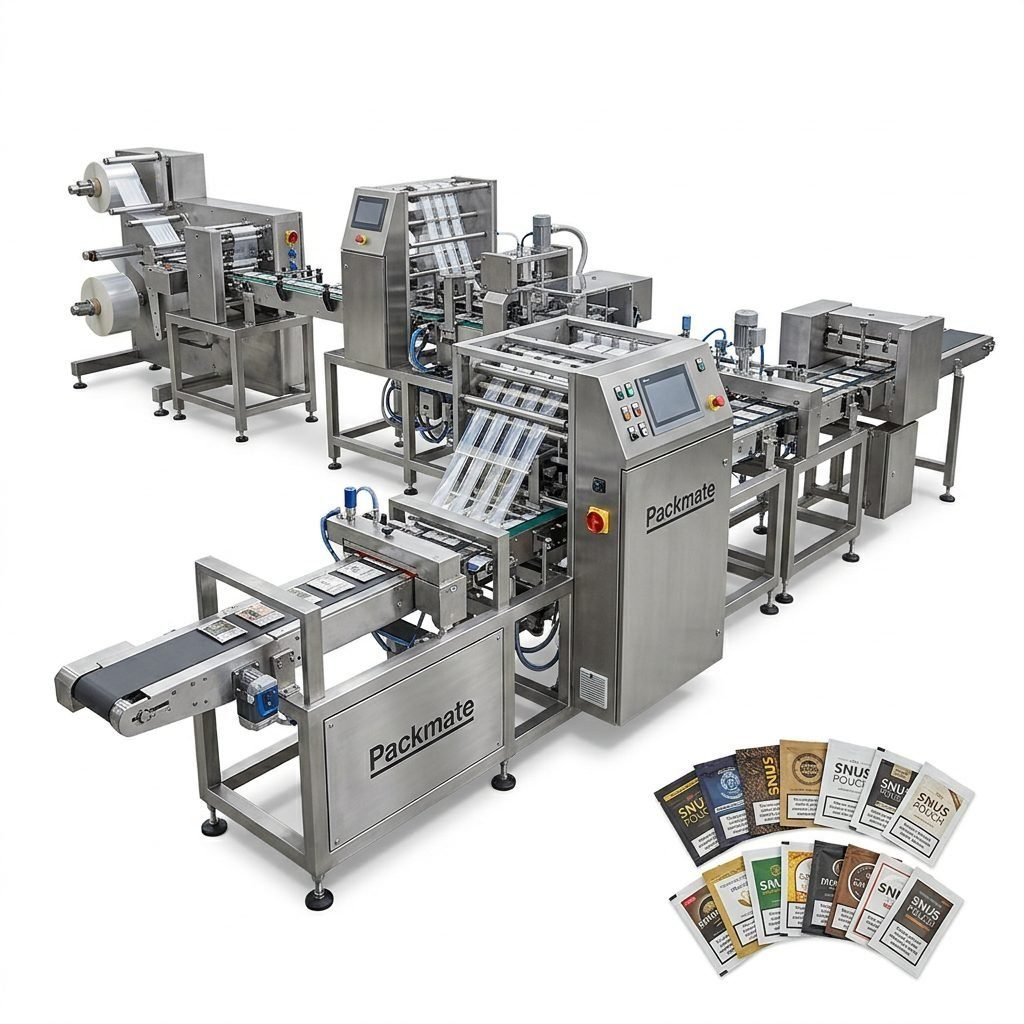
🔶 Flexibility & Format Support: Machines that handle sachets, stick packs, and multi-lane nicotine pouches give you versatility for different SKUs without major retrofit costs.
🔶 Sanitation & Material Compatibility: Use stainless steel contact parts and designs that are easy to clean when switching between flavor formulations or product types.
Why Certifications and Factory Strength Matter
Certifications such as CE and ISO indicate adherence to international quality and safety practices. A supplier with a mature factory and modern CNC, assembly, and testing infrastructure is more likely to deliver consistent machines, spare parts, and documented manufacturing records—essential for maintenance planning and audits.
For example, a manufacturer with a 20,000㎡ facility and 30+ years of engineering background can typically supply standardized models and customized turnkey lines while supporting installation training and spare parts logistics.
Practical Supplier Evaluation Checklist
✅ Machine Performance Data: Request OEE, speed ranges, and test reports from similar installations.
✅ Reference Installations: Ask for customer cases in markets with similar infrastructure and check uptime and support responsiveness.
✅ After-Sales Support & Training: Confirm availability of remote diagnostics, local service partner networks, or planned on-site commissioning and operator training.
✅ Spares & Consumables Supply: Clarify lead times for critical components and whether common parts are stocked regionally.
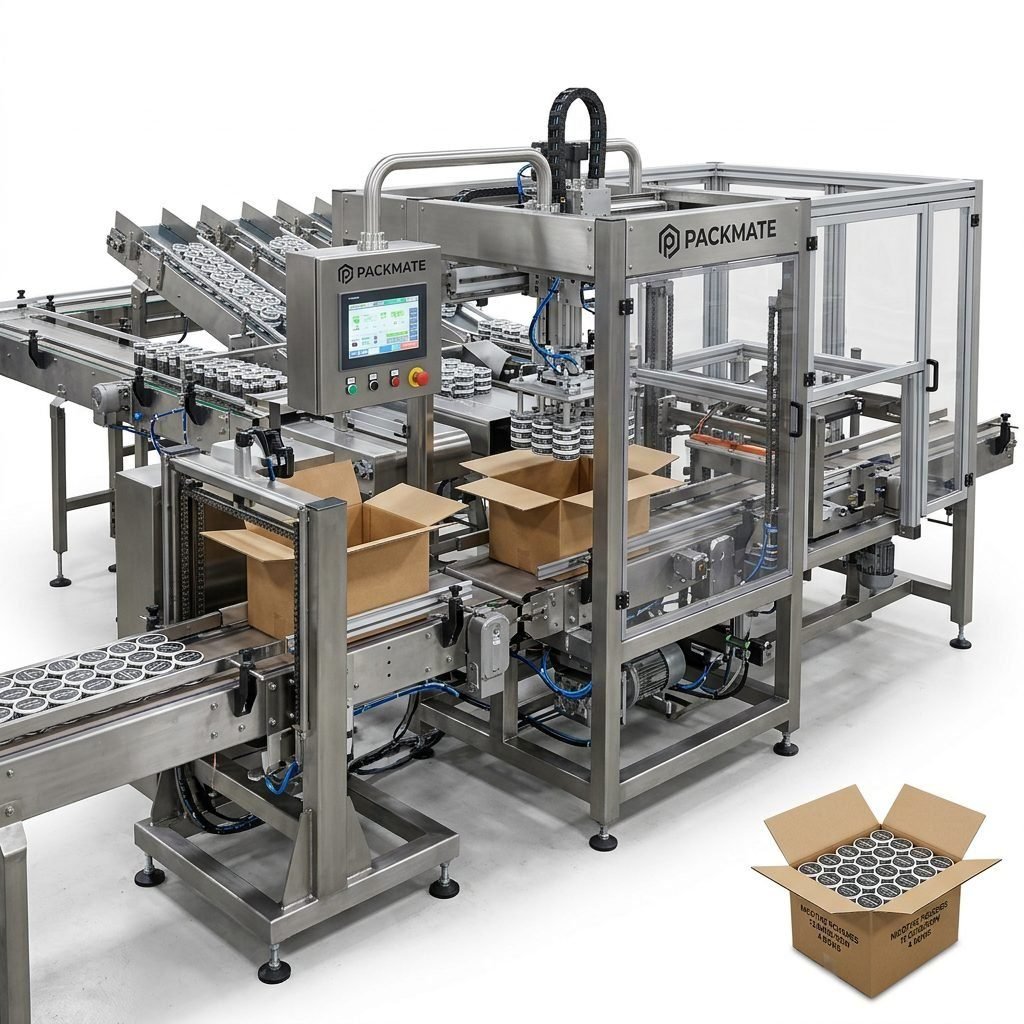
✅ Turnkey Integration: If you need fillers, weighing systems, or packaging lines, ensure the supplier can integrate complete solutions and supply project documentation.
Commercial Terms and Total Cost of Ownership (TCO)
Price is only one factor. Build a 3–5 year TCO model that includes installation, training, spare parts, consumables, energy, operator labor, expected yield, and downtime. A slightly higher-capital machine with lower downtime and easier maintenance often outperforms a cheaper option in operational cost and reliability.
Negotiate warranty terms, response times for onsite service, and whether upgrades and retrofits are provided at preferential pricing. A supplier who supplies complete lines and value-added services will usually offer better long-term economics.
Logistics & Installation Considerations for Sierra Leone
Transport to Freetown, port handling, customs clearance, and inland transfer to your factory are key planning items. Coordinate with freight forwarders experienced with Sierra Leone import procedures and ensure the supplier provides detailed packing lists, lifting diagrams, and site layout drawings for smooth installation.
Also plan for stable power supply and consider voltage and frequency compatibility. If local power is variable, include UPS or stabilizer recommendations from the supplier to protect sensitive controls.
Customization, Samples and Pre-Commissioning Tests
A reliable supplier should offer sample runs and machine demonstrations for your specific pouch size, nicotine formulation, and packaging material. Factory acceptance tests (FAT) and video documentation help verify machine performance before shipment.
If you require specific branding, reclosable options, child-resistant features, or local labeling, discuss these customizations early. Machines with modular tooling allow faster SKU changes and future flexibility.
After-Sales Service: What to Insist On
⚠️ Warranty & Spare Parts Availability: Get clear warranty coverage and an ordered list of critical spares with suggested inventory levels.
⚠️ Remote Support & Spare Parts Shipment: Prefer suppliers who offer remote troubleshooting, PLC code backup, and express spare shipment options.
⚠️ Training & Documentation: Insist on operator manuals in English, SOPs, and in-person training during commissioning to reduce operator errors and downtime.
Compliance and Responsible Sales
Regulations on nicotine-containing products vary. Work with local legal counsel or industry associations in Sierra Leone to confirm labeling, taxation, advertising, and point-of-sale restrictions. Your supplier should be willing to provide manufacturing documentation and quality certificates to support regulatory filings.
Why a Specialist Supplier Can Be a Better Choice
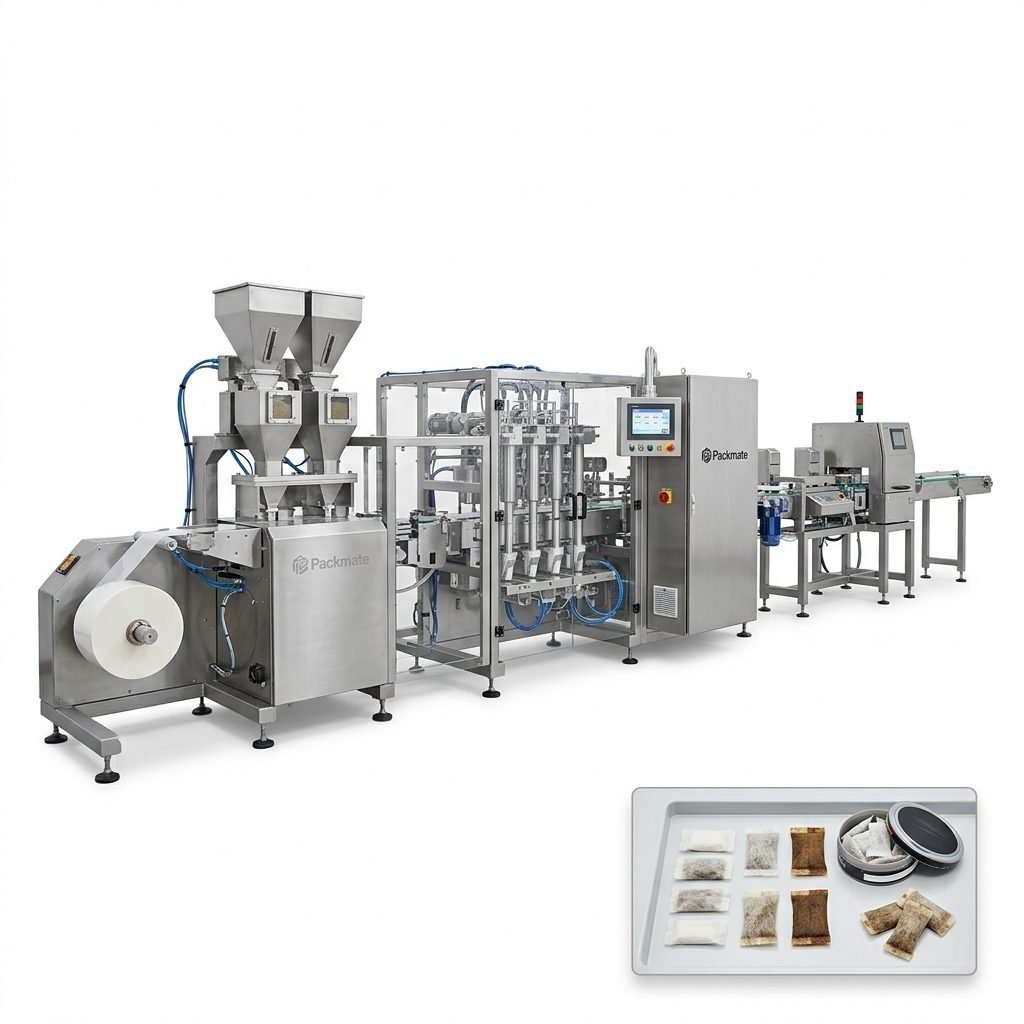
Specialist manufacturers focused on snus and nicotine pouch machinery bring deep application knowledge: precise dosing solutions, multi-lane pouch forming, and reliable pouch sealing technologies. Their experience translates to better machine ergonomics, less rework, and faster troubleshooting for nicotine-specific issues such as hygroscopic powders and flavor stability.
Consider suppliers who show case studies or references from the snus and nicotine sector, and who can demonstrate solutions for small-dose, high-volume pouch manufacturing.
Real-World Example: What a Strong Supplier Offer Looks Like
An ideal supplier package will include: machine selection advice based on your product and volumes, a FAT and sample run, complete spare parts list, operator and maintenance training, documented installation drawings, and ongoing support channels. Look for partners that also offer complementary equipment such as weighing systems or pouch-forming lines to deliver a turnkey solution.
For more information about industry-specific machines and turnkey offerings, see manufacturer product pages and company profiles to validate capacity and technical depth. Examples of product categories to review include Snus & Nicotine Packaging Machines and Filling & Packaging Lines.
Useful Links for Further Research
• Explore technical options: Snus & Nicotine Packaging Machines
• Full product portfolio and system integration: Filling & Packaging Lines
• Company background and certifications: About Packmate
• Customer cases to review real installations: Case
Selecting Your Final Supplier — A Recommended Process
1. List your product SKUs, target outputs, and budget ranges.
2. Shortlist 2–4 suppliers with relevant snus/nicotine experience and request proposals with FAT plans, lead times, and references.
3. Conduct technical comparisons using a weighted checklist that includes uptime, spare parts lead time, integration guarantees, and training commitments.
4. Negotiate commercial terms that include onboarding support, spare parts delivery windows, and service-level commitments. Include acceptance criteria tied to sample performance.
5. Plan installation with a local freight forwarder, confirm electrical and utility readiness, and schedule operator training during commissioning.
Local Partnership and Long-Term Growth
Successful projects often pair a reliable overseas supplier with a local technical or distribution partner who understands Sierra Leone’s import rules and after-sales logistics. This hybrid approach shortens repair times and helps scale distribution through local markets and retail channels.
As your business grows, consider modular systems that allow adding lanes or automation modules without replacing core equipment—this protects your initial investment while supporting incremental capacity increases.
Final Recommendations
✅ Prioritize suppliers with proven snus/nicotine experience and documented factory testing.
✅ Insist on FAT, sample runs, and a clear spare parts strategy to avoid long downtime in Sierra Leone.
✅ Build local partnerships for logistics and technical support to ensure quick response times and smoother operations.
Quick Contact Options
For product catalogues, turnkey solutions, and support services browse supplier resources or reach the manufacturer directly through their contact page to request customized quotes and technical datasheets.
Visit Contact Us to arrange a discussion or machine demonstration.
Frequently Asked Questions
Q1: How do I verify a supplier’s machine performance before purchase?
A1: Request a factory acceptance test (FAT), sample production runs using your materials, and video documentation. Ask for customer references in similar markets and performance data.
Q2: What spare parts should I stock locally in Sierra Leone?
A2: Keep critical wear parts and consumables (seals, belts, sensors, nozzles) and at least one set of interchangeable toolings. Maintain an inventory list provided by the supplier with suggested reorder lead times.
Q3: Are local certifications required to sell nicotine pouches in Sierra Leone?
A3: Regulations vary and can change; consult local legal advisors and prepare supplier documentation (material certificates, CE/ISO) to support compliance and import clearances.
Q4: How can I reduce downtime after installation?
A4: Schedule comprehensive operator and maintenance training, keep key spare parts on hand, establish remote support channels, and secure a preventative maintenance plan with the supplier.
Q5: What supplier capabilities are most valuable long-term?
A5: Consistent spare parts supply, remote diagnostics, flexible modular equipment, documented FAT procedures, and a track record of serving the snus/nicotine market are top priorities.