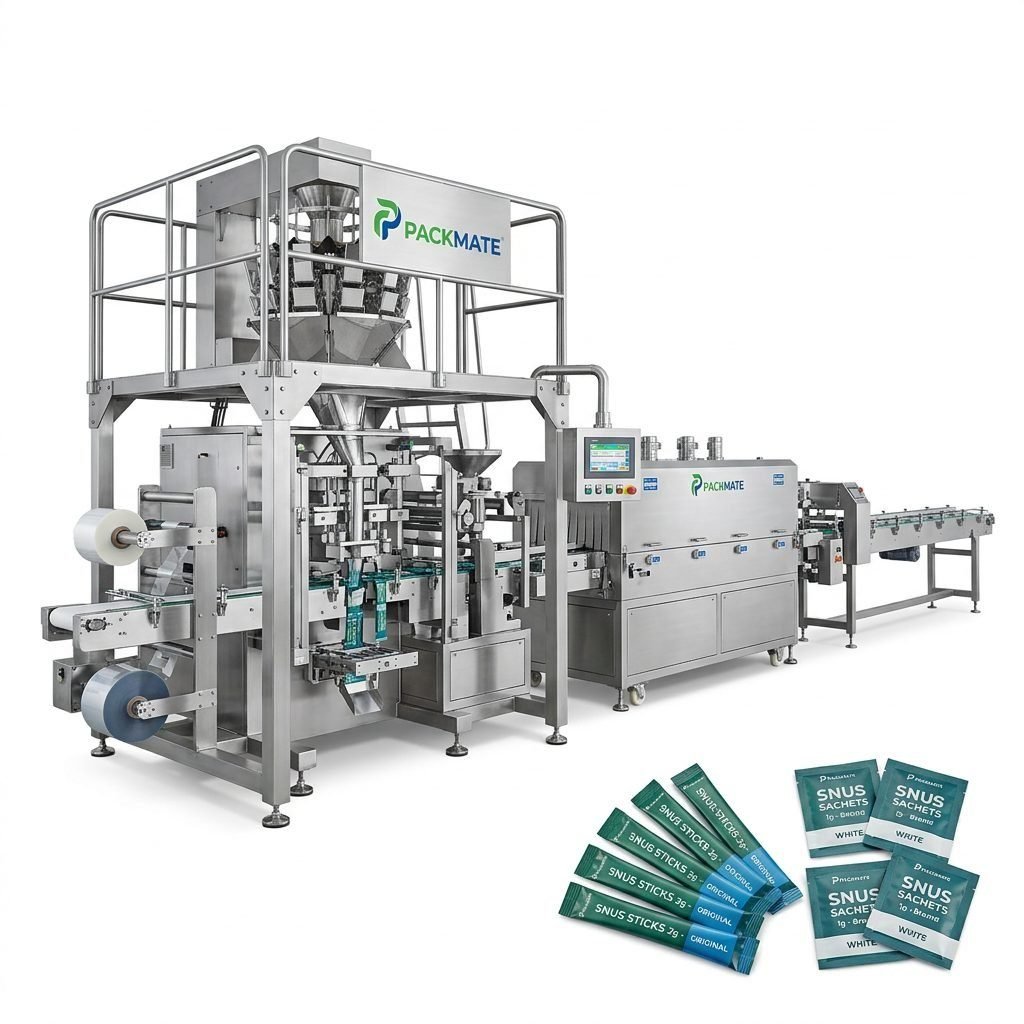
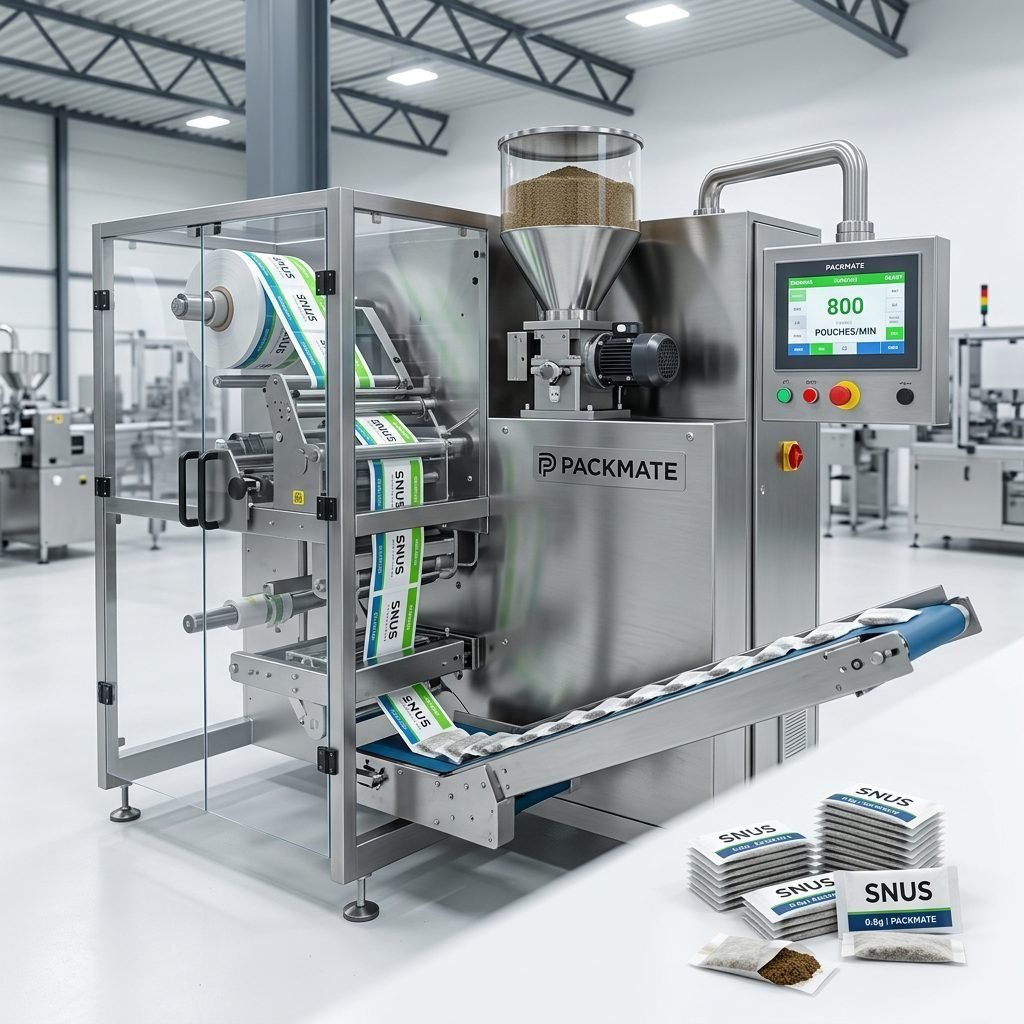
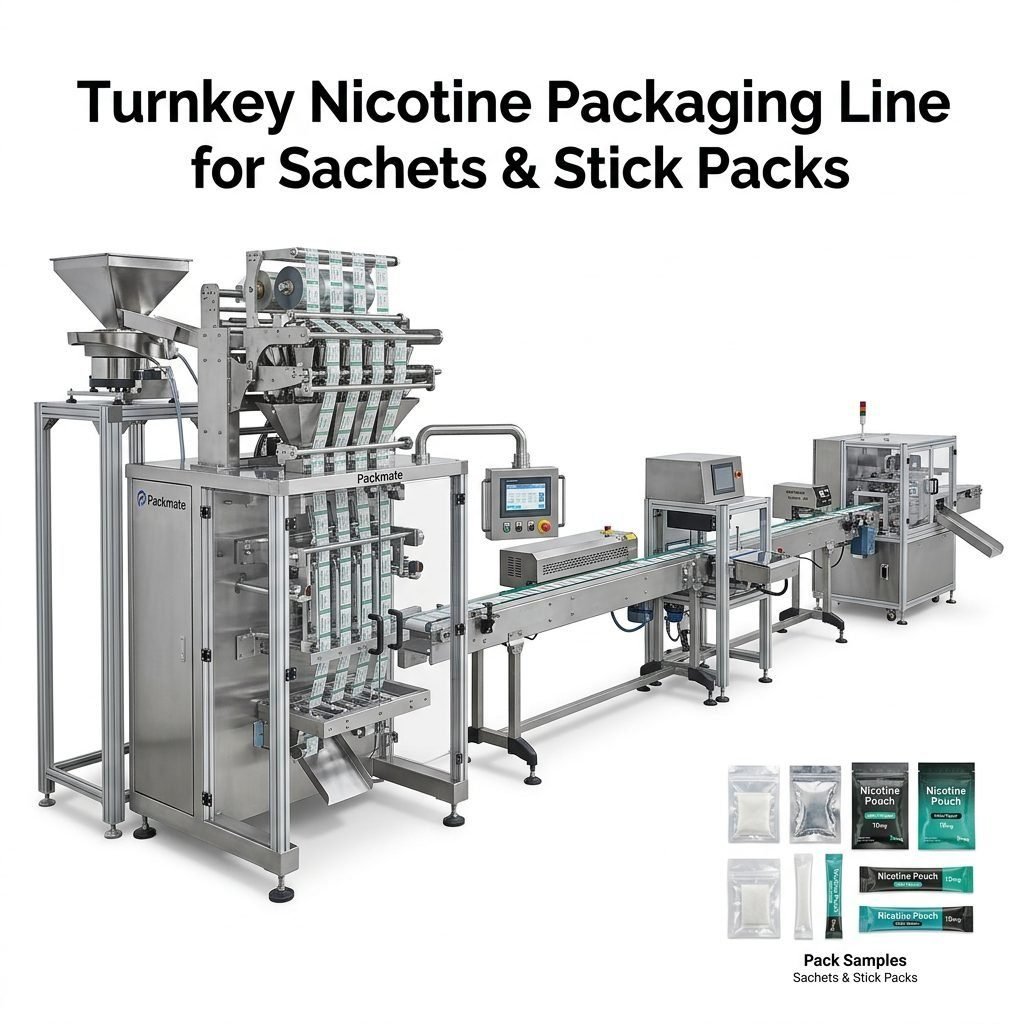
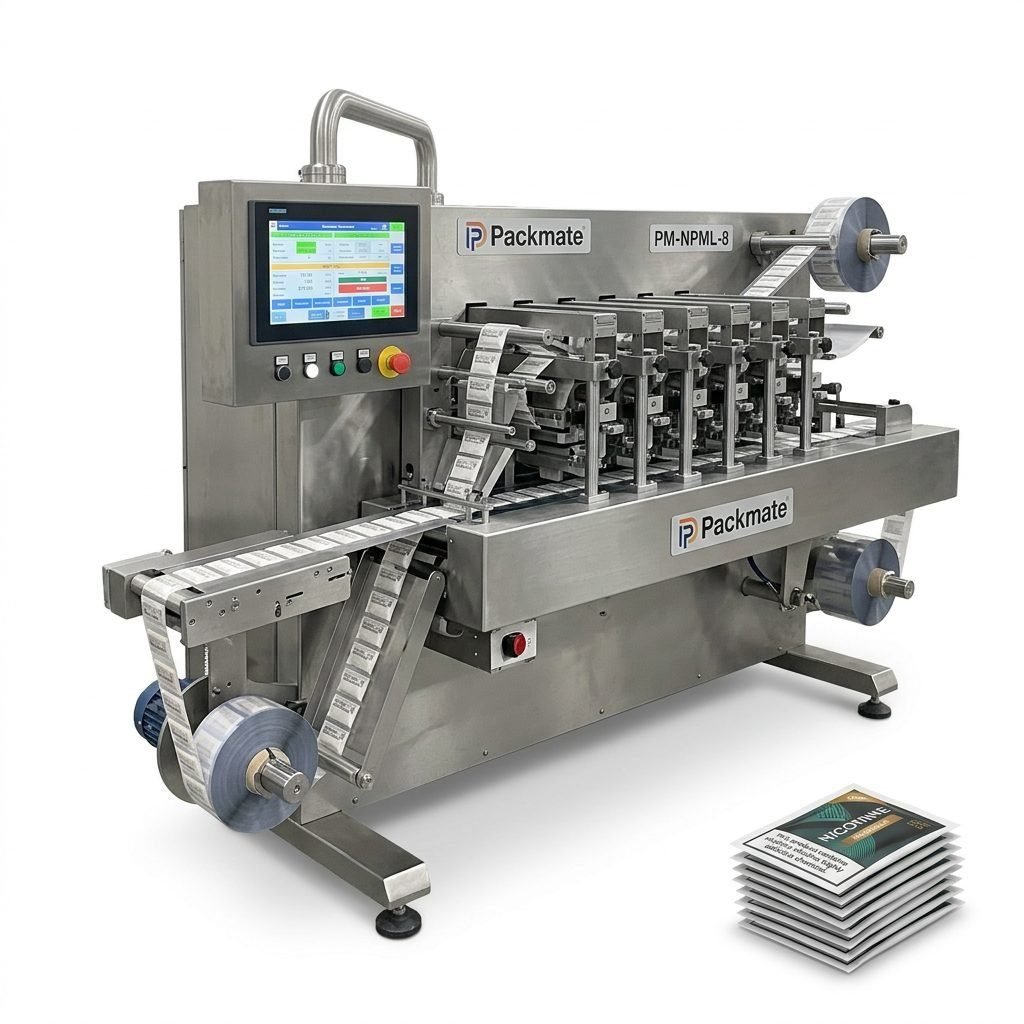
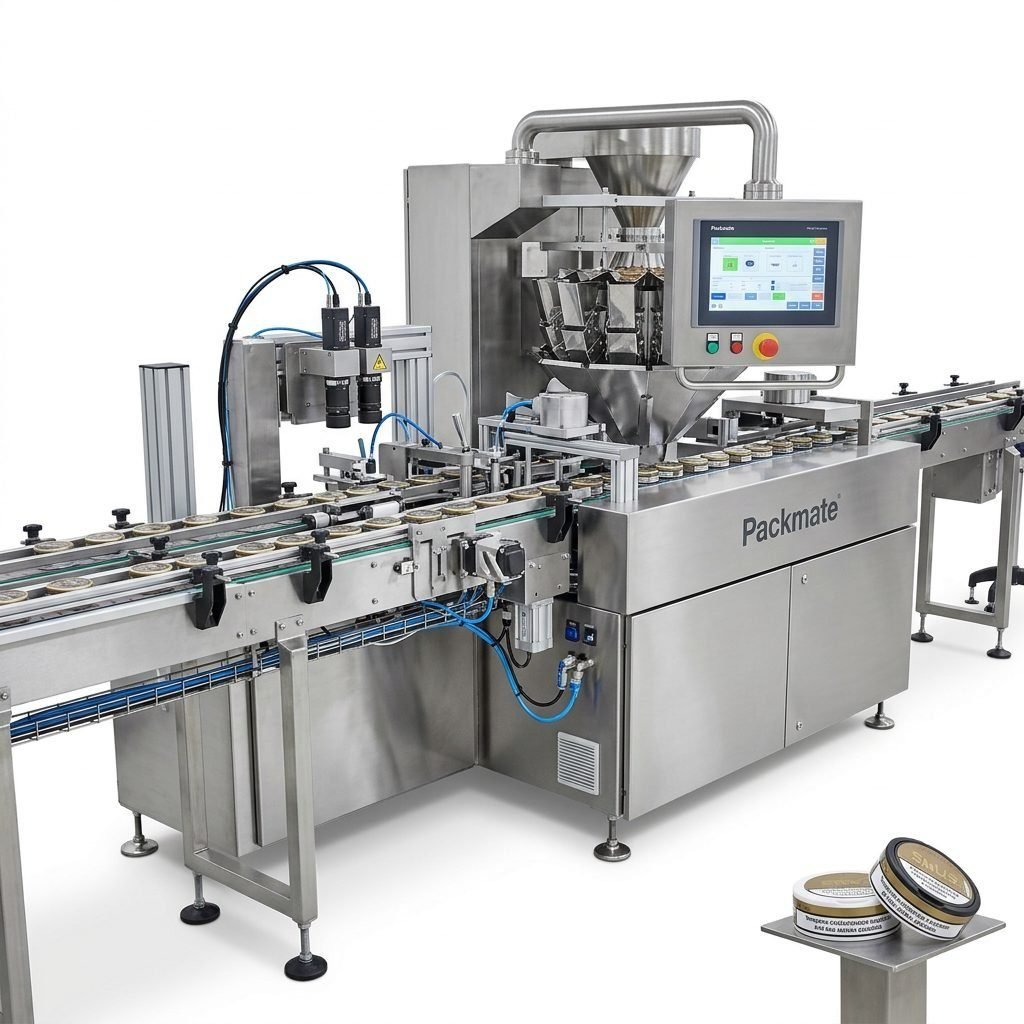
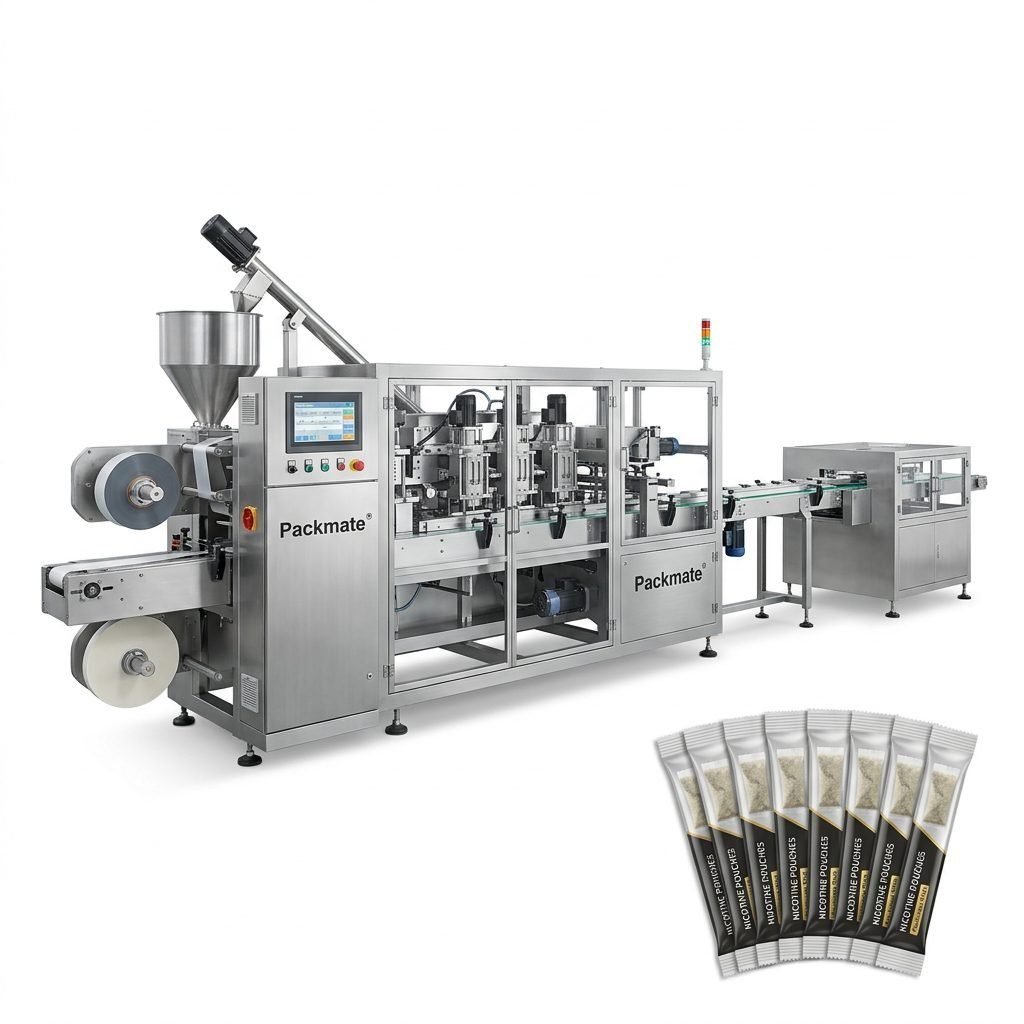
Designing a snus or nicotine pouch production line is more than selecting machines — it is a strategic exercise that balances layout, throughput, quality control, and cost. This guide walks packaging managers, factory planners, and production engineers through practical steps to optimize production layout, improve efficiency, and reduce total cost of ownership for snus packaging lines.
Assessing Production Requirements
Start by defining core production targets: daily and monthly output, product SKUs, available shift patterns, and target cycle times. Consider the product formats you will run (stick packs, sachets, multi-lane pouches, or cans) and any seasonal demand fluctuations. This foundation determines machine speeds, number of lanes, and supporting equipment needs.
Key parameters to document at the outset include: expected pieces per minute, typical pouch weight range, pouch materials (laminates, foil, paper), sealing requirements, and regulatory or traceability needs. When planning for nicotine pouches or snus, account for small-dose accuracy and cross-contamination prevention.
Capacity Calculation — Simple Example
If a single-lane machine runs at 50 pouches/min and you need 100,000 pouches per day across a single 8-hour shift, you’ll need:
• 50 pouches/min × 60 min × 8 hr = 24,000 pouches per lane per shift. To reach 100,000, plan approximately 5 lanes at this speed (100,000 / 24,000 ≈ 4.17). This is a simplified calculation — factor in changeovers, downtime, and quality rejects.
Tip: Choose multi-lane systems when product speed demands exceed single-lane limits. Multi-lane systems minimize footprint per output and reduce labor per unit.
Layout Planning: Flow, Footprint, and Flexibility
Efficient layout starts with a logical process flow. Identify raw material receiving, pre-weighing/blending, filling, sealing/packaging, quality inspection, and finished goods palletizing. Arrange equipment linearly where possible to minimize manual transfer. Where space is limited, consider L-shaped flows while maintaining clear access for maintenance.
For snus lines, typical sequence: bulk nicotine/snuff storage → dosing/weighing → pouch/forming/filling → sealing and cut → secondary pack (box/fill) → labeling and palletizing. Use flexible conveyors and indexing tables to allow modular reconfiguration for changes in SKUs.
🔧 Design for maintainability: leave walkways and service access on both sides of critical equipment to reduce downtime during repairs.
Space Optimization Strategies
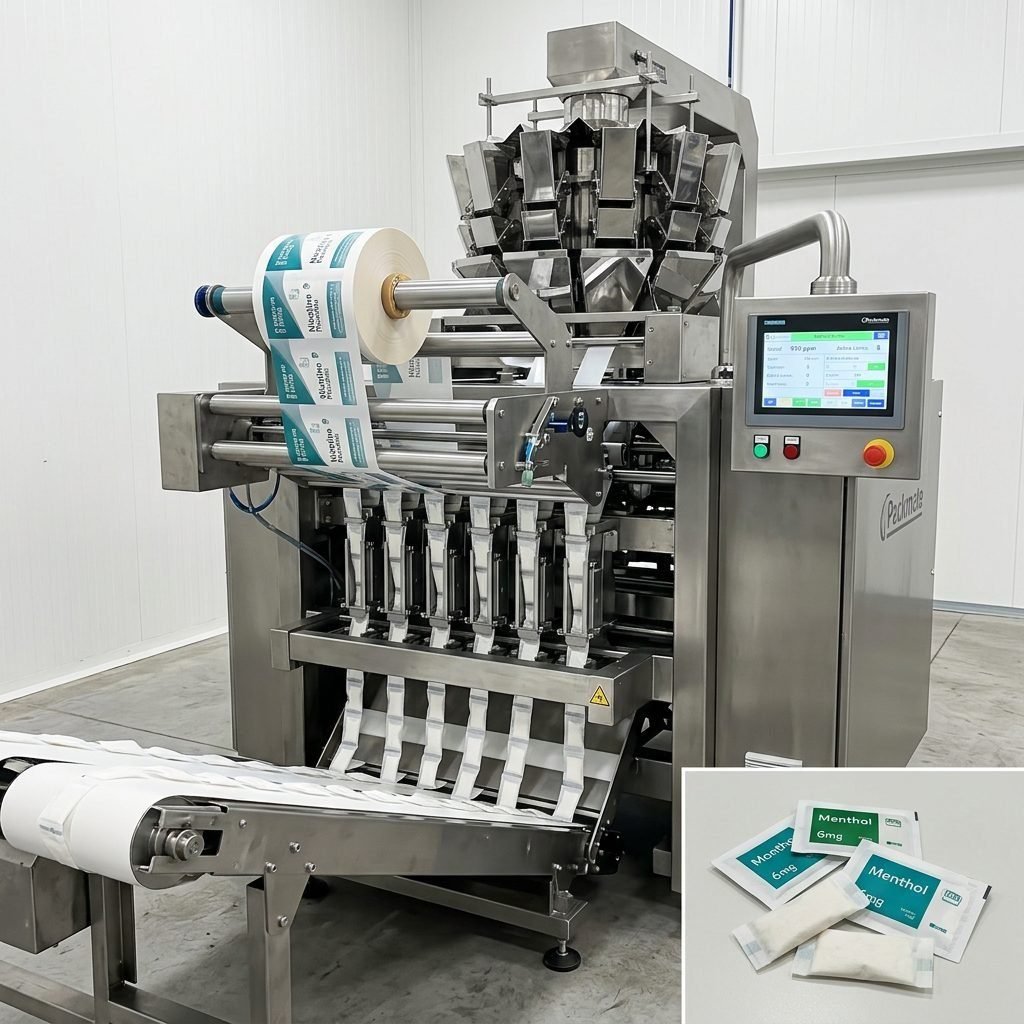
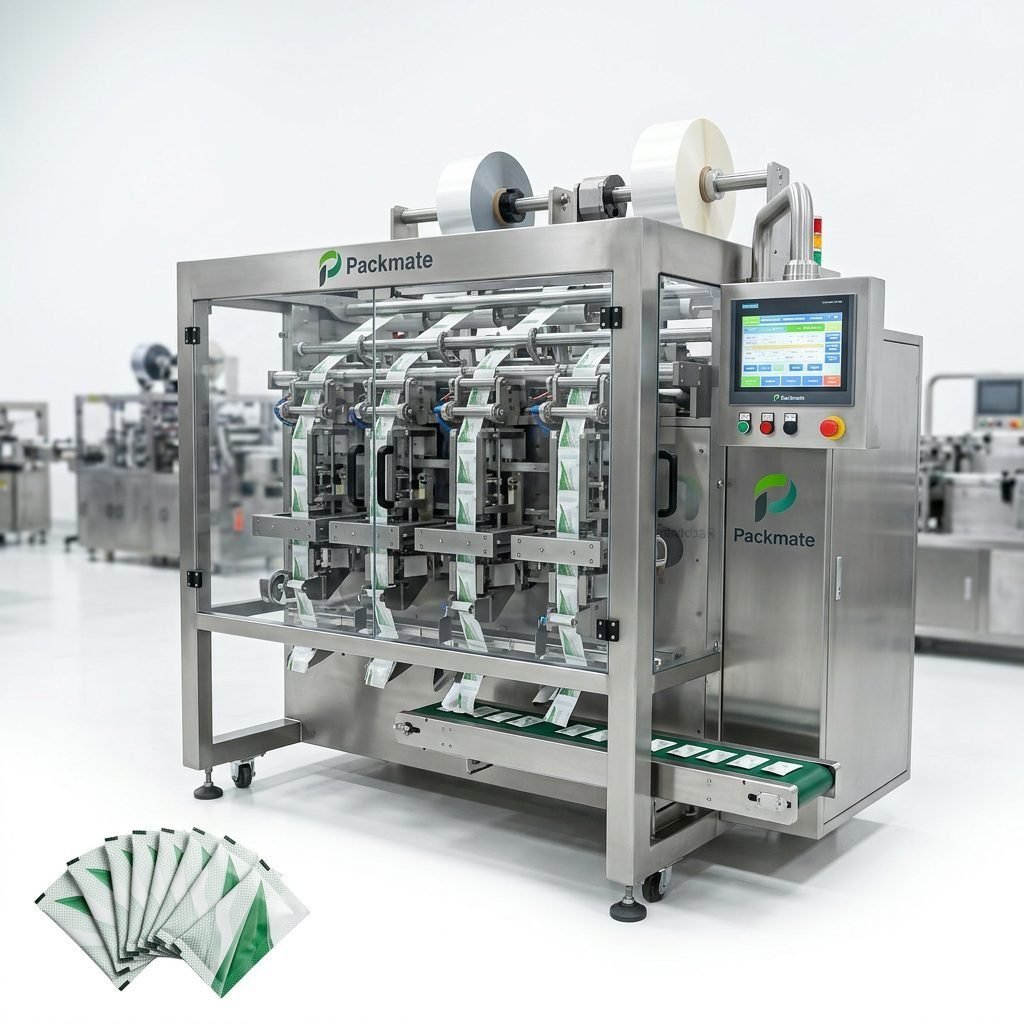
– Use multi-lane packaging machines to increase throughput without linearly increasing floor area.
– Consider vertical storage or mezzanine for raw materials to free ground-level space.
– Deploy compact auxiliary equipment (weighers, hoppers, dosing systems) close to the primary filling station to reduce transfer distances.
Machine Selection: Matching Technology to Product
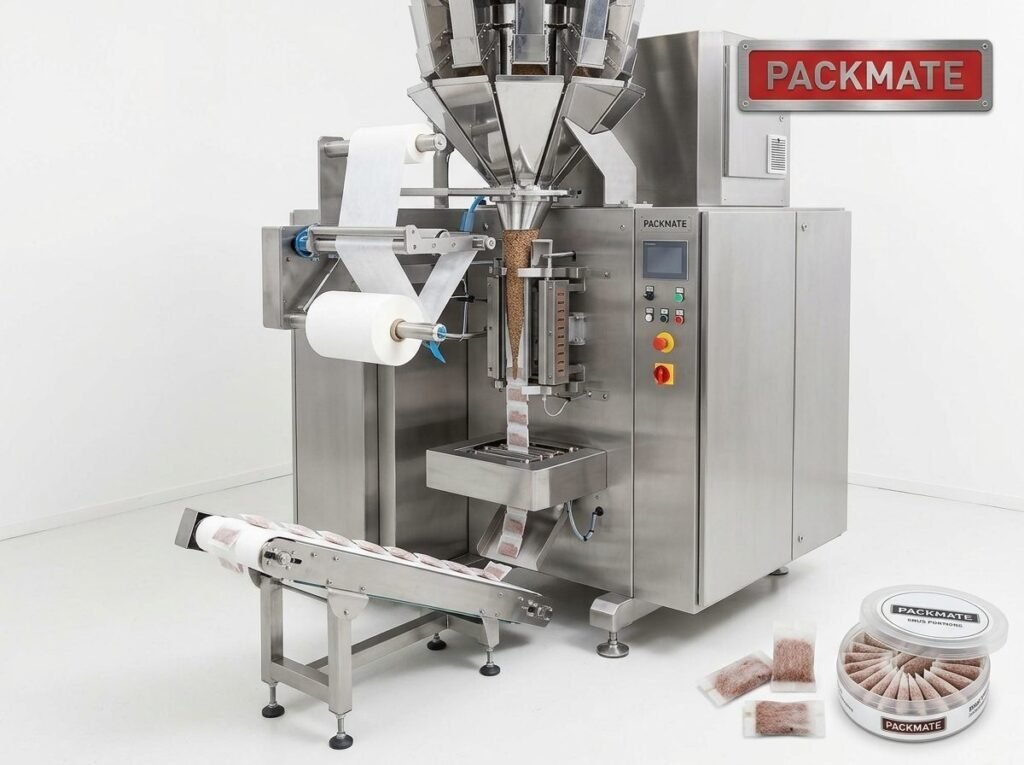
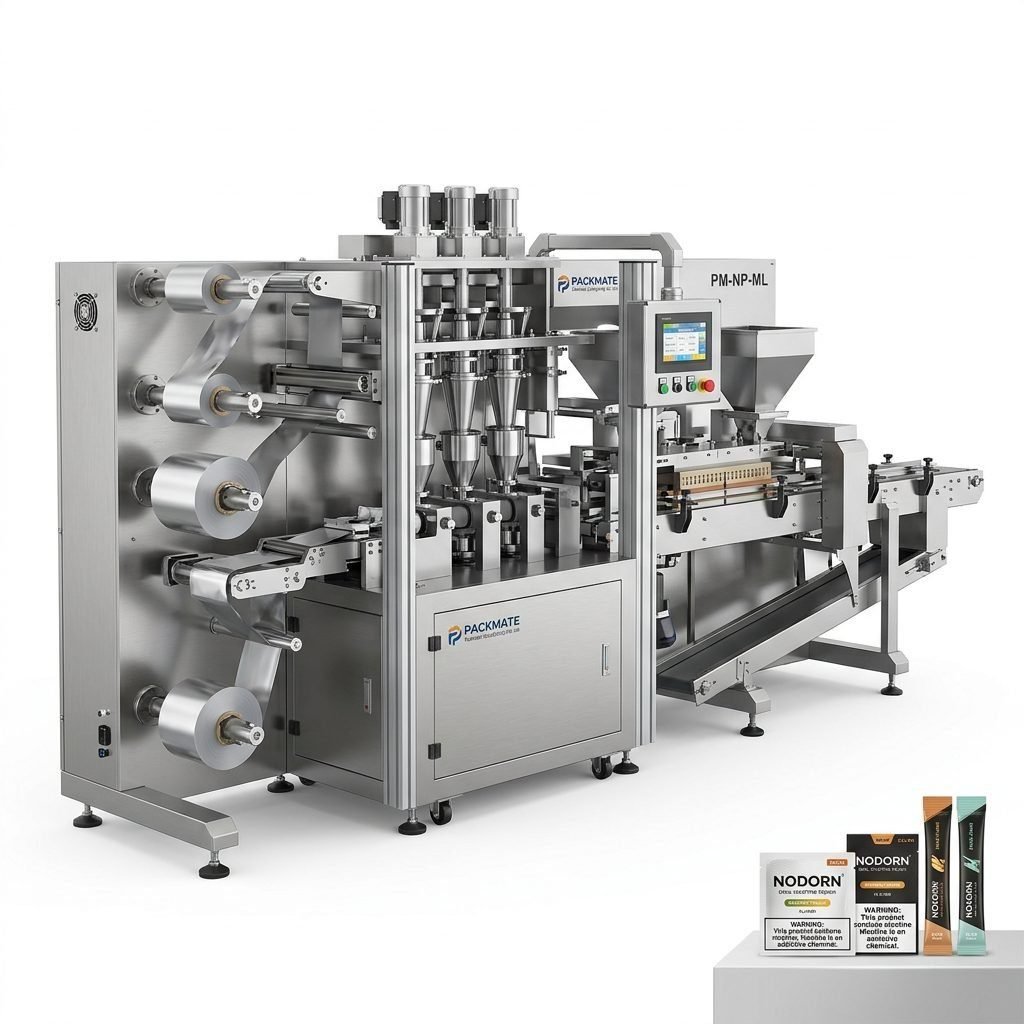
Choosing the right machines is critical to meeting targets. For snus and nicotine pouches, look for machines specifically designed for small-dose sachets and pouches with precise dosing, gentle product handling, and reliable sealing. Packmate offers a range of dedicated equipment that covers stick packs, sachets, multi-lane pouches, and complete filling lines — learn more about specific options on the Snus & Nicotine Packaging Machines page.
When selecting a primary packer, evaluate:
• Dose accuracy and filler type (volumetric, auger, loss-in-weight).
• Number of lanes and upgrade paths.
• Changeover time between SKUs.
• Material compatibility (laminate films, barrier foils).
• Automation and PLC integration.
To explore complementary equipment such as weighing systems or auxiliary units, consider verifying compatibility with the Filling & Packaging Lines and Weighing & Packaging Systems product families.
Improving Efficiency: Automation, Integration, and OEE
Automation reduces labor cost and improves repeatability. Integrate upstream feeders, automated conveyors, vision inspection, and downstream case packers to create a continuous flow with minimal human intervention. Focus on Overall Equipment Effectiveness (OEE) by tracking availability, performance, and quality metrics.
✔️ OEE Action: Implement simple PLC data logging and dashboarding to identify top downtime causes. Quick wins often include reducing slow changeovers and improving raw material handling.
Line Balancing and Bottleneck Management
Identify the slowest process and align upstream and downstream capacity accordingly. If the filler is slower than the pouch former, add parallel fillers or upgrade to a higher-speed filling module. Use buffer hoppers or accumulation conveyors to decouple processes and reduce the impact of short stoppages.
Quality Control and Regulatory Considerations
Nicotine pouch and snus production face strict quality and hygiene standards. Design lines to minimize contamination risks: use closed hoppers, sanitary materials, and cleanable surfaces. Include metal detectors, checkweighers, and in-line vision systems to ensure product integrity. For export markets, confirm machines and processes comply with CE/ISO or local regulatory requirements.
Packmate’s equipment is designed to meet international standards; view the Certificate and About Packmate pages to verify certifications and manufacturing capabilities.
Cost Optimization: CapEx vs OpEx Trade-offs
Reducing total costs requires balancing upfront capital expenditure against ongoing operating costs. Higher initial investment in robust automation and multi-lane machines often yields lower labor and per-unit costs over time. Consider lifecycle costs: energy consumption, spare parts availability, consumable costs, and expected downtime.
⚙️ Example: A 4-lane pouch machine may cost 40% more than a single-lane unit but produce 3.5× the output with less additional space and lower labor per pouch. The payback often occurs within 12–36 months depending on utilization.
Maintenance and Spare Parts Strategy
Keep an inventory of critical wear parts and negotiate fast-response support with your equipment supplier. Preventive maintenance schedules and operator training reduce unexpected failures and keep overall costs predictable. Strong supplier relationships are essential — check case studies and service offerings on the Case and Service pages.
Changeover and SKU Flexibility
Quick changeovers minimize downtime when running multiple SKUs. Standardize tooling interfaces, use color-coded fixtures, and invest in quick-release components. For snus lines with many flavors and formats, aim for SMED-style changeover processes to reduce downtime from hours to minutes.
Safety, Ergonomics, and Local Practices
Safety must be incorporated into every decision. Guarding, lockout-tagout points, clear operator interfaces, and ergonomic loading heights improve operator safety and efficiency. If you are deploying lines in specific regions, consider local workforce practices and regulations. For example, factories in Northern Europe often emphasize extensive automation and remote diagnostics, while facilities in Asia may prioritize compact footprints and modular scalability.
When planning international deployments, coordinate with local authorities on installation, commissioning, and training. Packmate offers global turnkey solutions and participates in international exhibitions — review Our Exhibition and Contact Us for regional support and on-site engineering.
Sustainability and Waste Reduction
Sustainable packaging and reduced waste are increasingly important. Specify machinery that minimizes film waste and supports recycled-content films when compatible with product shelf-life. Optimize cut patterns and sealing strategies to improve material yield. Energy-efficient drives and controlled heating zones reduce power consumption.
📦 Sustainability tip: Use smaller reel diameters and film nesting strategies to reduce film scrappage during changeovers.
Supplier Selection and After-Sales Support
Choose suppliers with proven experience in snus and nicotine pouch lines. Evaluate factory capability, test procedures, spare parts logistics, and training programs. References and case studies are vital; many reliable vendors publish manufacturing tours and client cases to demonstrate capability. Visit the About Packmate and Case pages to understand manufacturing capacity and real-world implementations.
Commissioning and Ramp-up
Commissioning should be an organized phase: FAT (Factory Acceptance Test), shipping, installation, SAT (Site Acceptance Test), and production validation. Run a PILOT batch phase to verify fill accuracy, seal integrity, and packaging presentation before full-rate production. Document recipes for each SKU to reduce variability during future changeovers.
For turnkey solutions and full line integration, consider contacting the manufacturer early in the planning process — Packmate provides end-to-end solutions and custom engineering for complex snus lines.
Useful Resources
– Product overview: Snus & Nicotine Packaging Machines
– Secondary packaging options: Sachet & Stick Pack Machines
– Line integration and fillers: Filling & Packaging Lines
– Company information and certifications: About Packmate
– For inquiries or service coordination: Contact Us
🔎 Final thought: Effective line planning blends accurate demand forecasting, smart machine selection, and robust supplier partnerships. Proper upfront engineering reduces surprises and shortens time-to-market.
Frequently Asked Questions
Q1: How many lanes do I need for my target output? — Calculate per-lane hourly capacity and divide the daily target by shift hours. Always include contingency lanes or modular expansion options.
Q2: What are the main differences between stick pack, sachet, and multi-lane systems? — Stick packs are long and narrow; sachets are single-dose pouches; multi-lane systems multiply throughput by running parallel lanes of the same pouch format.
Q3: How do I reduce changeover times? — Standardize tooling, use quick-change fixtures, document setup procedures, and train operators thoroughly. Consider electronic recipe management where available.
Q4: What should I consider about regulatory compliance for nicotine pouch lines? — Ensure equipment materials and cleaning procedures meet local health and safety standards, verify CE/ISO certifications, and prepare traceability systems for ingredients and batches.
Q5: How can I get a turnkey solution and onsite support? — Contact your supplier for a turnkey proposal including FAT, installation, training, and warranty support. Many manufacturers provide global service networks and detailed case histories to assist planning.