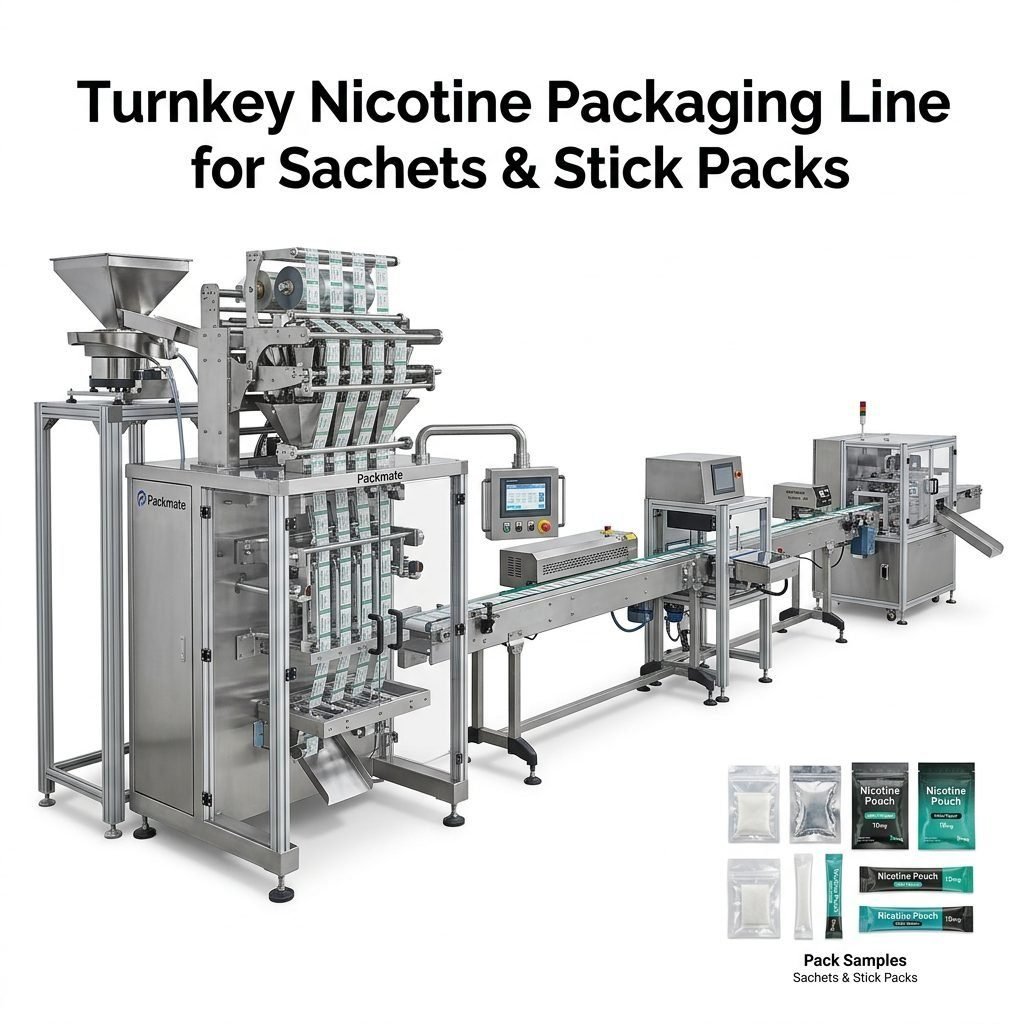
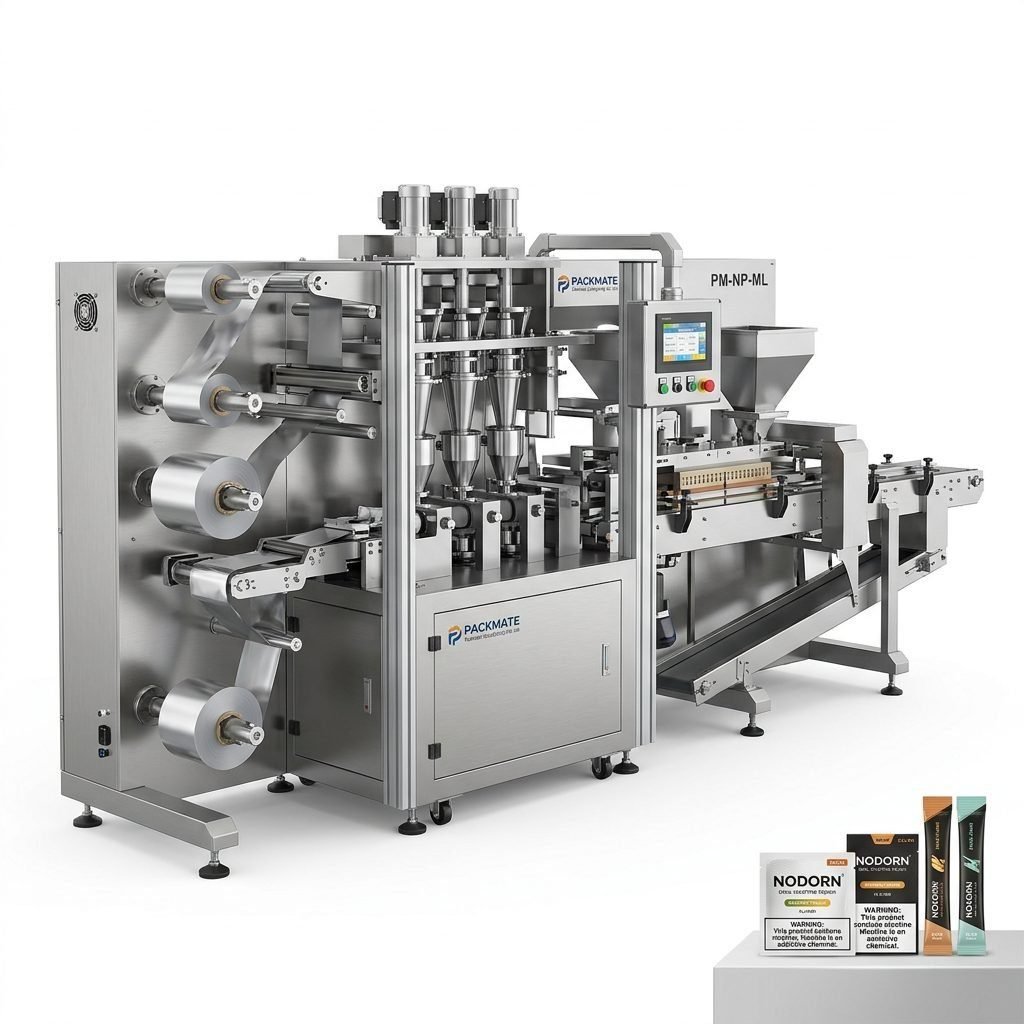
Choosing the right nicotine packaging machine manufacturer for your operations in the Netherlands is a critical step toward achieving consistent product quality, regulatory compliance, and profitable production. This guide walks Dutch distributors, contract manufacturers, and in-house production teams through practical criteria and decision-making steps — from evaluating machine types and certifications to after-sales support and return on investment.
Understand Your Product and Packaging Requirements ⚙️
Start by clearly defining what you need the machine to do. Nicotine pouches and snus come in multiple formats: single-dose pouches, multi-lane sachets, stick packs, and portion formats. Capacity requirements, pouch size variability, material compatibility (foil, paper, composite films), and desired throughput are non-negotiable inputs to your specification.
Ask yourself:
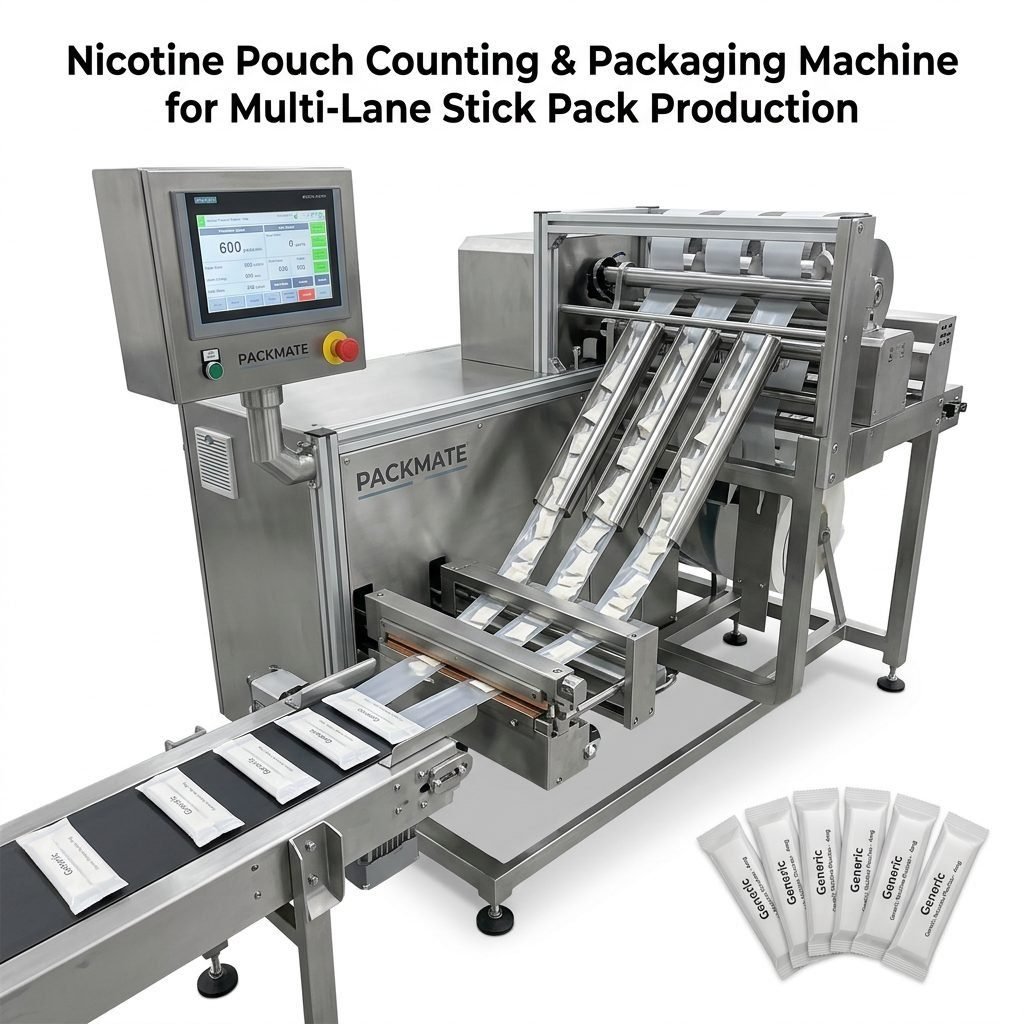
– Do you need a multi-lane system for high-volume small-dose pouches?
– Will you use granular, powder, or pre-formed pouches?
– Which filling accuracy and speed are required for your product mix?
Machine Types to Consider
Different packaging machines suit different business models:
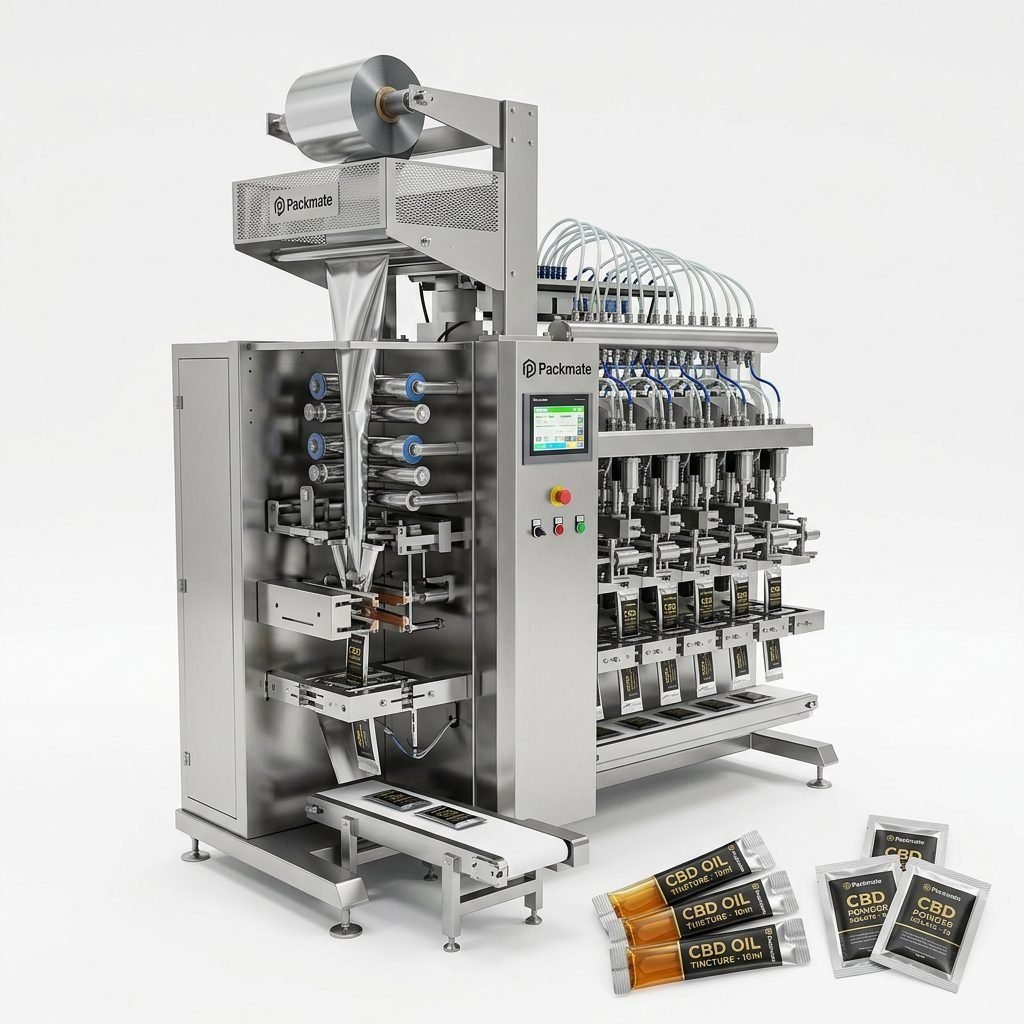
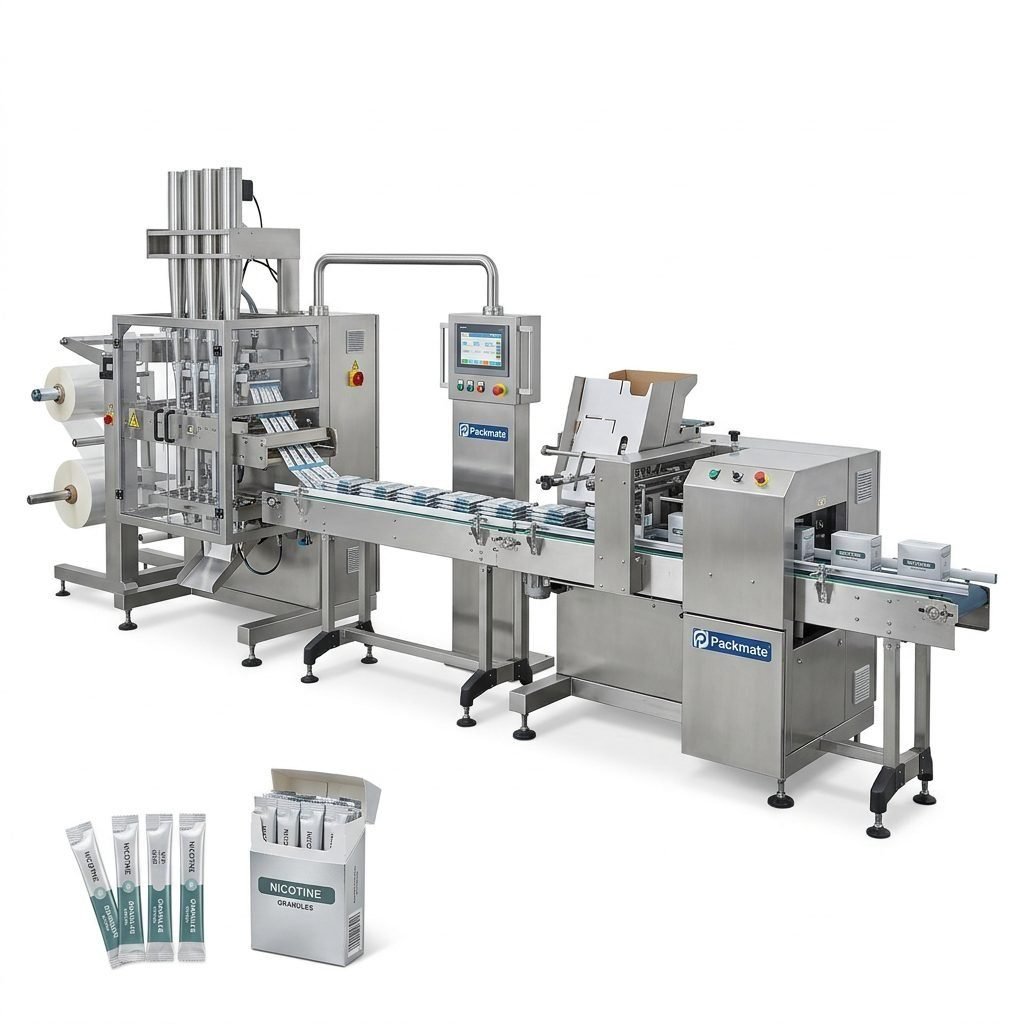
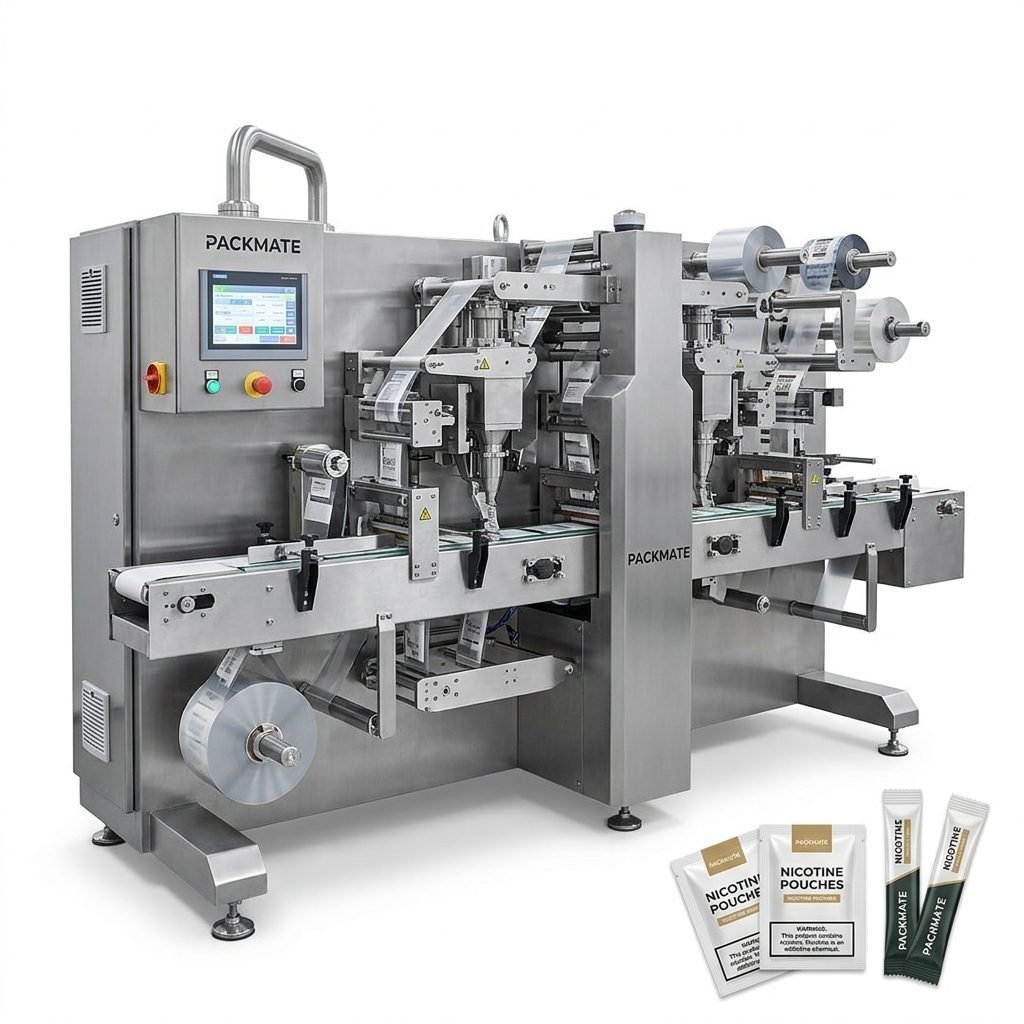
– Stick pack machines: efficient for single-serve sticks and small pouches.
– Sachet & stick pack machines: flexible for varied sachet shapes.
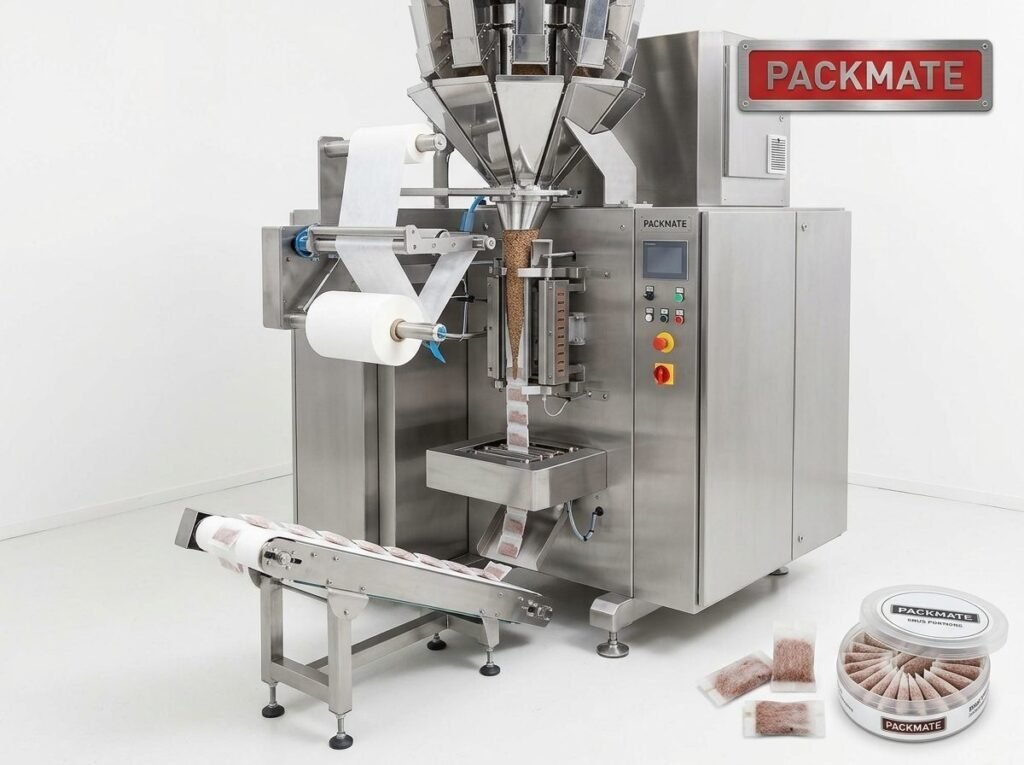
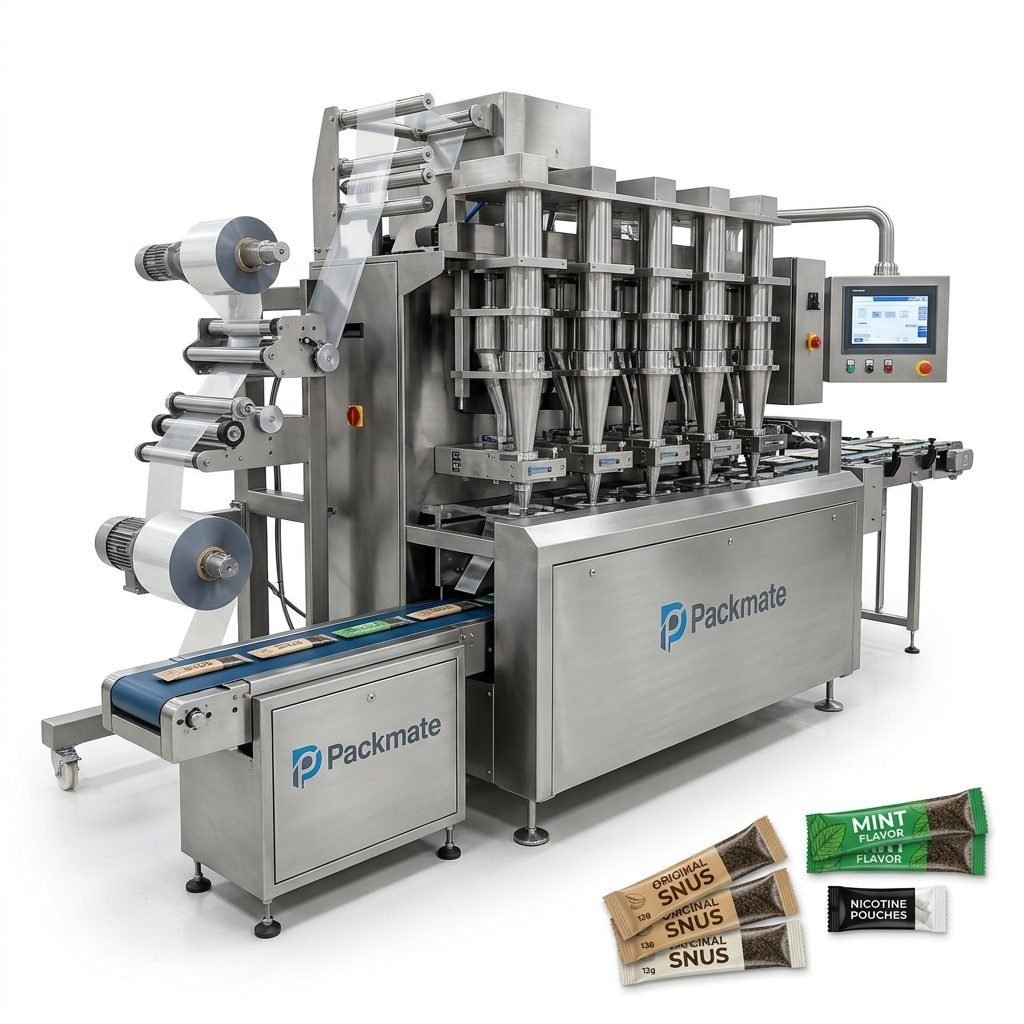
– Multi-lane snus machines: ideal for high-speed production of small-dose nicotine pouches.
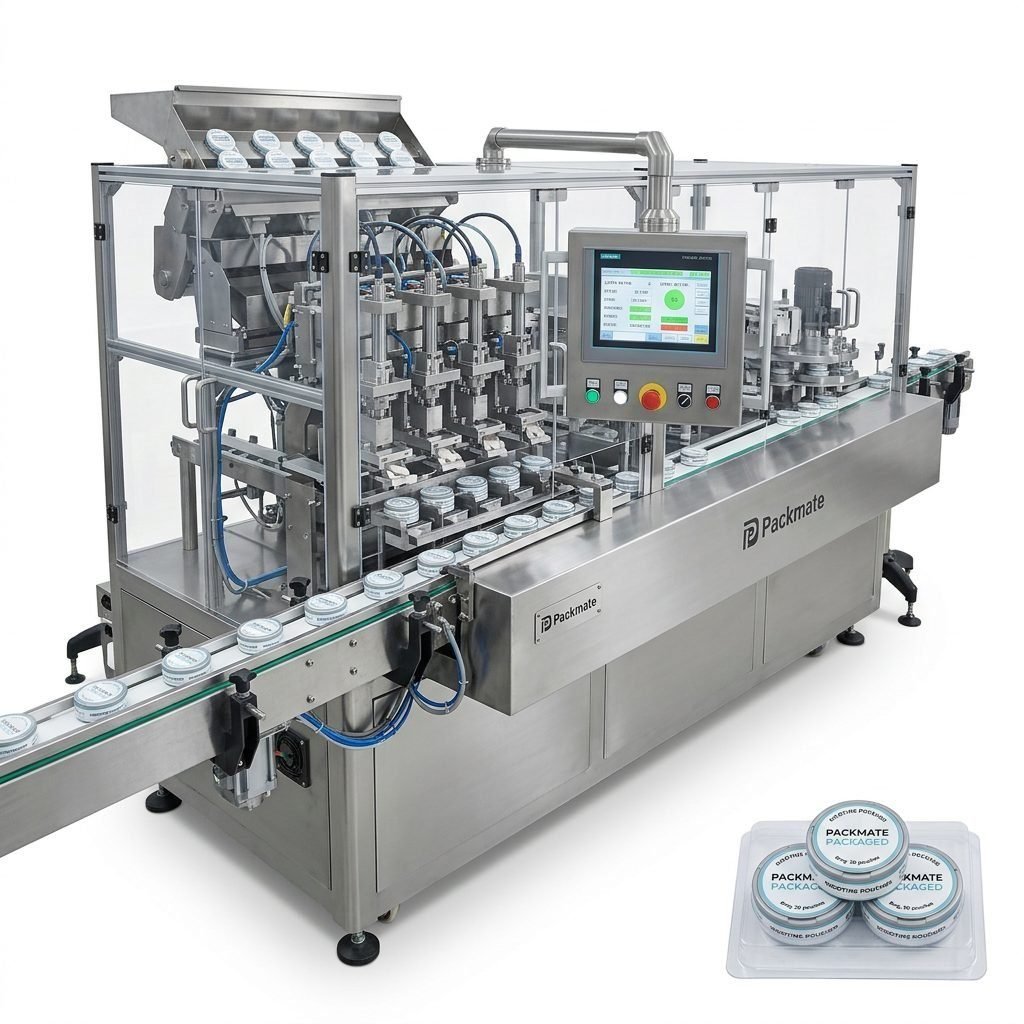
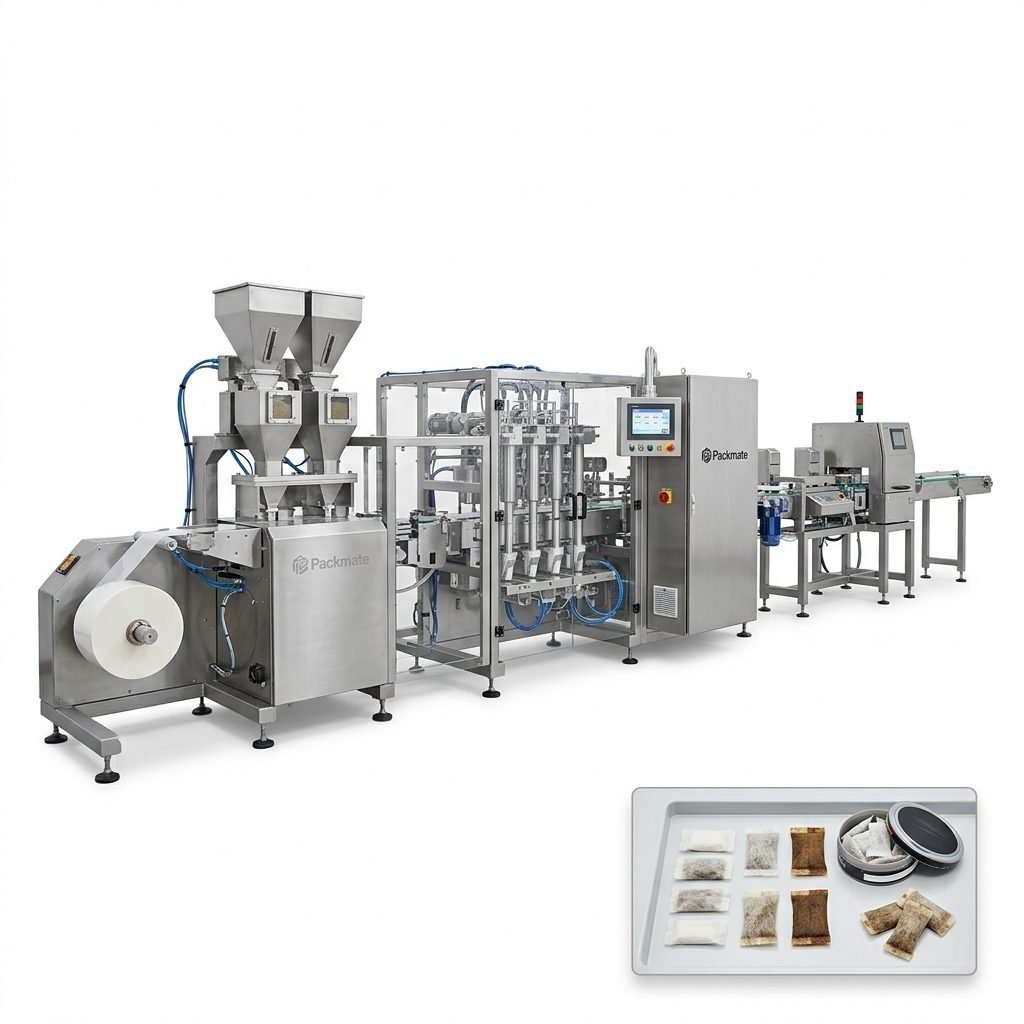
– Auxiliary equipment & weighing systems: help ensure accurate dosing and integrated lines.
Quick tip: For Netherlands-based operations with strict quality demands, a multi-lane snus machine that matches your target pouch weight and speed will often deliver the best balance of throughput and cost-efficiency.
Prioritize Certifications and Regulatory Compliance ✅
Dutch customers prioritize equipment that meets European and international standards. Ensure the manufacturer provides clear evidence of certifications such as CE and ISO compliance. These certifications indicate the machine adheres to safety and quality norms and simplifies customs and market clearance in the Netherlands and EU.
Manufacturers who exhibit at international trade shows or provide third-party testing reports add additional credibility. For product-specific regulatory questions in the Netherlands, having CE-marked equipment from a certified supplier is essential.
What to ask about certifications
– Can the supplier provide copies of CE and ISO certificates?
– Are electrical, safety, and EMC reports available?
– Does the manufacturer design with hygienic and service-friendly features for cleaning and maintenance?
Evaluate Factory Strength and Technical Capability 🏭
A strong manufacturing base indicates reliable supply and the ability to customize solutions. Key indicators include factory size, machining and assembly capabilities, and breadth of models. Leading suppliers often showcase CNC machining centers, precision assembly lines, and extensive quality testing facilities.
If you want to review a proven supplier profile, consider the manufacturer’s product pages for Snus & Nicotine Packaging Machines or About pages that highlight factory area, model variety, and manufacturing certifications.
Recommended links:
Snus & Nicotine Packaging Machines,
About Packmate,
Case Studies.
Factory fact: A manufacturer with a 20,000㎡ facility and advanced CNC centers is better positioned to provide consistent quality and faster lead times.
Assess Customization and Turnkey Solutions 🔧
Dutch businesses often need machines tailored to local labeling, legal text, pouch formats, or integrated lines that handle weighing, filling, and secondary packaging. Look for suppliers that provide turnkey production lines — from filling and packaging to auxiliary equipment and conveyors.
A strong supplier will offer:
– Multiple machine models and modular options;
– Integration capability with weighing and filling systems;
– Localizable control software and PLC support;
– On-site installation, training, and documentation.
Links to product lines and support
Explore relevant offerings such as:
Weighing & Packaging Systems,
Filling & Packaging Lines,
Auxiliary Packaging Equipment.
Inspect After-Sales Service and Local Support 🌍
Local support in the Netherlands can drastically reduce downtime. Confirm the manufacturer’s service model:
– Is there an established European service network or local partners?
– What is the average response time for spare parts and technical queries?
– Does the supplier offer remote diagnostics, training, and commissioning support?
Service reminder: A manufacturer that provides detailed service manuals, spare parts lists, and remote support reduces risk for EU operators.
Verify References, Case Studies and Exhibition Presence 🎫
Reliability is best proven through real-world cases. Ask for client references in Europe and look for documented success stories showing similar machine types in action. Manufacturers that participate in international exhibitions offer an opportunity to see live demonstrations and talk directly with engineers.
Check the supplier’s exhibition calendar or customer cases:
Our Exhibition |
Case.
Total Cost of Ownership and ROI Analysis 💶
Price is only part of the equation. Evaluate total cost of ownership (TCO): acquisition price, installation, spare parts, energy consumption, maintenance intervals, and expected uptime. Machines that deliver higher first-pass yield and lower maintenance often generate better ROI even if initial costs are higher.
Build a sample calculation comparing suppliers, including conservative estimates for spare parts and service visits over a 5-year period.
Negotiation checklist
– Warranty length and coverage;
– Inclusion of on-site commissioning and training;
– Spare parts kits and lead times;
– Options for factory acceptance tests (FAT) and site acceptance tests (SAT).
Trial Runs, FAT and Acceptance Testing 🔬
Insist on a factory acceptance test (FAT) before shipment to verify performance with your materials. A FAT should demonstrate speed, packaging integrity, filling accuracy, and changeover time. Follow up with a site acceptance test (SAT) after installation in your Dutch facility to confirm integration and performance under local conditions.
FAT recommendation: Use your actual pouch material and a realistic production speed during FAT. This reduces surprises during commissioning.
Logistics, Lead Times and Import Considerations 🚚
Plan for shipping, customs, and local installation. If the supplier ships from outside the EU, confirm export documentation, customs duties, VAT handling, and port delivery options. A trustworthy manufacturer will guide you through these steps and provide necessary certificates for EU import.
Finally, consider the supplier’s experience delivering to the Netherlands and Europe — this minimizes delays and compliance issues.
Why Choosing an Experienced Global Supplier Matters
Experienced suppliers bring process knowledge, reliable engineering, and global after-sales support. For instance, suppliers with 30+ years of engineering experience and a range of 50+ machine models typically provide better customization options and have proven production practices for nicotine pouches, snus, and related products.
See manufacturer credentials and offerings on their product catalog and service pages, which often detail turnkey lines and support options:
Catalog,
Service.
Final selection checklist
Use this checklist before signing a purchase agreement:
1. Confirm machine type matches product format and speed.
2. Verify CE/ISO certificates and test reports.
3. Review FAT videos or schedule an on-site FAT.
4. Check warranty, spare parts availability, and response times.
5. Assess TCO and projected ROI for 3–5 years.
6. Ensure training, documentation, and local service availability.
Pro tip: Request references from customers in northern Europe or the Netherlands specifically — local use cases reveal practical insights into installation and service.
Next Steps: How to Engage with a Supplier
When you shortlist suppliers, prepare a clear RFQ (request for quotation) that includes product specs, daily output targets, preferred materials, and required certifications. Ask for a detailed quotation with itemized costs, expected lead times, proposed FAT schedule, and spare parts packages.
If you want to contact an experienced supplier, check their contact pages and direct support lines:
Contact Us.
Making the final decision
Select the supplier offering the best blend of machine suitability, certifications, stable lead times, predictable TCO, and robust after-sales service. For many Dutch operations, the right choice is a supplier who combines localized support with global manufacturing strength.
Conclusion
Choosing the best nicotine packaging machine manufacturer for your Netherlands operation requires a methodical approach: define your product needs, confirm certifications, evaluate factory strength, insist on FAT and SAT testing, and secure dependable after-sales support. A well-documented supplier with a strong manufacturing base and European delivery experience will minimize risks and improve production uptime.
Common Questions (FAQs)
Q1: How important is CE certification for packaging machines imported into the Netherlands?
A1: CE certification is essential for demonstrating compliance with EU safety and EMC directives. It simplifies customs clearance and is often a prerequisite for insurance and facility acceptance.
Q2: Should I prefer a local European reseller or buy directly from an overseas manufacturer?
A2: Both models have pros and cons. Local resellers provide faster local service and spare parts access; direct purchase from experienced overseas manufacturers can offer better pricing and customization. Prioritize clear service agreements and spare parts commitments.
Q3: What is a FAT and why is it critical before shipment?
A3: A Factory Acceptance Test (FAT) validates performance using your materials and specified speeds at the manufacturer’s site. It reduces the risk of performance issues during commissioning and supports contractual acceptance criteria.
Q4: How do I estimate the total cost of ownership for a packaging machine?
A4: Include purchase price, installation and commissioning, spare parts, routine maintenance, energy consumption, expected downtime, and training costs. Compare realistic 3–5-year scenarios to estimate ROI.
Q5: What post-sale support should I require from a reliable manufacturer?
A5: Require clear warranty terms, spare parts availability, remote troubleshooting, commissioning support, operator training, and an option for periodic maintenance contracts. Manufacturers that publish service and warranty details upfront are typically more reliable partners.