Choosing the right nicotine packaging machine manufacturer is one of the most important decisions for any brand or production facility aiming to enter or scale in the nicotine pouch and snus market. The decision affects product quality, regulatory compliance, uptime, cost of ownership, and the speed at which you can bring new SKUs to market. This guide walks you through practical, industry-proven steps to evaluate and select the best manufacturer for nicotine packaging machines serving Switzerland or selling into Swiss and European markets.
Understand Your Production Needs First
Before you compare vendors, define the production parameters that will govern your purchasing choice. Key variables include target daily output, pouch format (single-lane, multi-lane, sachet, stick pack), dose range, product fill characteristics (powder, granule, paste), and packaging materials. A clear requirements brief helps you narrow down manufacturers who specialize in nicotine pouch and snus packaging rather than general-purpose packagers.
Practical checklist to draft your brief
🔧 Throughput target: pieces per minute and shifts per day.
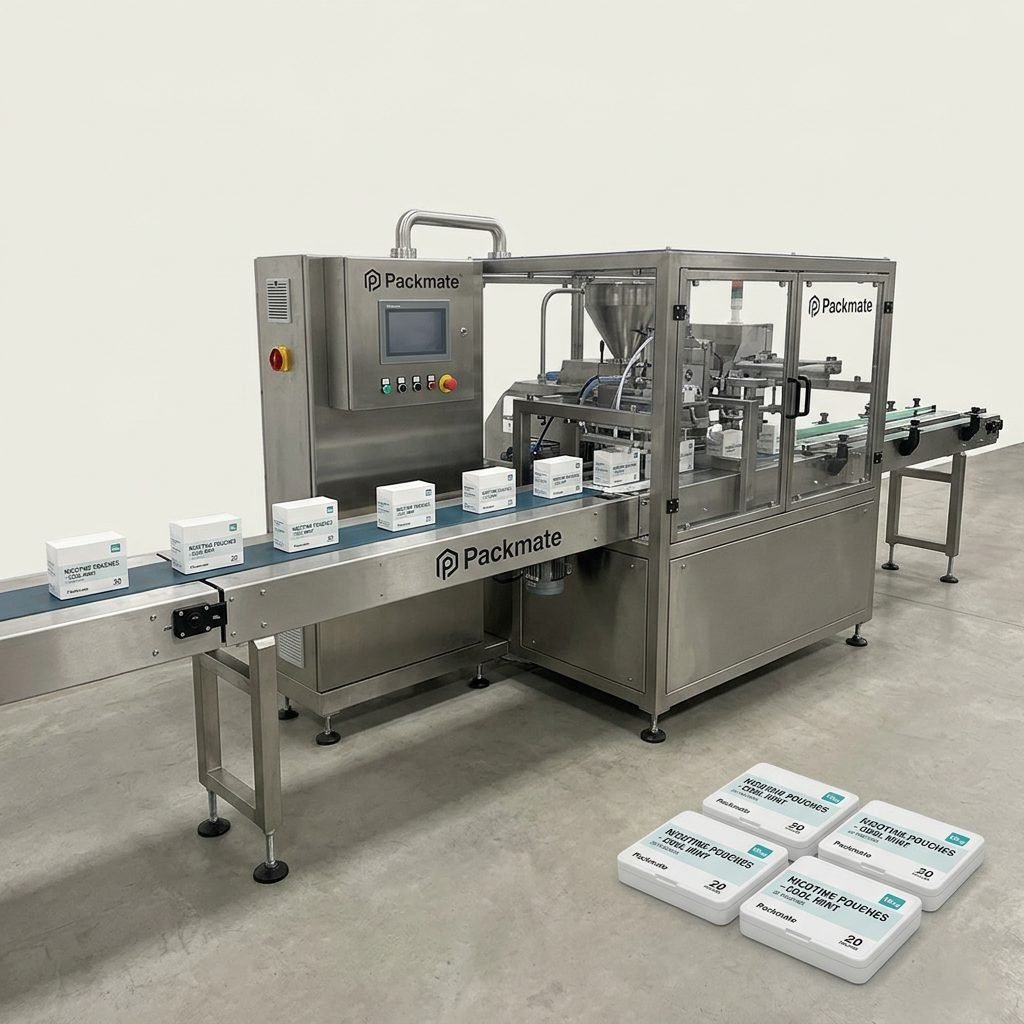
📦 Packaging types: nicotine pouches, snus tins, sachets, stick packs, or multi-lane pouches.
🧪 Product characteristics: moisture sensitivity, granularity, particle size, hygroscopicity.
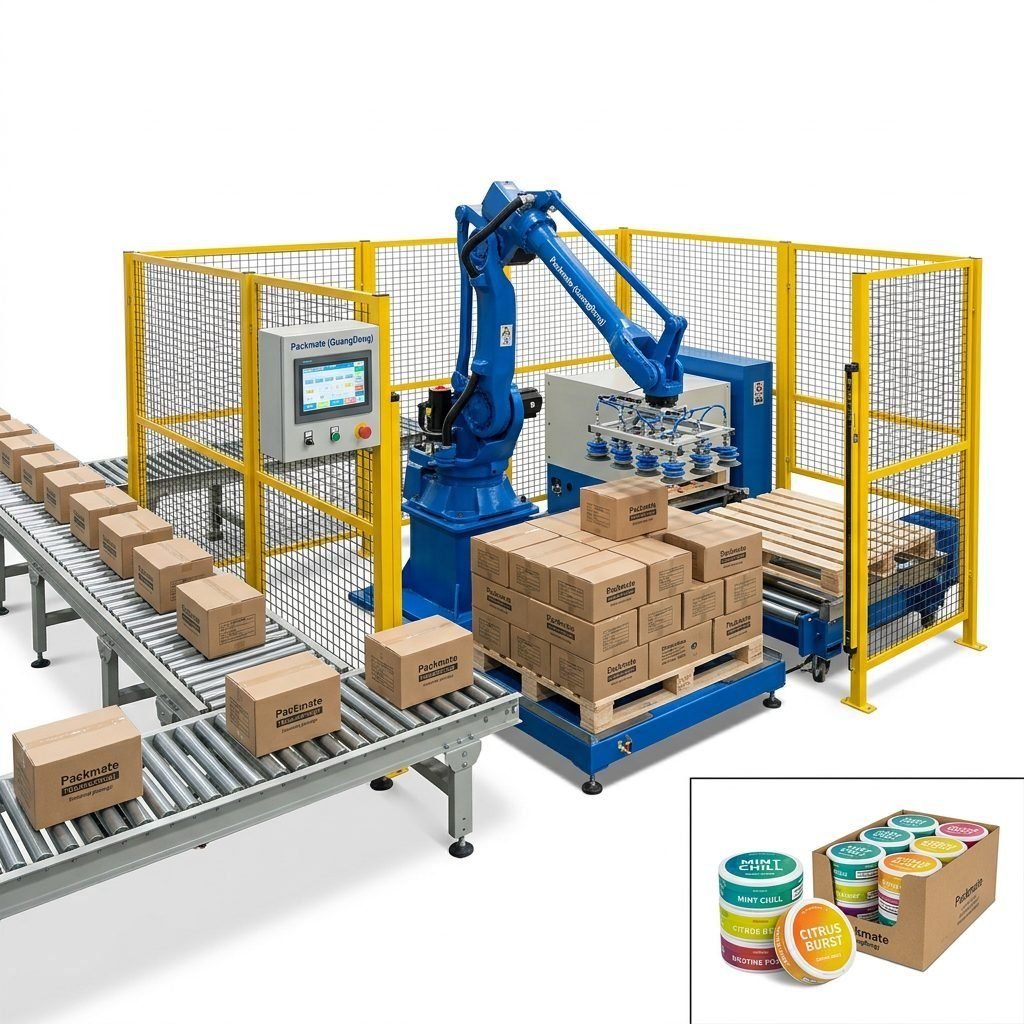
⚙️ Automation level: single machine or full turnkey line with weighing, case packing and serialization.
Vendor Expertise: Look for Focused Experience
Manufacturers with a focused portfolio in snus and nicotine pouch packaging bring specialized knowledge about small-dose filling, contamination control, and high-speed multi-lane synchronization. Prioritize suppliers that can show proven installations for nicotine pouches, snus, or closely related products. Specialist engineers will better anticipate problems such as static build-up, pouch sealing integrity, and handling of low-fill volumes.
Example evidence of expertise
Request case studies, video demonstrations, and references. If a manufacturer publishes product lines and case portfolios online, review them — for example, explore pages dedicated to Snus & Nicotine Packaging Machines or Case portfolios that demonstrate real-world performance and configuration options.
Useful links: Snus & Nicotine Packaging Machines | Case
Machine Types & Technical Capabilities
Different nicotine packaging methods require different machine architectures. Understand which architecture suits your SKUs:
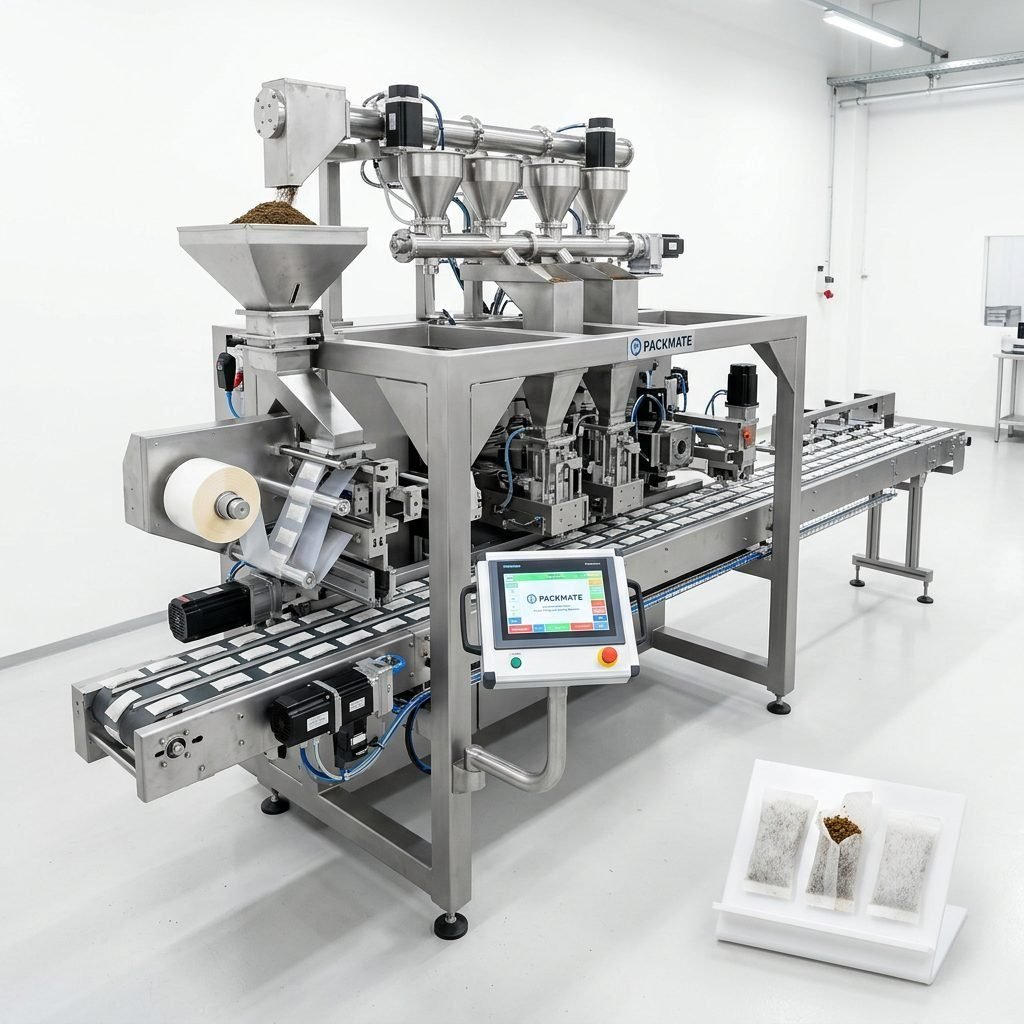
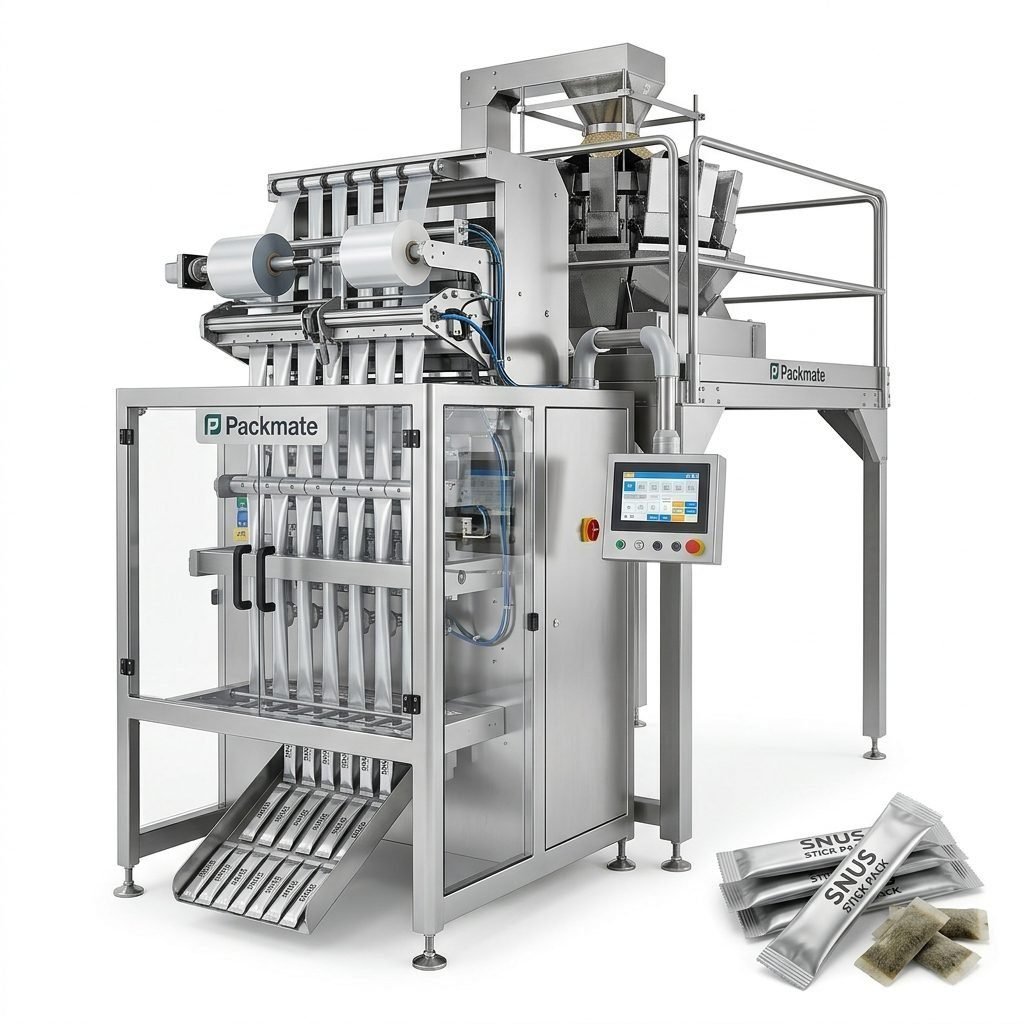
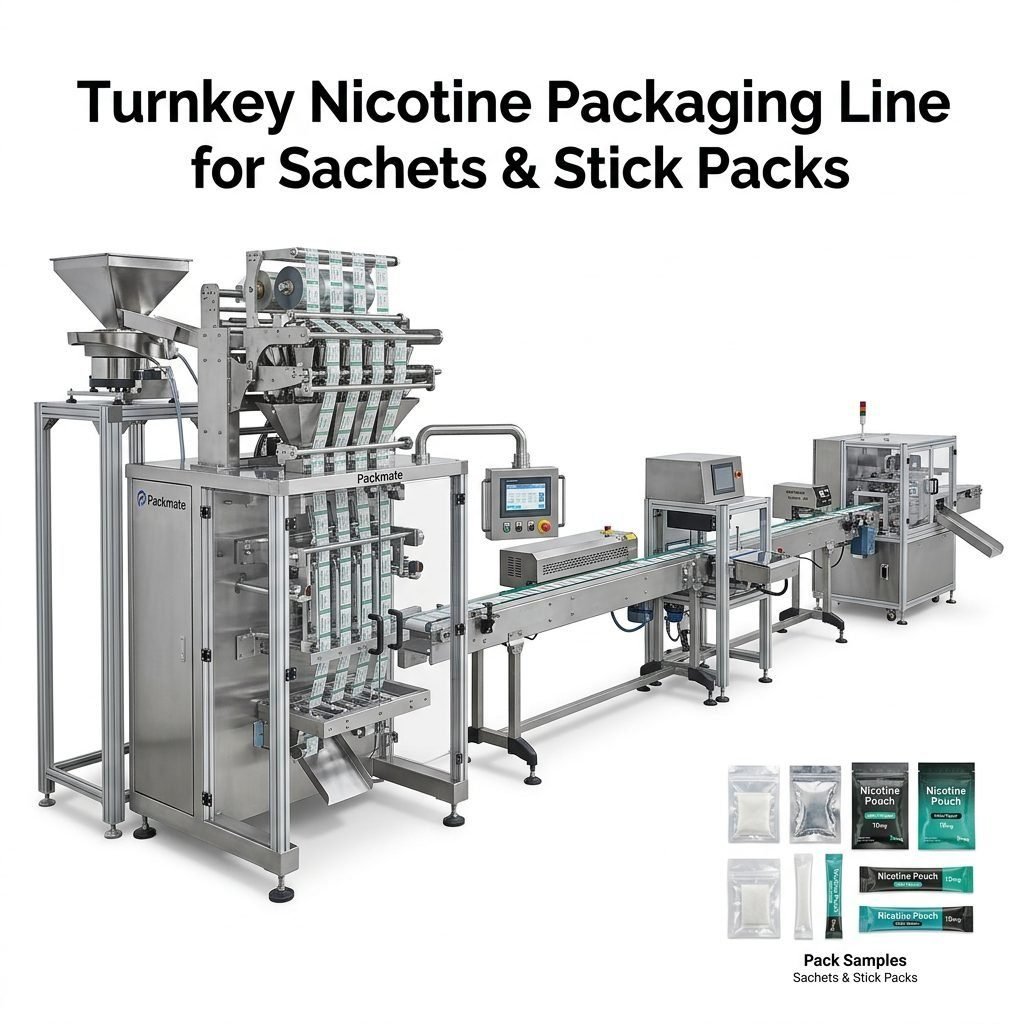
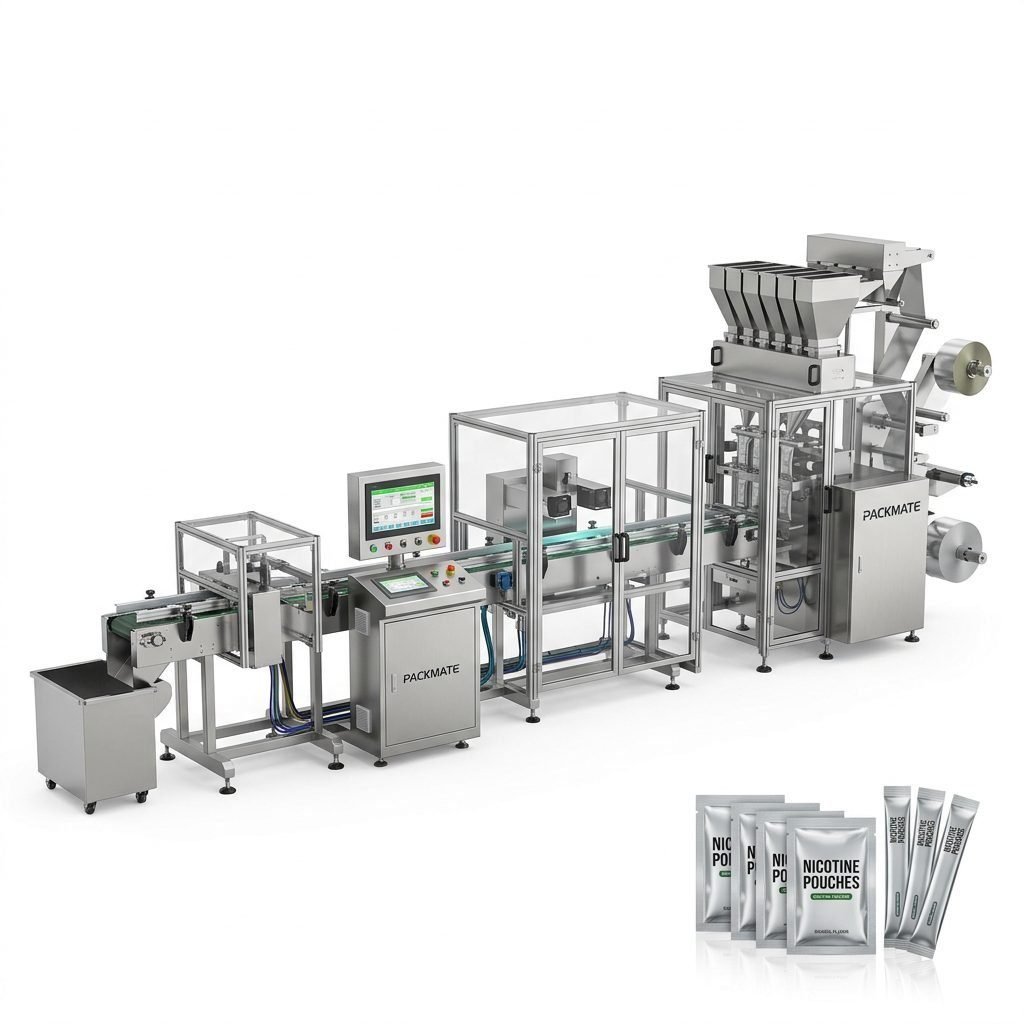
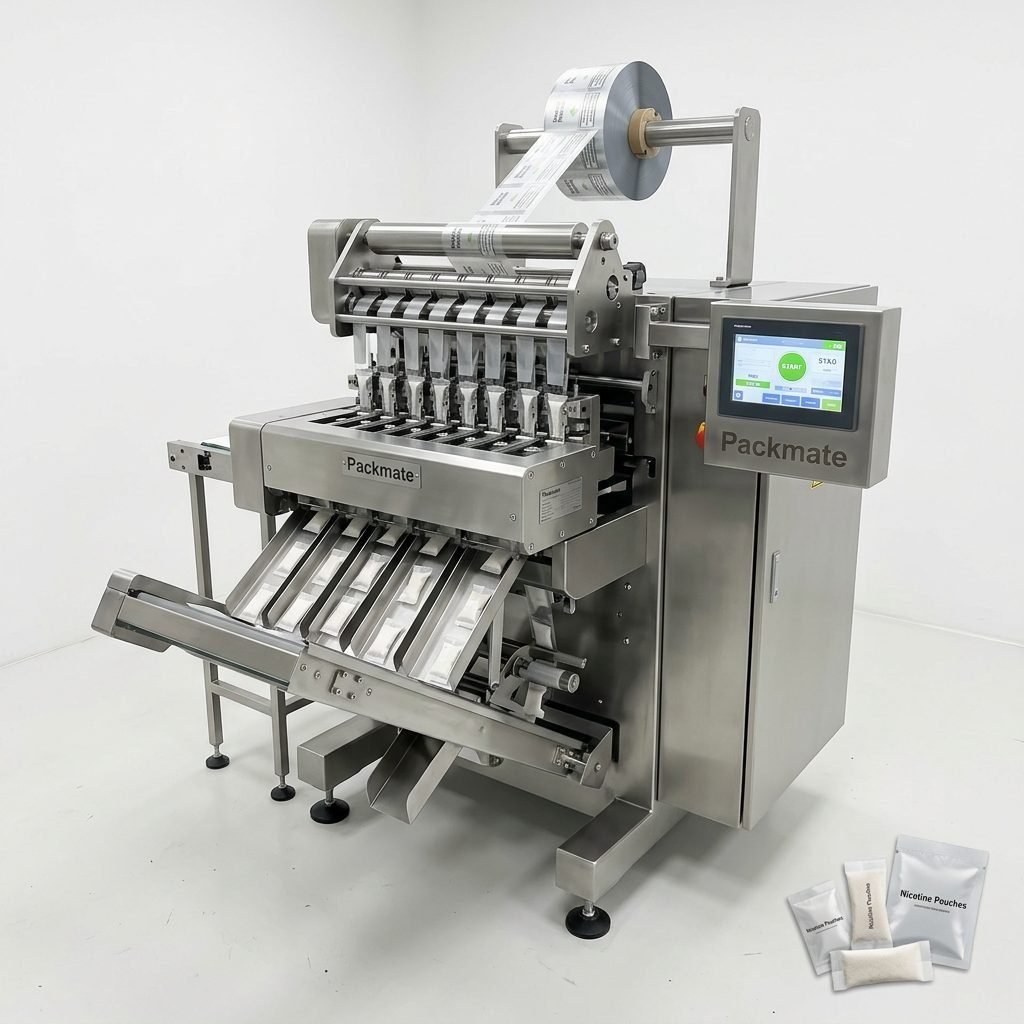
• Multi-lane pouch machines for very high throughput and small doses.
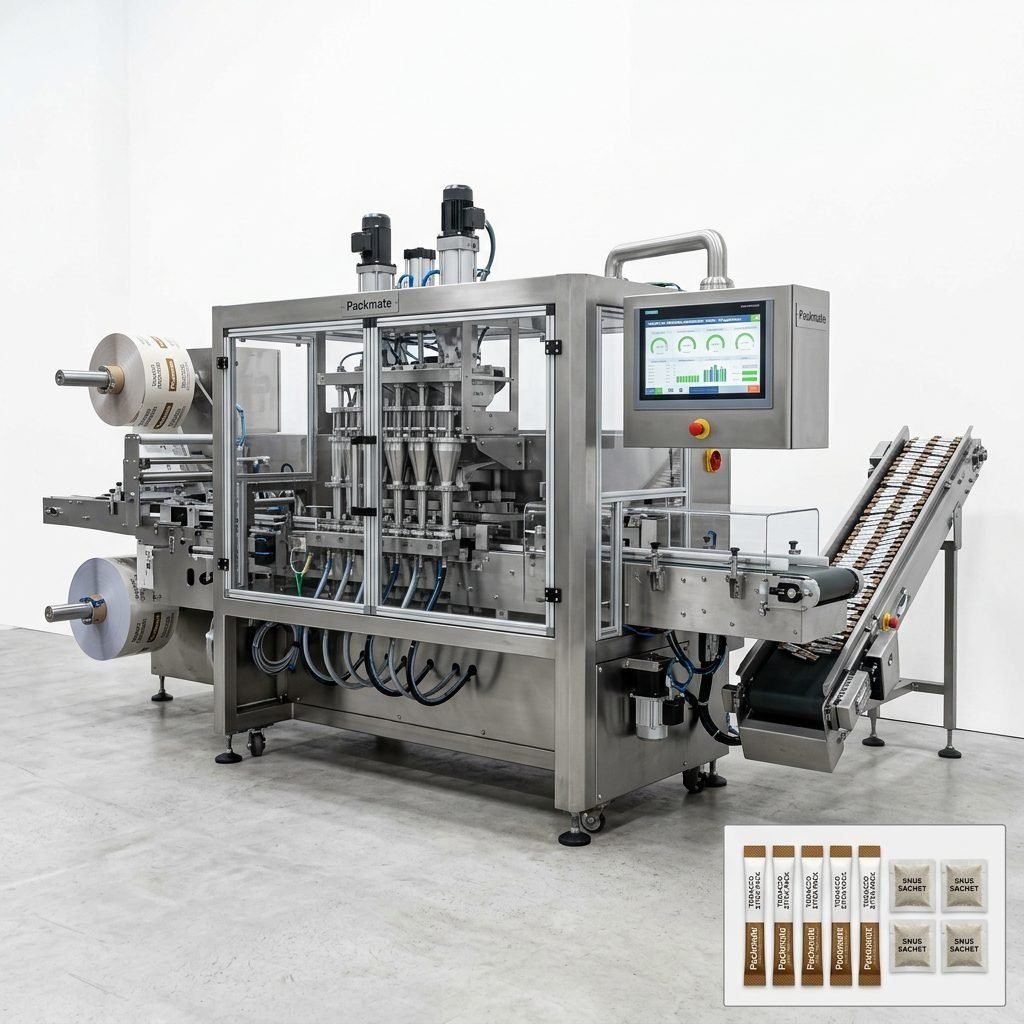
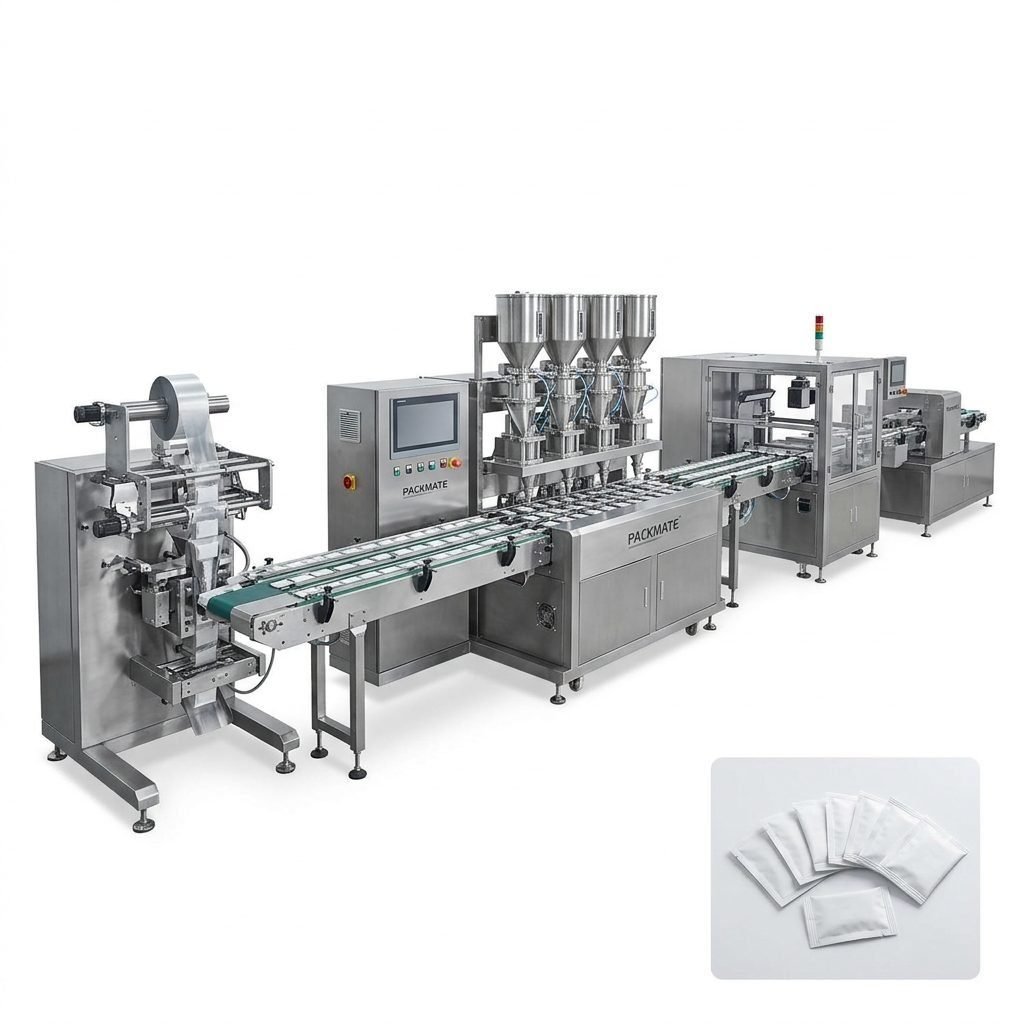
• Stick pack and sachet machines for single-dose convenience formats.
• Rotary and intermittent motion machines depending on packaging film and sealing requirements.
• Integrated weighing and filler systems for precise micro-dosing.
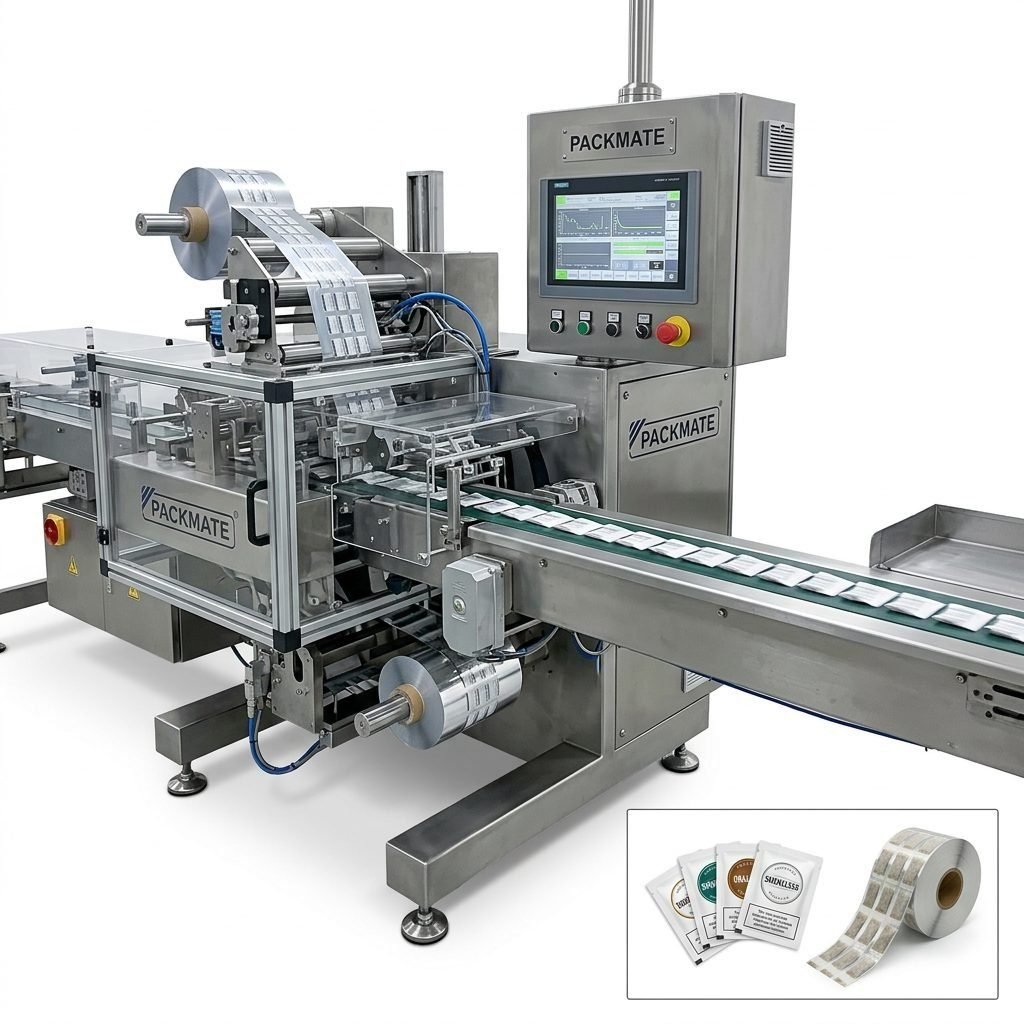
When evaluating suppliers, look for precision engineering features such as advanced CNC-manufactured components, servo-driven motion control, and PLC/HMI systems that offer recipe management for fast changeovers.
Quality, Testing & Certifications
For nicotine and snus packaging, safety and regulatory compliance are non-negotiable. Check for internationally recognized certifications (e.g., CE, ISO) and documented quality control processes. A robust factory acceptance testing (FAT) process ensures machines meet your specifications before shipment.
Look for suppliers that provide traceable test reports, full mechanical and electrical documentation, and clear protocols for IQ/OQ (Installation Qualification/Operational Qualification) if required by regulators.
Highlight: What to demand in the contract
✅ Documented FAT with production test runs using your product or a close simulant.
✅ Acceptance criteria for sealing strength, weight accuracy, and material throughput.
✅ Warranty period and terms for parts and workmanship.
Manufacturing Strength & Supply Chain
Factory capacity and manufacturing facilities matter when you need bespoke modifications, spare parts, or multiples of the same model. A manufacturer with advanced CNC machining centers, precision assembly lines, and strict QC systems indicates the ability to deliver repeatable quality and scale production as your business grows.
When possible, evaluate the supplier’s factory credentials: number of models offered, size of the manufacturing footprint, and investments in automation. These are good indicators of long-term reliability.
Customization & Turnkey Solutions
Nicotine products often require unique packaging formats and regulatory labeling. Choose a manufacturer that offers fully customizable solutions and can supply turnkey lines — from filling and weighing to final case packing. A vendor who can integrate upstream and downstream equipment reduces the complexity of vendor coordination on your side.
If you value partnership, prefer suppliers that can provide turnkey options or at least design integration services for weighing & packaging systems and filling & packaging lines.
After-sales Support, Spare Parts & Training
Downtime in nicotine packaging can be expensive. Evaluate the vendor’s spare-parts strategy, availability of on-site service engineers, remote diagnostics capability, and training programs for operators and maintenance staff. Ideally, choose a supplier that provides scheduled maintenance plans and rapid parts shipping to Europe/Switzerland.
ℹ️ Ask for service KPIs: typical response time, availability of critical spares, and remote troubleshooting SLA.
Total Cost of Ownership (TCO) – Beyond Purchase Price
A low purchase price can hide high operating costs. Consider energy consumption, spare parts pricing, mean time between failures (MTBF), and labor required for changeovers. Ask for historical operating data or references from other clients to estimate real-life TCO.
Compare using these metrics
• Energy per hour and motor specifications.
• Consumables usage (sealing jaws, belts, knives).
• Recommended preventive maintenance intervals and cost.
• Typical spare parts lead times to Switzerland/Europe.
Regulatory & Market Support
Nicotine and tobacco-related packaging must adhere to stringent labeling and material regulations. Manufacturers familiar with European and Swiss requirements can advise on packaging materials compatible with local regulations, tamper-evidence, and traceability systems (serialization if needed).
Check whether the vendor can support documentation for compliance and provide fixtures for child-resistant or tamper-evident packaging when required.
How to Evaluate a Shortlist: Seven Practical Steps
1. Ask for an initial technical proposal and machine specification sheet tailored to your brief.
2. Request machine videos or remote demo sessions showing your product or a similar product running.
3. Verify certifications and factory audits; ask for FAT checklist samples.
4. Contact client references and ask about uptime, service, and real throughput.
5. Visit the factory if feasible or schedule a live demo at a trade show.
6. Compare warranty terms, spare parts policies, and training offers.
7. Evaluate financial terms: deposit, milestone payments, and penalties for late delivery.
Factory Visits, FAT & Acceptance Testing
Whenever possible, conduct a factory visit to inspect production workflows, QC processes, and assembly quality. During FAT, insist on running your product or a validated simulant. Confirm acceptance criteria for weight tolerances, sealing integrity, and production speed in writing before shipping.
If a factory visit is not possible, ask for a detailed live video FAT and a signed acceptance protocol that outlines tests performed and results.
Negotiating Contracts & Delivery Terms
Contracts should be clear on deliverables, timelines, installation duties, training, warranty, and penalties. Include shipping terms (INCOTERMS), packaging for ocean transport, and insurance. Define spare parts kits included with the machine and the availability of recommended consumables.
✅ Must-have contract elements: FAT sign-off procedure, warranty start date, payment milestones, and acceptance criteria.
Why Consider Global Suppliers with Local Support?
International manufacturers often bring advanced engineering, broader product ranges, and cost advantages. The key is to ensure local presence for service or an authorized service partner that can deliver parts and technicians quickly. For example, reputable global brands demonstrate both robust factory capabilities and global support networks, making them attractive partners for Swiss producers.
For more information on a global supplier that focuses on snus and nicotine pouch lines, you can review vendor background and offerings such as About Packmate and their product range. Their factory scale and industry focus are examples of capabilities to look for when vetting suppliers.
Final Selection & Implementation Roadmap
Once you select a supplier, create a clear implementation roadmap:
• Finalize technical drawings, electrical interfaces, and pneumatic requirements.
• Agree FAT schedule and acceptance metrics.
• Plan installation, commissioning, and operator training at your site.
• Define spare part kits and preventive maintenance schedule.
• Set up remote support channels and escalation paths.
Conclusion
Choosing the best nicotine packaging machine manufacturer is a mix of technical diligence, supplier due diligence, and practical logistics planning. Focus on suppliers with proven expertise in snus and nicotine pack formats, strong manufacturing capabilities, documented testing and certification, and a reliable service and spare parts strategy. Properly structured acceptance tests and a clear contract will protect your investment and ensure a smooth ramp-up to full production.
Related resources
Explore additional product categories and support pages to evaluate full-line partners: Bag & Pouch Packaging Machines, Sachet & Stick Pack Machines, and the Service page for after-sales options.
Common Questions
Q1: How long does it typically take from order to delivery for a nicotine pouch packing line?
A1: Lead times vary by machine complexity and customization. Standard machines often take 3–6 months; fully customized turnkey lines can be 6–12 months. Confirm the vendor’s production schedule and any potential supply chain delays.
Q2: What documentation should be provided at handover?
A2: Expect mechanical and electrical drawings, PLC and HMI software versions, spare parts list, FAT report, operator and maintenance manuals, and warranty certificates. If relevant, request compliance and test certificates for materials and safety.
Q3: Can manufacturers support validation for regulated markets?
A3: Many experienced suppliers assist with IQ/OQ, FAT documentation, and provide validation templates. Confirm their experience with nicotine/tobacco product regulations and request sample validation documents.
Q4: How do I ensure spare parts availability in Switzerland?
A4: Ask for spare parts distribution arrangements, local warehouses or authorized service partners in Europe, and typical lead times for critical parts. Some vendors offer spare parts kits shipped with the machine to minimize early downtime risk.
Q5: Who should I contact for more detailed discussions or a quotation?
A5: Reach out directly to the manufacturer’s sales or technical team via their contact page. For example, you can use the vendor’s Contact Us page to request tailored proposals or schedule a demo.