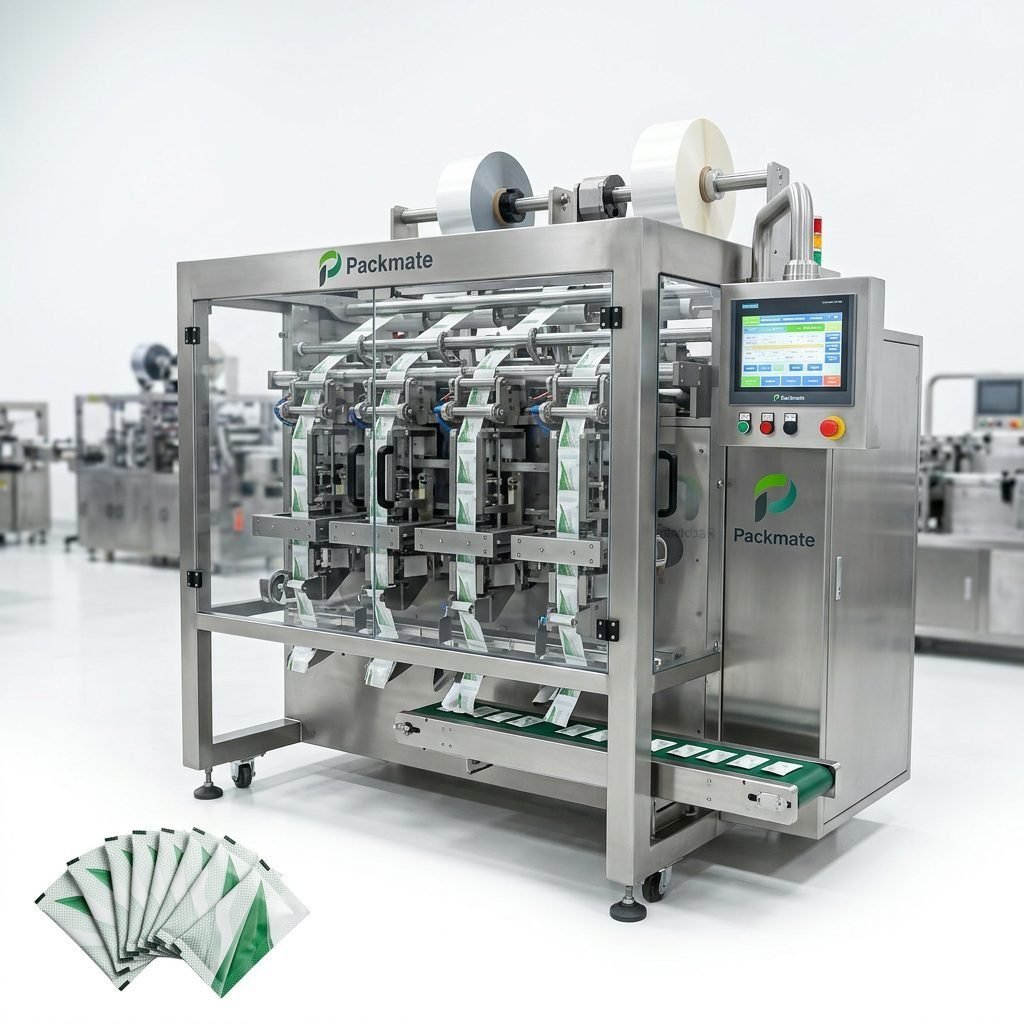
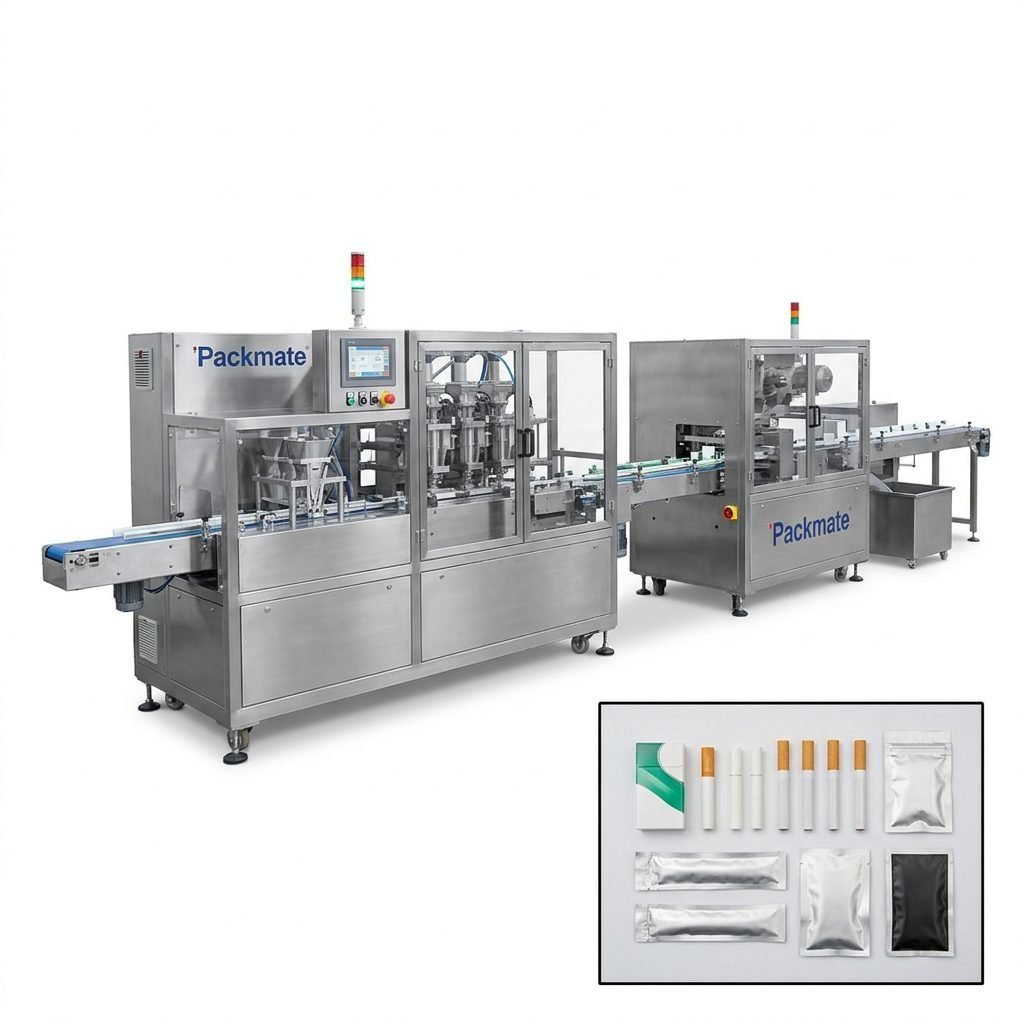
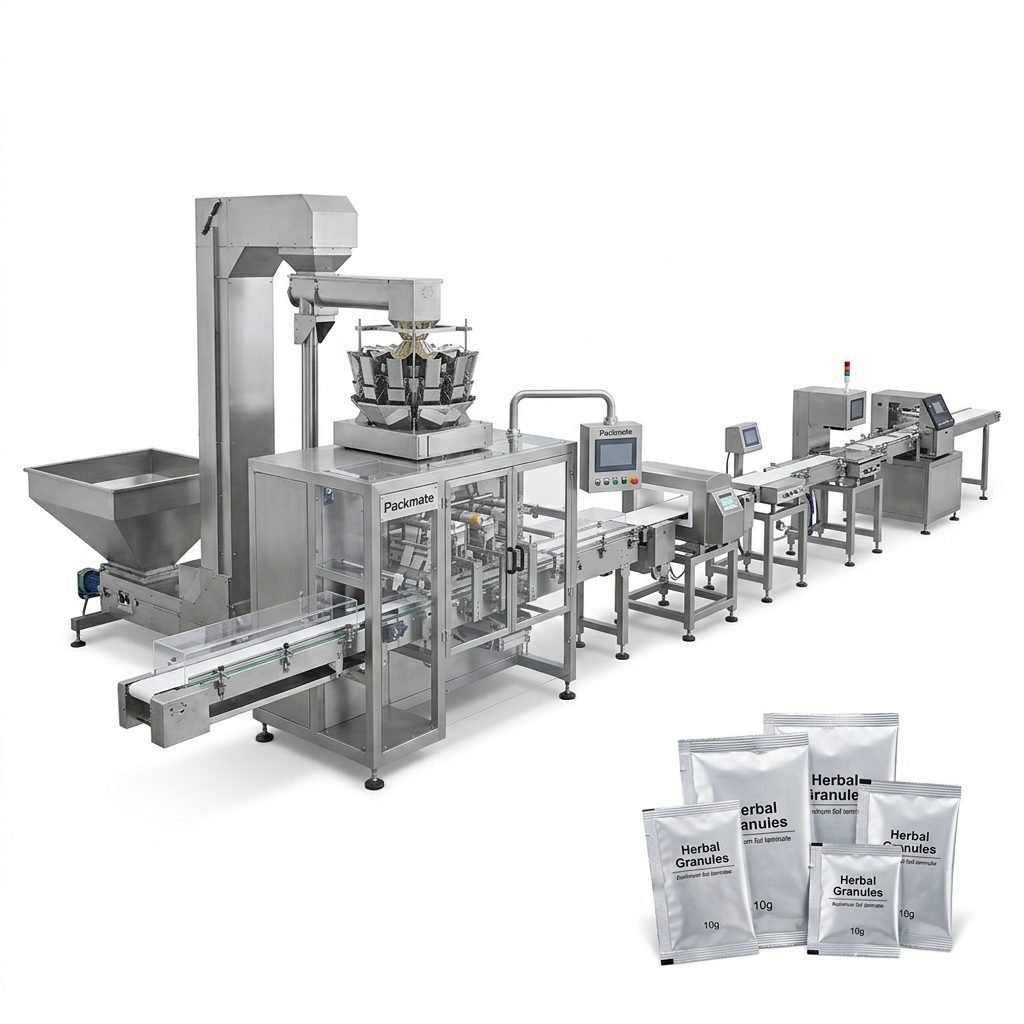
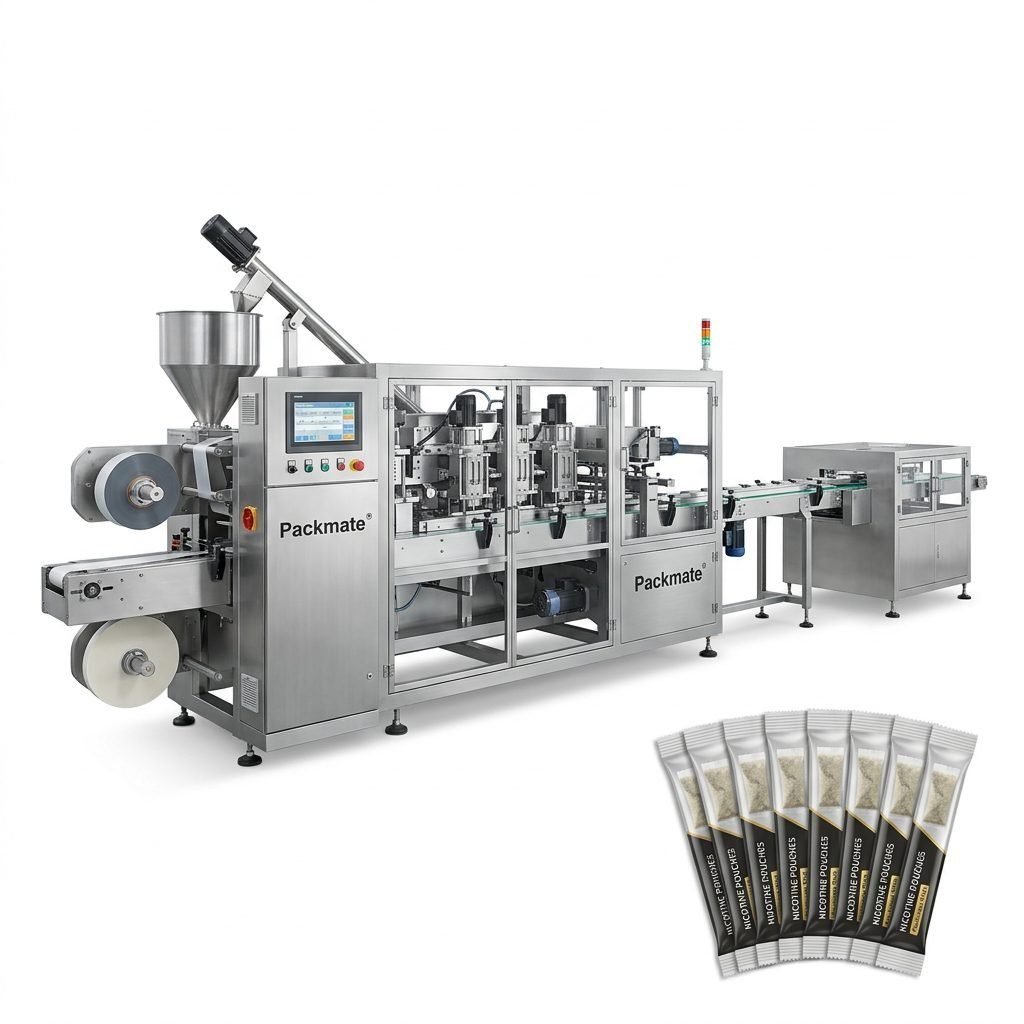
Choosing the right snus packaging machine manufacturer in Cambodia can make or break your nicotine pouch production plans. This guide walks you through the essential criteria, practical checks, and negotiation tactics so your business secures a reliable partner — one that delivers compliance, uptime, and a quick return on investment.
Understand Your Production Requirements First
Before you approach any supplier, get crystal clear on your production needs: output (pouches/hour), pouch type (stick pack, sachet, multi-lane snus pouches), dosing material (powder, granules, liquid), and packaging formats. These parameters determine which machine family is right for you.
Key questions to define internally:
🔍 Production capacity: How many units per minute or hour do you need?
⚙️ Flexibility: Will you run multiple SKUs or frequent format changes?
📦 Material compatibility: Nicotine pouches, powders, and liquids require different feeders and sealing technologies.
Why technical fit matters
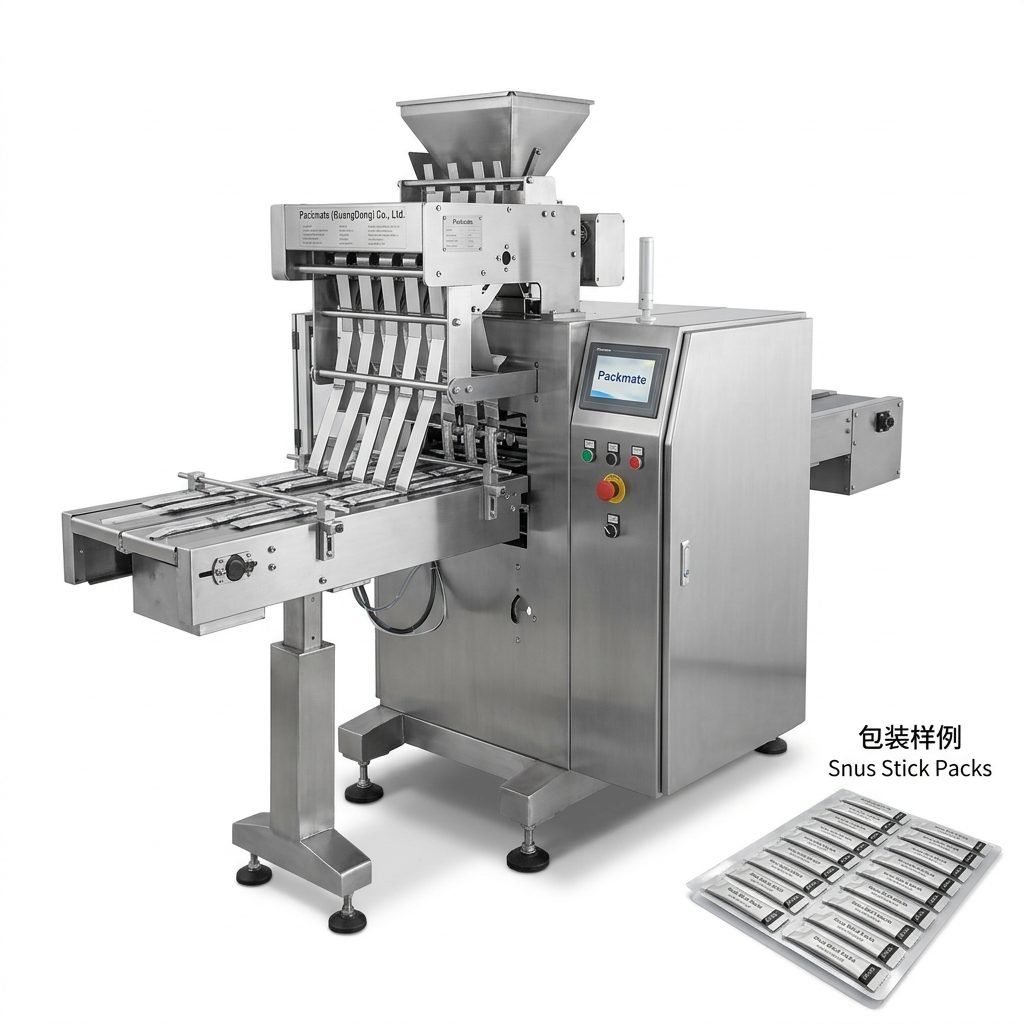
Selecting a machine that matches your product type avoids costly retrofits and reduces commissioning time. If you plan multi-lane small-dose pouches, prioritize suppliers with proven multi-lane solutions rather than generic pouch machines.
Evaluate Manufacturer Experience & Track Record
Experience in the snus and nicotine pouch market is a major advantage. Look for companies with decades of R&D and field-proven designs for low-dose, high-precision dosing. A manufacturer profile that mentions long-term engineering or a factory with advanced machining centers indicates capability for precision builds.
✔️ Proven models: Ask for case studies, machine model lists, and references of customers running snus/nicotine lines.
✔️ Factory strength: Facilities with CNC centers and precision assembly lines show they can meet tight tolerances and repeatability.
Red flags to watch for
If a supplier cannot provide performance data, installation photos, or client contact details, be cautious. Absence of demonstration machines or references often increases project risk.
Verify Certifications & Compliance
Regulatory and safety certifications are non-negotiable. Machines should meet international standards relevant to your market (for instance, CE and ISO). This ensures safer operation and smoother customs clearance for imports.
⚠️ Request copies of certificates: CE, ISO, electrical and safety test reports. Verified certificates reduce surprises during commissioning and export.
Inspect Technical Capabilities & Customization Options
Not all snus packaging needs are standard. Your supplier should offer custom tooling, servo-controlled dosing, multi-lane synchronization, and adaptable changeover systems. Evaluate whether they manufacture critical parts in-house (cams, weldments, custom feeders).
Ask for:
🔧 R&D capability: Can the supplier design tooling for unique pouch shapes?
🔩 Spare parts strategy: Are critical spares stocked or quickly manufactured?
🔁 Software and control: Modern PLC and HMI systems for recipe storage and remote support.
Assess After-Sales Support & Training
Machines are long-term investments — after-sales support directly affects uptime. Confirm local or regional service presence in Cambodia, response times for technical calls, and training provisions for your operators and maintenance staff.
Important support aspects:
📞 Remote diagnostics: Can they support PLC/HMI troubleshooting remotely?
🧰 Spare parts lead time: Lead times for belts, cutters, and sensors should be documented.
🎓 On-site training: Factory acceptance testing (FAT), site installation, and operator training must be part of the scope.
Warranty and service contracts
Negotiate clear warranty terms (parts/labor), response SLAs, and optional preventive maintenance contracts. Consider extended service agreements if you lack in-house technicians.
Request Demonstrations & Factory Visits
A live demonstration or a factory visit reveals build quality and process maturity. Witnessing a snus/nicotine pouch line in operation should be a standard part of vendor evaluation.
If travel is difficult, ask for high-quality video demos and remote live trials where your team can request format changes and measure output.
Compare Total Cost of Ownership (TCO), Not Just Price
Cheap initial price often leads to higher running costs. Look beyond purchase price to factor in energy consumption, spare parts, downtime rates, consumables, and expected lifetime. A higher-quality machine with stable performance usually pays off faster.
💡 TCO checklist: Energy usage, spare part pricing, mean time between failures (MTBF), service availability, and upgrade paths.
Negotiate Lead Times, Payment Terms & Warranties
Lead time reliability is crucial when launching a product. Seek clear milestones: prototype completion, FAT, shipment, and installation. Payment should be staged — deposit, FAT sign-off, and final payment after successful commissioning.
Clarify warranty scope (which parts are covered), spare part pricing policies, and responsibilities for customs/import fees if shipping internationally.
Checklist for Factory Acceptance Testing (FAT)
A thorough FAT ensures the machine meets contract specs before shipment. Define clear FAT criteria, including test recipes, pouch formats, output rates, and acceptance tolerances.
📋 FAT items: Mechanical run, sealing integrity, dosing accuracy, multi-lane synchronization, safety features, and HMI/PLC recipe tests.
Leverage Product & Vendor Resources
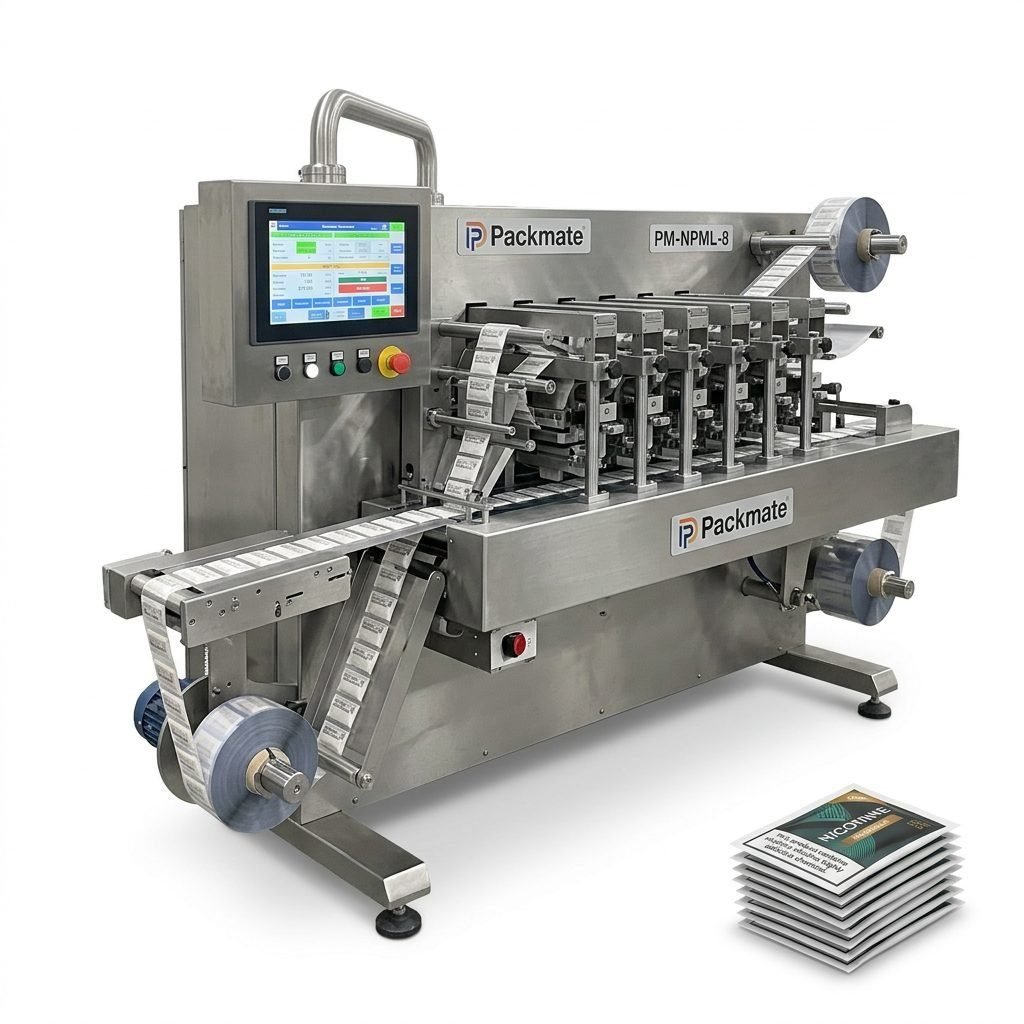
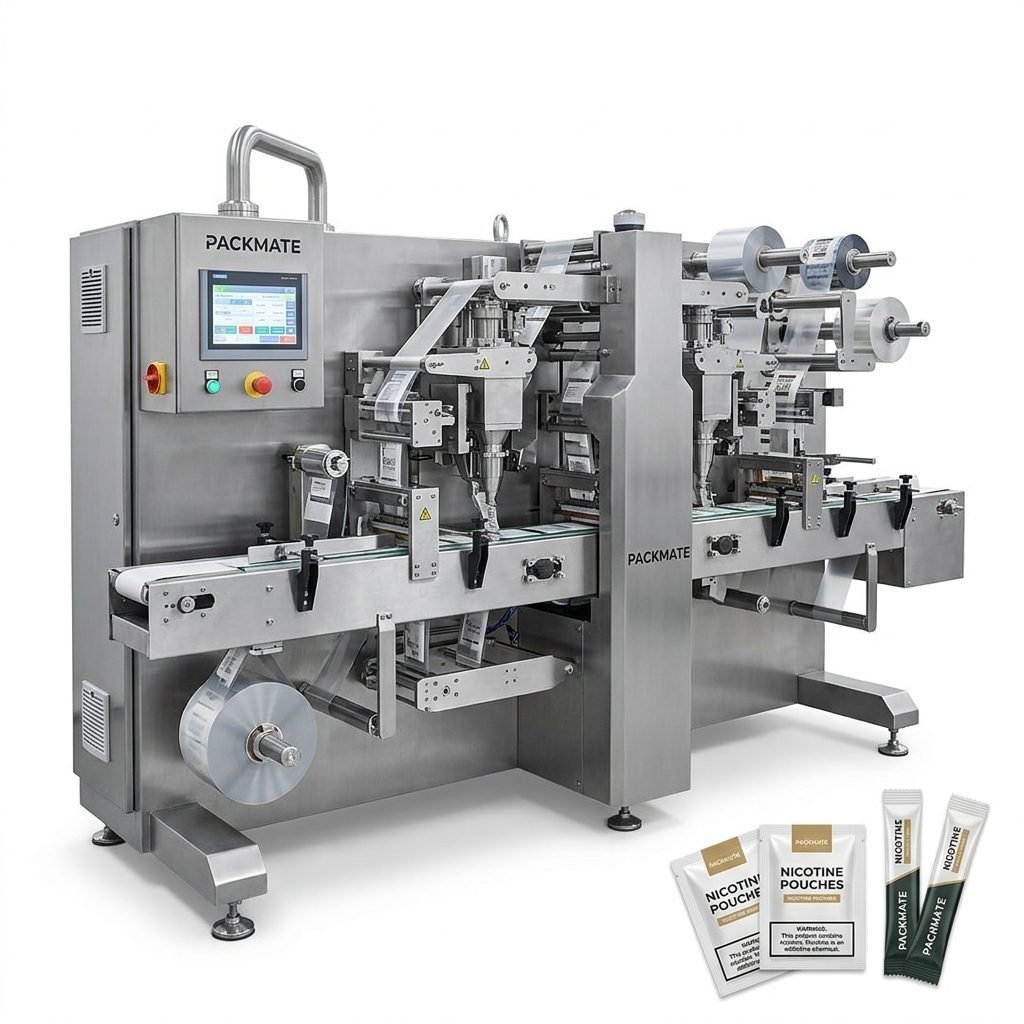
Top manufacturers provide product pages, catalogs, and case studies to help you compare models quickly. Explore product families for snus and nicotine pouches, stick packs, and sachets to determine the closest match.
Useful resources (examples):
• Snus & Nicotine Packaging Machines: https://www.snusmachinery.com/products/snus-nicotine-packaging-machines/
• Sachet & Stick Pack Machines: https://www.snusmachinery.com/products/sachet-stick-pack-machines/
• About Packmate (company & factory info): https://www.snusmachinery.com/about-us/
Local Considerations for Cambodia
When sourcing manufacturers for Cambodia-based operations, consider logistics, import duties, and local service partners. It’s useful to work with suppliers who have existing customers or service agents in Southeast Asia for faster support.
Check the vendor’s international experience and presence at global exhibitions; a company that participates in major trade fairs often demonstrates stronger global support capabilities.
Case Studies & References
Ask for reference projects similar to your product and market. Review performance metrics, uptime, and how the vendor handled spare parts and upgrades. Real-world cases, especially in nicotine pouch production, are invaluable.
🔗 Example: Browse case presentations to see full line installations and customer feedback: https://www.snusmachinery.com/case/
Final Selection Tips & Decision Matrix
Create a weighted decision matrix to compare vendors across categories: technical fit, price, TCO, support, certifications, and references. Assign weights based on your priorities (for example, production uptime and dosing accuracy might be highest for snus).
✅ Tip: Don’t let the lowest upfront price override operational reliability — a stable packaging line reduces lost production and product rejects.
When Packmate could be a match
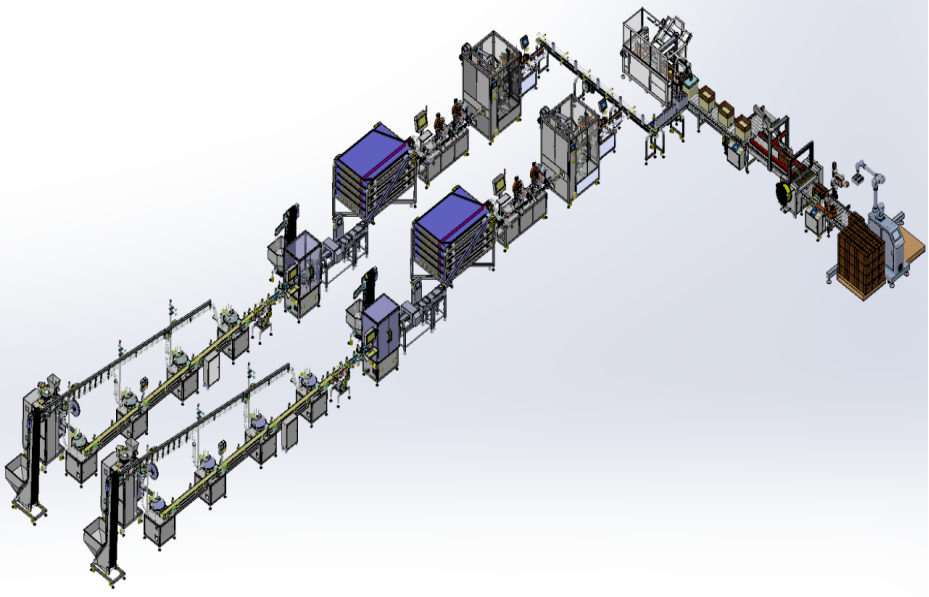
If you value a manufacturer with deep experience in snus and nicotine pouch packaging, extensive model ranges (stick pack, sachet, multi-lane), and a 20,000㎡ factory with advanced CNC and assembly lines, consider reviewing their product & service offerings. For more details, check product pages and contact the vendor directly:
• Filling & Packaging Lines: https://www.snusmachinery.com/products/filling-packaging-lines/
• Contact page for inquiries and local support options: https://www.snusmachinery.com/contact-us/
Conclusion: A Practical Roadmap to Choose the Best Manufacturer
Summing up, your selection should be based on matching technical capability to product needs, validated references, clear certifications, strong after-sales support, and a realistic TCO view. Follow a structured evaluation — define requirements, verify factory capability, run FATs, and secure clear contractual terms — and you’ll minimize risk while maximizing long-term production stability.
Common Questions (FAQs)
Q1: What documents should I request before placing an order?
Request a detailed technical spec sheet, CE/ISO certificates, FAT protocol, a list of included spare parts, warranty terms, and references/case studies. These documents form the baseline for contract negotiation and acceptance criteria.
Q2: How important is factory acceptance testing (FAT)?
FAT is essential — it verifies the machine performs to agreed specifications before shipment. Insist on clear FAT tests for output, sealing, dosing accuracy, and HMI recipes; record results in writing and use them as acceptance criteria.
Q3: How do I secure spare parts and minimize downtime?
Negotiate spare-part kits with your machine purchase and confirm lead times for critical parts. Establish a service contract for preventive maintenance and remote support options to reduce mean time to repair.
Q4: Can I commission a snus packaging line remotely?
Remote commissioning is possible for software setup and some diagnostics, but on-site installation and initial training are highly recommended for mechanical alignment, tooling setup, and staff training to ensure consistent product quality.
Q5: Where can I learn more about machine families and specifications?
Explore product pages and catalogs for detailed specifications. Helpful links include product families for snus machines and stick/sachet machines where you can compare models and request tailored quotations.