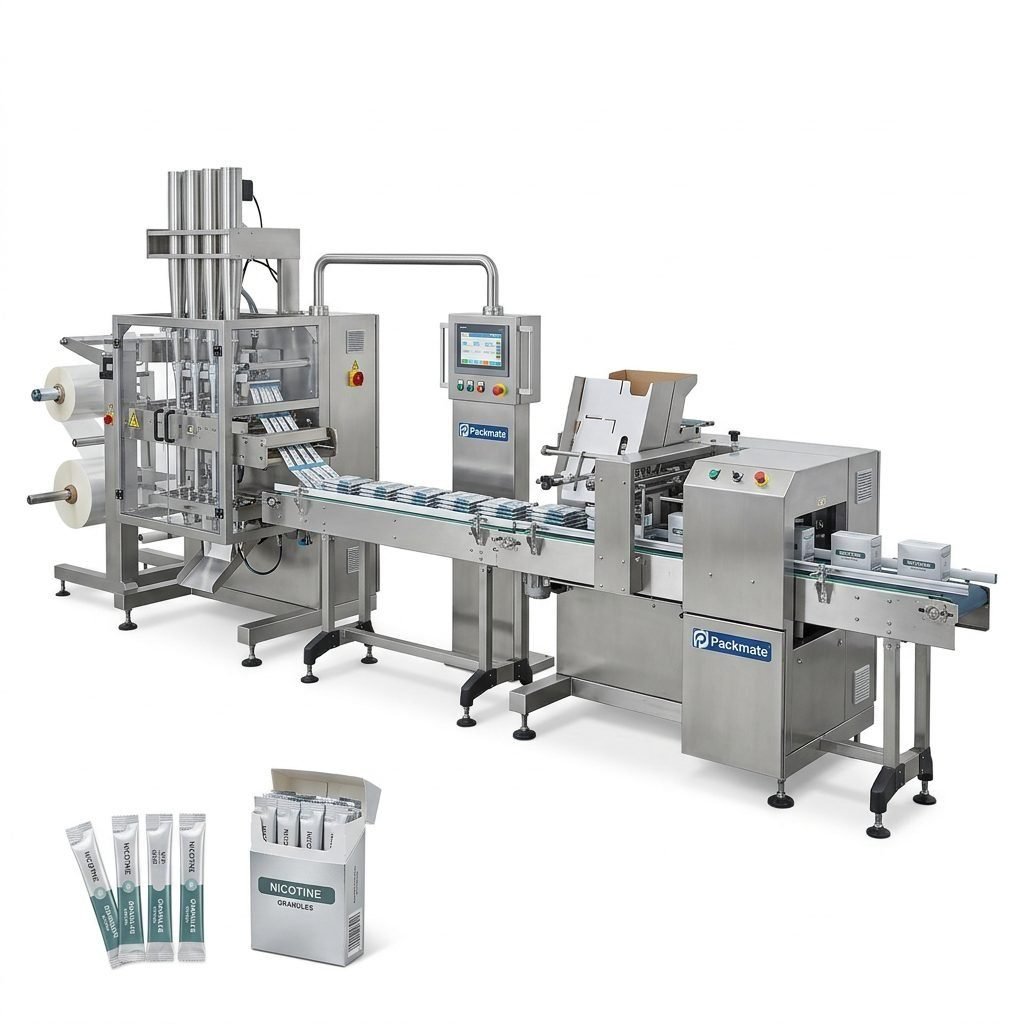
Choosing the right nicotine packaging machine manufacturer in Brunei is a strategic step that can define the efficiency, compliance, and long-term scalability of your nicotine pouch or snus production. Whether you are launching a small artisanal brand or expanding an industrial line, understanding the technical, regulatory, and service-oriented differences among manufacturers will help you avoid costly mistakes and build a resilient operation. This guide walks you through practical selection criteria, inspection checkpoints, and negotiation tips so you can make a confident, business-oriented choice.
Understand Your Product and Production Needs
Start by defining the core attributes of your product: pouch size, fill type (powder, granule, liquid), dosing precision, packaging format (snus pouches, sachets, stick packs), and daily output targets. These specifications will determine whether you need a high-speed multi-lane system or a compact, flexible machine.
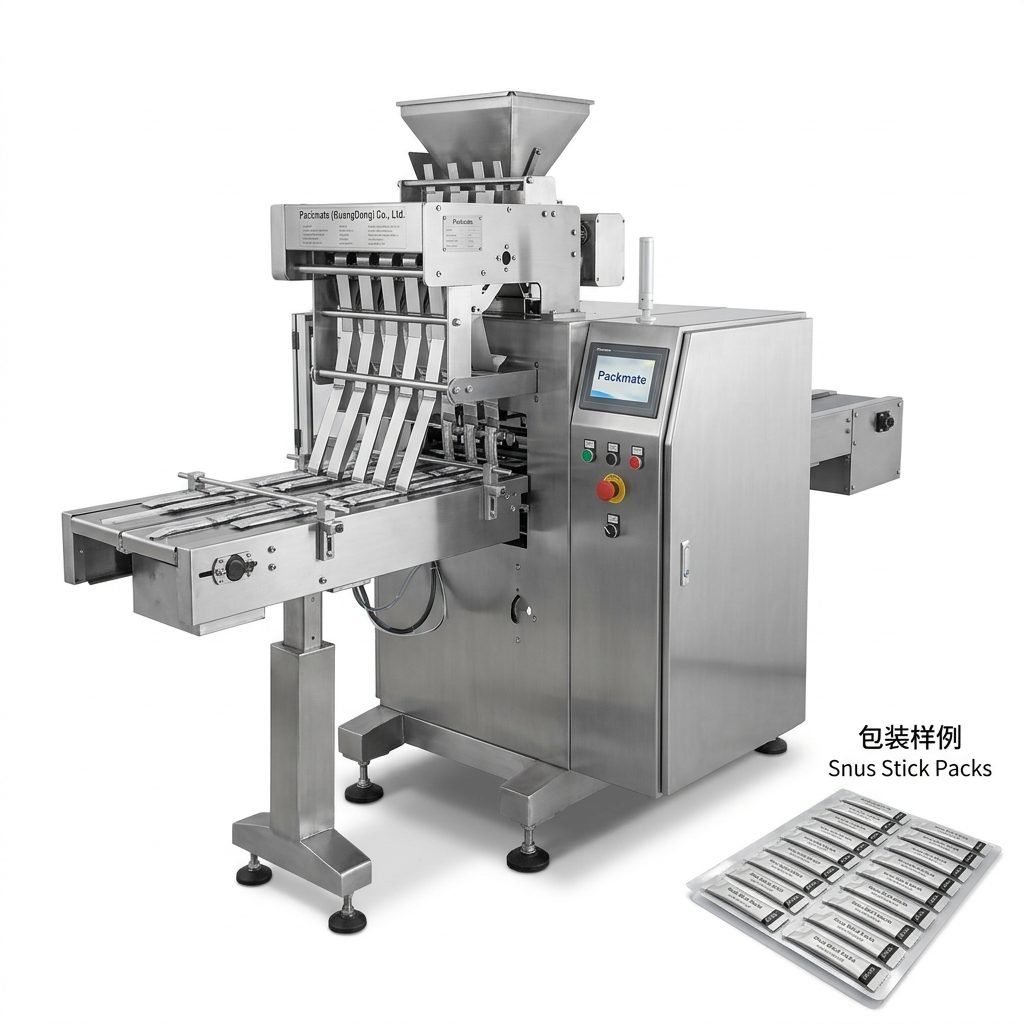
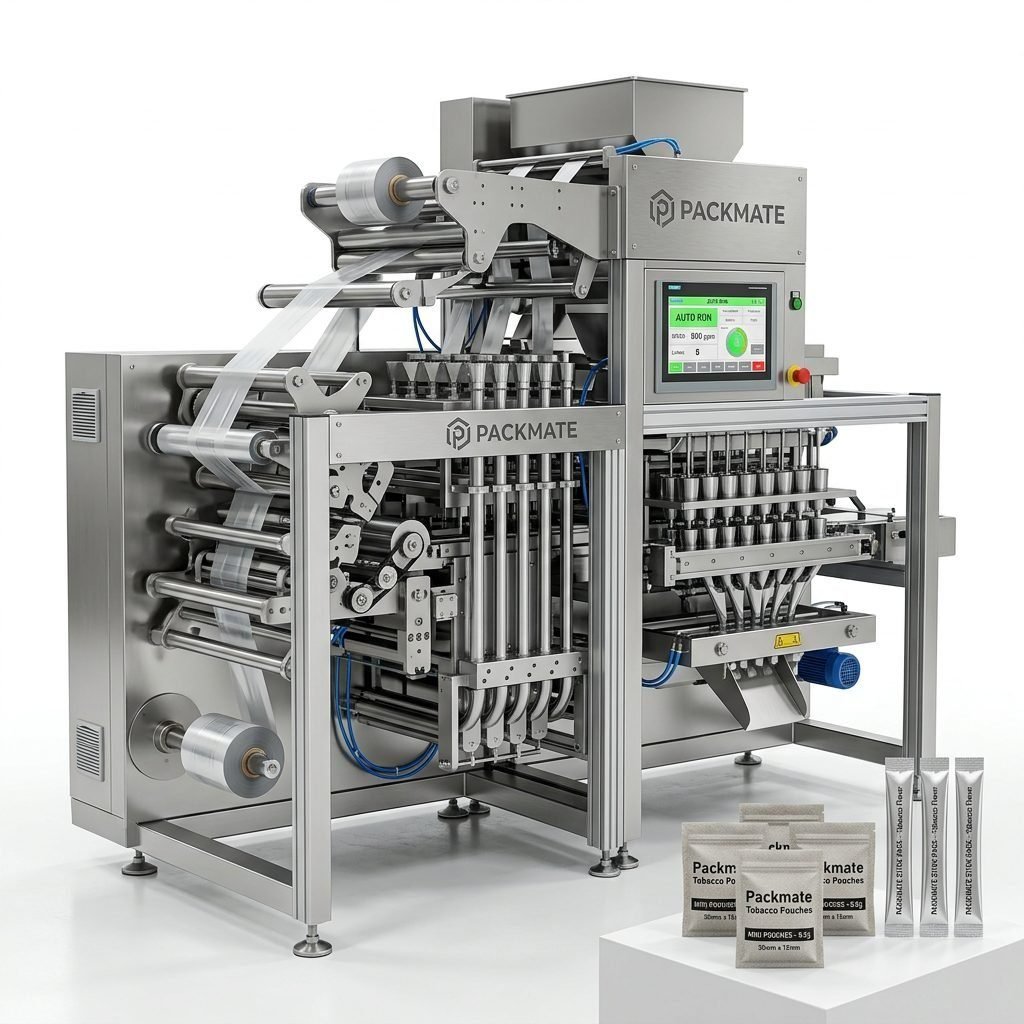
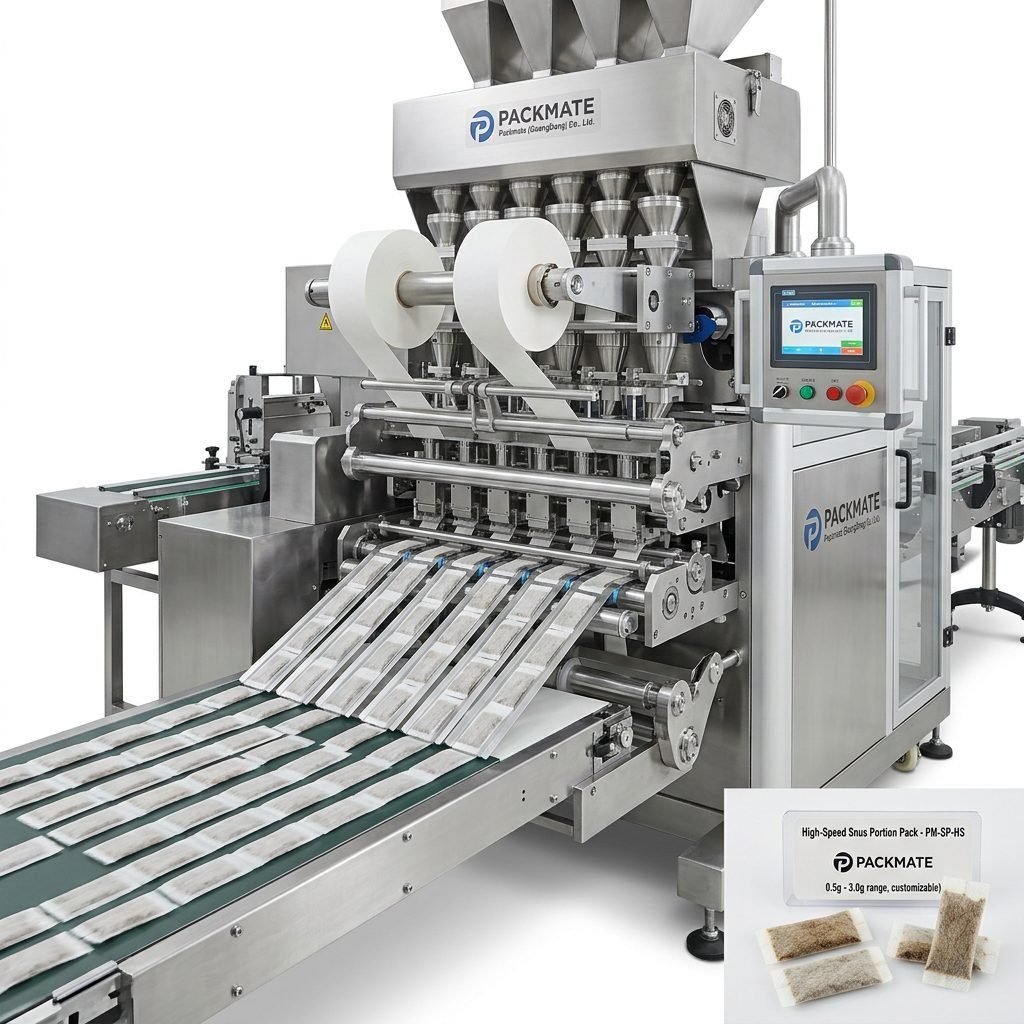
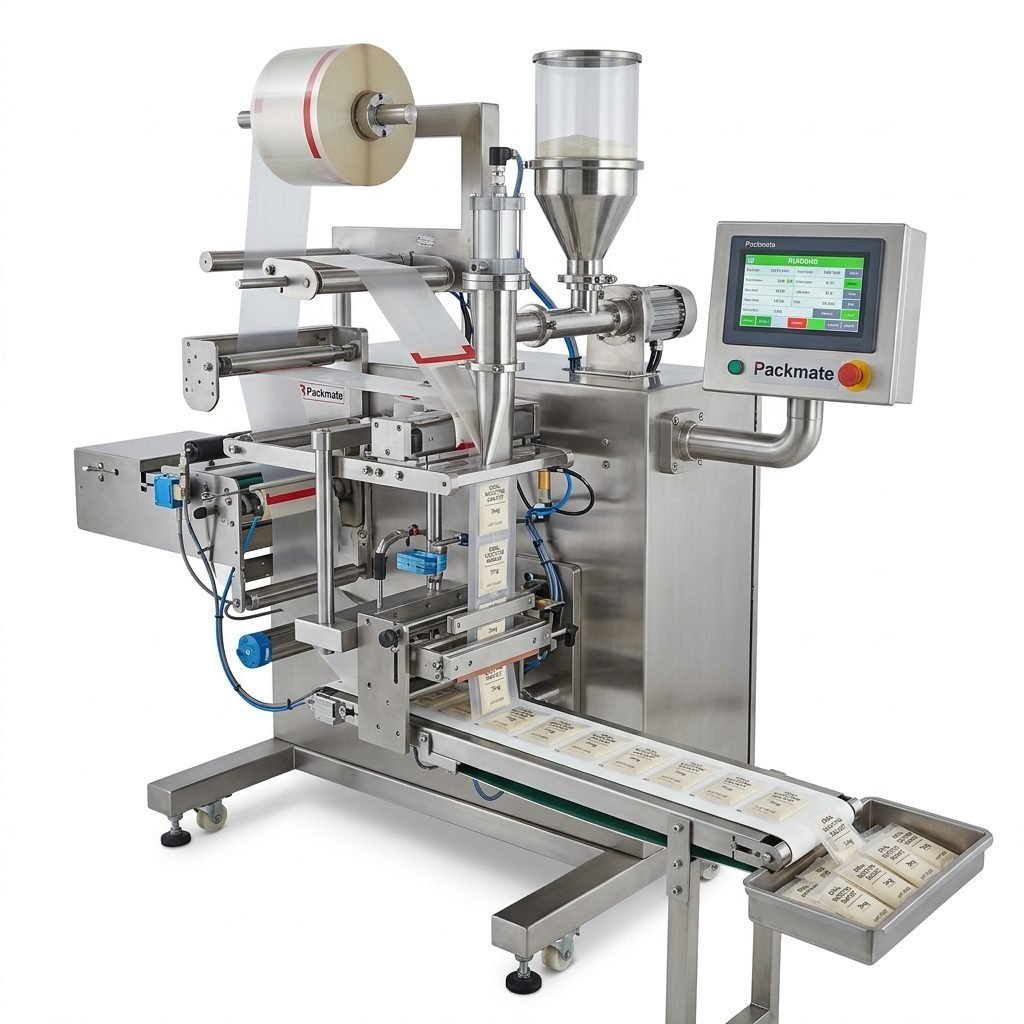
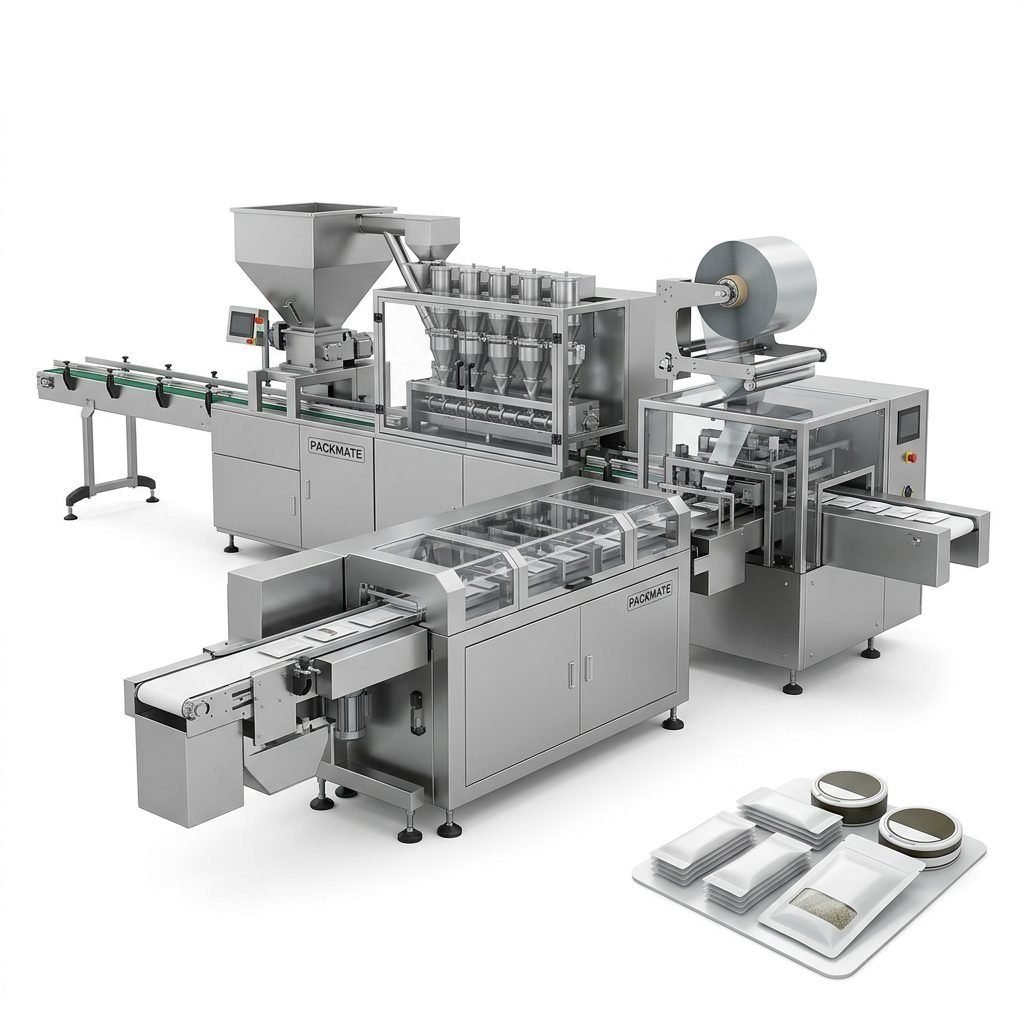
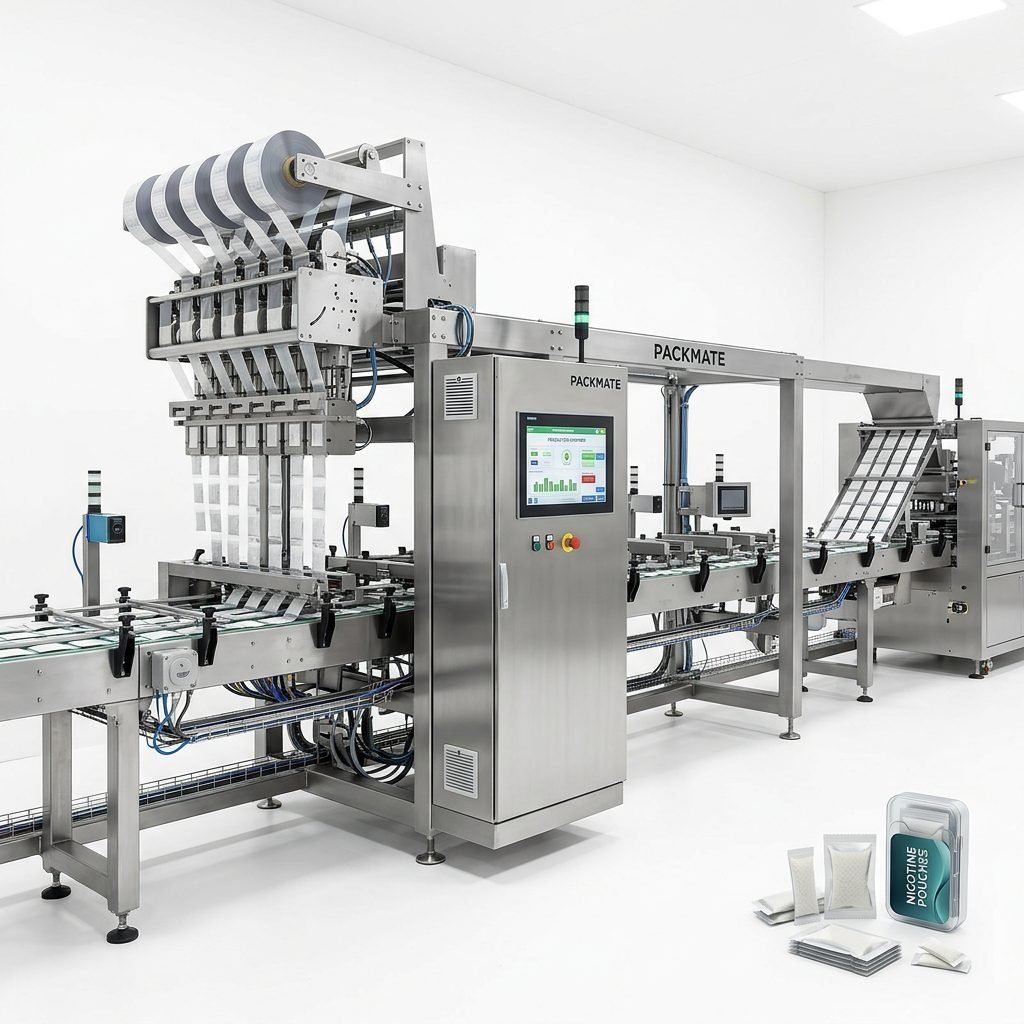
For example, if you plan to produce small-dose nicotine pouches at high volume, look for manufacturers with proven expertise in multi-lane snus packaging systems and precise weighing and dosing solutions. A manufacturer with decades of experience in snus packaging is more likely to offer machines optimized for consistent small-dose filling and gentle handling of delicate pouches.
- Target daily output (pouches per minute/hour/day)
- Packaging format and pouch sizes
- Fill materials: powder, granule, liquid, or blend
- Regulatory & labeling requirements for Brunei/target markets
Evaluate Manufacturer Experience and Technical Strength
Experience matters. Manufacturers with a long history in packaging machinery bring tested design practices, stable supply chains, and refined after-sales processes. Check the manufacturer’s track record with nicotine pouch or snus lines specifically — these products need particular engineering solutions for dosing, pouch formation, and sealing.
Look for concrete evidence: years of operation, number of machine models, factory capabilities (CNC centers, assembly lines), and certifications. A factory with advanced CNC machining and precision assembly usually produces more reliable, serviceable equipment.
- 30+ years of engineering or packaging machine development
- Factory size 10,000–50,000㎡ with advanced machining centers
- 50+ machine models or modular product lines
- CE/ISO or equivalent certifications for global compliance
Inspect Machine Design, Flexibility and Customization
A good manufacturer offers machines that balance robustness with flexibility. Evaluate whether the equipment is modular, easy to upgrade, and can handle varied pouch sizes or product formulations. If your product roadmap includes new SKUs or increased speeds, the machine should accommodate those changes without full replacement.
Ask about multi-lane options, tool-free changeovers, and program-based recipes that allow you to switch products quickly and maintain consistent quality. Also, check for integrated systems such as weighing, in-line metal detection, and automated feeding to reduce manual handling and improve line uptime.
What to ask the manufacturer
- Can the machine be customized to my pouch sizes and dosing tolerances?
- What is the changeover time between SKUs?
- Are PLC/HMI controls open and programmable for future integrations?
- Is there an option for multi-lane production to increase throughput?
Quality Control, Testing, and Certifications
Quality control in manufacturing the machine is directly linked to production stability. Verify that the vendor has structured QC processes, component traceability, and pre-shipment testing procedures. Factory acceptance testing (FAT) and site acceptance testing (SAT) are essential steps — they let you validate speed, accuracy, and reliability before final handover.
Certifications like CE and ISO indicate adherence to international safety and quality standards, which simplifies import and regulatory acceptance in many markets. Confirm the availability of documentation for compliance and testing certificates for the entire production line.
After-Sales Support, Spare Parts and Local Service in Brunei
After-sales support is often the most critical factor when machines enter continuous production. Downtime costs directly affect margins, so prioritize manufacturers with clear service policies: spare parts availability, remote diagnostics, training, and local or regional service partners.
For businesses in Brunei, confirm whether the manufacturer can provide timely technical support and parts shipment. Ask about typical lead times for spare parts and the availability of consumables. If the vendor has global offices or regional partners, it often shortens response times.
Support checklist
- 24/7 remote technical assistance and diagnostic support
- Local stocking of critical spare parts or fast shipping agreements
- Operator and maintenance training for your team
- Long-term maintenance contracts and upgrade options
Cost, Financing and Total Cost of Ownership (TCO)
Initial machine price is only one component of total cost. Calculate TCO by including installation, commissioning, operator training, spare parts, consumables, utilities, and expected depreciation. Machines designed for lower maintenance and higher uptime often justify higher upfront costs by reducing operational interruptions.
Ask potential suppliers to provide a clear quotation including optional items such as dust control, automated feeding systems, and quality inspection modules. Negotiate warranty terms and define SLA metrics for response times and part replacements to avoid ambiguity after purchase.
Factory Visit and Machine Demonstrations
Whenever possible, schedule a factory visit or attend a live demonstration at an exhibition. Watching machines run with similar products reveals build quality, operator ergonomics, noise levels, and line integration. If travel is not feasible, request live video demonstrations and recorded FAT sessions.
Manufacturers who exhibit at major trade shows or welcome visitors typically have mature production and transparent processes. Review case studies and customer references to verify performance claims and long-term relationships.
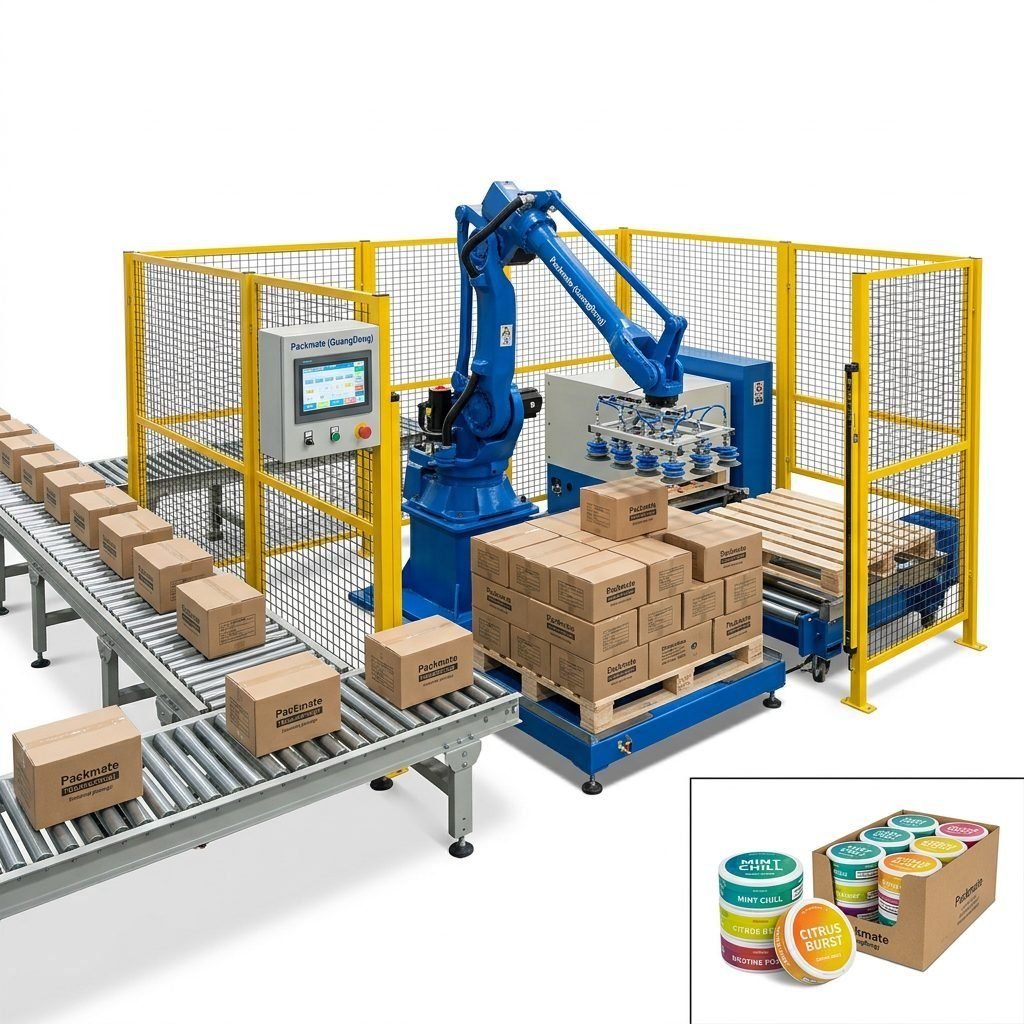
For more product details and machine categories, you may want to explore the manufacturer’s product pages such as Snus & Nicotine Packaging Machines, Sachet & Stick Pack Machines, and their Case studies to see real-world deployments and machine variants.
Regulatory Compliance and Traceability for Nicotine Products
Nicotine products are subject to strict labeling, safety, and traceability rules in many markets. Ensure the packaging line supports clear labeling, batch coding, and integration with your traceability systems. Some manufacturers offer in-line serialization and automated label application that ease compliance.
Confirm that the machine materials, contact surfaces, and hygiene features meet pharmaceutical-grade or food-grade standards if required. Also verify that the manufacturer can provide technical documentation for regulatory audits.
Make an Informed Purchase Decision
Compile bids from multiple manufacturers and evaluate them across the same criteria: performance, customization, QC processes, certifications, support, and TCO. Use a weighted scoring model to compare suppliers objectively. Prioritize vendors with proven snus/nicotine expertise, transparent service policies, and verifiable references.
Before signing, agree on deliverables such as FAT acceptance criteria, installation timeline, training scope, and warranty/service response times. Clearly document responsibilities for site preparation, utilities, and operator training to avoid delays during commissioning.
- Match machine capabilities to product specs and future roadmap
- Confirm factory capabilities and certifications
- Validate FAT tests and request references/case studies
- Negotiate clear SLA, spare parts, and training terms
Why Choose an Established Snus Machine Manufacturer?
Established manufacturers with decades of packaging machine development bring design maturity, robust supply chains, and a history of continuous improvement. They often support full turnkey lines — from weighing systems to final packaging — which reduces integration risk and accelerates time-to-market. If you want to review an experienced provider’s background, visit their About page and service offerings such as About Packmate and Contact Us for direct inquiries.
Common Questions
1. How long does it typically take to commission a snus packaging line from delivery to full production?
A: Commissioning time varies by project scale and site readiness. A compact line may be installed and commissioned in 4–8 weeks after site prep, while fully automated multi-lane lines with auxiliary equipment can take 8–16 weeks including FAT, shipping, installation, and validation.
2. What are the most common causes of downtime and how can they be mitigated?
A: Downtime often stems from poor maintenance planning, lack of spare parts, or operator training gaps. Mitigation includes preventive maintenance schedules, spare parts stocking, remote diagnostics, and comprehensive operator training programs.
3. Are nicotine pouch packaging machines different from standard sachet machines?
A: Yes. Nicotine pouch machinery emphasizes precise micro-dosing, gentle pouch handling, and often multi-lane configurations. While technology overlaps with sachet machines, snus-specific systems are tailored for small-dose accuracy and consistent pouch integrity.
4. How can I verify a manufacturer’s claim about machine speed and accuracy?
A: Request live demonstrations, FAT reports with measured metrics, and references from clients producing similar products. Insist on written acceptance criteria and measurable performance metrics before final acceptance.
5. What paperwork should I request before purchasing?
A: Ask for machine specifications, FAT protocol, CE/ISO certificates, spare parts list, electrical and pneumatic schematics, warranty terms, and training scope. These documents reduce ambiguity and protect your investment.