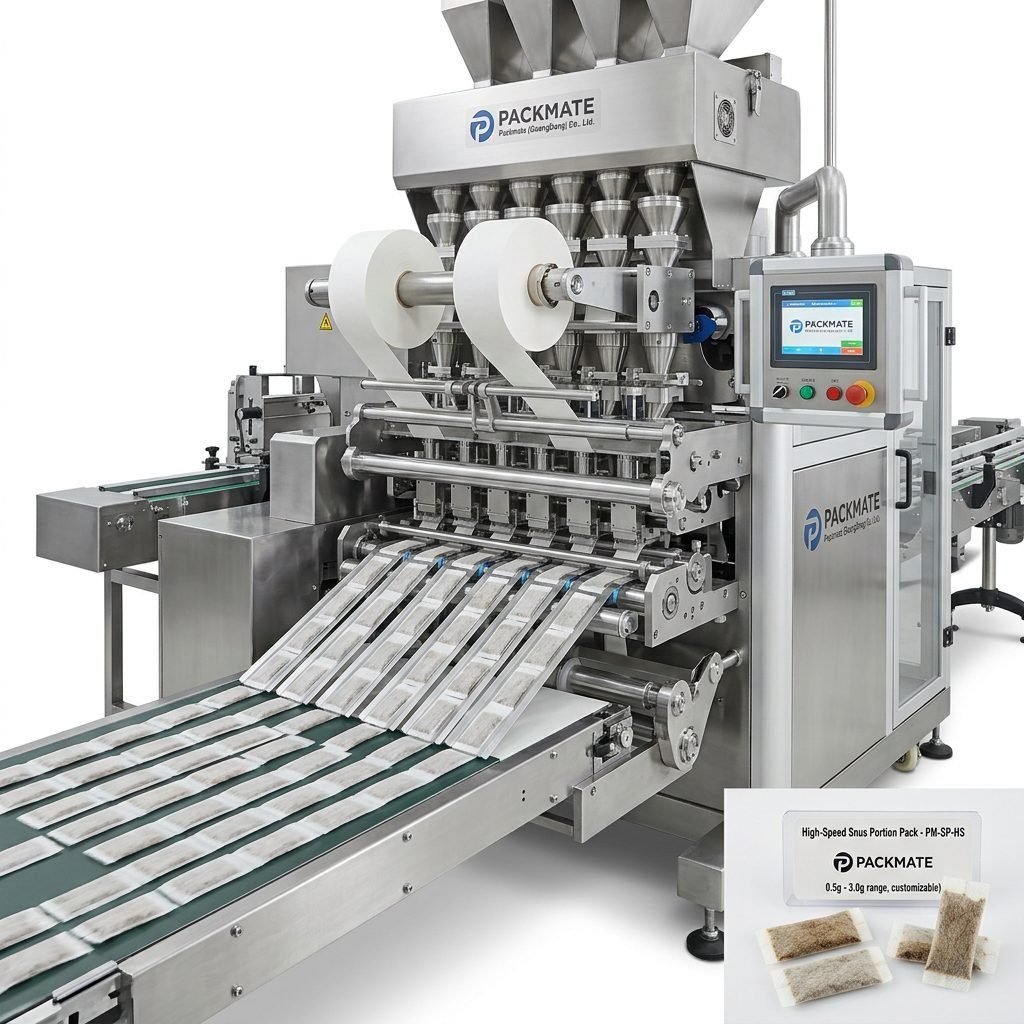
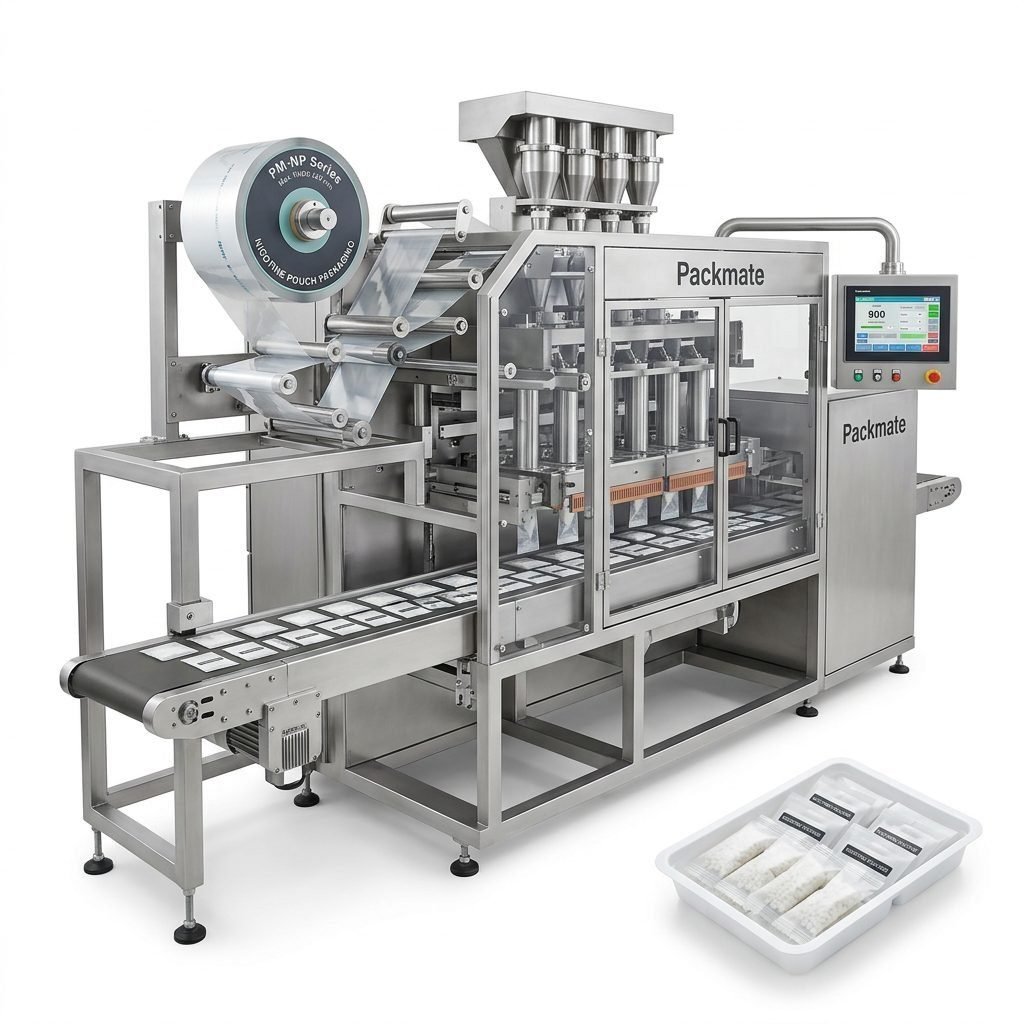
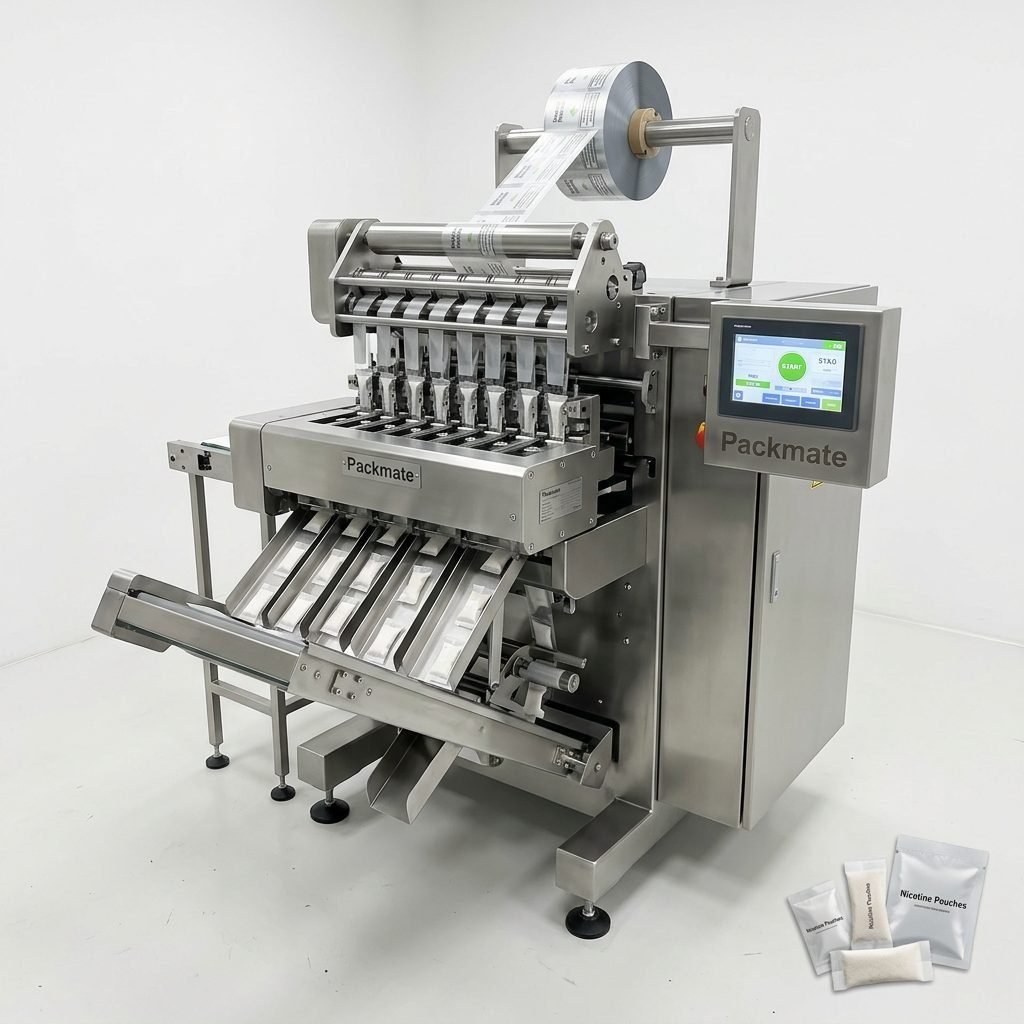
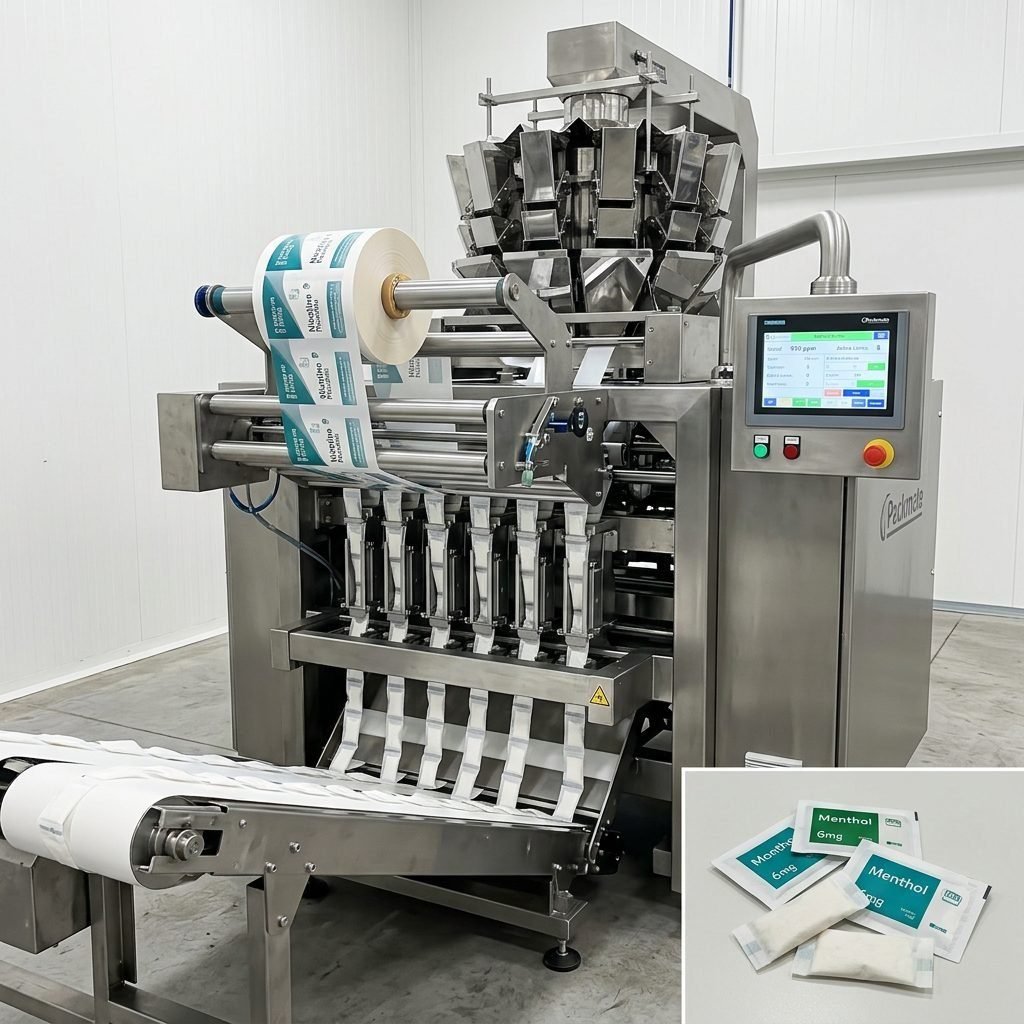
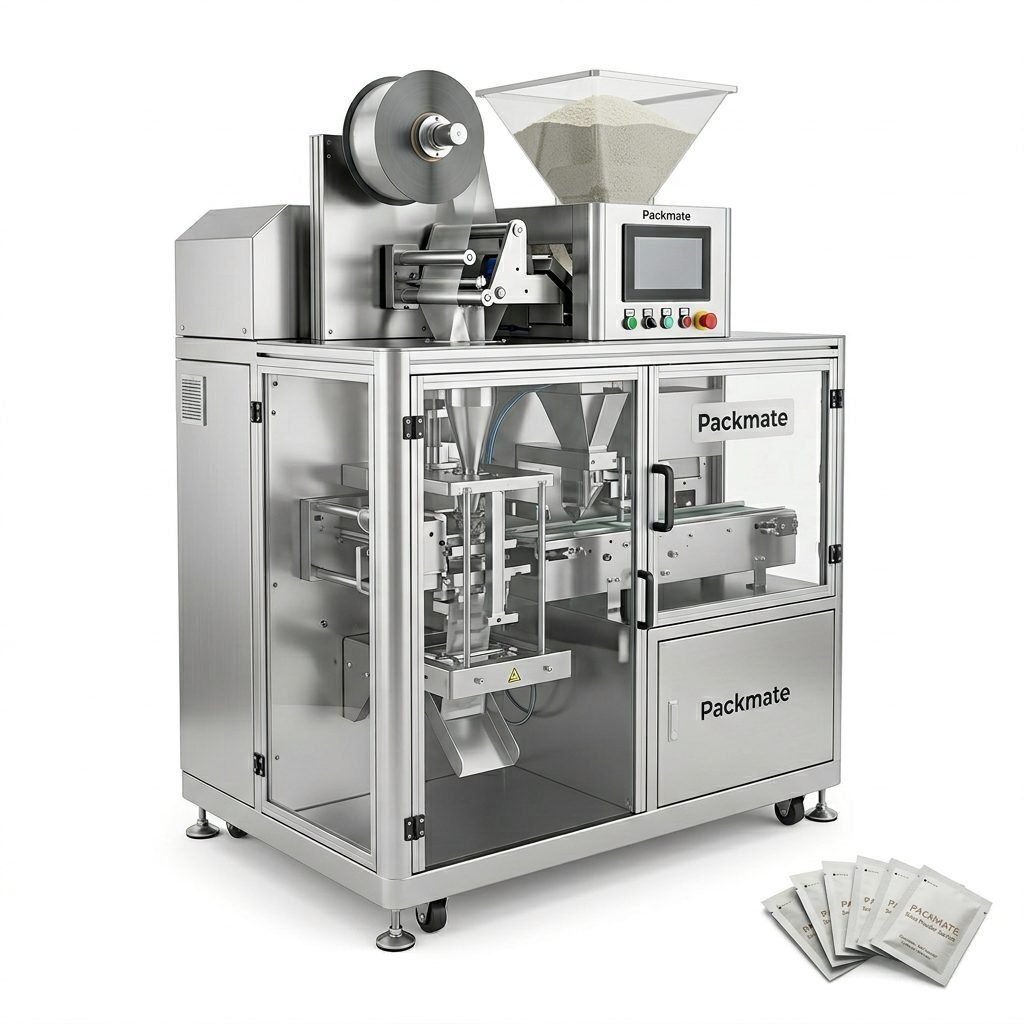
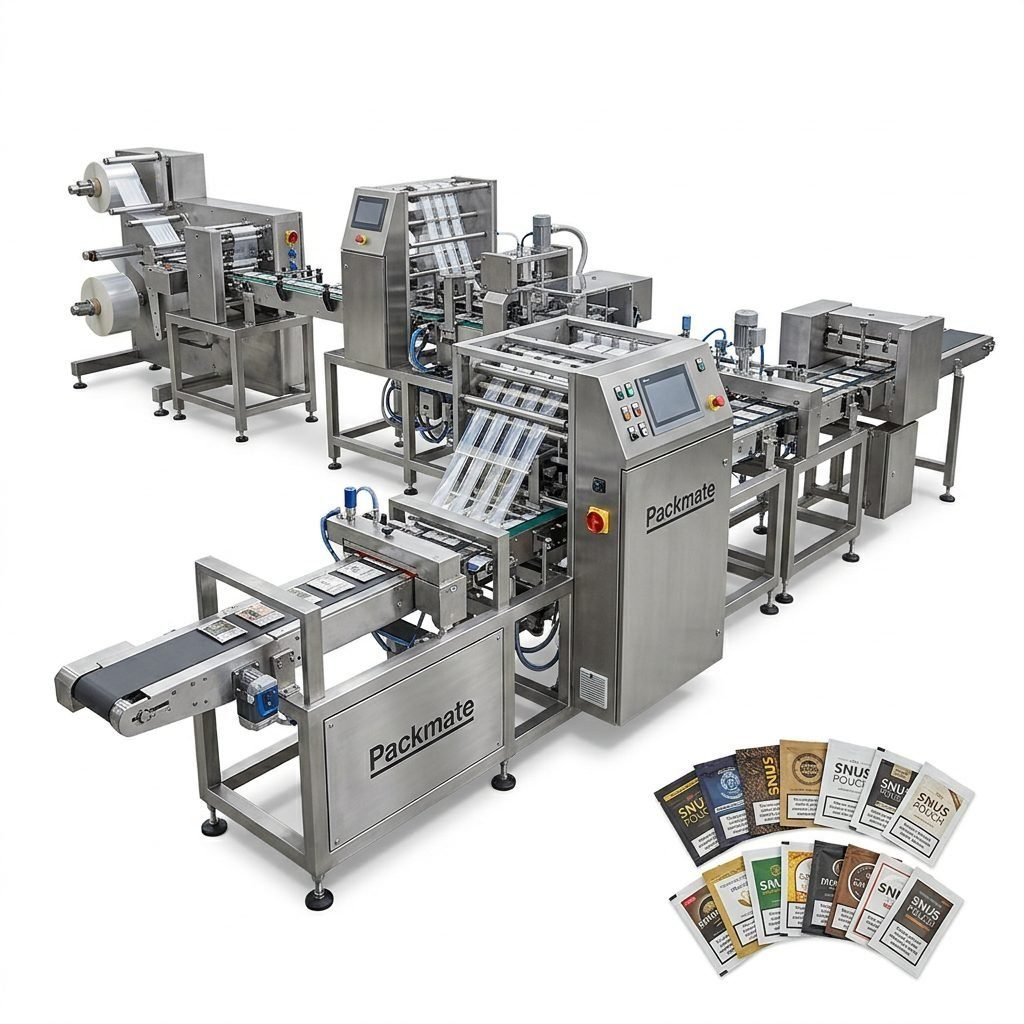
Entering the snus and nicotine pouch market in Botswana means facing unique regulatory, logistical and consumer challenges. Choosing the right snus packaging machinery manufacturer can be the difference between a reliable production line and costly downtime. This guide walks you through the essential considerations to help you select the best partner for your business needs, from machine types and certifications to after-sales service and local compliance.
🔎 Understand Your Production Needs First
Before you evaluate suppliers, clearly define your product format, capacity and flexibility requirements. Key questions include:
• What packaging formats will you produce — nicotine pouches, stick packs or sachets?
• Expected daily output (units per minute / shift)?
• Do you require multi-lane production for small-dose pouches or single-lane systems for simpler runs?
Mapping these needs helps you match machine classes, for example high-speed multi-lane lines for large volume or compact stick/sachet machines for entry-level production.
📦 Machine Types & What They Mean for Your Plant
Different snus packaging equipment serves different product styles:
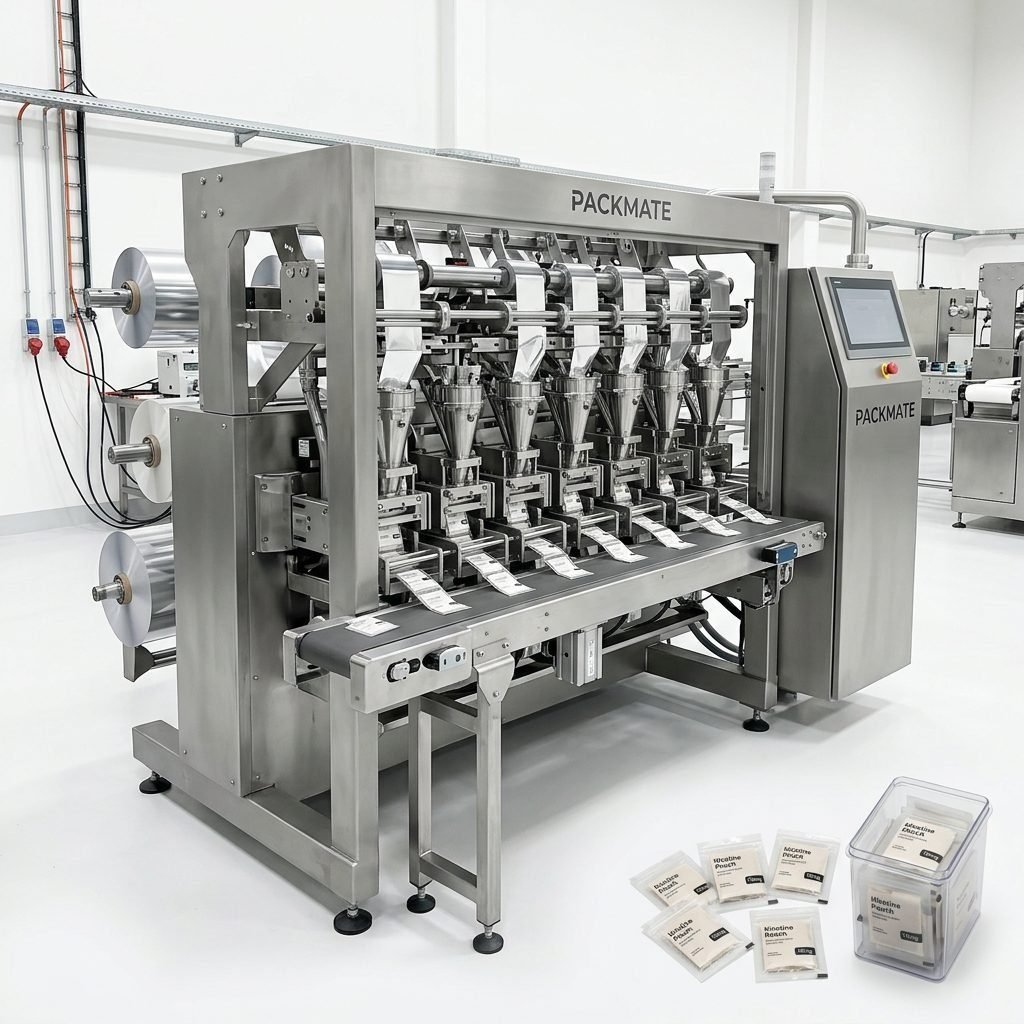
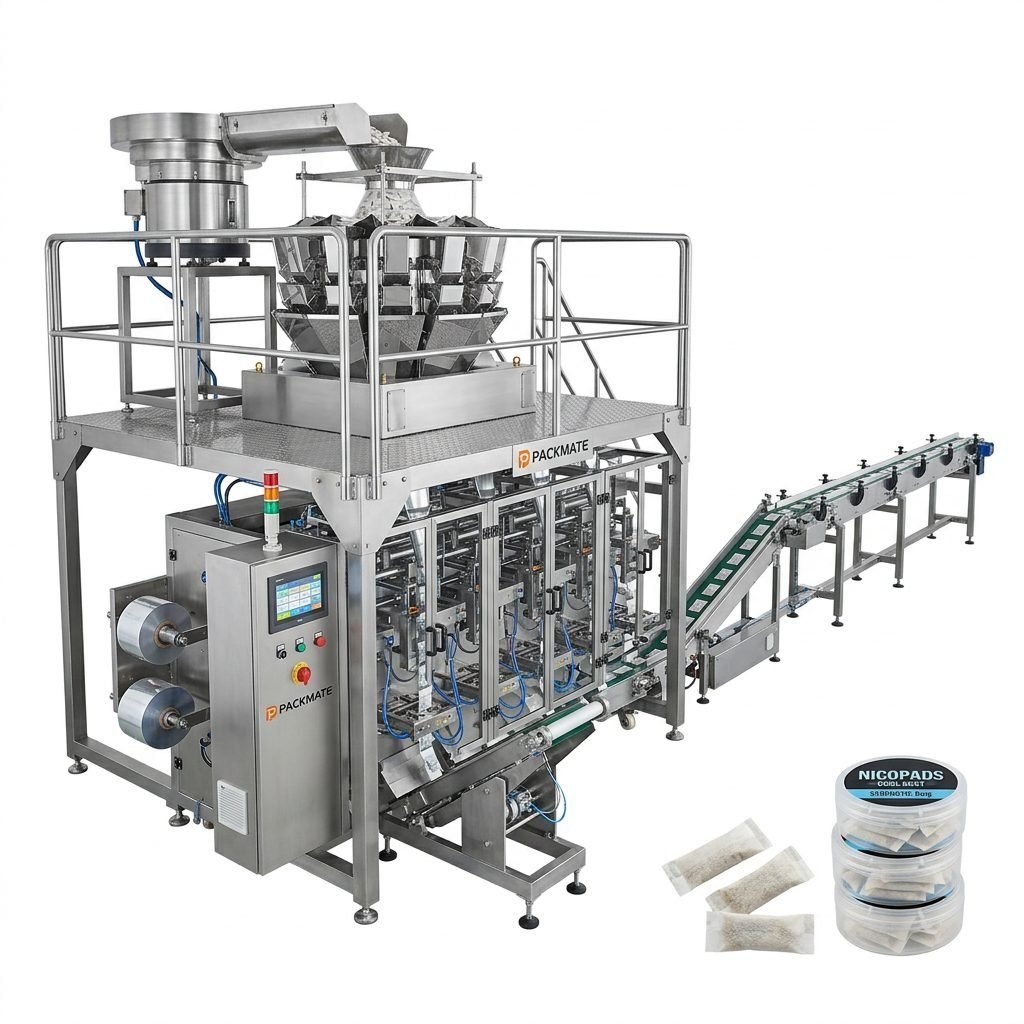
• Nicotine pouch / snus packaging machines — designed for precise small-dose pouch formation and sealing, often with multi-lane options for high throughput (Snus & Nicotine Packaging Machines).
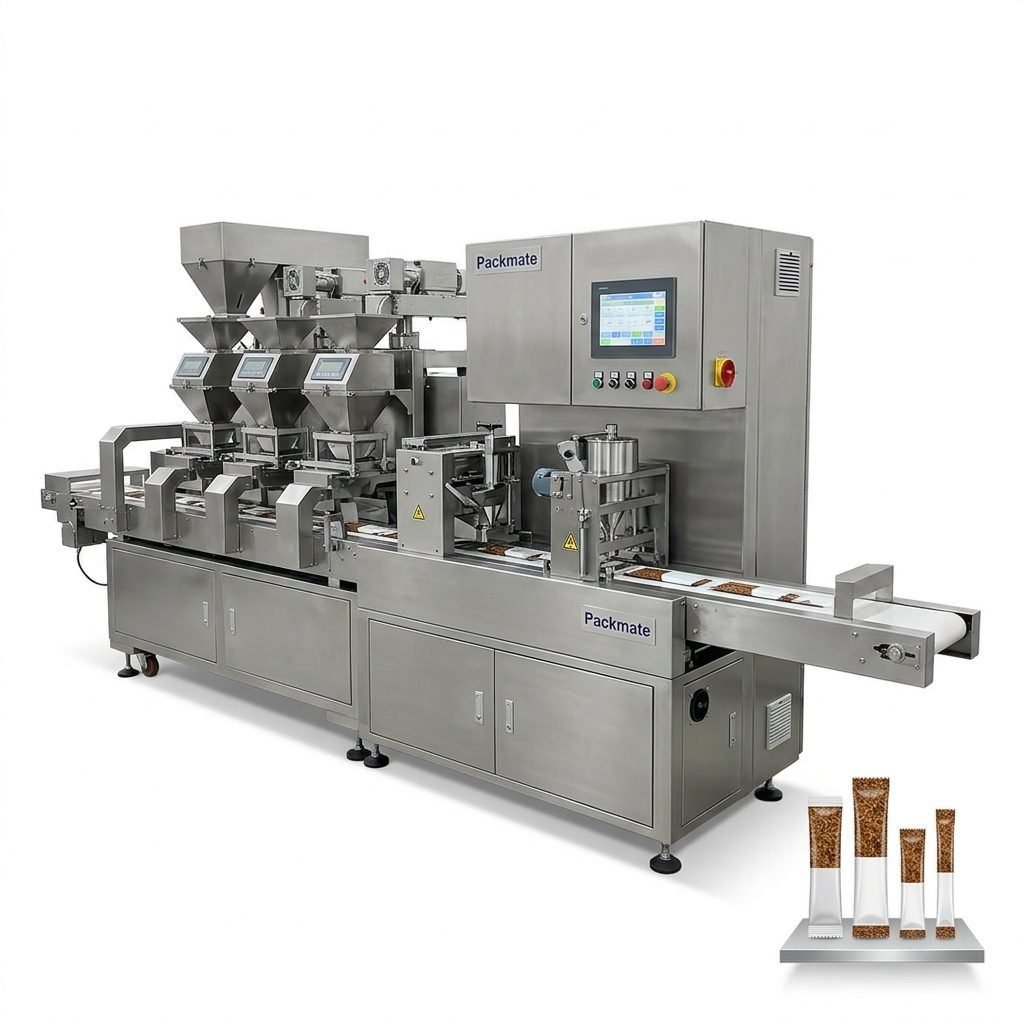
• Sachet & stick pack machines — ideal for single-serve formats and flexible product runs (Sachet & Stick Pack Machines).
• Weighing, filling & auxiliary systems — critical when handling powders, granules or liquids to deliver accuracy and consistent weight control (Weighing & Packaging Systems).
🏭 Factory Strength & Manufacturing Credentials
A manufacturer’s facility and production capabilities are strong indicators of reliability. Look for:
• Proven manufacturing area and capacity — large facilities with dedicated assembly lines reduce lead time risks.
• Advanced CNC and precision equipment — these ensure component consistency and machine longevity.
For example, a supplier reporting a robust manufacturing base and decades of engineering experience often delivers mature designs and long-term support. Learn more about the manufacturer history and credentials on their about page (About Packmate).
✅ Certifications & Compliance
Compliance with international standards such as CE and ISO helps ensure safe, reliable machinery that meets global regulatory expectations. For nicotine-related products, you must also ensure machines can be validated and meet local health and safety norms in Botswana.
🔧 Evaluate Technical Capabilities & Customization
Top-tier suppliers provide flexible designs tailored to your recipe, pouch sizes and production layout. Key technical capabilities to check:
• Modular design for easy upgrades and format changes.
• Precision dosing & weight control for nicotine pouch consistency.
• Automation level — full turnkey lines vs. semi-automated cells depending on budget and labor.
Inspect the available models and confirm whether they offer multi-lane pouch options, stick/sachet variants or integrated filling lines. Reference the machine portfolio to find matches for your product line (Snus & Nicotine Packaging Machines, Bag & Pouch Packaging Machines).
💡 After-sales Service, Spare Parts & Training
The availability of spare parts and the supplier’s service network are crucial for reducing downtime. Evaluate:
• Lead time for spare parts shipments to Botswana and local customs handling.
• Training programs for operators and maintenance staff — on-site commissioning and remote support options.
• Warranty terms and preventive maintenance agreements.
A manufacturer that conducts thorough commissioning and provides operator training will shorten the learning curve and protect your investment.
Quick Tip: Choose a partner who offers local language support or reliable remote diagnostics so small issues don’t halt production.
💸 Pricing, Financing & Total Cost of Ownership
Price is rarely the only deciding factor. Consider total cost of ownership (TCO):
• Initial CAPEX vs. expected production lifespan.
• Energy consumption and consumables cost.
• Downtime risk and service response time.
Financing options or staged deliveries can help manage cash flow. Discuss payment terms, modular deliveries and turnkey options with the supplier.
🧾 References, Cases & Reputation
Investigate references and case studies to verify real-world performance. Reliable manufacturers will share customer cases and exhibition presence to demonstrate credibility. You can review machine case studies and exhibition records to understand previous implementations (Case, Our Exhibition).
🔁 Factory Visits & Acceptance Testing
If possible, visit the supplier’s factory for FAT (Factory Acceptance Test) and verify build quality. Insist on witnessing a test run in conditions that replicate your product and packaging materials.
📜 Regulatory & Market Considerations in Botswana
Nicotine products face specific regulations. Work with legal and quality consultants to ensure your production and packaging comply with Botswana’s import, labeling and product laws. Manufacturers experienced with global nicotine markets can advise on compliant materials and labeling workflows.
🧩 Integration & Turnkey Solutions
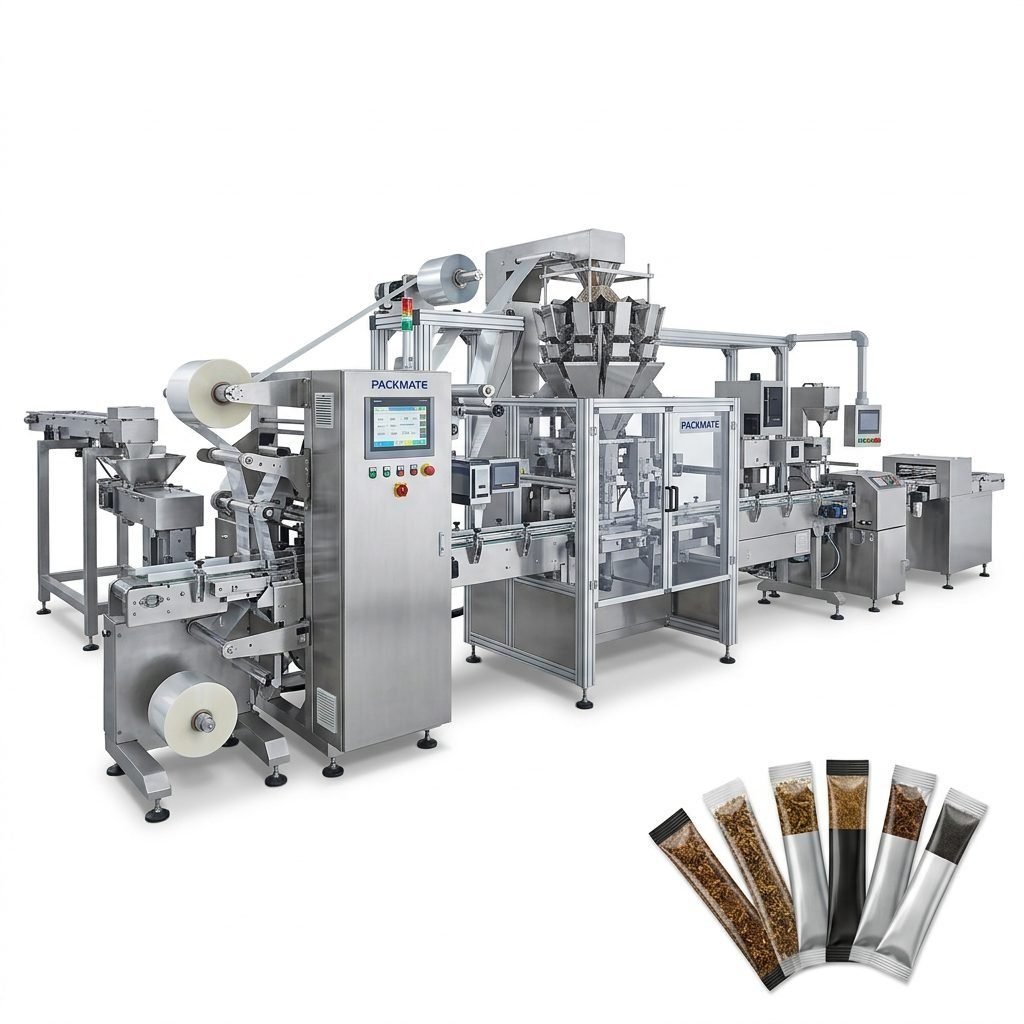
For a streamlined launch, consider turnkey providers who supply integrated solutions including filling systems, packaging machines and line conveyors. Such suppliers often provide complete packaging lines that reduce compatibility issues. Explore full line offerings to determine whether a turnkey approach fits your schedule and budget (Filling & Packaging Lines).
Manufacturing Strength Highlight: Look for suppliers with documented experience in snus packaging and broad machine ranges — this reduces custom development time and improves reliability.
📝 Technical Documentation & Spare Parts Strategy
Insist on complete technical documentation: spare parts lists, electrical diagrams, PLC programs and maintenance manuals. Establish a spare parts kit with the supplier to cover consumables and wear parts for at least the first 6–12 months of operation.
🤝 Choosing the Right Partner — Checklist
Use this practical checklist when evaluating suppliers:
• Production capacity match and format capability.
• Factory capability, CNC & assembly systems.
• International certifications (CE, ISO) and FAT procedures.
• After-sales service, spare parts lead times and training availability.
• Transparent TCO, warranty and clear maintenance documentation.
• Verified customer cases and exhibition presence.
📬 How to Begin Contact & Next Steps
When you are ready, prepare a Request for Quotation (RFQ) that includes product specs, expected output, packaging formats and any regulatory constraints. Ask suppliers to provide:
• Detailed quotations with modular options.
• FAT schedule, commissioning timeline and training plan.
• Reference customers and spare parts lead times.
Contact the manufacturer’s sales or service team to request factory tours, demonstration videos, or to view a machine in operation. Use official contact channels to ensure prompt support (Contact Us).
⚙️ Why Packmate-Style Suppliers Can Be a Good Fit
Experienced suppliers with long engineering histories provide dependable designs and global support. Manufacturers who deliver a wide model range, factory capability and documented case studies are often better equipped to support niche nicotine packaging lines. Explore their catalogs and services to confirm alignment with your needs (Catalog, Service).
Final Consideration: Choose a supplier that balances technical strength, proven references and a practical service network so your Botswana operation can scale reliably.
Frequently Asked Questions
Q: How long does it take to install a snus packaging line?
A: Installation and commissioning timelines vary by system complexity. Simple sachet or stick pack machines can be commissioned within weeks, while full turnkey multi-lane snus lines usually require several months for delivery, FAT and on-site commissioning.
Q: What certifications should I require from a manufacturer?
A: Request CE and ISO documentation as baseline machine safety and quality indicators, and ask about traceability for electrical components and PLC systems. For nicotine products, ensure the equipment supports compliant labeling and material handling procedures.
Q: Can manufacturers provide trial runs with my product?
A: Reputable manufacturers offer FATs and trial runs using your materials or representative samples to validate the design. This helps identify necessary adjustments before shipment.
Q: What should I budget for spare parts and maintenance?
A: Budget for consumables (seals, belts, cutters), a spare parts kit for critical wear items and periodic maintenance visits. Clear warranty terms and a first-year spare parts package from the supplier will reduce unexpected costs.
Q: How can I verify a supplier’s after-sales reliability?
A: Check references, read case studies and ask about local or regional service partners. Suppliers who display exhibition participation and customer cases demonstrate active market engagement and credibility (Certificate, FAQs).