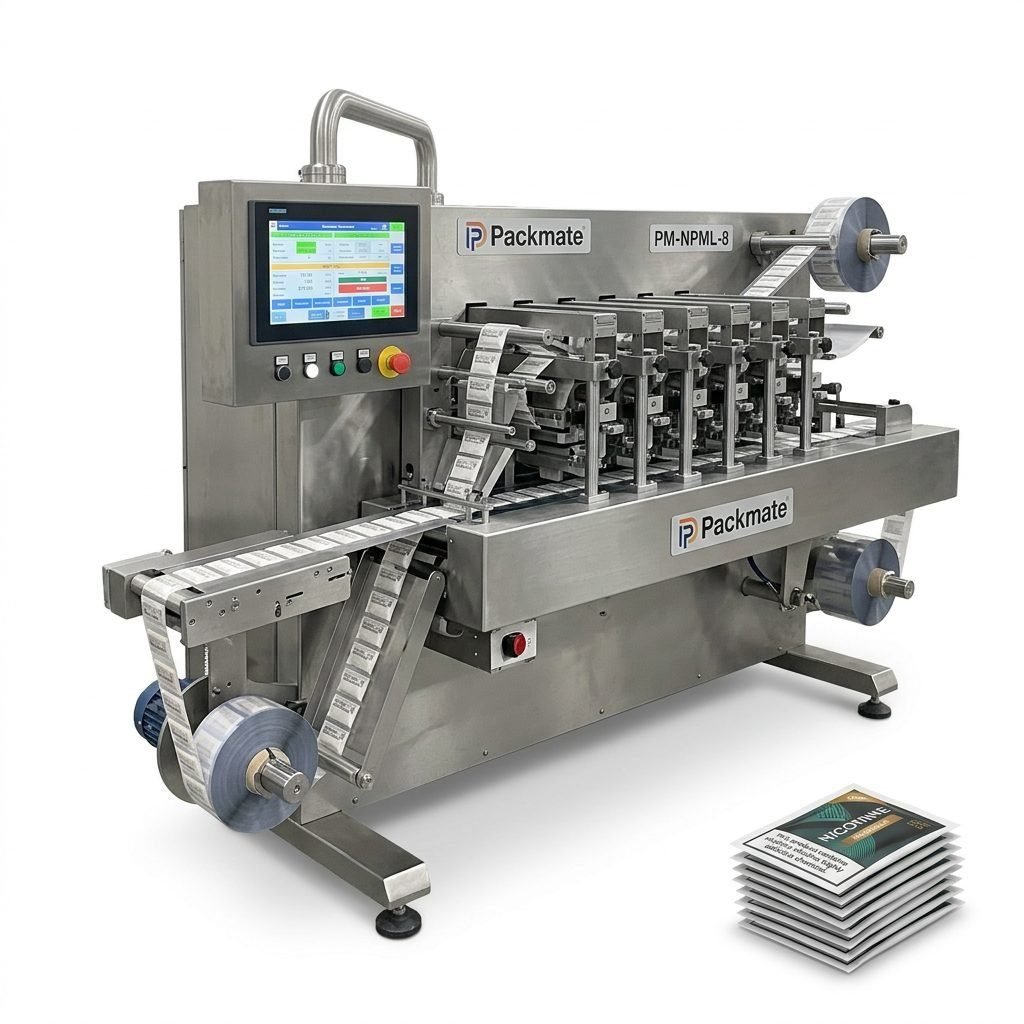
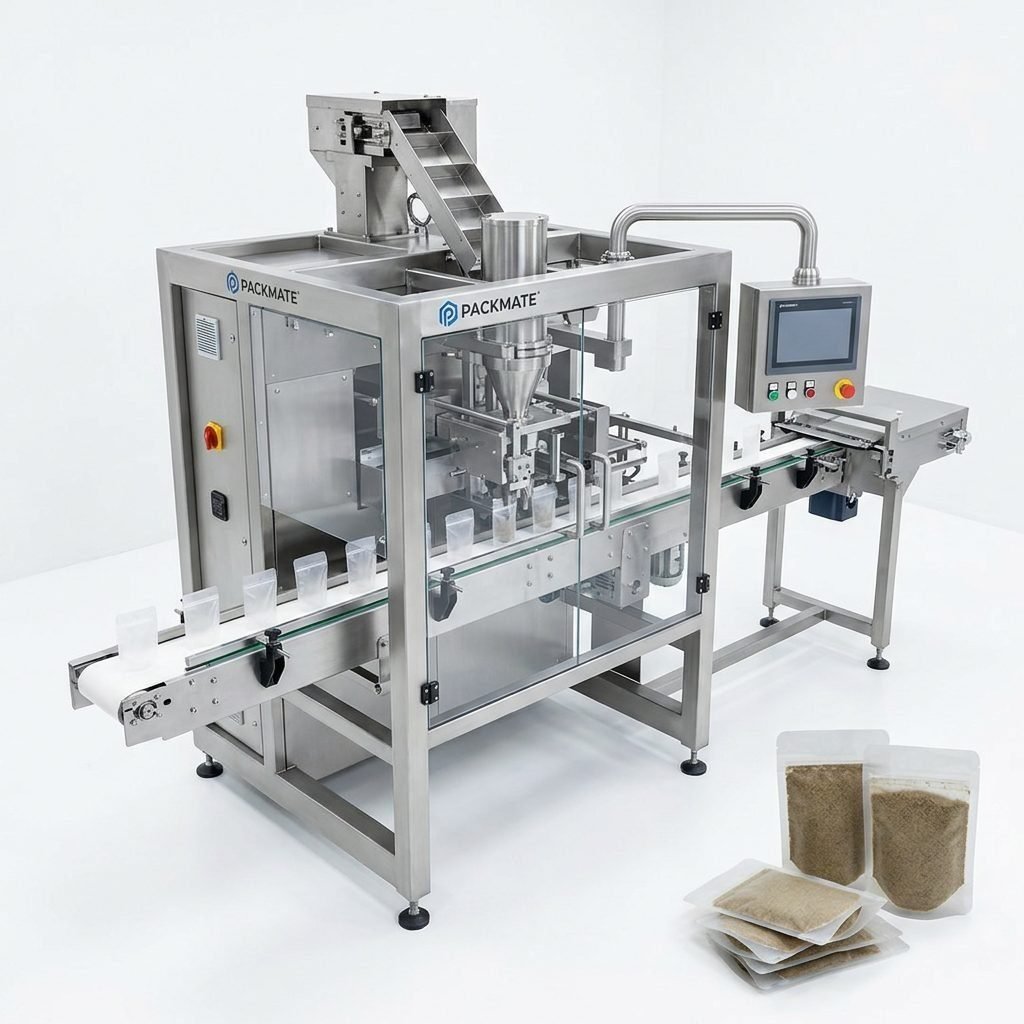
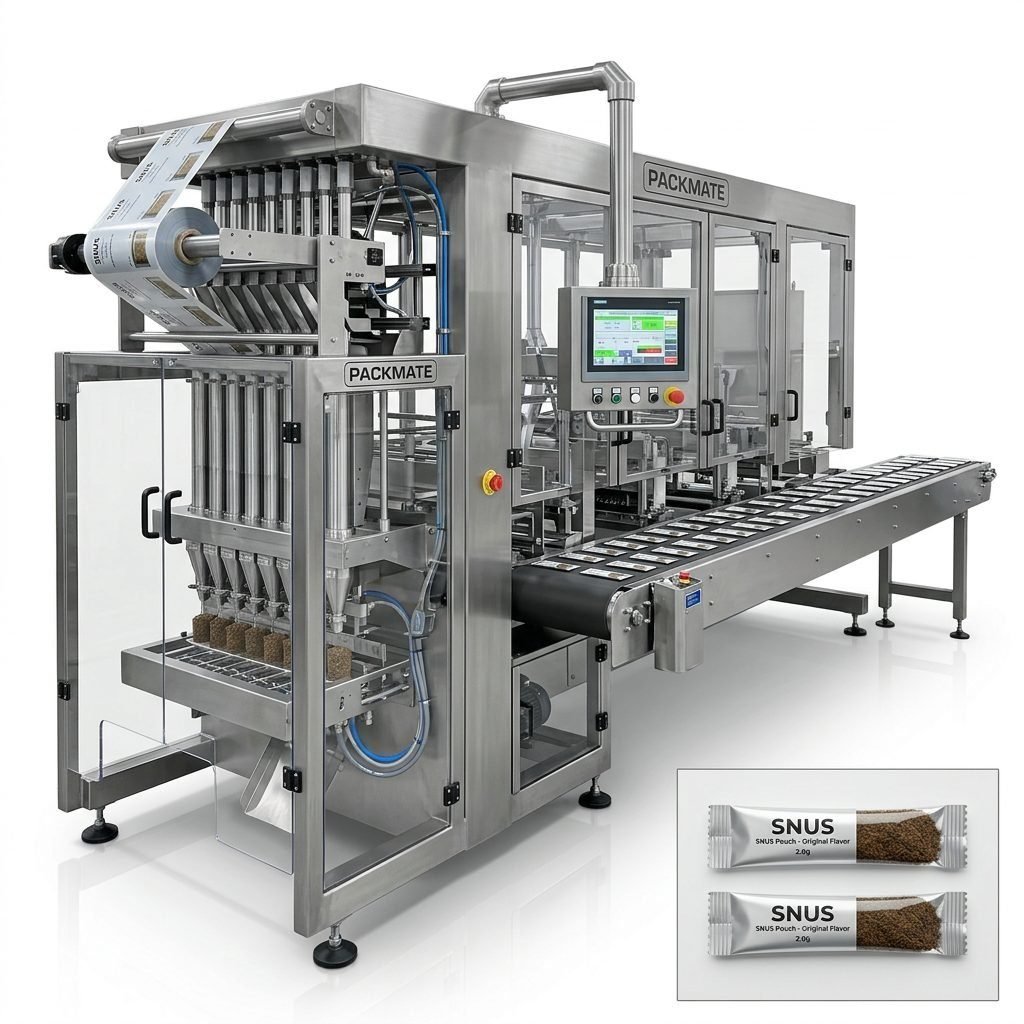
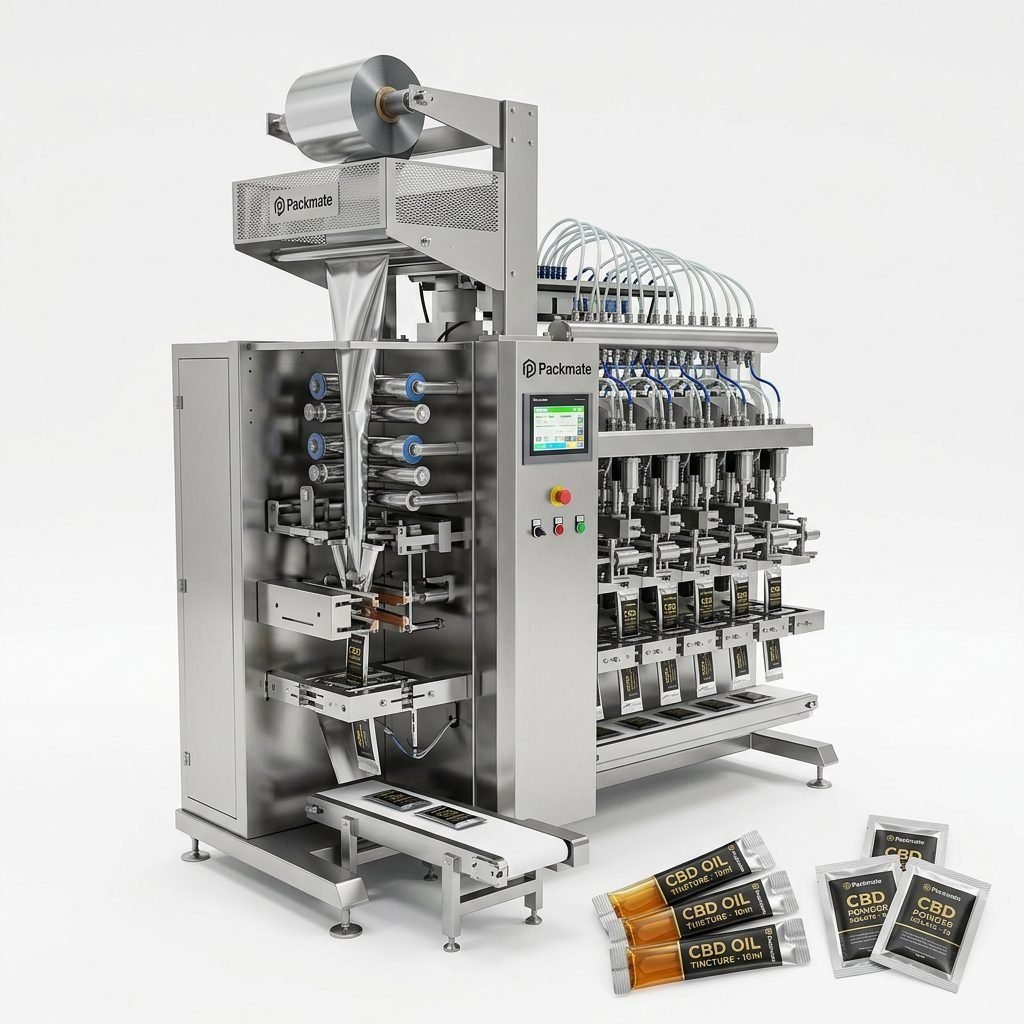
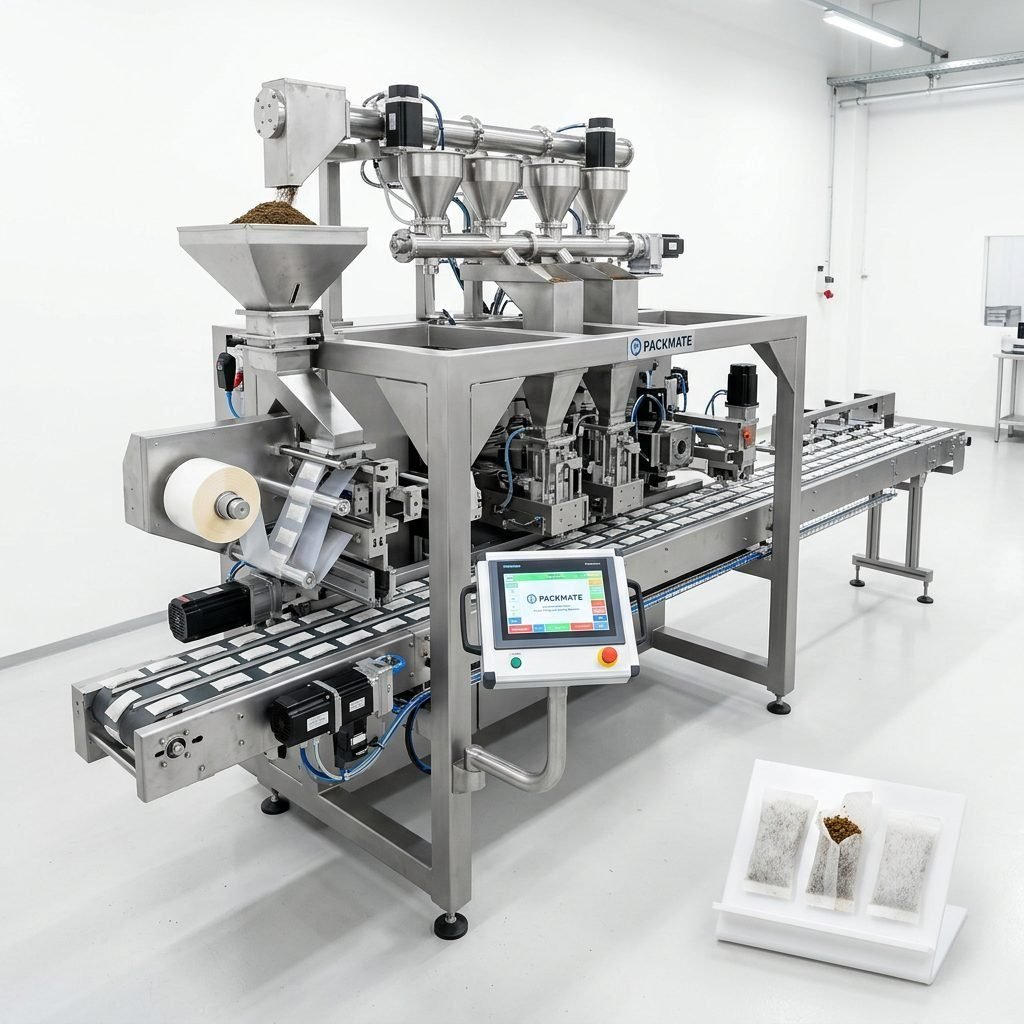
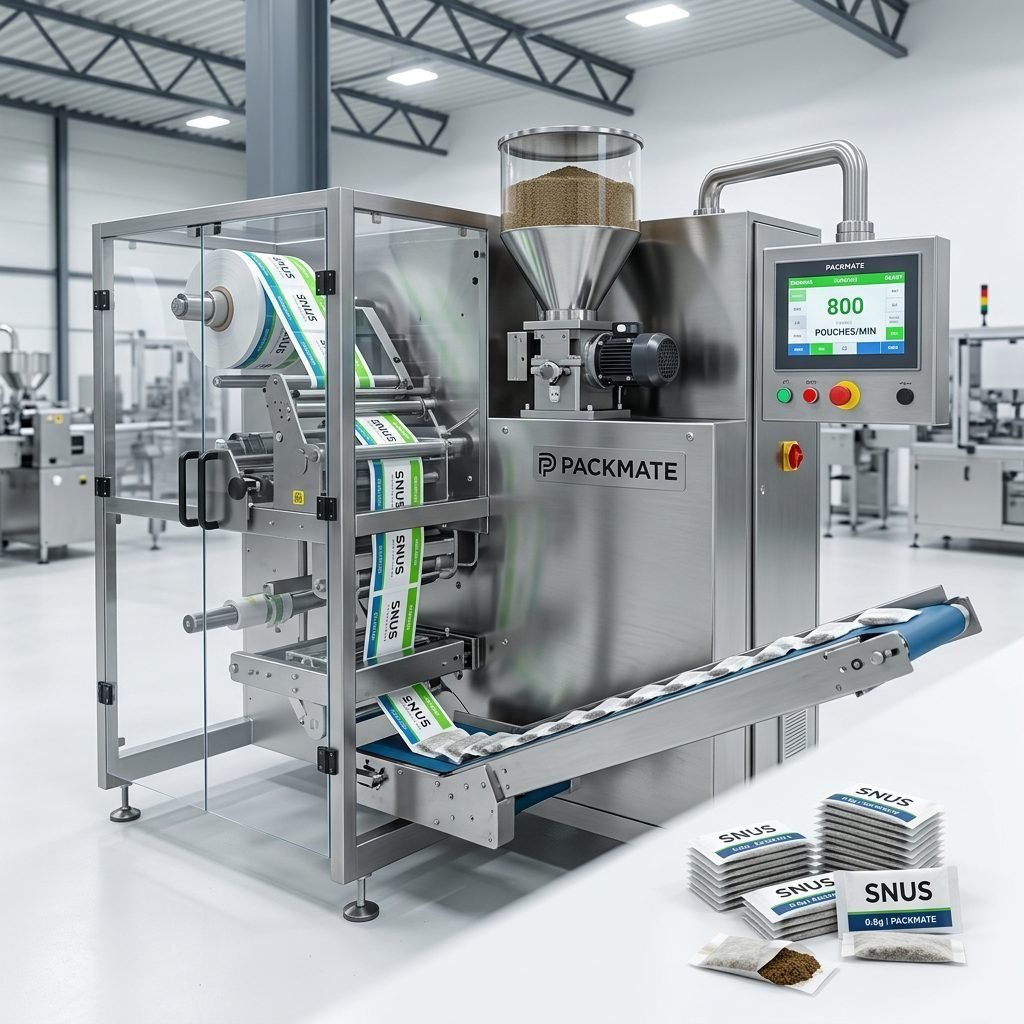
Entering the nicotine pouch or snus market in Tajikistan requires the right production partner. Choosing the best nicotine packaging machine manufacturer is not just about price — it’s about long-term reliability, regulatory compliance, production scalability, and service. This guide walks you through practical steps and key considerations to select a manufacturer that matches your technical, commercial, and operational needs.
Understand Your Packaging Needs First
Before contacting suppliers, define your product specifications and targets. Clarify the following:
Will you pack single-dose pouches, multi-lane sticks, sachets, or bags?
Daily and hourly output targets — current and projected.
Granules, powder, liquid, or blended formulations require different filling systems.
Key Criteria to Evaluate Manufacturers
When evaluating potential machine suppliers for your Tajikistan operation, consider these essential criteria:
1. Industry Experience & Track Record
Choose manufacturers with demonstrated experience in snus and nicotine pouch equipment. A supplier with decades of focused R&D and multiple machine models is more likely to deliver a stable, proven solution. For example, companies with a long history in snus packing and multi-lane systems bring valuable design maturity and problem-solving practices to your project.
2. Machine Range & Customization Capabilities
Flexibility matters. Confirm whether the manufacturer offers a range of machines — from single-lane pouch fillers to high-speed multi-lane lines — and whether they can customize machines to fit unique product sizes, materials, or production footprints. A partner offering turnkey lines (weighing, dosing, filling, sealing, and labeling) reduces integration risk.
Ask for relevant case studies or references in nicotine pouch production to verify their customization experience.
3. Manufacturing Strength & Quality Control
Inspect the manufacturer’s production capabilities: CNC machining, precision assembly lines, and on-site testing facilities. A modern factory with dedicated quality control and ISO/CE certifications indicates consistent build quality and compliance with international standards.
4. Compliance & Certifications
Regulatory compliance is critical. Ensure equipment meets CE/ISO standards and can be adapted to local regulatory requirements in Tajikistan — especially for nicotine products where safety and traceability matter.
5. After-Sales Support & Spare Parts
Evaluate service networks, spare parts availability, and technical training. Reliable remote support and timely spare parts shipments minimize downtime. Ask whether the manufacturer offers on-site commissioning, operator training, and preventive maintenance plans.
Why Packmate Could Be a Strong Candidate
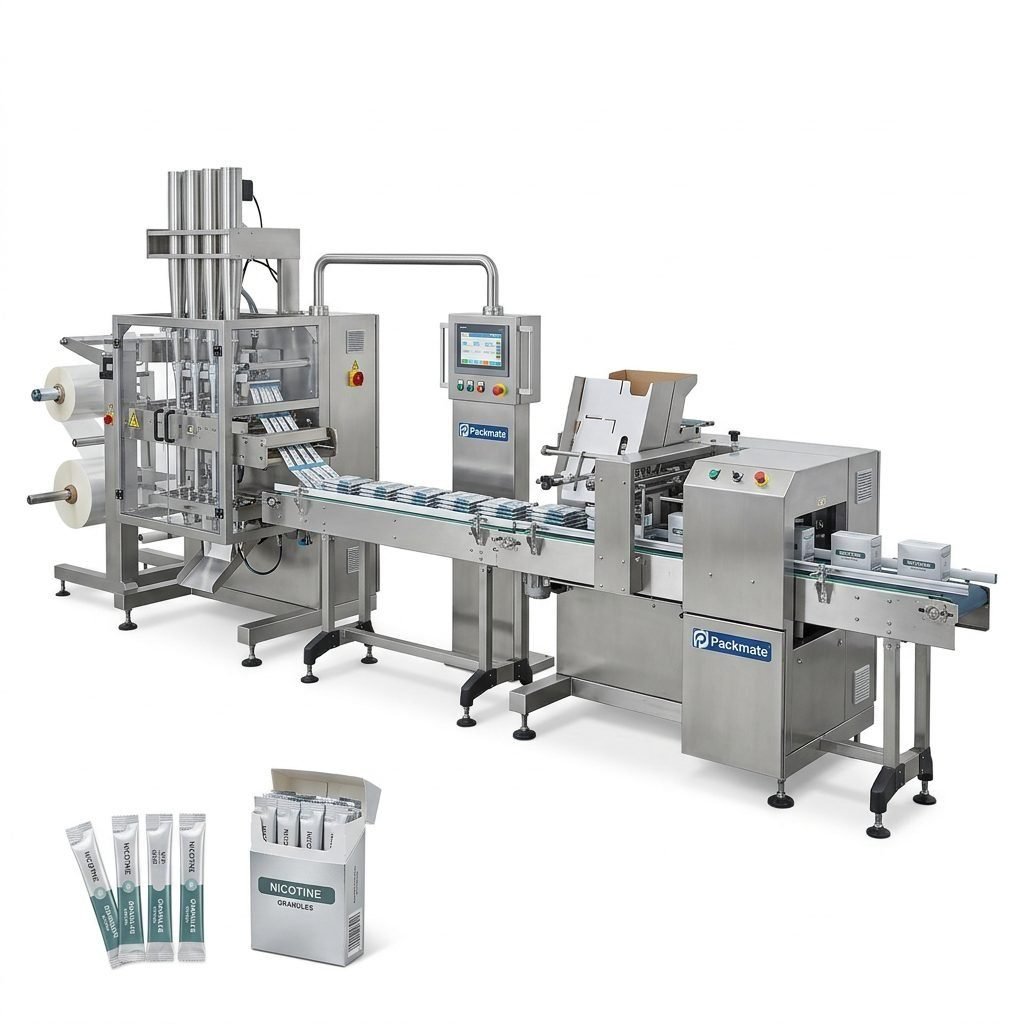
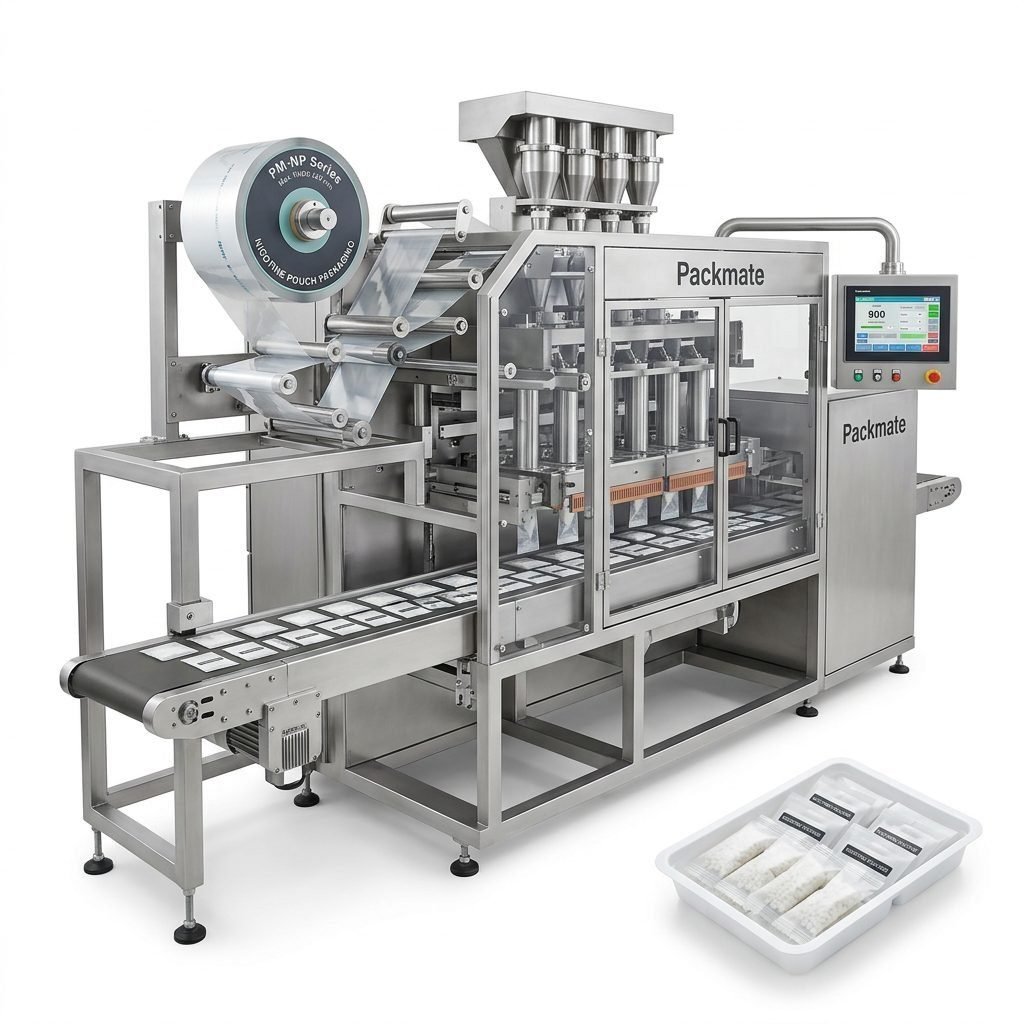
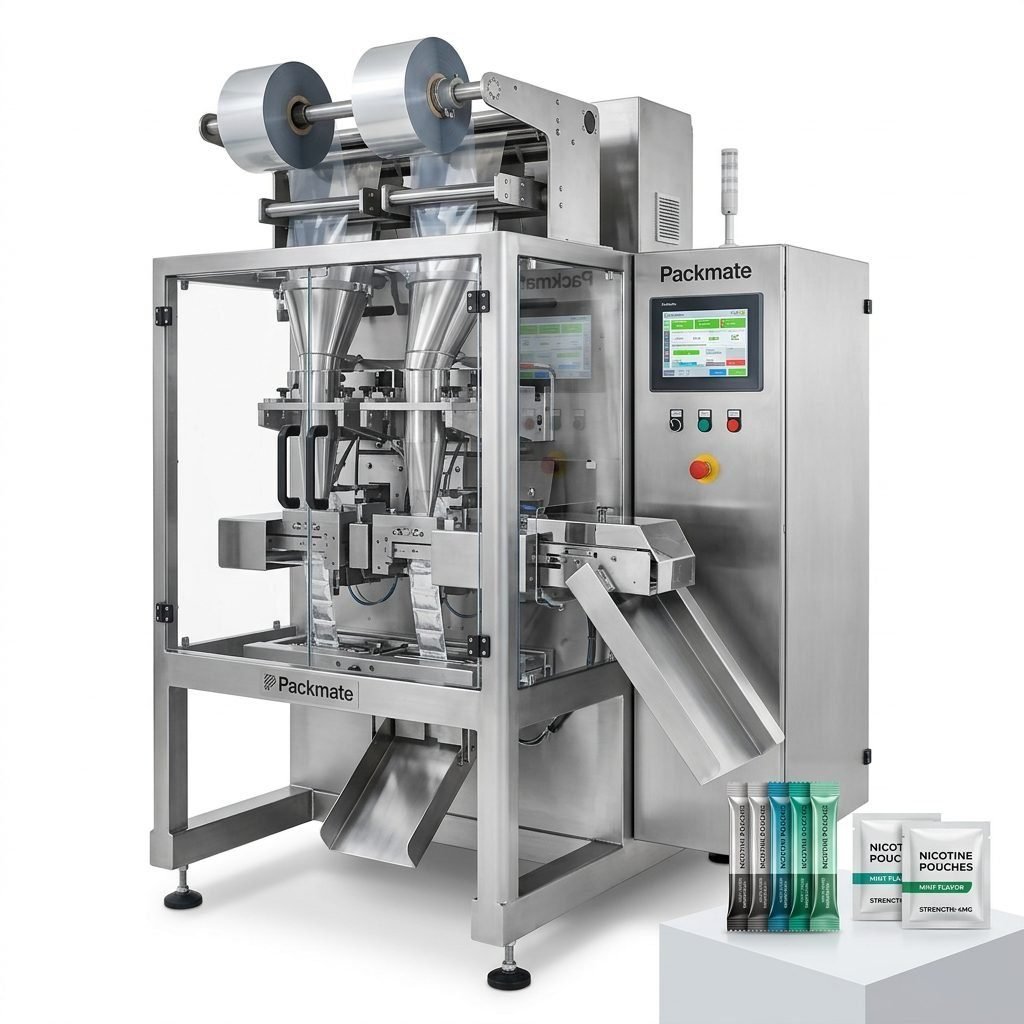
When assessing manufacturers for nicotine pouch lines, Packmate stands out for several reasons. They combine decades of engineering experience with a focused product range for snus and nicotine packaging. Key strengths to look for include:
- 30+ years in packaging machine R&D and production, with a heritage of continuous technical improvement.
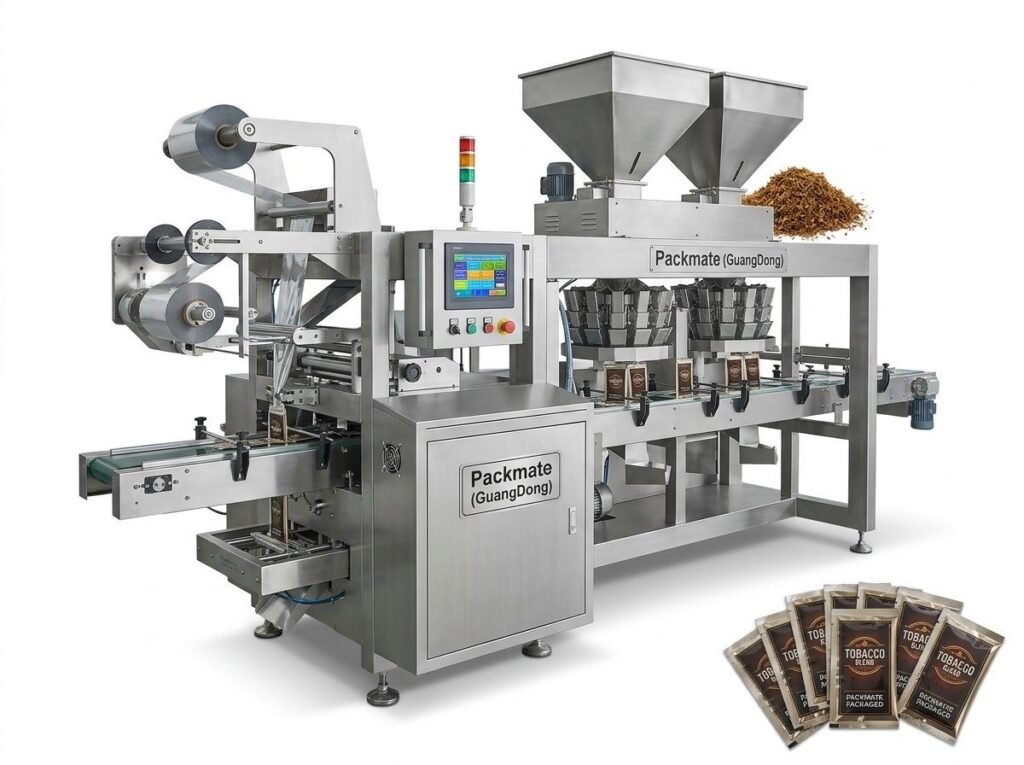
- A wide selection of machine models built for nicotine pouches, sachets, stick packs, and multi-lane systems.
- Large manufacturing facility with advanced CNC and precision assembly systems supporting consistent quality.
- Turnkey project capability — from filling to packaging — which reduces integration complexity.
Learn more about product ranges and successful projects by visiting Packmate’s product pages and case studies:
Snus & Nicotine Packaging Machines |
Case Studies |
About Packmate |
Contact
Inspecting Equipment: What to Test Before Purchase
A factory visit or third-party inspection helps validate claims. Key tests and checks include:
Performance trials — Request live demo runs using your actual product to verify accuracy, yield, and sealing integrity.
Material compatibility — Confirm compatibility with pouch films, foils, and liners you plan to use.
Speed & stability — Validate continuous operation at rated speeds while monitoring rejection rates and downtime.
Installation, Training & After-Sales — The Hidden Value
Price comparisons matter, but the true cost of ownership includes installation, training, spare parts, and technical support. Prioritize suppliers that provide:
- On-site commissioning and validation in Tajikistan or close regions.
- Comprehensive operator and maintenance training programs.
- Clear spare parts list with lead times and local stocking options.
- Remote diagnostic tools and timely phone/video support.
Cost vs. Value: How to Compare Offers
Avoid selecting purely on the lowest initial bid. Use a total cost of ownership (TCO) approach:
- Calculate installation and commissioning costs.
- Estimate spare parts spend and mean time between failures based on supplier data.
- Factor in operator training and expected yield (waste rates).
- Consider upgrade paths and modularity for future capacity expansion.
Favor a solution with slightly higher upfront cost if it offers significantly lower downtime, better yield, and faster ROI.
Checklist for Final Decision
Before signing a purchase agreement, confirm the following items in writing:
- Detailed machine specifications, acceptance criteria, and performance guarantees.
- Lead times, delivery terms, and installation schedule.
- Warranty terms, spare parts list, and support SLAs.
- Training scope and documentation language (manuals, electrical drawings).
- Commercial terms for upgrades and future expansions.
Practical Negotiation Tips
– Request a staged payment plan tied to milestones (design approval, FAT, shipping, SAT).
– Negotiate spare parts kits and tools as part of the purchase.
– Ask for performance-based acceptance testing at the factory (FAT) using your materials.
– Secure a clear warranty start date (usually on successful SAT/acceptance at your site).
How to Work with International Suppliers from Tajikistan
Dealing with overseas manufacturers requires additional planning:
- Logistics & customs: confirm HS codes, export documentation, and local import duties.
- Language & documentation: request operation manuals and drawings in a language your team understands.
- Local partners: consider local integrators for civil works and electrical hook-ups.
- Remote commissioning: ensure supplier provides virtual commissioning support if on-site travel is delayed.
Conclusion
Selecting the right nicotine packaging machine manufacturer for your Tajikistan business is a strategic decision that affects product quality, regulatory compliance, and long-term profitability. Focus on proven experience in snus/nicotine packaging, manufacturing capability, customization, quality control, and reliable after-sales support. Validate claims with factory trials, case studies, and references, and apply a total cost of ownership approach to compare offers.
Frequently Asked Questions
Q1: What minimum information should I prepare before contacting a manufacturer?
A1: Provide product format, target capacity, pouch materials, desired output, and regulatory requirements. This allows accurate quotations and suitable machine proposals.
Q2: How important is a factory acceptance test (FAT)?
A2: Extremely important. FAT verifies performance with your materials and establishes clear acceptance criteria before shipment, reducing on-site surprises.
Q3: Can Packmate provide turnkey lines including weighing and filling systems?
A3: Yes, many manufacturers like Packmate offer complete solutions covering weighing, filling, and packaging. Explore their Weighing & Packaging Systems and Filling & Packaging Lines for compatible modules.
Q4: What support can I expect after installation in Tajikistan?
A4: Reputable manufacturers offer on-site commissioning, operator training, spare parts support, and remote diagnostics. Confirm response times and SLA details before purchase.
Q5: Where can I see examples of installed lines and verify references?
A5: Ask for case studies and exhibition demos. Many suppliers publish case pages and exhibition schedules where you can view machines in operation and speak with existing clients.