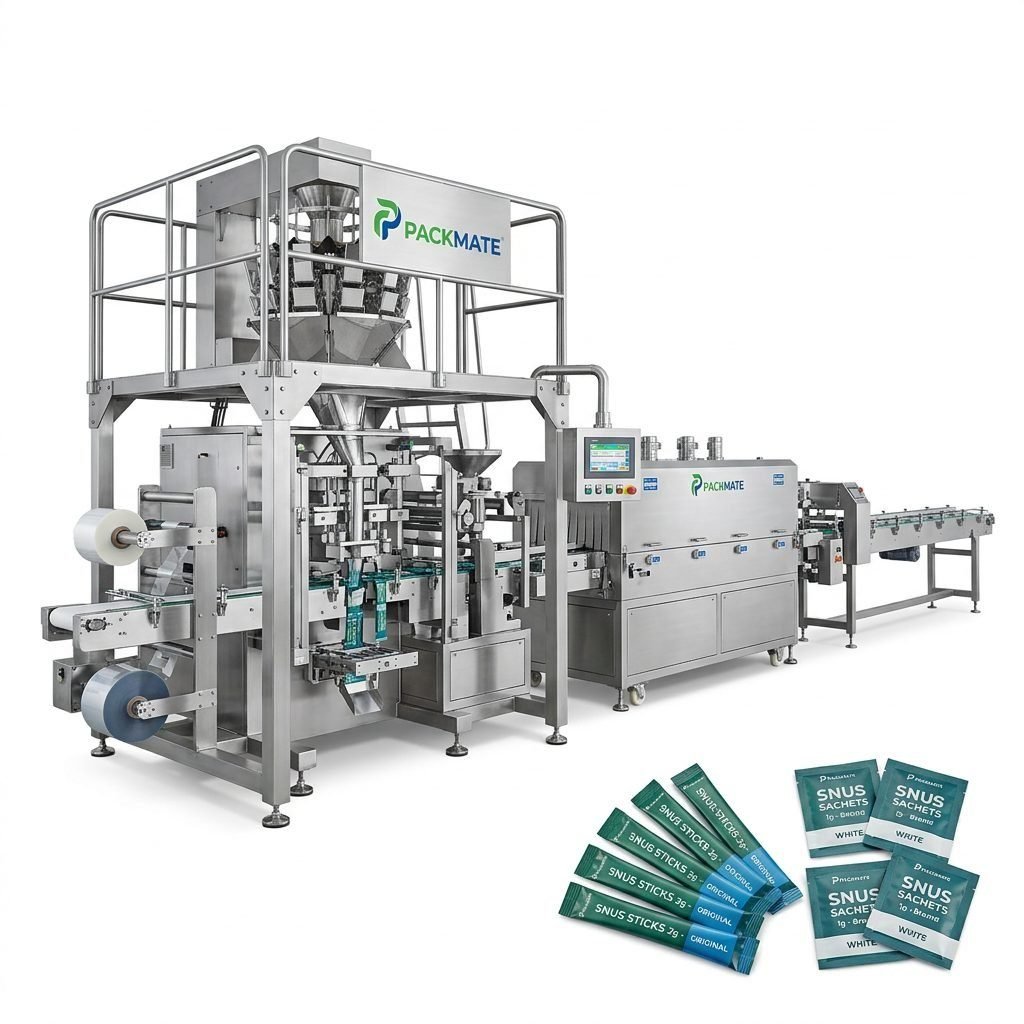
Choosing the right nicotine packaging machinery supplier for a factory in South Korea is a strategic decision that impacts product quality, production efficiency, regulatory compliance, and long-term costs. This guide walks you through practical, industry-proven steps—tailored to South Korean market expectations and business culture—to help you select a supplier who delivers reliable machinery, solid service, and measurable value.
Understand South Korea’s Market Context and Local Expectations
South Korea has a high standard for manufacturing quality and strong emphasis on after-sales service. Local buyers value punctuality, clear communication, and long-term relationships. When you evaluate suppliers, consider not only machine specifications but also responsiveness, documentation in English/Korean, and willingness to support local validation and approvals. Many Korean teams prefer on-site demonstrations and face-to-face meetings when possible—this cultural preference for trust-building matters during negotiations and acceptance testing.
Key local considerations
Regulatory compliance: verify that the machine and materials meet any Korean regulatory or import requirements. Documentation & language: ask for operation manuals and SOPs in English and/or Korean. Installation & validation: South Korean factories often require rigorous acceptance testing—plan for FAT and SAT with clearly defined KPIs.
Supplier Due Diligence: What to Check First
Start with verifiable facts: company history, factory size, certifications, and existing client references. A long-standing engineering background and a large manufacturing footprint are positive signs of stability and manufacturing capability.
🔍 Company age & engineering experience (30+ years is excellent).
🔍 Factory area and production capacity (e.g., 20,000㎡ manufacturing facility).
🔍 ISO/CE and other relevant certifications.
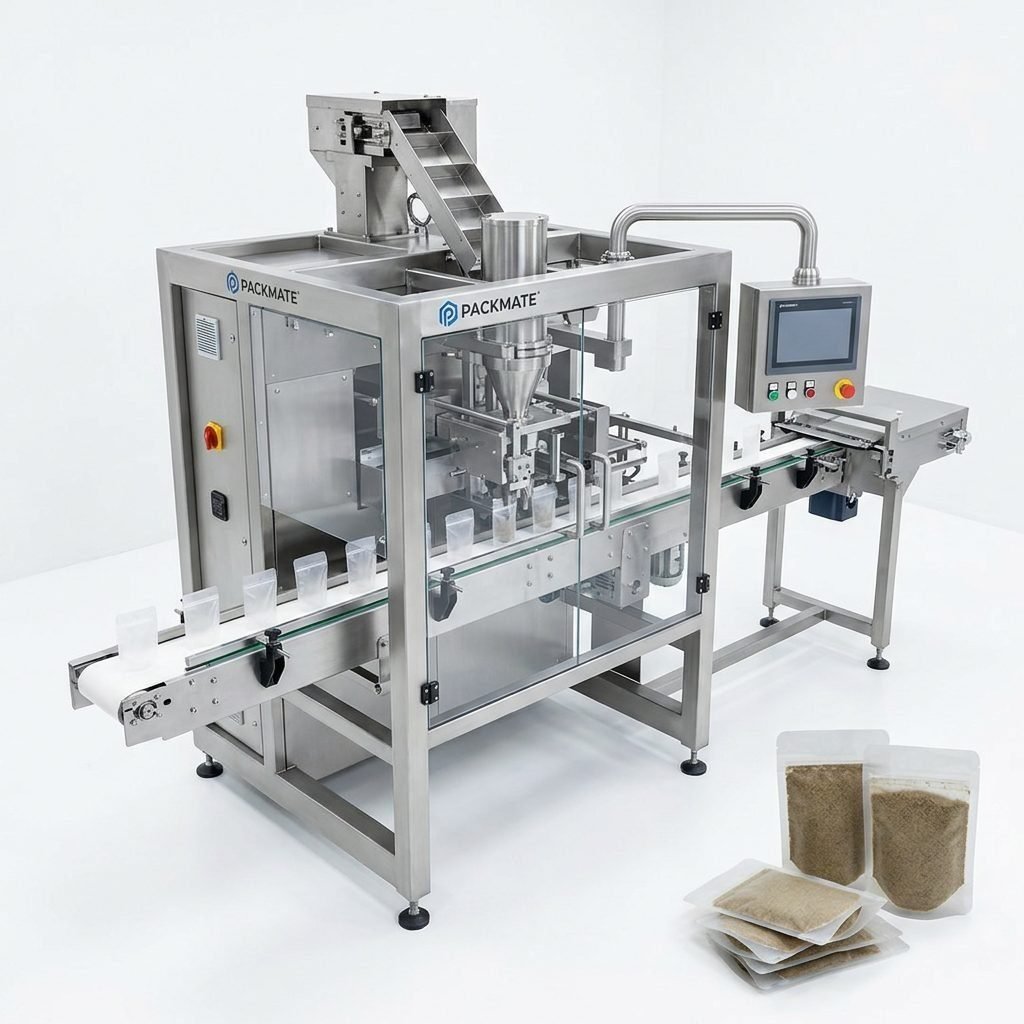
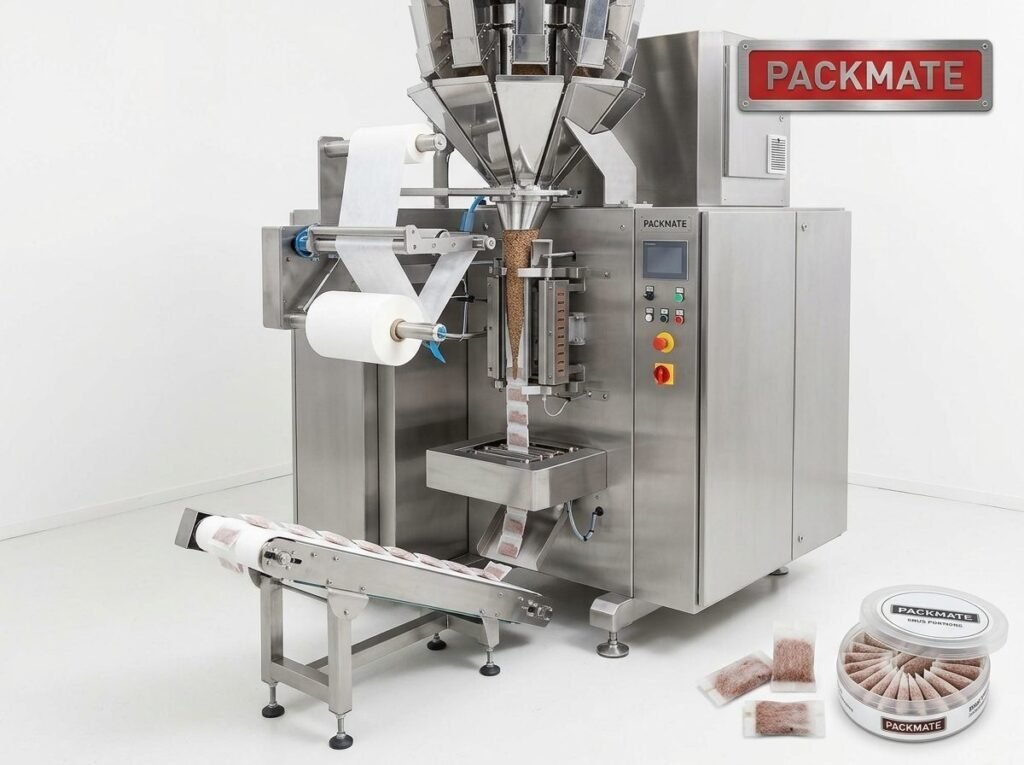
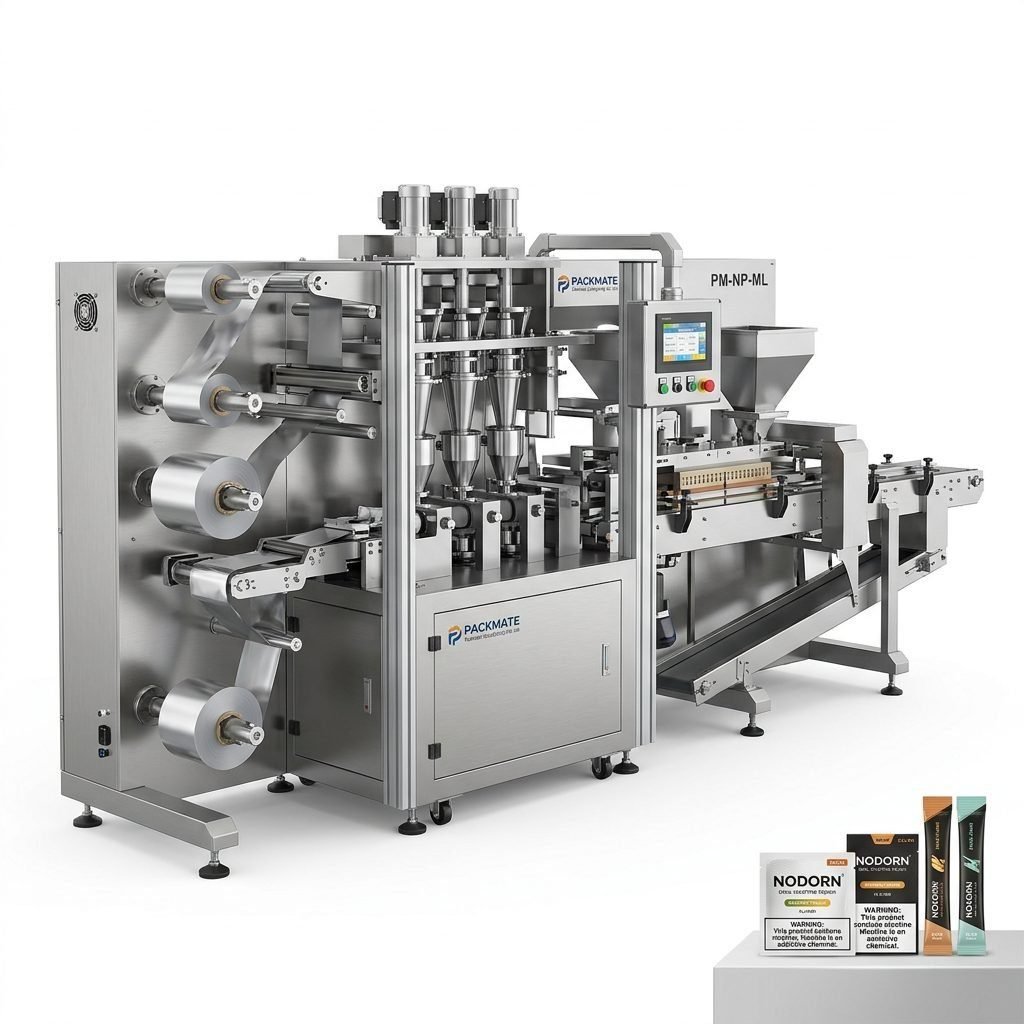
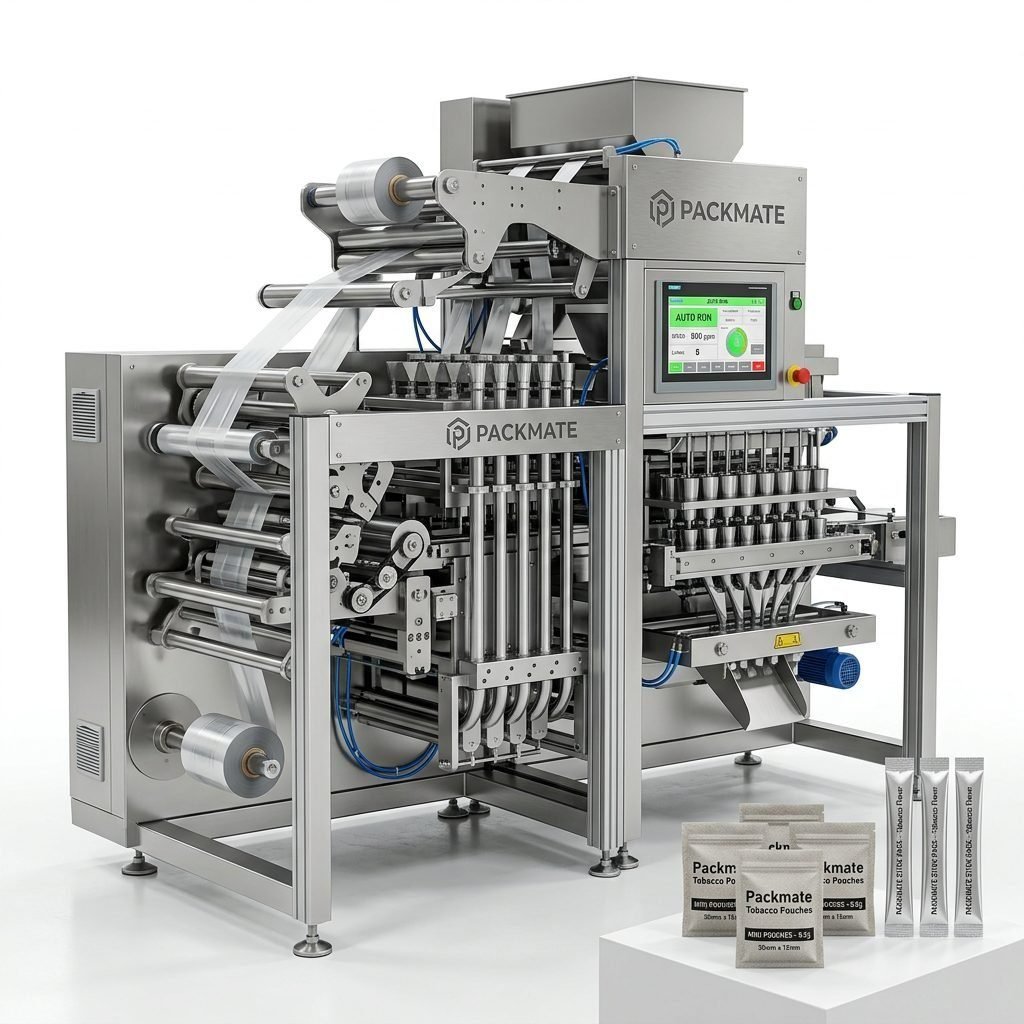
🔍 Portfolio of relevant machines (snus/nicotine pouch, stick pack, sachet, multi-lane systems).
🔍 Customer references and case studies.
Verify Technical Capabilities and Machine Range
A strong supplier will offer a range of models and the technical flexibility to tailor solutions for different nicotine product formats and line speeds. Look for suppliers with advanced CNC machining, precision assembly lines, and multiple machine models for various pouch formats.
Essential machine capabilities
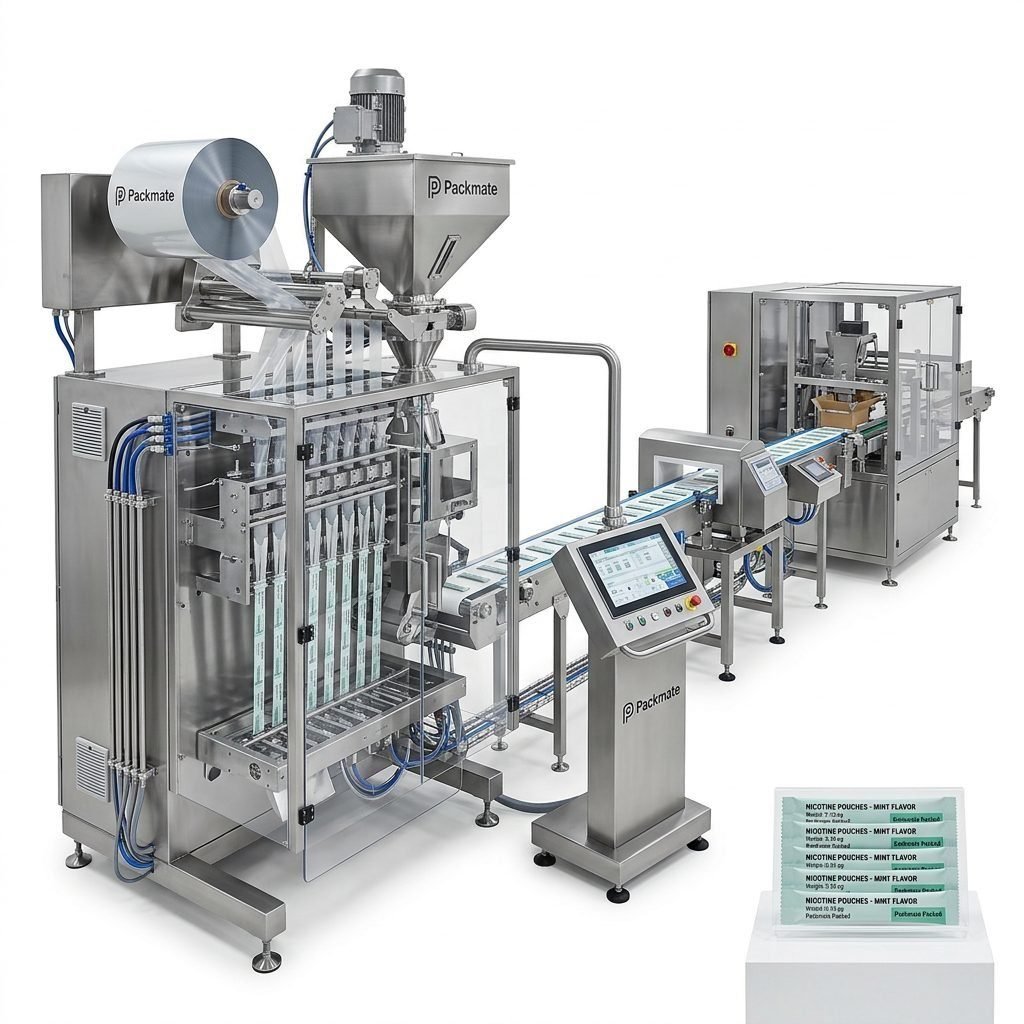
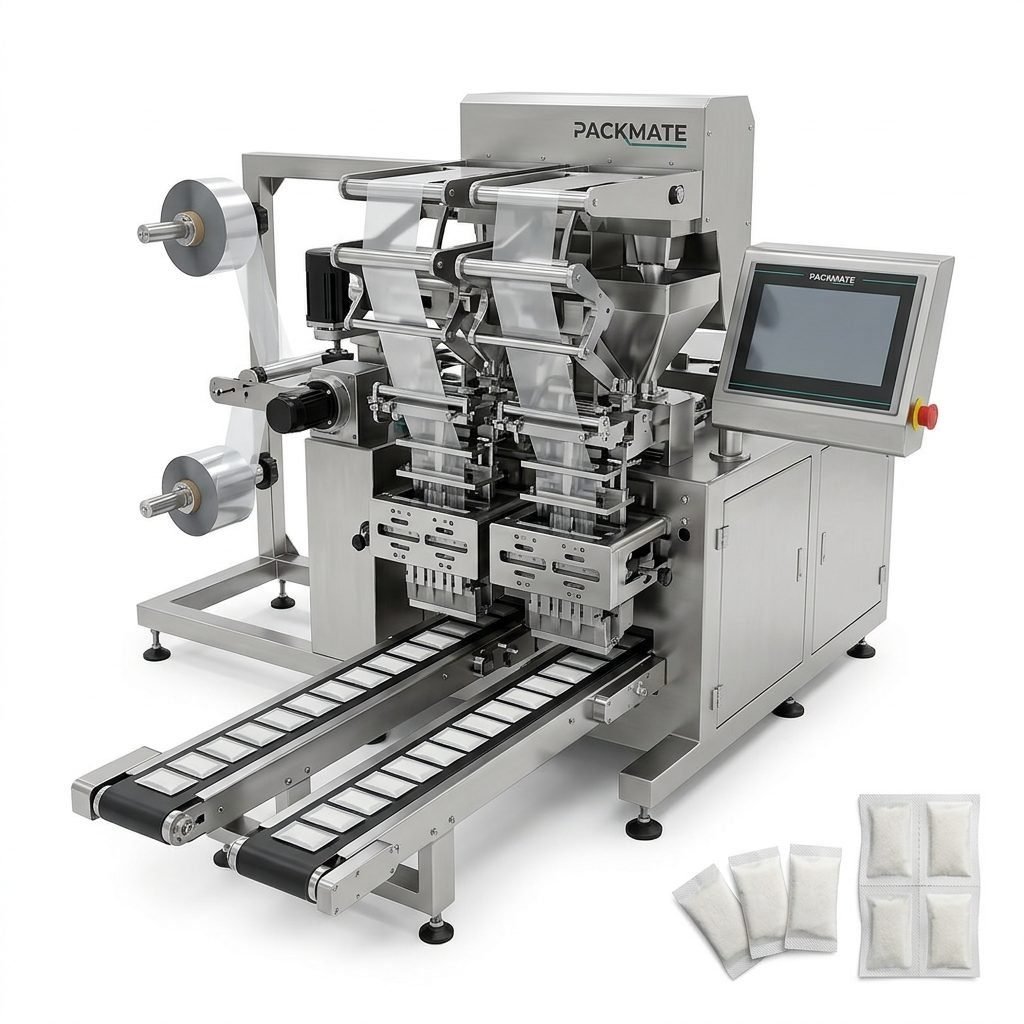
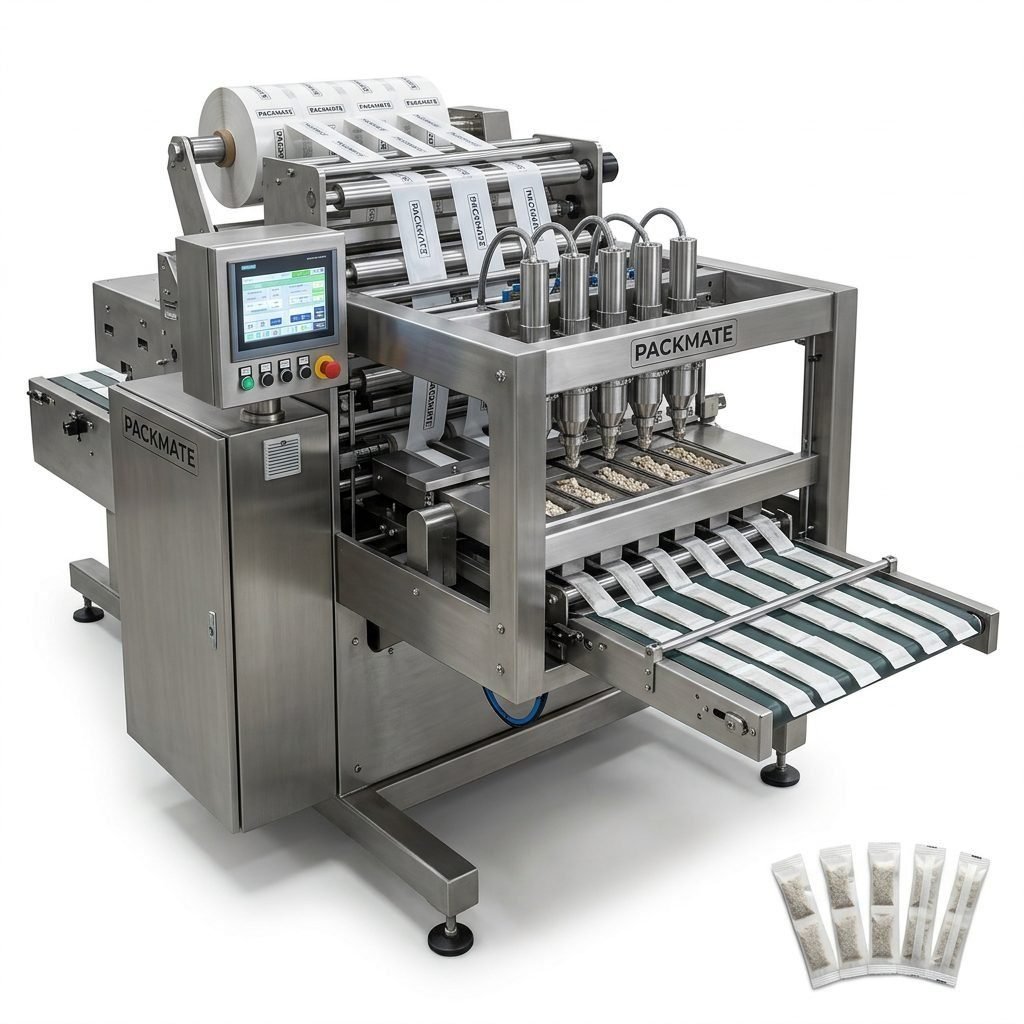
– Multi-lane capability for small-dose pouch volumes to improve throughput.
– Compatibility with various materials (paper/foil/plastic laminates) and pouch types (stick, sachet, snus/nicotine pouches).
– Integrated weighing, dosing, and feeding systems to ensure consistent fill weights.
– PLC and HMI systems with data logging and remote support options.
Explore product pages for detailed specs—suppliers that present transparent product lines and documentation make evaluation much easier. Example resources you might review: Snus & Nicotine Packaging Machines, Weighing & Packaging Systems, and Sachet & Stick Pack Machines.
Quality Assurance, Certifications and Safety
Safety and international certifications (CE, ISO) are minimum expectations. For the Korean market, also ensure traceability of materials and components, and confirm the supplier’s quality control processes and testing regimes.
✓ CE/ISO certificates and inspection reports.
✓ Factory capability overview (e.g., CNC centers, precision assembly).
✓ Equipment performance data (speed, accuracy, downtime statistics).
✓ Warranty terms and failure response times.
Service, Spare Parts and Local Support
After-sales service is critical for continuous production. Confirm spare part availability, expected lead times, and whether local stocking or distributor arrangements exist. Determine what training the supplier provides for operators and maintenance staff, and whether remote diagnostics and software updates are offered.
Questions to ask about service
– Is there an option for local stocking of critical spare parts in South Korea?
– What is the average response time for support and on-site service?
– Are training and operation manuals provided in Korean?
– Does the supplier perform FAT (Factory Acceptance Test) and support SAT (Site Acceptance Test) with documented KPIs?
Total Cost of Ownership (TCO) vs. Upfront Price
Low purchase price can hide higher running costs. Evaluate energy consumption, consumables, maintenance frequency, and spare part pricing. A machine with slightly higher upfront cost but lower downtime, higher accuracy, and easier maintenance may be far cheaper over its lifecycle.
Factory Visits, Demonstrations and References
Whenever possible, inspect the supplier’s factory and request live demonstrations or recorded runs of similar products. Client references and case studies from similar industries or geographies provide real-world evidence of performance and reliability.
You can review examples and global cooperation cases to see machine applications across markets: Case and the supplier’s About Packmate page often contain useful project summaries.
Customization, Integration and Turnkey Solutions
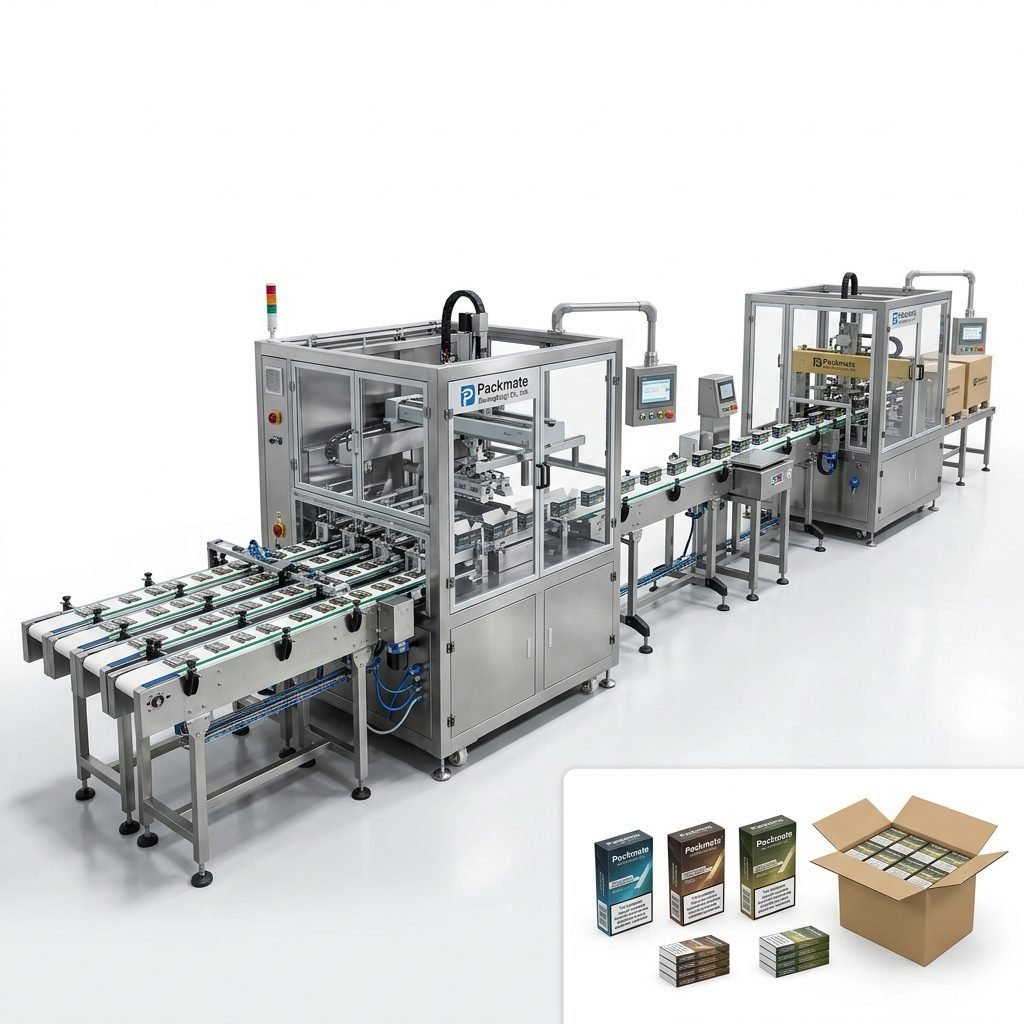
If your factory needs a fully integrated line—filling, dosing, sealing, labeling, and packing—choose a supplier experienced in turnkey solutions and system integration. Verify their ability to supply auxiliary equipment and integrate PLC/HMI systems, conveyors, and inspection systems for a smooth production flow.
Suppliers that provide full-line solutions, including auxiliary equipment, reduce project complexity and improve commissioning times. See examples under Filling & Packaging Lines and Auxiliary Packaging Equipment.
Commercial Terms, Lead Times and Logistics
Clarify lead times, payment terms, shipping responsibilities, and installation schedules. Factor in customs clearance time for Korea, any import duties, and coordination for on-site installation and commissioning.
Contractual Protections and Warranty
Ensure warranty scope, performance guarantees, and penalty clauses for missed delivery or underperformance are clearly defined in the contract. Agree on acceptance criteria and testing protocols during FAT and SAT to prevent disputes during handover.
⚠️ Get FAT/SAT KPIs in writing.
⚠️ Define spare parts kit and first-year consumables.
⚠️ Ask for a training schedule and documentation in the preferred language.
⚠️ Lock in lead times and penalties for late delivery.
Why Packmate Snus Machine Is a Consideration
Packmate Snus Machine has deep experience in snus and nicotine pouch packaging with 30+ years of engineering history and a 20,000㎡ manufacturing facility. Their product range covers snus/nicotine packaging machines, stick pack, sachet and multi-lane systems—useful for factories needing flexible and high-precision lines. Reviewing their certifications, factory capabilities, and case studies helps you evaluate them against other suppliers.
For more details about their product offerings and events, consider visiting their product sections and exhibition pages: Snus & Nicotine Packaging Machines, Our Exhibition, and Certificate.
Final checklist before signing
– Confirm FAT/SAT criteria and acceptance tests.
– Verify spare parts kit and first-year consumables list.
– Ensure local language documentation and operator training availability.
– Agree warranty scope, support SLA, and escalation path.
– Check references and, if possible, visit a similar installation.
Conclusion
Selecting the best nicotine packaging machinery supplier in South Korea means balancing technical capability, local support, regulatory readiness, and cultural fit. Use the checklist and negotiation points above to minimize risk and secure a supplier that will keep your production consistent, compliant, and cost-effective.
Common Questions
Q1: How important is Factory Acceptance Testing (FAT)?
FAT is essential. It verifies machine performance before shipment and prevents disputes during installation. Ensure FAT criteria, sample products, and acceptance thresholds are defined in the contract.
Q2: Do I need local spare parts stock in South Korea?
Yes—having critical spares locally reduces downtime. Negotiate a starter spare parts kit and consider local distributors or certified service partners for faster response.
Q3: How can I ensure regulatory compliance for nicotine products?
Regulations vary—consult local legal and regulatory experts and require suppliers to provide material traceability, documentation, and support for validation processes in South Korea.
Q4: What questions should I ask during supplier evaluation?
Ask about certifications, production capacity, customization options, FAT/SAT procedures, warranty terms, spare parts availability, training, and references from similar projects.
Q5: Where can I see examples of installed lines and references?
Review supplier case studies and contact references. Useful pages include the supplier’s Case and About pages for testimonials and project summaries: Case, About Packmate.