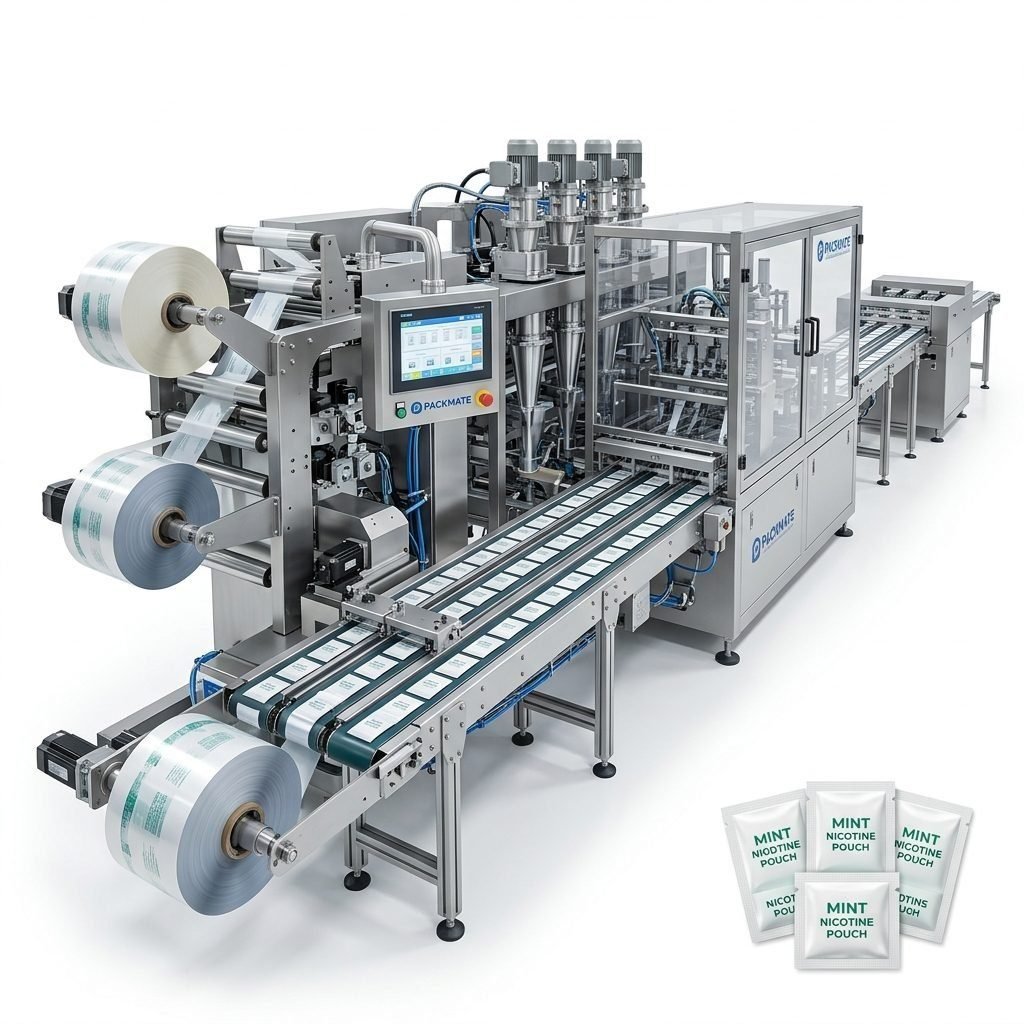
Selecting the right nicotine packaging machine supplier for the Central African Republic (CAR) is a strategic decision that affects product quality, regulatory compliance, and the long-term viability of your production line. This guide explains how to evaluate suppliers, what to prioritize given local conditions in CAR, and how to make an informed purchase that balances cost, reliability, and after-sales support.
Why the Right Supplier Matters
Choosing the right supplier is more than just selecting a machine — it’s about securing consistent product quality, ensuring compliance with international and local standards, and receiving reliable technical support. In the context of nicotine pouch or snus production, even small variances in packaging accuracy can affect dose control and consumer safety. A trusted supplier reduces downtime, helps you navigate export/import rules, and supports scale-up when demand rises.
Quick checklist:
🔶 Supplier experience
🔶 Equipment performance
🔶 Certifications & compliance
Understand the Central African Republic Market & Local Customs
The Central African Republic has unique business and logistical realities that should influence your choice:
- ⚠️ Language & communication: French is widely used in business. Ensure supplier documentation, machine HMI, and manuals can be provided in French or that translators/technical support are available.
- ⚠️ Power & infrastructure: Expect variable electricity supply in some regions — prioritize equipment with robust power tolerance, optional UPS compatibility, and easy-to-service electrical components.
- ⚠️ Logistics & customs: Import processes may be slower and require local clearance agents. Suppliers experienced with African shipments can help reduce delays and ensure correct packing for long transit.
- ⚠️ Cultural sensitivities: Respect for local regulations and social norms is essential. If marketing nicotine products locally, understand retail constraints and labeling expectations.
Practical tip
Consider forming a partnership with a supplier that has handled shipments to Africa or has local agents — this reduces paperwork friction and improves installation success.
Technical Capabilities to Prioritize
For nicotine pouch and snus packaging, the right technical features are critical. Look for suppliers that offer:
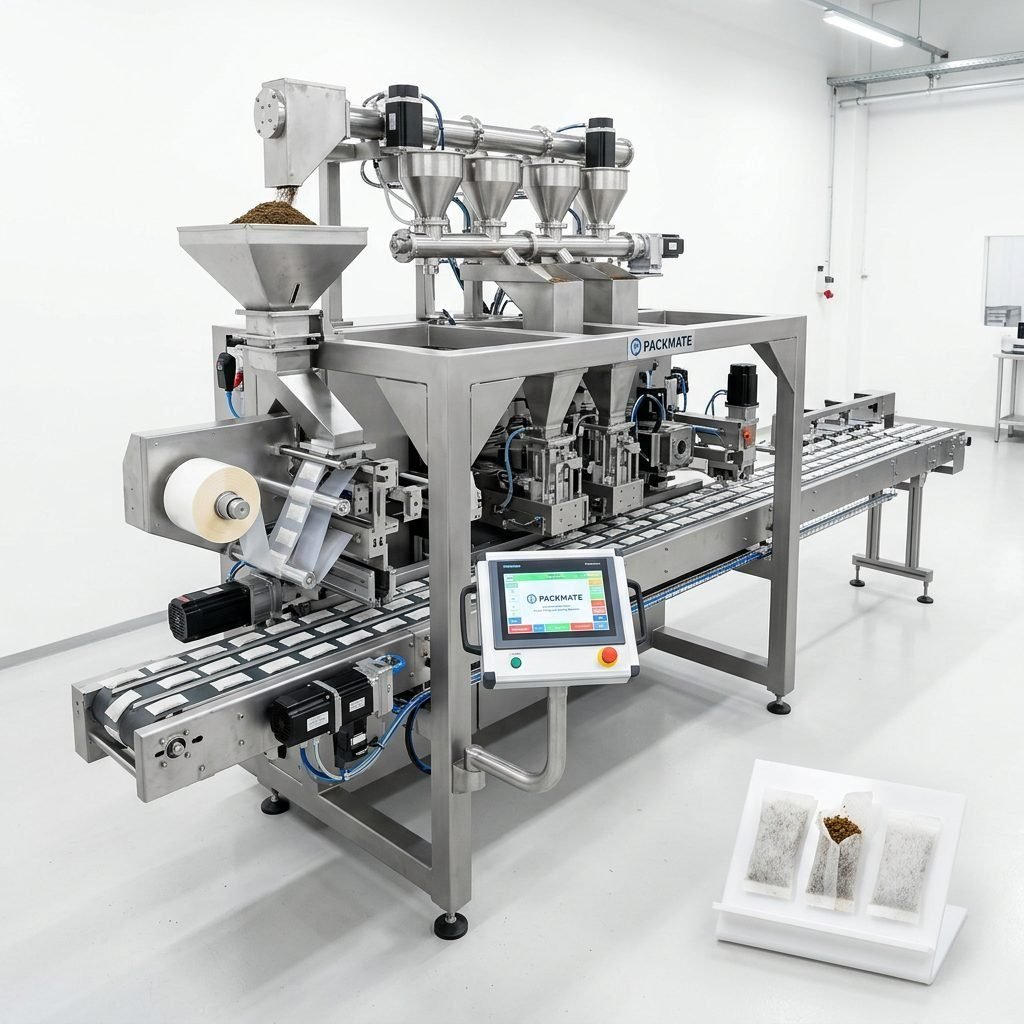
- ✅ High-precision filling systems for consistent dose control
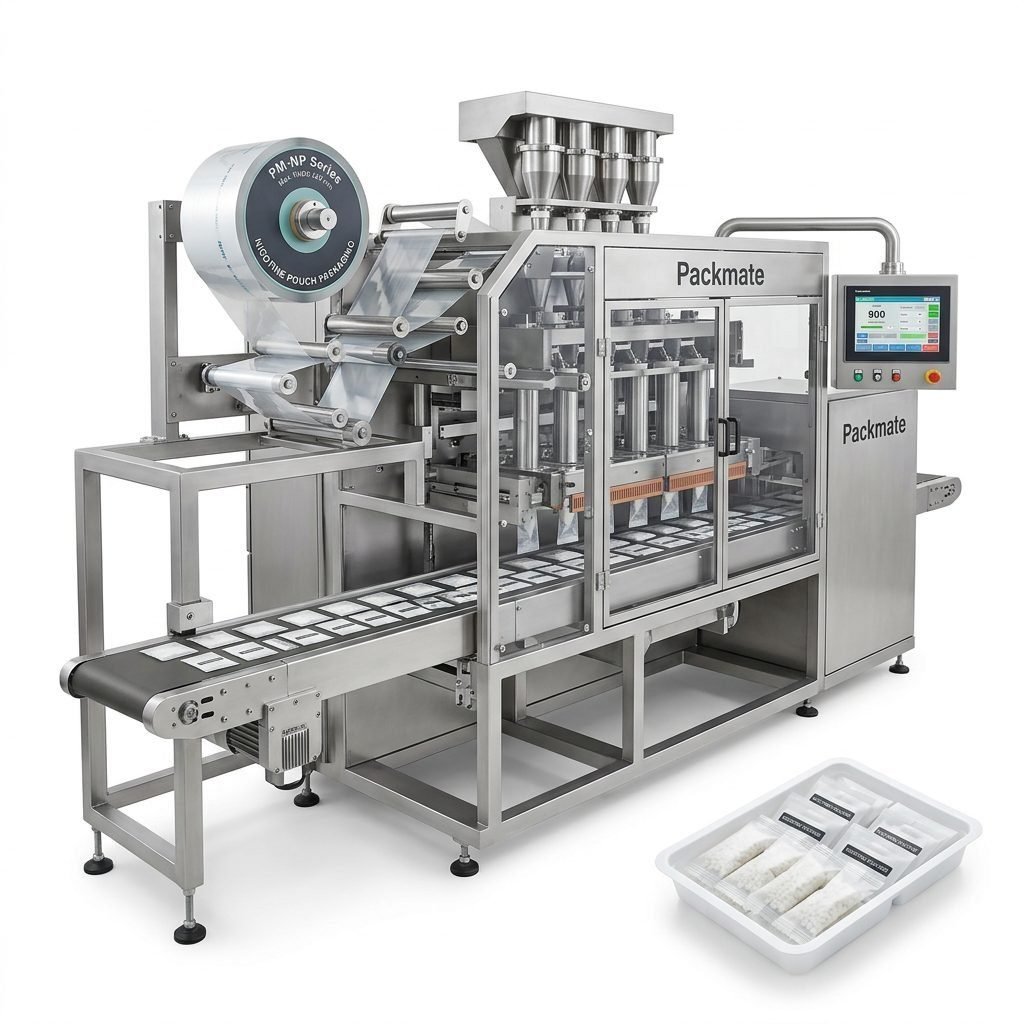
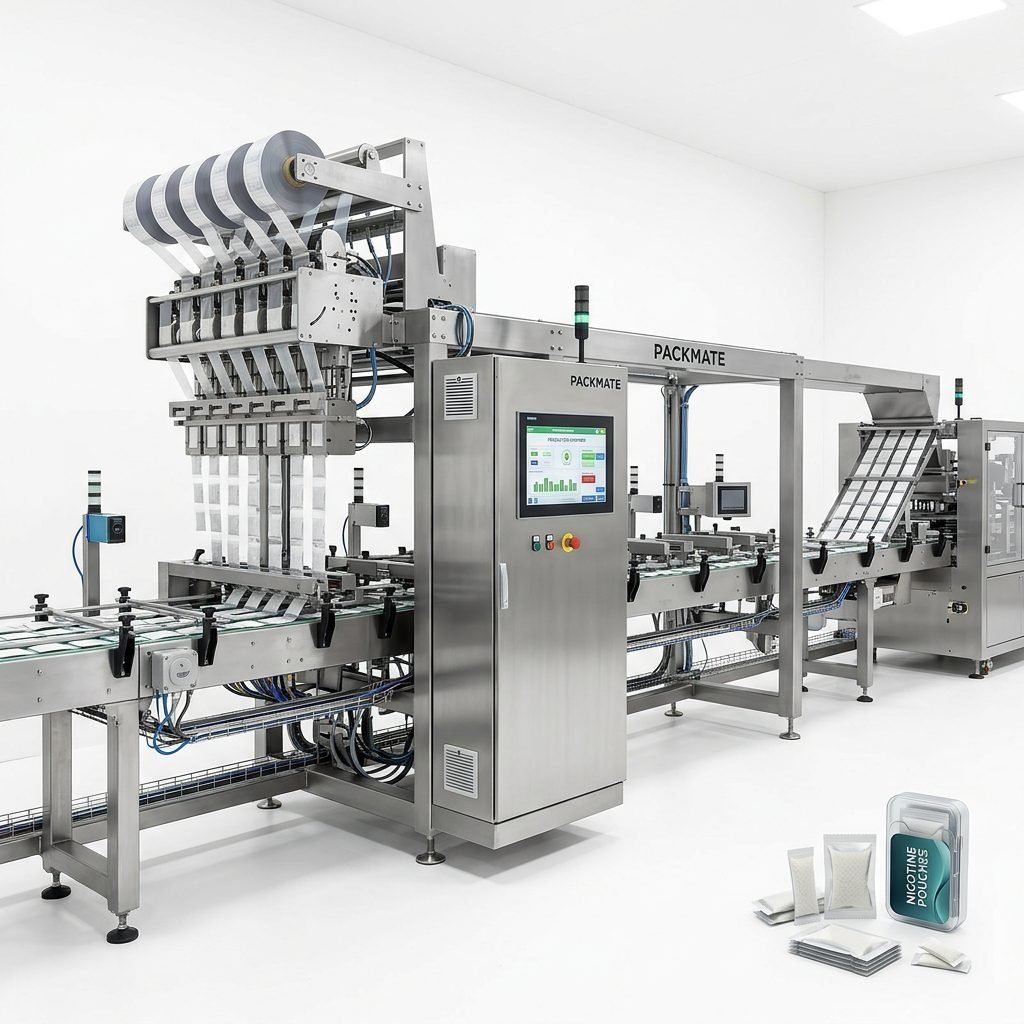
- ✅ Multi-lane options for scalable output (especially important if you plan to expand in volume)
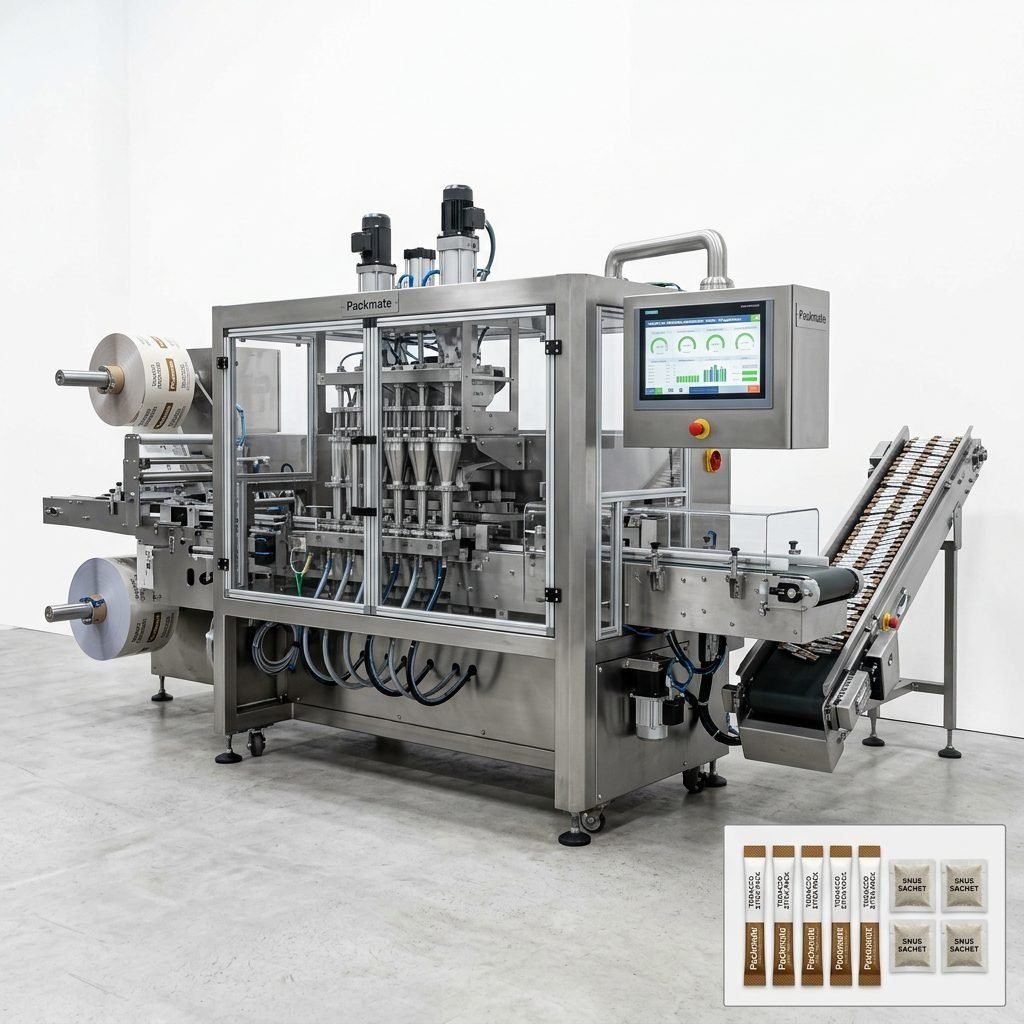
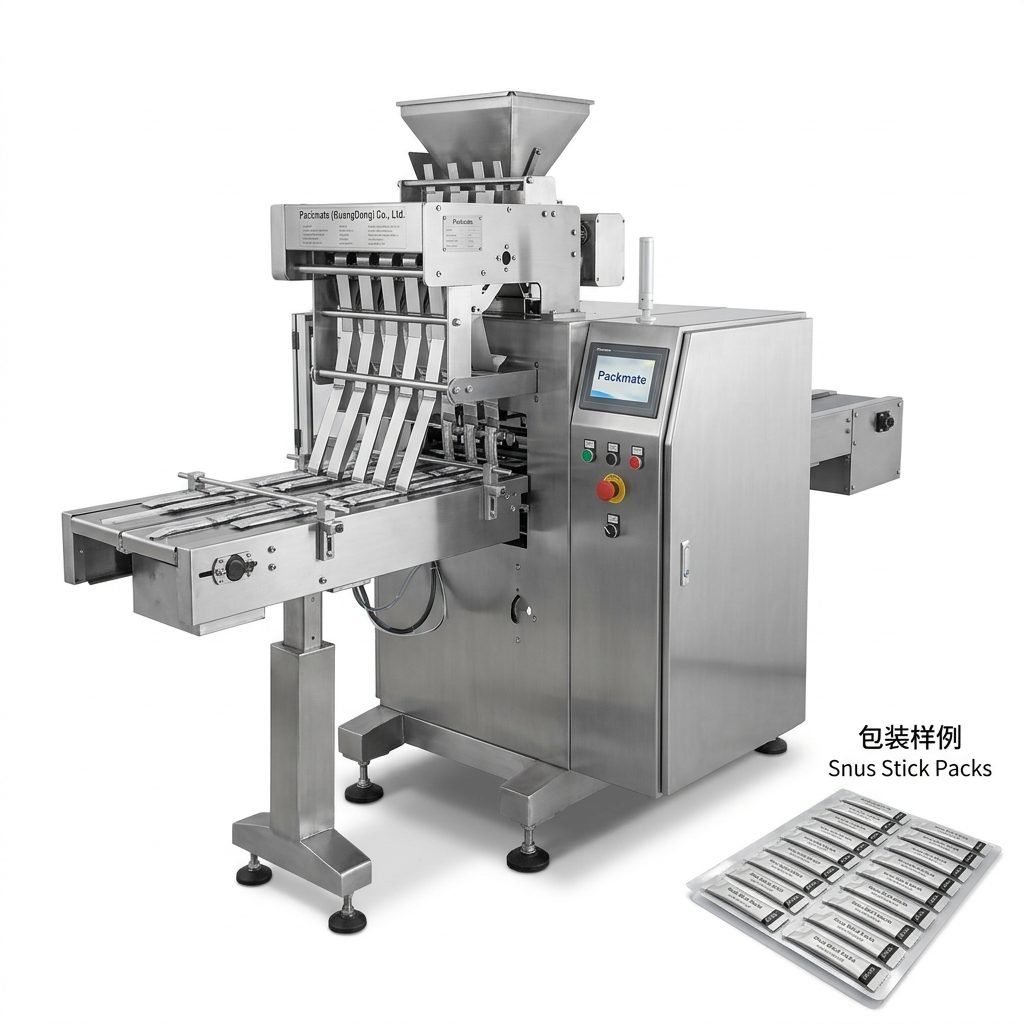
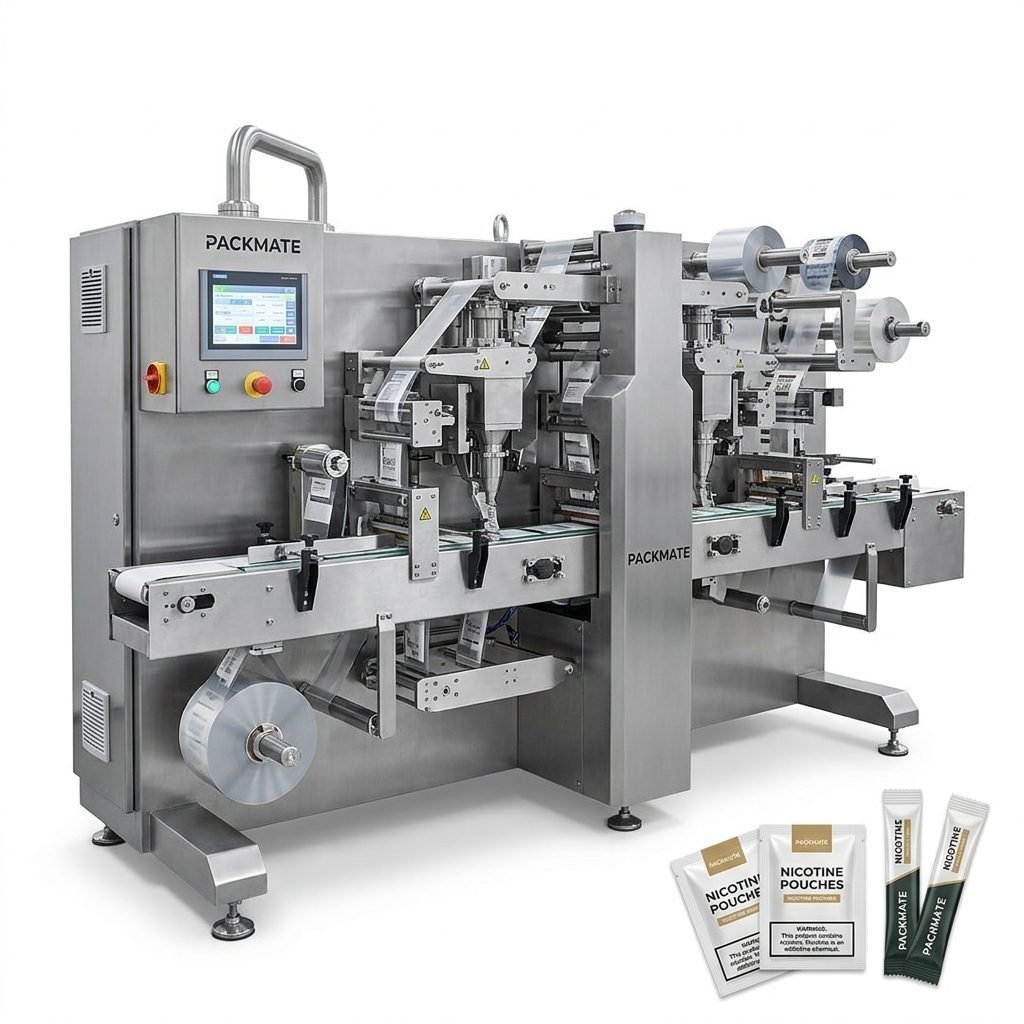
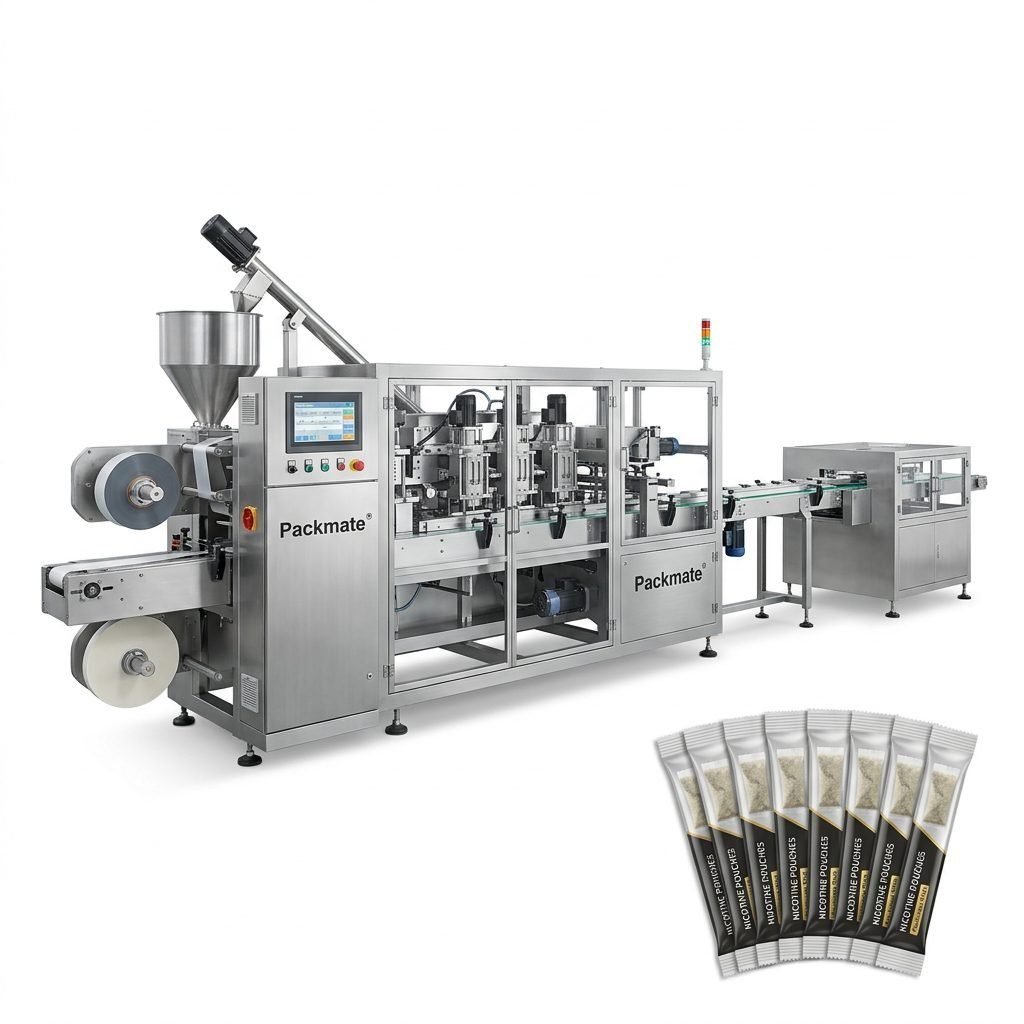
- ✅ Flexible pouch formats: sachet, stick pack, or custom snus pouch shapes
- ✅ Hygienic design and materials suitable for food-grade or pharmaceutical-grade nicotine handling
- ✅ Easy-to-use HMI with multilingual support and remote diagnostic capability
Highlight:
Suppliers with 30+ years of engineering experience and advanced CNC machining centers tend to deliver machines with better longevity and consistent tolerances — a decisive advantage for snus and nicotine pouch production.
Quality, Certifications and Compliance
Certifications matter for export, local approval, and financing. When evaluating suppliers, confirm:
- ✅ CE and ISO compliance for safety and process control
- ✅ Traceability of components and manufacturing records
- ✅ Test reports and demo videos of the exact model you plan to buy
- ✅ Spare parts availability and a clear roadmap for obsolescence management
Useful link
Explore technical product lines and machine categories to match your needs: Snus & Nicotine Packaging Machines and Sachet & Stick Pack Machines.
After-Sales Support & Local Service Considerations
After-sales support is critical, especially when operating in countries with limited local service ecosystems. Ask suppliers:
- 🔧 Do they provide installation and commissioning services on-site in CAR or via a local partner?
- 🔧 Is remote troubleshooting supported and how fast are response times?
- 🔧 Are maintenance training courses available in French or via translated manuals?
- 🔧 What is the typical lead time for spare parts delivery to Central Africa?
Case reference
Review real-world implementations and reliability records: Case examples often highlight how suppliers handle long-distance installations and after-sales scenarios.
Customization & Turnkey Solutions
In CAR, demand patterns may change quickly. Suppliers that offer turnkey solutions and custom engineering give you flexibility. Consider providers that can:
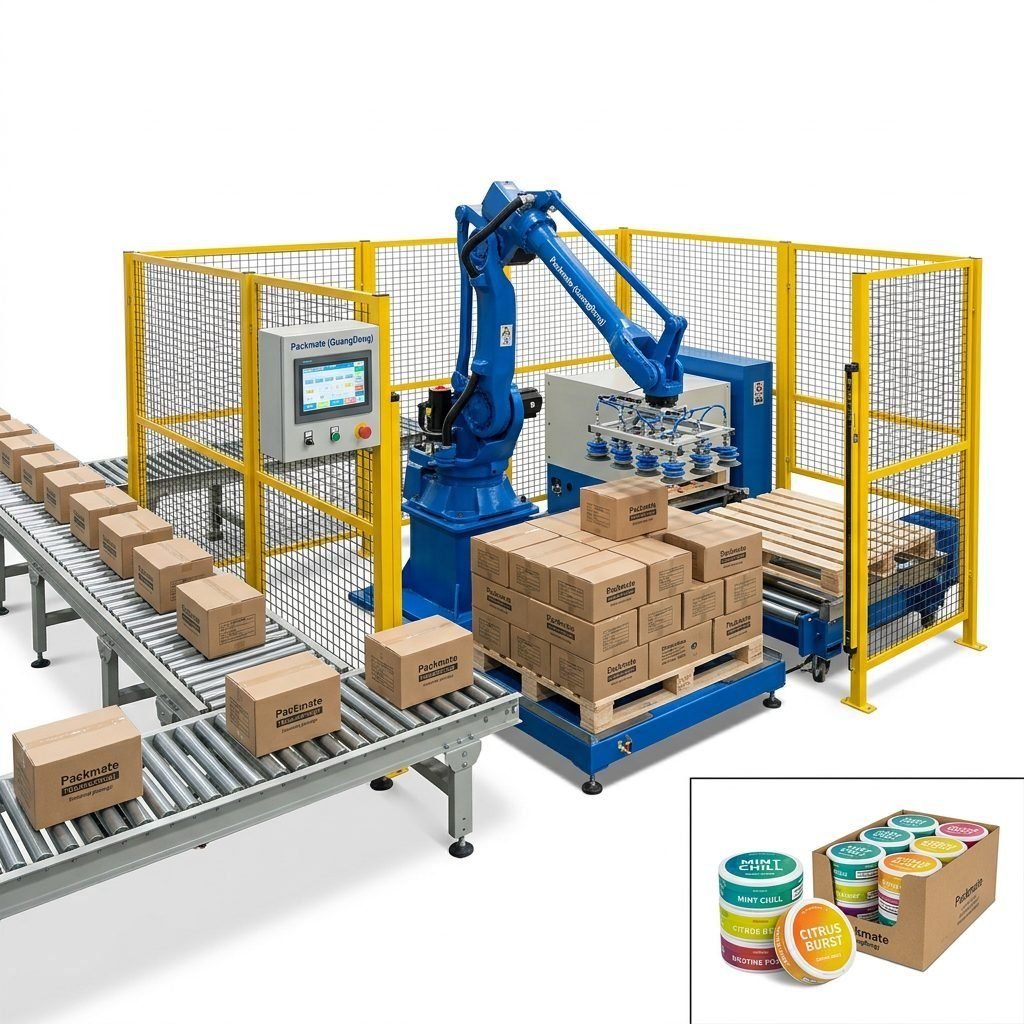
- ✅ Design multi-stage production lines including weighing, filling, sealing, and case packing
- ✅ Integrate quality inspection systems (weight, seal integrity) to avoid recalls
- ✅ Provide modular expansion paths so you can add lanes or modules as sales grow
Evaluating Total Cost of Ownership (TCO)
Price is important but should be weighed against the total cost over machine life. When calculating TCO include:
- 🔶 Initial purchase price and shipping to Bangui or your nearest port
- 🔶 Installation and training costs
- 🔶 Spare part consumption and replacement lead times
- 🔶 Energy consumption and maintenance frequency
- 🔶 Downtime risk and the cost of local repairs vs. remote support
ROI note:
Machines with high automation and multi-lane capability may cost more upfront but often lower per-unit packaging cost and reduce labor dependencies — a better ROI for scaling operations.
Factory Visits, Testing & Verification
Whenever possible, inspect the manufacturer or request a virtual factory tour. Verification steps:
- ✅ Witness factory acceptance testing (FAT) or request detailed test videos
- ✅ Confirm manufacturing capacity and CNC/machining capabilities
- ✅ Ask for references from other African clients or those in similar logistical environments
Negotiation & Contractual Terms
Clear contracts save time and money later. Ensure your agreement includes:
- 🔶 Detailed scope of supply and documentation language
- 🔶 Warranty period, coverage, and clear spare parts terms
- 🔶 Delivery timelines tied to penalties or remedies
- 🔶 Training, installation, and acceptance testing criteria
How to Shortlist a Supplier — Practical Steps
Follow these steps to create a reliable shortlist:
- Request technical specifications and production samples from potential suppliers.
- Check certifications (CE, ISO) and ask for copies of certificates.
- Review client references and installation records in similar markets.
- Compare TCO rather than just sticker price.
- Confirm language support, remote diagnostics, and spare parts shipping capabilities.
When you need to explore specific machine types or full lines, review product categories and the company profile to match your plant layout and capacity requirements: About Packmate, Contact Us.
Final Recommendations for CAR Buyers
In summary, buyers in the Central African Republic should:
- 🔶 Prioritize durability and spare parts readiness to mitigate long shipping times.
- 🔶 Confirm French-language documentation and operator training availability.
- 🔶 Choose modular, scalable solutions to align with fluctuating demand and infrastructure constraints.
- 🔶 Work with suppliers experienced in African logistics or who provide turnkey installation support.
Where to Learn More
For detailed product specifications and product line options, explore the manufacturer’s product categories and service pages:
Snus & Nicotine Packaging Machines,
Weighing & Packaging Systems,
Service.
Common Questions (FAQs)
Q1: How important are CE/ISO certificates for importing into CAR?
A1: Very important. International certifications demonstrate safety and reliability, which helps with customs clearance and local regulatory acceptance.
Q2: Can suppliers provide French manuals and on-site training in CAR?
A2: Many experienced suppliers can provide translated documentation and remote or on-site training—confirm availability before purchase.
Q3: What lead times should I expect for machines and spare parts?
A3: Lead times vary — standard models may ship within weeks, while customized lines take months. Spare parts may take several weeks to reach CAR; prioritize suppliers with regional stock or express shipping options.
Q4: How do I evaluate equipment performance before purchase?
A4: Request factory acceptance testing (FAT) reports, sample package outputs, demo videos, and client references. If possible, witness FAT or virtual demonstrations.