Choosing the right snus packaging machine for manufacturing in the Republic of Congo requires a practical balance of production capacity, regulatory compliance, equipment reliability, local support, and total cost of ownership. This guide walks you through the technical and commercial considerations you must evaluate to select a machine that meets both current needs and future growth, with real-world tips for working with experienced manufacturers and setting up a successful production line.
Understand Your Product and Packaging Format
The first decision is defining the product format: loose snus, nicotine pouches, tea pouches, or another pouch type. Each format can demand specific filling systems, sealing technologies, and material handling. For example, nicotine pouches often require precise micro-dosing and moisture control, while herbal snus may require different conveying and dust management systems.
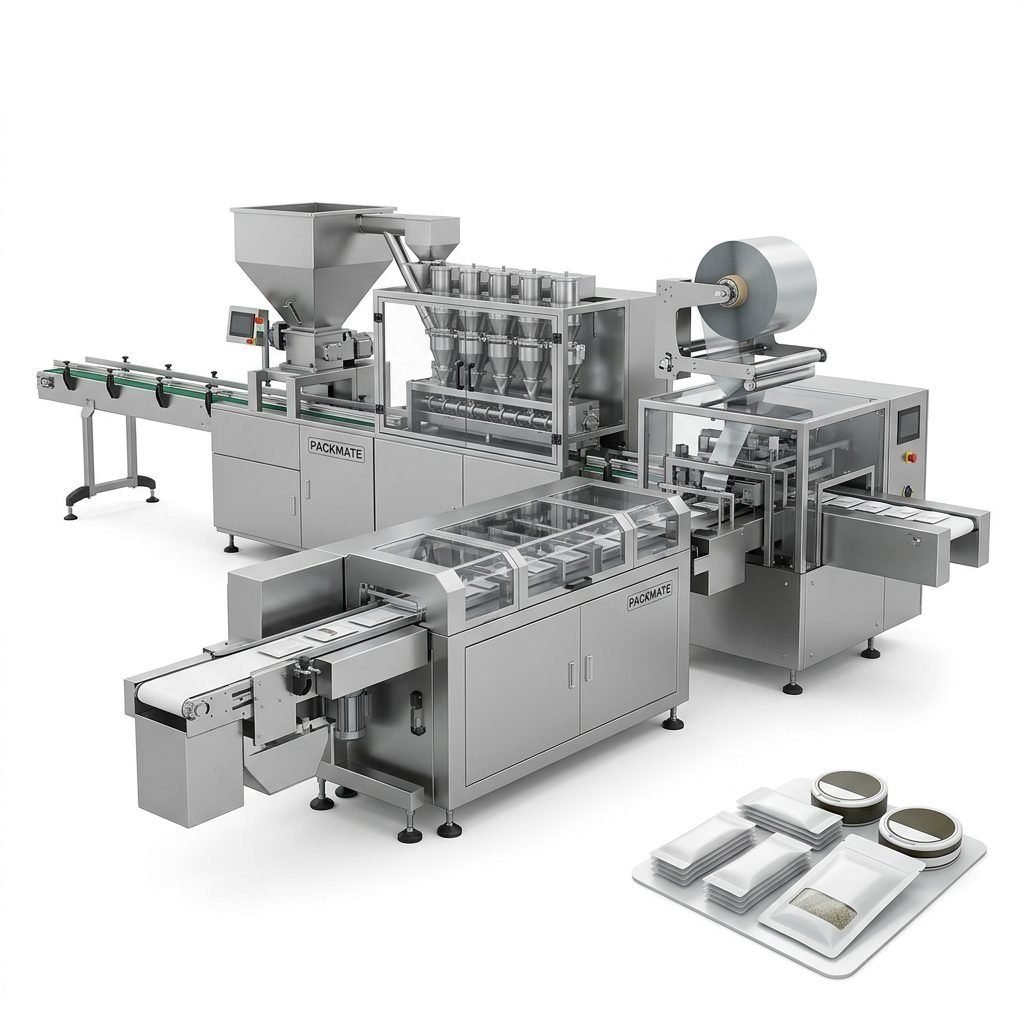
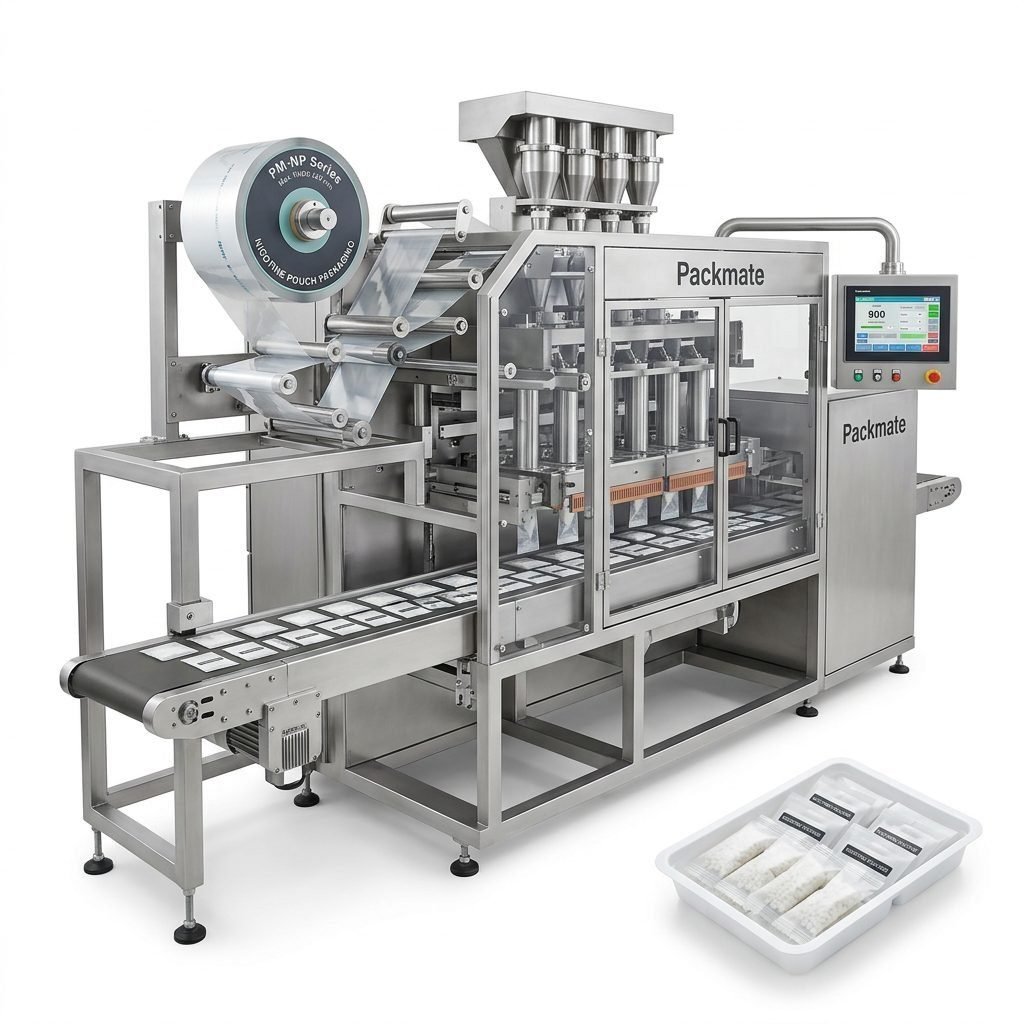
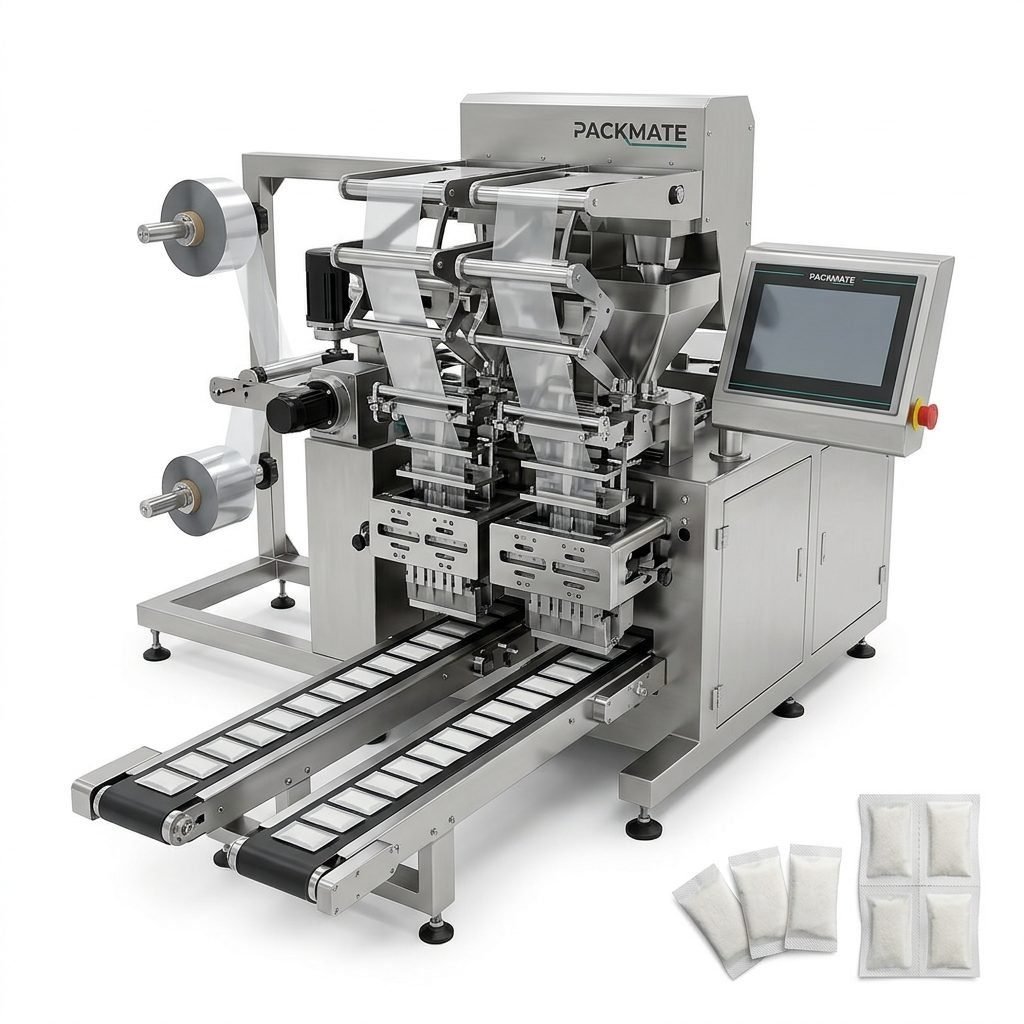
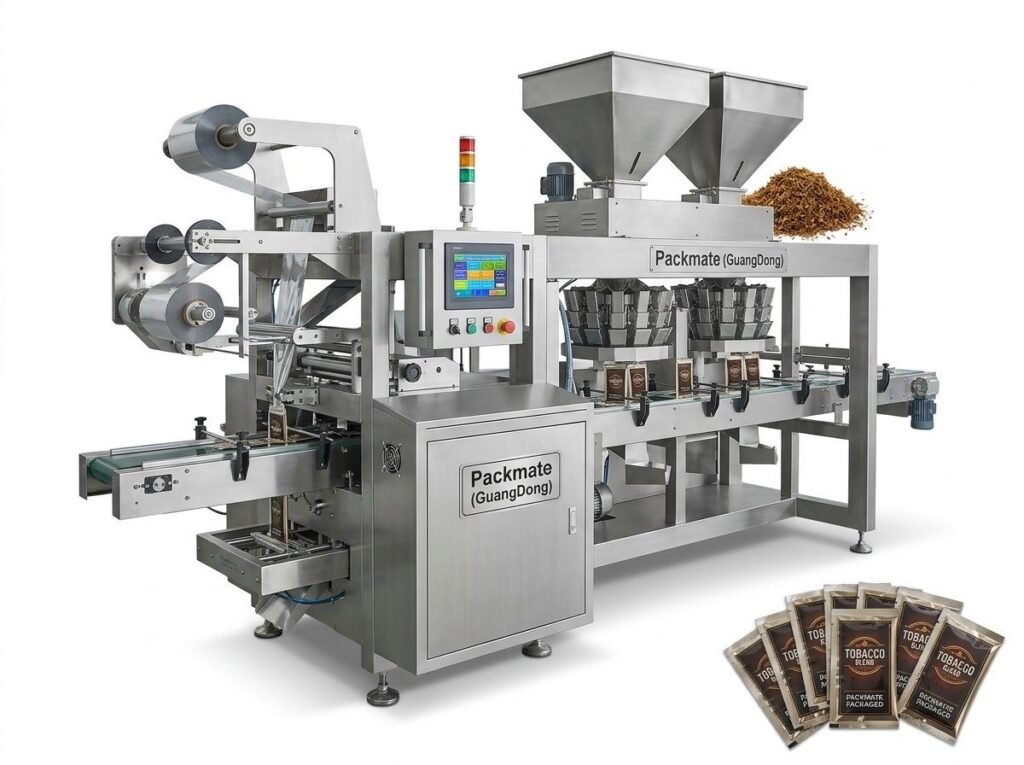
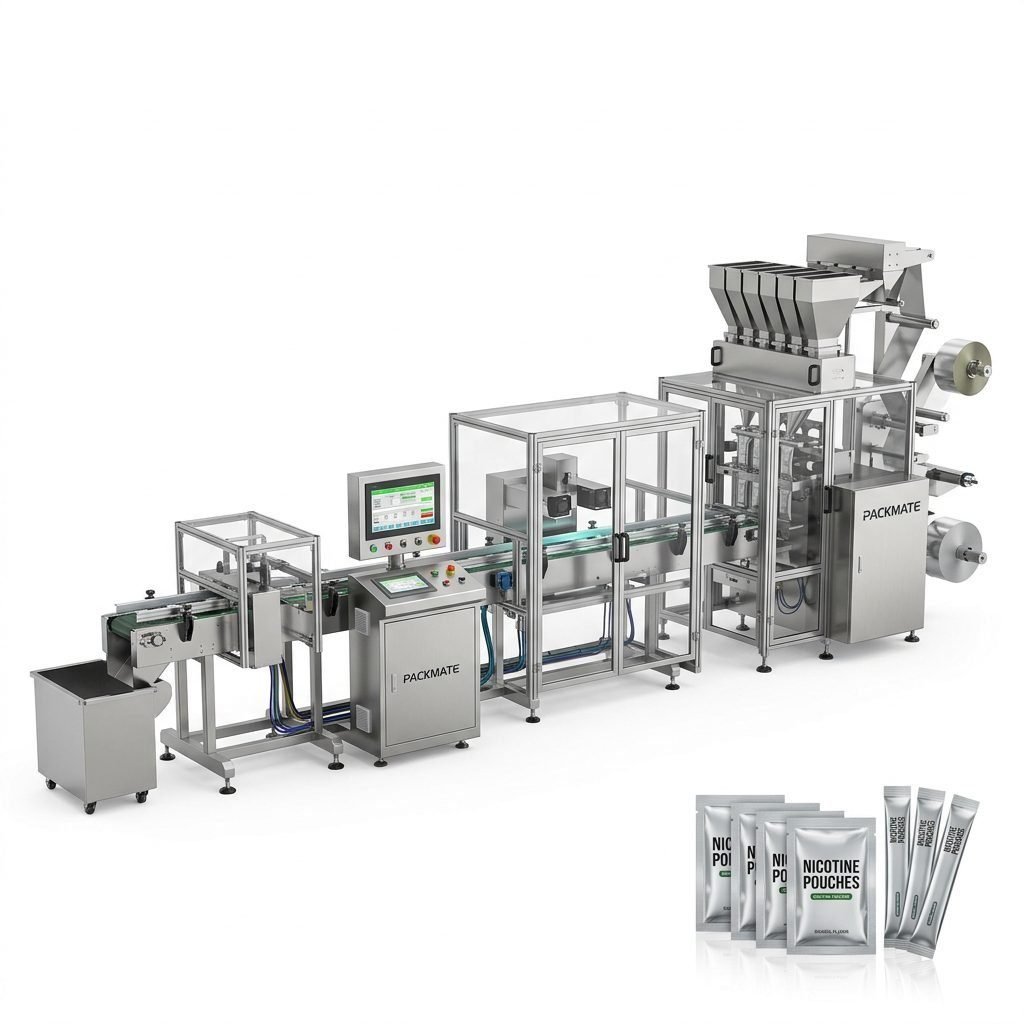
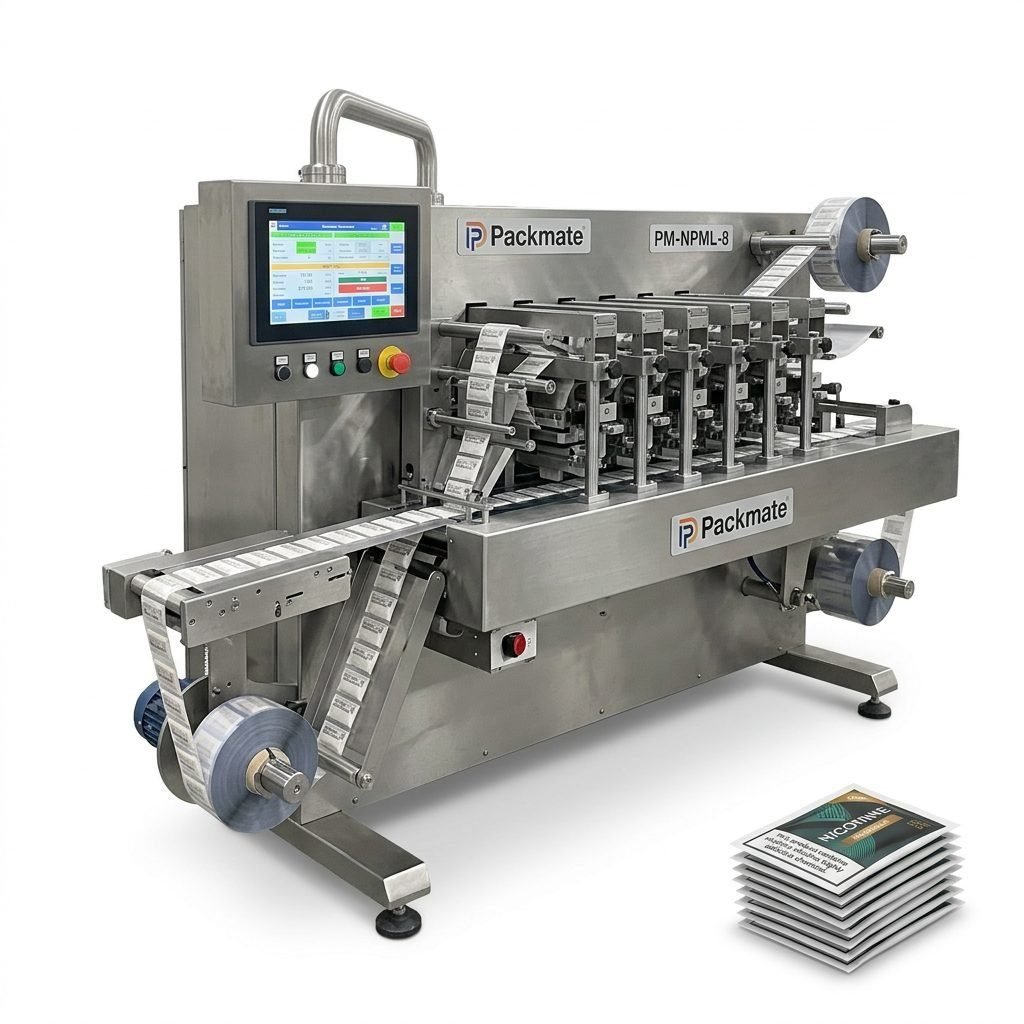
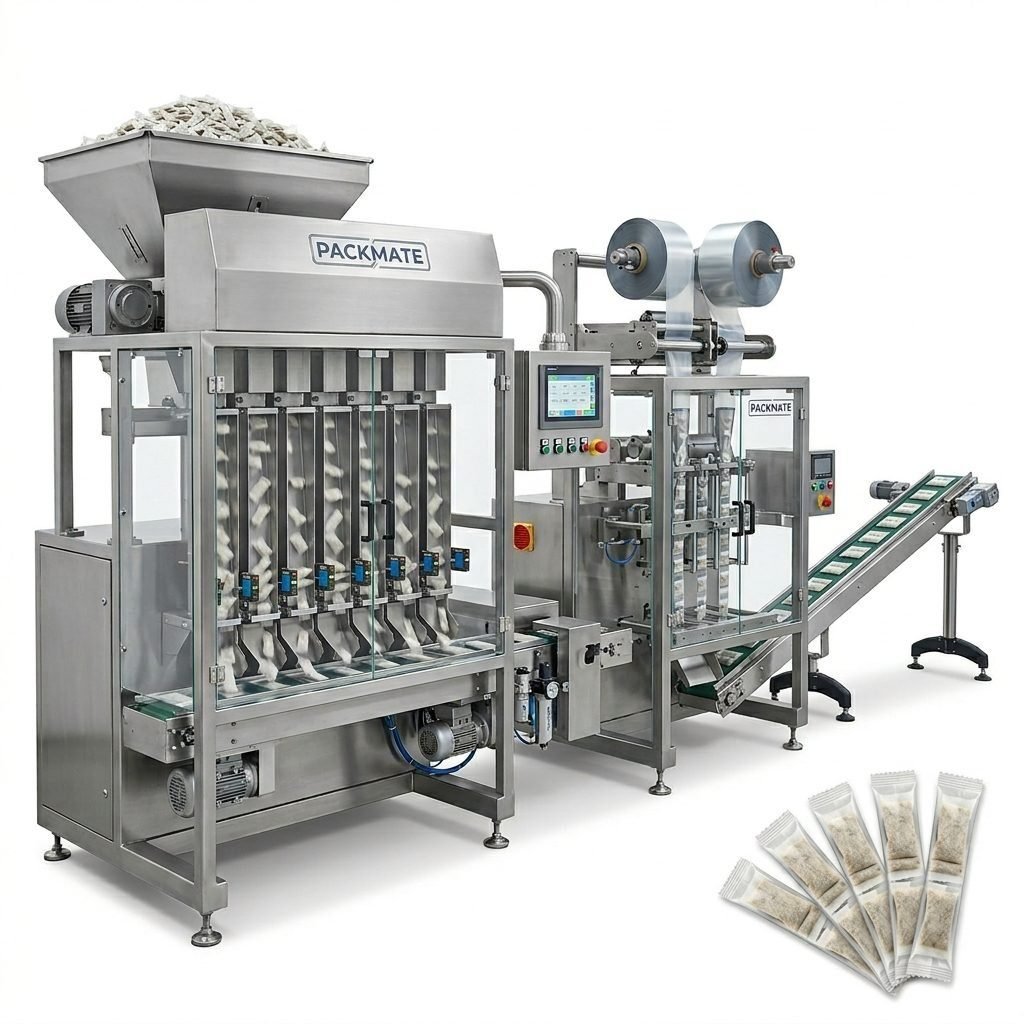
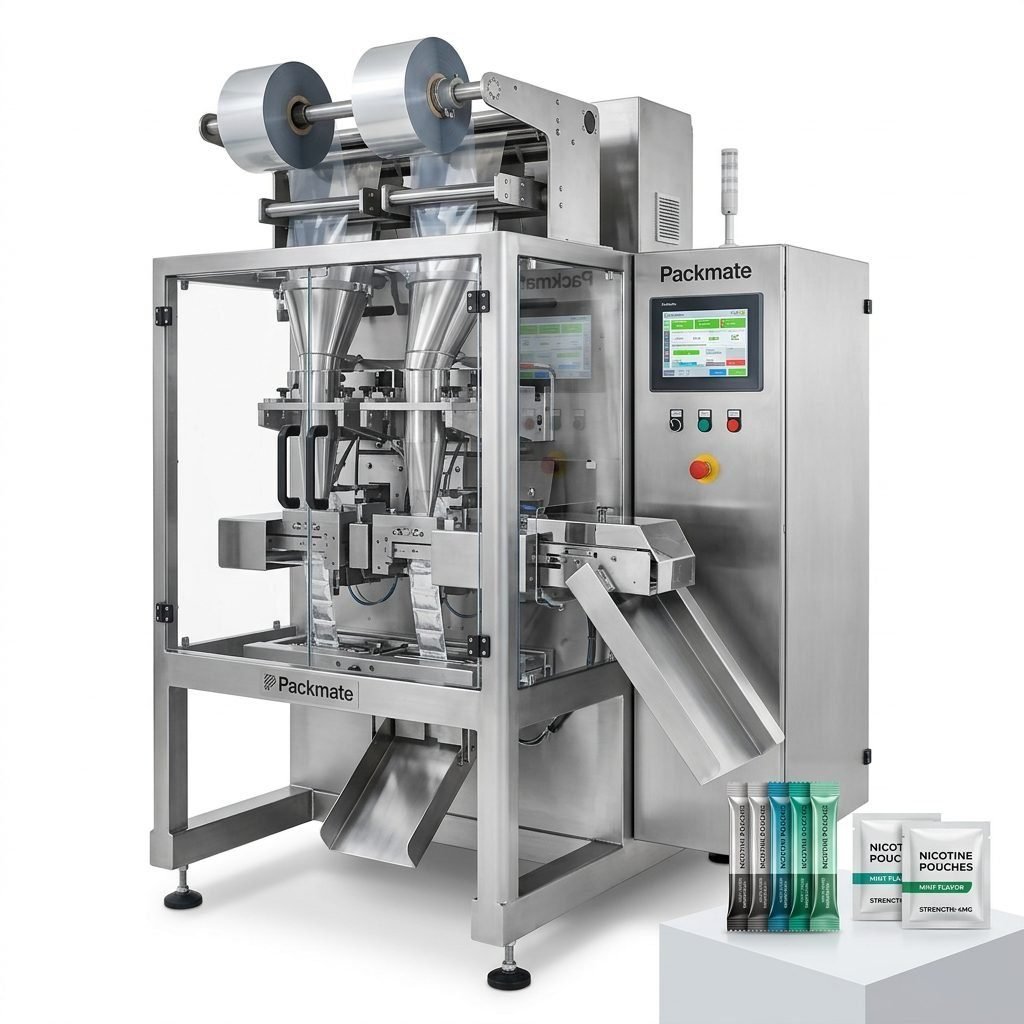
Typical packaging formats include sachets, stick packs, and multi-lane small-dose pouches. If you are evaluating suppliers, review specialized product lines such as Snus & Nicotine Packaging Machines and Sachet & Stick Pack Machines to compare design features and dosing accuracy.
Key product questions to answer
✔️ What is the pouch size and target net weight range?
✔️ Are your products hygroscopic or sensitive to oxidation?
✔️ Do you plan single-dose pouches or multi-dose tubs/bags?
Decide on Production Capacity and Scalability
Production capacity drives machine choice. Define the target output in units per minute, hours per shift, and shifts per day. Small artisan lines may need 30–60 pouches/min, whereas industrial lines can exceed several hundred pouches/min using multi-lane systems. A good supplier will offer step-up options—from single-lane pilots to multi-lane high-speed machines—so you avoid overpaying for unused capacity.
Tip: If you expect product line expansion within 2–3 years, choose modular machines or modular line architecture. Modular systems allow adding lanes or upgrading fillers without replacing the entire line.
Assess Machine Types and Core Technologies
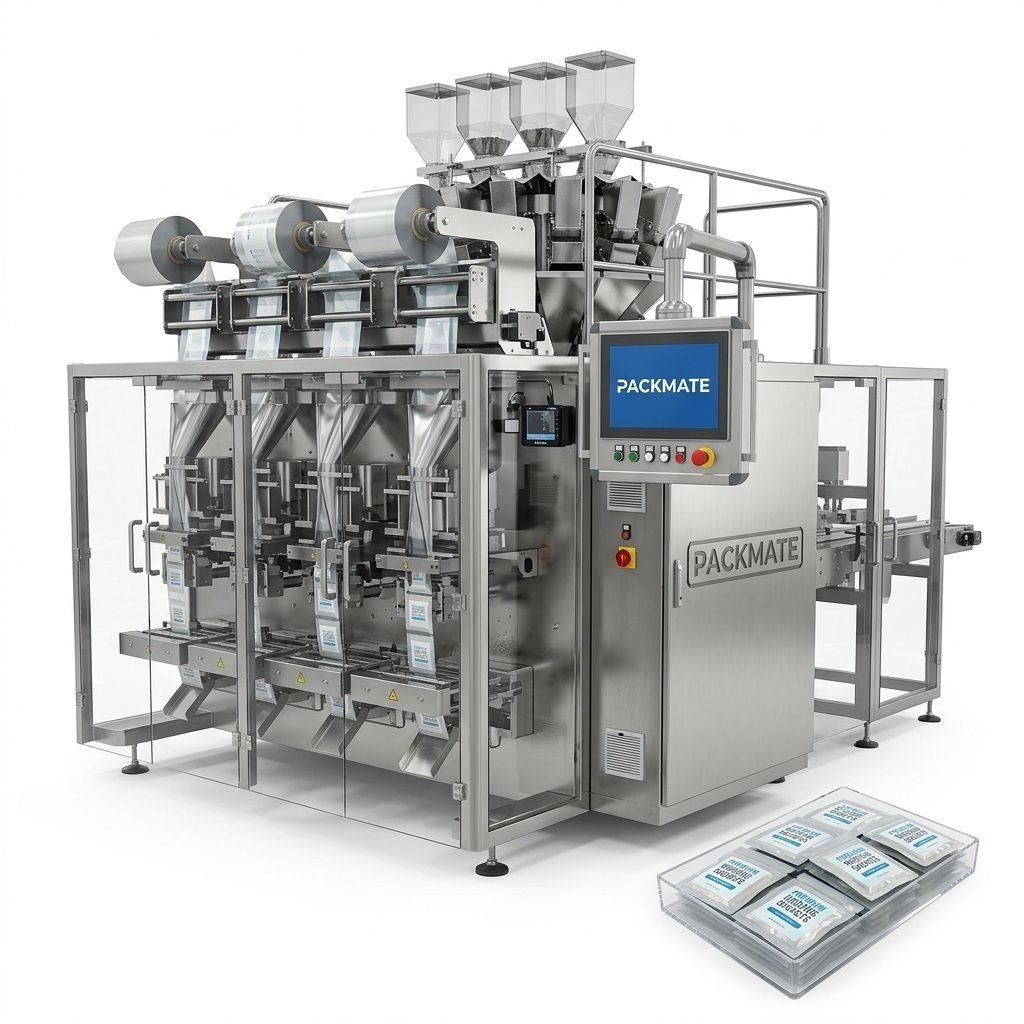
Common machine architectures include form-fill-seal (FFS) sachet machines, stick pack machines for elongated packs, and multi-lane pouch machines for small-dose snus/nicotine pouches. Look closely at:
⚙️ Filling system: auger for powders, volumetric or micro-dosing for granules/powders, piston or liquid pumps for liquids.
⚙️ Sealing mechanism: heat-seal, ultrasonic, or combination depending on film and barrier needs.
⚙️ Multi-lane synchronization for high throughput without sacrificing weigh accuracy.
Why multi-lane matters
Multi-lane machines multiply output while keeping a compact footprint. For snus pouches, reliable lane-to-lane weight consistency is crucial. Ask potential suppliers for lane balance specifications and acceptance test data.
Materials, Films and Compatibility
Film selection affects seal strength, barrier performance and shelf life. Verify that the machine supports the film types you intend to use (laminates, biodegradable films, heat-sealable mono-films). Machines with adaptive temperature control and precision tensioning help ensure consistent seals across long production runs.
If you plan to change formats frequently, request quick-change spindles, cassette-style toolings, or parameter memory for fast setup.
Regulatory Compliance and Certifications
Regulatory expectations in the food and nicotine sectors vary by market. Machines that conform to CE and ISO standards demonstrate adherence to safety and quality guidelines. Confirm the supplier provides documentation and can support validation protocols. Packmate’s factory certifications and experience in delivering compliant solutions are often referenced as a strong quality signal; see their company details on the About Packmate page.
Compliance checklist: CE/ISO certificates, material contact FDA/EFSA compatibility, safety guards, electrical conformity, and hygienic design features (CIP-friendly or tool-less disassembly where required).
Local Infrastructure, Utilities and Site Requirements
In Republic of Congo, evaluate electrical supply stability, compressed air availability, clean water and wastewater handling. Machines may require stable three-phase power and a source of filtered compressed air for actuators. Plan for voltage converters or UPS systems if the local grid is unstable. Consider environmental controls for humidity-sensitive snus production.
Supplier Selection: Experience, Service and Local Support
A reputable supplier should offer transparent technical specifications, clear acceptance tests, and after-sales service. When evaluating vendors look for:
✔️ Demonstrable experience in snus/nicotine pouch lines and similar products.
✔️ Spare parts availability and regional service partners.
✔️ Turnkey solutions including weighing, filling, and secondary packaging integration. Explore their Weighing & Packaging Systems and Filling & Packaging Lines to understand integrated options.
Why supplier factory strength matters
Suppliers with robust manufacturing facilities, precision CNC capabilities, and a wide model range (50+ models is an industry indicator) can often offer better customization and spare-part continuity. Verify the factory size and engineering team experience to reduce lead-time risks.
Installation, Commissioning and Training
Proper installation and commissioning are essential. Negotiate an installation package that includes onsite commissioning, operator and maintenance training, and a performance acceptance test. Remote commissioning support via video conference can accelerate troubleshooting, but in-person start-up often yields the best outcome in new facilities.
Service Contracts and Spare Parts Strategy
Ensure spare parts lists and typical wear items are documented. Consider stocking critical spares locally (seals, heating elements, sensors) to minimize downtime. A structured service contract with response-time guarantees is particularly valuable in regions with longer logistics lead times.
Performance warranty: Seek written performance guarantees (e.g., throughput, weight accuracy) and agree on test criteria before shipping.
Total Cost of Ownership and Return on Investment
Beyond the purchase price, account for installation, spare parts, energy consumption, consumables, operator labor, and expected downtime. A more expensive but more accurate and reliable machine may deliver better ROI by reducing product giveaway and downtime. Use scenario modeling over a 3–5 year horizon to compare suppliers.
Practical Checklist Before Purchase
✅ Product spec sheet and sample pouches for tests
✅ Required throughput (units/min) and uptime expectations
✅ Film compatibility and sealing trials
✅ Acceptance test criteria and FAT documentation
✅ Installation, training and warranty terms
On-site Testing and FAT
Factory Acceptance Tests (FAT) using your product or close analogues are essential. Request video documentation and detailed test reports showing throughput and weight consistency. When machines arrive, perform Site Acceptance Tests (SAT) under expected operating conditions.
Working With International Suppliers: Logistics & Documentation
International delivery to Congo requires clear incoterms, packing for sea/air transport, customs documentation, and pre-shipment inspection plans. Ask your supplier about export packing, spare parts kits, and recommended shipping timelines. A supplier with export experience reduces unexpected import delays.
Case Examples and What to Ask Manufacturers
Ask for reference projects in similar markets or industries: small-dose nicotine pouch lines, tea sachet lines, or multi-lane powder lines. Suppliers often publish case studies; review them to see real-world performance metrics and client feedback. For further examples, check the supplier’s Case page.
Questions to ask during supplier evaluation
ℹ️ Can you provide FAT reports with similar product runs?
ℹ️ What is the expected MTBF and recommended maintenance schedule?
ℹ️ What spare parts are recommended to keep on hand locally?
Integration With Secondary Packaging and Automation
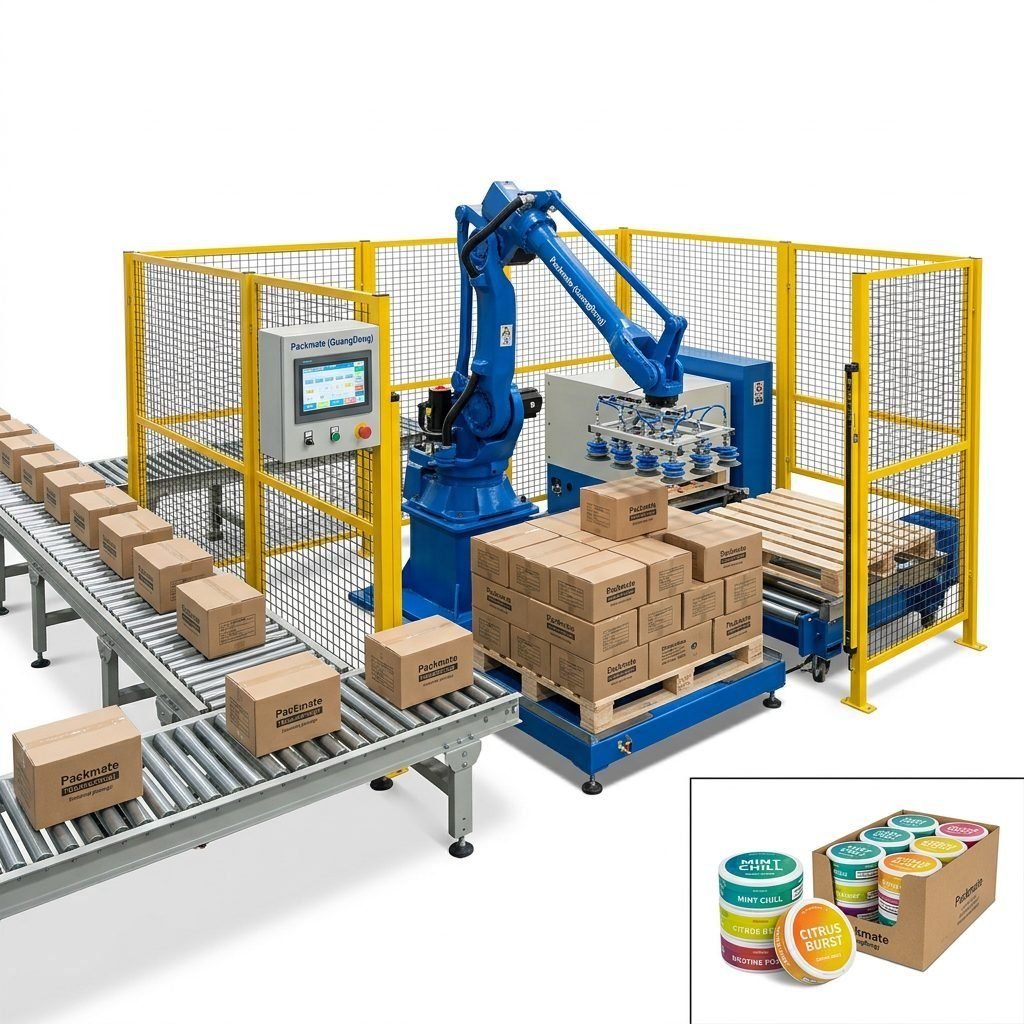
Plan for downstream processes like cartoning, case packing, labeling and palletizing. Integrated turnkey solutions reduce integration risks. Inspect the supplier’s auxiliary equipment range such as feeders, conveyors and case packers—see Auxiliary Packaging Equipment for examples.
Final Selection Steps
Narrow to two or three suppliers, complete FAT with your product, compare total delivered cost and warranties, and verify references. When you negotiate contract terms, include acceptance criteria, delivery timeline, and spare parts lead times.
Selected provider advantage: Choosing an experienced manufacturer that offers full line engineering, long-term support, and documented performance can shorten ramp-up time and reduce hidden costs.
Where to Find Trusted Machines and Support
Look for established manufacturers with specific snus/nicotine pouch expertise, a wide model range, and international delivery experience. For product exploration and technical specifications, review product categories such as Bag & Pouch Packaging Machines and their catalog pages. Contact reputable suppliers early to discuss site requirements and FAT timelines via their Contact Us channel.
Final practical tips
✔️ Start with product testing on full-scale equipment.
✔️ Insist on documented acceptance criteria and FAT videos.
✔️ Budget for spare parts and initial consumables.
✔️ Negotiate training and remote support as part of the package.
Frequently Asked Questions
Q1: What machine speed do I need for a new snus product line?
Determine the speed from your sales forecast and production hours. Small pilot lines often run 30–100 pouches/min while multi-lane industrial lines exceed 200–400 pouches/min. Choose a machine with some headroom to avoid early capacity constraints.
Q2: How important are multi-lane systems for snus pouches?
Multi-lane systems are crucial for scaling throughput efficiently and reducing floor space per unit produced. They require careful synchronization and quality control to maintain consistent dosing across lanes.
Q3: What certifications should I request from a manufacturer?
Ask for CE and ISO certification, material contact compliance documentation, and any applicable safety or export certification. Request documentation for FAT results and acceptance criteria as part of contractual obligations.
Q4: How can I reduce downtime after installation in the Republic of Congo?
Stock critical spares locally, secure a reliable service contract with defined response times, ensure operators receive comprehensive training, and plan for remote diagnostic support. Prior FAT and clear commissioning plans also reduce start-up troubleshooting.
Q5: Where can I see examples of snus packaging lines and request more information?
Review supplier product pages and case studies for real examples. For detailed product catalogs, line options and technical consultations, visit the manufacturer’s product pages and contact channels such as Catalog and Service.