Choosing the right nicotine packaging machinery supplier for a factory in Honduras is a strategic decision that affects product quality, compliance, and long-term costs. Whether you produce nicotine pouches, snus, or related sachet products, you need a partner who understands local regulations, logistics, and manufacturing realities in Central America. This guide walks you through practical steps to evaluate suppliers, with attention to Honduran market nuances, technical specifications, and after-sales support.
Know the Local Context: Regulations, Culture, and Logistics
Honduras has specific regulatory and cultural considerations that influence packaging decisions. Start by confirming national and Central American import rules for nicotine products, labeling requirements in Spanish, and any local restrictions on sales and advertising. Work closely with local counsel or customs brokers in Tegucigalpa and Puerto Cortés to avoid delays.
Business in Honduras often relies on strong personal relationships and trust. Plan for in-person meetings or local representatives, and respect business etiquette — punctuality with a flexible approach, friendly small talk, and clear follow-up after meetings. You may find that suppliers who are willing to build a local rapport deliver smoother installations and faster support.
Why these local factors matter
⚠️ Customs & Ports: Puerto Cortés is a major gateway; understand port handling times and documentation.
🔧 Power & Environment: Honduras’ humidity and voltage stability can affect machine performance — humidity control and robust electrical protection matter.
📦 Workforce Training: Local technicians benefit from supplier-led training in Spanish and practical hands-on support.
Verify Supplier Qualifications and Factory Strength
Evaluate the supplier’s manufacturing capability and track record. Key indicators include factory size, CNC and precision equipment, years of specialization in nicotine/snuff machinery, and export experience to Latin America. Look for certifications such as CE and ISO, which signal compliance with international standards.
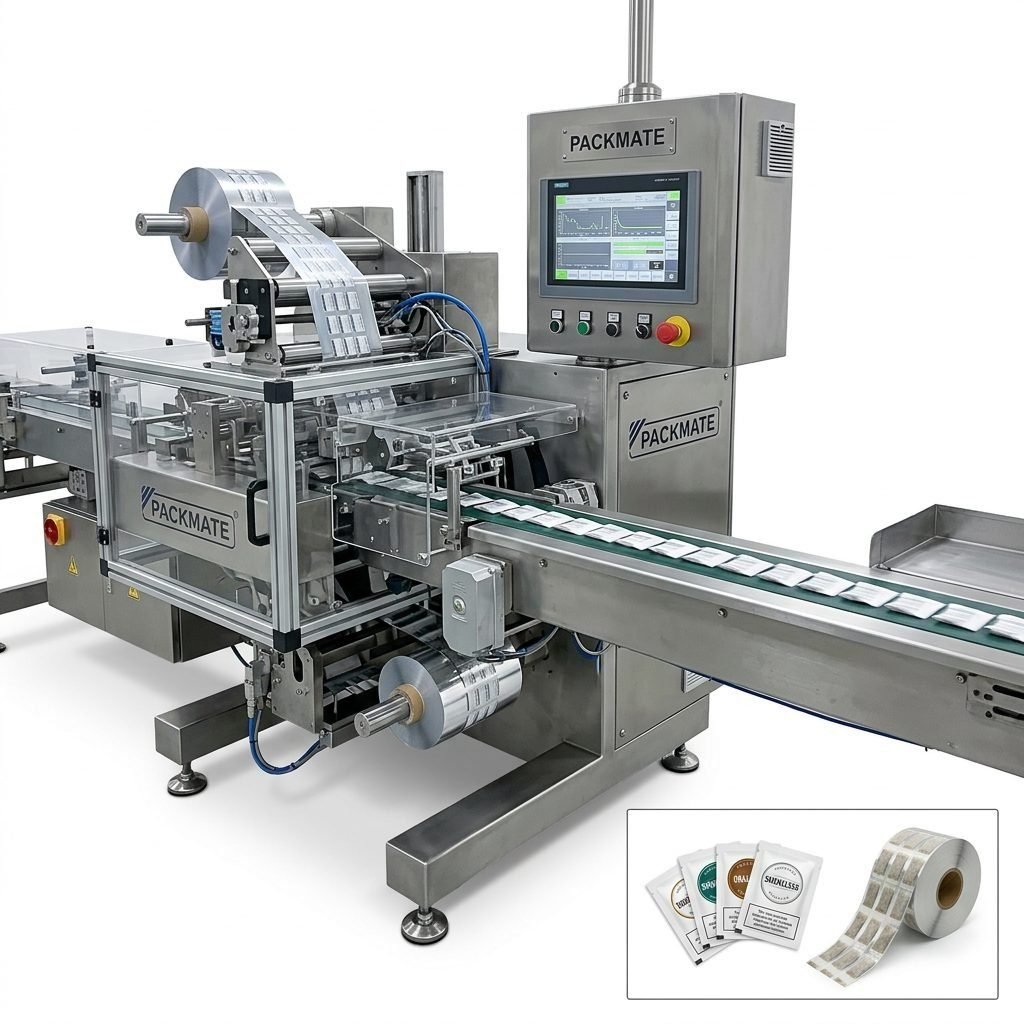
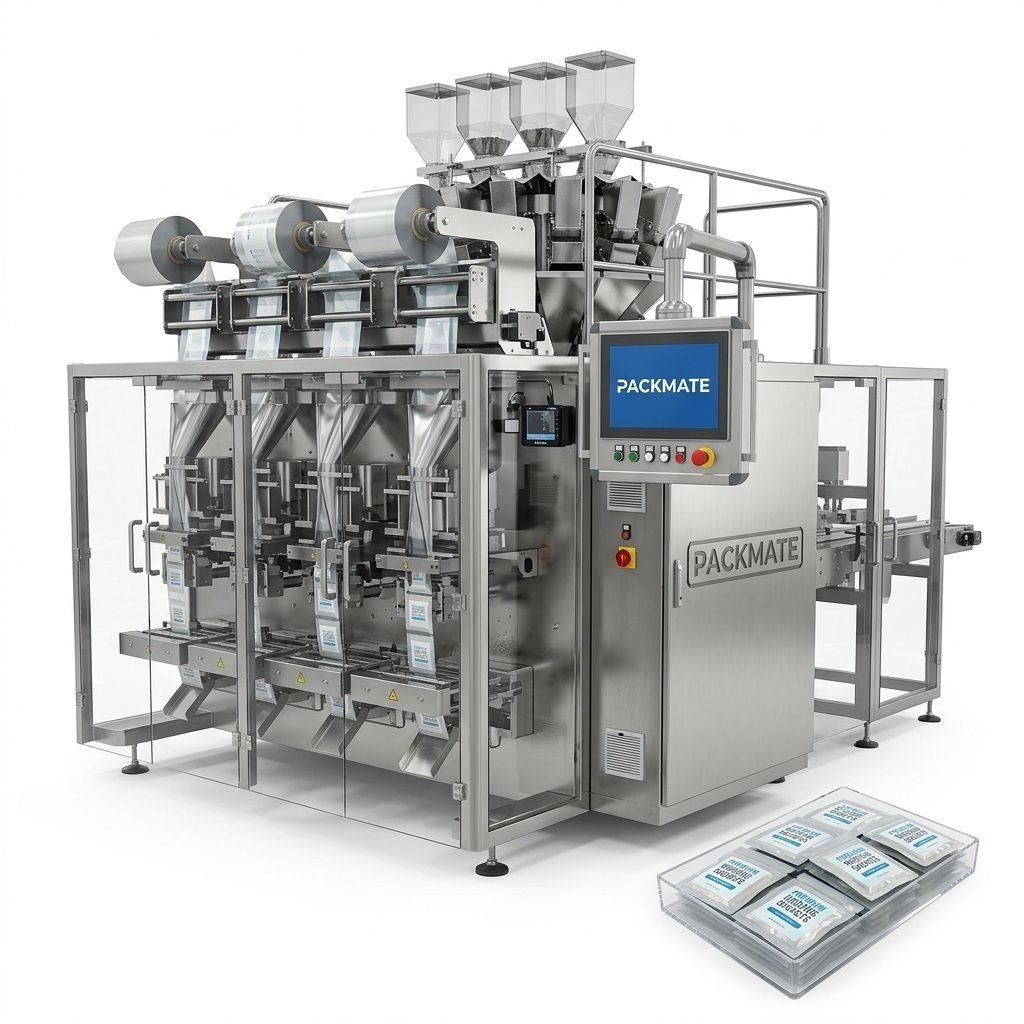
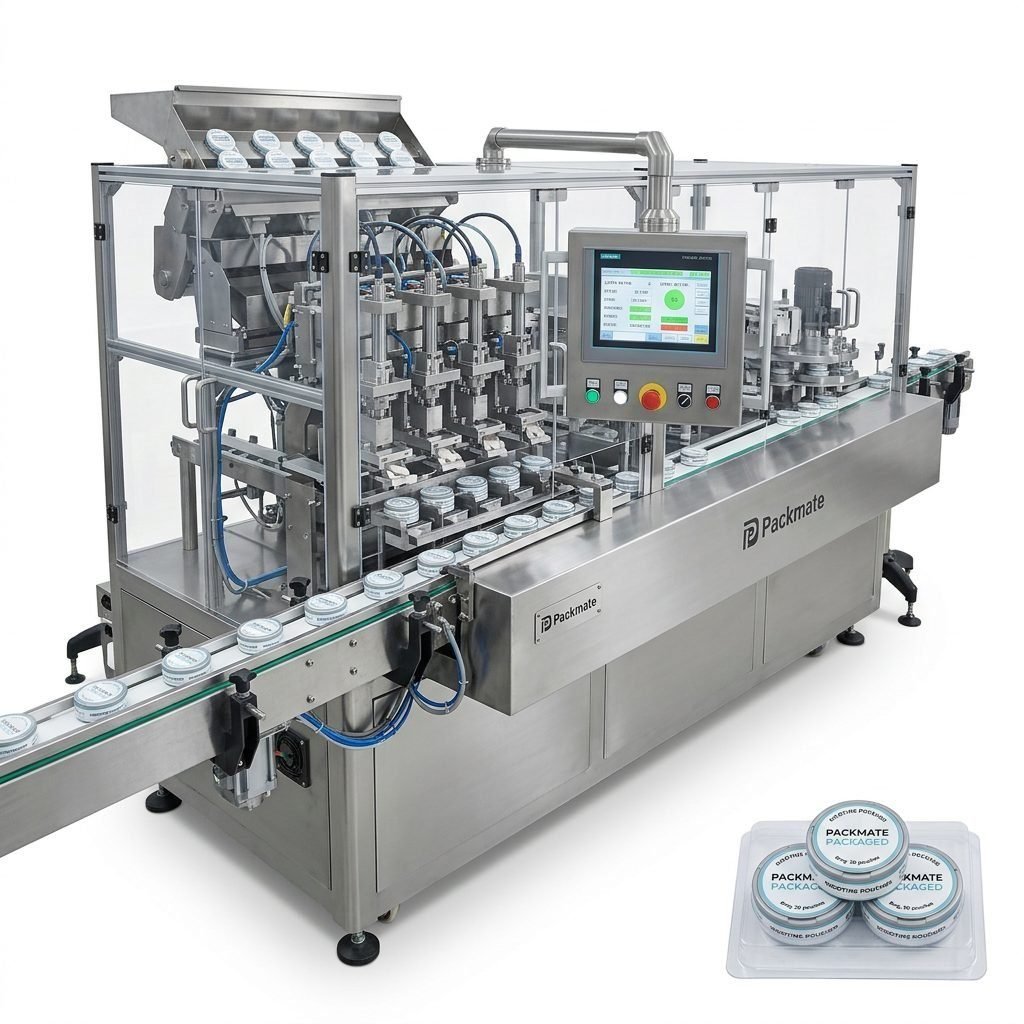
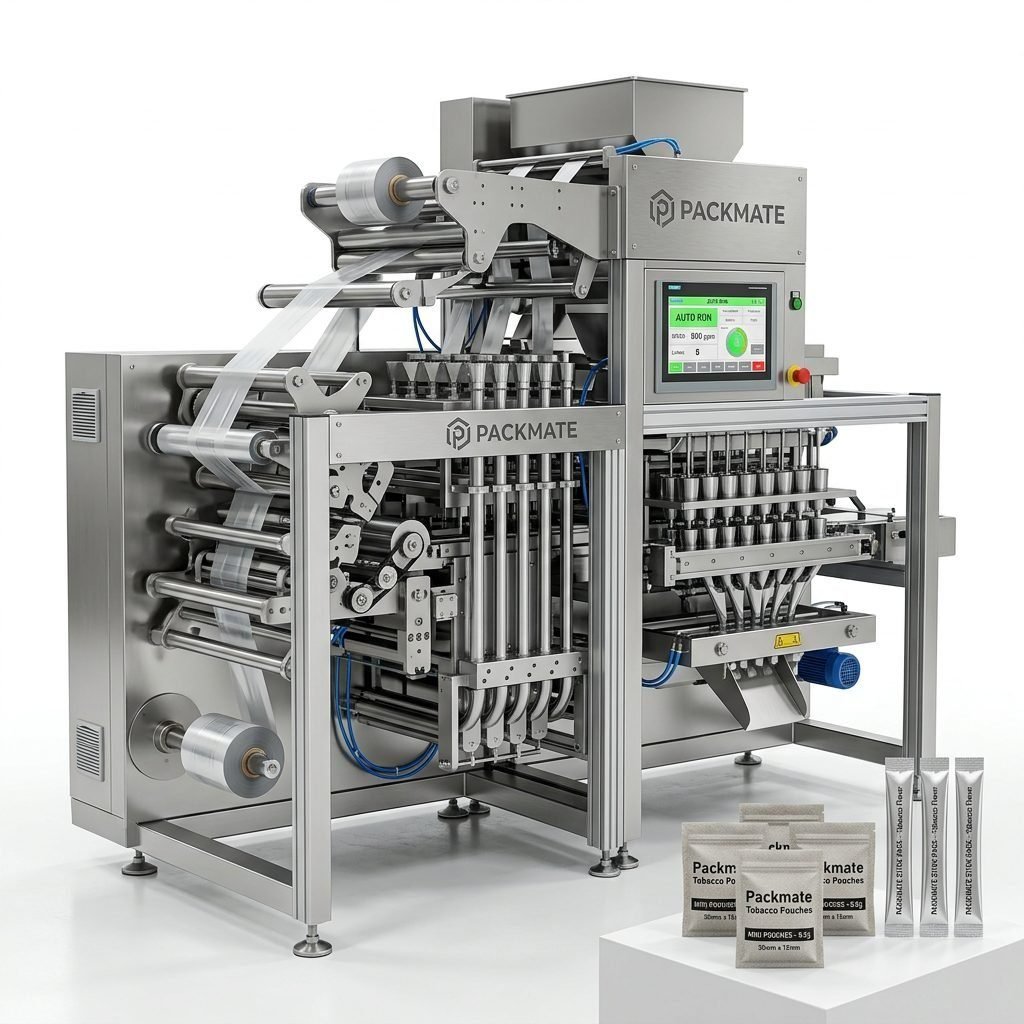
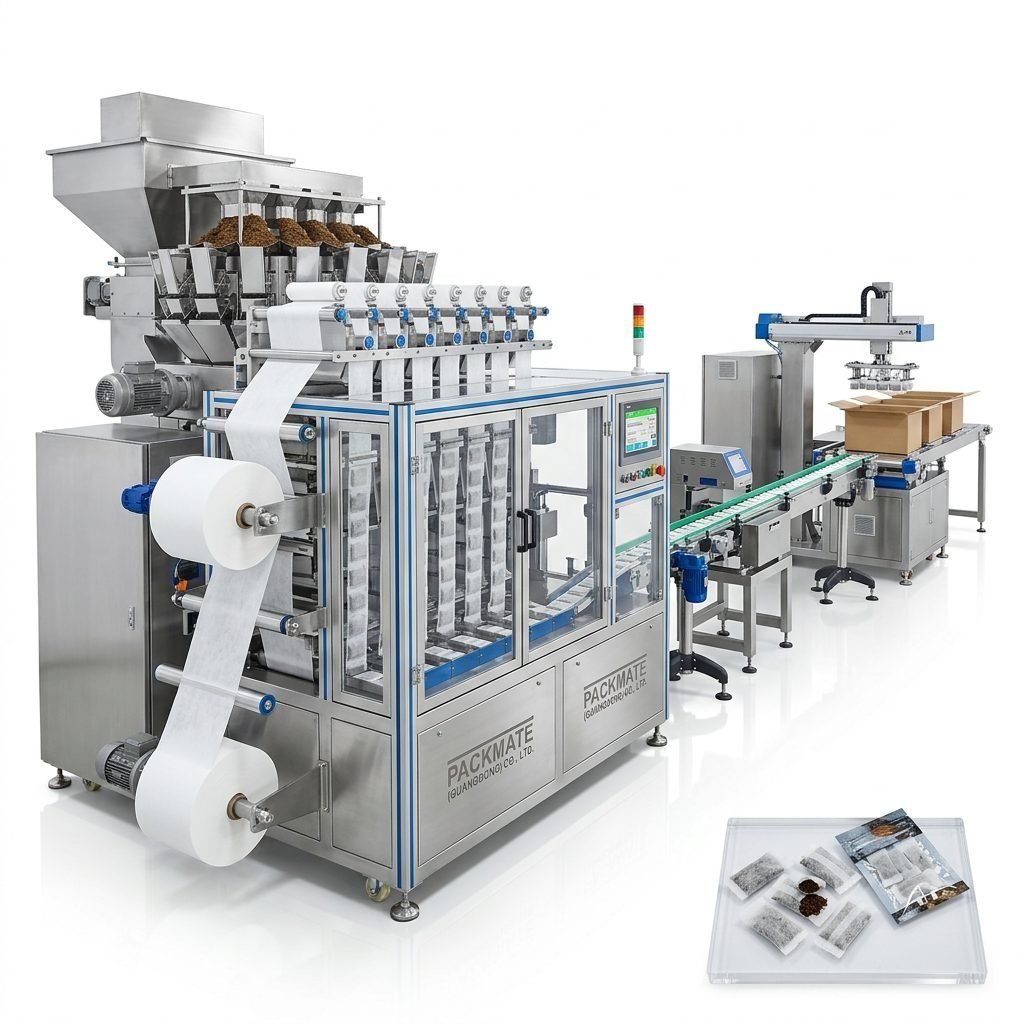
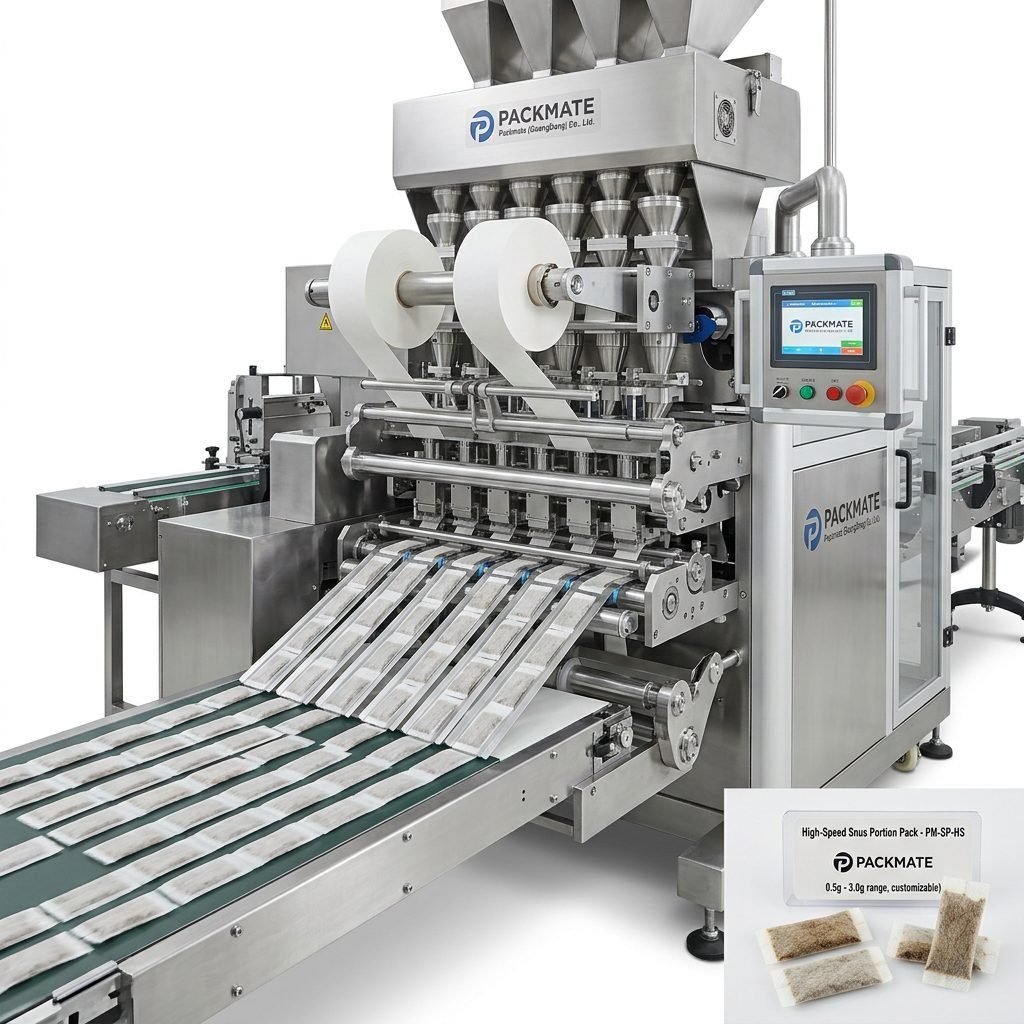
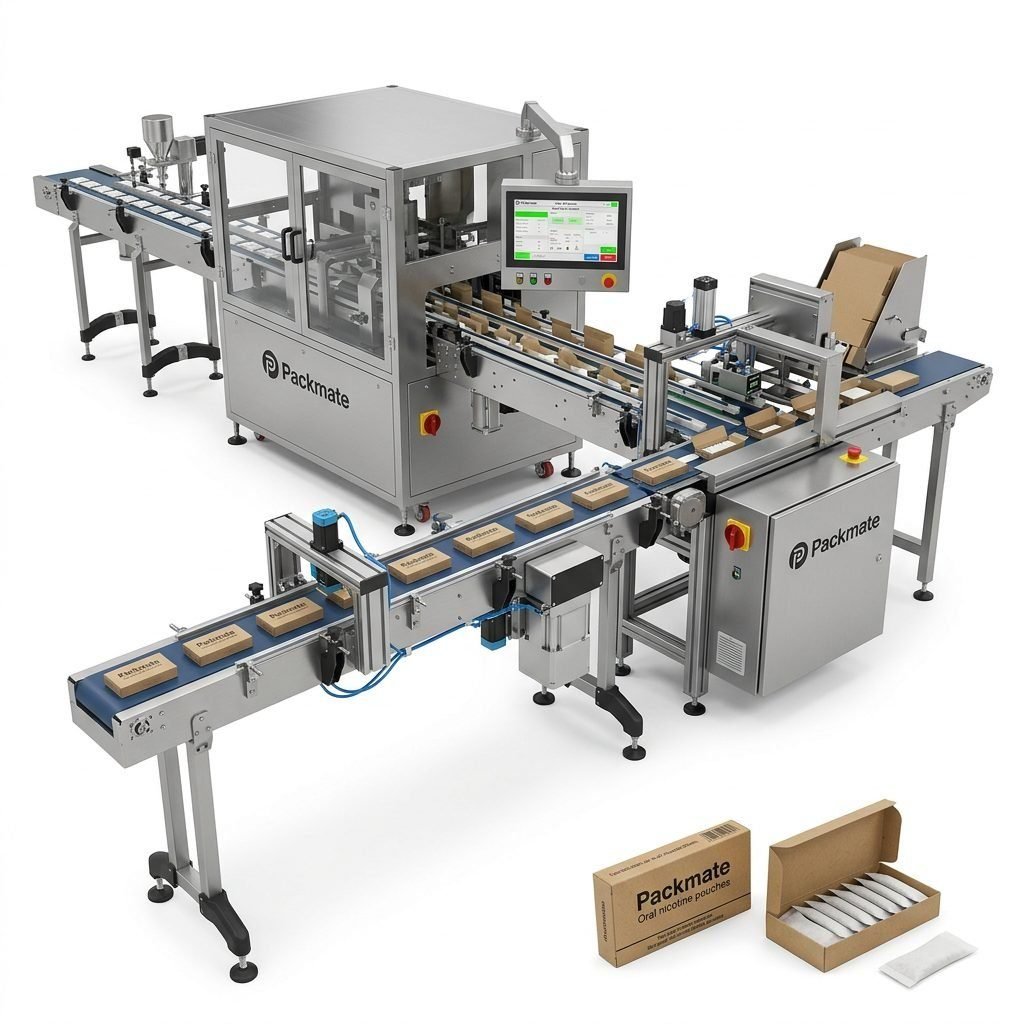
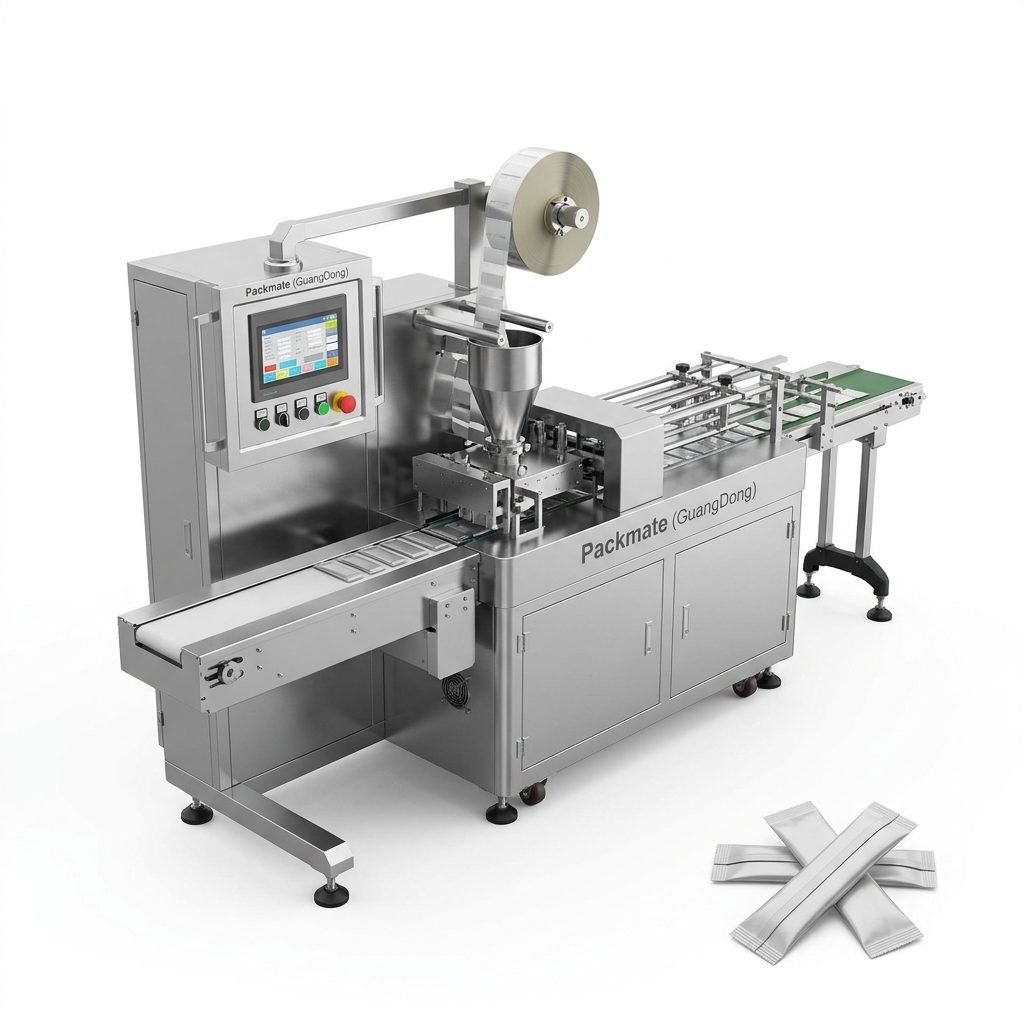
Packmate, for example, highlights decades of experience, a 20,000㎡ facility, and a portfolio of multi-lane snus packaging lines — details that matter when your operation needs scalable, reliable machines. Learn more about their capabilities on the About Packmate page.
Checklist for factory evaluation
✅ Factory area and capacity (look for modern CNC centers and dedicated assembly lines)
✅ Track record with nicotine/snuff packaging lines and multi-lane systems
✅ Quality control and testing procedures, plus CE/ISO certificates
✅ Case studies and references from similar projects — see real-world examples in supplier case pages.
Match Machine Technology to Your Product Mix
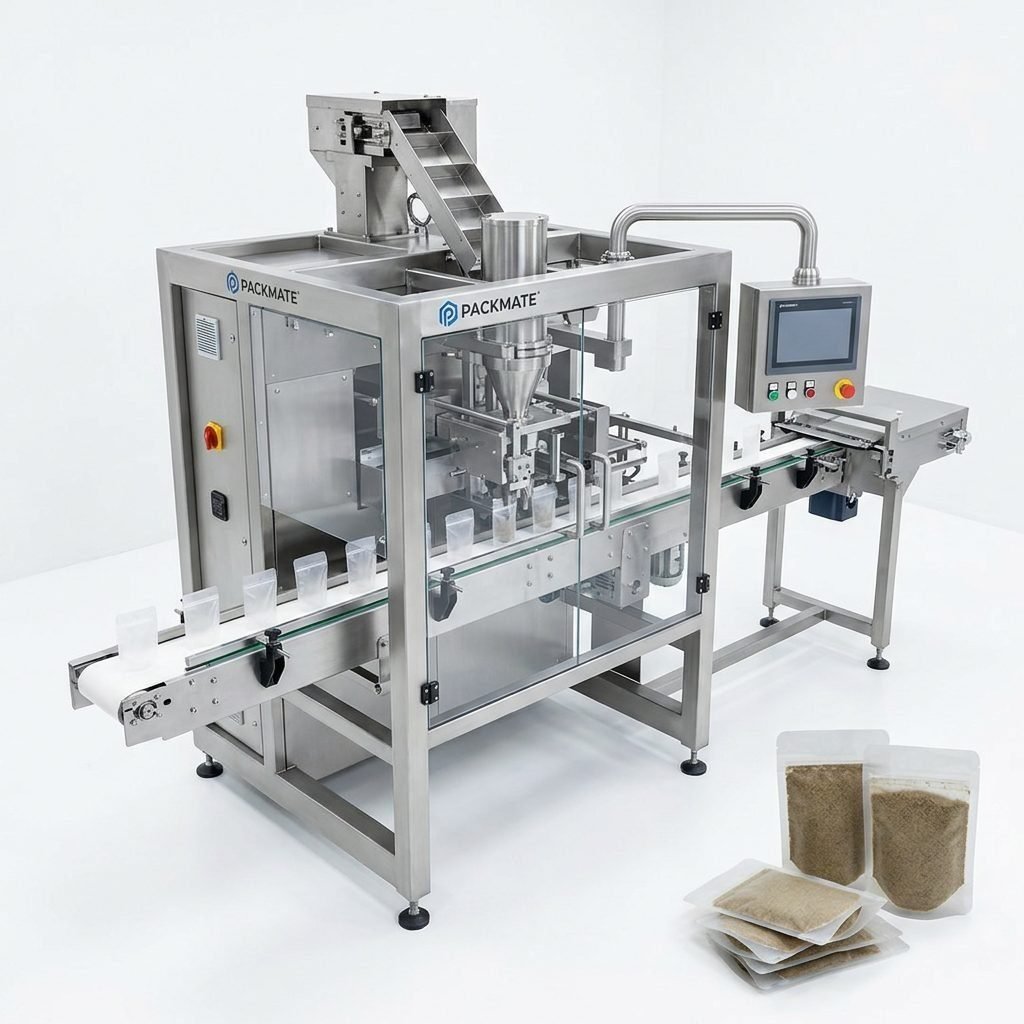
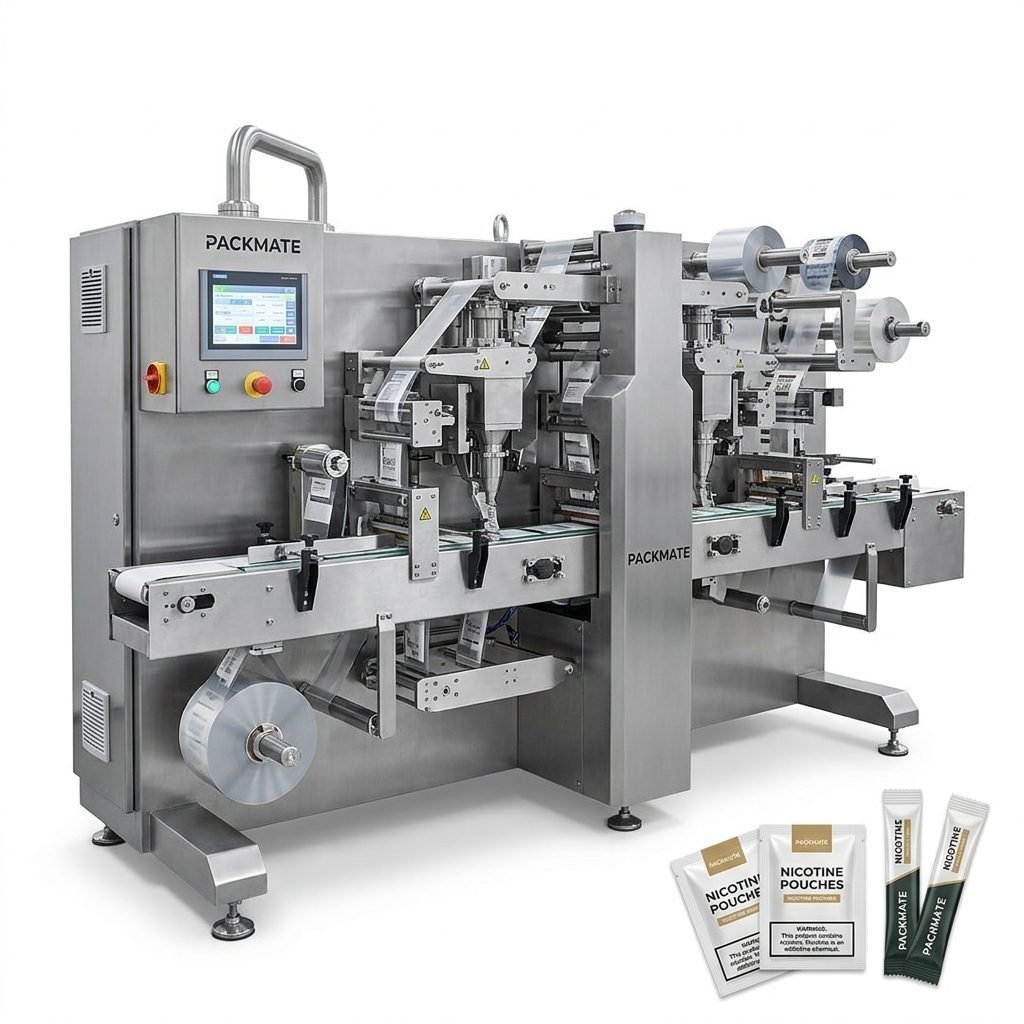
Different packaging styles require different machine technologies. Identify whether you need stick pack, sachet, multi-lane snus pouch lines, or complete filling systems for powders and liquids. Consider throughput, lane count, dosing accuracy, and packaging material compatibility. A supplier experienced in nicotine pouch machines will offer optimized solutions for small-dose formats.
If you want to explore product models, review Snus & Nicotine Packaging Machines and Bag & Pouch Packaging Machines on supplier websites. These pages often present technical specs, speed ranges, and typical product applications — essential for matching machines to your SKU portfolio.
Technical questions to ask
➤ What is the maximum production speed and lane configuration?
➤ How is dosing accuracy guaranteed for small nicotine quantities?
➤ What packaging films and materials are compatible?
➤ Can the machine adapt to different pouch sizes, sealing methods, or custom prints?
Service, Spare Parts, and Local Support in Honduras
After-sales support is often the decisive factor. Confirm the supplier’s spare parts inventory, lead times for critical components, and availability of local service engineers or certified partners. For Honduras, fast access to spare parts reduces downtime and protects revenues.
📌 Ask for: guaranteed spare parts delivery timelines, remote diagnostics capability, Spanish-language manuals, and on-site training packages.
Turnkey Solutions vs. Standalone Machines
Decide whether you need a turnkey production line (filling, weighing, packaging, and auxiliary equipment) or standalone packaging machines. Turnkey suppliers can save integration time and ensure components work together seamlessly. If you prefer modular purchases, confirm interoperability and future expansion paths.
Explore Filling & Packaging Lines and Weighing & Packaging Systems to understand typical configurations and the benefits of integrated lines.
Quality, Testing, and Compliance Procedures
Insist on rigorous factory acceptance testing (FAT) before shipping and site acceptance testing (SAT) after installation. FAT should include run tests with your packaging materials and production speeds. Ensure the supplier provides documentation of electrical schematics, software licenses, and maintenance schedules.
Materials traceability and hygienic design are important for nicotine pouch production; ask how machines handle cleaning, cross-contamination prevention, and product changeover.
Commercial Terms: Pricing, Lead Time, and Warranties
Transparent commercial terms reduce risk. Request itemized quotations with delivery schedules, payment milestones, warranty coverage, and extended support options. Pay attention to total cost of ownership — cheaper machines may have higher maintenance costs or poorer uptime.
Negotiate spare parts kits, initial consumables, and commissioning visits into the contract. Confirm intellectual property rights for any custom tooling or proprietary designs.
Negotiation tips for Honduran buyers
🔹 Build rapport with supplier representatives and use local contacts to verify references.
🔹 Consider local banking and currency implications — negotiate payment terms that minimize FX risk.
🔹 Factor in customs duties, import taxes, and inland transport to your plant location when calculating landed cost.
Factory Acceptance, Installation and Training
A successful installation depends on pre-shipment testing, detailed installation plans, and thorough operator training. Require FAT videos and documentation, then schedule a joint SAT in Honduras to confirm performance under local conditions. Ensure training is provided in Spanish, with manuals and troubleshooting guides.
🔧 On-site scope: mechanical installation, electrical hookup, software configuration, operator and maintenance training, and a 30–90 day performance support window.
References, Case Studies and Live Demonstrations
Ask for case studies and references from Latin American or similar climate customers. If possible, attend an exhibition or scheduling a live demo. Suppliers often showcase machines at international trade shows — check their exhibition calendar and case pages for real examples of installed lines.
For real-world examples and customer stories, see the supplier Case and exhibition information on Our Exhibition.
Final Selection Checklist
Use this compact checklist to finalize your supplier choice:
• Technical match: machine type, speed, precision, and materials compatibility.
• Factory capability: certifications, CNC capacity, and proven nicotine/snus experience.
• After-sales: spare parts, remote support, and Spanish-language training.
• Commercial clarity: lead time, warranty, FAT/SAT, and total cost of ownership.
• Local logistics: customs experience, port handling, and inland delivery plans.
Where to Learn More and Request Proposals
When you are ready to request quotes, provide detailed product specs, expected output, packaging materials, and desired commissioning timeline. Good suppliers will respond with tailored solutions and optional turnkey proposals. For a deeper look at product families and systems, review Snus & Nicotine Packaging Machines, Sachet & Stick Pack Machines, and Filling & Packaging Lines on supplier sites.
If you want direct contact for inquiries and technical discussions, use supplier contact portals such as Contact Us.
Closing note
Selecting the best nicotine packaging machinery supplier for your Honduran factory blends technical assessment with local insight. Prioritize proven machine performance, strong after-sales service, and a supplier willing to partner through installation, training, and long-term spare-parts planning. A well-chosen supplier becomes a strategic ally in scaling reliable production while maintaining compliance and product quality.
FAQs — Common Questions from Honduran Buyers
Q1: How do I verify a supplier’s claim about machine uptime and accuracy?
A: Request FAT documentation and run videos using your film and product. Ask for references in similar climates and request a performance guarantee in the contract.
Q2: What are reasonable lead times for custom multi-lane nicotine pouch lines?
A: Lead times vary by complexity, but expect 12–24 weeks for custom multi-lane turnkey lines; confirm timelines in writing and include milestones for deliveries and testing.
Q3: How can I ensure fast spare-parts delivery to Honduras?
A: Negotiate spare-parts kits to be shipped with the first machine, keep a standing agreement for critical parts, and prefer suppliers with regional partners or carriers serving Puerto Cortés.
Q4: Should I select a turnkey supplier or assemble systems from multiple vendors?
A: Turnkey suppliers reduce integration risk and expedite start-up; modular purchases can be cheaper but require strong systems integration capabilities and additional testing.
Q5: Where can I see examples of nicotine packaging solutions before buying?
A: Review supplier case studies and exhibition demos; many manufacturers list projects on their site and host live machine demonstrations — explore the Snus & Nicotine Packaging Machines page for detailed examples.