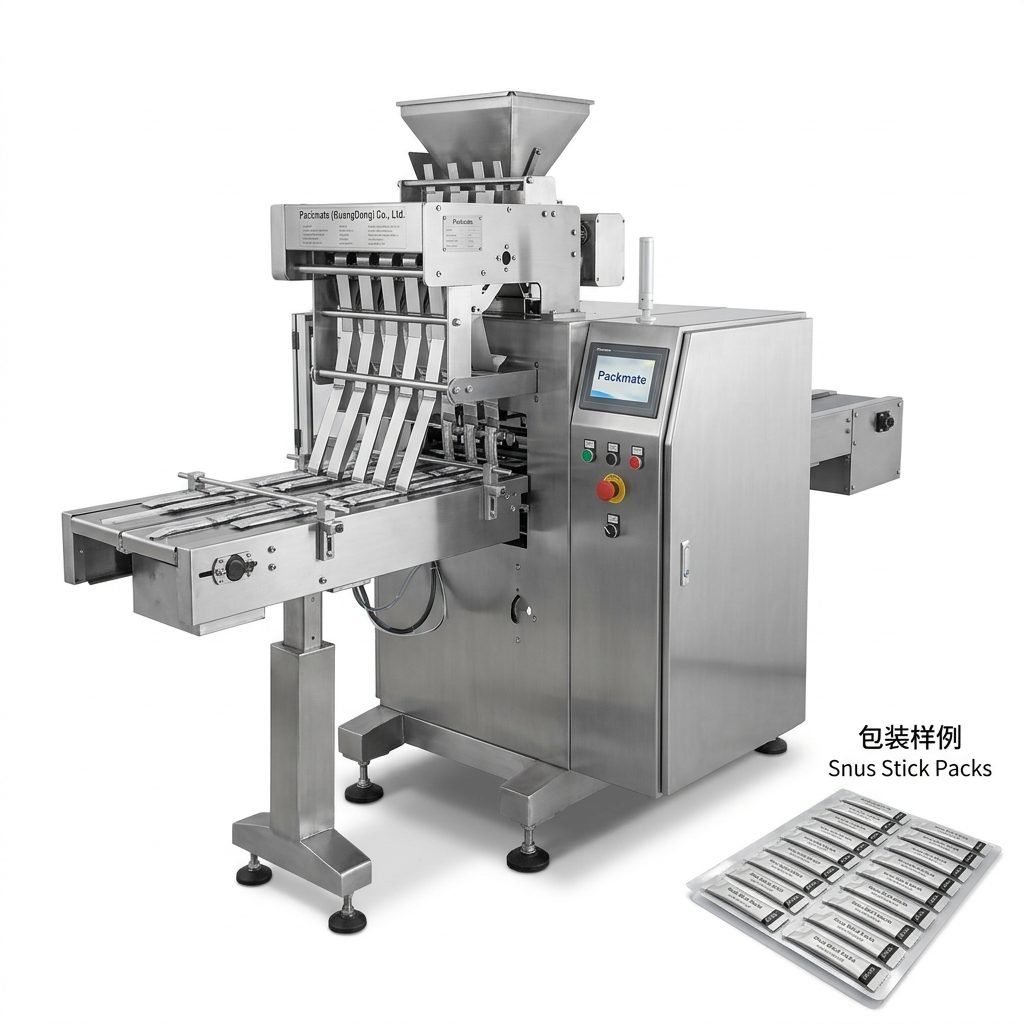
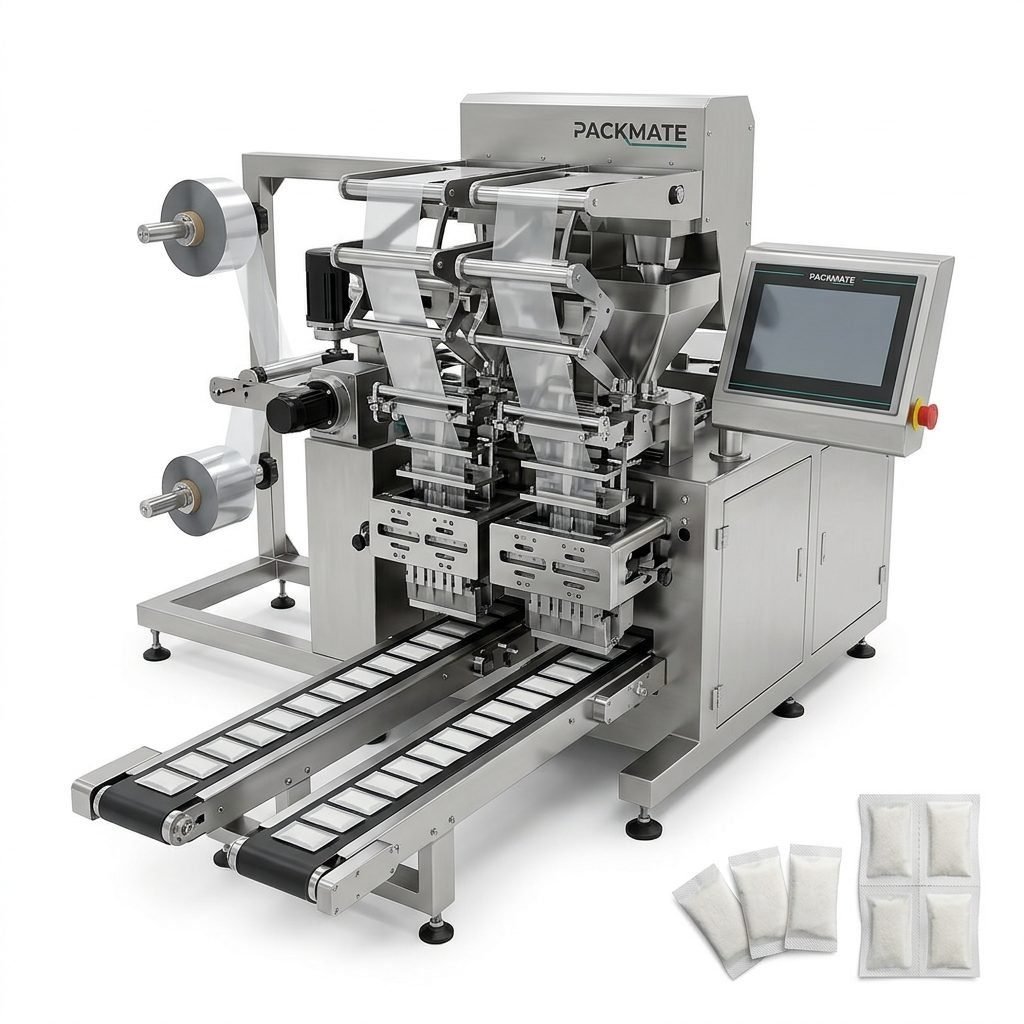
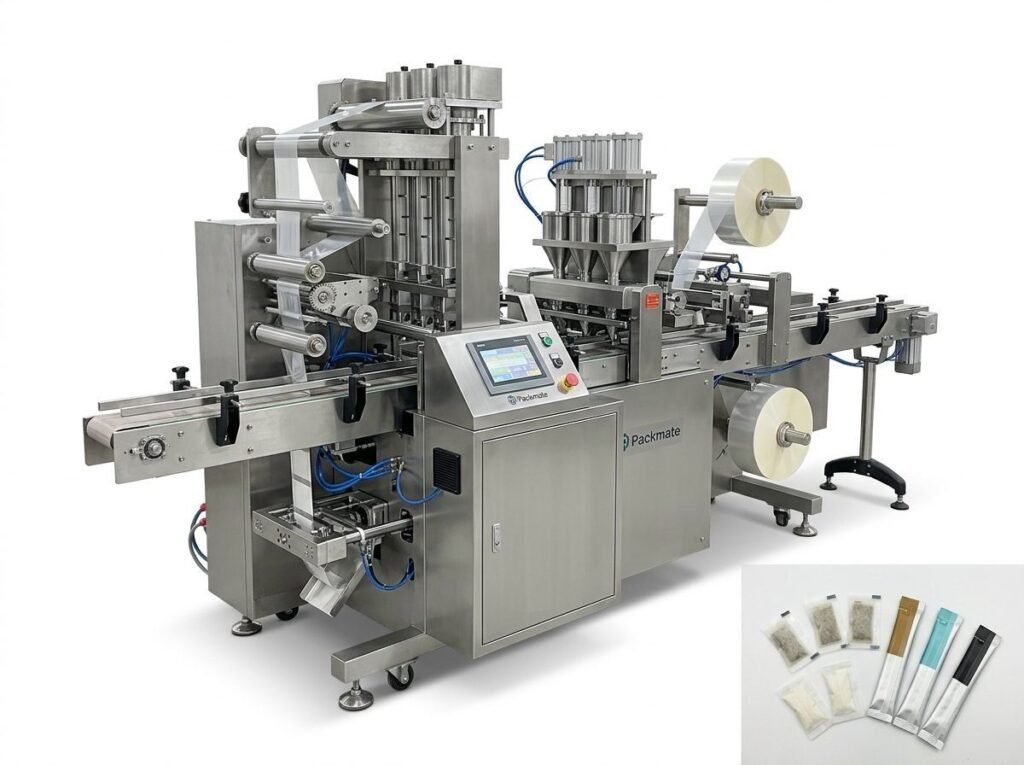
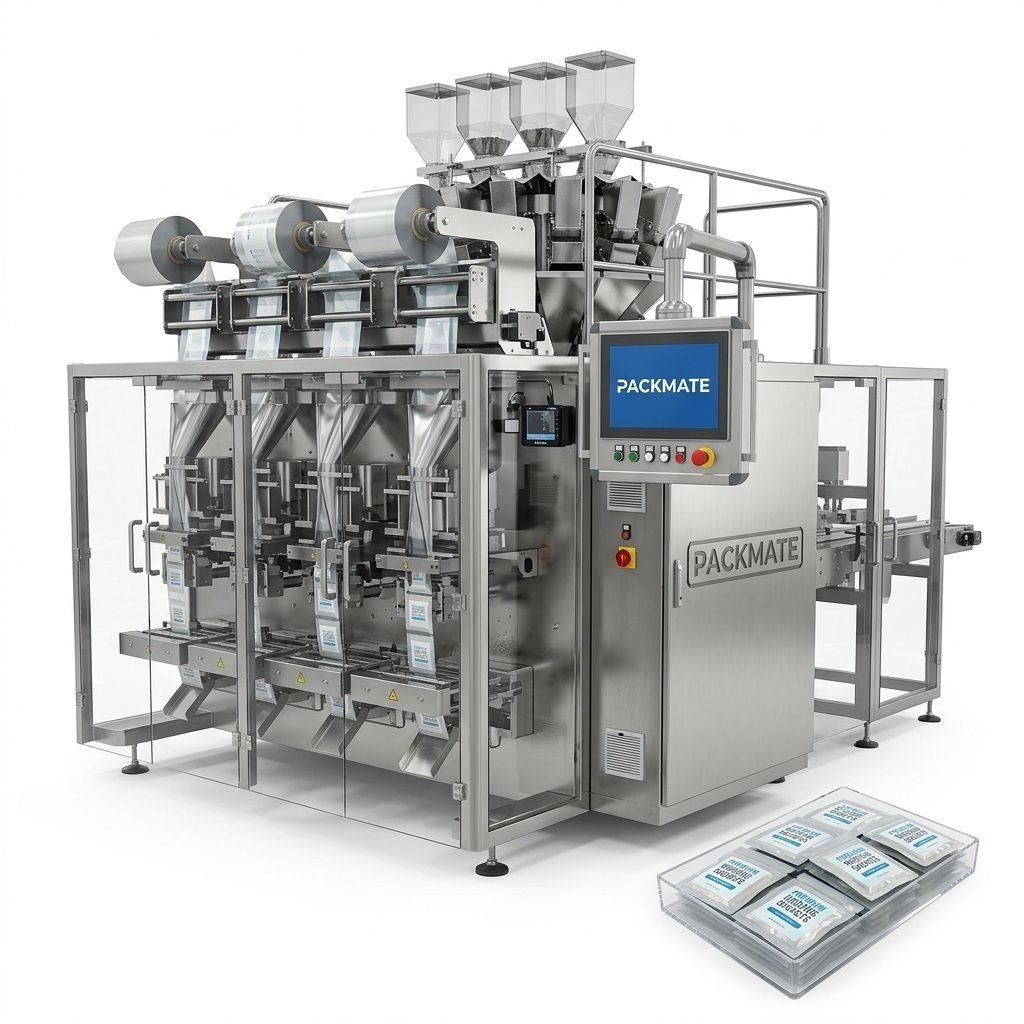
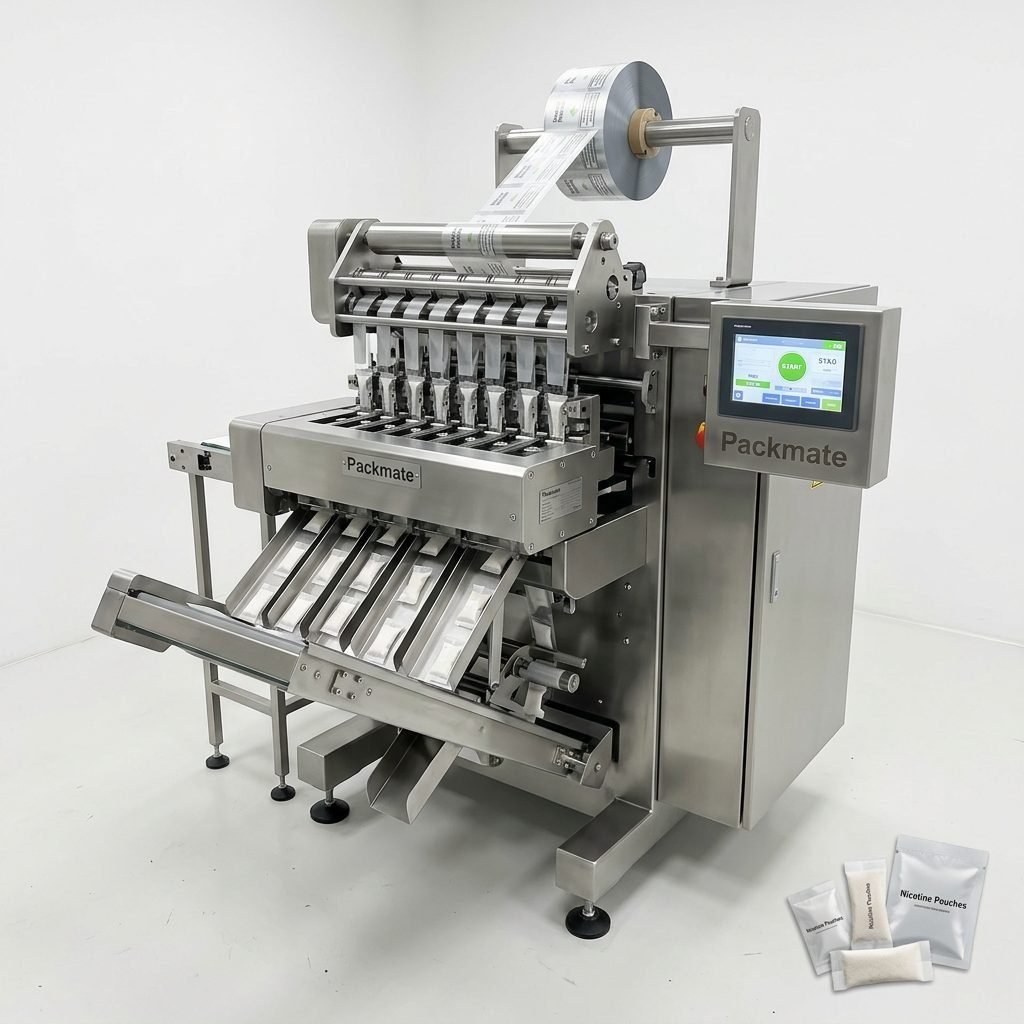
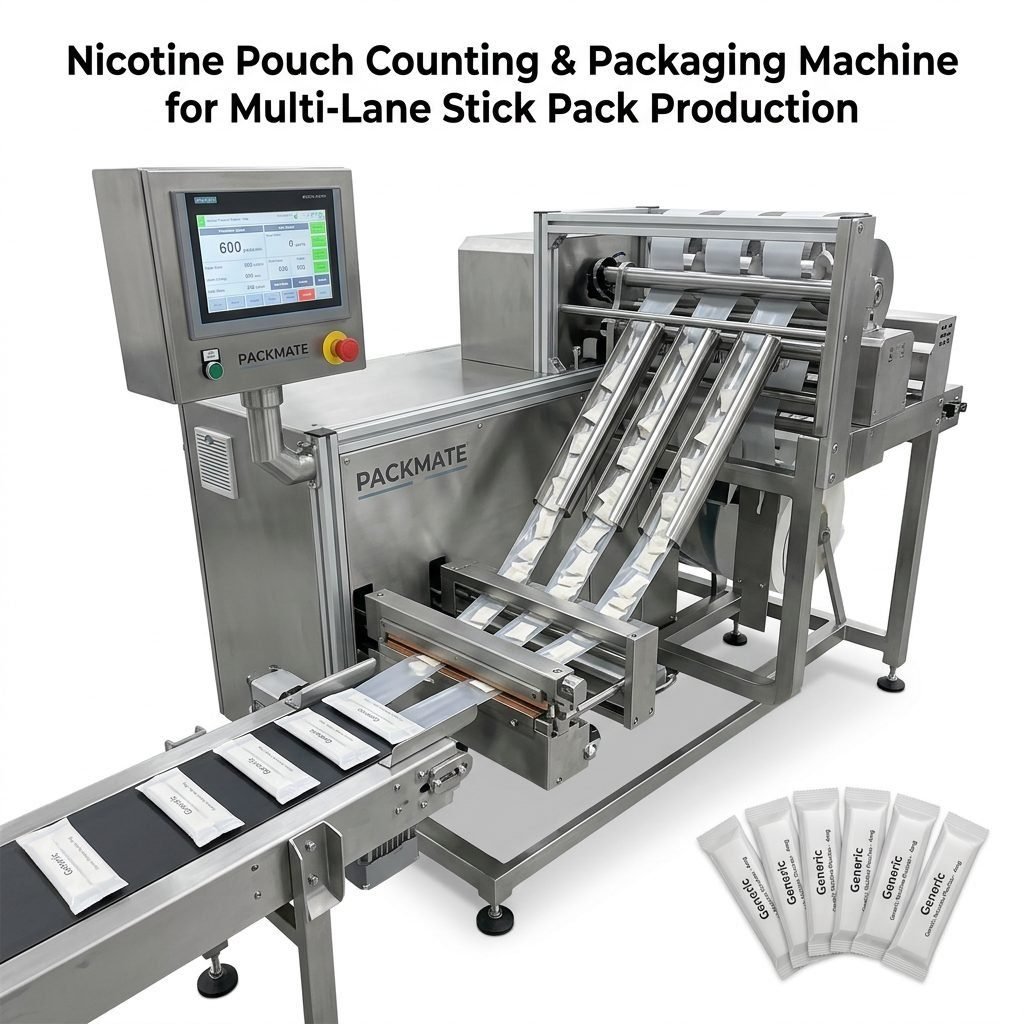
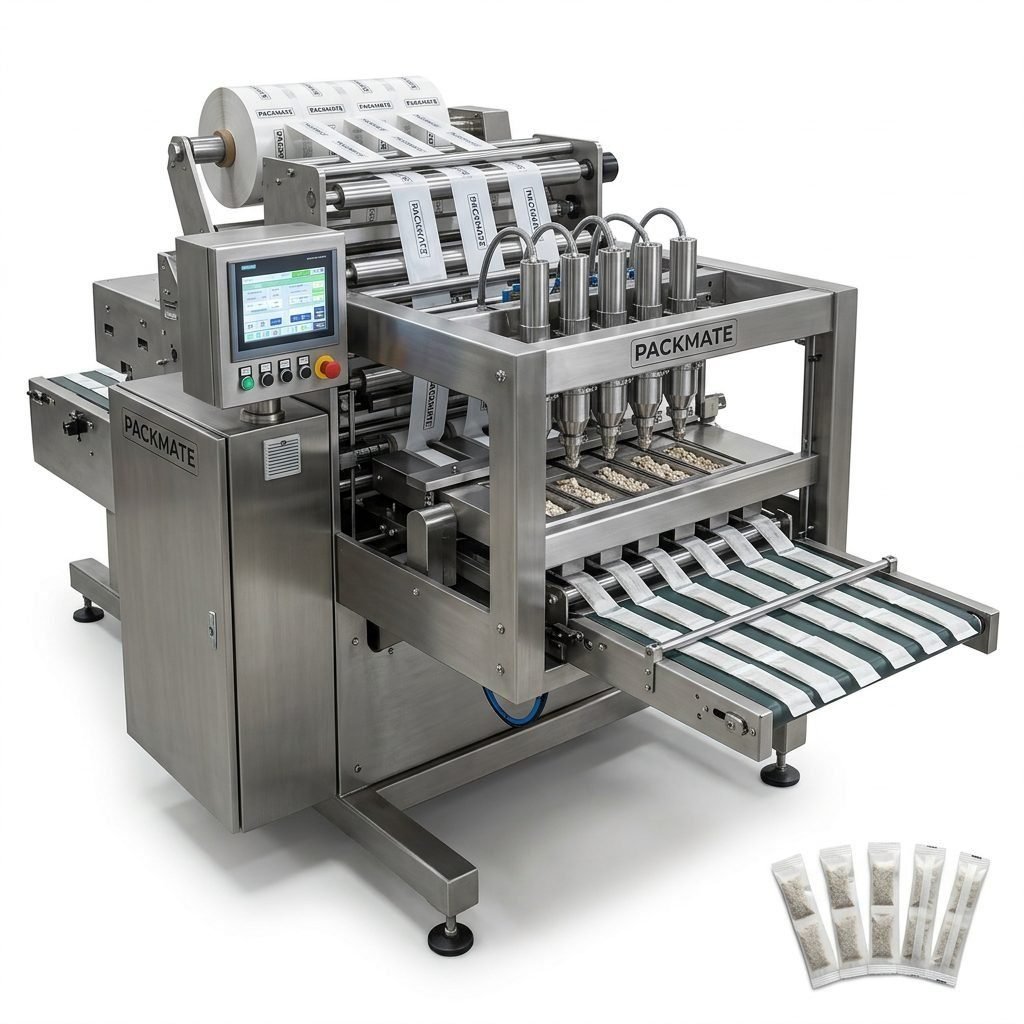
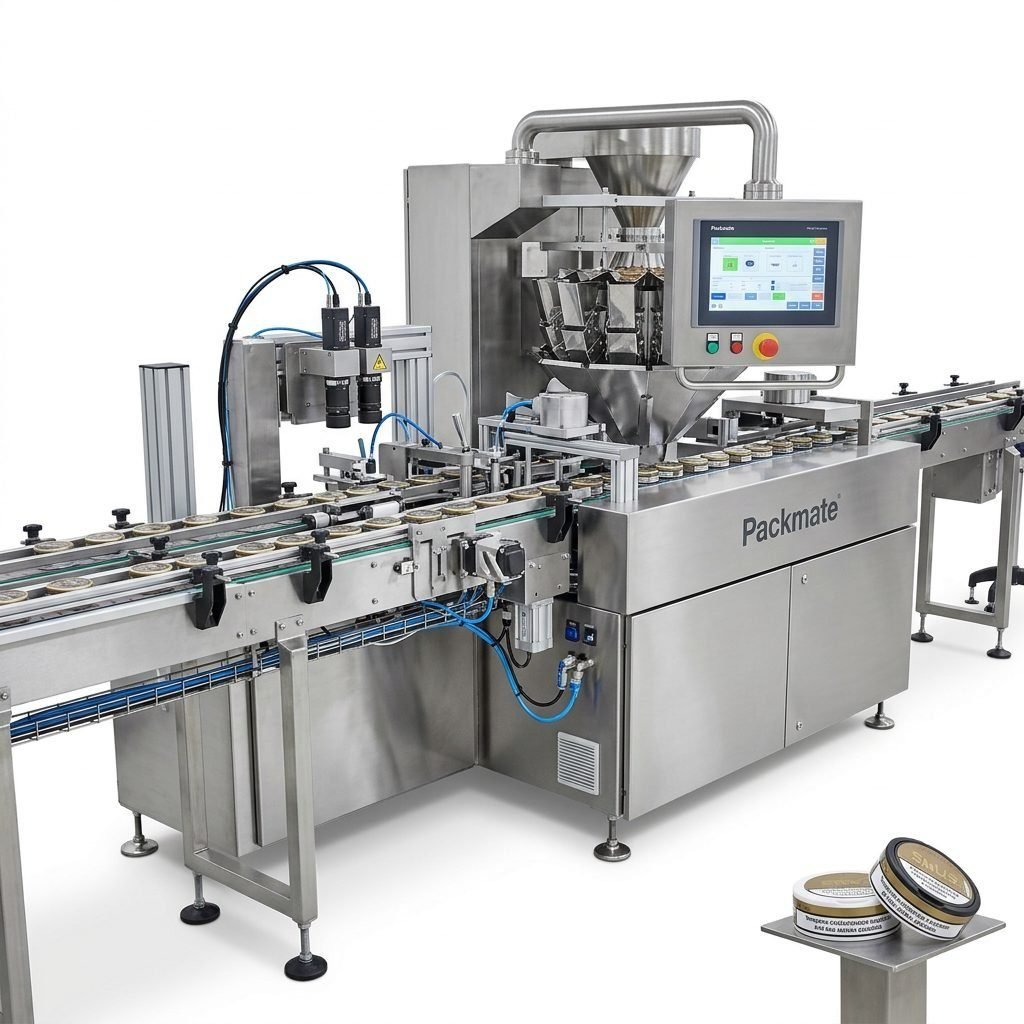
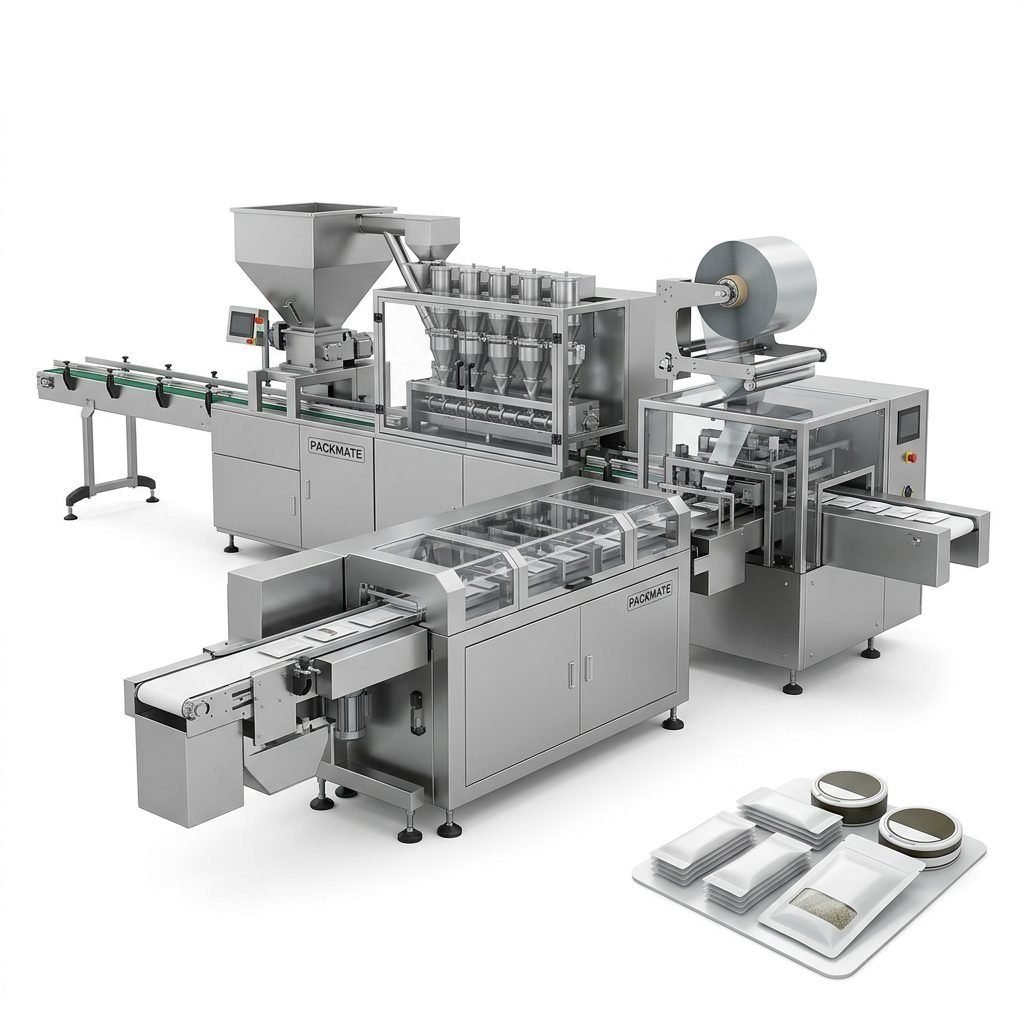
In the highly specialized field of snus and nicotine pouch production, downtime equals lost product and revenue. Understanding snus packing machine spare parts, their expected lifespans, common failure modes, and best practices for maintenance is essential for any production manager or maintenance engineer. This guide breaks down the critical replacement components, maintenance tips, and procurement strategies to keep your packaging line running reliably and efficiently.
Key Spare Parts for Snus Packing Machines
Modern snus packing machines combine mechanical, pneumatic, and electronic systems. Some components wear faster than others and should be monitored closely:
⚙️ Sealing Jaws and Knife Blades: High-contact parts that cut and seal sachets or pouches. Replace at the first sign of nicks, burrs, or inconsistent seals. A damaged blade or jaw causes leaks, product waste, and speed reductions.
🔩 Feed and Dosing Components: Augers, vibratory feeders, and dosing discs experience abrasion from powders and particulates. Wear here affects dosing accuracy, producing weight variation and regulatory non-compliance.
🛠️ Belts, Chains & Bearings: Motion control parts need periodic inspection for wear and lubrication. A failing bearing or stretched chain often leads to misalignment and catastrophic stops.
🔌 Sensors & Electronic Modules: Photoelectric sensors, proximity switches, PLC modules and HMI touch panels are sensitive to dust, moisture and electrical surges. Keep calibrated spares on hand to minimize troubleshooting time.
💨 Pneumatic Parts: Solenoid valves, cylinders, seals and pressure regulators control clamping and transport systems. Seal degradation or valve sticking causes inconsistent pouch movement and jams.
Prioritizing Wear Parts vs. Critical Spares
Not all spare parts are equal. Prioritize stocking based on:
High-priority: Parts that cause immediate stoppage (blades, PLC modules, main bearings). Keep at least 1–2 of each on-site.
Medium-priority: Wear items affecting quality but not immediate throughput (belts, seals, sensors). Maintain a rotating inventory.
Low-priority: Standard fasteners, general hardware—order as needed but track lead times.
Replacement Intervals and Inspection Checklist
Establish a preventive schedule built from OEM guidance, production load, and operating environment. Use daily, weekly, and monthly checks to manage component health and predict replacements.
Daily: Inspect sealing quality, check for unusual noises, verify sensor alignment, and confirm accurate pouch counts.
Weekly: Clean and lubricate bearings per OEM instructions, check belt tensions, and inspect pneumatic lines for leaks.
Monthly: Measure wear on cutting knives and jaws, validate dosing accuracy across lanes, test emergency stops and interlocks, and review PLC fault logs.
Quarterly: Replace seals and gaskets proactively, calibrate weighing systems, and perform thermal inspection of motors and electronic cabinets.
Sample Inspection Checklist (Quick)
• Visual wear on knives and jaws; • Sensor cleanliness and alignment; • Belt/chain tension; • Lubrication levels; • Air filter and dryer condition; • PLC fault codes and HMI messages.
OEM vs. Aftermarket Parts — Making the Right Choice
Choosing between original equipment manufacturer (OEM) parts and lower-cost aftermarket options depends on risk tolerance, budget, and uptime requirements.
OEM Parts: Designed for exact fit and performance. OEM spares typically preserve warranty validity, ensure consistent sealing and dosing results, and reduce integration risk. For mission-critical components like PLCs, sealing jaws, or dosing modules, OEM is generally recommended.
Aftermarket Parts: Cost-effective and sometimes comparable in quality for non-critical items (fasteners, common sensors, belts). Verify supplier reputation and test parts on non-production shifts before widescale use.
Sourcing Strategy and Inventory Best Practices
A structured procurement plan minimizes stockouts and excess inventory. Consider lead times, criticality, and storage conditions when building your spares list.
• Maintain a categorized parts list (critical / recommended / optional).
• Record actual usage rates over 6–12 months to set reorder points.
• Use consignment or vendor-managed inventory for expensive critical parts when possible.
Where to Source Parts
Work directly with your machine supplier for OEM spares — this ensures correct part numbers and compatibility. For broader equipment needs, explore dedicated packaging suppliers and reputable distributors. If you use Packmate snus systems, consult the manufacturer for recommended components and maintenance kits.
For product and system options, see the manufacturer’s resources:
Snus & Nicotine Packaging Machines,
Bag & Pouch Packaging Machines,
Sachet & Stick Pack Machines.
Practical Replacement Procedures and Safety
Replacing parts on a snus packing machine requires safe lockout procedures, calibration after installation, and trial runs to verify performance.
Step 1 — Lockout / Tagout (LOTO): Isolate power and pneumatic sources. Confirm zero energy state before opening guards.
Step 2 — Document & Photograph: Record original positions, wiring, and sensor placements. Photos help accurate reassembly.
Step 3 — Install & Torque: Fit parts per OEM torque and alignment guidelines. Use calibrated torque tools for critical fasteners.
Step 4 — Calibrate & Test: Run empty cycles, check sealing temperature and dwell, and verify dosing accuracy across all lanes.
Step 5 — Monitor: Perform an accelerated production test and inspect the first few hundred pouches for defects.
Tools and Consumables to Keep Handy
A well-equipped maintenance kit reduces repair time. Keep calibrated torque wrenches, precision feeler gauges, alignment tools, spare sensors, replacement seals, approved lubricants, and cleaning solvents in the area.
Common Failure Modes and Fast Troubleshooting
Learn the typical failure patterns to diagnose quickly and reduce mean time to repair (MTTR).
Leaky Seals: Usually due to worn jaws or incorrect temperature/pressure. Check jaw surface condition and control settings.
Inaccurate Weights: Caused by dosing wear, vibration, or scale calibration drift. Inspect augers and balance plates; recalibrate weighing systems.
Intermittent Stops: Often due to sensor contamination or loose wiring. Clean sensors and inspect cable connections.
Excessive Noise or Heat: Indicative of bearing failure or motor overload. Perform thermal scanning and acoustic checks.
Storage and Handling of Spare Parts
Correct storage increases the usable lifetime of spare parts and ensures performance at installation:
• Store blades and precision parts in protective sleeves to prevent nicks.
• Keep electro-mechanical parts in anti-static, climate-controlled environments.
• Clearly label parts with part numbers, acquisition date, and batch information to rotate inventory correctly.
Documentation and Traceability
Maintain a digital inventory and service log. Track part replacements, serial numbers, and maintenance actions. This data supports warranty claims and continuous improvement.
Working With Your Machine Supplier
A proactive relationship with your equipment supplier delivers faster support and access to genuine parts. Consider service agreements and spare-parts kits tailored to your production schedule.
For turnkey systems and integrated solutions, explore complete line options and after-sales support:
Filling & Packaging Lines and
Weighing & Packaging Systems.
Cost Optimization Tips
• Implement predictive maintenance using simple analytics on production counts, temperatures, and vibration readings.
• Standardize on part families where feasible to reduce SKUs.
• Negotiate bundled spare kits or service contracts with your supplier to lower per-part costs.
Case Example: Minimizing Downtime in Multi-Lane Lines
Multi-lane snus lines increase throughput but also the number of critical wear points. A global supplier with experience in multi-lane systems can advise on redundancy and modular components. Regularly scheduled lane-by-lane inspections reduce simultaneous failures and maintain overall OEE.
To review multi-lane options and real project examples, visit the manufacturer’s project cases:
Case Studies.
Final Practical Checklist Before Ordering Spares
1. Verify correct part numbers with the supplier and machine serial number.
2. Confirm lead times and expedite options for critical items.
3. Inspect parts upon arrival and store them per guidelines.
4. Update your maintenance log with delivery and installation dates.
5. Consider a spare-kit purchase to cover the most common wear items.
Additional Resources
For product catalogs, service information, certifications and exhibition updates, consult the manufacturer’s full resource pages:
Catalog,
Service,
Certificate,
Our Exhibition.
Summary: Key Takeaways
• Prioritize stocking critical wear parts (jaws, blades, bearings, PLCs).
• Establish and follow daily/weekly/monthly inspection routines.
• Prefer OEM for mission-critical components; validate aftermarket for non-critical items.
• Maintain accurate documentation and traceability to streamline repairs and warranty claims.
• Work closely with your machine supplier to optimize spare strategies and reduce downtime.
Common Questions
Q1: How often should sealing jaws be replaced?
A1: Replace them when you see consistent seal defects or visible wear—typically after several months of heavy production, but monitor via weekly checks.
Q2: Are OEM parts always necessary?
A2: OEM parts are recommended for critical components to guarantee compatibility and performance; aftermarket parts may be suitable for non-critical items after validation.
Q3: What spares should be on-site for a multi-lane snus line?
A3: At minimum: a set of sealing jaws and knives, spare bearings, a PLC backup module, essential sensors, and pneumatic seals.
Q4: How can I reduce lead time for spare parts?
A4: Maintain a rolling inventory analysis, negotiate priority shipping with suppliers, and consider vendor-managed inventory or local distributors to shorten delivery times.
Q5: Where can I learn more about complete packaging solutions and after-sales support?
A5: Visit the manufacturer’s About page and Contact page for tailored advice:
About Packmate and
Contact Us.