Choosing the right manufacturer for nicotine pouch and snus packaging machinery in Ecuador is a strategic decision that affects production efficiency, regulatory compliance, and long-term profitability. This guide helps procurement managers, production engineers, and business owners evaluate potential suppliers, compare equipment types, and verify vendor credentials so you can confidently select the best partner for your packaging needs.
Why supplier selection matters in the Ecuadorian nicotine market
The nicotine pouch segment demands high precision in dosing, sealing, and hygienic handling. A poor equipment choice can result in high waste, frequent downtime, and non-compliance with export or local health standards. Prioritize manufacturers who understand small-dose pouch production and offer stable multi-lane solutions to meet rising demand.
Key outcomes to expect from a reputable manufacturer
✅ Consistent pouch quality with accurate dosing and seal integrity.
✅ High throughput options, including multi-lane machines for small-dose nicotine pouches.
✅ Compliance support for international certifications and traceability.
✅ Turnkey capabilities including upstream weighing and downstream case packing.
Top 8 criteria to evaluate a nicotine packaging machinery manufacturer
Use these criteria as a checklist when vetting suppliers. Each point helps reduce risk and ensures the supplier can grow with your business.
1. Industry experience and specialization
🔧 Look for manufacturers with specific experience in snus and nicotine pouch machines rather than general packaging OEMs. Companies with decades of R&D in this field tend to provide better dosing accuracy, multi-lane engineering, and refined pouch handling. For example, long-established suppliers that focus on snus packing machines often offer a broader range of models suited to nicotine pouches.
2. Product range and customization
📦 A manufacturer should supply different machine types—stick pack, sachet, multi-lane, and full filling & packaging lines—so you can scale or pivot product formats. Confirm they can customize lane counts, dosing heads, and pouch sizes to match your product specs.
3. Factory capability and quality control
🏭 Verify the supplier’s factory size, CNC equipment, assembly lines, and testing procedures. A modern 20,000㎡ facility with advanced CNC machining centers and strict QC indicates stronger manufacturing control and better spare parts availability.
4. Certifications and compliance
⚖️ Ensure machinery complies with international standards such as CE and ISO. For exports from or into Ecuador, confirm the vendor understands regional regulatory requirements and can supply documentation for customs and audits.
5. After-sales service and spare parts
🔁 Fast technical support, readily available spare parts, and training are non-negotiable. Ask about service response time to Ecuador, remote support options, and spare parts lead times. A reliable supplier will offer preventive maintenance schedules and training for your operators.
6. Turnkey solutions and system integration
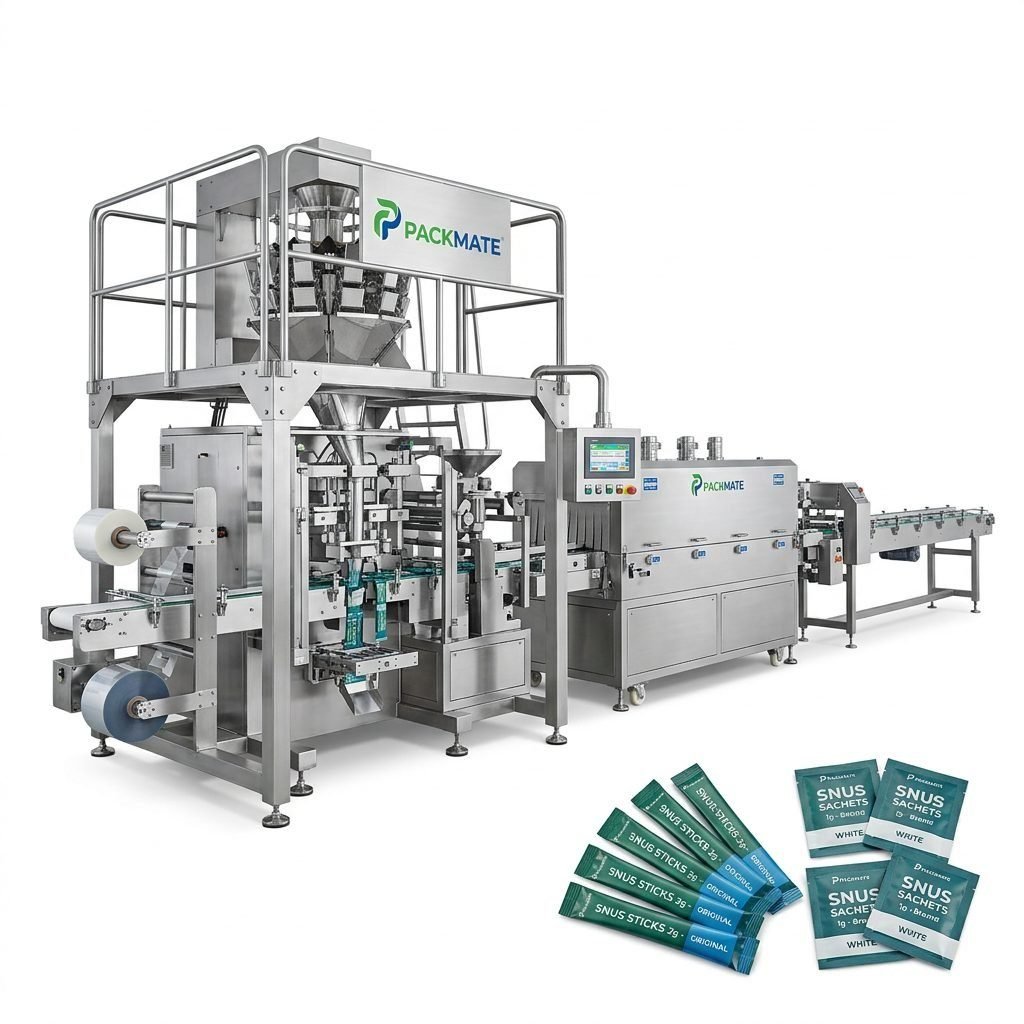
⚙️ If you plan a full production line, choose a supplier that can integrate weighing, feeding, sealing, and case packing. Turnkey providers reduce integration risk and speed up commissioning. Check whether they supply weighing & packaging systems and auxiliary equipment to form a complete line.
7. Field references and case studies
📂 Request client references, case studies, and exhibition demos. Real-world cases show how machines perform over time and under production pressure. A supplier with global cooperation cases across Europe, Asia, and the Americas is typically more versatile and service-oriented.
8. Total cost of ownership (TCO)
💰 Look beyond purchase price. Evaluate energy consumption, maintenance costs, spare part prices, operator training needs, and expected uptime. A higher initial investment can be justified by reduced waste and lower operating costs.
What machine types are best for nicotine pouches?
Different product formats require different equipment. Here are common choices and when to use them:
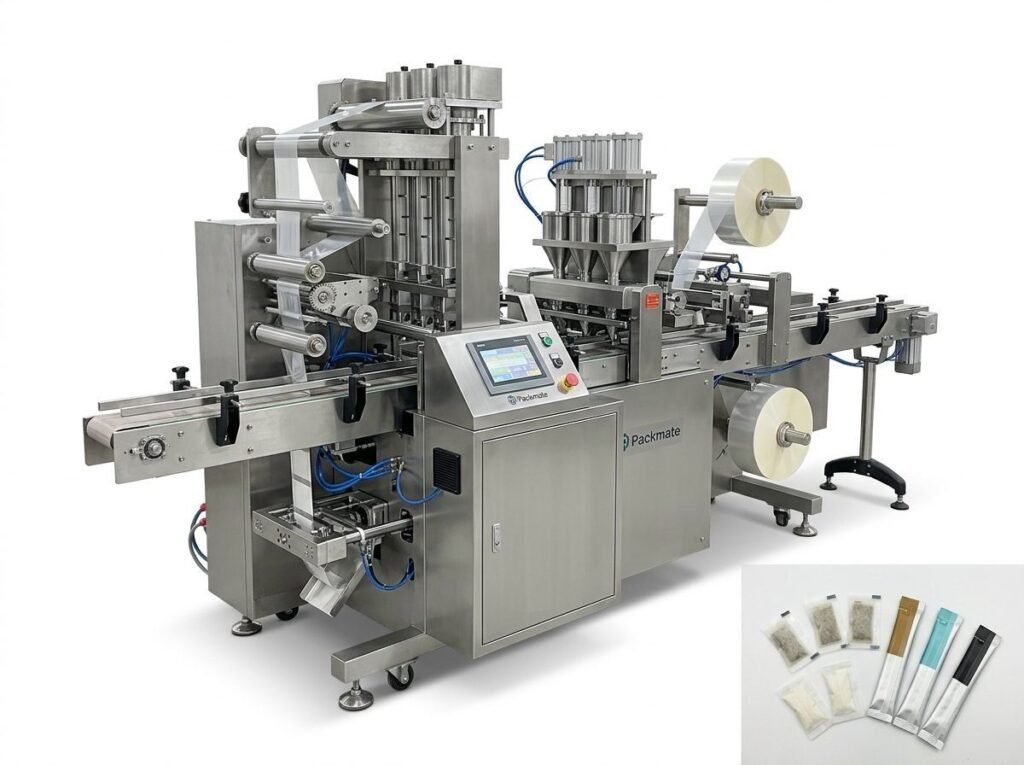
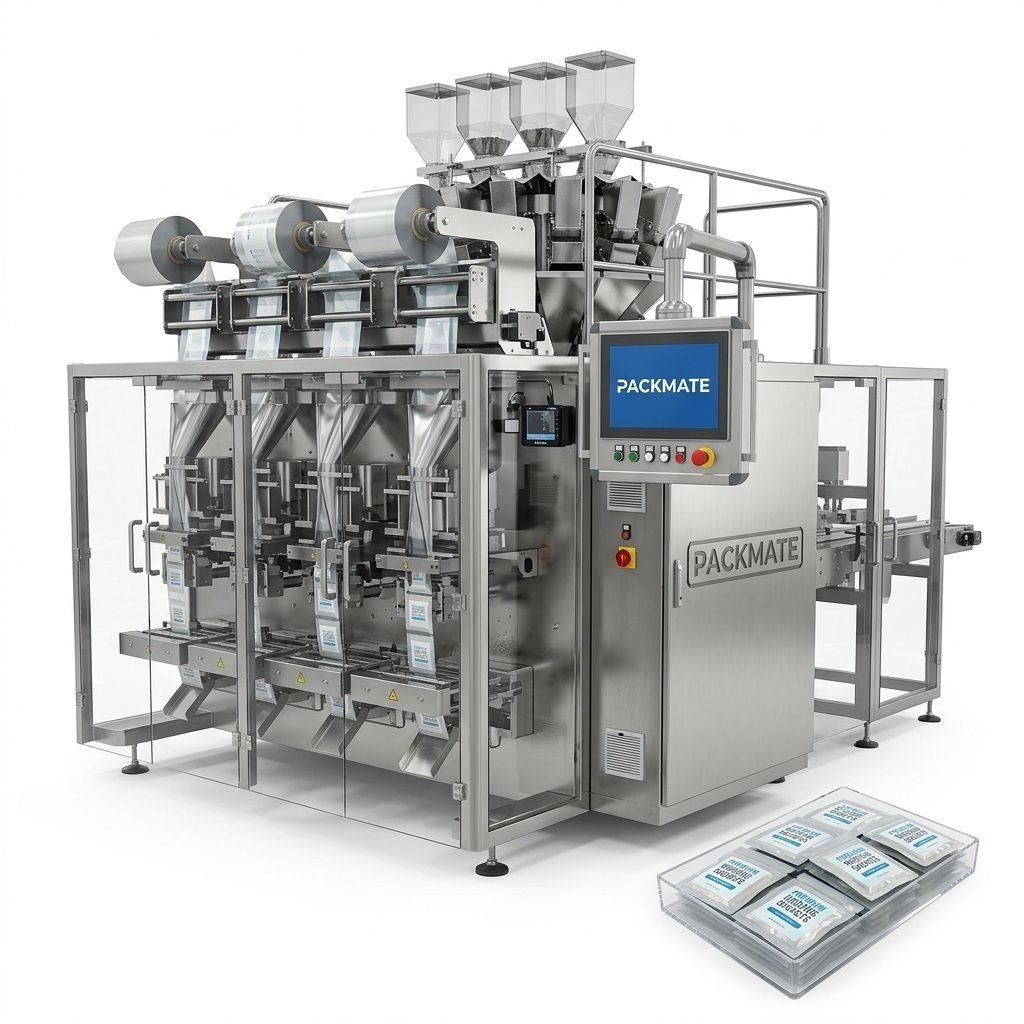
– Stick pack and sachet machines: for single-portion pouches with continuous film feed.
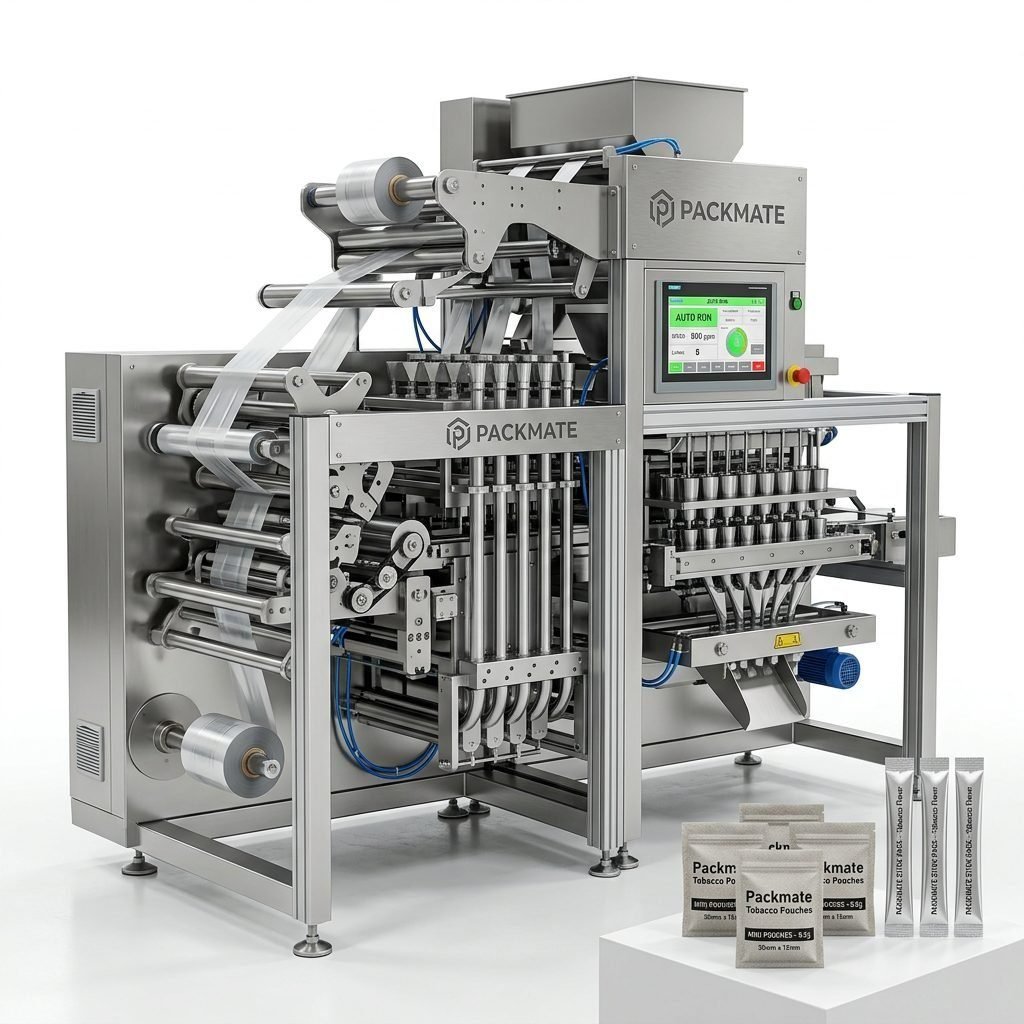
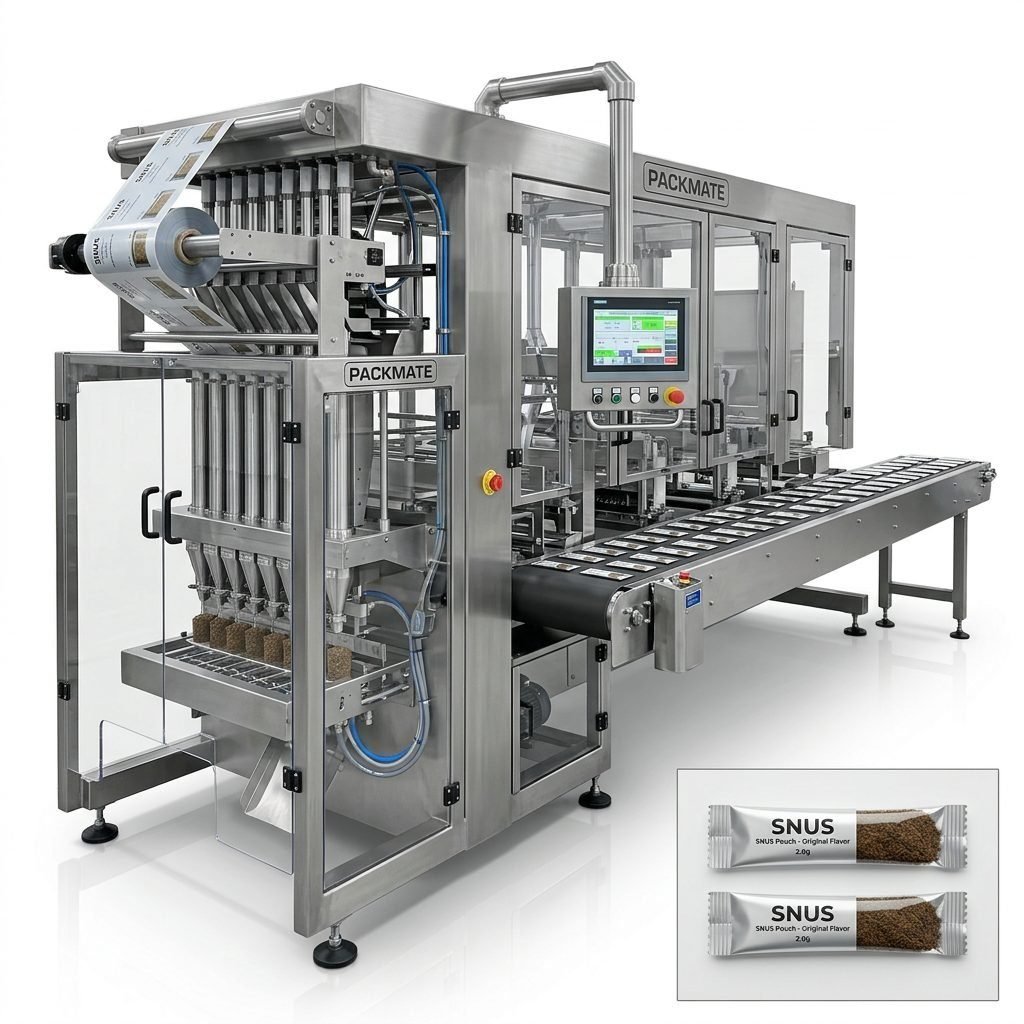
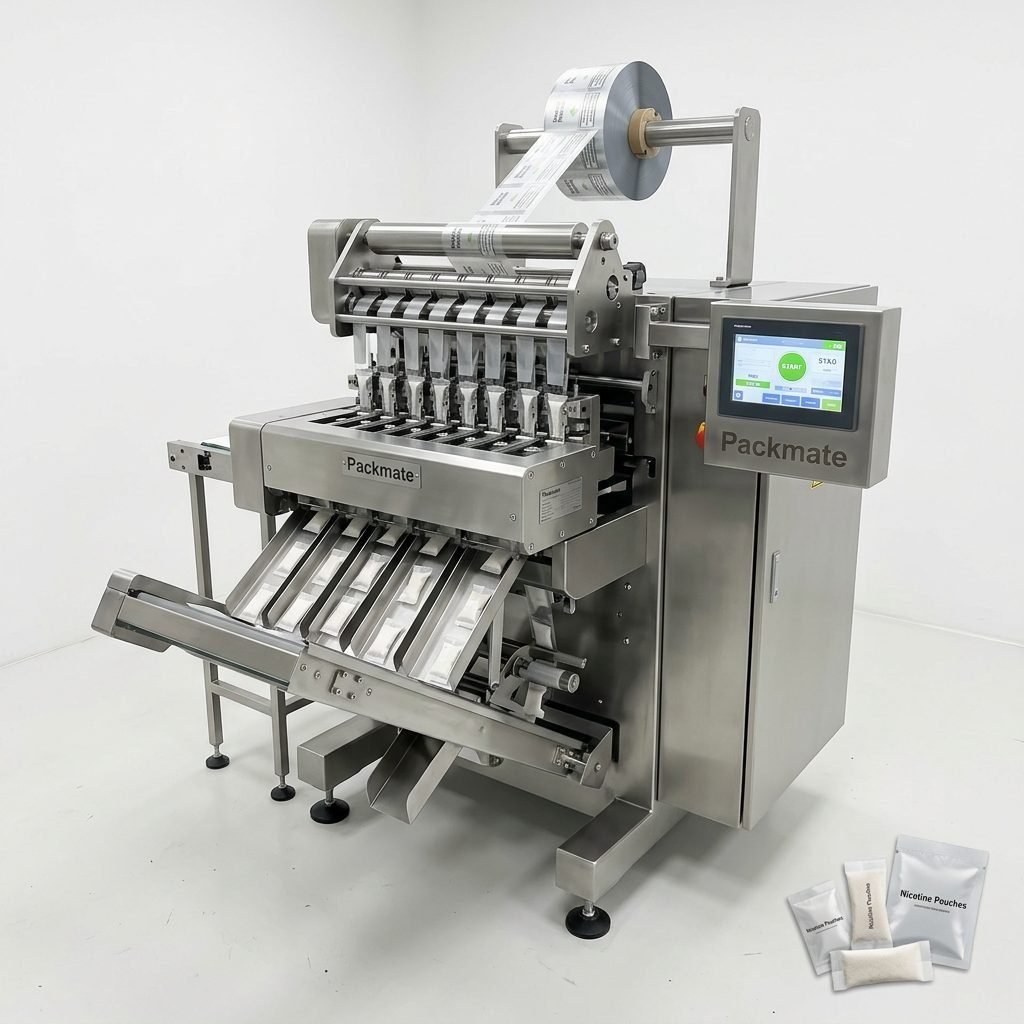
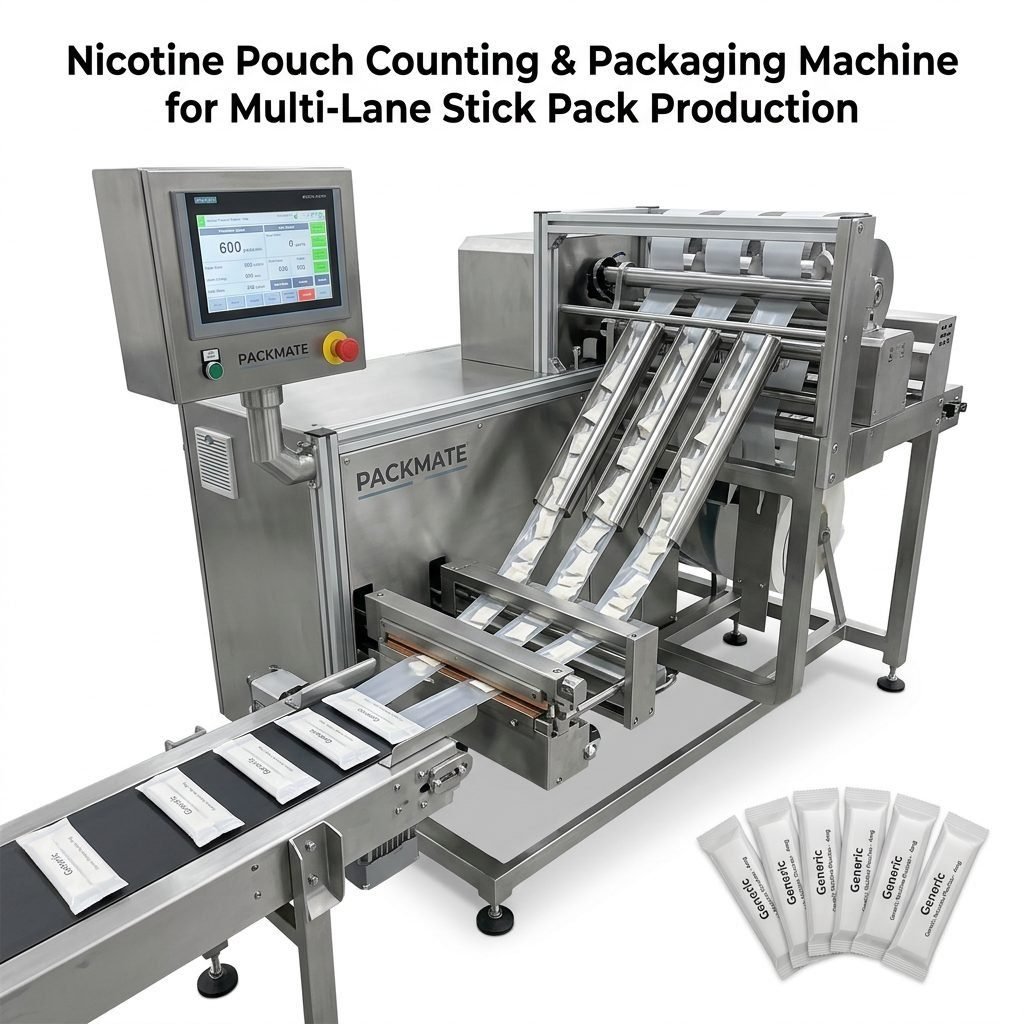
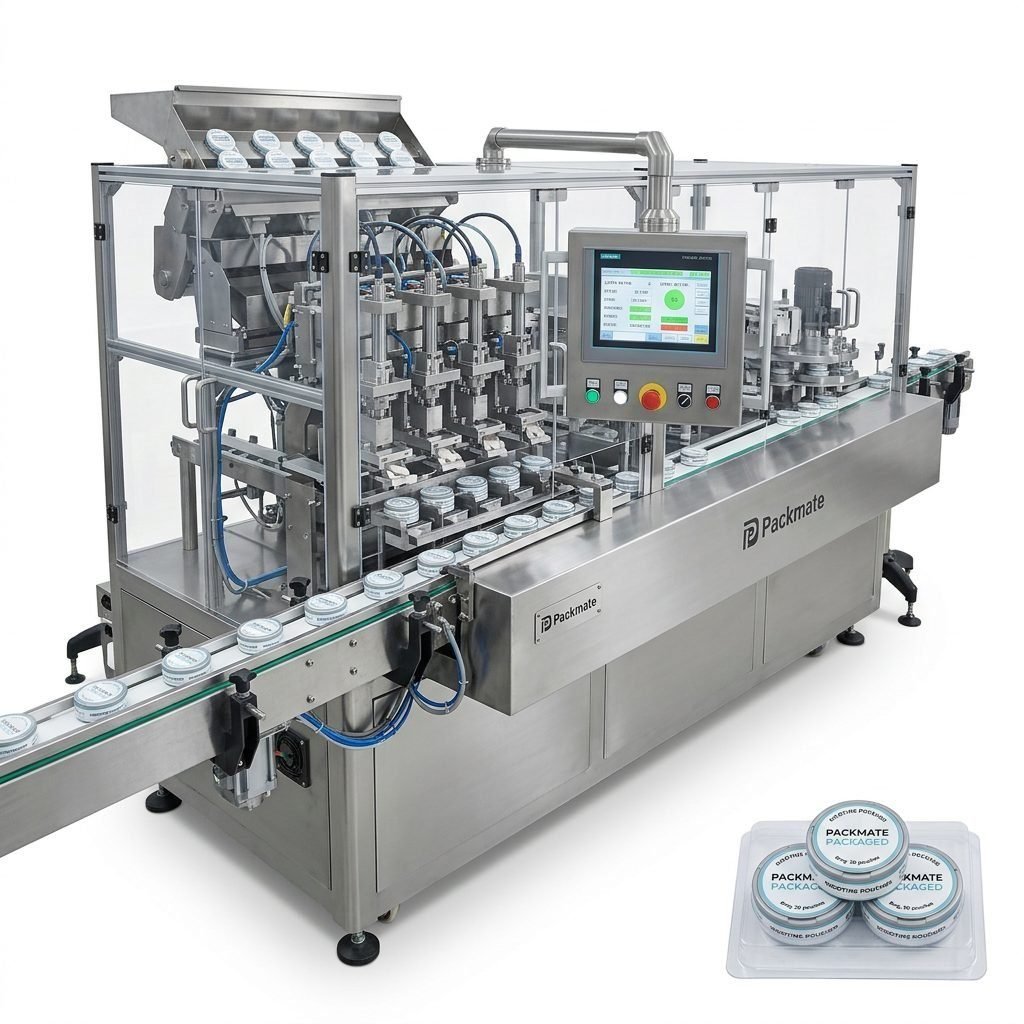
– Multi-lane snus pouch systems: ideal for small-dose nicotine pouches with high output per footprint.
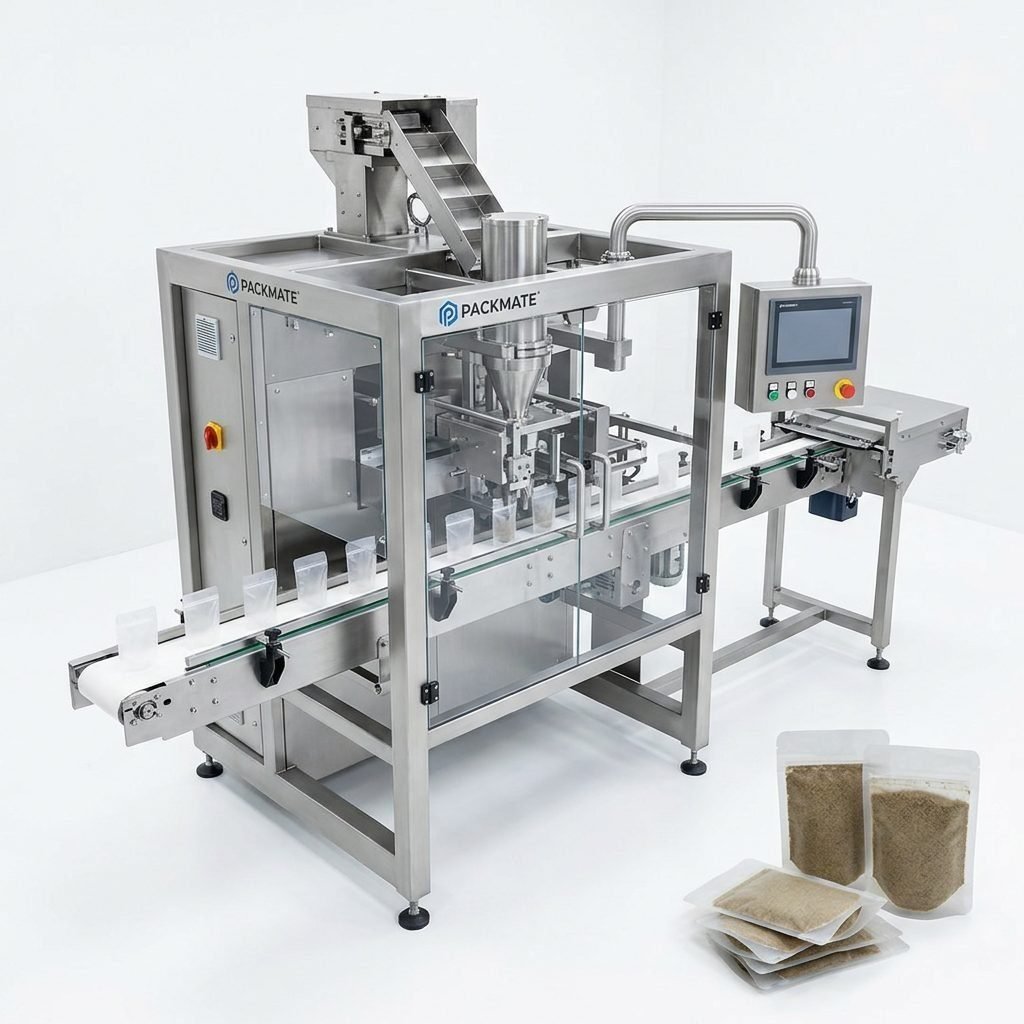
– Filling & packaging lines: for powder or granular nicotine formulations integrated with weighing and conveyance.
– Auxiliary equipment: feeders, metal detectors, and checkweighers to ensure product integrity.
Questions to ask during supplier meetings
Use this checklist when engaging vendors—on-site, at trade shows, or during online demos.
Pre-sales and technology
📌 Can you demonstrate a similar machine running our product? What are typical OEE figures and changeover times? Do you provide video demos from your exhibitions?
Costs and delivery
📌 What is the lead time from order to shipment? What are payment terms and warranty conditions? Are installation and commissioning included?
After-sales and spare parts
📌 How quickly can you ship spare parts to Ecuador? Do you provide remote diagnostics, and what training is included for operators and maintenance staff?
Verifying supplier claims: practical steps
Confirm claims through multiple channels: factory visits, third-party audits, and customer references. If a physical visit is not possible, request live video tours, machine run-offs, and contact details of existing clients. Check certificates and cross-verify them on issuing bodies’ websites.
Why some international manufacturers stand out
Manufacturers that specialize in snus/nicotine packaging typically offer:
- Tailored multi-lane designs to increase output without enlarging your footprint.
- Robust dosing systems for micro-doses used in nicotine pouches.
- Turnkey integration capability for filling, weighing, and secondary packaging.
Helpful resources and supplier pages
When researching vendors, review product pages and case histories. For example, explore Snus & Nicotine Packaging Machines, Bag & Pouch Packaging Machines, and full Filling & Packaging Lines to understand available options and specifications. Also check About Packmate for company background and Contact Us for direct inquiries.
Links for deeper research:
– Snus & Nicotine Packaging Machines
– Bag & Pouch Packaging Machines
– Filling & Packaging Lines
– About Packmate
– Contact Us
Making the final decision: procurement checklist
1. Confirm machine performance with a live run-off or video demo.
2. Obtain at least one local or regional reference in the same product category.
3. Verify CE/ISO and paperwork for cross-border shipment to Ecuador.
4. Align on spare parts kits, training, and a realistic commissioning plan.
5. Compare TCO over a 5-year horizon, not just upfront cost.
Final thoughts
Selecting the best nicotine packaging machinery manufacturer for Ecuador means prioritizing industry specialization, proven factory capabilities, turnkey solutions, and robust after-sales support. A supplier that offers multi-lane snus systems, integrated filling lines, and global case experience reduces risk and speeds your path to reliable production.
常见问题 (FAQs)
Q1: How important are certifications like CE and ISO for nicotine pouch machinery?
A1: Certifications indicate compliance with international safety and quality standards. They help streamline customs clearance, reduce liability, and are often required by buyers and inspectors.
Q2: Can a single supplier provide a full turnkey packaging line including weighing and case packing?
A2: Yes. Many specialized manufacturers offer end-to-end solutions—integrating weighing, feeding, multi-lane pouch machines, and secondary packing to deliver a complete production line.
Q3: What lead times should I expect for custom multi-lane snus machines?
A3: Lead times vary by complexity and order backlog. Typical delivery ranges from several weeks to a few months. Always confirm lead time, tooling, and testing timelines before placing an order.
Q4: How can I ensure spare parts and technical support are available in Ecuador?
A4: Ask the supplier for spare parts shipping policies, regional distributors, and remote support options. Verify parts lists and expected shipping lead times for critical components.
Q5: Is it necessary to visit the manufacturer’s factory before purchase?
A5: A factory visit offers the best assurance of production capability and quality control. If travel is not possible, request a live video tour, client references, and detailed production photos or run-off videos.