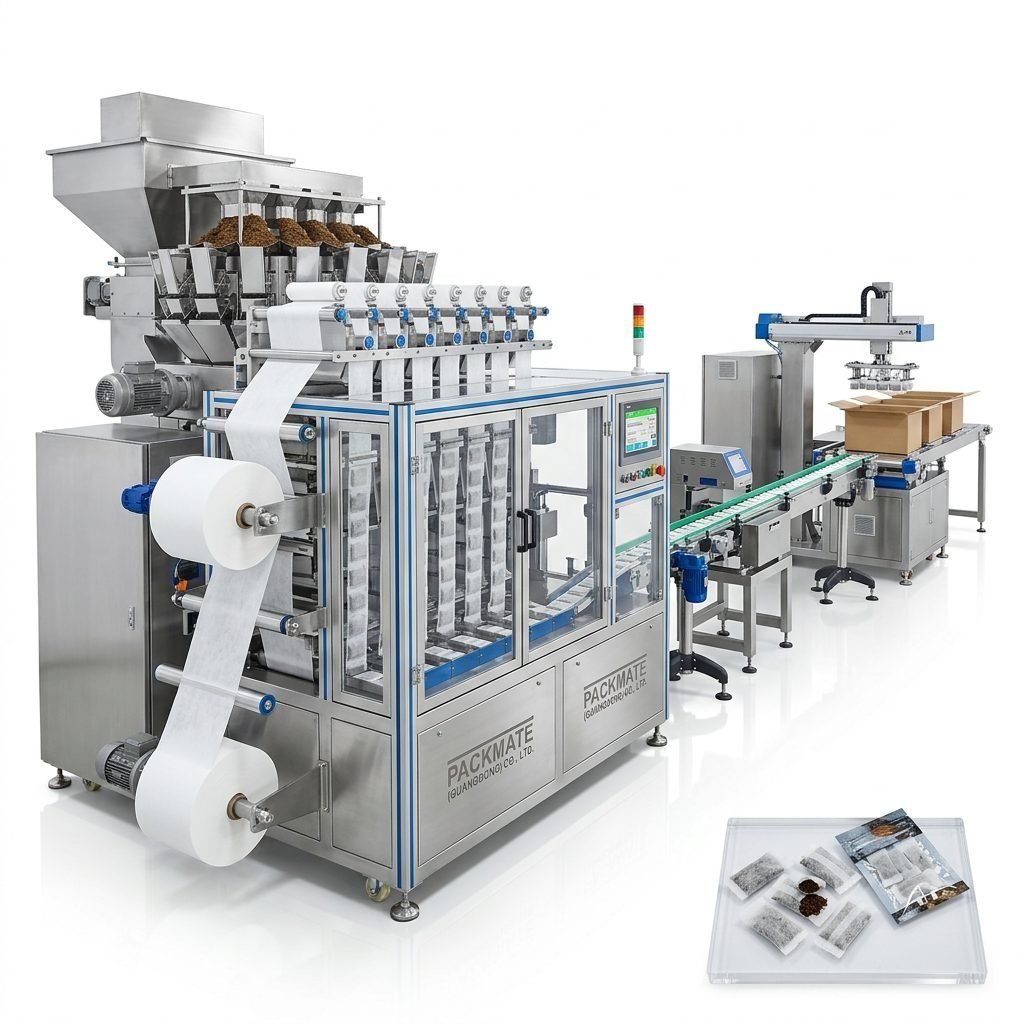
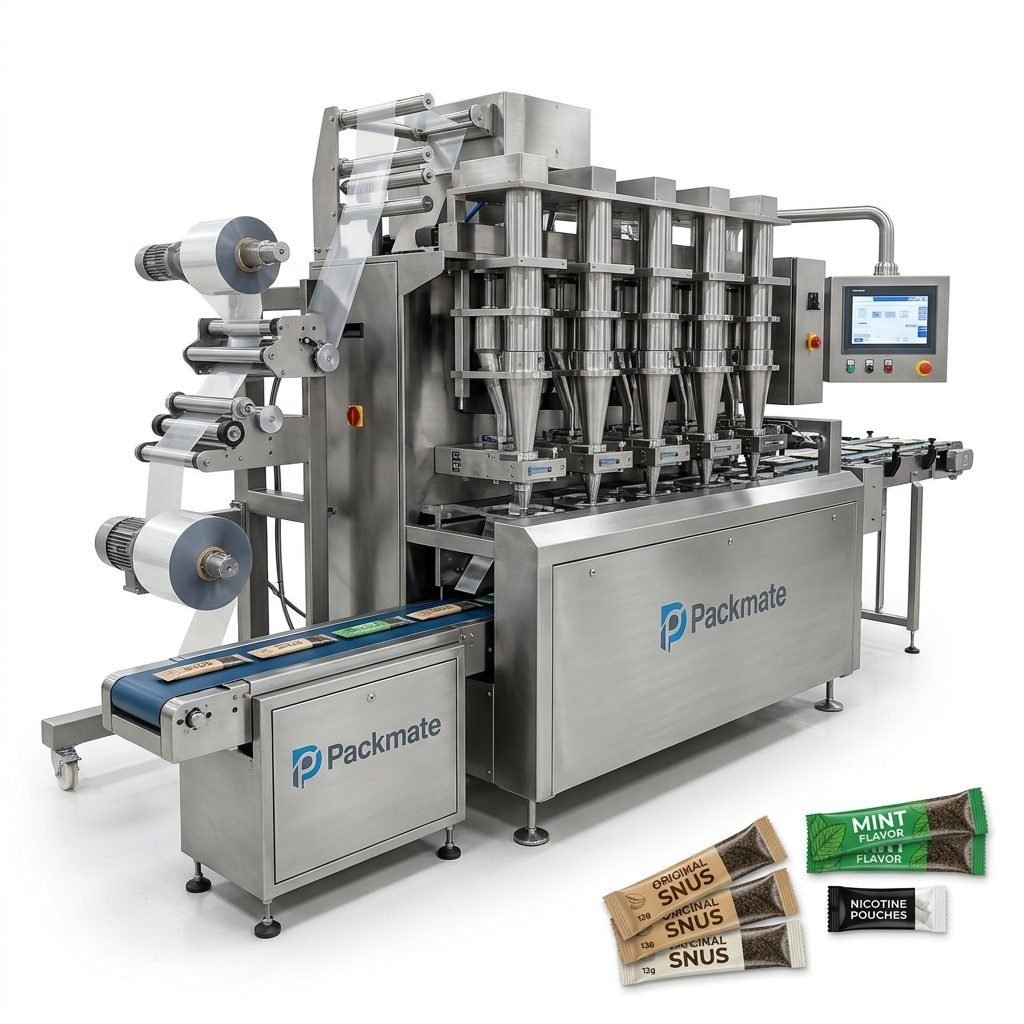
Turnkey snus filling lines are the backbone of modern nicotine pouch and snus production. For manufacturers seeking high output, consistent dosing, and integrated packaging, a fully automated snus production and packaging system delivers efficiency from raw material handling to final cartonizing. Below we explore the technical architecture, core modules, performance factors, customization options, and after-sales considerations for deploying a complete automatic snus filling line solution.
What a Turnkey Snus Filling Line Includes
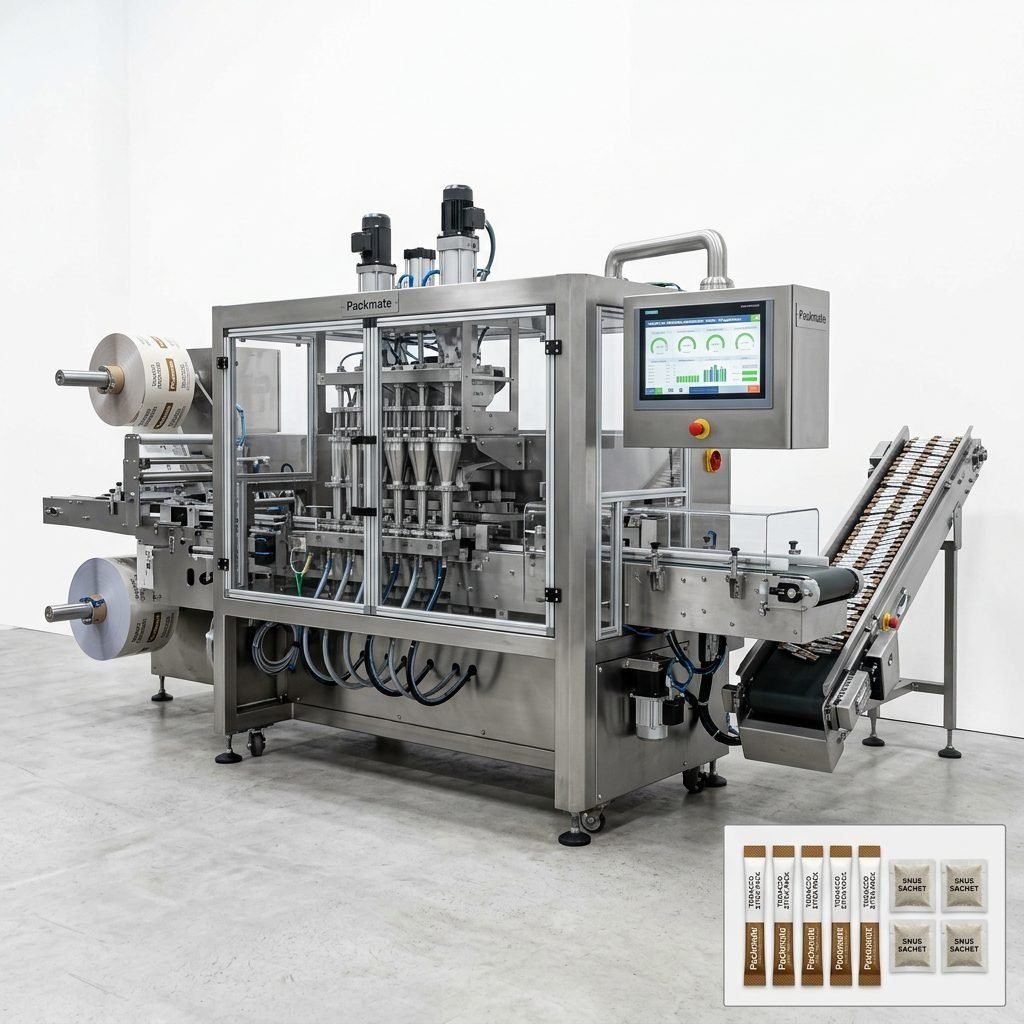
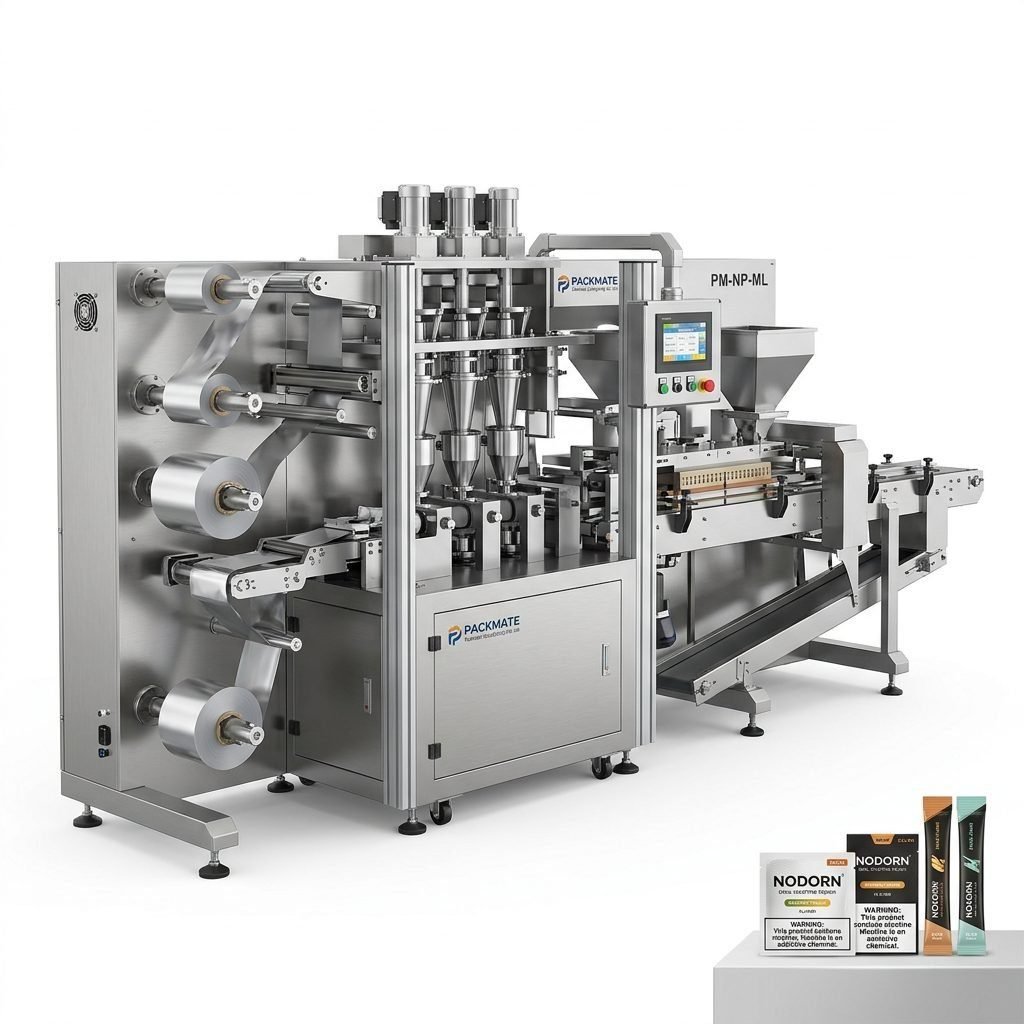
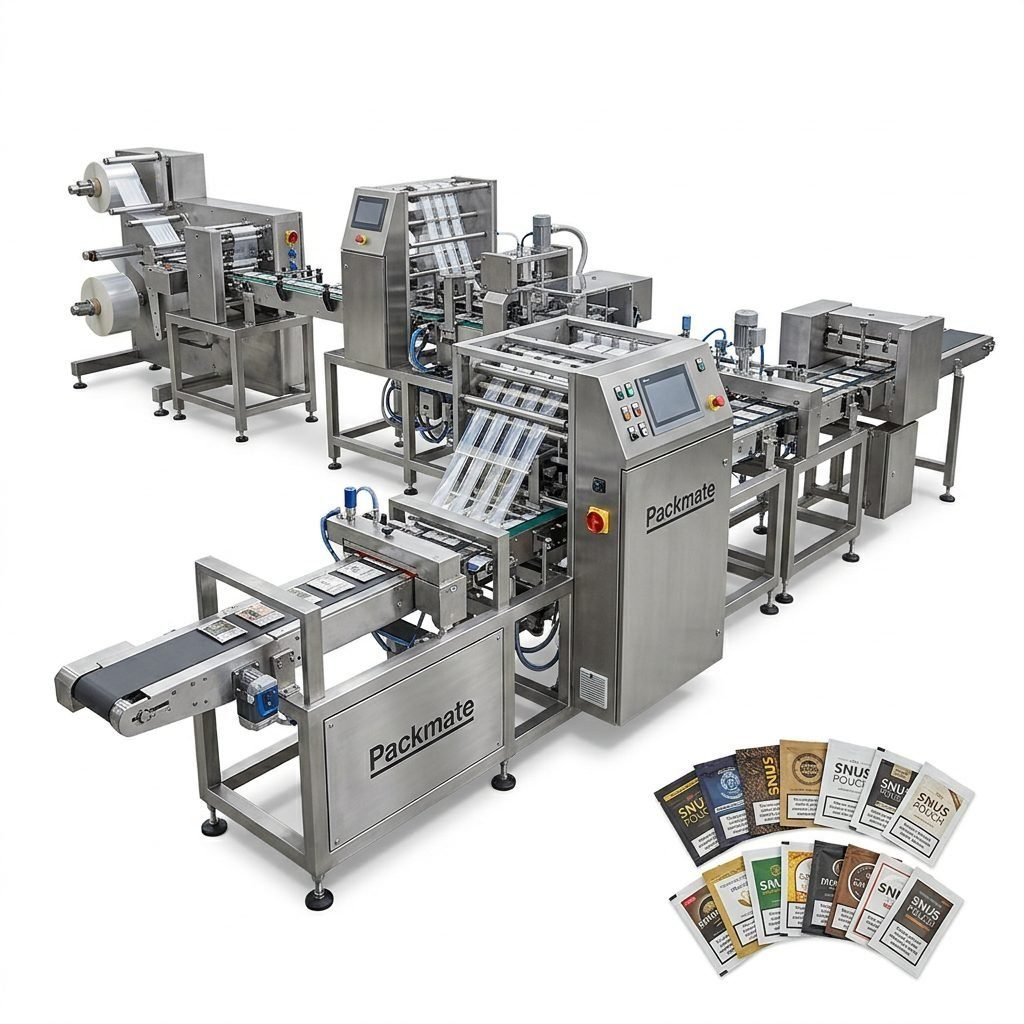
A turnkey snus filling line is a complete set of machines and systems designed to produce, fill, seal, and package nicotine pouches or snus with minimal manual intervention. Typical components include:
- Raw material handling and feeding systems
- Weighing and dosing modules for powder or granules
- High-precision filling heads for multi-lane pouch filling
- Automated pouch forming, sealing, and cutting units
- Secondary packaging: cartons, trays, or flow-wrapping
- Inspection, metal detection, and weight check stations
- Conveying, case-packing, and palletizing systems
- Control system: PLC, HMI, and centralized recipes
A turnkey configuration reduces integration time and ensures the components work seamlessly together for consistent output and regulatory compliance.
Primary Production Flow
The typical process flow for an automated snus filling line follows several logical stages to convert raw materials into ready-to-sell packaged products:
- Material Receiving & Pre-processing — blending, moisture control, and pre-weighing.
- Dosing & Feeding — precision weighing systems deliver consistent dose weights per pouch.
- Filling & Forming — multi-lane filling heads and pouch formers shape and fill each unit.
- Sealing & Coding — reliable sealing technologies preserve shelf life and print batch/trace codes.
- Inspection & Sorting — in-line checks ensure quality and remove non-conforming units.
- Secondary Packaging — grouping, boxing, and palletizing for logistics.
Design Considerations for High-Performance Lines
Designing a production line for snus or nicotine pouches requires careful balancing of throughput, accuracy, sanitation, and flexibility. The following aspects are commonly prioritized by experienced OEMs and end-users:
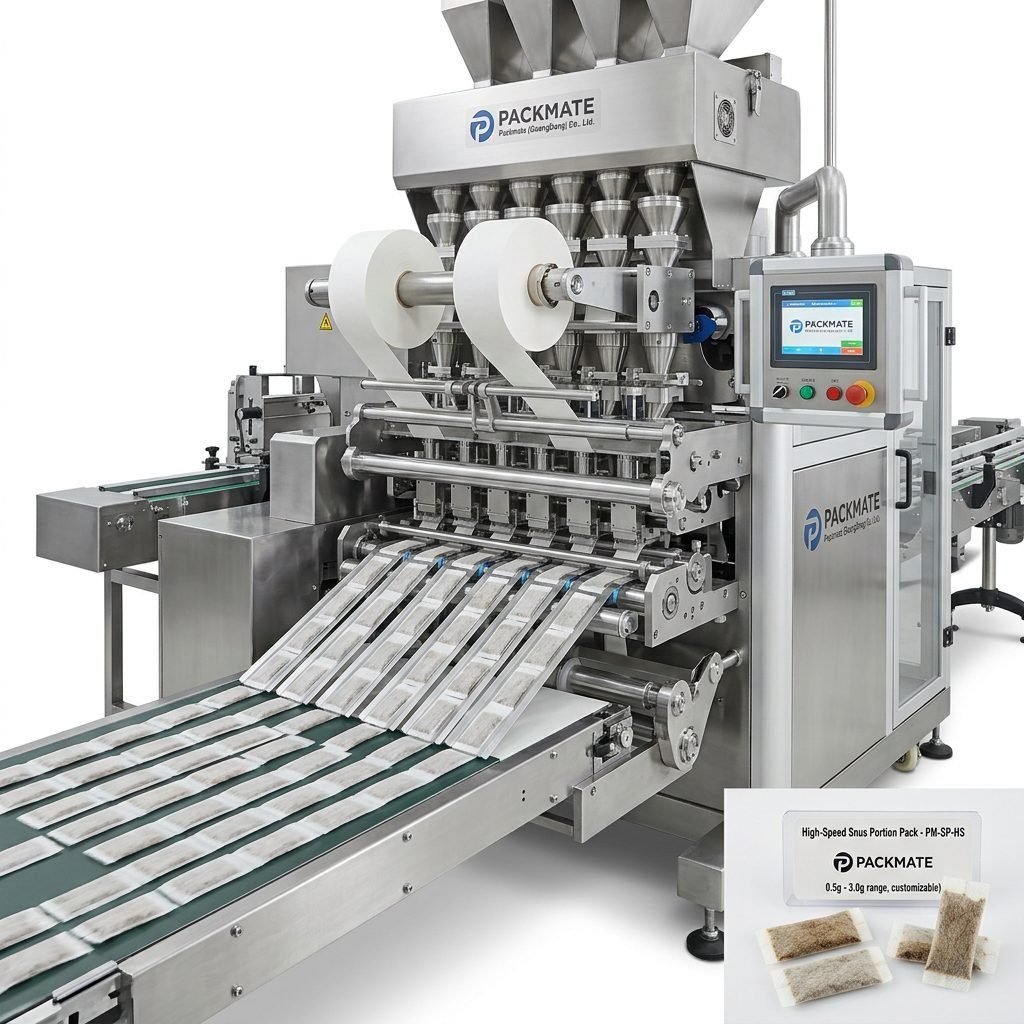
1. Multi-lane Architecture
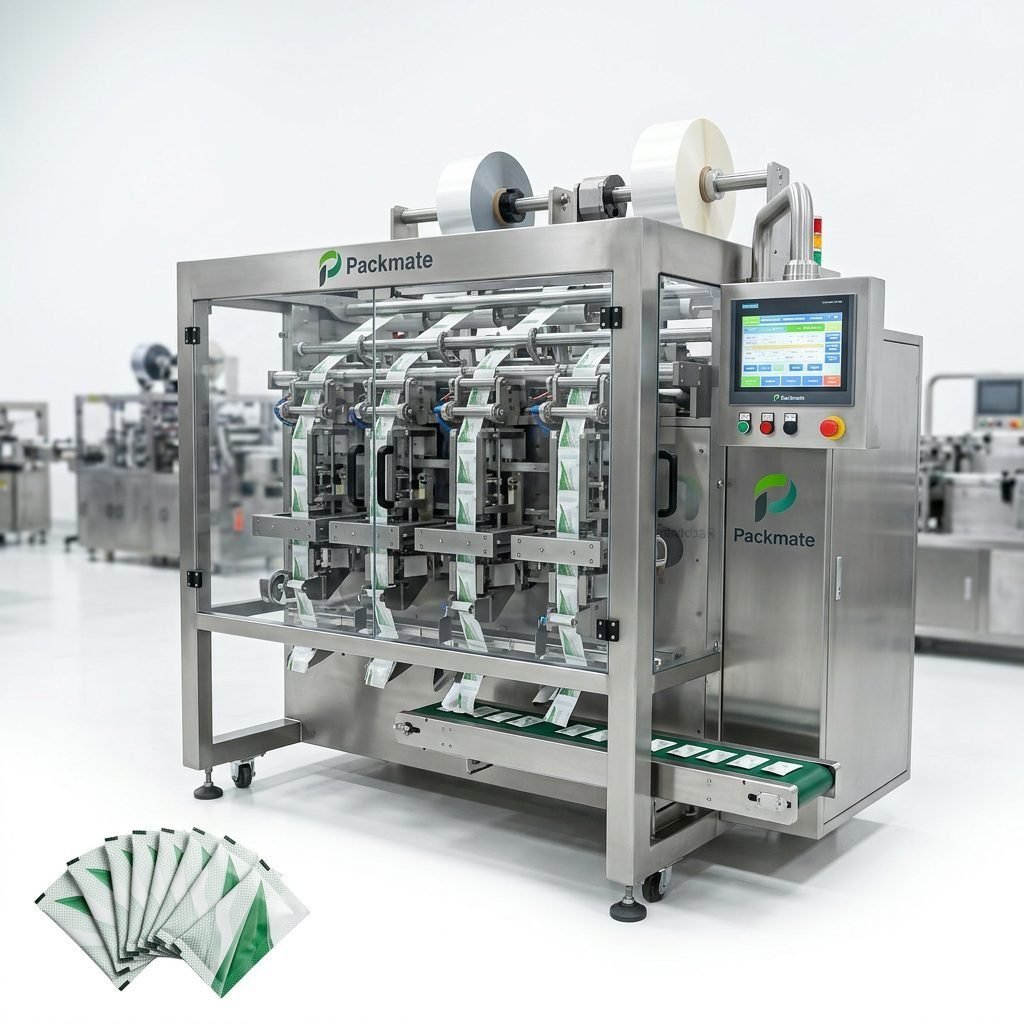
Multi-lane filling enables higher per-minute production without pushing the speeds of a single lane beyond safe limits. This architecture reduces mechanical stress on individual lanes while achieving aggregate throughput targets.
2. Precision Dosing & Weighing
For nicotine pouches, dose accuracy is critical for regulatory compliance and consumer safety. Integrating high-precision weighing systems or volumetric feeders with closed-loop feedback minimizes variance and scrap rates.
Accurate dosing is also essential to maintain product labeling claims and to meet market-specific regulations.
3. Hygienic & CIP-Friendly Construction
Stainless steel contact surfaces, hygienic motor mounts, and designs that enable easy cleaning are essential. Consideration for clean-in-place (CIP) capabilities reduces downtime between shifts or product changes.
4. Modular Automation & Flexibility
Modular machine modules allow manufacturers to scale output, add lanes, or switch product formats (stick, sachet, or pouch) with minimal retooling. A recipe-driven HMI supports quick changeovers and repeatable setup.
Core Machine Types & Their Roles
Selecting the right combination of machines determines reliability and production economics. Below are typical equipment categories used in snus filling lines:
Weighing & Feeding Systems
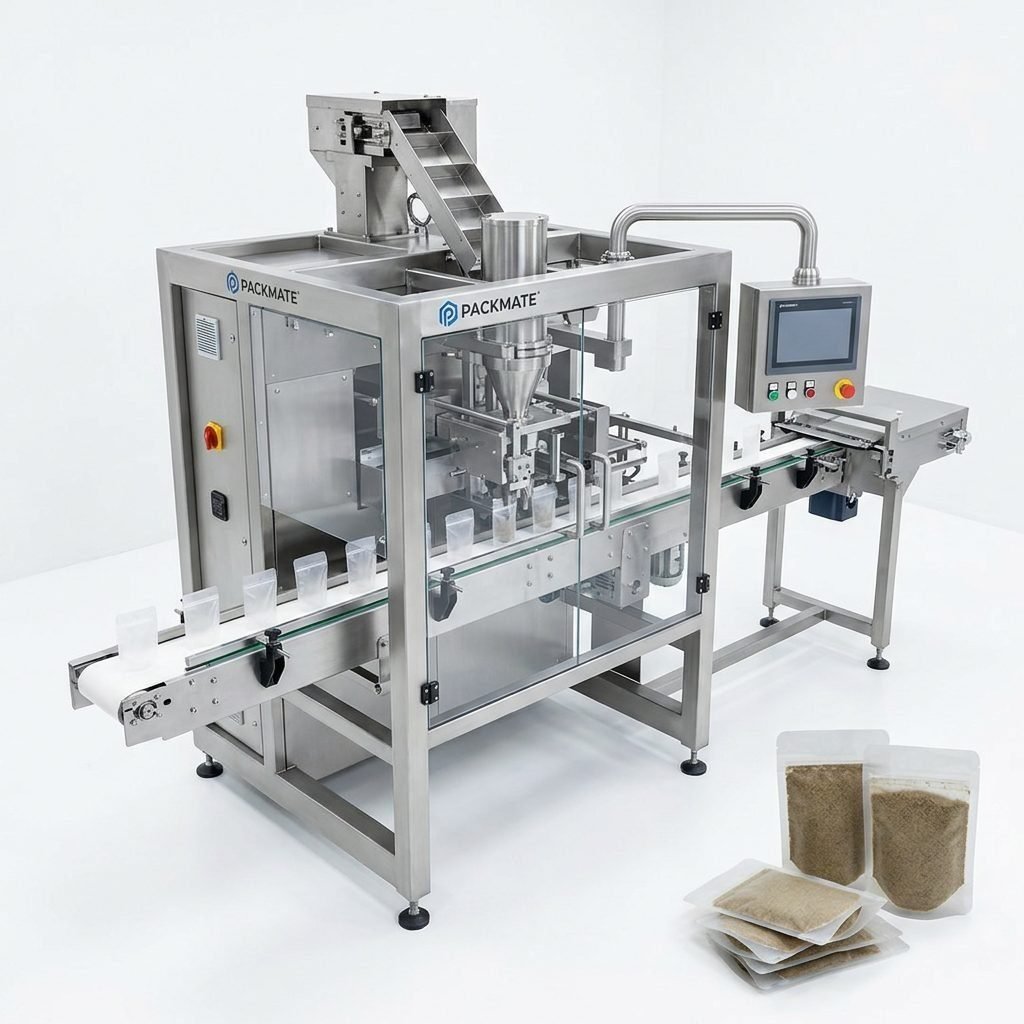
These systems include loss-in-weight feeders, multi-head weighers, and screw or vibratory feeders configured for the physical properties of your snus formulation.
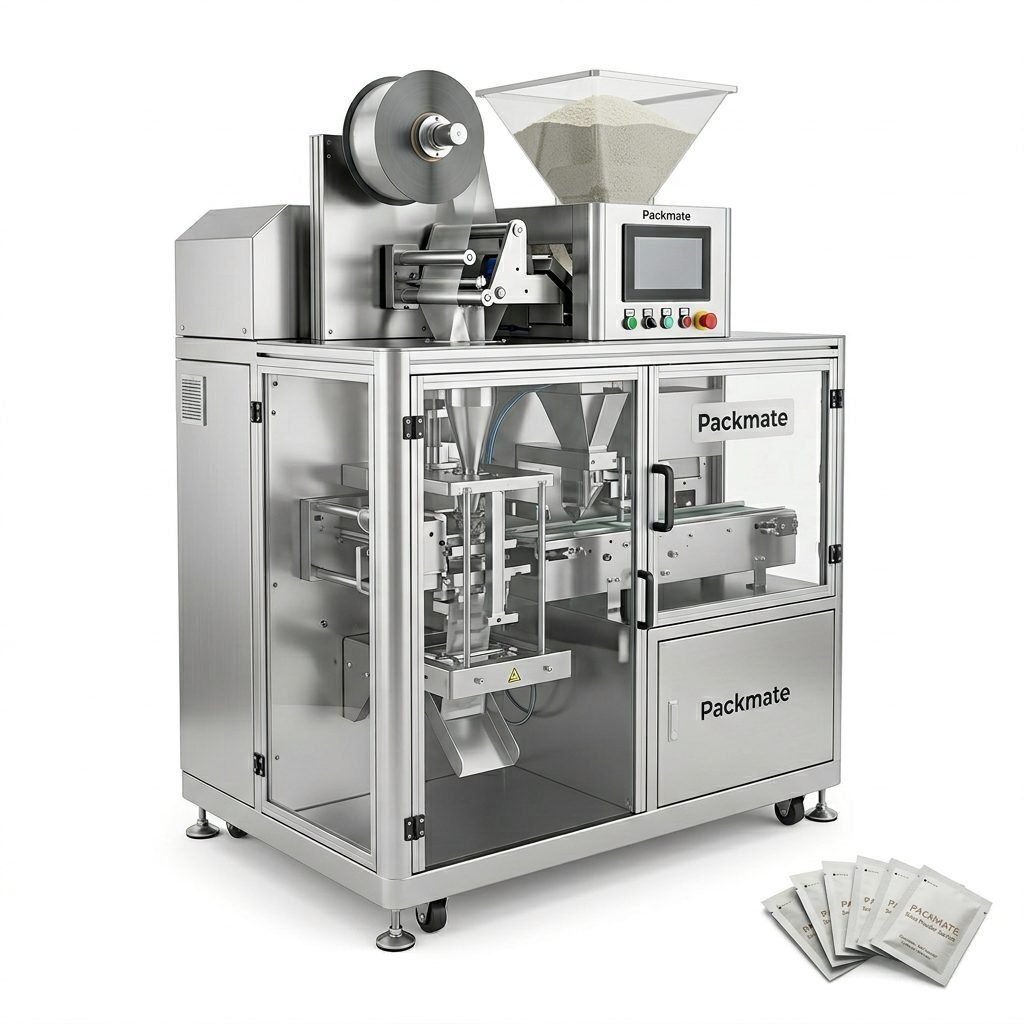
Form-Fill-Seal (FFS) Machines
FFS machines form pouches, fill them with the exact dose, and seal them. For snus, machines can be configured for single-serve sachets, multi-pouch strips, or pillow pouches depending on market preference.
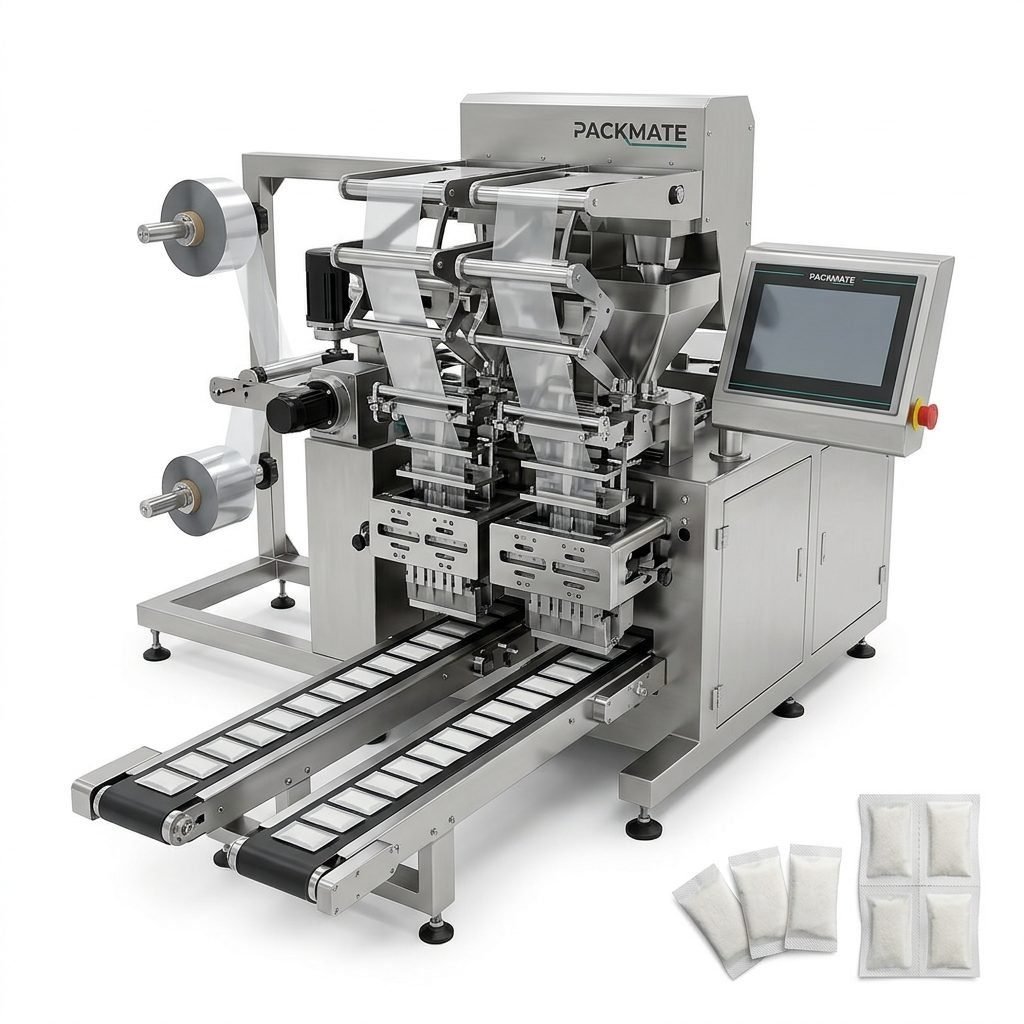
Stick & Sachet Machines
For certain product types, stick packs or sachets are preferable. These machines are optimized for narrow, high-speed packaging with precise cut-and-seal technologies.
Secondary Packaging & Palletizing
Reliable case packers and palletizers reduce manual labor and speed up shipping preparation while maintaining product presentation and protection.
Choose systems from manufacturers that offer complete solutions and compatibility testing. This reduces integration risk and shortens commissioning time.
Customization & Turnkey Services
A true turnkey provider offers not just machines, but a tailored solution that includes design, installation, training, and ongoing support. Typical turnkey services include:
- Process engineering and layout optimization
- Custom tooling and format sets for specific pouch styles
- Control system integration and recipe management
- On-site commissioning and operator training
- Spare parts packages and preventive maintenance plans
For vendors offering global support, it is important to confirm the availability of local service or a remote diagnostics system to minimize potential downtime.
Why Choose an Experienced Manufacturer
Working with a manufacturer that has decades of engineering experience ensures that the line is robust, tested, and optimized. Packmate Snus Machine, for example, offers:
- 30+ years of engineering and product development background
- A 20,000㎡ facility with CNC and precision assembly
- 50+ machine models and the ability to customize turnkey lines
- Compliance with international certifications like CE and ISO
For more machine options and product details, review technical pages such as Snus & Nicotine Packaging Machines and Filling & Packaging Lines.
Quality Control, Safety & Compliance
Quality control systems are integrated at multiple points along the line to ensure product safety and regulatory compliance:
- In-line metal detectors and X-ray systems
- Automated weight checks and rejection stations
- Traceability systems for batch and lot coding
- Cleanroom-compatible design for sensitive formulations
Implement real-time SPC (Statistical Process Control) dashboards to monitor key KPIs such as fill weight variance, sealing integrity, and production uptime.
Factory Capabilities & Manufacturing Excellence
A supplier’s factory capabilities often determine lead times, customization quality, and post-sale service reliability. Robust facilities typically include advanced CNC machining centers, precision assembly lines, and comprehensive quality testing labs. When evaluating a supplier, consider:
- In-house tooling and parts manufacturing for fast spare delivery
- Dedicated R&D for new pouch formats and dosing strategies
- Clear documentation and training materials for global teams
Explore case studies and exhibition records to verify proven deployments: Case and Our Exhibition pages often illustrate real-world line implementations.
Installation, Commissioning & Training
Proper installation and operator training are essential to realize the benefits of a turnkey line. Typical commissioning steps include:
- Factory acceptance testing (FAT) with customer representatives
- On-site installation and mechanical alignment
- Electrical integration, PLC/HMI configuration, and recipe loading
- Trial runs with live materials and optimization of process parameters
- Operator and maintenance team training, plus documentation handover
Ensure your supplier provides complete mechanical drawings, PLC logic descriptions, and preventive maintenance schedules to maximize uptime.
After-Sales Support & Spare Parts Strategy
Long-term performance depends on reliable after-sales service. Key features to evaluate:
- Availability of genuine spare parts and consumables
- Remote diagnostics and software update capabilities
- Local service partners or rapid-response teams for critical repairs
- Training refreshers and periodic audits to prevent drift in process control
For detailed post-sale services, examine supplier information on pages like Service and product catalogs on Catalog.
Selecting the Right Supplier: Checklist
Use this checklist when comparing turnkey providers:
- Proven experience in snus or nicotine pouch lines
- Comprehensive FAT and SAT (site acceptance test) procedures
- Clear warranty terms and spare parts delivery times
- Flexible financing or leasing options for capital budgeting
- Certifications (CE, ISO) and compliance documentation
Reach out to the supplier’s technical sales team for a site-specific proposal. For Packmate, see Contact Us.
Real-World Applications & Markets
Turnkey snus filling lines serve multiple market segments including nicotine pouches, tobacco-free snus alternatives, and pharmaceutical oral-dissolvable formats. Markets in Europe and North America emphasize strict regulatory control and labeling, while some regions prefer premium single-serve formats or multi-pouch retail boxes. Understanding market preferences helps configure packaging format, material selection, and print/coding strategies.
Sustainability & Packaging Materials
Increasingly, brands request recyclable or mono-material films to meet sustainability commitments. Suppliers that support alternative film handling and sealing parameters provide an edge in reducing packaging waste while maintaining hermetic seals.
Conclusion
A turnkey snus filling line can transform production efficiency through integrated design, precise dosing, and end-to-end automation. Choosing an experienced manufacturer with strong engineering capabilities, global service, and proven machine models ensures you achieve consistent product quality, regulatory compliance, and scalable throughput. For detailed machine categories and solutions, explore the product portfolio and case studies available from established suppliers.
Frequently Asked Questions
Q1: How long does it take to install a turnkey snus filling line?
Installation and commissioning time varies by line complexity, but typical lead times from delivery to production can range from 4 to 12 weeks, including FAT, site preparation, and operator training.
Q2: What degree of dose accuracy can I expect?
With high-quality weighing systems and closed-loop control, dose variability can often be held within small fractions of a gram depending on product bulk density and machine configuration.
Q3: Can a line handle multiple pouch formats?
Yes. Modular lines with interchangeable format sets can switch between sachets, stick packs, and multi-pouch formats; however, changeover time and tooling costs should be considered.
Q4: What after-sales support should I require?
Demand guaranteed spare parts availability, remote troubleshooting, on-site service options, and periodic maintenance contracts to sustain high OEE (Overall Equipment Effectiveness).
Q5: Where can I see real installations and test reports?
Review supplier case studies and request references. Suppliers often showcase installations and testing results under their Case and Certificate pages.