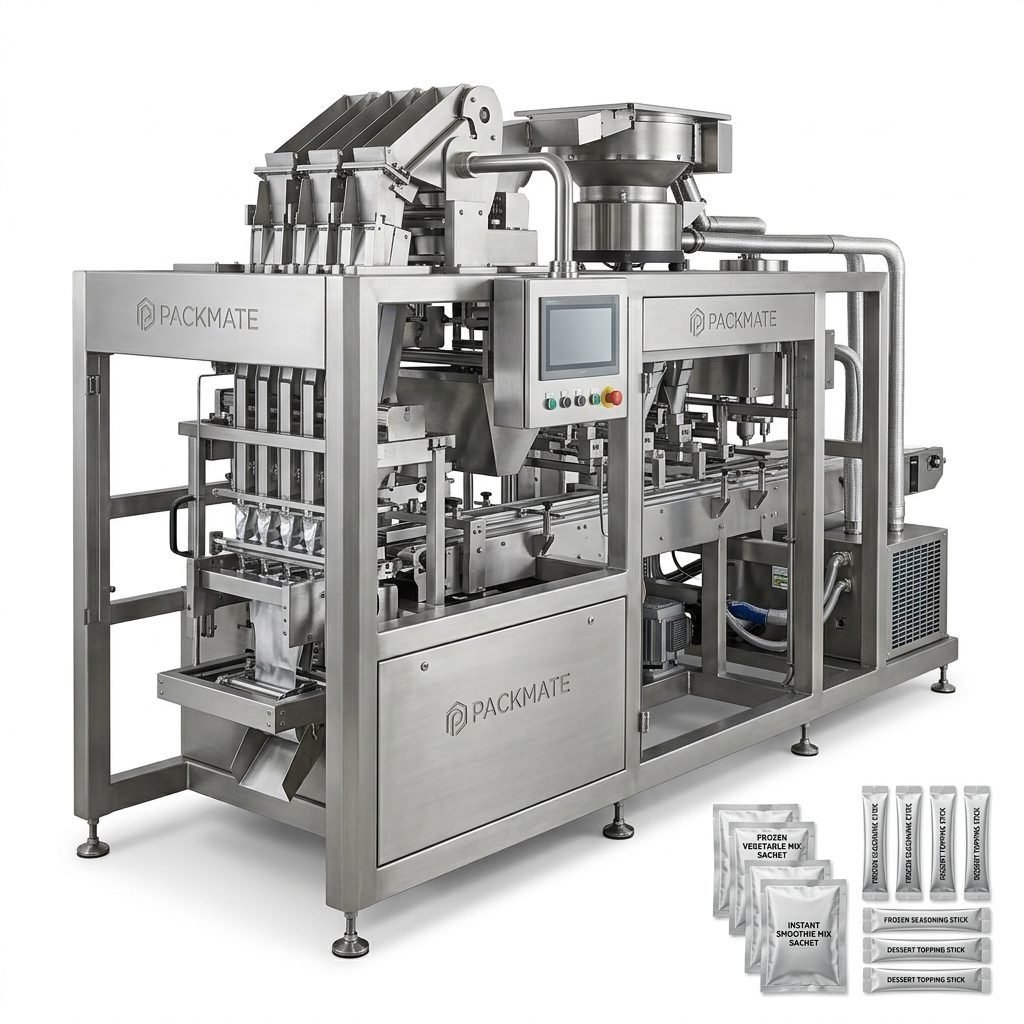
Selecting the right nicotine packaging machine manufacturer is a strategic decision that affects product quality, regulatory compliance, production efficiency, and long-term costs. Whether you are launching a new nicotine pouch brand or scaling a mature operation, understanding the manufacturer’s engineering depth, factory capabilities, and global service model will help you minimize risk and maximize ROI. This guide walks you through practical criteria, inspection checklists, and decision-making tips to choose the best partner worldwide.
🔎 Evaluate Product & Technical Fit
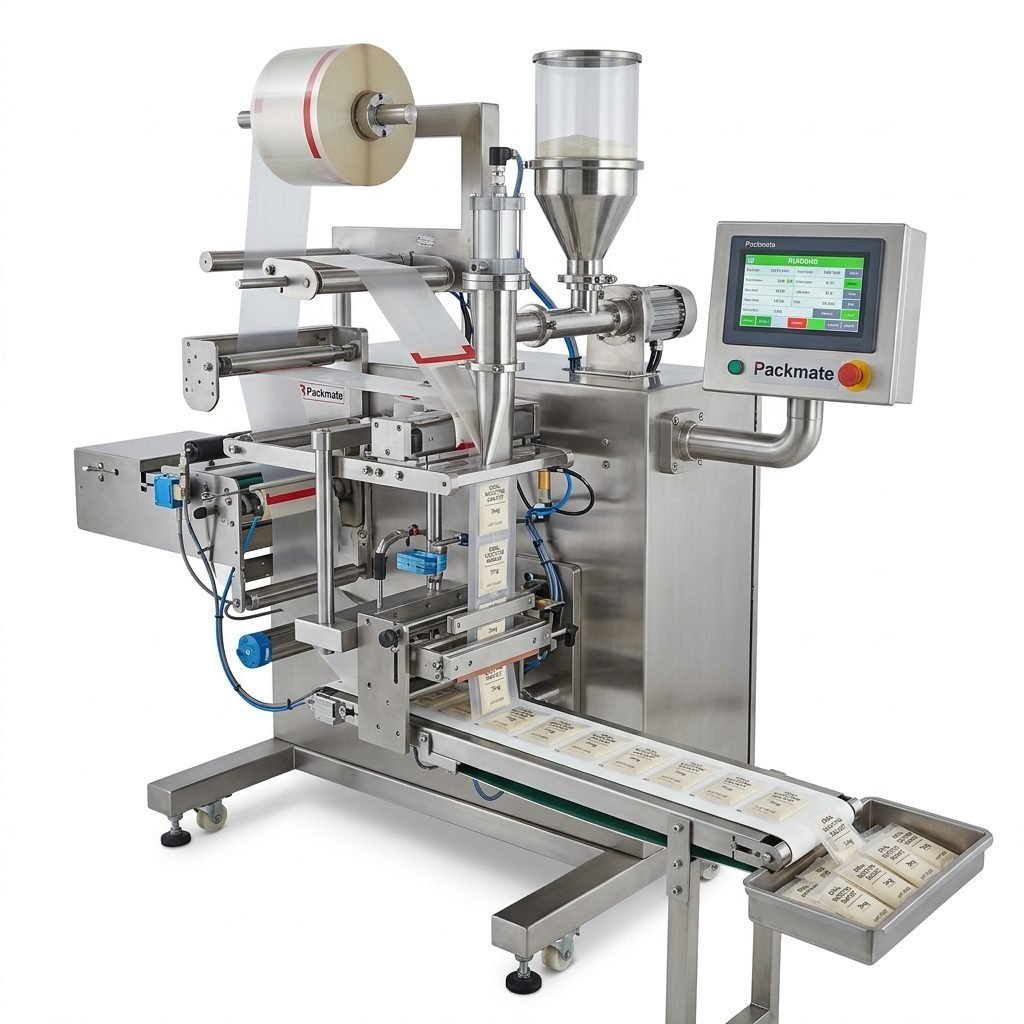
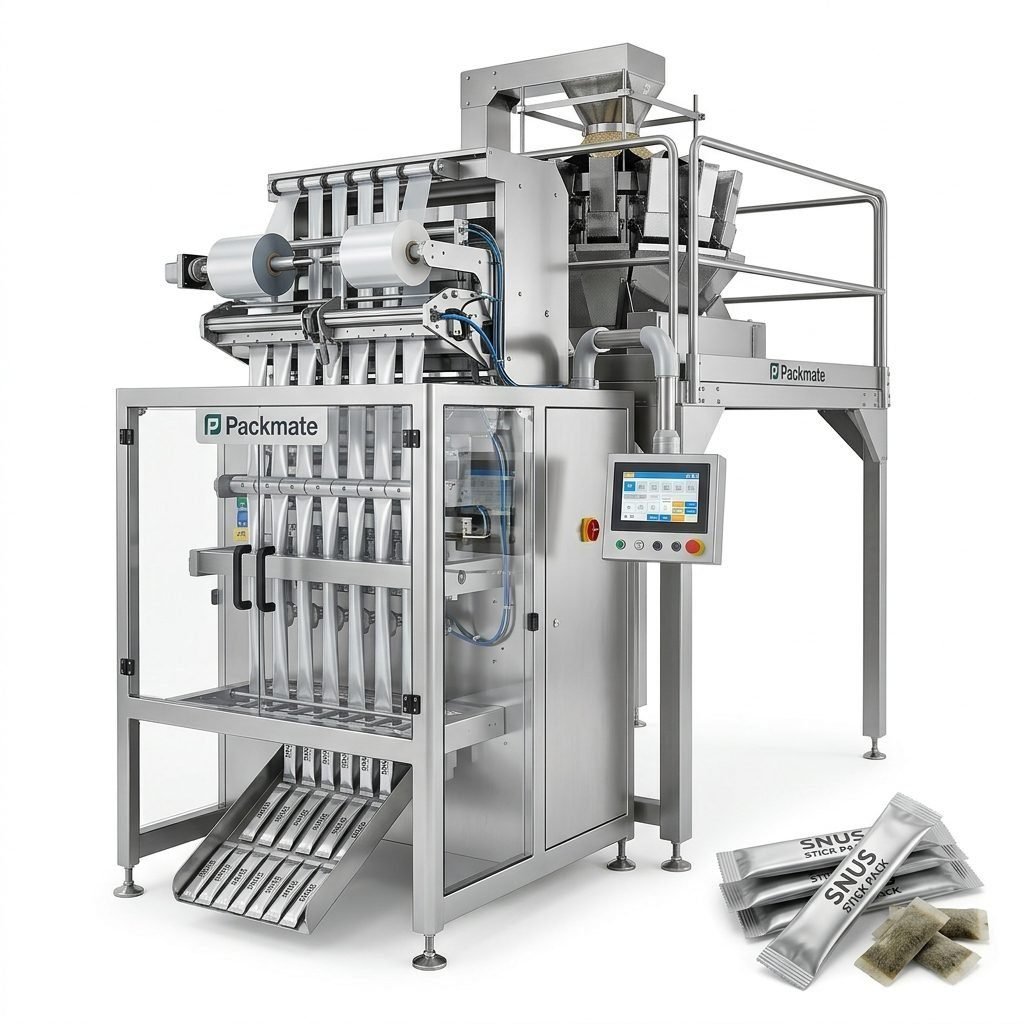
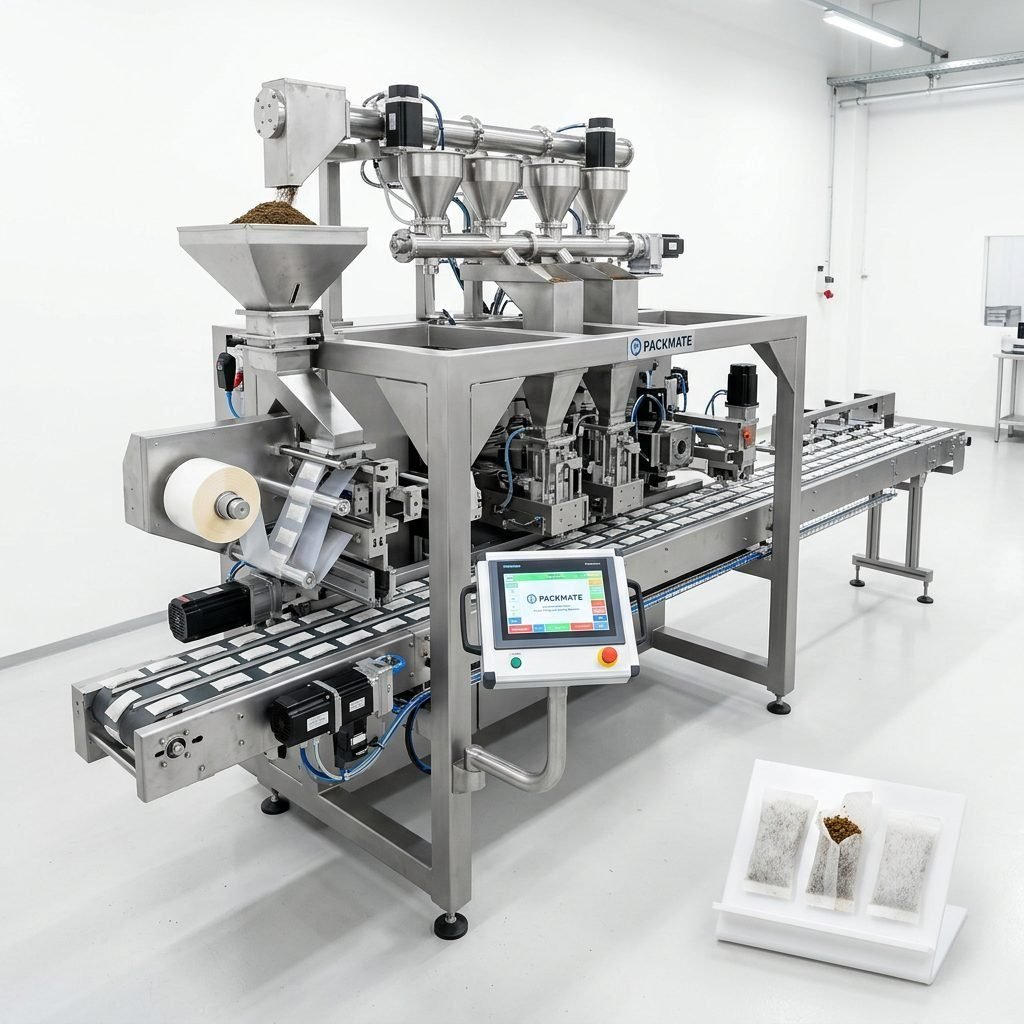
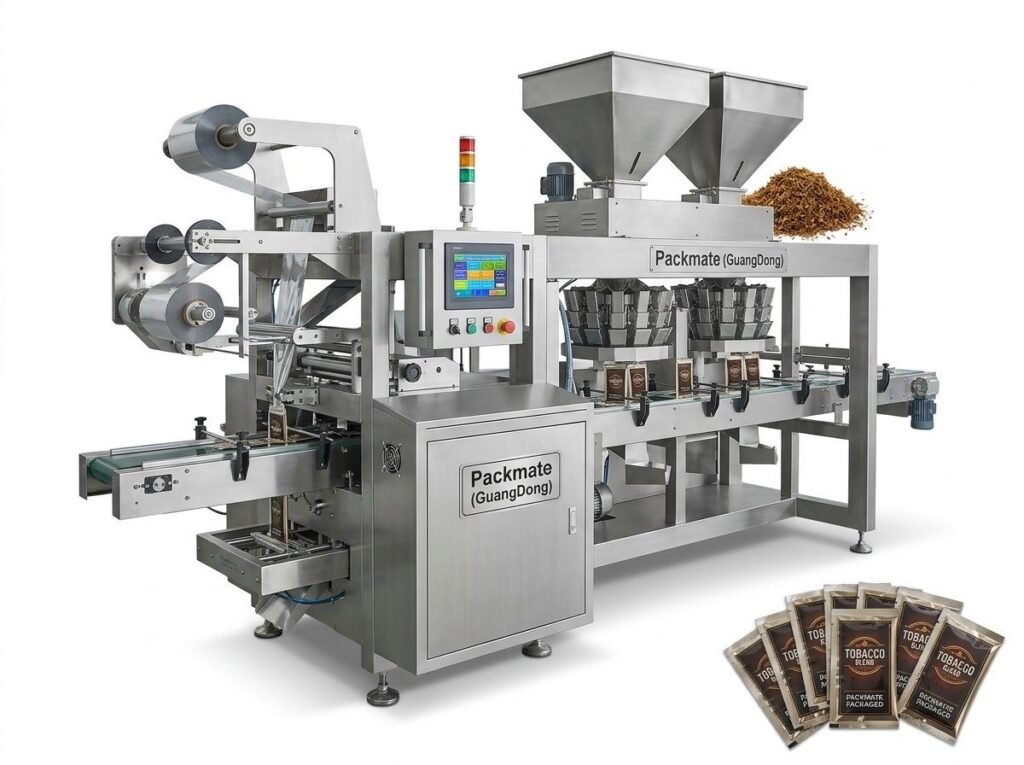
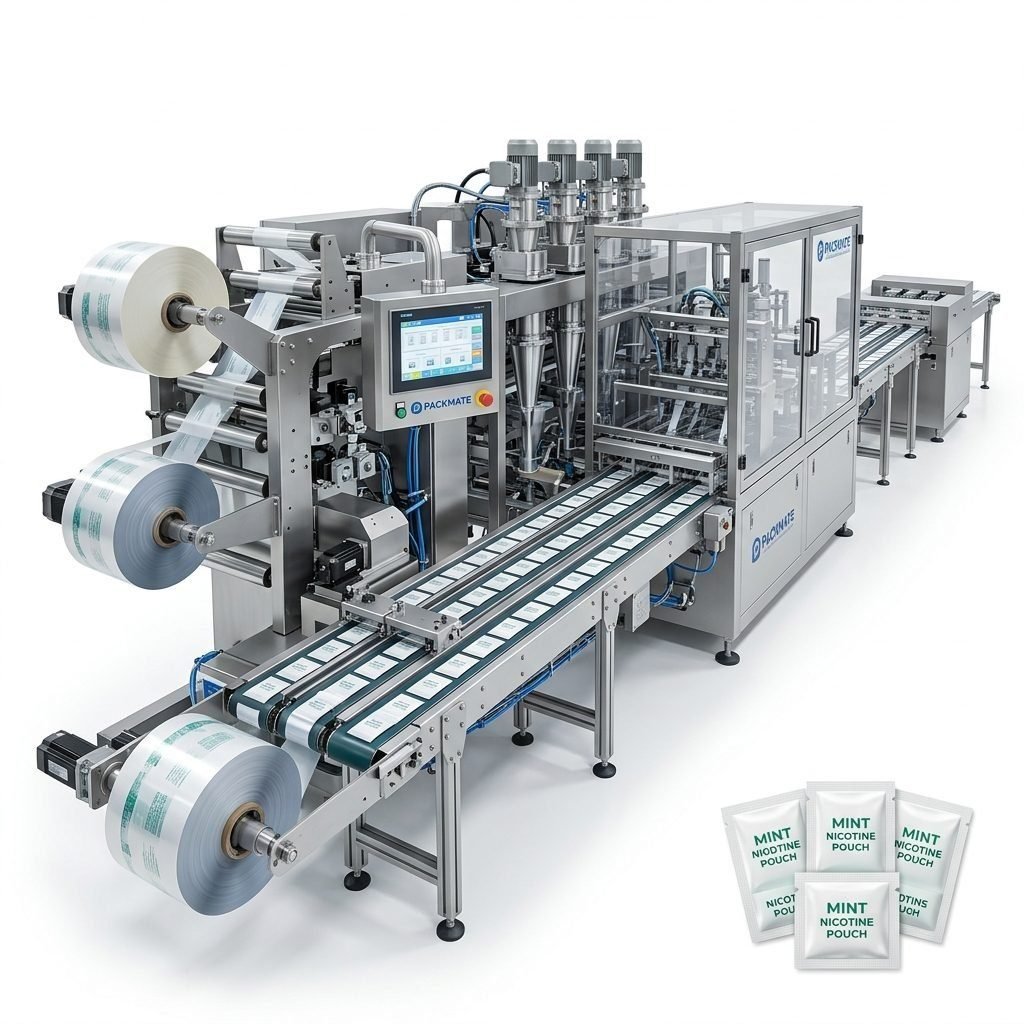
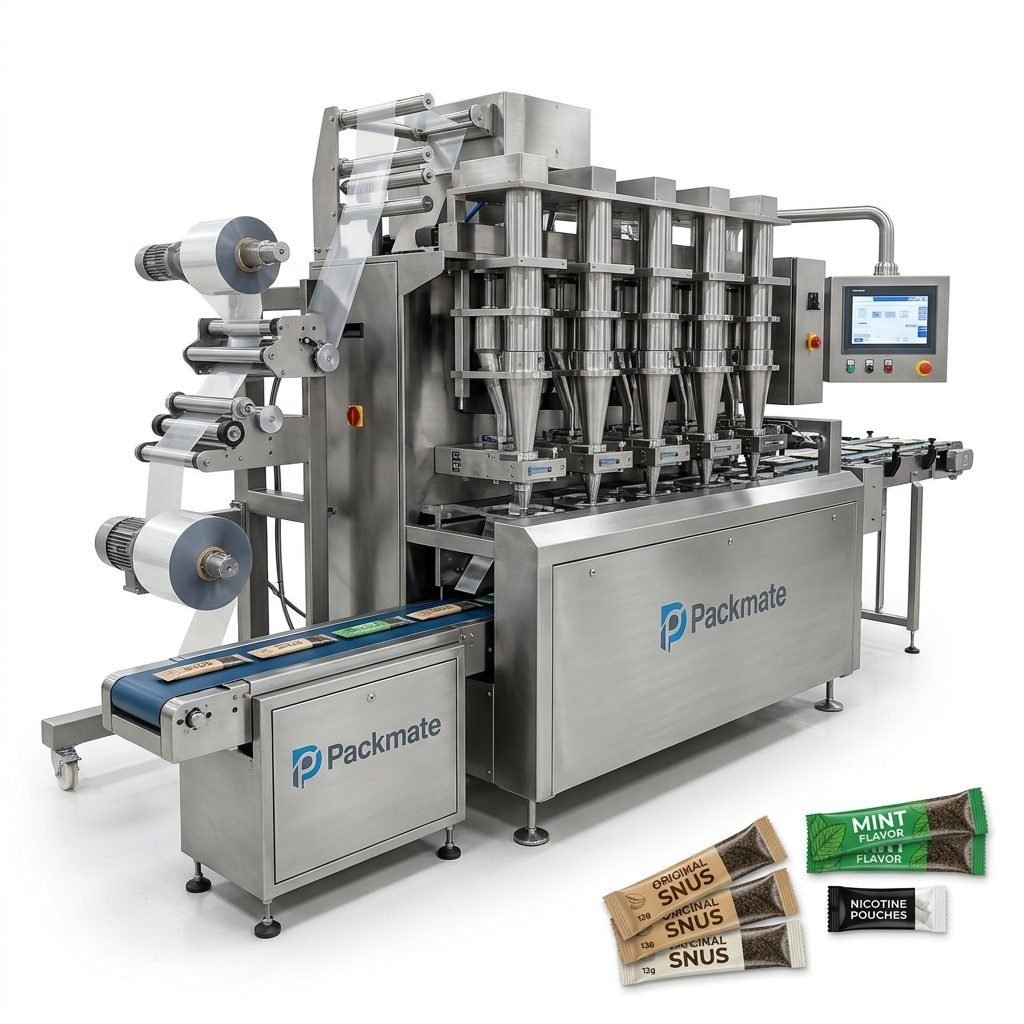
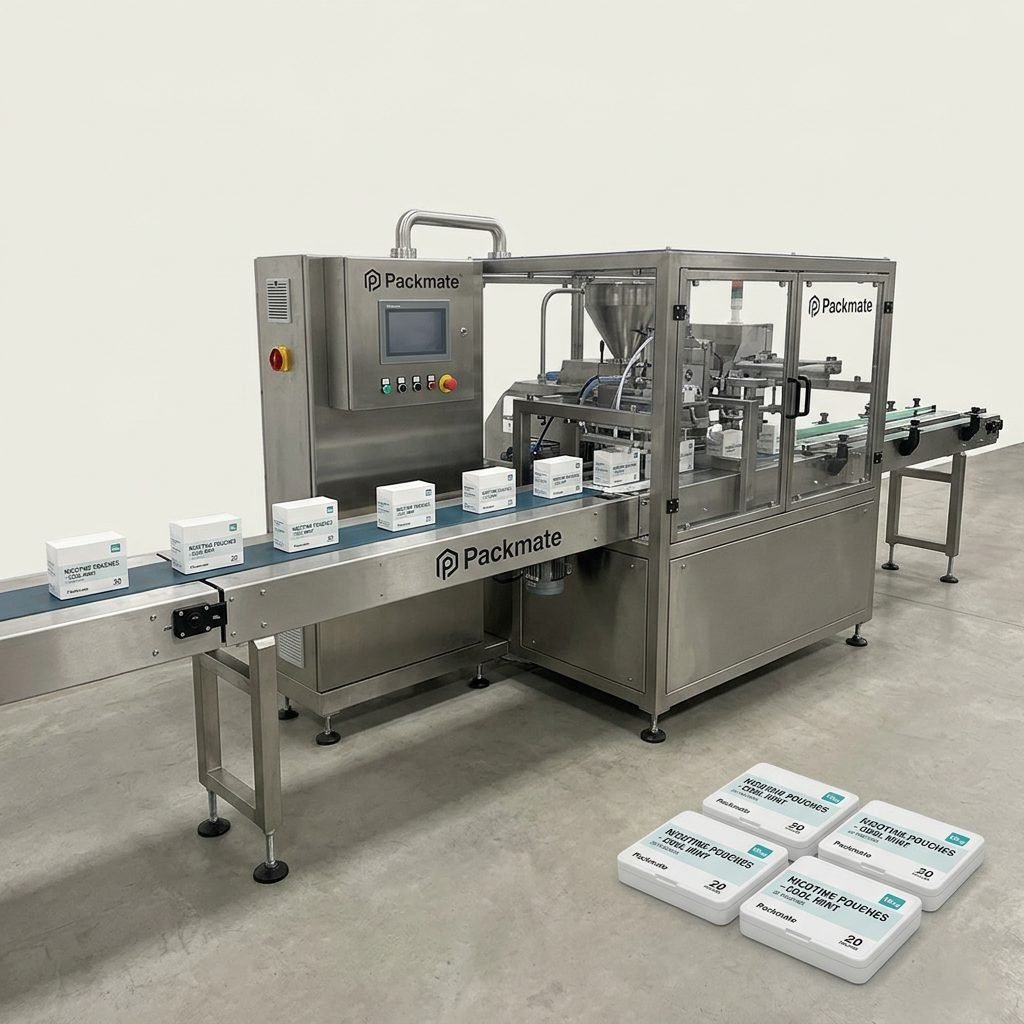
Start with the technical compatibility between your product and the manufacturer’s machines. Nicotine and snus packaging covers diverse formats — single-dose pouches, sachets, stick packs, multi-lane pouches — and each format demands different filling, sealing, and material-handling mechanisms. Look for manufacturers that explicitly list snus and nicotine pouch lines such as Snus & Nicotine Packaging Machines and that can demonstrate successful outputs on similar formulations (powder, micro-granules, moist pouch blends).
✅ Key technical questions
– Can the machine handle your pouch size and dose consistency?
– What is the machine’s throughput (pouches/min) and its multi-lane scalability?
– Are changeovers quick and tool-less, or do they require long downtime?
– What level of automation exists for feeding, dosing, sealing, and integrated weighing?
🏭 Inspect Factory Strength & Experience
Factory capability is a core differentiator. Prioritize manufacturers that demonstrate strong machining, assembly, and testing infrastructure. A factory with advanced CNC centers, controlled assembly lines, and a clear quality inspection process can consistently deliver machines that meet uptime and precision targets. For example, Packmate Snus Machine highlights a 20,000㎡ facility and decades of R&D, which points to robust manufacturing resources capable of producing a wide model range.
Tip: Visiting a manufacturer’s production floor or requesting live video demonstrations will reveal build quality, cleanliness, and the actual condition of CNC equipment and assembly benches.
📦 Range of Models & Customization
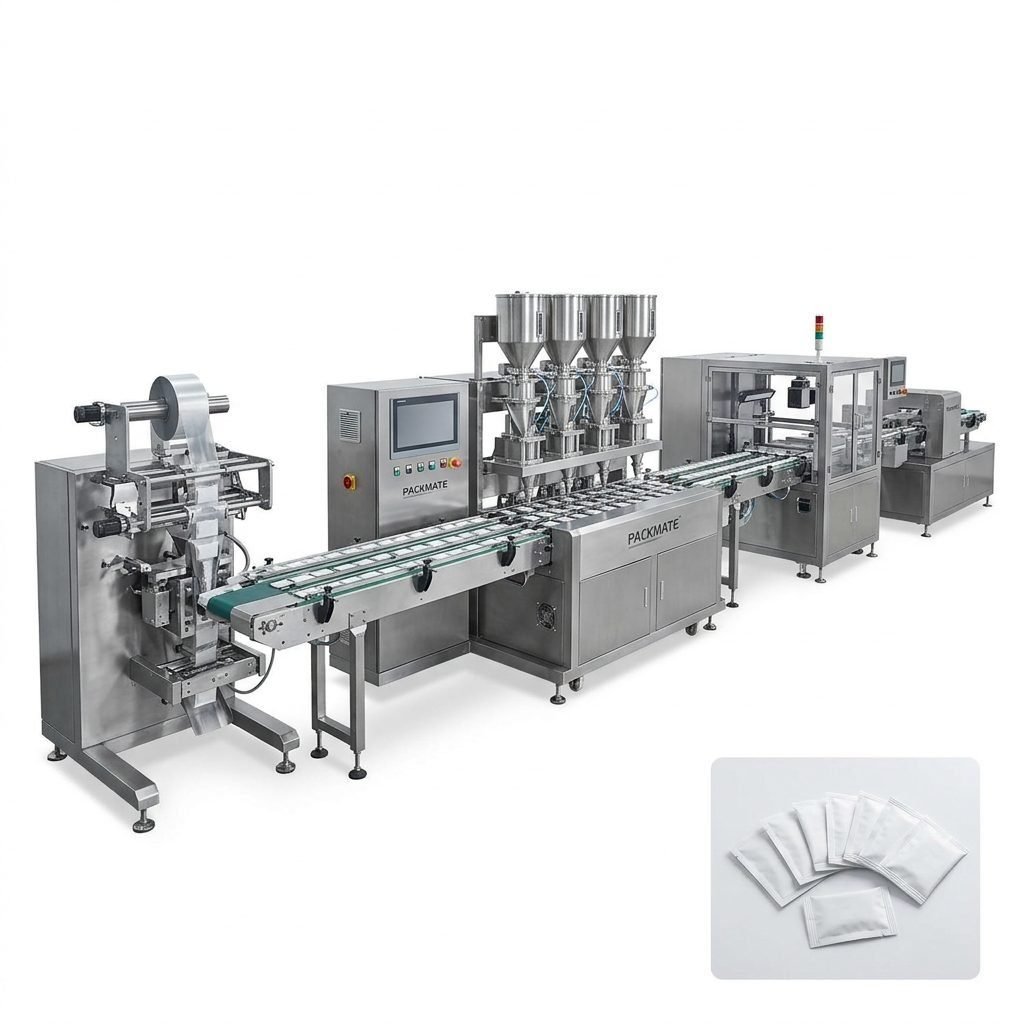
Suppliers that offer a broad product range (stick pack, sachet, multi-lane systems) and provide tailored turnkey solutions typically support higher growth and more product variants. Check whether they provide complementary systems such as weighing, dosing, and ancillary equipment. Useful links include their sachet and stick pack offerings like Sachet & Stick Pack Machines and integrated filling lines.
📑 Certifications, Compliance & Documentation
Regulatory compliance is non-negotiable for nicotine-related production. Confirm that machines meet relevant international standards (CE, ISO) and that the manufacturer provides full documentation: electrical schematics, spare parts lists, maintenance manuals, and validation protocols. If your target markets include the EU, North America, or regulated APAC regions, ensure the supplier can support audits and provide traceable test records.
Important: Ask for certificate copies and recent factory inspection reports. If a supplier lists credentials on their site, cross-check the details; Packmate’s public inventory of CE/ISO certificates is an example of transparency.
🔧 After-Sales Support & Spare Parts Network
After-sales support determines long-term machine availability. Evaluate response times, spare parts logistics, and remote troubleshooting capabilities. Manufacturers that provide global turnkey solutions and maintain an international service network will shorten downtime and reduce shipping lead times for critical parts. Verify service agreements, warranty terms, and whether they offer remote monitoring or predictive maintenance options.
🌍 Global Footprint & References
A proven global footprint indicates adaptability to diverse regulatory and operational requirements. Ask for case studies and client references in regions similar to your market. Review deployment stories and performance reviews — see their case examples like Case pages to understand real-world performance across continents.
⚙️ Durability, Materials & Build Quality
Evaluate the materials used in construction: stainless steel grades, surface treatments, and food-contact components. Machines intended for moist or adhesive nicotine pouches require corrosion-resistant surfaces and easy-to-clean designs. Request details on component suppliers for drives, PLCs, servo units, and sealing heads. Manufacturers who use reputable international component brands and provide component traceability demonstrate higher reliability.
Checklist: Ask for a Bill of Materials, service life estimates for wear parts, and mean time between failures (MTBF) figures.
⚖️ Total Cost of Ownership (TCO) vs. Upfront Price
Don’t be swayed solely by the purchase price. Calculate TCO including energy usage, spare parts consumption, consumables (seals, belts), expected downtime, and the pace of production changeovers. Higher-end machines with better sealing accuracy and integrated quality control may cost more initially but will reduce waste and rework, thus lowering operational costs over time.
💡 Financing, Leasing & Upgrade Paths
Discuss financing options, upgrade packages, and modular expansions. A modular multi-lane machine that can be upgraded or reconfigured will align better with production scaling plans. Confirm whether the manufacturer provides retrofit kits, software upgrades, and training packages.
📋 Acceptance Testing & Performance Guarantees
Define acceptance criteria before purchase: agreed throughput, fill accuracy, sealing integrity, and reject rates. Insist on Factory Acceptance Testing (FAT) with raw materials similar to yours, and a Site Acceptance Test (SAT) after installation. Contracts should include remedies for failure to meet specified metrics.
Note: A clear FAT/SAT process protects both parties and ensures the delivered system meets real production needs.
🤝 Commercial Terms & Long-Term Partnership
Beyond technical fit, evaluate the supplier’s business stability, warranty terms, delivery timelines, and capacity to scale. A reliable partner offers transparent lead times, clear spare parts pricing, and commitment to training and technical knowledge transfer. Consider supplier reputation, brand recognition, and the presence of domain-specific expertise in nicotine/sn us packaging.
🔗 Useful resources from the manufacturer
For further reading on integrated systems, examine the manufacturer’s offerings in weighing and filling lines such as Weighing & Packaging Systems and full filling solutions at Filling & Packaging Lines. Also review their company background and exhibitions for additional confidence: About Packmate.
🧭 Practical Selection Roadmap
1. Define product specifications and desired throughput.
2. Shortlist vendors based on experience with nicotine/sn us lines and factory scale.
3. Request technical proposals, BOMs, and FAT schedules.
4. Validate references and inspect factory or live demos.
5. Negotiate performance-based acceptance and warranty terms.
6. Plan installation, validation, and operator training well in advance.
Quick win: Choose suppliers that provide combined solutions — packaging machines plus auxiliary equipment — to reduce integration complexity and speed up commissioning.
⚠️ Red Flags to Watch For
– Vague or missing FAT/SAT documentation.
– No references in nicotine/sn us sectors or unwillingness to share case studies.
– Poor spare part lead times or lack of a global service network.
– Incomplete certifications or inability to provide component traceability.
Final considerations
Choosing a nicotine packaging machine manufacturer is both an engineering and commercial decision. Favor partners that demonstrate transparent processes, robust factory capabilities, documented compliance, and clear after-sales support. The right supplier becomes a long-term ally, helping you optimize yields, maintain regulatory compliance, and expand production capabilities as market demand grows.
If you need tailored equipment options or want to compare multi-lane systems and turnkey lines, explore the manufacturer’s full catalogs for model specifications and service packages.
Frequently Asked Questions
Q1: How do I verify a manufacturer’s claims about throughput and accuracy?
A1: Insist on Factory Acceptance Testing (FAT) using your actual materials and agreed KPIs. Request data logs and a demonstration run to validate throughput, fill accuracy, and reject rates.
Q2: What certifications should I prioritize for nicotine pouch equipment?
A2: Prioritize CE and ISO certifications, plus any regional compliance relevant to your market. Confirm hygienic design, material traceability for food-contact parts, and documented quality control.
Q3: Can I upgrade a single-lane machine to multi-lane later?
A3: Some manufacturers offer modular platforms designed for upgrades. Confirm upgrade pathways, spare part compatibility, and control system scalability before purchase.
Q4: How important is the supplier’s global service network?
A4: Very important. A global service network reduces downtime, speeds spare part delivery, and provides timely technical support, especially when operating in multiple countries.
Q5: Where can I see real-world examples and references?
A5: Review published case studies and exhibition demos to evaluate live performance; check the manufacturer’s case pages and exhibition schedules to arrange visits and demonstrations.