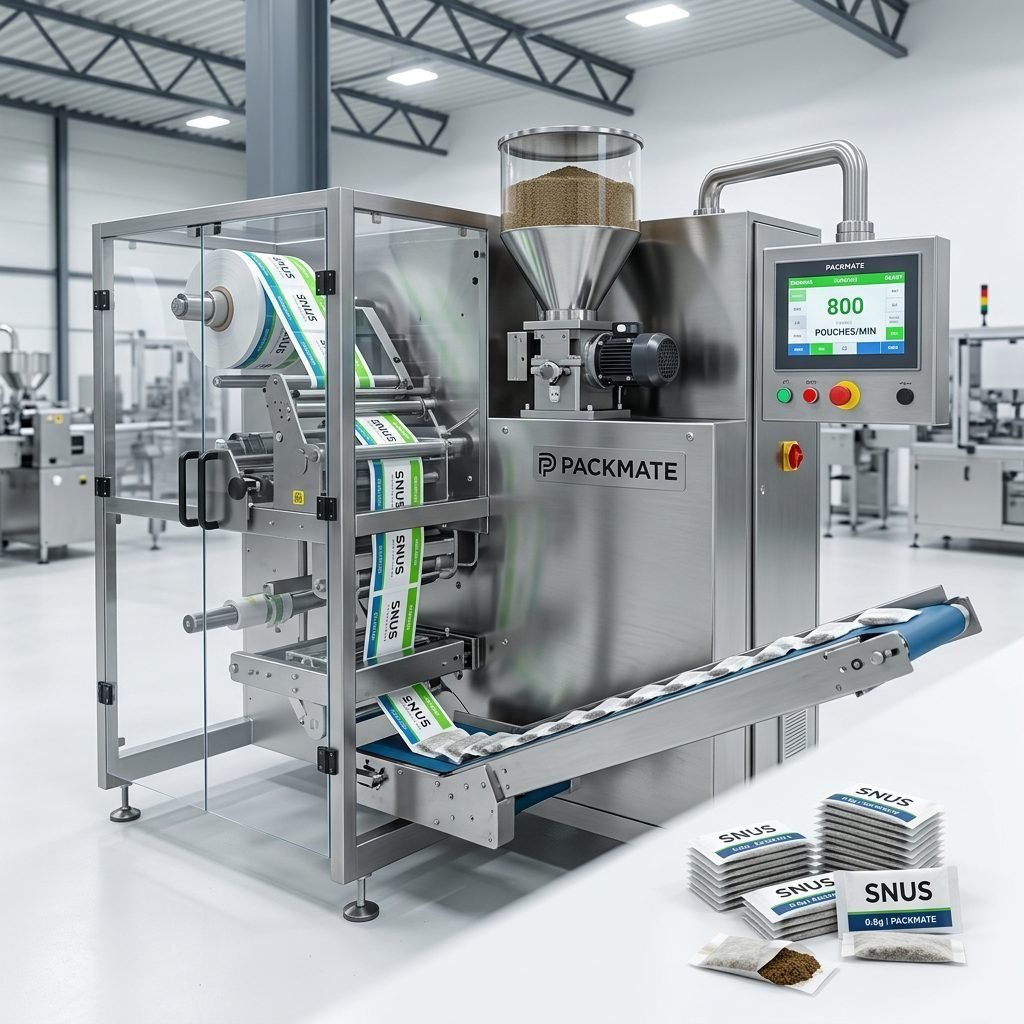
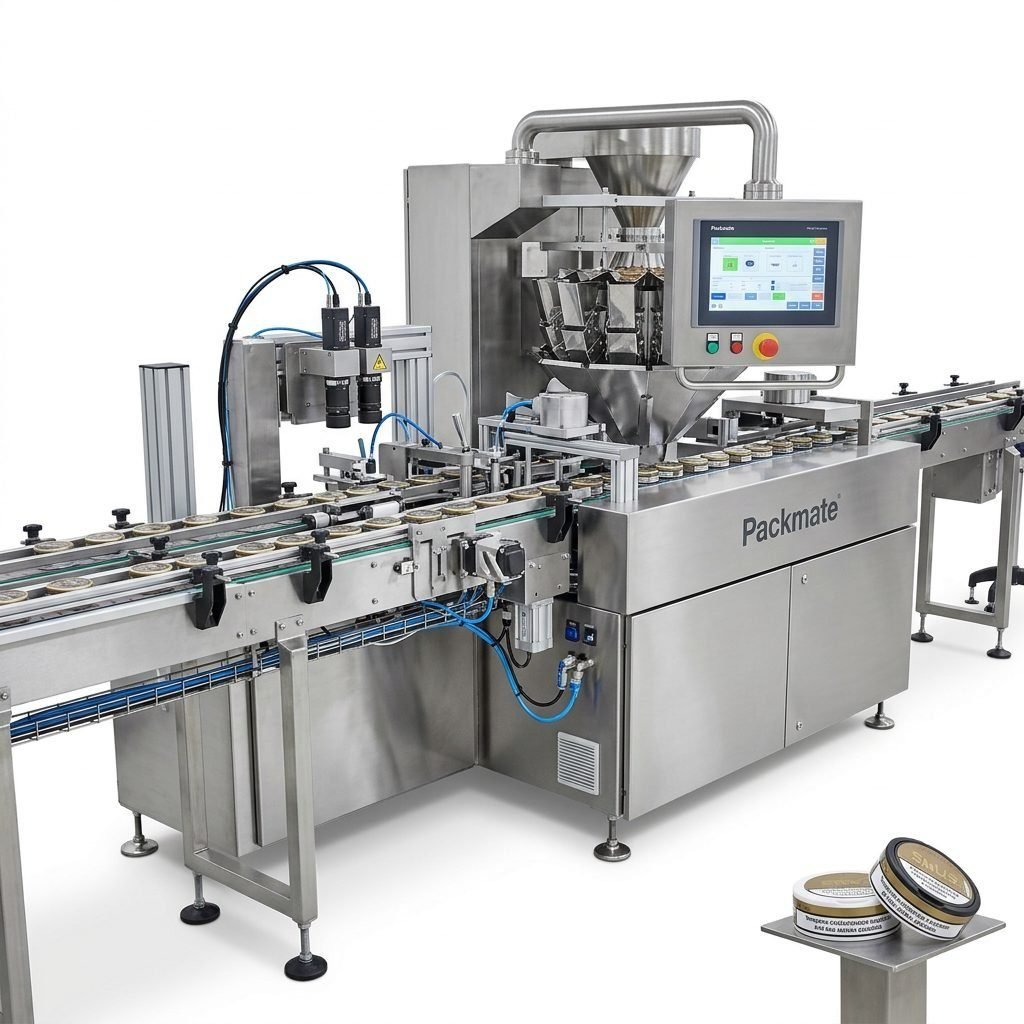
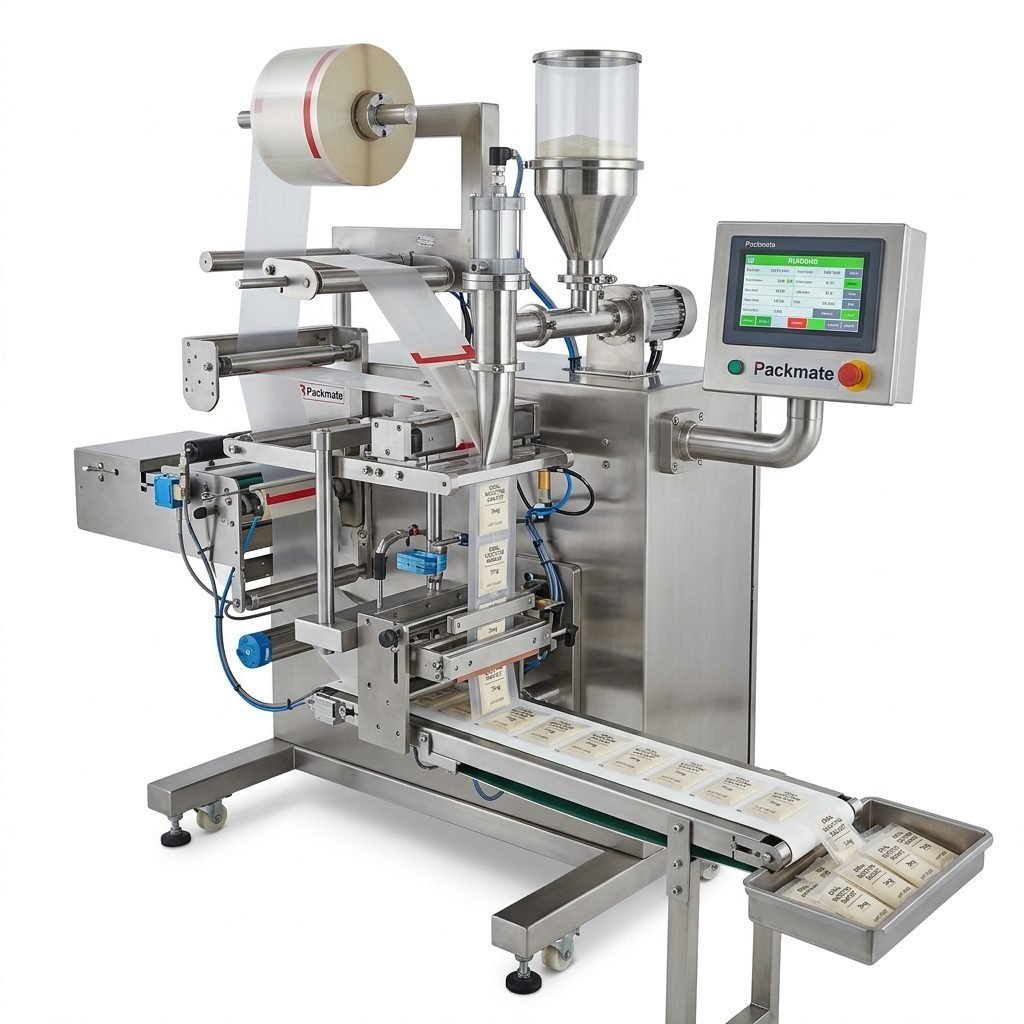
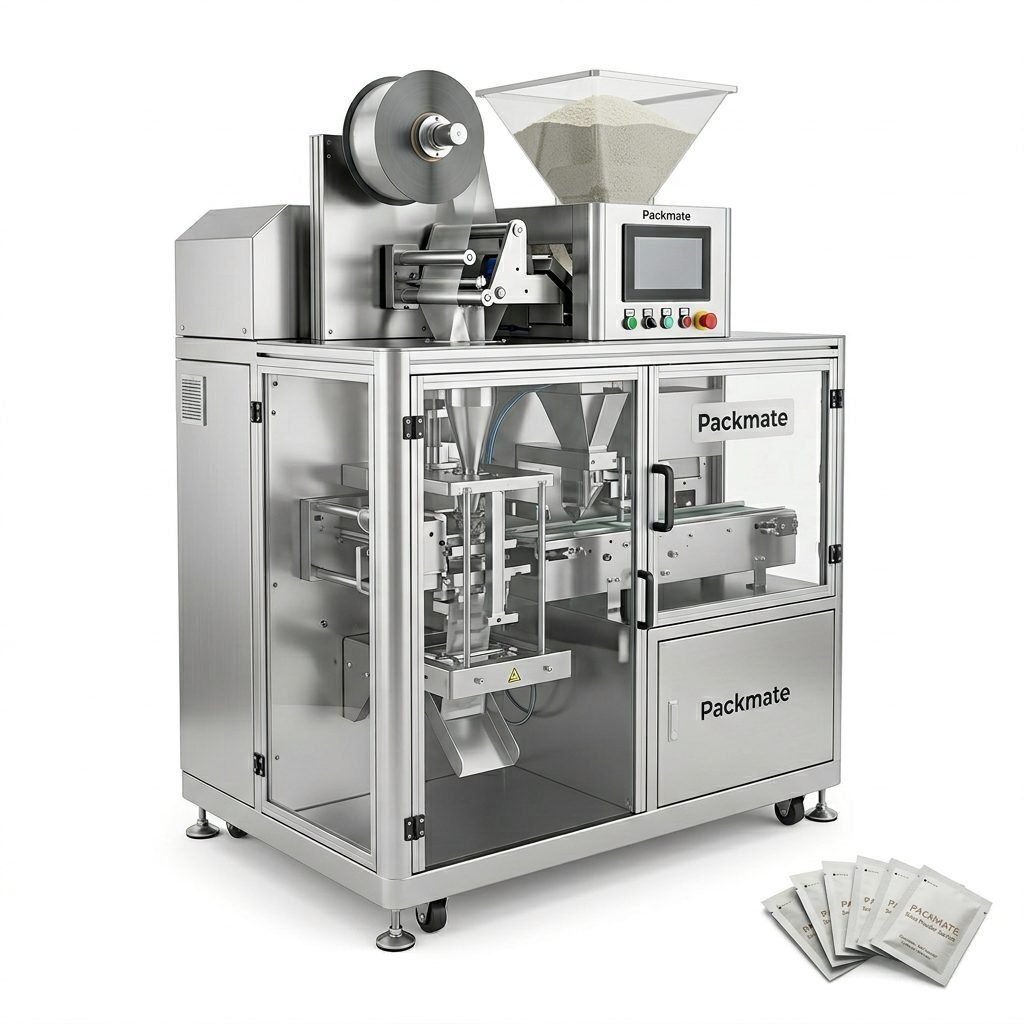
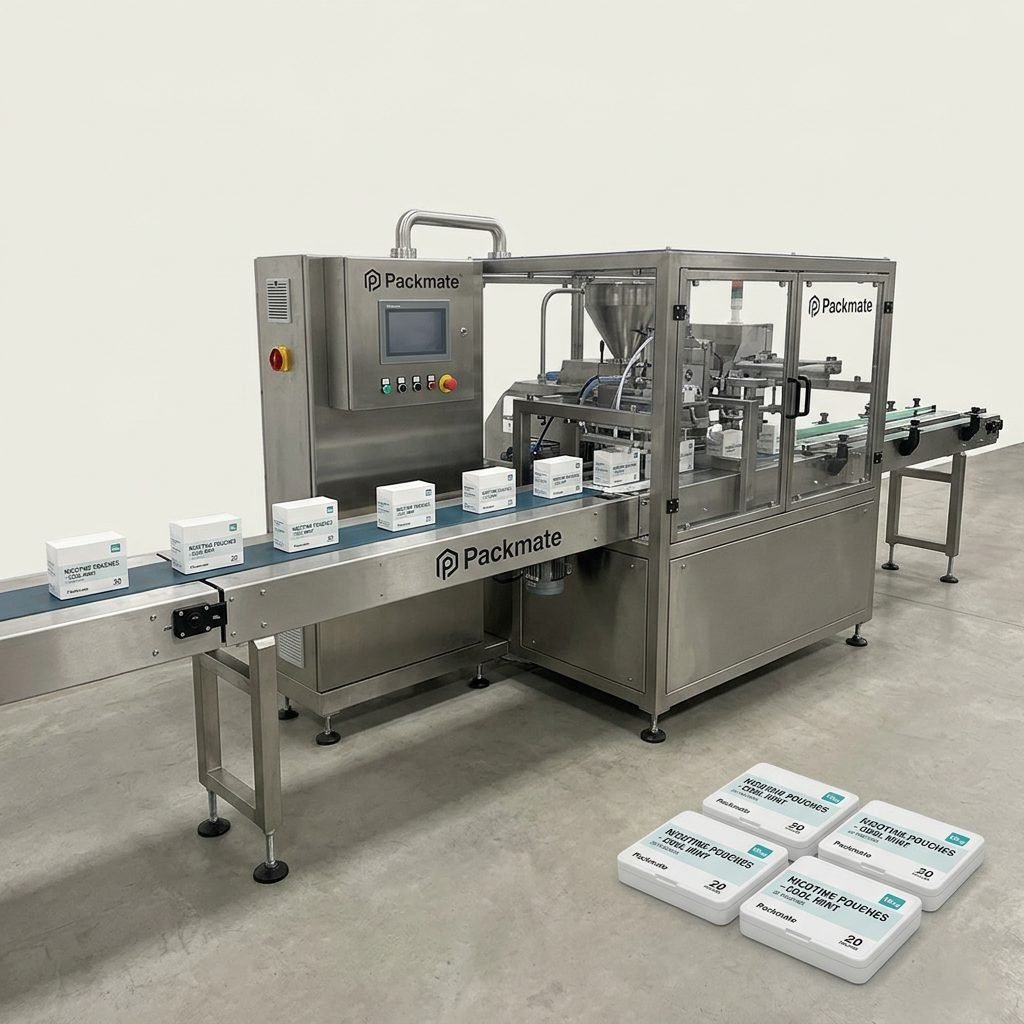
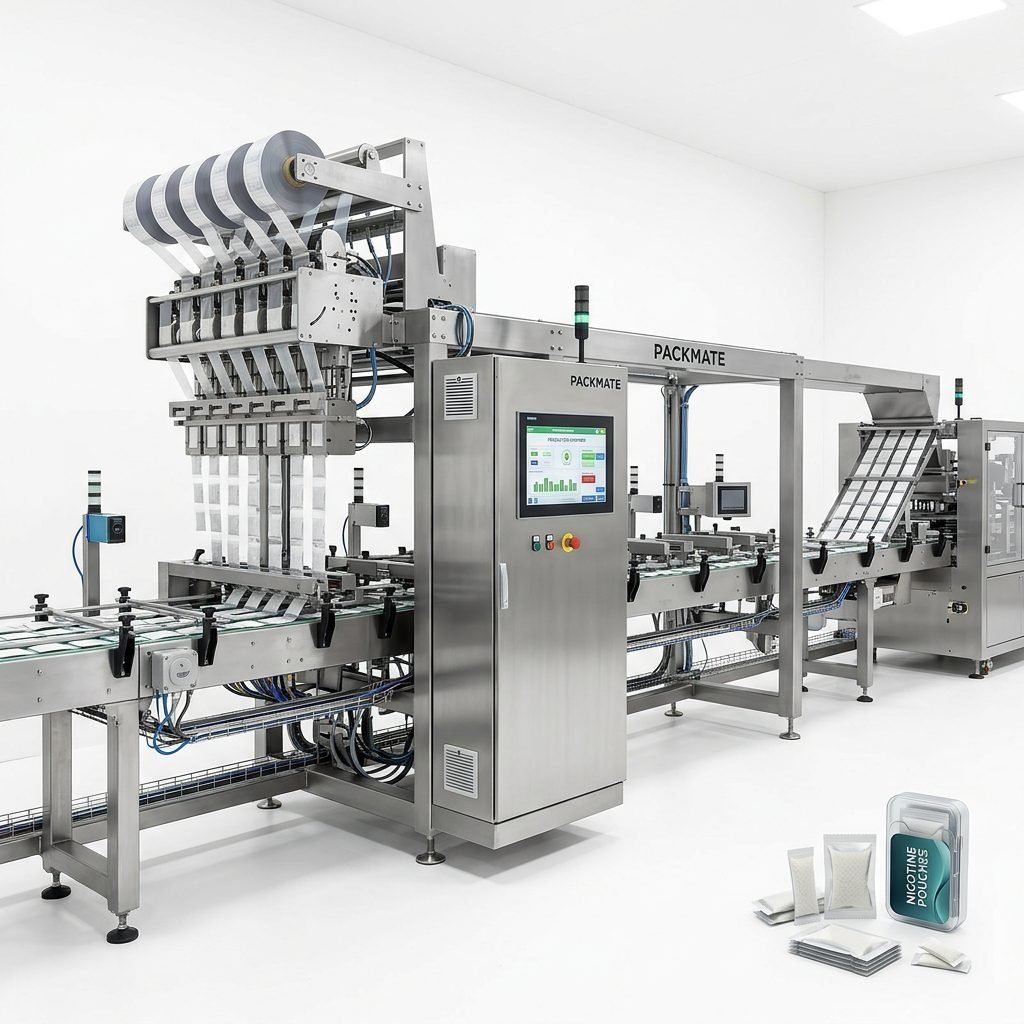
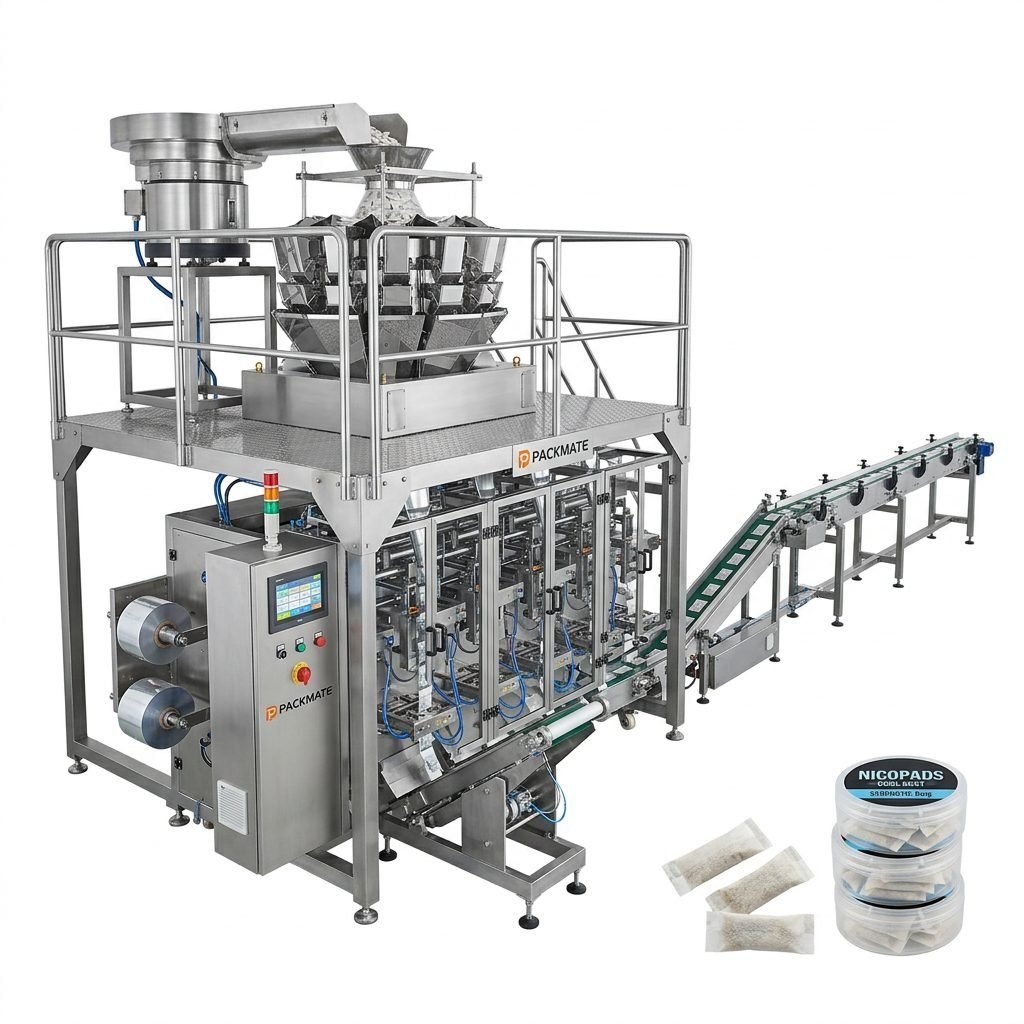
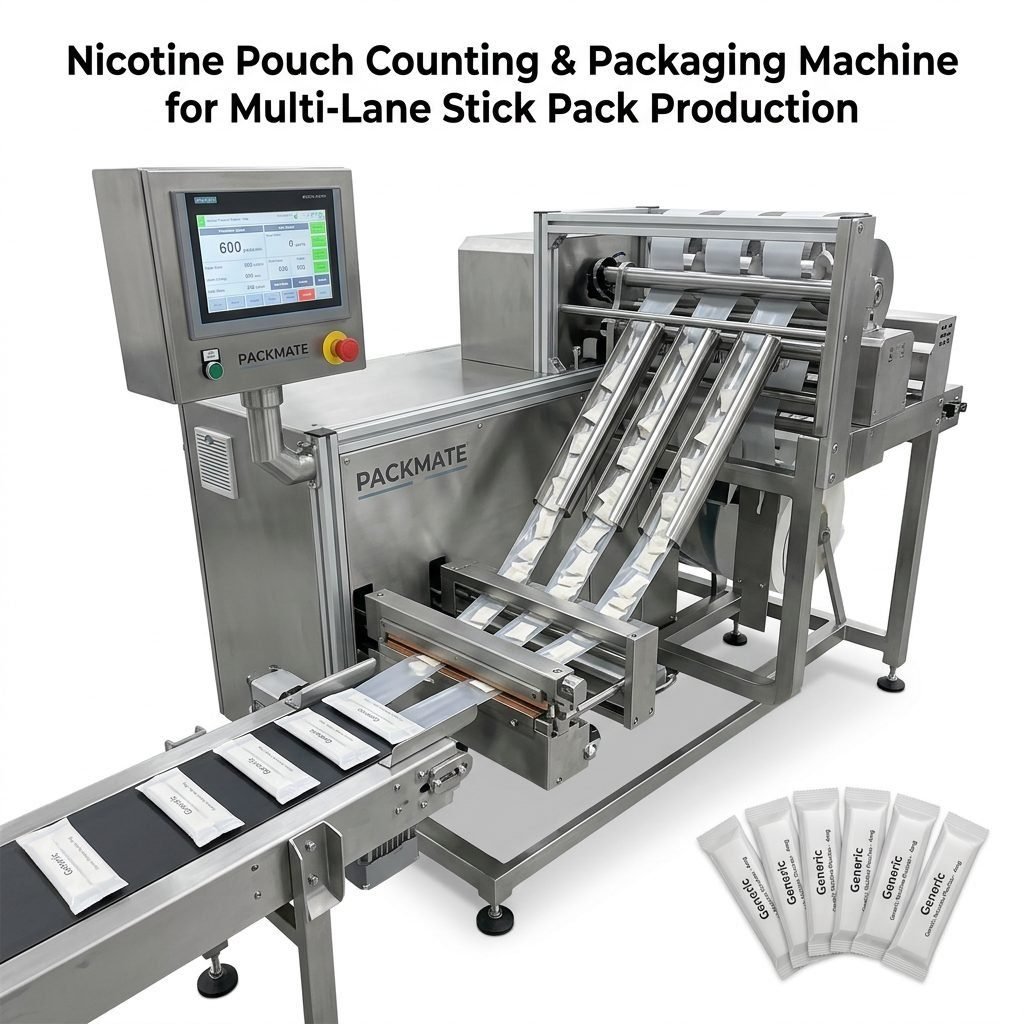
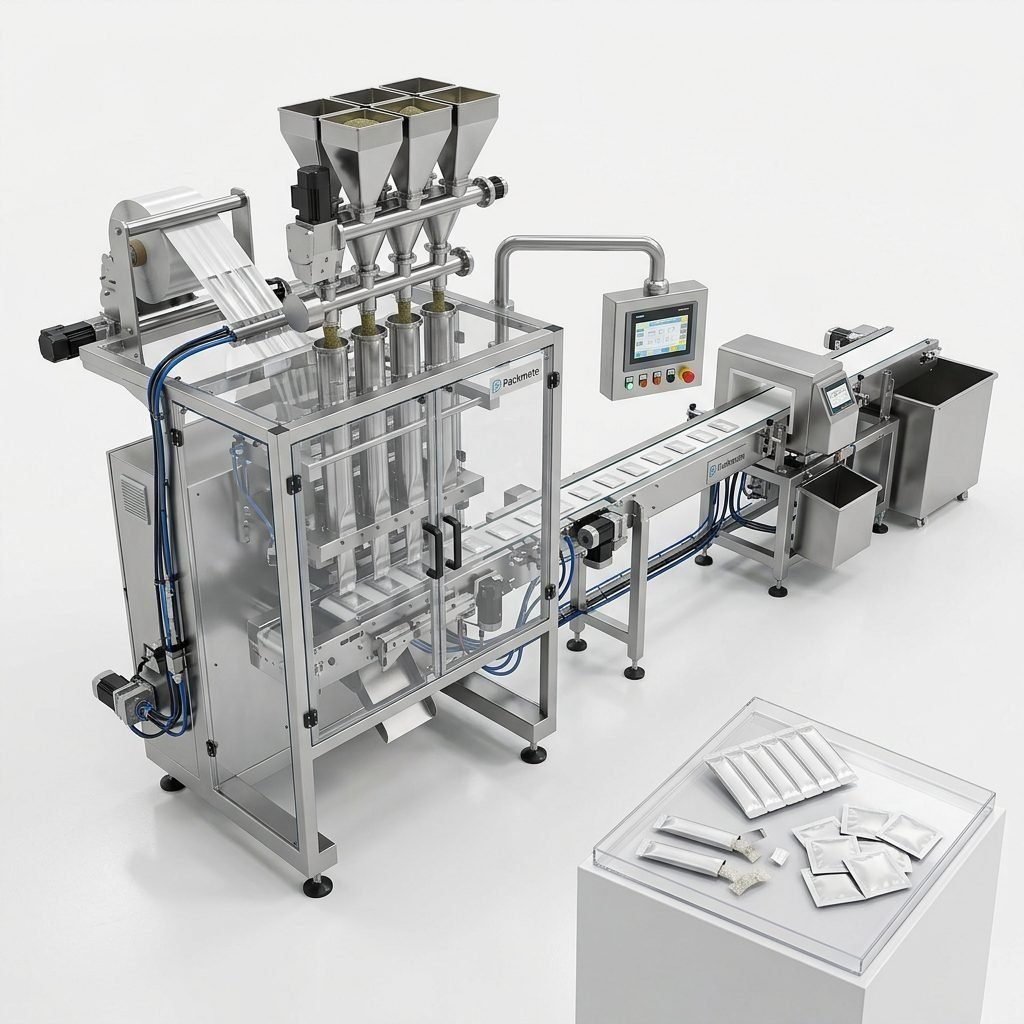
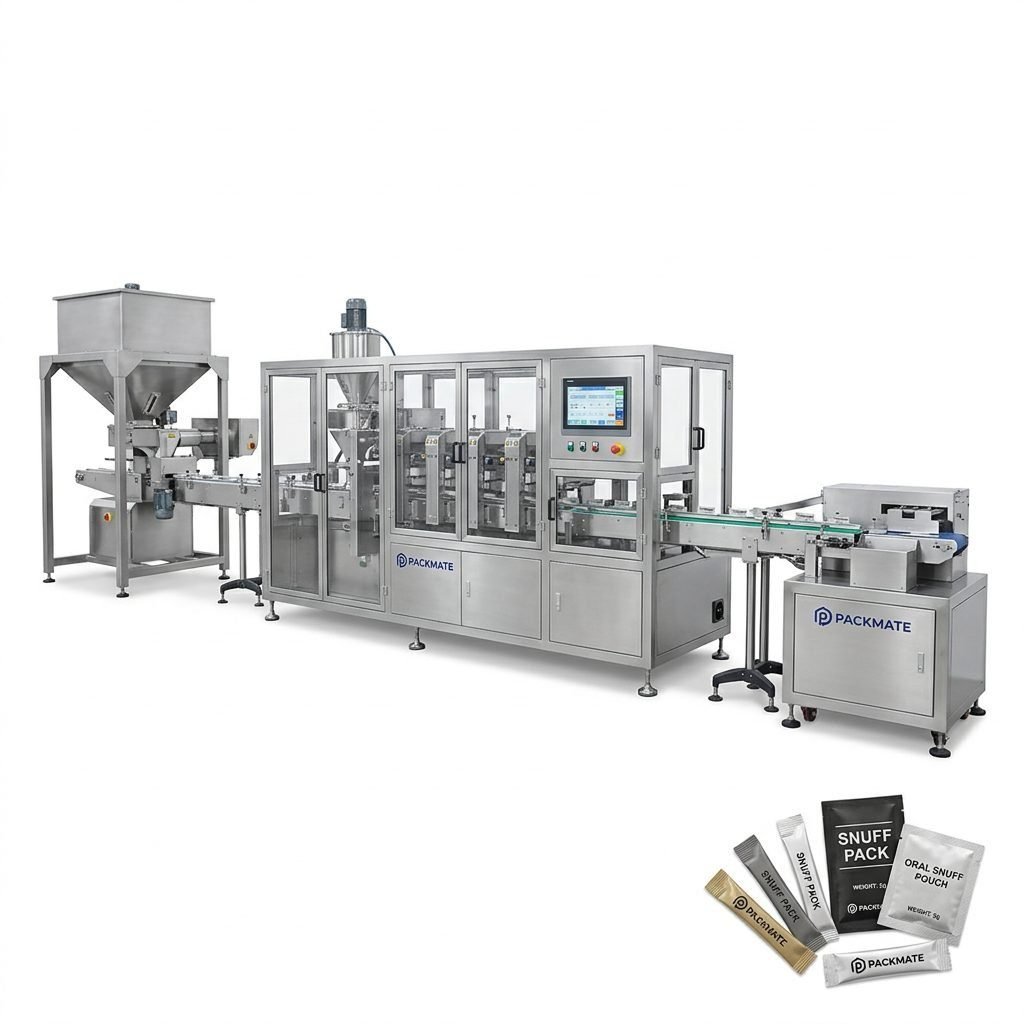
Choosing the right snus filling machine is one of the most important decisions for manufacturers of nicotine pouches and snus products. This guide breaks down the technical priorities, production planning, and vendor selection criteria so you can choose a high-efficiency, reliable automatic snus packing solution that fits your volume, product format, and compliance needs.
Why Invest in an Automatic Snus Filling Machine?
🔧 Consistency and accuracy — Modern automatic snus machines deliver tight fill weight tolerance, reducing product giveaway and ensuring consistent sensory experience for users.
⚙️ Higher throughput — Multi-lane and servo-driven systems can multiply output without compromising quality.
📈 Scalability — Automated lines are easier to scale up with modular add-ons like weighing systems and secondary packaging.
✅ Compliance and hygiene — Stainless steel construction, CIP-ready designs, and enclosed workflows simplify regulatory compliance and GMP adherence.
Core Features to Evaluate
When assessing machines, prioritize technical attributes that directly affect yield, uptime, and product quality:
Filling Accuracy & Weighing
High-precision dosing systems (loss-in-weight, multi-head weighers, or precision piston fillers for slurries) are essential. For dry or near-dry nicotine pouch blends, a well-integrated weighing module reduces variation and material waste.
Multi-Lane Capability
Multi-lane pouch or stick pack machines allow parallel formation and filling, multiplying throughput. If you expect rapid growth, choose an architecture that supports lane expansion.
Servo Control & Motion Precision
Servo drives provide repeatable motion, faster changeovers, and better sync between dosing, sealing, and cutting stations. This reduces product loss and improves overall efficiency.
Material Contact & Cleanability
Look for food-grade stainless steel (304/316), hygienic design with minimal crevices, and easy-access panels. Machines designed for quick dismantling and washdown can save production time and support stricter hygiene regimes.
Format Flexibility
Your chosen equipment should support multiple pouch formats (sachets, stick packs, nicotine pouches) and offer quick format change kits. Flexibility reduces the need for multiple machines as product lines diversify.
Types of Snus Filling Machines
Manufacturers typically choose between several machine classes depending on product and capacity requirements:
Single-lane Sachet / Stick Pack Machines
Ideal for small to medium batches, these machines are economical and simple to operate. They are suitable for specialty flavors and niche lines where frequent changeovers are expected.
Multi-lane High-Speed Lines
Designed for high-volume production, multi-lane systems can run 4, 6, 8 or more lanes simultaneously. They are perfect for established brands that need consistent high output and lower per-unit costs.
Turnkey Filling & Packaging Lines
A complete line integrates filling, pouch forming, weighing, conveying, secondary cartoning, and case packing. Turnkey solutions accelerate commissioning and simplify project management — ideal for new facilities or capacity upgrades.
⚠️ Pro tip: Request a factory acceptance test (FAT) and onsite demo with your actual product. Visual inspection and performance verification reduce integration risks.
How to Choose: a Step-by-Step Checklist
Selecting the right supplier and model requires a clear decision process. Use the checklist below to structure conversations and bids:
1. Define Production Requirements
– Target daily/monthly volumes.
– Product types (loose powder, moist pouch, granular blends).
– Pouch types and sizes.
– Regulatory and labeling needs.
2. Evaluate Total Cost of Ownership (TCO)
Consider purchase price, spare parts, consumable costs (films, seals), energy usage, and expected maintenance. High initial cost may be justified by lower downtime and material savings.
3. Supplier Capabilities and Support
Assess manufacturer experience, factory capabilities, certifications (CE, ISO), and global service network. Packmate Snus Machine, for example, offers 30+ years of experience, a 20,000㎡ factory, and global turnkey solutions to support scaling plans.
4. Spare Parts & After-Sales
Clear SLAs for spare parts delivery, remote diagnostics, and training are essential. Downtime can be costly; ensure the supplier has a reliable logistics plan for key components.
5. Compliance & Documentation
Ask for material certificates, electrical schematics, software documentation, and validation protocols. Machines that comply with CE/ISO standards simplify global market entry.
Integration with Ancillary Equipment
A high-performing snus packing solution is rarely a single piece of equipment. Consider these integrations:
Weighing & Dosing Systems
For accurate portion control, integrate loss-in-weight feeders, multi-head weighers, or volumetric feeders depending on product characteristics. See product options for integrated systems in advanced lines.
Conveying & Secondary Packing
Automated conveyors, checkweighers, cartoners, and case packers transform primary production into shippable goods with minimal manual intervention.
Quality Inspection
Vision systems, metal detectors, and leak testers help keep product quality high and reduce customer complaints.
Custom vs Standard Machines: What to Choose?
If your product formulation or pouch format is standard and volumes are predictable, a proven standard model is cost-effective and fast to deploy. For unique pouch geometries, complicated blends, or special regulatory needs, a customized or semi-custom machine is often better. Packmate’s 50+ machine models and turnkey service provide a middle ground — configurable platforms with proven core systems.
🔎 Key decision factor: how fast do you need to scale? Short time-to-market favors standard, modular machines; long-term differentiation favors tailored solutions.
Assessing Manufacturer Credentials
Look for a supplier with engineering depth, factory capacity, and a history of international projects. Important indicators include:
- Years of industry experience and R&D history (Packmate: 30+ years).
- Factory scale and machining capabilities (20,000㎡ with CNC centers).
- Certifications: CE, ISO and documented compliance.
- Exhibition presence and global case studies demonstrating real-world performance.
For more details about product ranges and turnkey lines, review manufacturer resources such as Snus & Nicotine Packaging Machines, Filling & Packaging Lines, and the About Packmate page.
Commissioning, Validation & Training
Plan for site acceptance testing (SAT), employee training, and validation protocols. A supplier who offers installation supervision, operator training, and preventive maintenance planning will accelerate your ramp-up and minimize production risk.
Cost, ROI & Financing Considerations
Estimate ROI by calculating increased throughput, reduced material waste, labor savings, and lower quality penalties. Ask vendors for case studies showing payback periods under comparable operating conditions. Consider leasing or phased upgrades if capital budgets are constrained.
Real-World Case Example
A medium-sized manufacturer shifted from manual dosing to a 6-lane automated snus pouch line and saw a 4x throughput increase while reducing fill weight variance by over 60%. Integration included automated dosing, in-line checkweighers, and a cartoning module—an example of a turnkey approach that Packmate delivers in multiple global projects. Explore live examples in the company Case library.
📌 Bottom line: the best machine balances technical fit, vendor support, and total operating cost — not just the lowest purchase price.
Next Steps: How to Request Quotes & Demos
1) Prepare a clear product specification and desired capacity.
2) Request FAT videos, reference installations, and a full bill of materials.
3) Ask for lead times, spare part lists, and warranty terms.
4) Schedule an onsite demo or remote run test with your product.
For direct inquiries, contact sales and service teams through the vendor Contact Us page, or view available documentation and catalogs at the Catalog.
Final Checklist Before Purchase
– Verified throughput with your product and film.
– Confirmed spare parts delivery times.
– Agreed FAT and SAT protocols.
– Training and maintenance package included.
– Compliance documentation and CE/ISO certificates in hand.
Helpful Resources
Explore related product categories and technical modules: Bag & Pouch Packaging Machines, Weighing & Packaging Systems, and Sachet & Stick Pack Machines.
Summary: Selecting the Best Automatic Snus Packing Solution
Selecting a top snus filling machine requires a clear understanding of your product, capacity goals, regulatory obligations, and long-term growth plan. Prioritize accuracy, hygienic design, manufacturer support, and modular expandability. Choose a partner with proven engineering depth, robust factory capabilities, and global service reach to ensure uptime and predictable scaling.
Frequently Asked Questions
Q1: How do I know if I should buy a single-lane or multi-lane machine?
A1: Base the decision on current and projected volumes. Single-lane is cost-effective for low volumes or frequent changeovers; multi-lane fits high-volume, stable SKU profiles.
Q2: What is the typical lead time for a turnkey snus packing line?
A2: Lead times vary with customization and capacity. Standard models may ship within weeks; turnkey, customized systems typically require several months for engineering, fabrication, and FAT.
Q3: How important is a FAT (Factory Acceptance Test)?
A3: Very important. FAT allows verification of performance with your product, reduces commissioning risk, and establishes acceptance criteria before shipment.
Q4: Can I integrate existing weighing or cartoning equipment with a new filling machine?
A4: Yes. Many manufacturers support integration with third-party auxiliary equipment. Confirm communication protocols, mechanical interfaces, and space requirements in advance.
Q5: Where can I see real-world examples and get in-person demos?
A5: Visit manufacturer exhibition pages and case studies to see machines in action. For example, review the Our Exhibition page and the Case library for live demos and customer projects.