Choosing the right snus packaging machine supplier in Myanmar is a critical step for any business aiming to enter or expand in the nicotine pouch and snus market. This guide walks you through practical evaluation criteria, technical considerations, local market dynamics, and negotiation tips so you can make a confident purchase decision that matches Myanmar’s climate, regulatory environment, and consumer preferences.
Understand Your Product & Production Needs
Before contacting suppliers, define your product parameters clearly. Snus and nicotine pouches differ in dose, moisture content, pouch type, and packaging formats (stick, sachet, multi-lane pouches). Your choice of machine depends on:
✔ Product format: single-dose sachets, stick packs, or loose pouches.
✔ Fill material: powder, granules, or moist tobacco-like paste — each needs a different filling system.
✔ Speed & capacity: small-batch artisanal lines vs. high-volume multi-lane systems.
✔ Packaging specs: barrier requirements for humidity control and shelf-life considerations in tropical climates like Myanmar.
Why Myanmar’s Climate Matters
Myanmar has a tropical to subtropical climate with significant humidity in many regions. This affects sealing, barrier film selection, and storage. Choose machines with precise sealing temperature control, gas-flush capability (if needed), and consistent dosing to ensure product integrity in local distribution channels.
Key Technical Features to Evaluate
When comparing suppliers, focus on technical features that determine long-term performance and ROI. The following checklist helps you compare like-for-like:
⚙️ Automation level: semi-automatic vs. fully automatic lines; integrated weighing and feeding systems reduce labor.
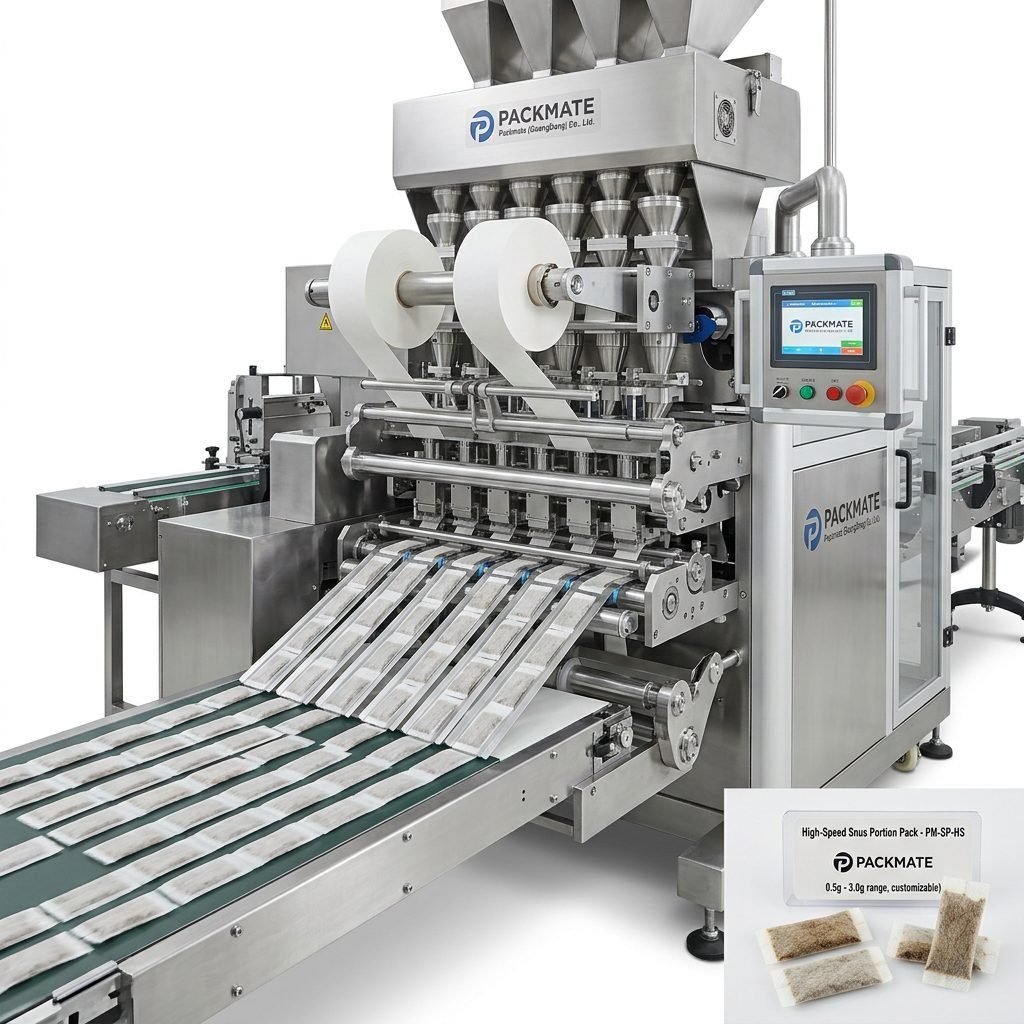
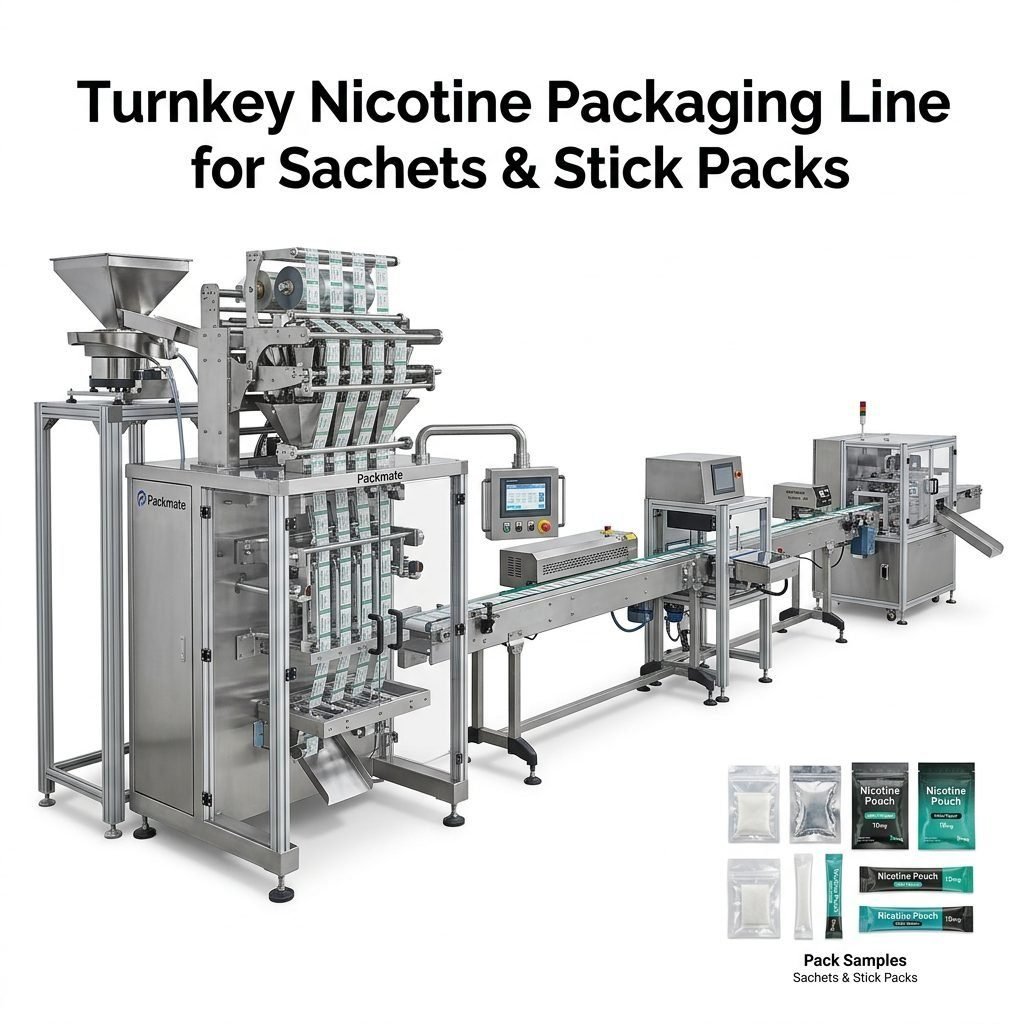
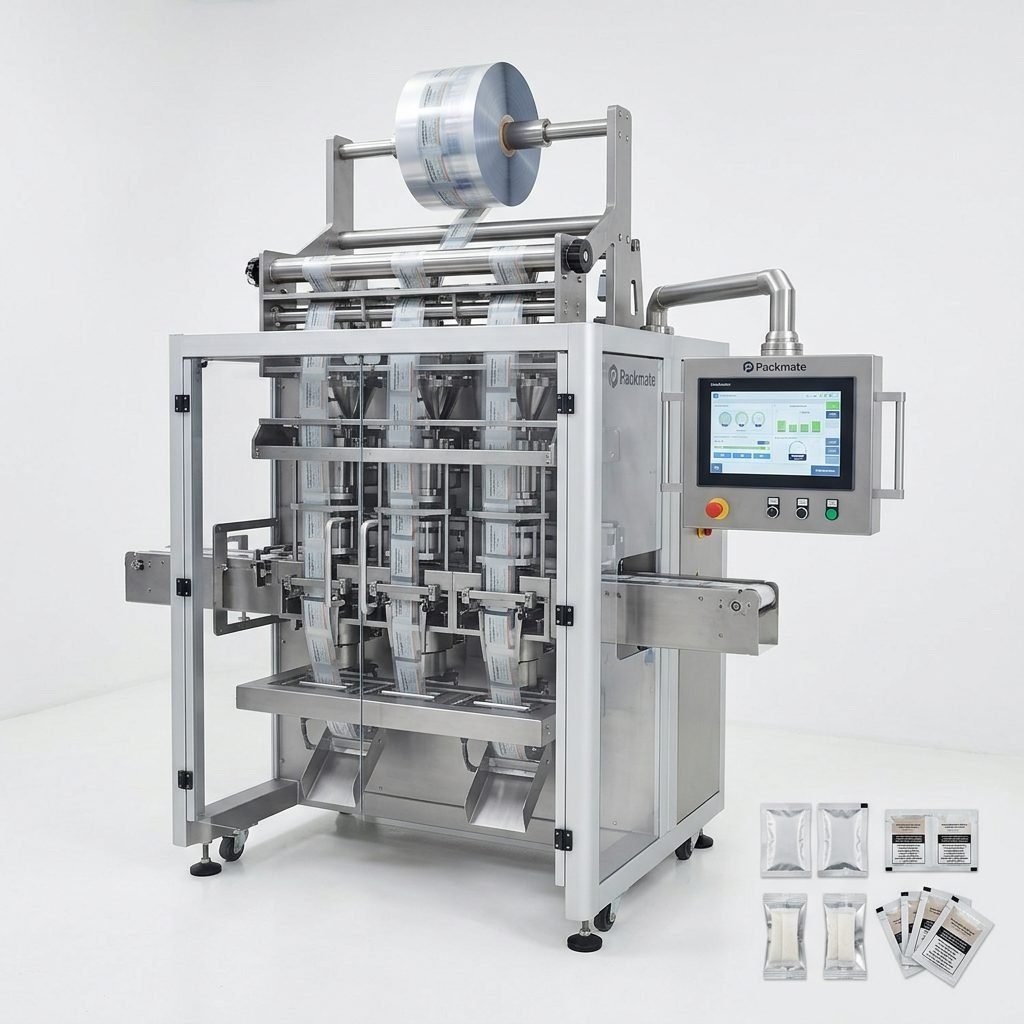
🔁 Multi-lane capability: important for scaling output without doubling floor space. Packmate offers multi-lane systems ideal for small-dose pouch lines.
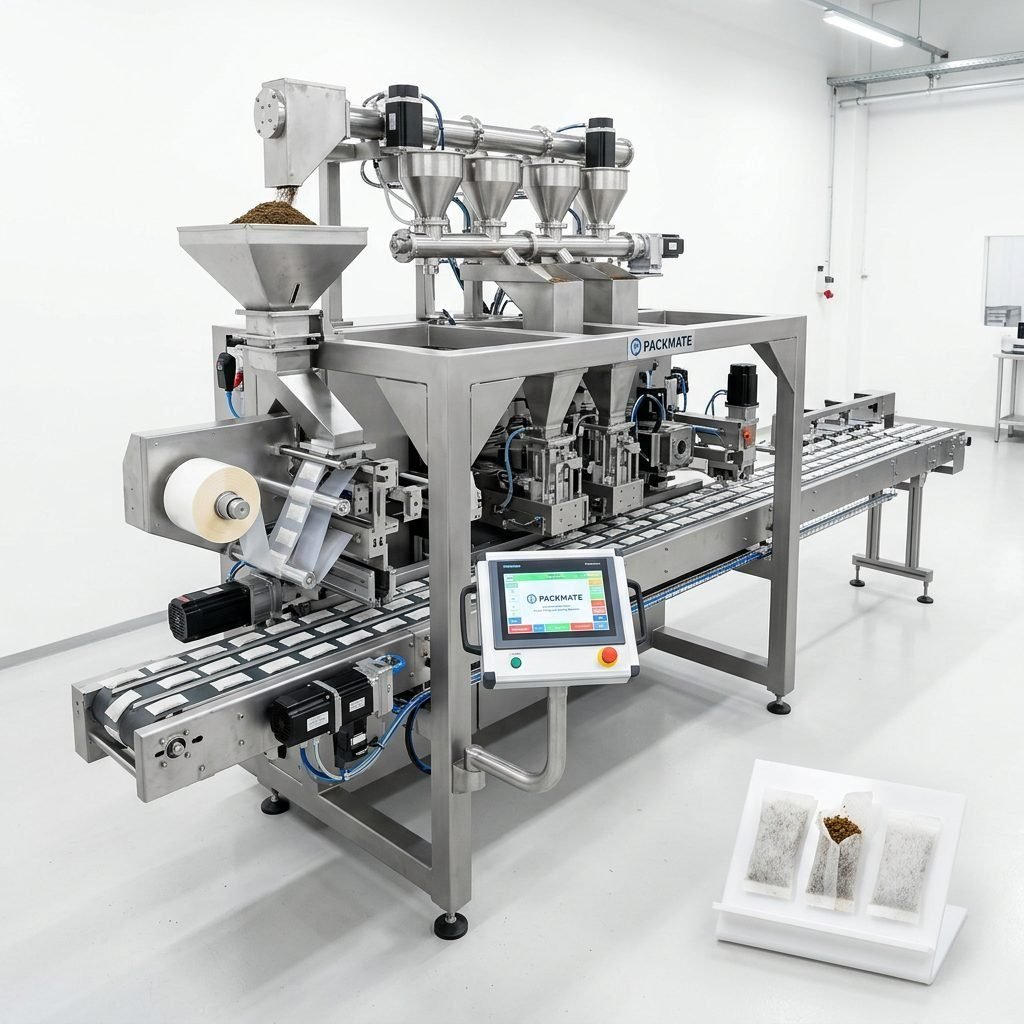
📐 Precision dosing: look for accurate micro-dosing systems for nicotine pouches to maintain regulatory consistency.
🛡️ Hygiene & cleaning: stainless steel contact parts, easy disassembly, and CIP design where applicable.
🔌 Control systems: PLC & HMI with remote support capability for fast troubleshooting.
Supplier Credibility: What to Verify
Assess supplier credibility through certifications, factory capacity, and past projects. A reliable supplier will share detailed technical specs, references, and factory photos or virtual tours.
- Request CE, ISO, and other compliance certificates relevant to export and Myanmar import requirements.
- Verify factory scale and CNC machining capability — a large facility indicates stable production and parts availability.
- Ask for case studies or client lists — look for projects similar to your intended production volume.
Packmate Example
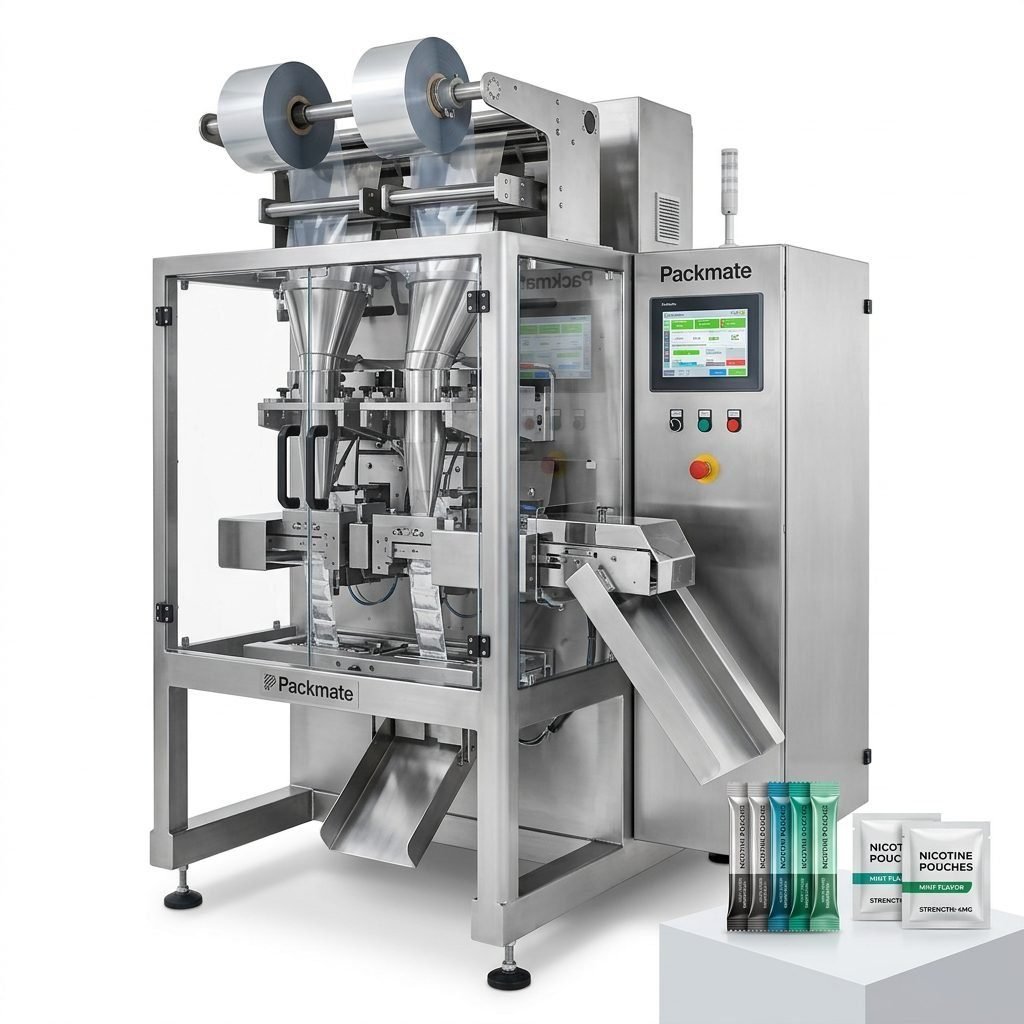
Packmate Snus Machine, with 30+ years of engineering experience and a 20,000㎡ factory, exemplifies the kind of supplier whose mix of R&D, advanced CNC centers, and turnkey solutions can be evaluated. Explore their product ranges such as Snus & Nicotine Packaging Machines and Sachet & Stick Pack Machines when comparing options.
Local Regulations & Market Sensitivities in Myanmar
Importers and manufacturers must be mindful of Myanmar’s evolving regulatory environment concerning tobacco and nicotine products. While specific regulations can change, you should:
⚖️ Legal compliance: confirm labeling, ingredient declaration, and any licensing required for nicotine products in Myanmar. Local language (Burmese) labeling may be required for retail sale.
🧾 Import rules: check customs duties, documentation, and restrictions for importing packaging machinery and materials. Some machinery may need inspection or certification on arrival.
📣 Cultural sensitivity: Myanmar’s predominantly Buddhist population values social harmony; marketing and distribution strategies should be culturally appropriate and discreet in locales where nicotine product consumption is less visible.
Site Visit & Factory Audit Checklist
If feasible, visit the supplier’s factory or request a live video demonstration. Use this checklist during your audit:
- Observe assembly lines and CNC machining centers to confirm manufacturing capability.
- Inspect a working demonstration of the specific machine model you plan to buy.
- Check spare parts inventory and lead times for critical components.
- Review quality control reports and test certificates for machines shipped to other markets.
- Confirm after-sales service structure, remote support, and training packages.
Remote Evaluation Tips
When a physical visit isn’t possible, request: high-resolution videos of the machine running, detailed technical drawings, live machine demos via video call, and references from customers in similar climates or markets.
After-Sales Service, Warranty & Spare Parts
A robust after-sales arrangement reduces downtime and protects your investment. Key points to negotiate:
🛠️ Warranty period: get clear terms on parts and labor for at least 12 months.
🚚 Spare parts supply: ensure availability of consumables and wear parts with lead times and local stocking options if possible.
📞 Technical support: remote diagnostics, local partner support, or scheduled on-site visits should be defined in the contract.
📚 Training: operator and maintenance training (on-site or virtual) is essential for consistent output quality.
Price vs. Total Cost of Ownership
Lowest purchase price rarely equals lowest cost. Consider energy consumption, downtime risk, spare parts costs, labor requirements, and potential production losses from inferior sealing or dosing. A well-engineered machine from a reputable manufacturer can save significant money over time.
Negotiation & Payment Terms
Negotiate milestones such as prototype approval, FAT (Factory Acceptance Test), and documentation handover. Typical terms include a deposit, balance on shipment, or letters of credit for larger orders. Include acceptance criteria and penalties if specs are not met.
Packaging Materials & Local Sourcing
Selecting the right film, foil, and barrier materials is as important as the machine itself — especially in humid Myanmar. Work with suppliers who can advise on film sealant properties and compatibility with your machine’s sealing system. Local sourcing reduces lead time but verify quality and compatibility through testing.
Recommended Machine Types & Where to Start
If you are new to snus packaging or serving a local Myanmar market:
- Start with a versatile sachet or stick pack machine for flexible SKUs.
- For scaling, choose multi-lane snus/nicotine packaging machines to multiply output without heavy footprint expansion. See Packmate’s Snus & Nicotine Packaging Machines for examples.
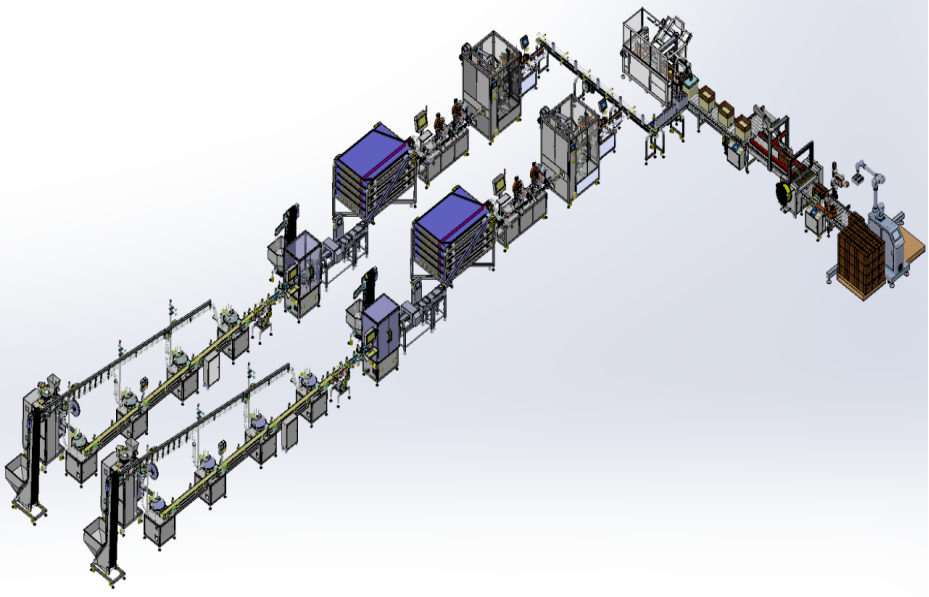
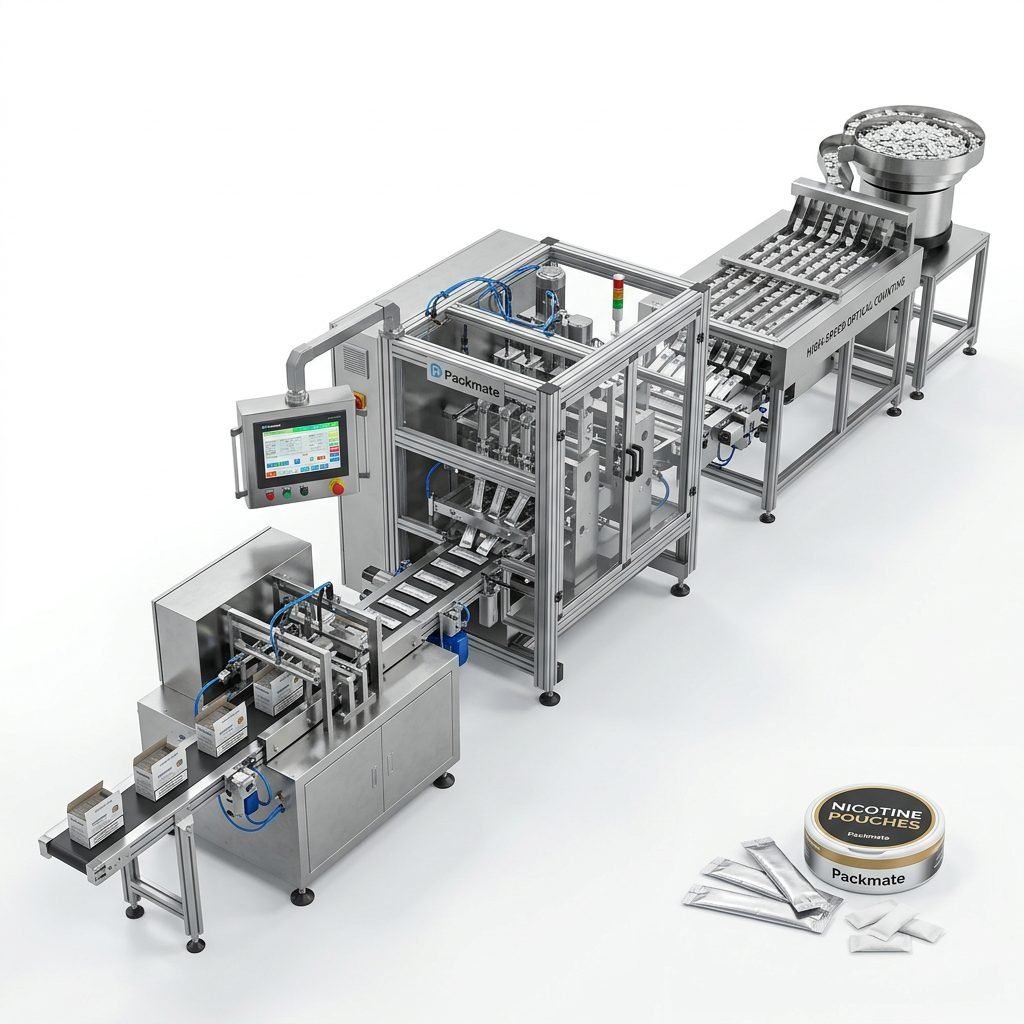
- If your product uses powders or small granules, pair the packing machine with reliable Weighing & Packaging Systems and Filling & Packaging Lines for consistency.
Vendor Shortlist & Decision Matrix
Create a decision matrix scoring suppliers across criteria: technical fit, price, warranty, lead time, spare parts, references, and local support. Weight items according to your priorities — for example, climate-specific sealing performance and spare parts availability should rank highly for Myanmar operations.
🔎 Pro tip: Request a trial run with your actual product material. Real-world testing reveals sealing, dosing, and speed limitations before purchase.
Useful Resources & Next Steps
To evaluate specific models and supplier credentials, review product pages and case studies. Recommended pages for further exploration:
- Snus & Nicotine Packaging Machines — model comparisons and specifications.
- Sachet & Stick Pack Machines — flexible formats for market testing.
- Case — real-world installations and customer stories to evaluate performance in climates similar to Myanmar.
- About Packmate — company profile, factory capabilities, and global reach.
- Contact Us — initiate inquiries, request quotes, and arrange demos.
Final selection checklist
Before signing a contract, ensure the supplier provides: full technical documentation, FAT video or on-site acceptance, spare parts list with prices and lead times, training plan, warranty terms, and clear shipping & installation responsibilities.
Conclusion
Selecting the best snus packaging machine supplier in Myanmar requires balancing technical capability, climate-adapted design, regulatory awareness, and strong after-sales support. Prioritize suppliers with proven multi-lane experience, reliable sealing systems for humid environments, and transparent service agreements. A methodical evaluation — including factory audits or live demos and a well-structured decision matrix — will help you secure a machine that protects product quality and supports long-term growth.
⚡ Quick action items: Request a product trial with your material, confirm spare parts lead times, and verify local labeling requirements in Myanmar before placing an order.
Frequently Asked Questions
Q1: How important is a machine demonstration before purchase?
A1: Extremely important — a live demo with your actual product verifies dosing accuracy, sealing quality, and throughput under realistic conditions.
Q2: What is the typical warranty and support buyers should expect?
A2: Aim for at least a 12-month warranty on parts and labor, clear spare parts pricing, and remote diagnostic support; negotiate defined service response times.
Q3: Can packaging machines be adapted for Myanmar’s humidity?
A3: Yes. Choose machines with precise temperature control, compatible sealing jaws, and consult material suppliers for high-barrier films suited to tropical climates.
Q4: Should I prioritize price or supplier reputation?
A4: Prioritize reputation and total cost of ownership — reliable machines and service reduce downtime and long-term costs even if initial investment is higher.
Q5: Where can I get more technical information or arrange a demo?
A5: Visit supplier product pages and contact their sales team directly to request FATs, case studies, and installation services; Packmate’s product and contact pages are good starting points.