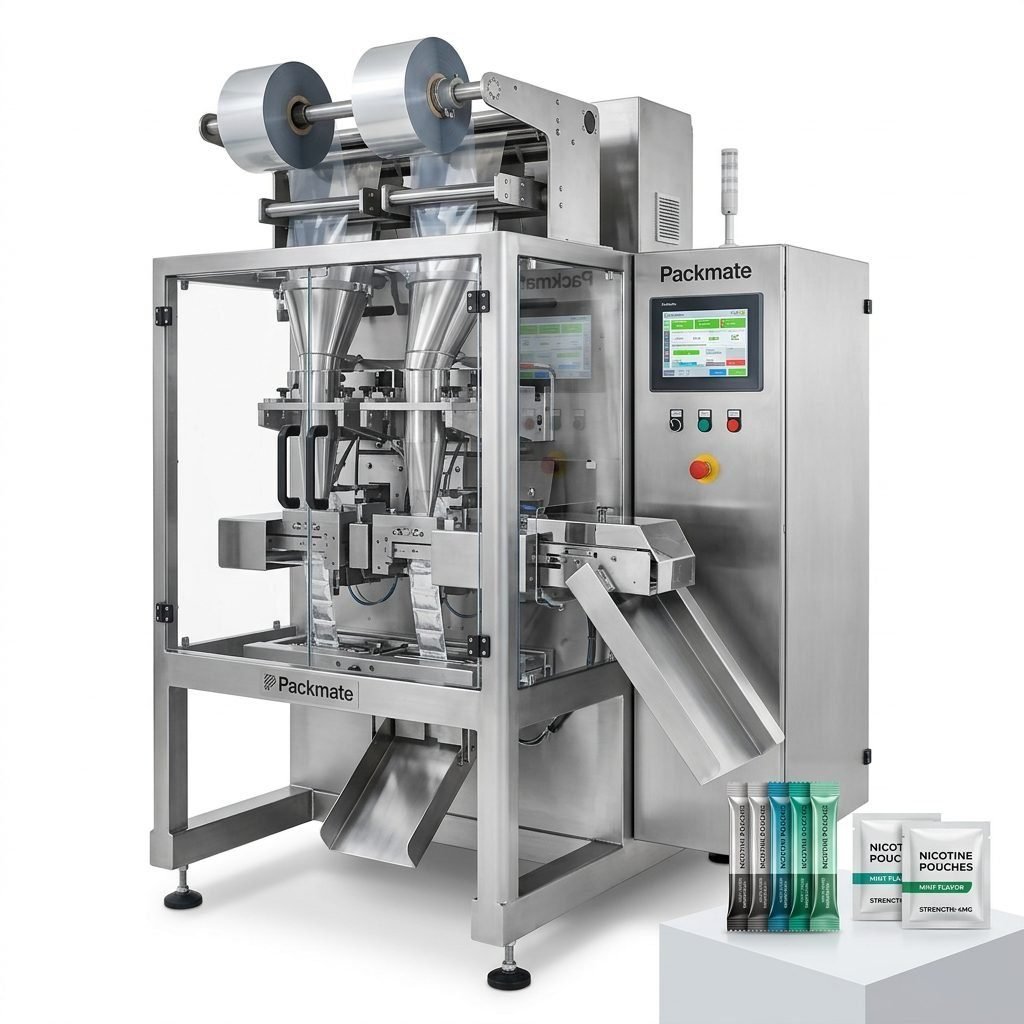
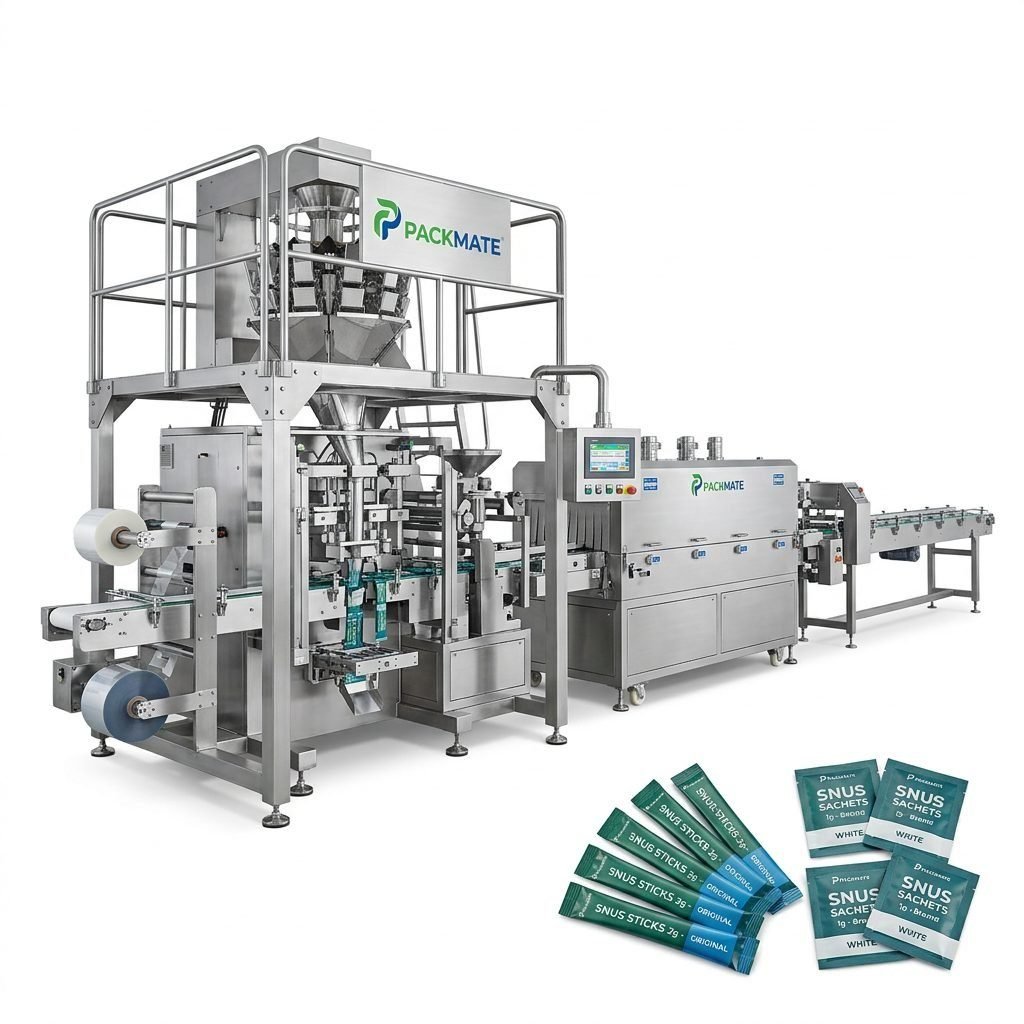
Choosing the right snus packaging machinery supplier in Latvia requires more than price shopping — it demands an understanding of local regulations, production needs, machine reliability, and long-term service. This guide walks manufacturers, brand owners, and production managers through practical steps to find a supplier who delivers consistent quality, regulatory compliance, and after-sales support that fits the Latvian market and Baltic consumer habits.
Understand Latvia’s Market Context and Regulatory Landscape
Latvia sits at the crossroads of Northern and Eastern Europe. Nordic snus traditions influence consumer awareness in the Baltics, but as an EU member state Latvia follows EU-wide rules that affect tobacco product sales and packaging. Many Latvian businesses focus on nicotine pouches (tobacco-free variants) and specialized nicotine products that meet current EU regulations. When evaluating suppliers, consider their experience with EU-compliant machines and their ability to adapt packaging designs for local labeling and language requirements.
Key local considerations
• Regulatory labeling needs (Latvian language, health warnings, ingredient lists).
• Shelf presentation for Baltic retail channels — compact pouches and sleek stick packs are popular.
• Seasonal demand fluctuations tied to travel and tourism in Riga and coastal regions.
• Supply chain logistics: proximity to ports (Riga, Ventspils) and cross-border trade with EU neighbors.
Define Your Production Needs First
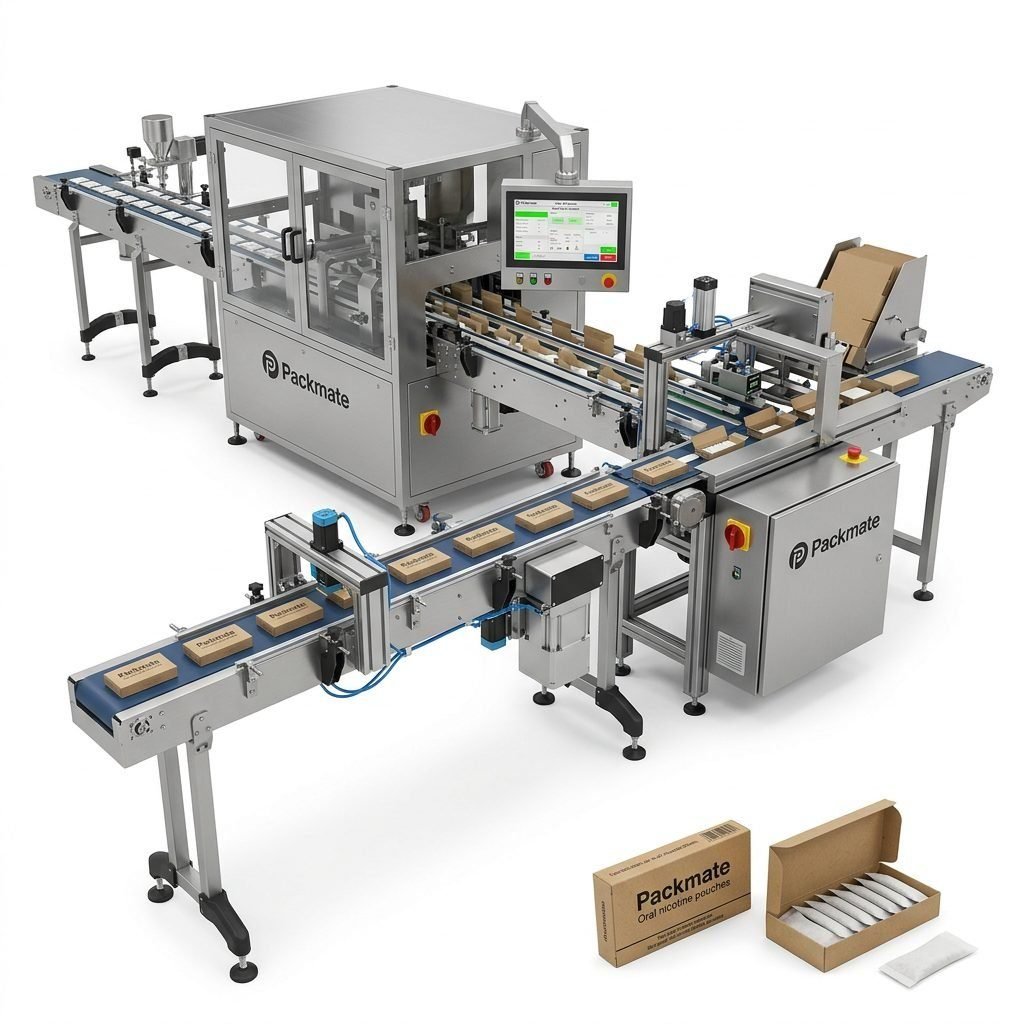
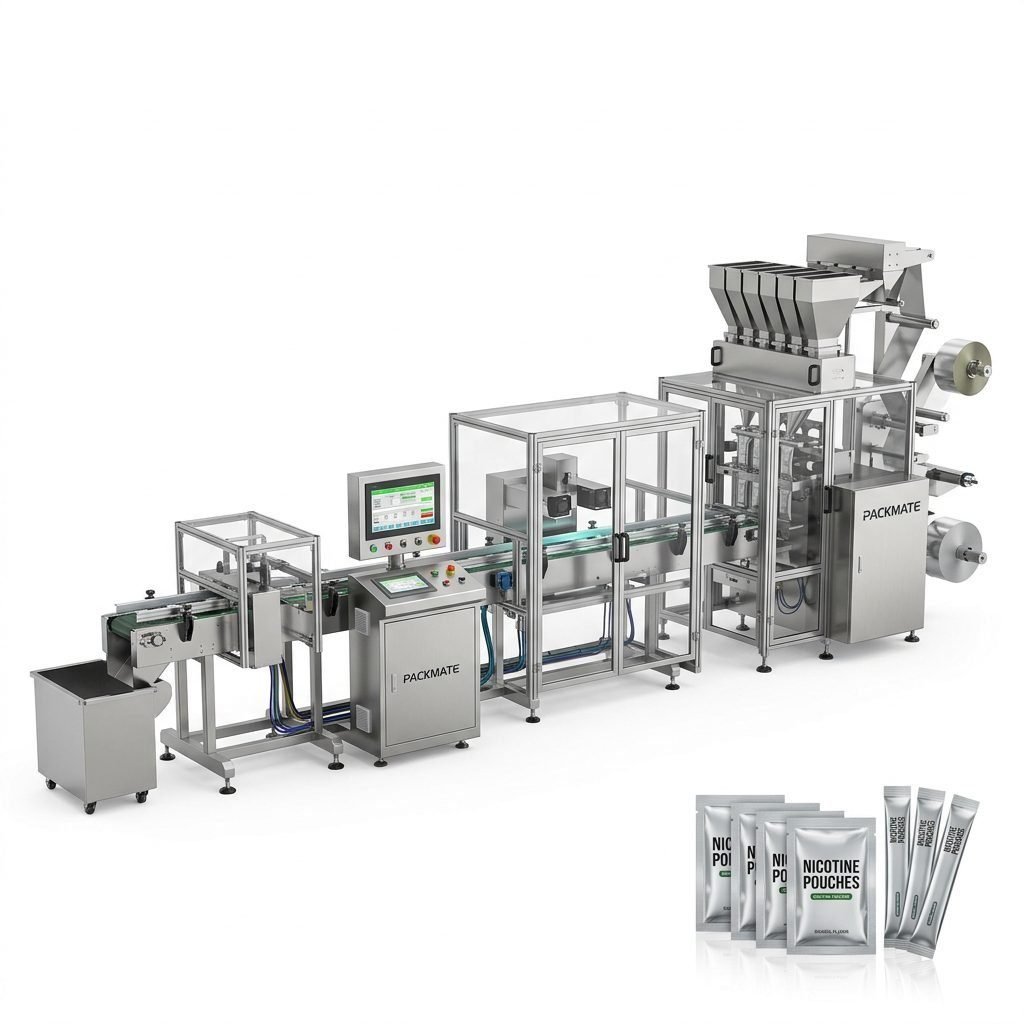
Before contacting suppliers, clearly document: target formats (pouches, cans, stick packs), desired speed (pouches per minute), lane configuration (single vs multi-lane), dosing accuracy, and any secondary packaging (carton erectors, case packers). Suppliers who can provide turnkey lines that include weighing and filling systems will save integration time and reduce startup risk.
📌 Quick checklist: Product format, output rate, dosing tolerance, materials (tobacco vs nicotine-only), secondary packaging, and floor space constraints.
Evaluate Supplier Experience and Technical Capabilities
Look for suppliers with a proven track record in snus and nicotine pouch equipment. Experience with multi-lane high-precision systems is a major advantage if you plan to scale. A supplier who understands hygroscopic powders, moisture control, and precise dosing will reduce waste and ensure consistent pouch weights.
🔍 Technical indicators to verify: CE and ISO certifications, CNC-manufactured critical components, PID temperature control for sealing, servo-driven dosing modules, and proven PLC/HMI systems that support recipe storage for quick changeovers.
Why certifications and factory capabilities matter
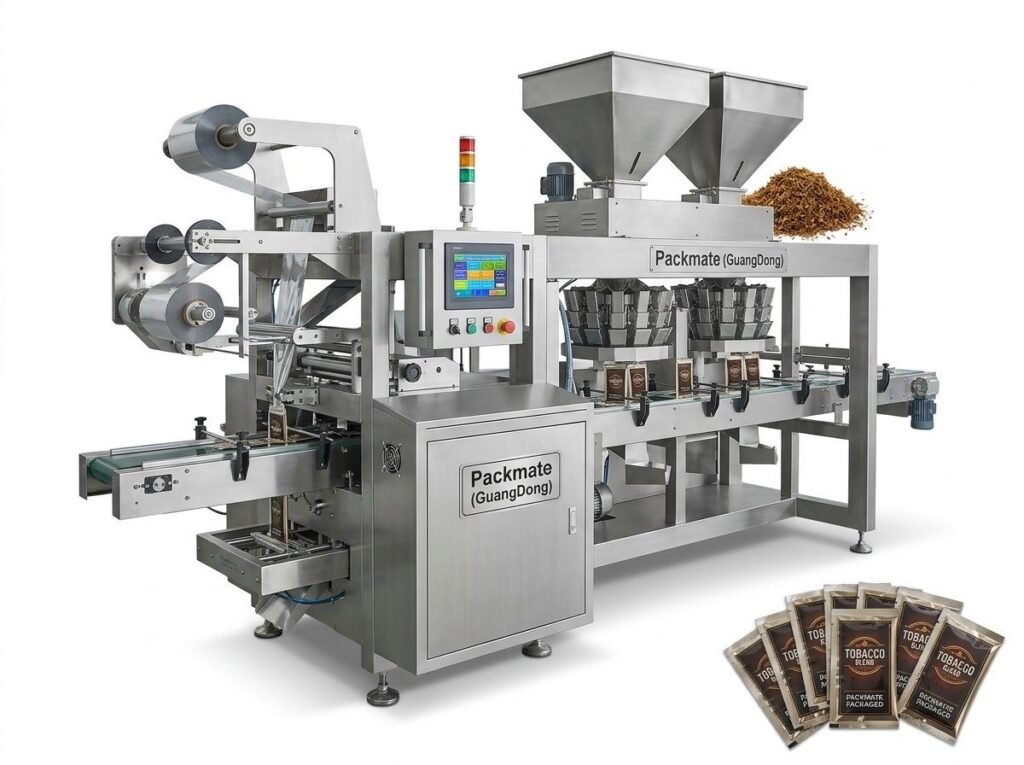
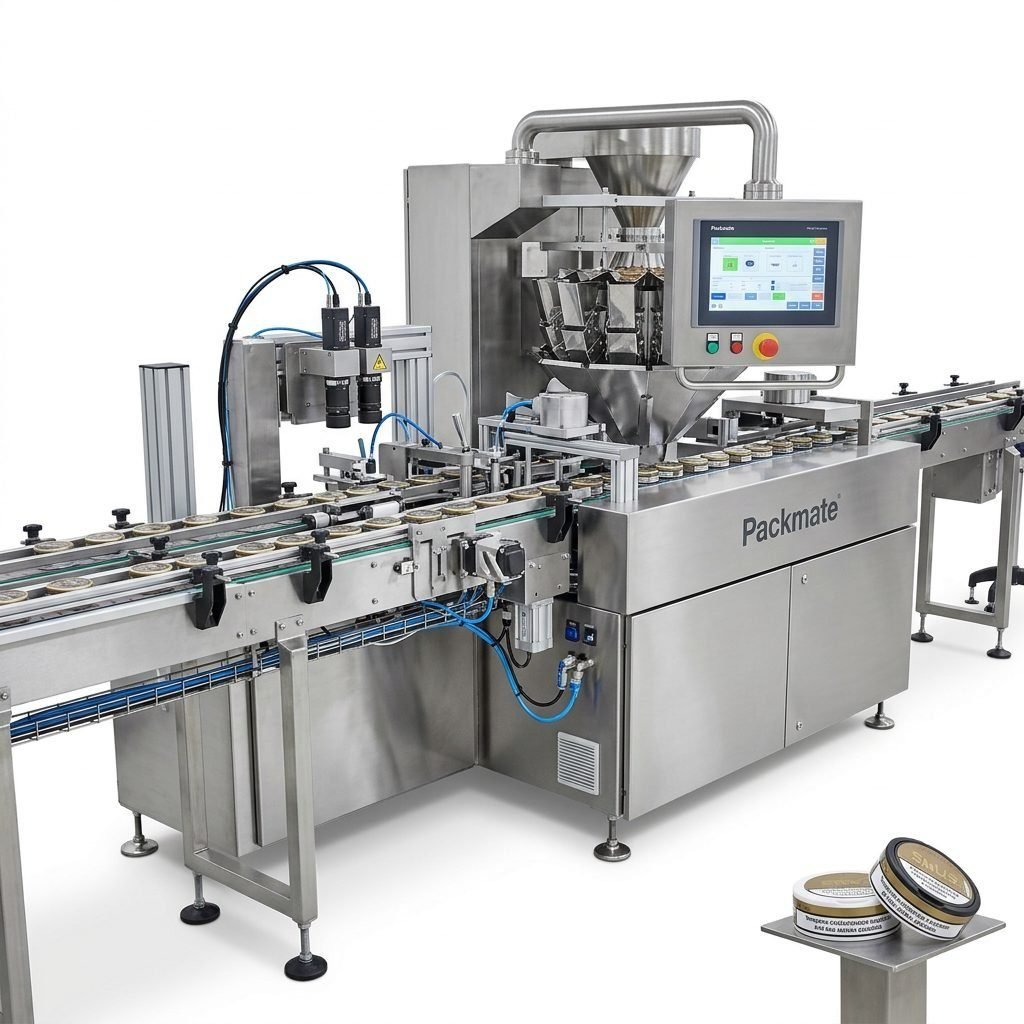
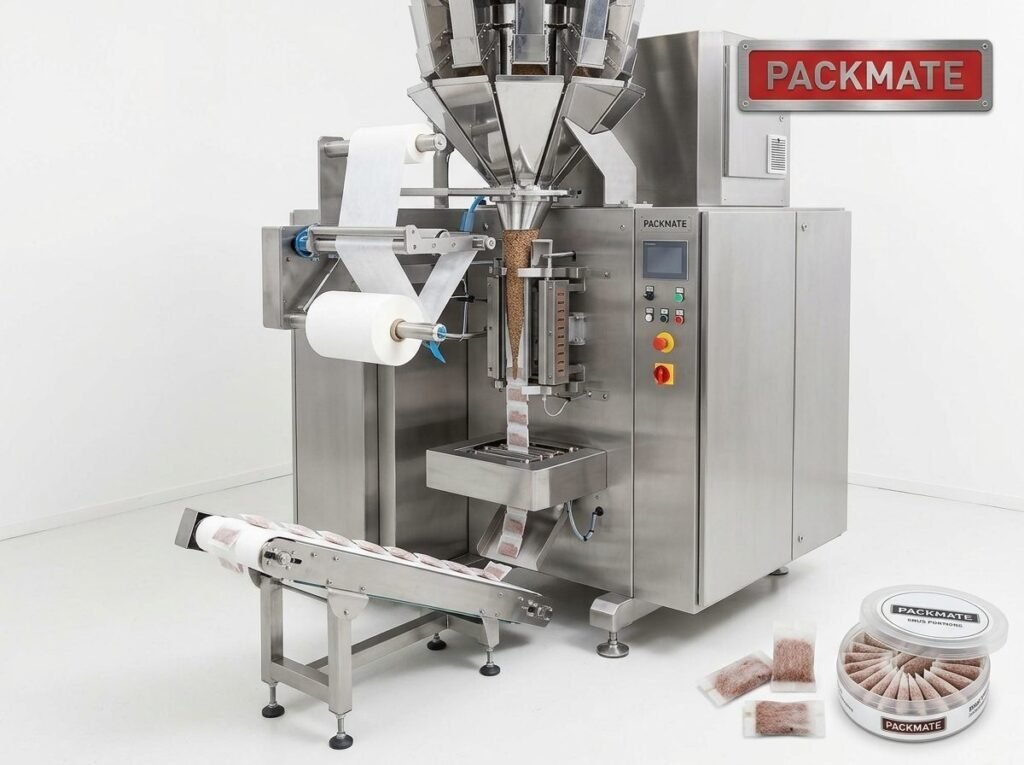
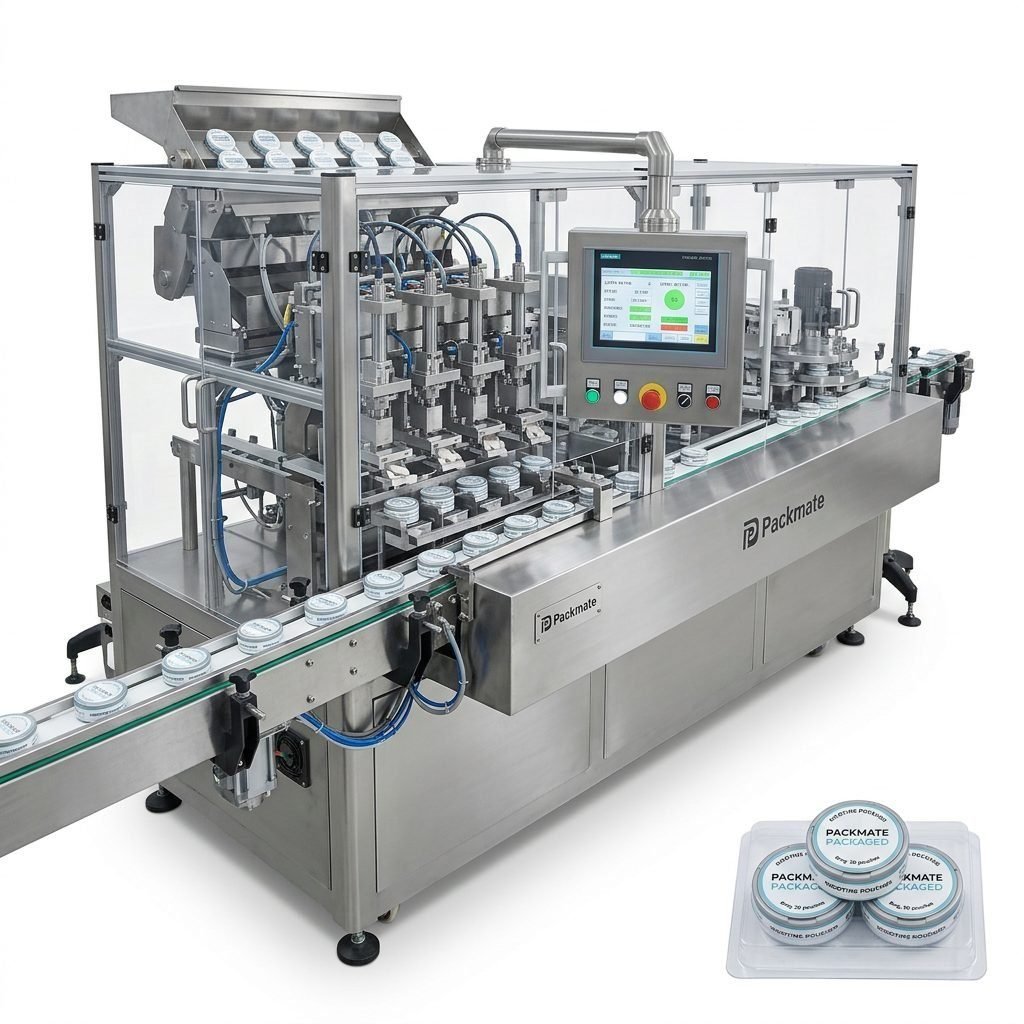
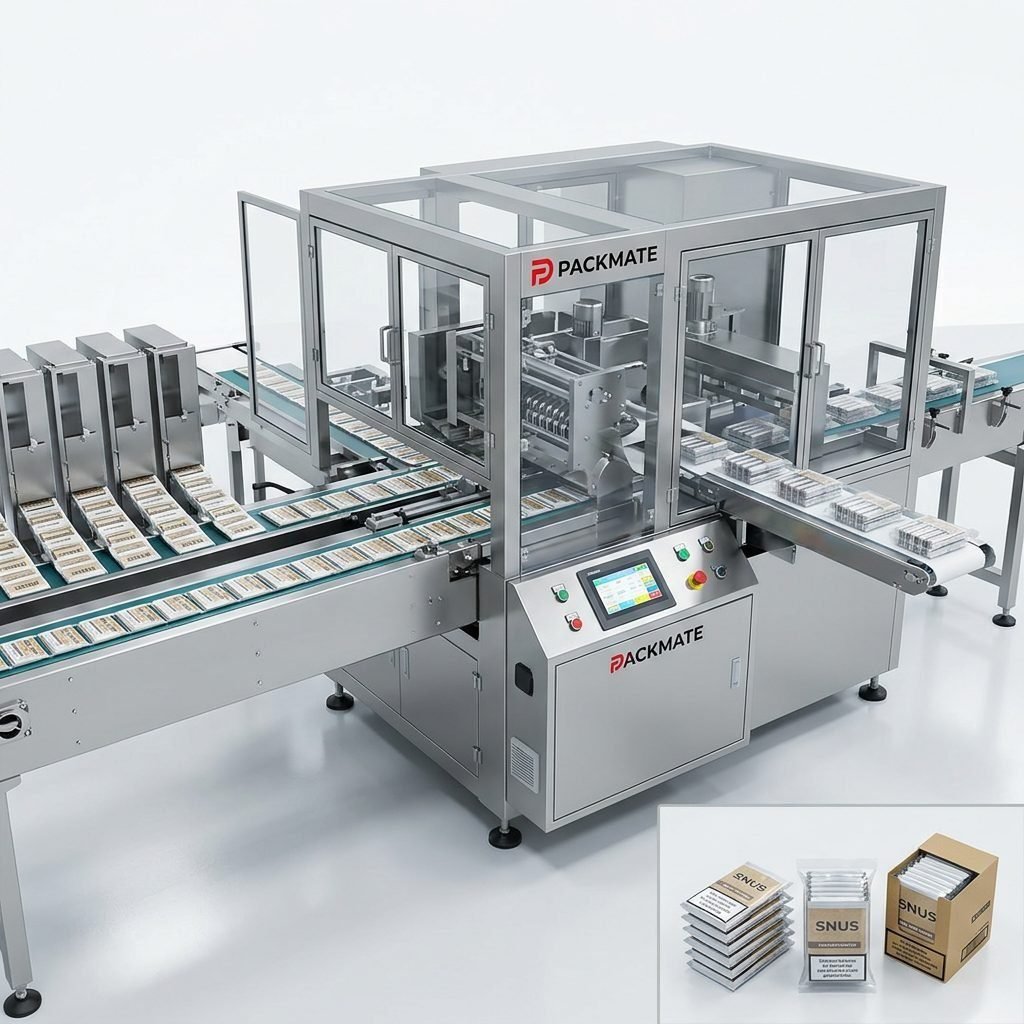
A supplier with certified manufacturing facilities and modern CNC capabilities reduces variability between machines and shortens lead times. Ask for factory photos, assembly line descriptions, and references. Packmate Snus Machine, for example, highlights a 20,000㎡ factory with advanced CNC machining centers and more than 50 machine models — the kind of detail that demonstrates manufacturing scale and repeatability.
Inspect Machine Performance: Speed, Accuracy, and Uptime
When comparing offers, don’t focus solely on headline speeds. A nominal speed of X pouches per minute means little without accuracy, material handling, and uptime data. Request factory acceptance test (FAT) videos, production reports, and reference customer metrics. Good suppliers will present data on mean time between failures (MTBF), changeover times, and scrap rates at various speeds.
✅ Ask for: real-world performance reports, customer case studies, and on-site run-offs. A reliable supplier will provide demonstrations of snus and nicotine pouch lines operating with your intended materials.
Service, Spare Parts, and Local Support in Latvia
After-sales support is critical. For Latvia-based operations, consider suppliers who can offer fast spare parts shipping to Baltic ports, remote troubleshooting, and on-site commissioning within the EU. Evaluate the supplier’s service network — do they have local partners or authorized technicians in Europe? Can they provide training and documentation in English or a Baltic language if needed?
If downtime costs are high, negotiate defined service level agreements (SLAs) with guaranteed response times, phone/remote support windows, and spare parts kits for critical wear components. Suppliers that keep common spares in European warehouses will minimize disruption.
Service checklist
• Local or regional warehousing for parts.
• Remote diagnostics via PLC/HMI or secure VPN.
• Training programs for operators and maintenance staff.
• Clear warranty terms — what is covered and for how long.
Customization, Modularity, and Future-Proofing
Your packaging needs may evolve — new pouch formats, different materials, or higher lane counts. Choose suppliers who offer modular machines that can be upgraded with minimal investment. Modularity reduces downtime during upgrades and lowers long-term capital expenditure.
📌 Think long-term: Can the machine accept additional lanes? Is the control system scalable? Does the supplier offer optional modules for carton forming, labeling, or serialization?
Compare Total Cost of Ownership (TCO) — Not Just Purchase Price
A low initial price can mask higher operating costs. When calculating TCO include energy usage, spare parts prices, availability of consumables (sealing films, liners), training costs, and expected maintenance intervals. Machines built with higher-quality components may cost more upfront but deliver significantly better uptime and lower maintenance labor costs.
Request a simple TCO projection from each vendor: expected energy consumption per hour, estimated monthly spare parts spend, and average downtime costs. Compare these across suppliers to make a business-driven decision.
Factory Visits, References and Case Studies
Factory visits are invaluable. If possible, plan a visit to witness production, machine assembly, and quality checks. For international suppliers that can’t host you, ask for live video tours and customer references in similar markets. Case studies that show successful installations in Europe or similar regulatory environments provide confidence.
🔗 Suggested resources: Review detailed solutions such as Snus & Nicotine Packaging Machines and browse real installations in vendor case pages to verify claims.
Contract Terms, Lead Times and Logistics to Latvia
Negotiate precise contract terms: lead times, payment milestones, FAT acceptance criteria, shipping Incoterms, and customs support. For Latvia shipments, confirm whether machines will be routed via a European port and who will handle import clearance. Suppliers familiar with Baltic logistics can reduce surprises during delivery.
Ask for a project timeline that includes design approval, FAT, shipping, installation, commissioning, and operator training. Confirm realistic buffers for bureaucratic delays and customs processing.
Integration with Existing Lines and Automation Strategy
If you already operate filling or secondary packaging lines, ensure the new equipment integrates smoothly with upstream and downstream processes. Look for suppliers who can deliver PLC and communication protocols that match your plant SCADA or MES. Integration reduces manual handling and enables traceability across the production process.
⚙️ Integration points to confirm: synchronizing line speeds, conveyor heights, signal handshakes for fault management, and product serialization compatibility.
Sustainability and Material Choices
Latvian brands often emphasize responsible sourcing and reduced packaging waste to appeal to eco-aware consumers. Choose machines that support lightweight films, efficient sealing to minimize scrap, and flexible film reels to enable recyclable or mono-material packaging choices.
Suppliers who offer film optimization tools and low-waste workflows can help reduce both material costs and environmental impact — an increasingly important differentiator in European markets.
Where Packmate Fits In
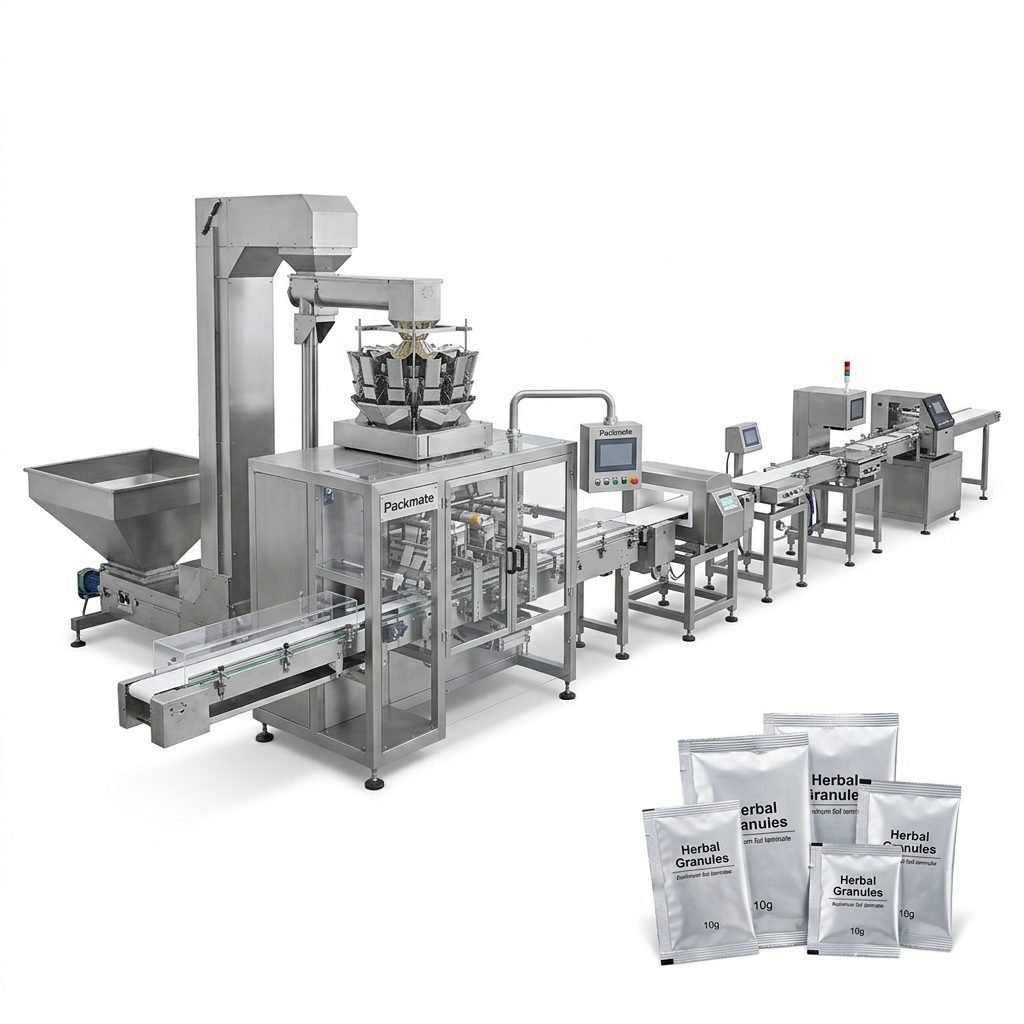
Suppliers like Packmate Snus Machine highlight decades of experience in snus and nicotine pouch equipment, a large factory footprint, and multiple machine models that support multi-lane production and turnkey lines. When a supplier presents extensive case studies, CE/ISO compliance, and global exhibition presence, it indicates maturity and a commitment to continuous improvement.
If you want to explore detailed machine categories or verify certifications and case studies, check product overviews such as Snus & Nicotine Packaging Machines, Bag & Pouch Packaging Machines, and the company’s case page for real-world examples.
Checklist: Questions to Ask Prospective Suppliers
• Can you provide FAT results and reference contacts in Europe?
• What spare parts are included and where are they stocked?
• What is your standard warranty and response time for on-site service in the EU?
• Can machines be upgraded to increase lane counts or speeds?
• Do you provide operator and maintenance training during commissioning?
📎 Pro tip: Ask for a small pilot run with your actual product and film. Machines perform differently with various powder particle sizes and humidity levels — real trials lower implementation risk.
Useful Links and Further Reading
Explore vendor resources and product pages to deepen your evaluation: Snus & Nicotine Packaging Machines, Case studies, and Contact details for direct inquiries. For a broader equipment review, see their Weighing & Packaging Systems.
Final Steps: Decision-Making and Implementation
Shortlist 2–3 suppliers based on TCO, references, and the ability to meet EU regulatory needs. Negotiate a pilot program or phased delivery, define acceptance criteria clearly in the contract, and schedule training and maintenance handover. A structured approach reduces surprises and accelerates time-to-market in Latvia’s competitive landscape.
One last reminder
Focus on reliability, support, and local logistics: these factors determine whether your line runs smoothly for years. A strong supplier partnership is often more valuable than a slightly cheaper machine purchase.
Common Questions (FAQs)
Q1: How important are CE and ISO certifications when buying packaging machinery for Latvia?
A1: Very important — CE and ISO indicate compliance with European safety and quality standards, which simplifies installation and regulatory acceptance in Latvia and across the EU.
Q2: Can I use machines designed for snus to pack nicotine pouches or other small-dose products?
A2: Often yes, but verify dosing heads, sealing temperatures, and film compatibility. Request a test run with your exact product to confirm performance.
Q3: What lead time should I expect for a turnkey snus packaging line?
A3: Lead times vary by customization level and factory workload. A basic machine may ship in weeks, while a fully customized multi-lane turnkey line can take several months. Always include FAT and buffer time for logistics.
Q4: How can I reduce downtime in the first year after installation?
A4: Invest in operator training, keep a spare parts kit on-site, schedule preventive maintenance, and arrange for rapid remote support from the supplier.
Q5: Where can I find verified supplier case studies and product details?
A5: Review the supplier’s official product pages and case sections, such as the Snus & Nicotine Packaging Machines and Case pages, and request references for installations in similar regulatory markets.