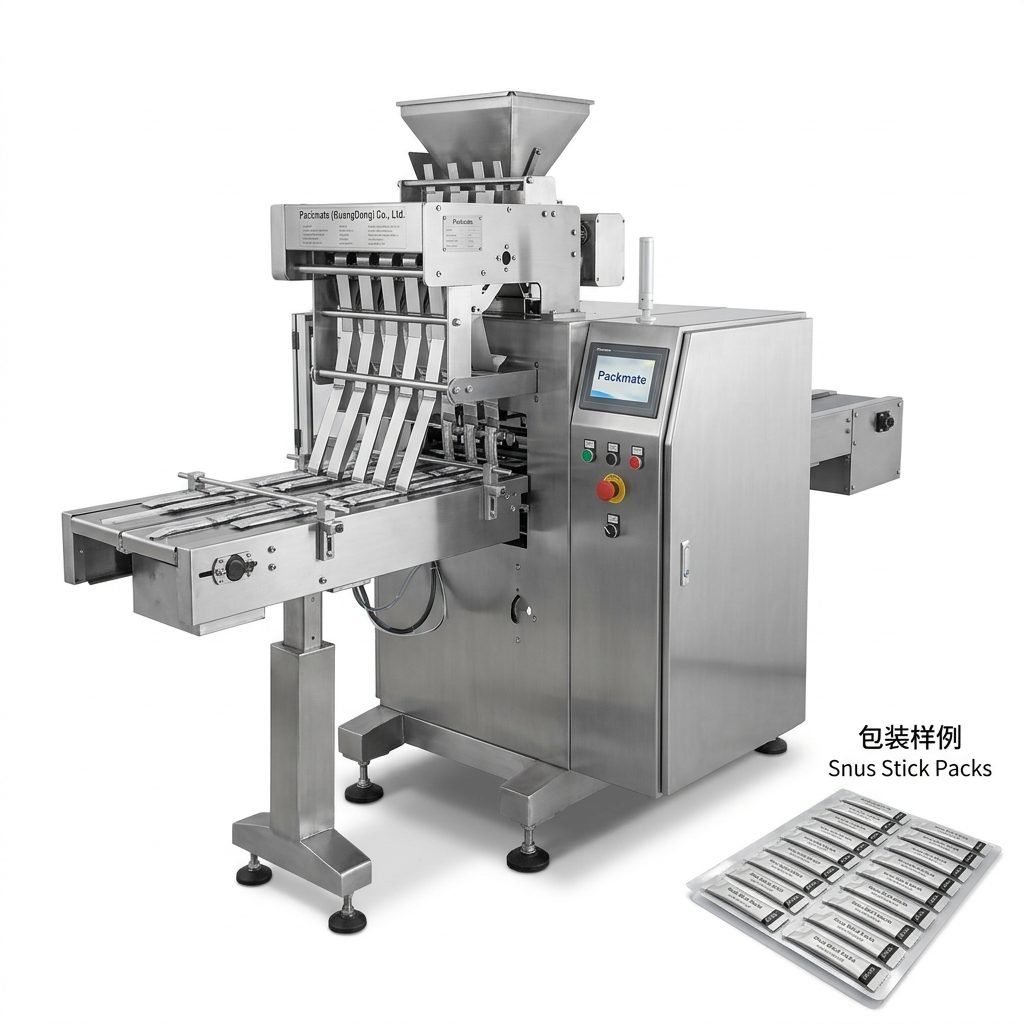
Choosing the right snus packaging machinery supplier in Austria is more than a procurement decision — it’s a strategic move that affects production efficiency, regulatory compliance, product quality, and brand reputation. Whether you’re producing nicotine pouches, tobacco-based snus (subject to EU rules), or novel tobacco-free oral pouches, this guide walks you through practical, Austria-specific considerations and vendor-evaluation steps to ensure your production line runs smoothly and scales reliably.
Understand the Austrian Market and Local Habits
Austria is a highly regulated EU market with discerning consumers who value product safety, discreet consumption formats, and high-quality packaging. Local buyers and regulators expect machines and lines to comply with EU safety and hygiene standards. Many Austrian businesses prefer suppliers who can demonstrate clear CE and ISO certifications, local or regional support, and references from European installations.
Regulatory context
Keep in mind the EU’s regulatory framework: while snus sales are restricted in many EU countries, nicotine pouches and other non-tobacco oral products are often governed under different or evolving rules. Your supplier should understand EU directives, national Austrian rules, and labeling requirements. A trusted manufacturer will help you design lines that facilitate traceability, batch coding, and tamper-evident features.
Key Technical Criteria: What to Inspect on the Machine
🔧 Precision & Consistency: Look for high-precision dosing systems and multi-lane synchronization for consistent pouch weight and sealing quality.
⚙️ Modularity & Scalability: Choose machines that can be upgraded with additional lanes, date coders, or vision systems without full replacement.
🛡️ Hygiene & Materials: Stainless steel contact parts, easy-to-clean designs, and food-grade sealing components matter for compliance and long-term reliability.
📊 Data & Controls: Intuitive HMI, recipe storage, and industry-standard PLCs enable fast changeovers and traceability for audits.
Supplier Capabilities: Beyond the Machine Itself
A reliable supplier is measured not only by the machine spec sheet but by its engineering depth, manufacturing capacity, certifications, and after-sales ecosystem. Evaluate suppliers on the following practical points:
1. Proven Industry Experience
Vendors with decades of experience bring process knowledge that reduces commissioning time. For example, a manufacturer with 30+ years in packaging machinery will likely have solved common issues in pouch dosing, film handling, and multi-lane synchronization. Check for case studies and references in European installations to ensure the supplier understands local expectations.
2. Certifications & Quality Systems
Request evidence of CE conformity and ISO quality management. Suppliers who provide machine-level certificates and factory QA reports make compliance straightforward. You can often verify credentials through the supplier’s certificate listings or by asking for documentation prior to purchase.
3. Customization & Turnkey Solutions
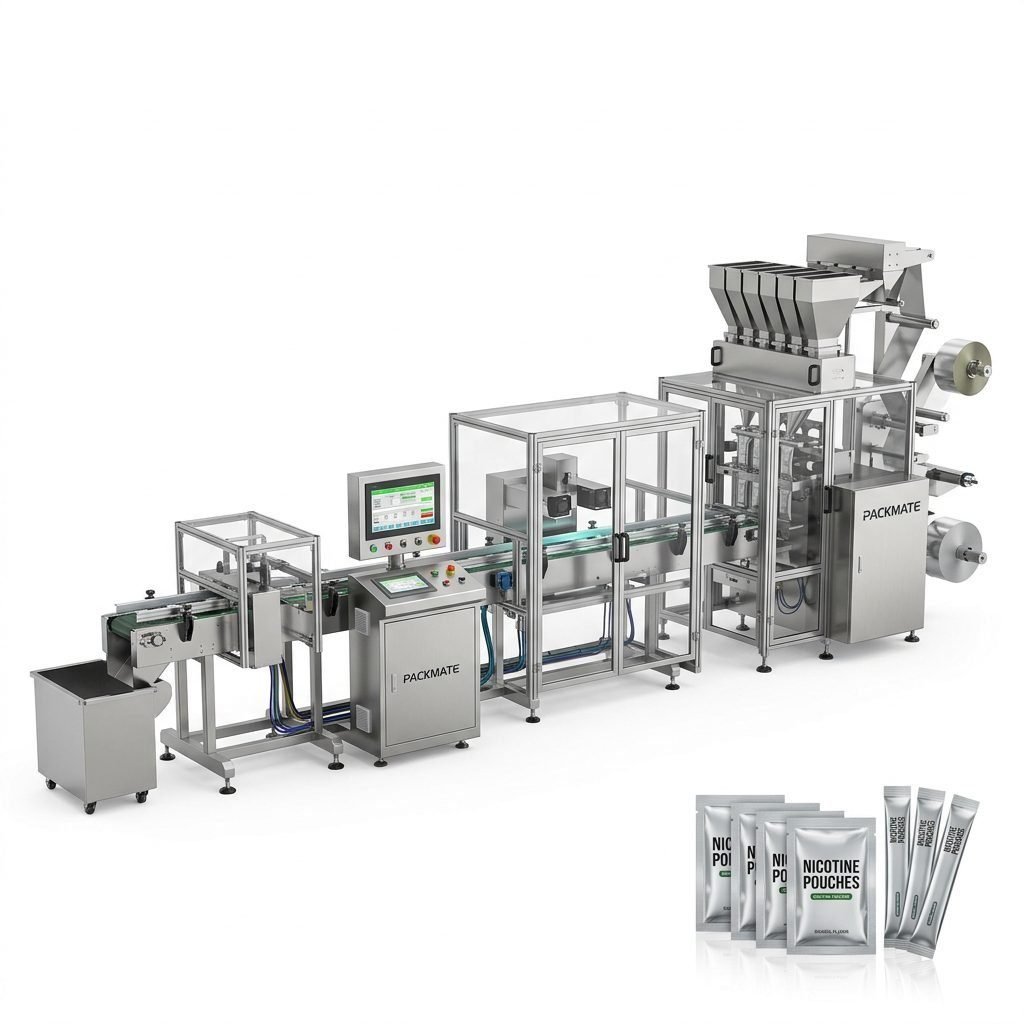
Austria-based buyers frequently prefer turnkey solutions that include upstream dosing and downstream secondary packaging. Look for suppliers that integrate weighing systems, stick pack or sachet modules, and end-of-line cartoning or flow-wrapping. See examples of integrated offerings like Snus & Nicotine Packaging Machines and Filling & Packaging Lines for inspiration.
Operational Considerations for Austrian Producers
Operational efficiency, local service, and spare parts availability are often the deciding factors when evaluating suppliers for Austrian facilities. The following points often determine long-term satisfaction:
Local Support & Spare Parts
Confirm the supplier’s Europe-based parts distribution or regional agents in the EU. Machines need fast spare-part replacement to minimize downtime. If the manufacturer has a European warehouse or partner, your lines will be back up faster when issues arise.
Installation, Training & Commissioning
A strong supplier will provide on-site commissioning and operator training. In Austria, production teams expect comprehensive handover procedures, English or German-language manuals, and remote support options for rapid troubleshooting.
Energy & Space Efficiency
Austrian manufacturers often optimize for compact footprint and energy-efficient drives. Ask for machine energy consumption specs and recommended factory layouts to plan utilities and floor space prior to installation.
Commercial & Contractual Tips
Commercial terms can have long-lasting consequences. Protect your investment by paying attention to warranties, delivery terms, and acceptance testing.
✅ Factory Acceptance Testing (FAT): Require FAT documentation and remote or on-site witness options before machine shipment.
✅ Warranty & Service Level Agreements: Define response times for critical parts and breakdowns in Austria/EU time zones.
✅ Spare Parts Kit: Negotiate a startup spare parts kit and recommended spares list to reduce initial downtime risk.
How to Compare Suppliers — A Practical Checklist
Use this actionable checklist when comparing vendors. Score each candidate and prioritize the items based on your production goals.
-
Machine uptime history and CE/ISO evidence.
-
Availability of spare parts in EU and typical lead times for critical components.
-
References from nearby countries or similar product types (nicotine pouches, tea, powder, etc.).
-
Service agreements, remote access capability, and language options for support.
-
Total cost of ownership (installation, training, spare parts, energy consumption).
Why a Manufacturer Like Packmate Might Be a Good Fit
A supplier with deep experience in snus and nicotine pouch lines can reduce your commissioning timeline and deliver reliable multi-lane systems. For reference, companies with strong manufacturing capabilities — such as 20,000㎡ factories, advanced CNC centers, and decades of R&D — typically offer:
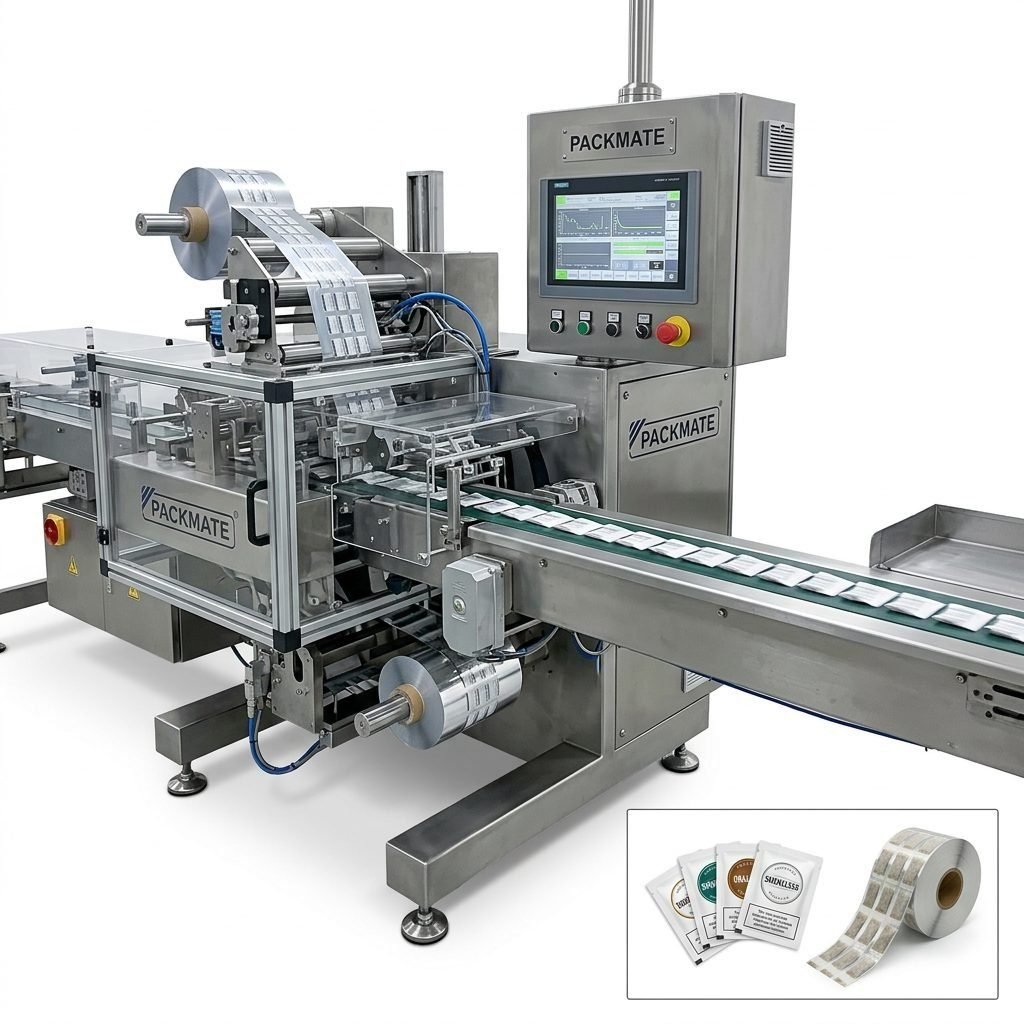
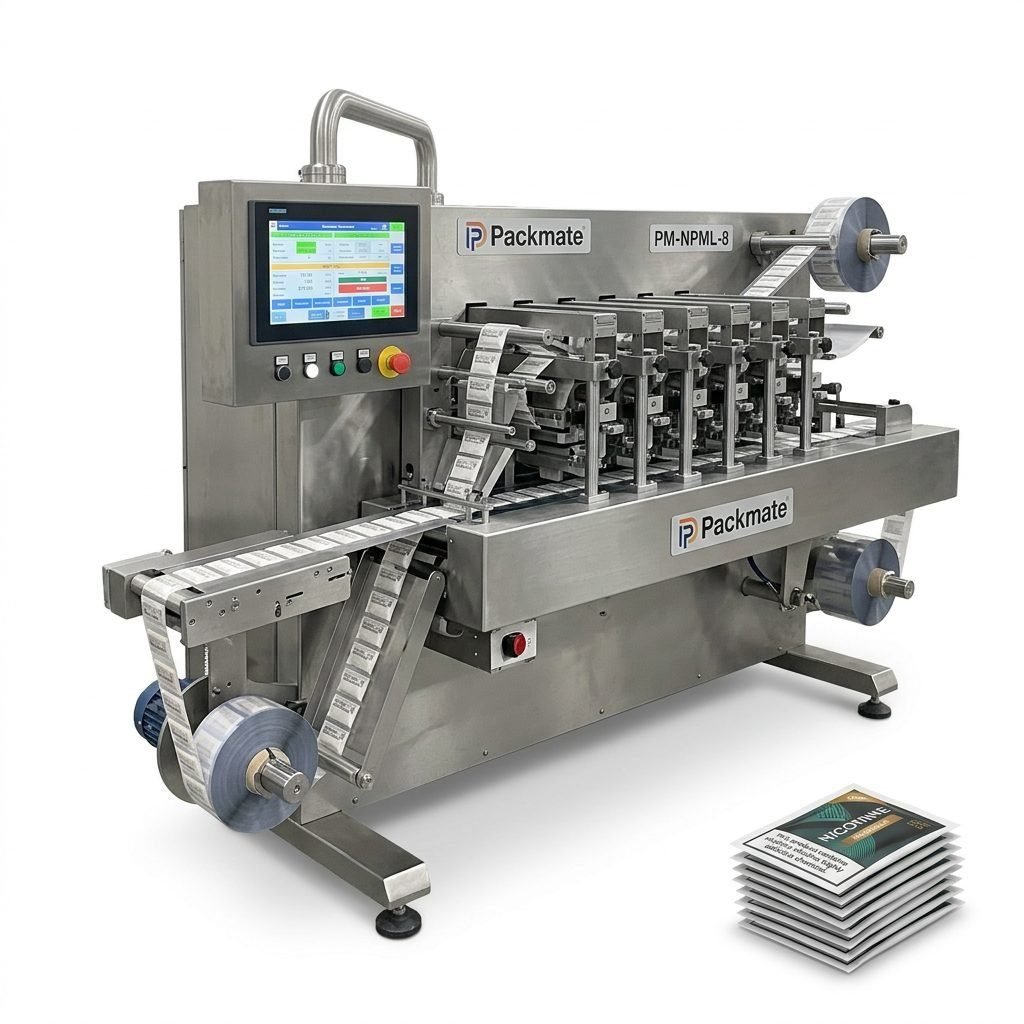
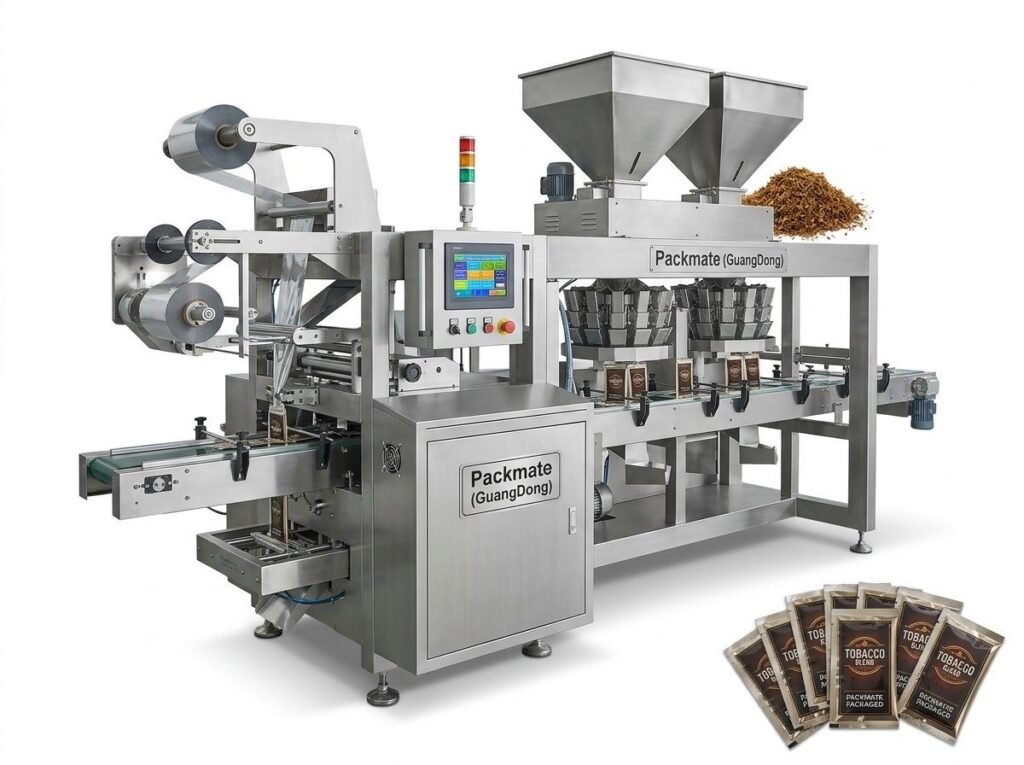
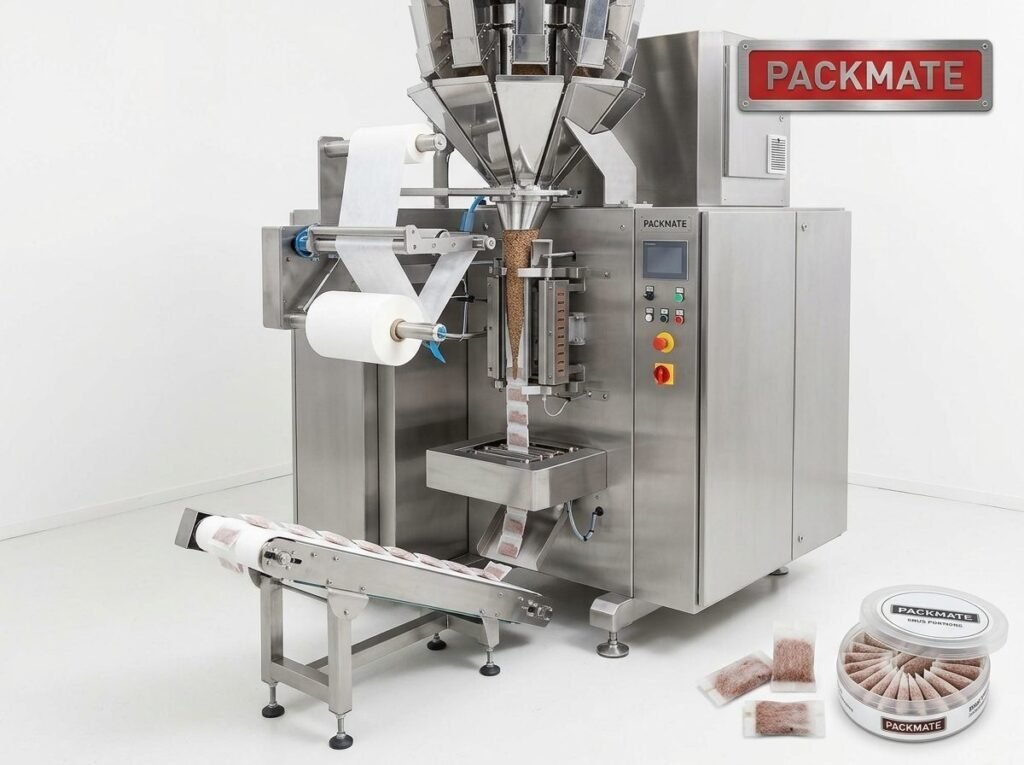
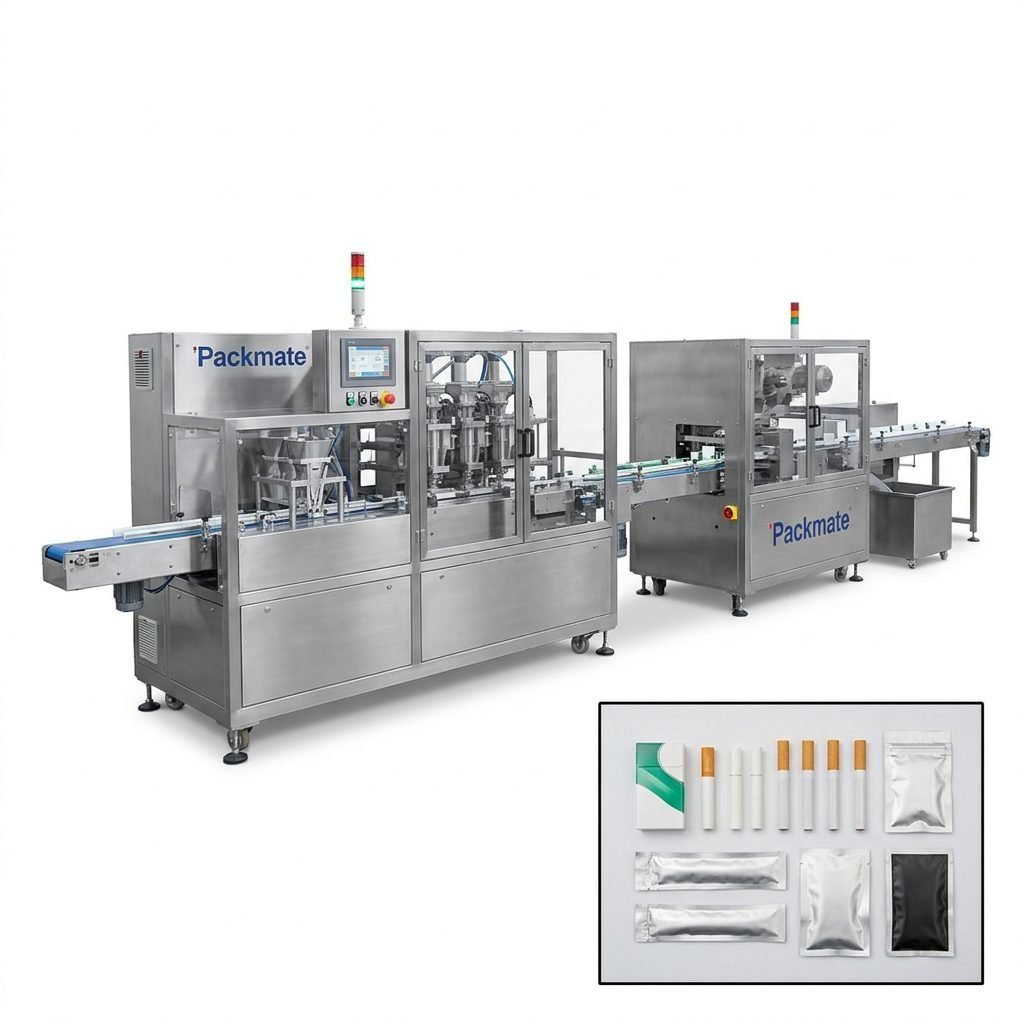
• A broad product portfolio across Snus & Nicotine Packaging Machines, Bag & Pouch Packaging Machines, and Feeding & Packaging Lines that lets you scale or adapt lines as your product range grows. Explore product examples to see machine types and configurations.
• Turnkey integration capability that bundles dosing, forming, sealing, and end-of-line packaging into a single project — reducing coordination risk and shortening lead times.
• Certificates and factory testing to reassure European clients about compliance and reliability; and presence at global exhibitions where you can witness live demos and meet engineering teams in person.
Selecting the Right Machine Type for Your Product
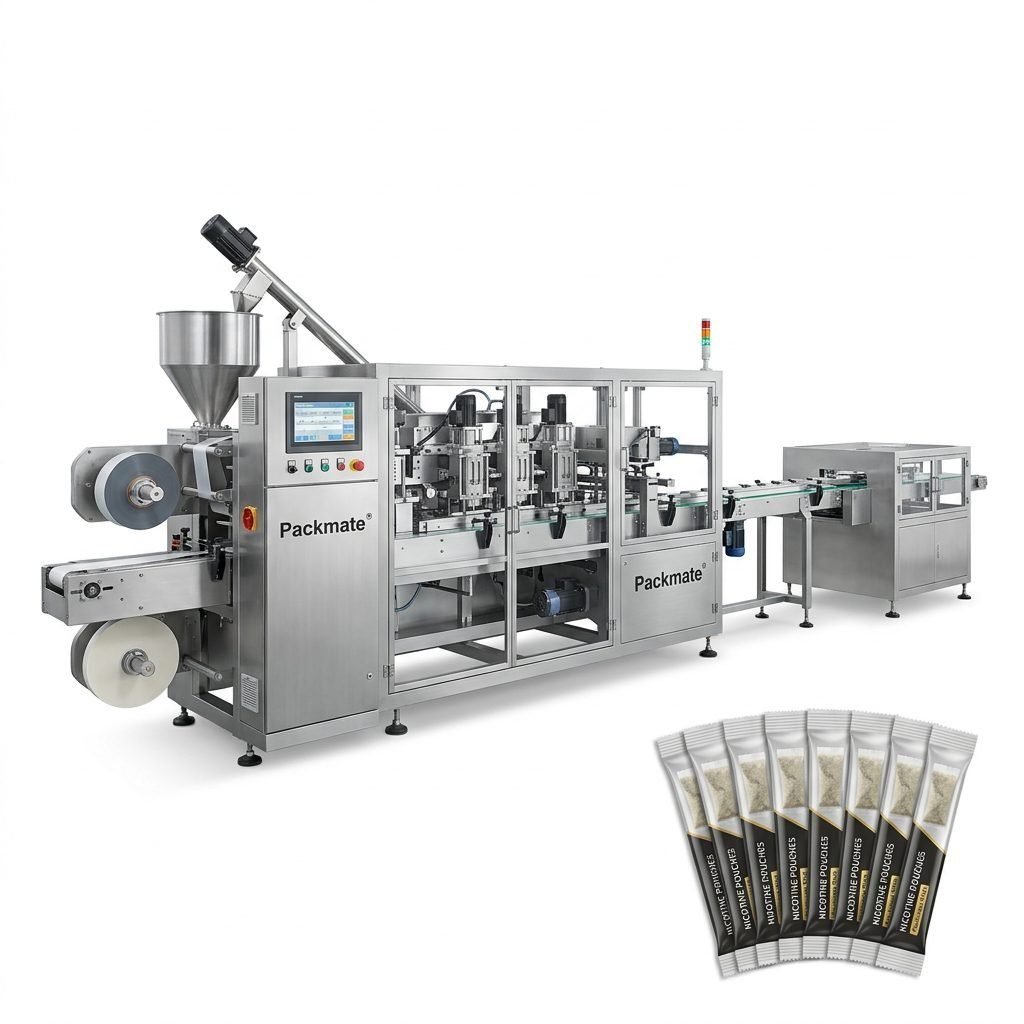
Your product format determines the ideal machine family: stick pack machines and sachet machines are common for single-dose pouches; multi-lane systems increase throughput for small-dose nicotine pouches. If you plan to produce several SKUs, seek equipment that allows quick tooling changeovers and recipe storage.
Examples
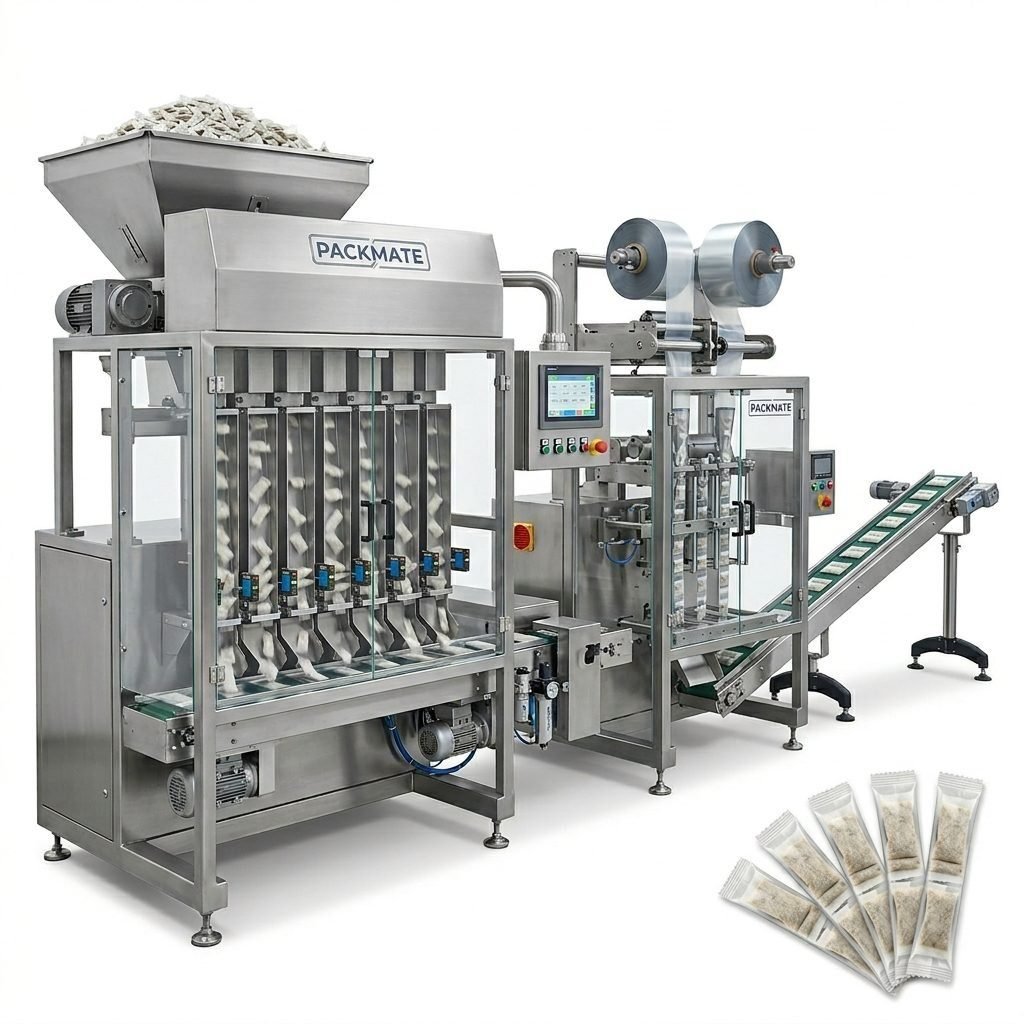
– Nicotine pouches: multi-lane pouch forming and dosing systems with precise powder feeders. See Snus & Nicotine Packaging Machines for typical solutions.
– Sachets and stick packs: high-speed sachet and stick pack modules often paired with vertical or rotary filling heads. Learn more from Sachet & Stick Pack Machines.
Evaluating Total Cost and ROI
Calculate total cost of ownership: purchase price, customs and transport to Austria, installation, commissioning, training, spare parts inventory, and expected uptime. Compare this to the projected throughput value and product margin to estimate payback time. Suppliers that publish long-term case studies and offer site visits or references help validate ROI assumptions.
Making the Final Decision
Conduct a weighted scoring of technical fit, service capability, certifications, past European projects, and commercial terms. Prioritize suppliers who demonstrate transparency, provide FAT, and have a clear Europe/EU support plan. If possible, visit the factory or witness a demo at an exhibition to validate build quality and machine ergonomics.
Helpful links & resources
Explore product lines and company background for further due diligence: Snus & Nicotine Packaging Machines, Bag & Pouch Packaging Machines, and real-world examples in Case studies. For company background and credentials, see About Packmate.
Quick Action Plan for Austrian Buyers
-
Define required formats, throughput, and future growth expectations.
-
Shortlist suppliers with EU experience and request FAT documentation.
-
Verify spare part logistics and set SLAs for Austrian/EU response times.
-
Negotiate warranty, training, and initial spares kit as part of purchase.
Final Thoughts
Selecting the best snus packaging machinery supplier for Austria requires balancing technical capability, regulatory insight, and local support. Prioritize suppliers who can demonstrate European compliance, offer turnkey integration, and maintain transparent communication during FAT and commissioning. A well-chosen partner reduces risk and accelerates your path to stable production.
Frequently Asked Questions
Q: Are snus machines legal to import and operate in Austria?
A: Austria follows EU frameworks; traditional tobacco snus sales are subject to EU restrictions. Many manufacturers produce nicotine pouches and other oral formats that meet national rules. Always confirm regulatory classification with local legal counsel and choose equipment that supports compliance features like batch codes and traceability.
Q: How important are CE and ISO certificates when choosing a supplier?
A: Extremely important — CE demonstrates conformity with EU safety standards and ISO indicates consistent quality management. Ask for machine-level CE documentation and supplier ISO certificates during the vetting process.
Q: What is Factory Acceptance Testing (FAT) and why does it matter?
A: FAT verifies machine performance before shipment. It reduces risk by allowing you to confirm functionality, speed, and product quality in the factory environment. Insist on documented FAT and, if feasible, a witnessed session.
Q: How do I ensure fast spare part delivery in Austria?
A: Prefer suppliers with EU warehouses or distribution partners. Negotiate an initial spare parts kit and clarify typical lead times for critical components in your contract.
Q: Where can I see live demonstrations or meet manufacturers?
A: International packaging exhibitions and supplier demo centers are ideal. Check manufacturer exhibition pages or contact them to schedule factory visits or to find upcoming shows where they will display machines.