Understanding Kyrgyzstan’s Snus Market and Local Considerations
Kyrgyzstan is a small but strategically located market in Central Asia where business culture blends Russian-influenced industrial practices with strong local customs. When you plan to source snus packaging machinery for production in Kyrgyzstan, it helps to consider local consumer preferences, regulatory context, logistics challenges, and workforce skills. Local buyers and partners often value direct relationships, transparent pricing, and reliable after-sales service. Language support in Russian and occasional Kyrgyz is an advantage when negotiating technical details or organizing on-site commissioning.
Why choosing the right supplier matters in Kyrgyzstan
Selecting the right snus packaging machinery supplier is not just about the lowest purchase price. Total cost of ownership, local compliance, spare parts availability, and responsive support determine long-term success. In Kyrgyzstan, import procedures and transit times through regional hubs can affect production start-up, so a supplier with export experience and clear shipping options is very valuable.
Key Technical Requirements: Match Machines to Your Production Needs
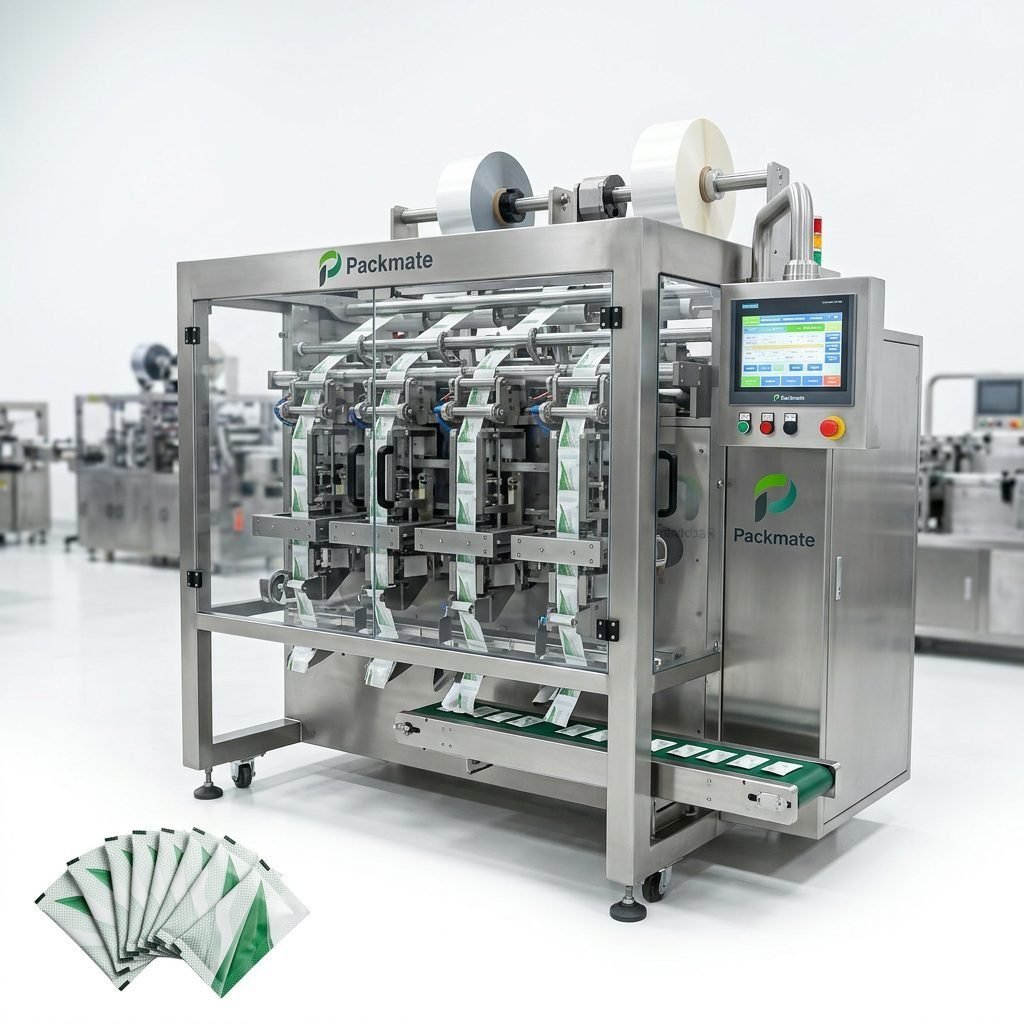
⚙️ Throughput and lane configuration — Decide on single-lane vs. multi-lane systems depending on daily volumes. Multi-lane machines maximize output for smaller pouch sizes and are ideal for nicotine pouch lines.
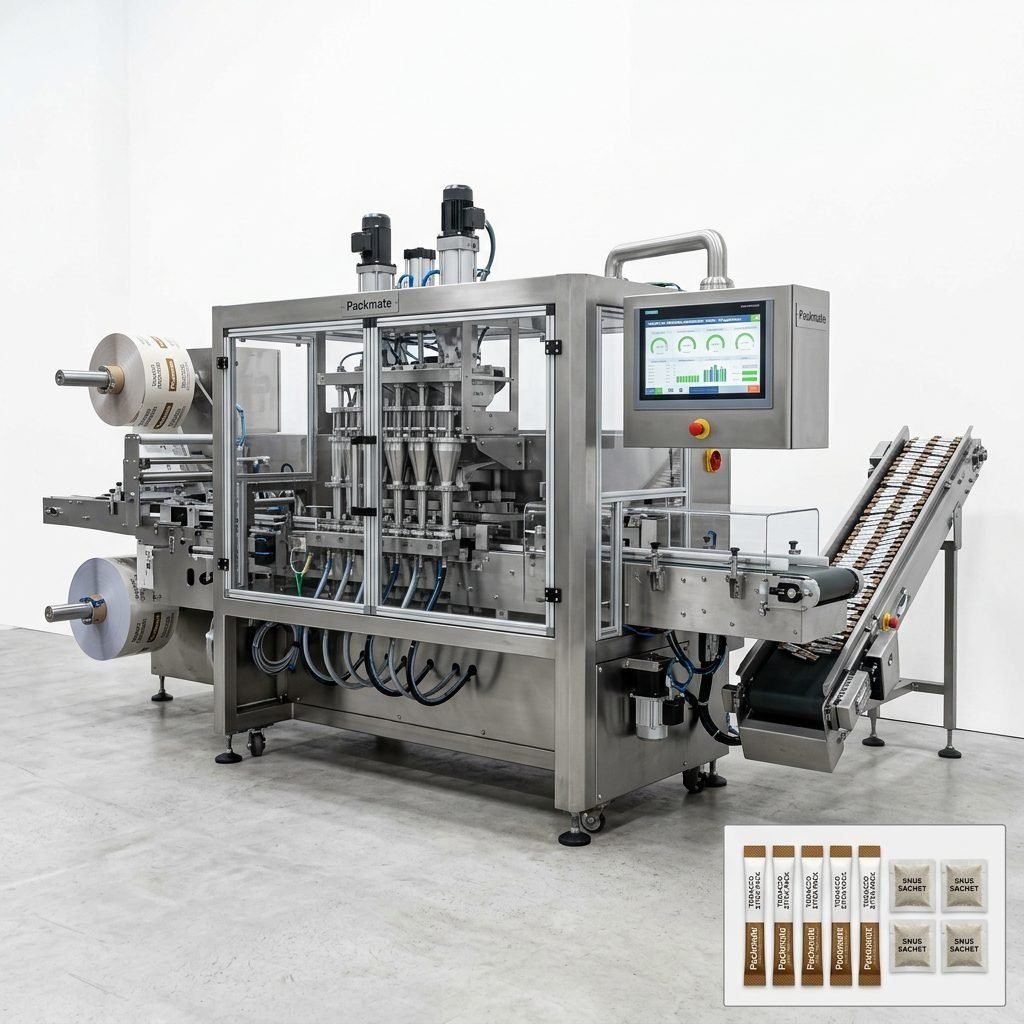
📦 Pouch type and flexibility — Choose machines that handle sachets, stick packs, or special snus pouches. Ensure the supplier can handle film types and laminates you plan to use.
⚖️ Filling accuracy and dosing — Nicotine pouch production requires precise dosing. Check if the supplier offers integrated weighing systems or high-precision auger/volumetric fillers.
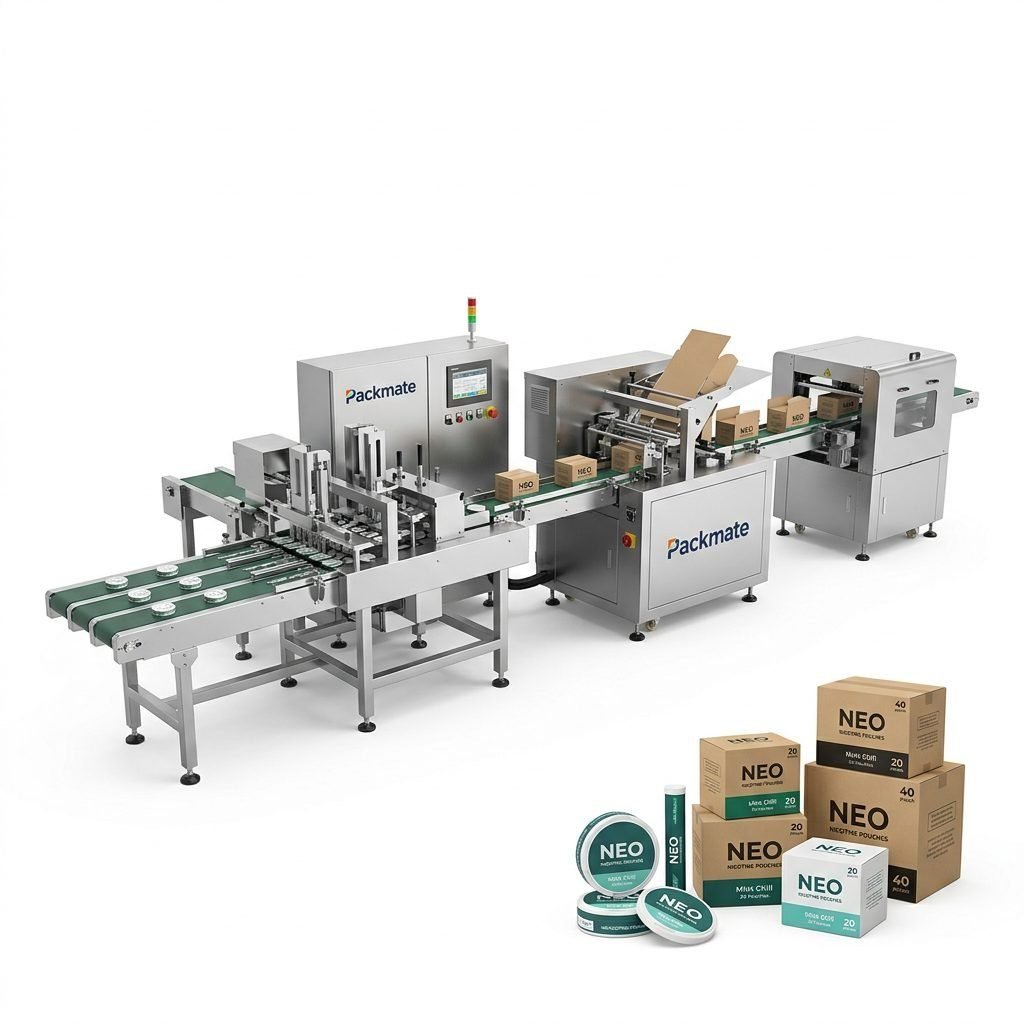
🔧 Integration & automation — Confirm compatibility with upstream and downstream equipment (weighing, sealing, cartoning, CODA). A turnkey approach reduces commissioning time.
Typical production scenarios and recommended machine types
– Small-scale start-up (pilot batches): single-lane stick/sachet machine with manual feeding and compact footprint.
– Growing brand: multi-lane sachet systems with automatic feeding and inline weighing for higher throughput.
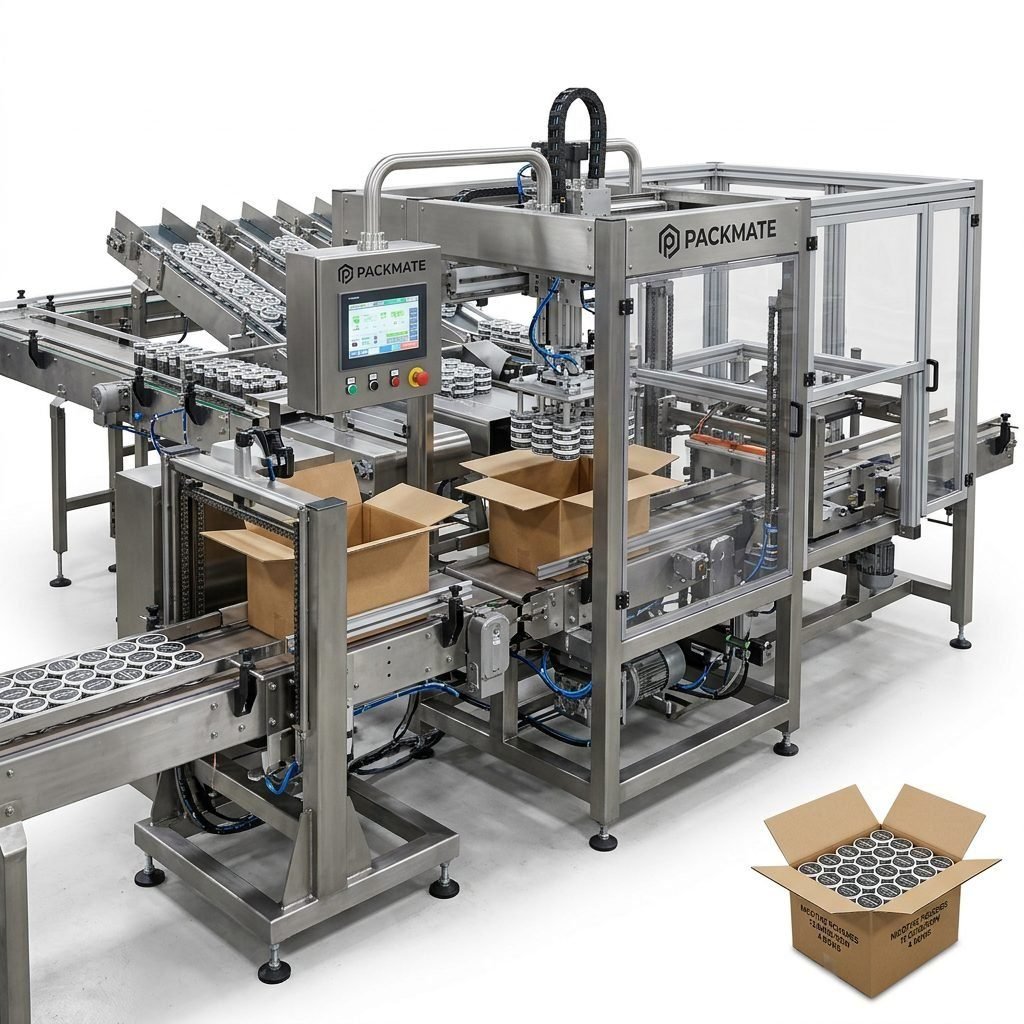
– Contract manufacturers: high-speed, fully automated lines with robotics for case packing and serialization.
Five Practical Steps to Evaluate a Snus Packaging Machinery Supplier
1. Factory capability and certifications — Look for CE, ISO, and documented production floor capacity. A 20,000㎡ factory with CNC centers and precision assembly lines signals reliable manufacturing and repeatable quality.
2. Product portfolio and specialization — A supplier with 50+ machine models and specific snus & nicotine pouch experience can better tailor solutions. Review machine catalogs and ask for case studies.
3. After-sales support and spare parts — Confirm local service partners or rapid shipment plans for critical spares. Ask about warranty terms, mean time to repair (MTTR), and training packages.
4. Testing and sample production — Request a pre-shipment run using your formula and film; validated samples reduce commissioning risk.
5. References and site visits — Speak with other clients from similar regions or industries. If possible, visit the factory or view live demos at exhibitions.
What to ask during supplier meetings
Prepare a technical checklist: machine cycle speed, format changeover time, servo control systems, PLC brand, HMI languages, film tension control, dust management, power requirements, and recommended maintenance schedule. For Kyrgyzstan operations, clarify documentation languages (Russian/English) and onsite training language availability.
Commercial and Contractual Considerations
Cost is more than CAPEX. Include shipping, customs duties, VAT, installation, commissioning, and spare parts inventory in your budget. Request clear Incoterms and a production timeline. For financing, ask suppliers about leasing options or staged payments. Insist on a written warranty with defined response times and a spare parts list that covers wear parts for at least 12 months.
Logistics, import, and after-sales in Kyrgyzstan
📦 Shipping & customs — Choose a supplier experienced with Central Asian import routes. Road and rail transit times can vary; ensure proper crating and insurance.
🔁 Spare parts supply — Seek suppliers who keep critical spares in regional hubs or provide quick courier dispatch for small parts.
👷 Local training & technicians — Onsite commissioning and operator training in Russian/Kyrgyz reduce downtime and accelerate line ramp-up.
Vendor Comparison Template: How to Score Suppliers
Use a scoring model with categories: Technical fit (30%), Quality & Reliability (25%), After-sales (20%), Commercial terms (15%), Local suitability (10%). Rate each supplier 1–5 and compare totals. Be sure to weight factors that matter most to your business—e.g., if you need multi-lane output, give extra points for existing multi-lane installations.
Red flags to avoid
– Vague performance claims without real case data.
– No sample production or reference runs.
– Poor documentation and no language support for training.
– No clear spare parts lead times.
– Unwillingness to sign clear warranty or service-level agreements.
Why Packmate Snus Machine is a Competitive Option
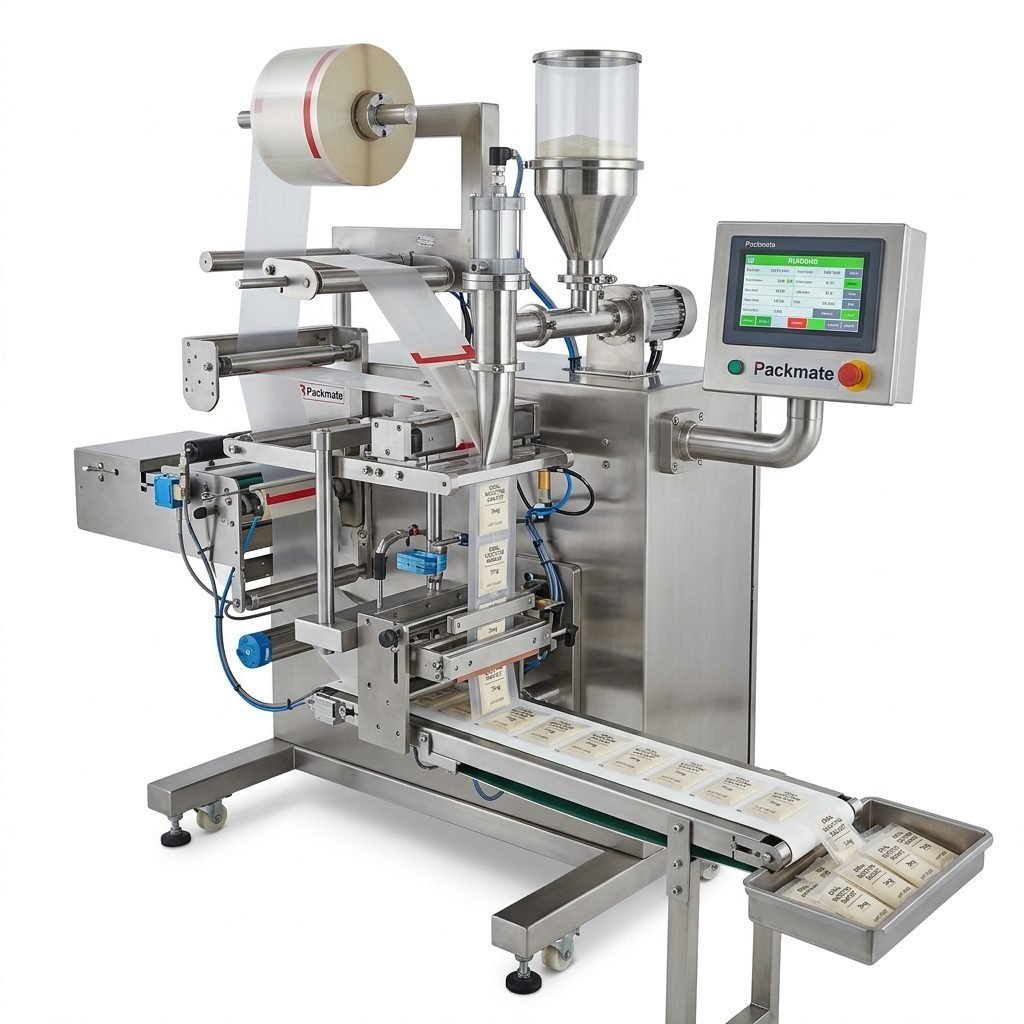
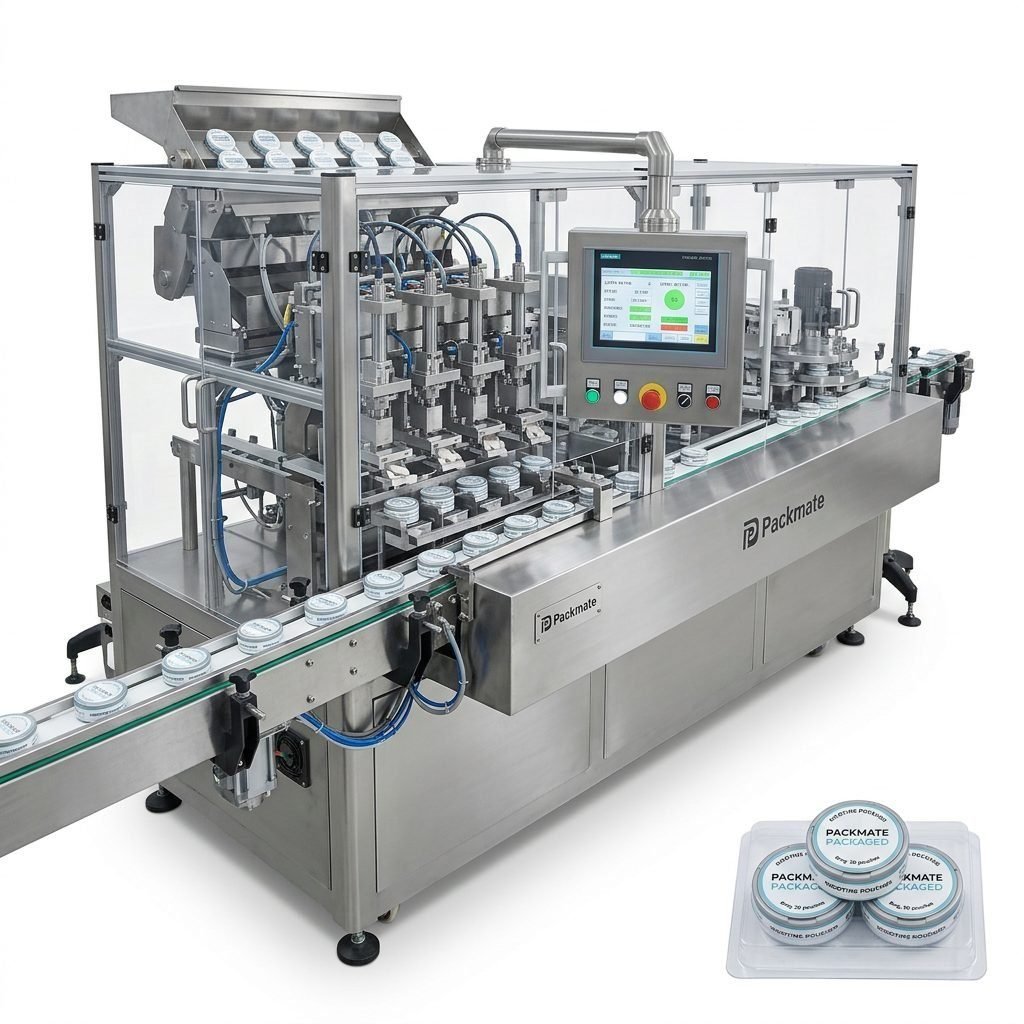
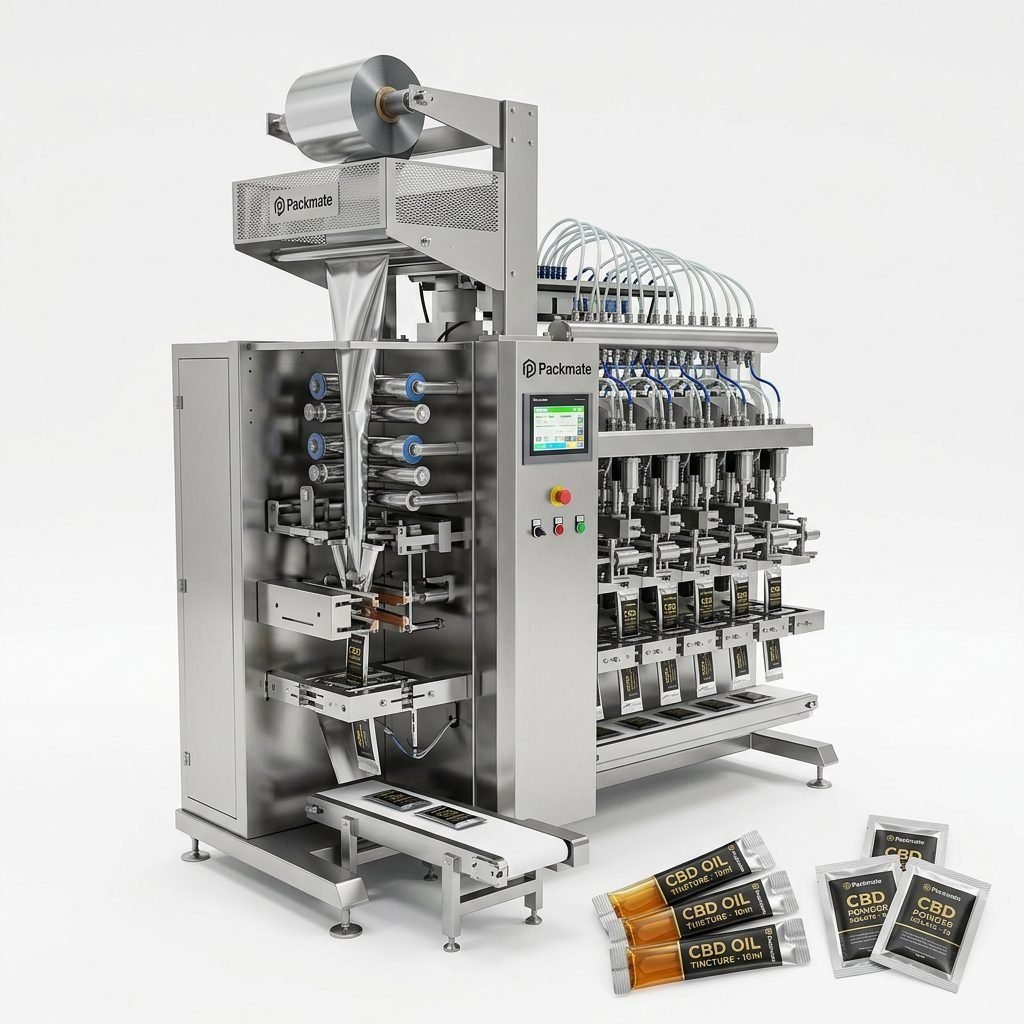
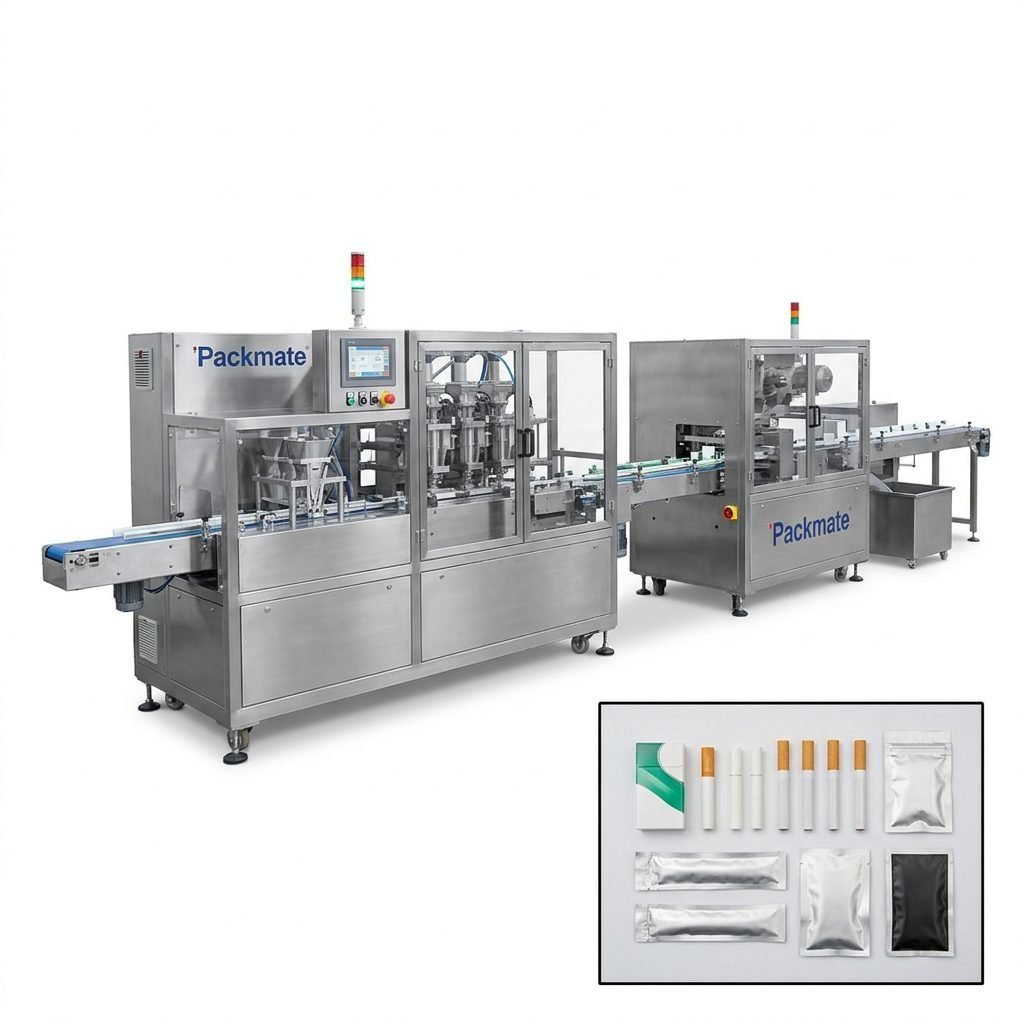
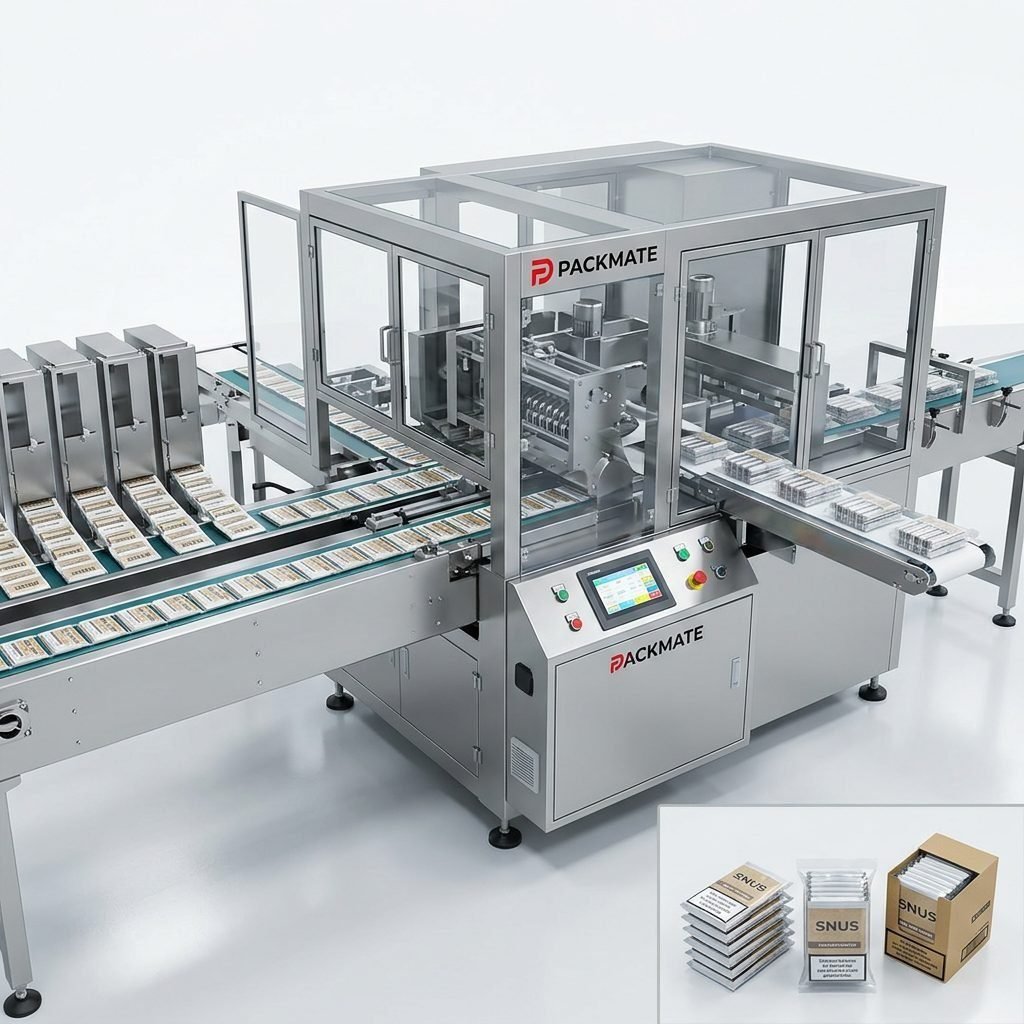
Packmate Snus Machine offers a strong mix of manufacturing capacity, product specialization, and global experience that is attractive to buyers in Kyrgyzstan. With over 30 years of engineering, a 20,000㎡ factory, and a portfolio covering snus and nicotine pouch equipment, Packmate can supply multi-lane systems, weighers, and turnkey packaging lines.
Helpful resources from Packmate:
- Explore specific machines: Snus & Nicotine Packaging Machines
- Stick and sachet systems: Sachet & Stick Pack Machines
- Complete weighing and integration: Weighing & Packaging Systems
- Company background and support: About Packmate
- Get in touch for quotes or demos: Contact Us
Customization and compliance
Packmate’s product lines are typically configurable for different pouch sizes, dosing ranges, and film materials. They also maintain international certifications which help when importing equipment into Kyrgyzstan and when meeting international customer expectations. Ask for CE/ISO documentation during evaluation.
A Practical Onboarding Checklist for New Machinery in Kyrgyzstan
✅ Confirm shipping terms and customs clearance agent experienced with industrial equipment.
✅ Schedule onsite commissioning and operator training in a suitable language.
✅ Verify electrical and utility requirements at your facility (voltage, air, water quality if required).
✅ Run FAT (Factory Acceptance Test) with your materials and collect signed performance reports.
✅ Keep a critical spares kit and establish a spare parts reorder process with your supplier.
Cultural and commercial tips for negotiating in Kyrgyzstan
Relationships matter. Expect in-person meetings or extended calls to build trust, and be clear about long-term service expectations. Russian-language documentation or bilingual technical staff often speeds negotiations and avoids misunderstandings. Building a local partner or service contact can greatly improve machine uptime and regulatory navigation.
Final recommendations before you buy
– Prioritize suppliers with demonstrable snus/nicotine pouch experience and multi-lane solutions.
– Require FAT with your product and materials.
– Clarify spare parts availability and lead times.
– Insist on clear warranty and SLA terms, preferably with regional support options.
– Factor in import logistics and training language in your schedule and budget.
Useful links and next steps
If you want to dive deeper into machine options and turnkey solutions, review the Packmate machinery pages and contact the sales team for customized proposals and FAT scheduling. The right supplier becomes not only a vendor but a long-term production partner that helps you scale successfully in Kyrgyzstan and beyond.
Frequently Asked Questions
Q1: How can I confirm a supplier’s machine performance before purchase?
A1: Request a Factory Acceptance Test (FAT) using your raw materials and desired pouch formats. Ask for video evidence, performance data, and reference client contacts.
Q2: What certifications matter when importing machinery into Kyrgyzstan?
A2: CE and ISO are commonly accepted indications of manufacturing quality. Also check local import regulations and required documentation for customs clearance.
Q3: How important is local language support?
A3: Very important. Russian or Kyrgyz language training and manuals reduce commissioning time and operating errors. Confirm language options upfront.
Q4: Should I choose a turnkey supplier or assemble line components from different vendors?
A4: Turnkey suppliers simplify integration and responsibility but may cost more upfront. If you have engineering capacity, modular sourcing can be cost-effective but requires strong project management.
Q5: How do I manage spare parts and maintenance in Kyrgyzstan?
A5: Maintain a critical spare parts stock, negotiate lead times with your supplier, and establish a local service contact or partner to minimize downtime.