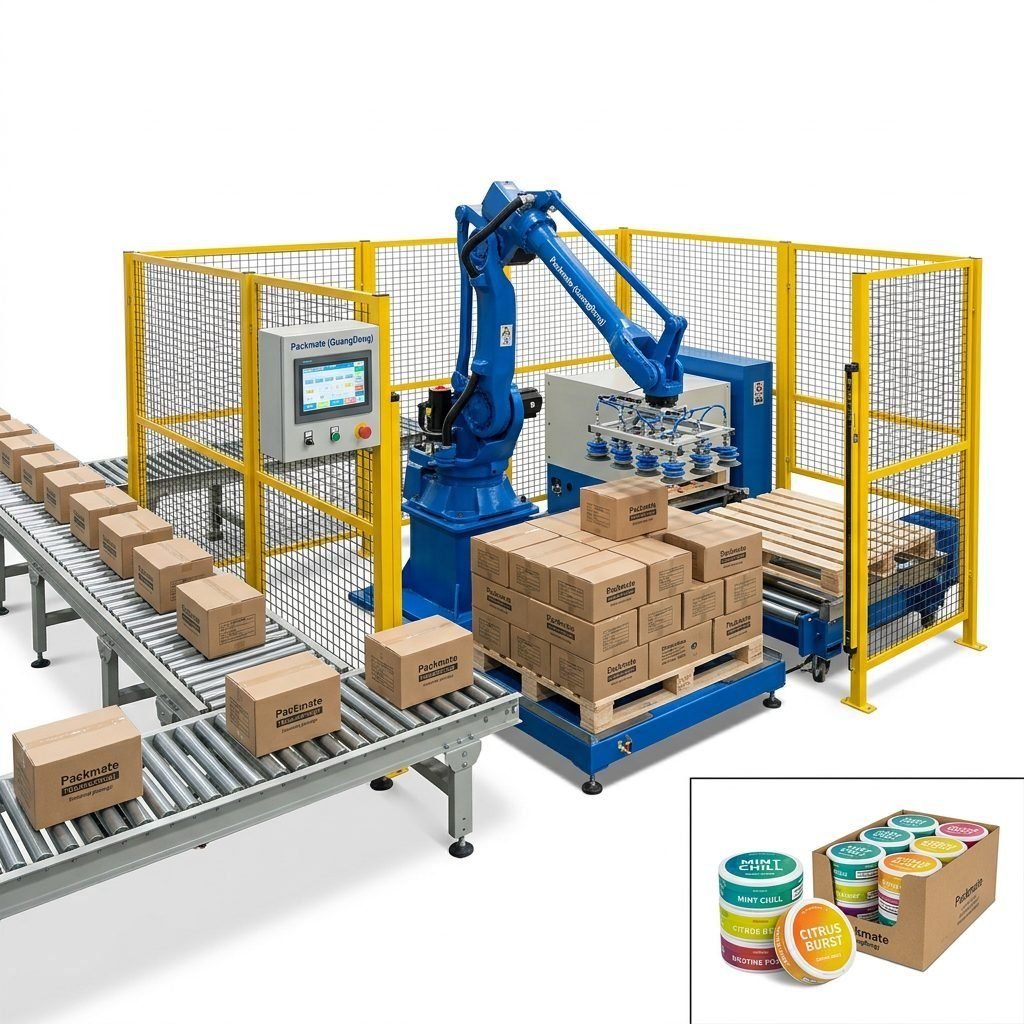
Choosing the right snus packaging machine supplier in Somalia requires a mix of technical evaluation, local market understanding, logistics planning, and cultural sensitivity. This guide walks Somali importers, distributors, and factory managers through practical steps to select a reliable supplier that meets performance, compliance, and after-sales needs — with tips tailored to Somalia’s trade routes, business practices, and consumer environment.
Understand Your Product & Local Market Needs
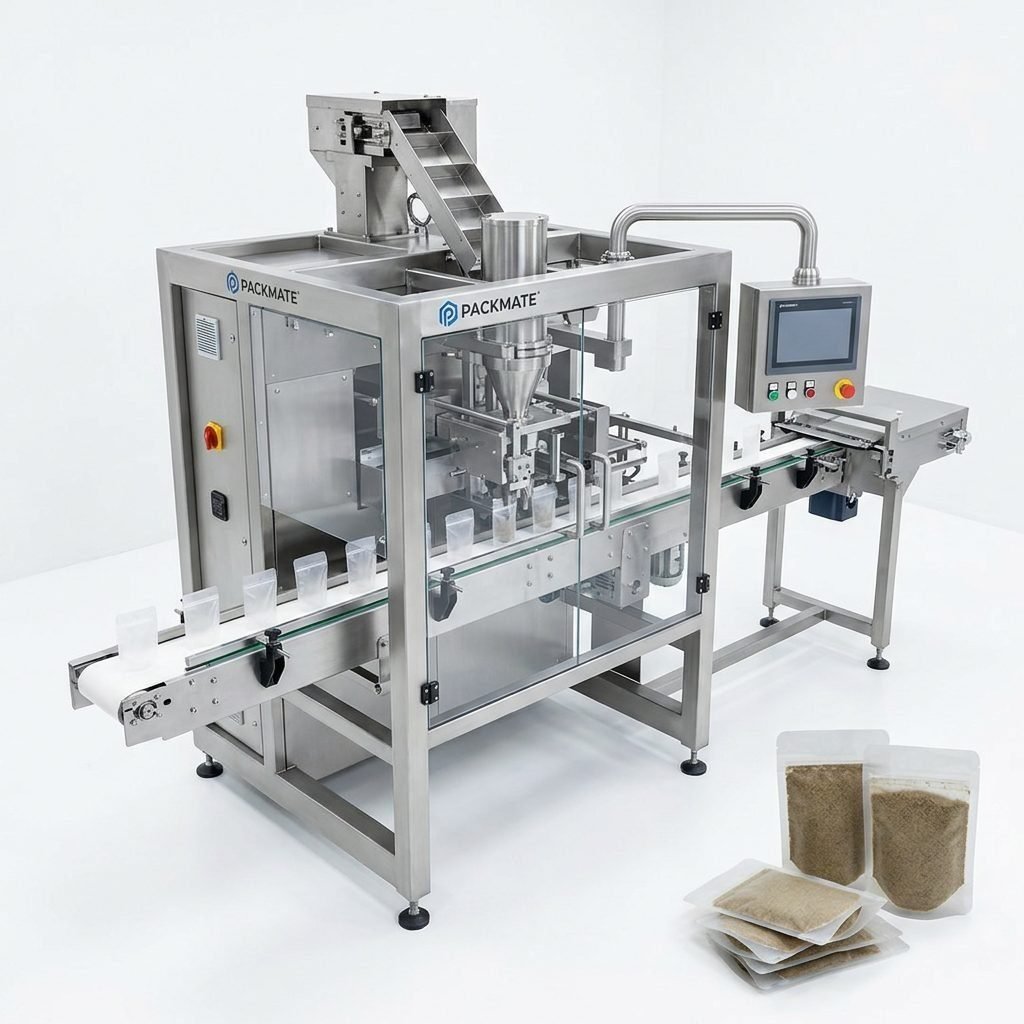
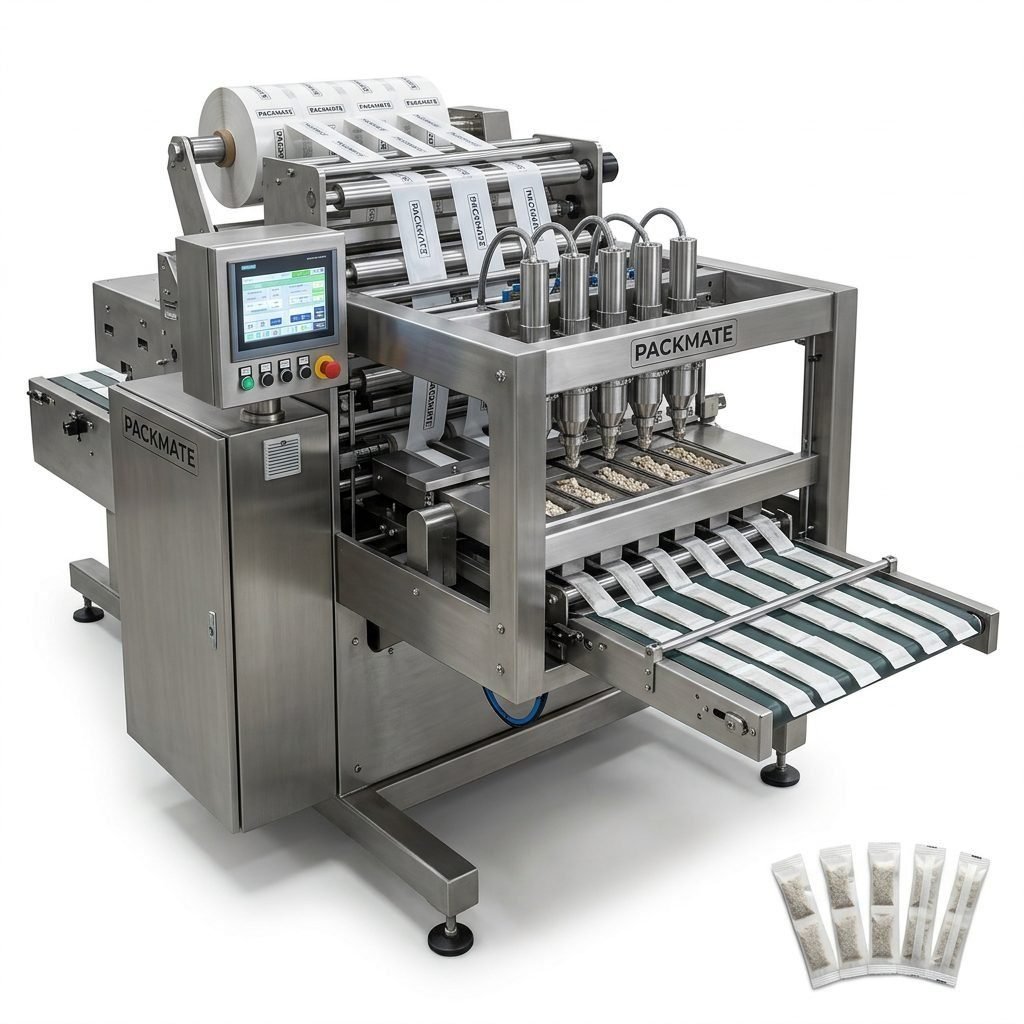
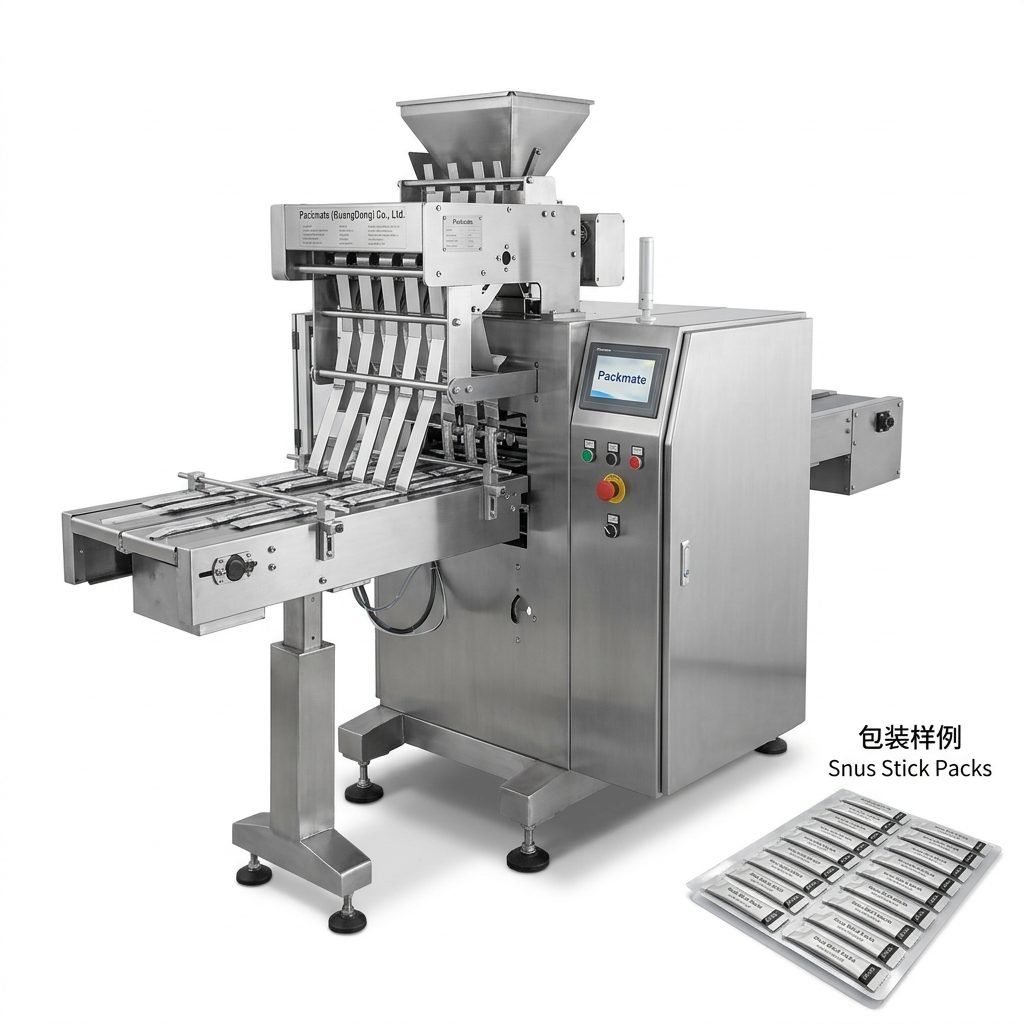
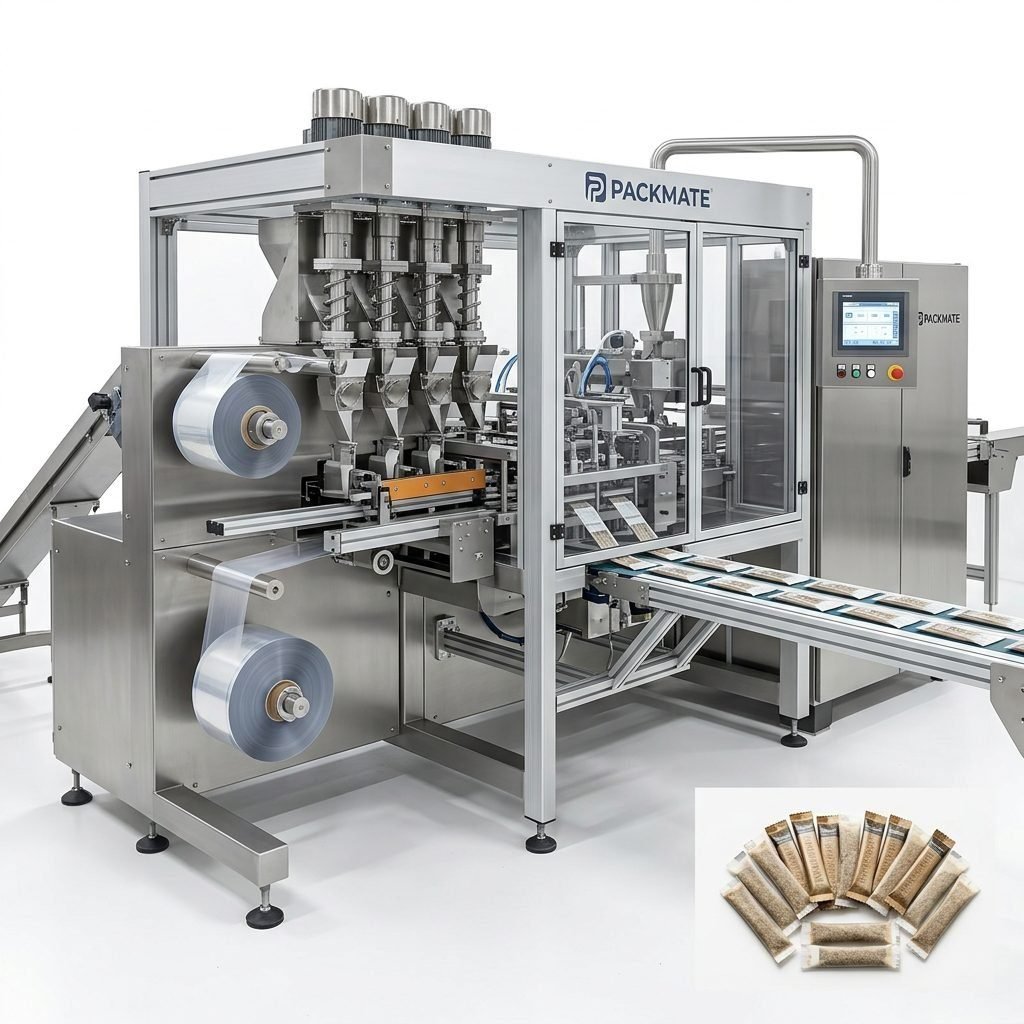
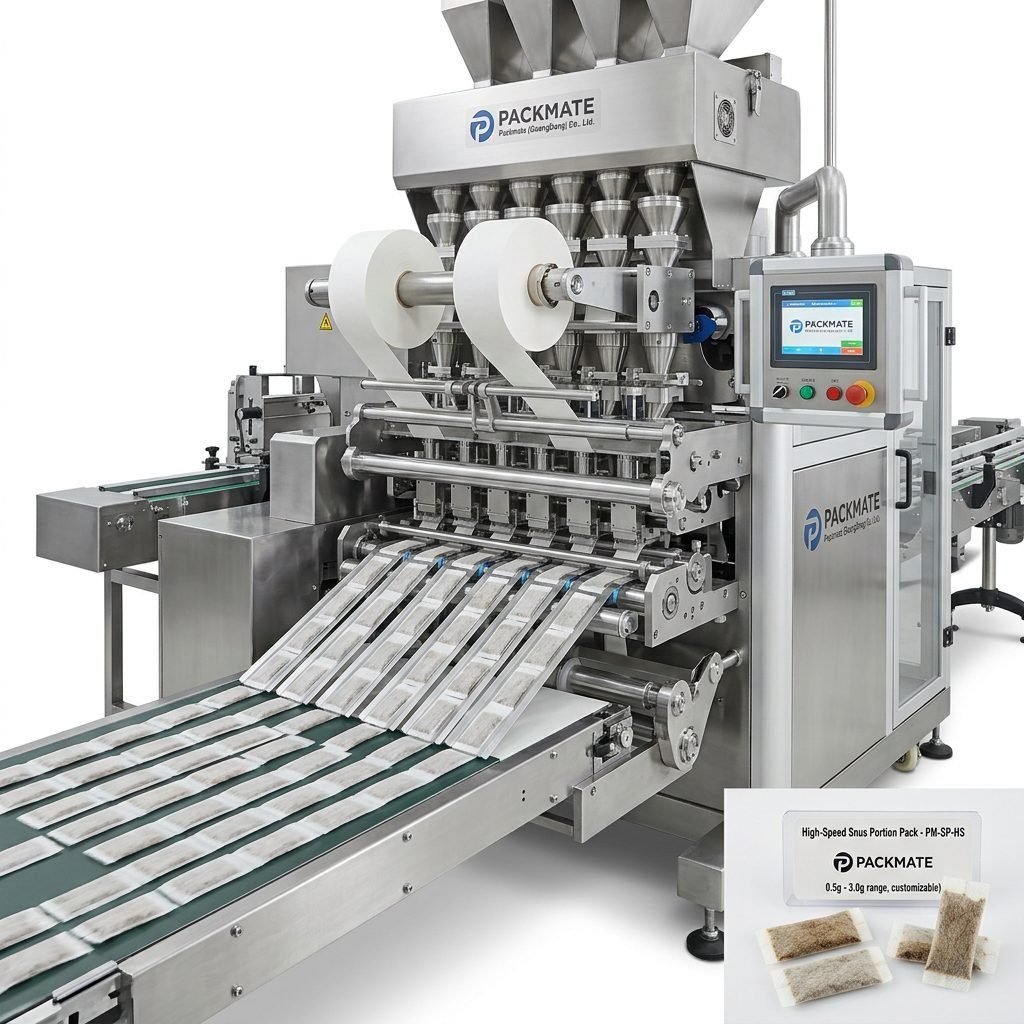
Start by defining the exact snus or nicotine pouch formats you plan to produce or package in Somalia. Machines differ by pouch type (stick pack, sachet, multi-lane pouches), speed (units/minute), and filler compatibility (powder, paste, moisture-prone blends). If you are targeting small-dose nicotine pouches, prioritize multi-lane high-precision systems that handle very small weights consistently.
Consider local consumer habits: Somali consumers may prefer discreet, portable formats and neutral packaging due to cultural and social norms. Also review whether products will be sold in Somaliland, Puntland, or south Somalia — each region may have slightly different market channels and retailer expectations.
Check Legal & Cultural Constraints First
Important: Verify national and regional regulations for nicotine products before importing machines. Somalia’s regulatory framework can vary and enforcement practices may change; consult local customs, health authorities, and legal advisors to confirm allowed product types, import permits, labeling requirements, and possible restrictions.
Practical checks
- Confirm whether nicotine pouches are subject to special taxes or import bans in your intended sales region.
- Review labeling language and ingredient disclosure rules required by Somali authorities or large retailers.
- Check whether local religious or cultural sensitivities require discreet branding or restricted advertising — plan packaging accordingly.
Supplier Credentials & Manufacturing Strength
When evaluating suppliers, focus on engineering experience, factory scale, and quality systems. A supplier with decades of R&D and a sizable facility is better positioned to deliver stable machines and customized solutions. For example, a manufacturer with 30+ years of experience and a 20,000㎡ factory demonstrates capacity for both standard models and complex turnkey lines.
What to request: factory photos, CNC machining capabilities, assembly line workflow, CE/ISO certificates, and references from customers in similar markets. Ask for production capacity data and lead times for spare parts.
Technical Fit: Machines, Models & Customization
Match the machine model to your product specifications. Key technical criteria include dosing accuracy, lane count (single vs multi-lane), pouch sealing type, forming system, and line integration with weighing or feeding systems. For small-dose nicotine pouches, look for high-precision multi-lane systems that can maintain low variation at high speeds.
Integration & future-proofing
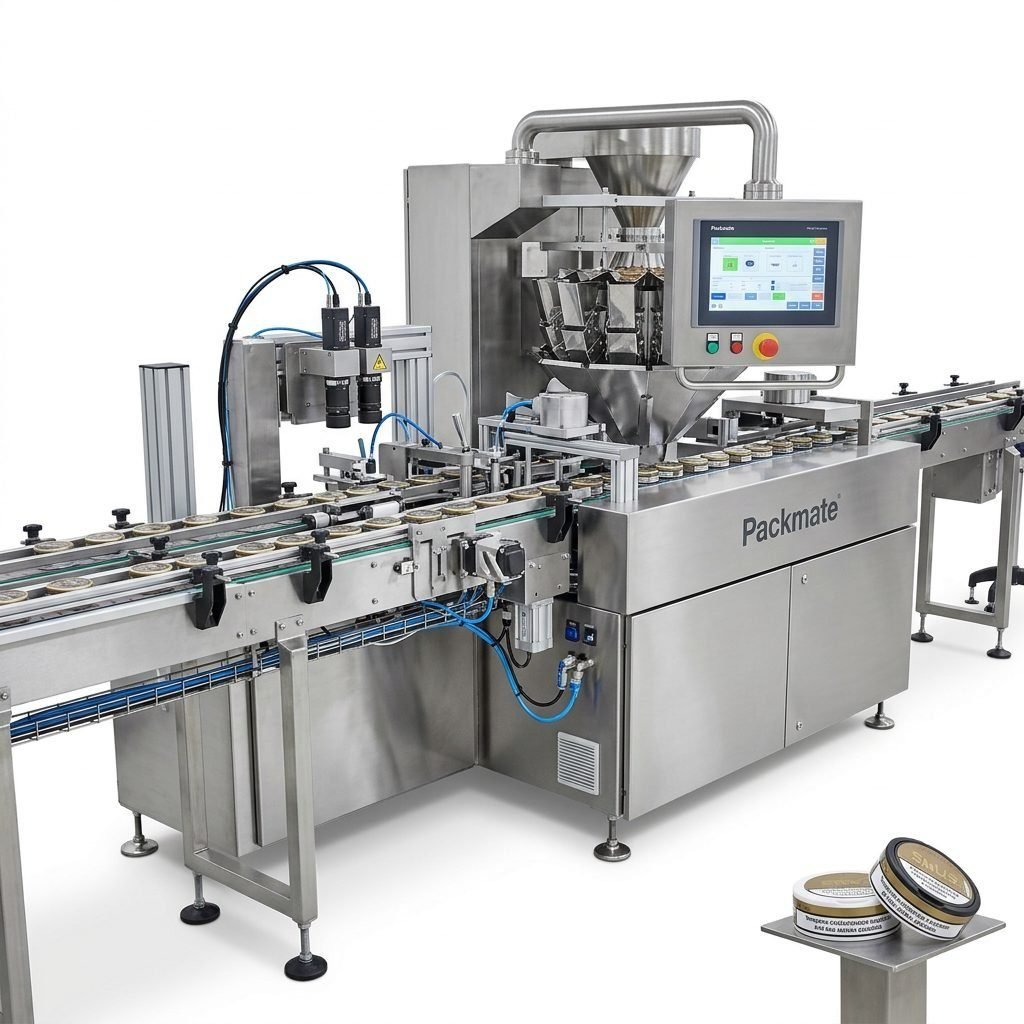
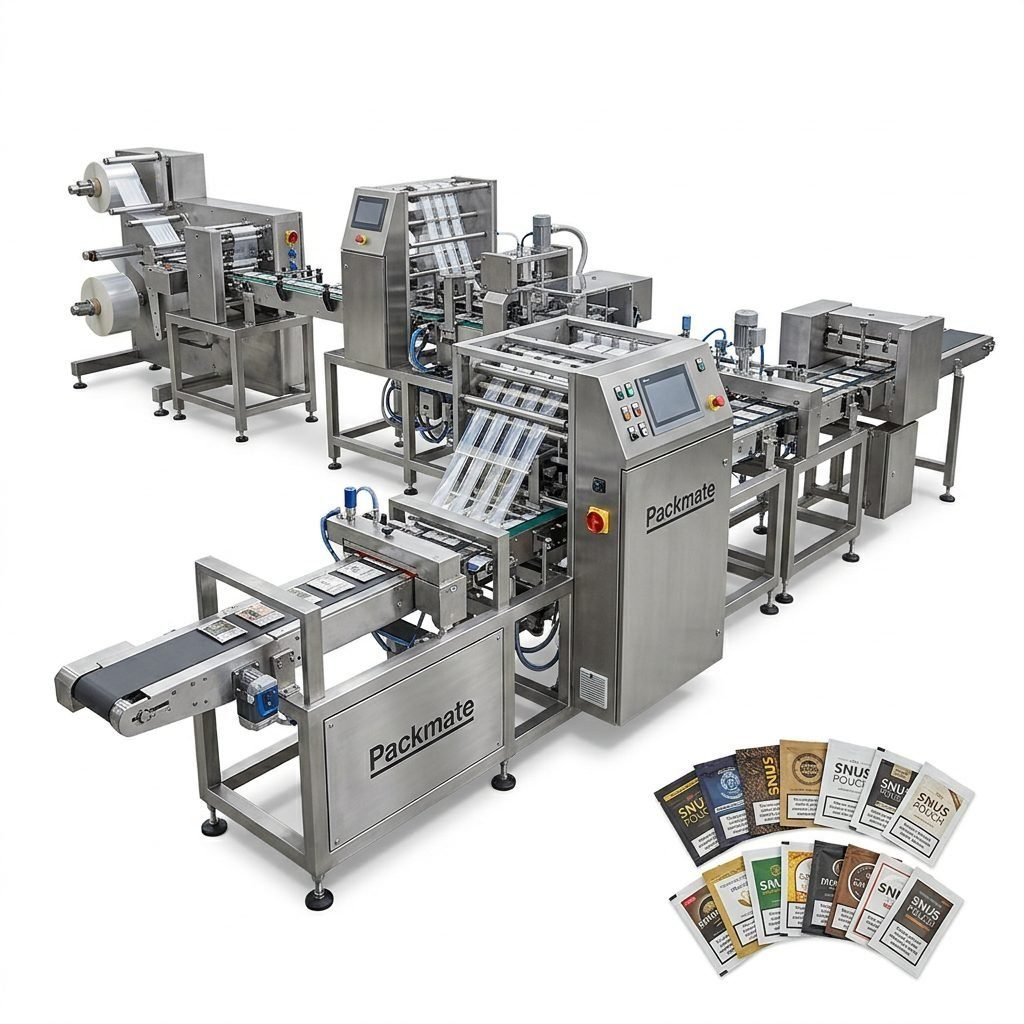
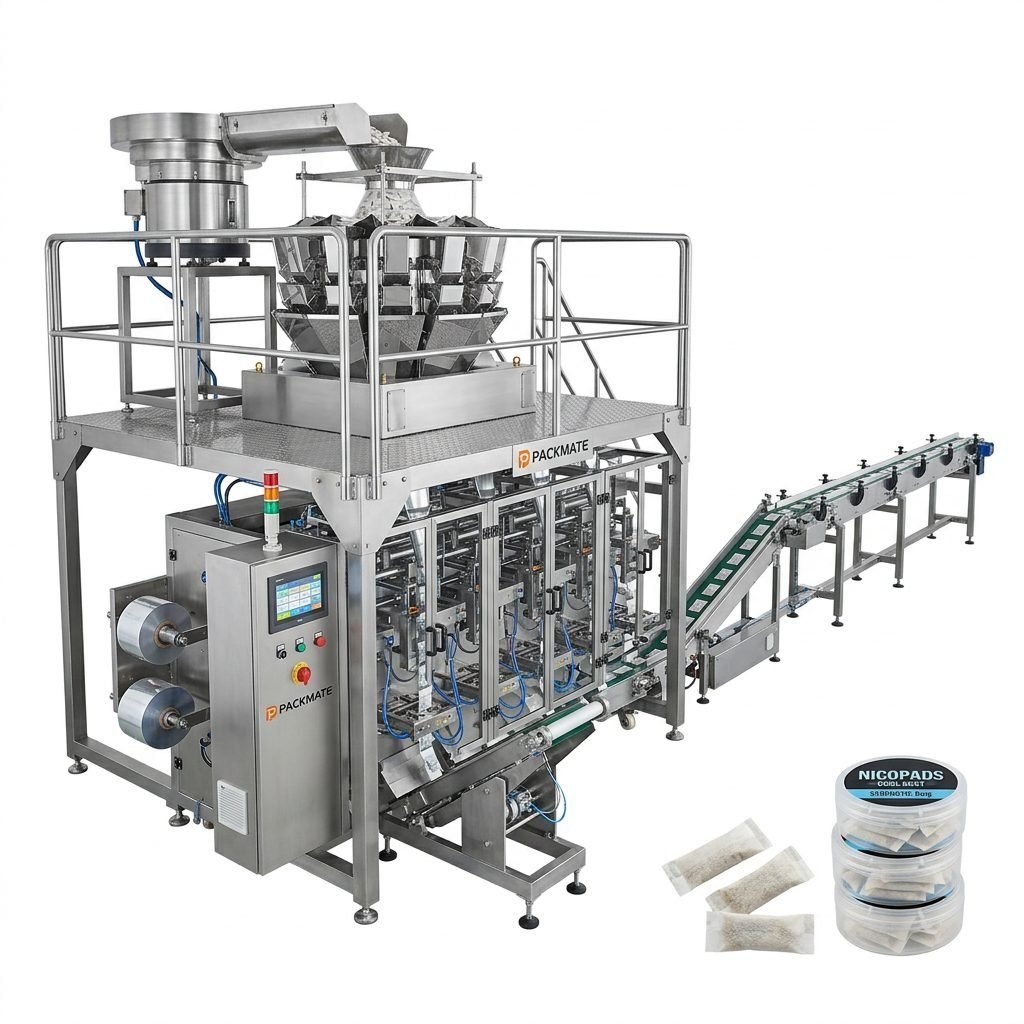
Plan for upstream and downstream equipment: check if the supplier can supply weighing systems, pouch feeders, case packers, and labeling lines for a complete production flow. Suppliers that provide turnkey solutions save time and reduce integration risks.
Quality, Testing & Certification
Insist on quality documentation and independent testing. CE and ISO certifications are a baseline for safety and manufacturing standards. Ask the supplier for test reports, performance trials, and references where similar machines operate reliably in climates like the Horn of Africa.
- Request video demonstrations of the exact model running your product or a close analogue.
- Insist on acceptance testing (FAT) at the supplier and site acceptance testing (SAT) in Somalia or an agreed hub.
Logistics: Shipping, Import & Local Handling
Somalia’s logistics landscape often involves transshipment through regional hubs (e.g., Dubai, Djibouti) and entry via Mogadishu port or Berbera (in Somaliland). Discuss shipping options, packaging for long seafreight journeys, and who will handle customs clearance and inland transport. A supplier experienced with African shipments can reduce delays.
Tip: Negotiate clear Incoterms. For first-time imports, choose a supplier that offers door-to-door or FOB with trusted freight forwarders familiar with Somali ports.
After-sales Support & Spare Parts Availability
Reliable technical support is critical. Ask about local service partners, remote diagnostics, training packages, and spare parts lead times. Suppliers who keep critical spare parts in regional warehouses or offer express shipping are advantageous for minimizing downtime.
Consider service agreements: remote support via video calls, periodic onsite maintenance, and availability of English/Arabic-speaking technicians. A strong warranty and a clear spare parts list should be part of the contract.
Supplier Reputation & Case Studies
Evaluate real-world case studies and customer references, especially from markets with similar infrastructure or regulatory environments. A supplier with global turnkey experience and a portfolio of snus/nicotine packaging projects demonstrates practical know-how.
Explore examples of machine installations and long-term customers to understand uptime performance and problem resolution. Companies that participate in international exhibitions provide additional transparency through live demos.
Cost Breakdown & Total Cost of Ownership
Beyond purchase price, calculate the total cost of ownership: installation, commissioning, spare parts, consumables (film, pouches), energy consumption, and expected depreciation. Lower upfront cost can be offset by higher maintenance or substandard parts.
Negotiate smartly
- Ask for a parts kit and training as part of the contract.
- Request extended warranty options and service response times.
- Request clarity on consumables and recommended suppliers in your region.
Communicating with Somali Buyers: Practical Tips
Be culturally aware and practical in negotiations. Somali businesses value trust, clear timelines, and demonstrated reliability. Provide documentation in English and, if possible, Arabic. Offer a clear timeline for delivery and realistic expectations about installation and training.
Local relationships matter: Working with a local agent or distributor who understands Somali customs, language, and payment practices can accelerate customs clearance and after-sale service.
Why Choose an Experienced Snus Packaging Manufacturer?
Experienced manufacturers bring tested machine designs, reliable parts sourcing, and proven production lines for nicotine pouch formats. Look for a supplier that highlights their R&D history, model range, and turnkey capabilities so you can scale production while maintaining quality and compliance.
If you want to learn more about proven machine types, explore a supplier’s product pages to see examples of snus and nicotine equipment, multi-lane systems, and full lines that match your needs.
Useful links to check:
Snus & Nicotine Packaging Machines,
About Packmate,
Case Studies,
Contact the Supplier.
Checklist Before You Sign
- Clear technical spec sheet and FAT videos of the same model.
- Detailed quotation including transportation, installation, and training.
- Warranty terms, spare parts lead times, and support SLA.
- Compliance certificates (CE/ISO) and testing documentation.
- References or live installations you can contact.
Final Recommendations for Somali Buyers
Start with a pilot line if you are new to nicotine pouch production: lower-capacity multi-lane machines let you validate packaging formats and market acceptance before scaling. Use regional logistics hubs and trusted freight forwarders to minimize delays, and negotiate training plus an initial spare parts kit to keep first-line maintenance local.
Prioritize suppliers who offer turnkey options, clear documentation, and robust after-sales support. This minimizes integration risks and helps you meet both regulatory and cultural expectations in Somalia.
Quick resource
For equipment references and product families to compare, consult the supplier’s product pages and case studies linked above to see practical examples of snus packaging lines and multi-lane solutions.
Frequently Asked Questions
1. What documents are required to import packaging machines into Somalia?
Import documentation typically includes a commercial invoice, packing list, bill of lading, and any certificates of origin. Depending on the product, customs may request CE/ISO certificates and technical manuals. Work with a local customs broker to ensure compliance for your specific port (Mogadishu, Berbera, etc.).
2. How do I ensure spare parts are available quickly?
Negotiate an initial spare parts kit with the supplier and ask about regional stock or express shipping from a nearby hub (e.g., Dubai). Clarify lead times for critical components and include parts lists in the contract.
3. Is remote commissioning possible for machines shipped to Somalia?
Yes. Many suppliers provide remote commissioning via video guidance, remote PLC access, and step-by-step training. However, for first installations, arrange for at least one onsite technician to coordinate with local engineers.
4. How should I handle cultural sensitivities when designing snus packaging for Somali consumers?
Prefer discreet, neutral designs and avoid controversial imagery. Ensure labeling is respectful, informative, and compliant with local regulations. If in doubt, consult local focus groups or partners to validate design choices.
5. Who can I contact for more detailed product information and quotations?
Contact the supplier directly through their official channels to request quotations, FAT videos, and detailed technical datasheets. Use the supplier contact link above to start a conversation and arrange product demonstrations.