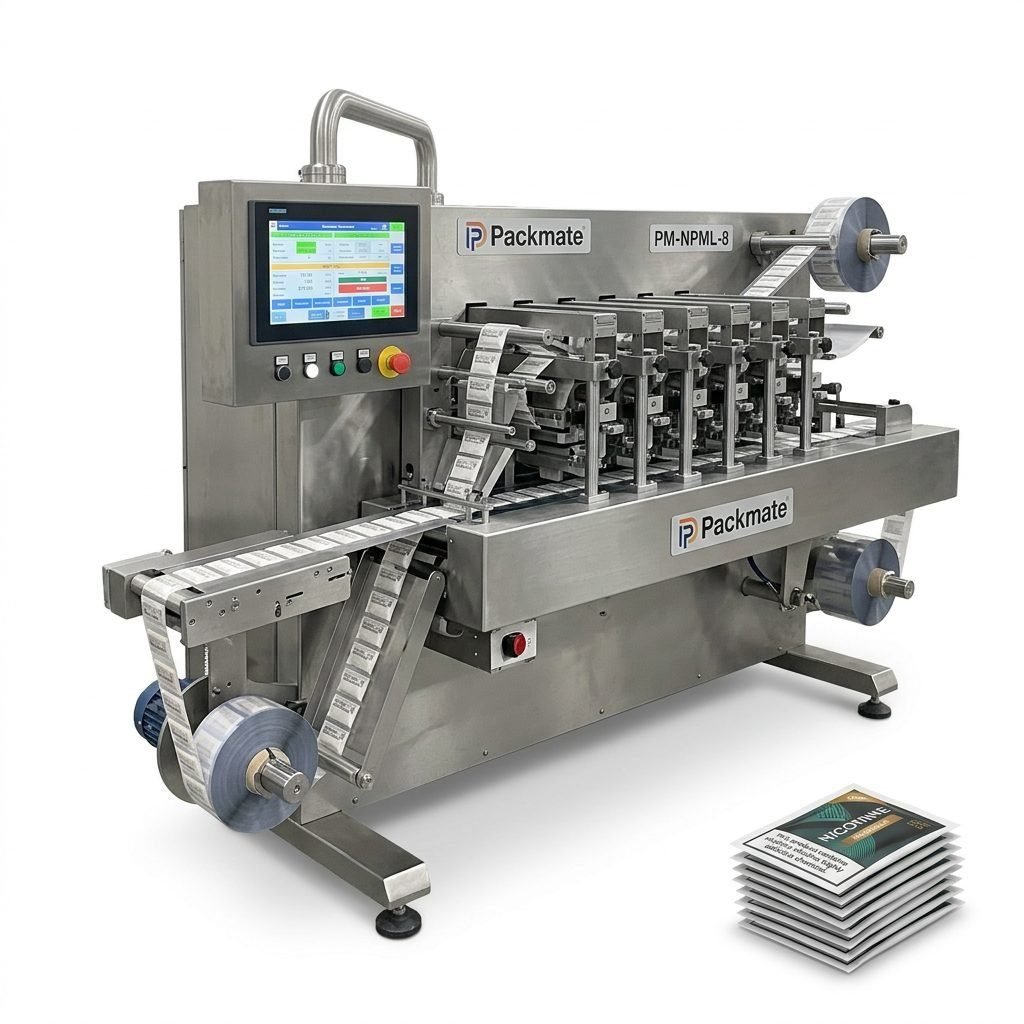
The modern snus and nicotine pouch industry demands precision, consistency, and high throughput. This comprehensive guide explains the complete snus production process machines used in automated snus manufacturing equipment, from raw material handling to final pack inspection and palletizing. Whether you are planning a new snus packaging line or upgrading existing equipment, this article will help you understand machine selection, workflow optimization, compliance considerations, and how a capable manufacturer supports long-term production goals.
Overview: What Constitutes a Snus Production Line
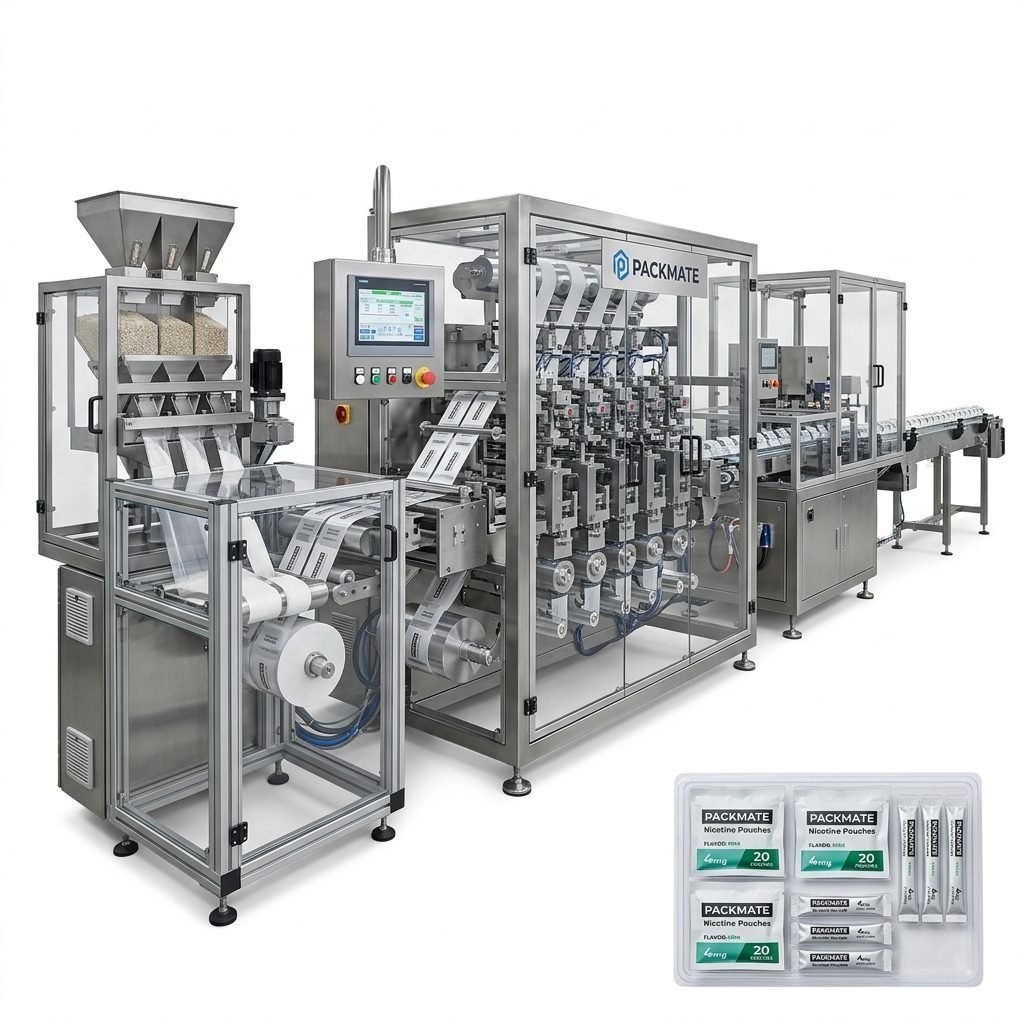
A full snus production line integrates multiple specialized machines to convert tobacco or nicotine blends into finished pouches. Key stages include mixing and dosing, pouch forming, filling, sealing, cutting, secondary packaging, and quality inspection. Each stage has dedicated equipment designed for small-dose pouches, multi-lane capacity, and hygienic handling. Modern lines focus on automation, minimal human intervention, and modularity to support product variety.
Core Objectives of Automated Lines
Automated snus manufacturing equipment aims to deliver consistent pouch weight, accurate dosing, high-speed sealing, and traceability. Critical performance metrics include pouch weight tolerance, production speed (pouches/min per lane), changeover time, and waste reduction. Investing in reliable machinery reduces downtime and enhances regulatory compliance across international markets.
Key takeaway: Choose machines that offer multi-lane scalability, consistent dosing technology, and easy sanitation. Manufacturers with extensive CNC and assembly capabilities can provide durable solutions tailored to production demands.
Primary Machine Types in Snus Production
Different products and capacities require distinct machine types. Below are the most common equipment categories you will encounter when planning a snus line.
1. Snus / Nicotine Pouch Packing Machines
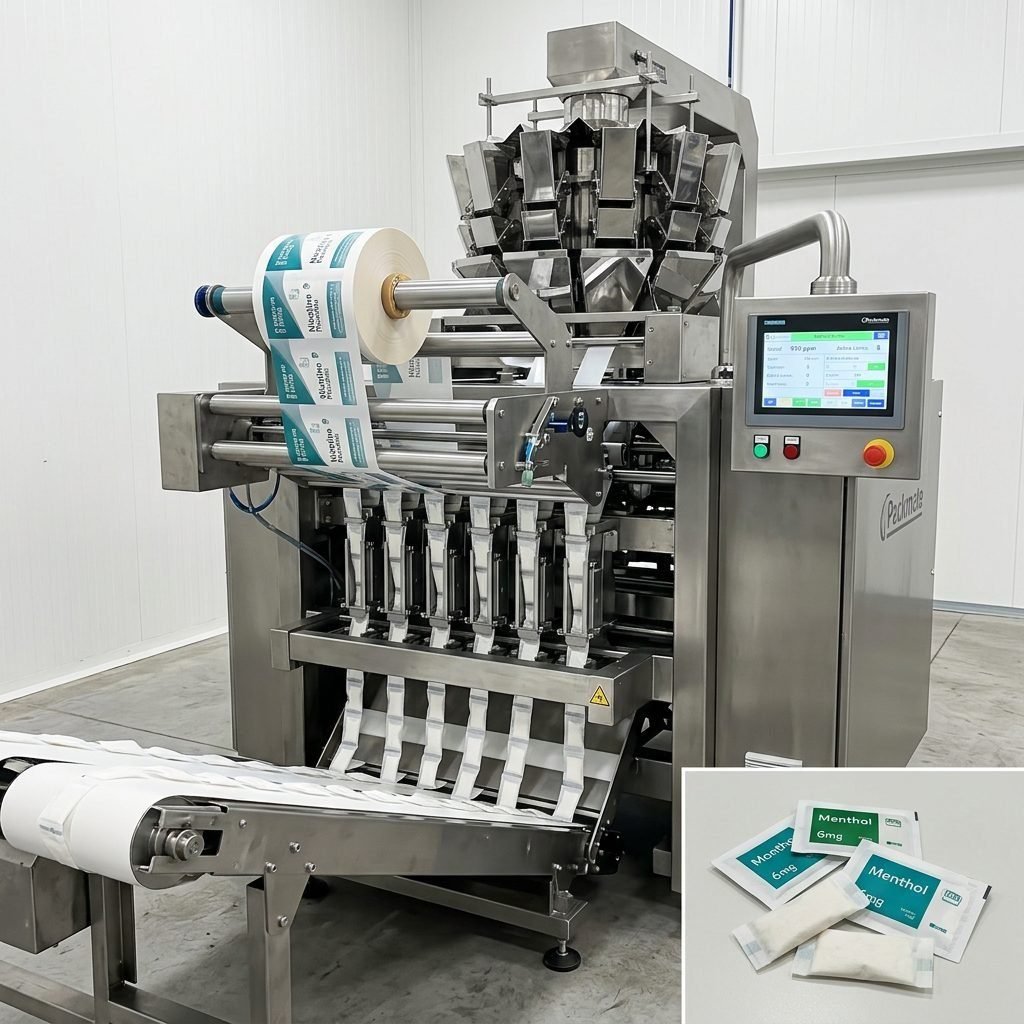
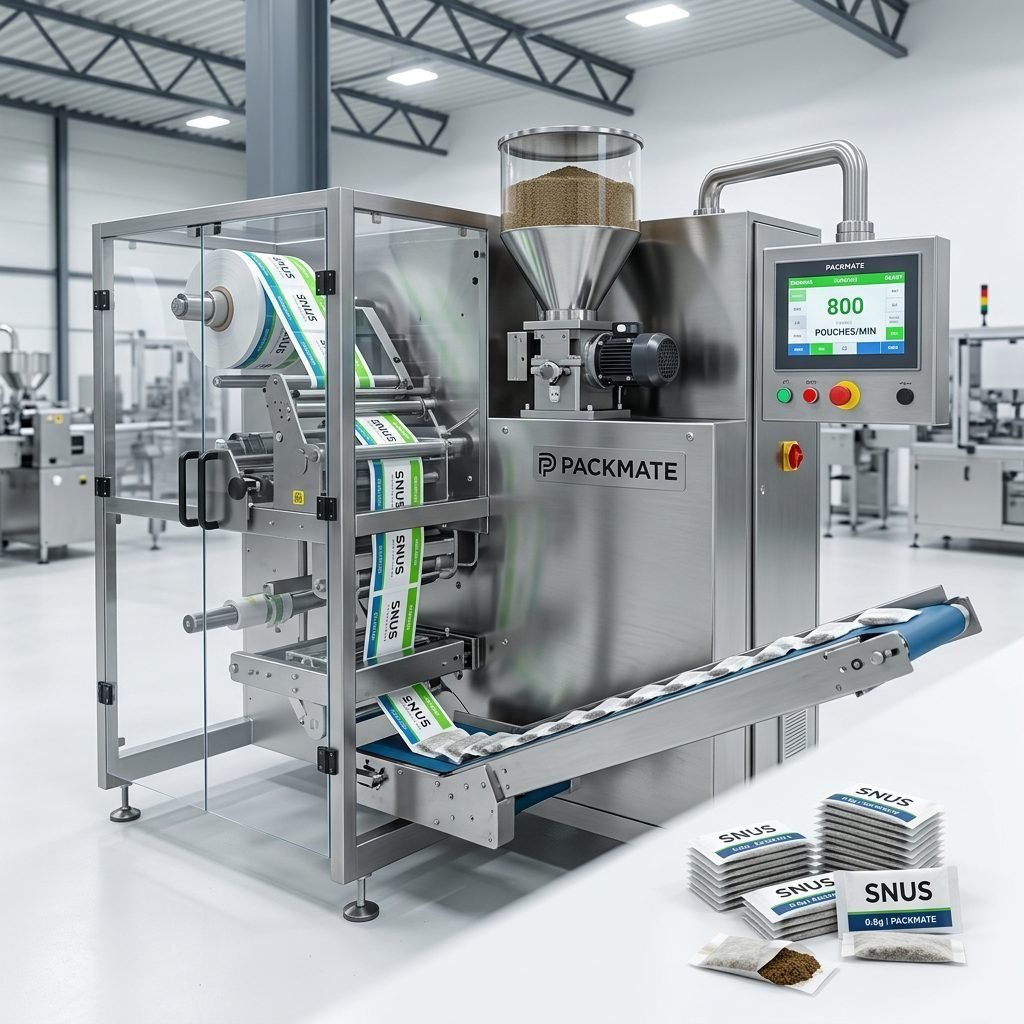
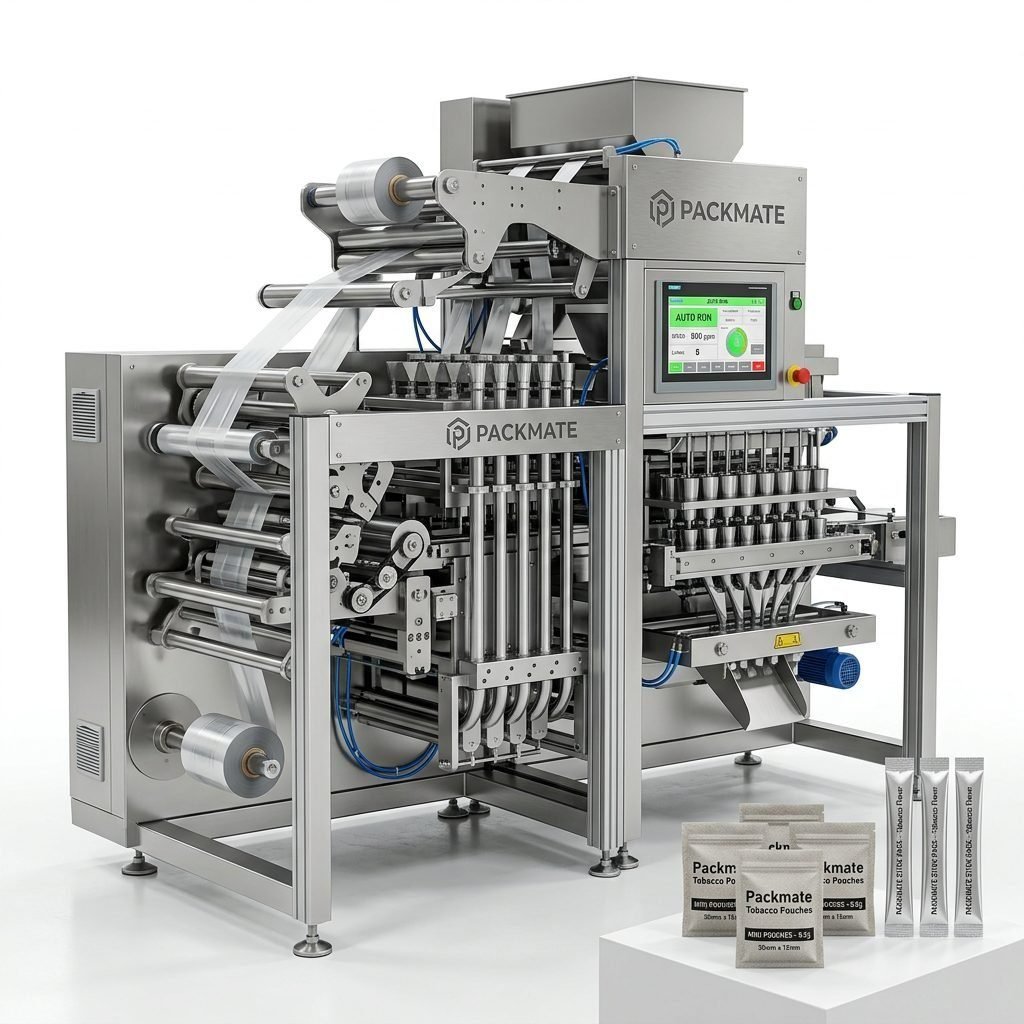
Pouch packing machines form the core of the line. These systems shape pouches, fill them with precise doses, seal, and cut to size. High-precision multi-lane machines allow production of multiple parallel pouch streams, significantly increasing throughput while maintaining uniformity across lanes. For product options and models, review the manufacturer’s product range for Snus & Nicotine Packaging Machines.
2. Sachet & Stick Pack Machines
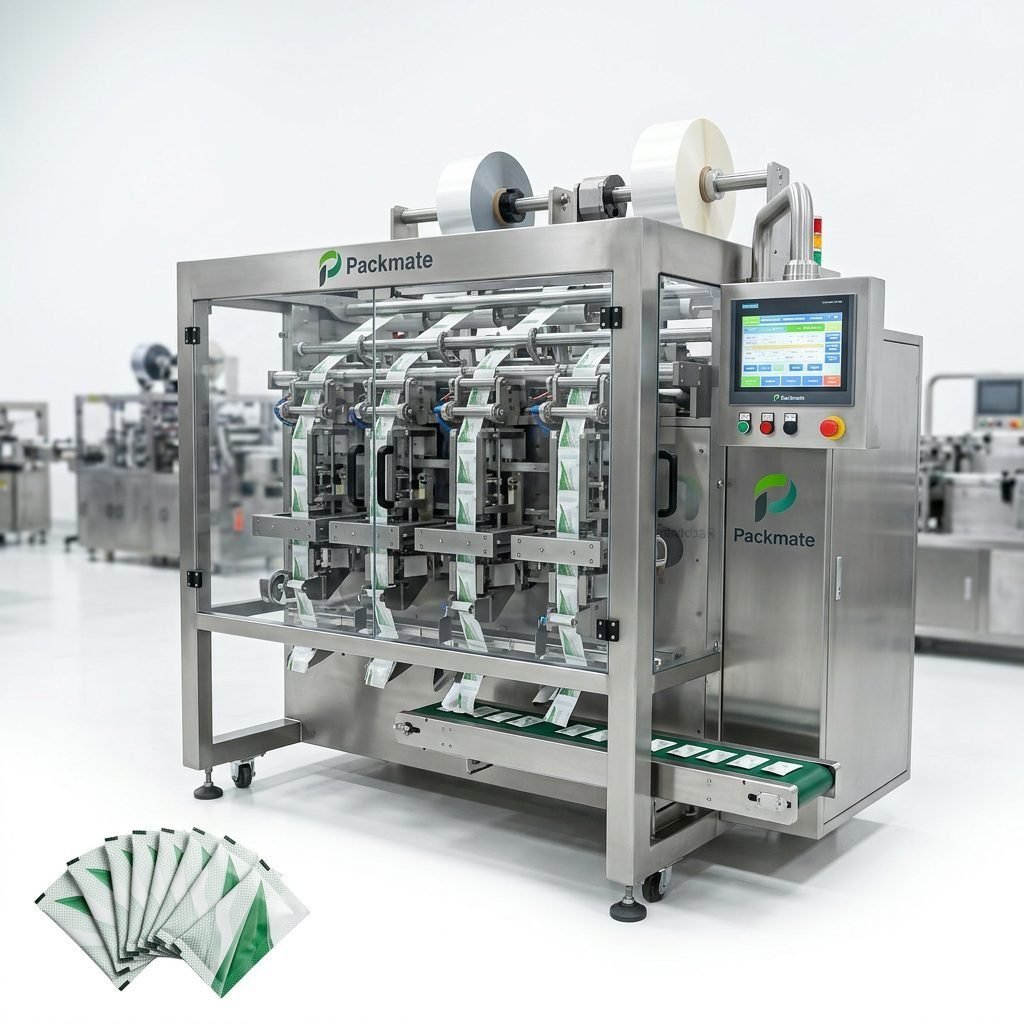
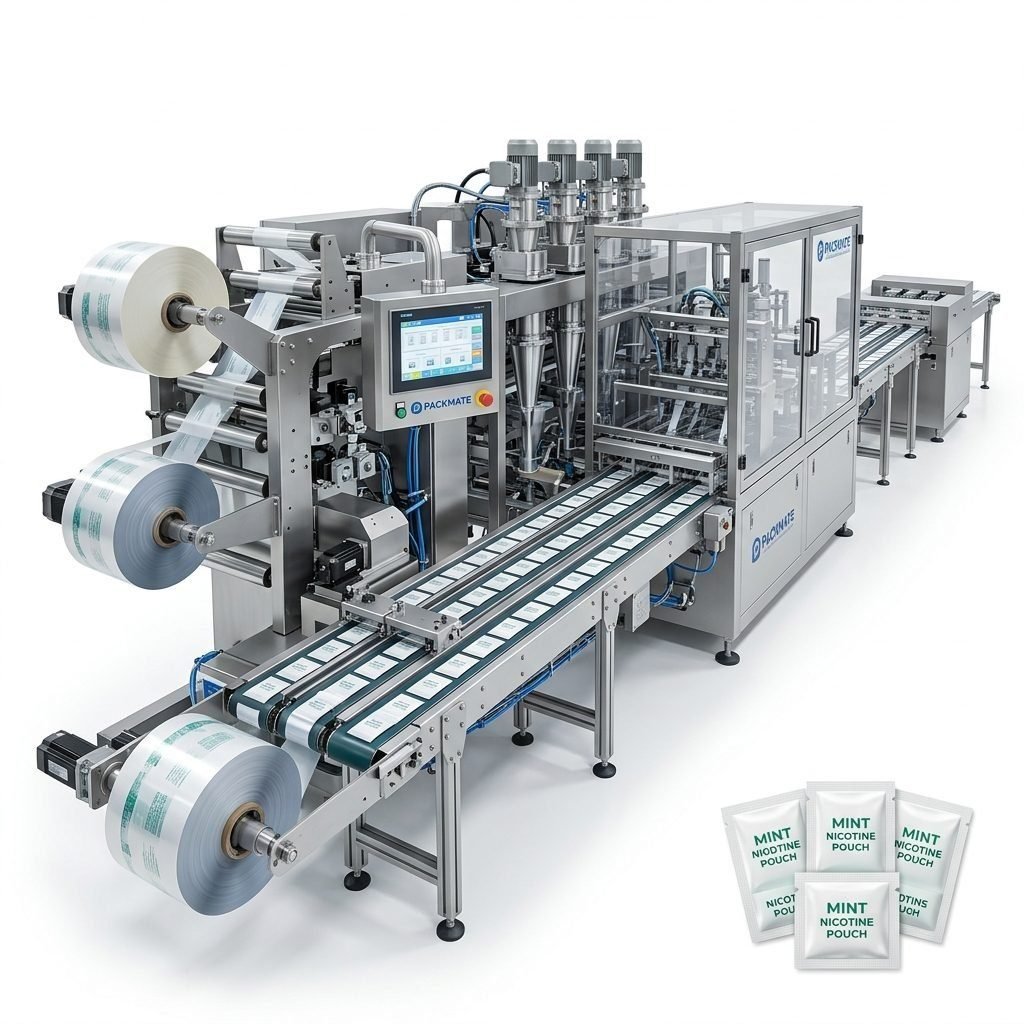
For brands requiring stick or sachet formats, sachet & stick pack machines provide flexible formats and fast changeovers. These machines are commonly used for single-dose servings and can be integrated upstream or downstream depending on product formulation and consumer packaging preferences. Explore Sachet & Stick Pack Machines to compare capabilities across models.
3. Filling, Weighing & Auxiliary Systems
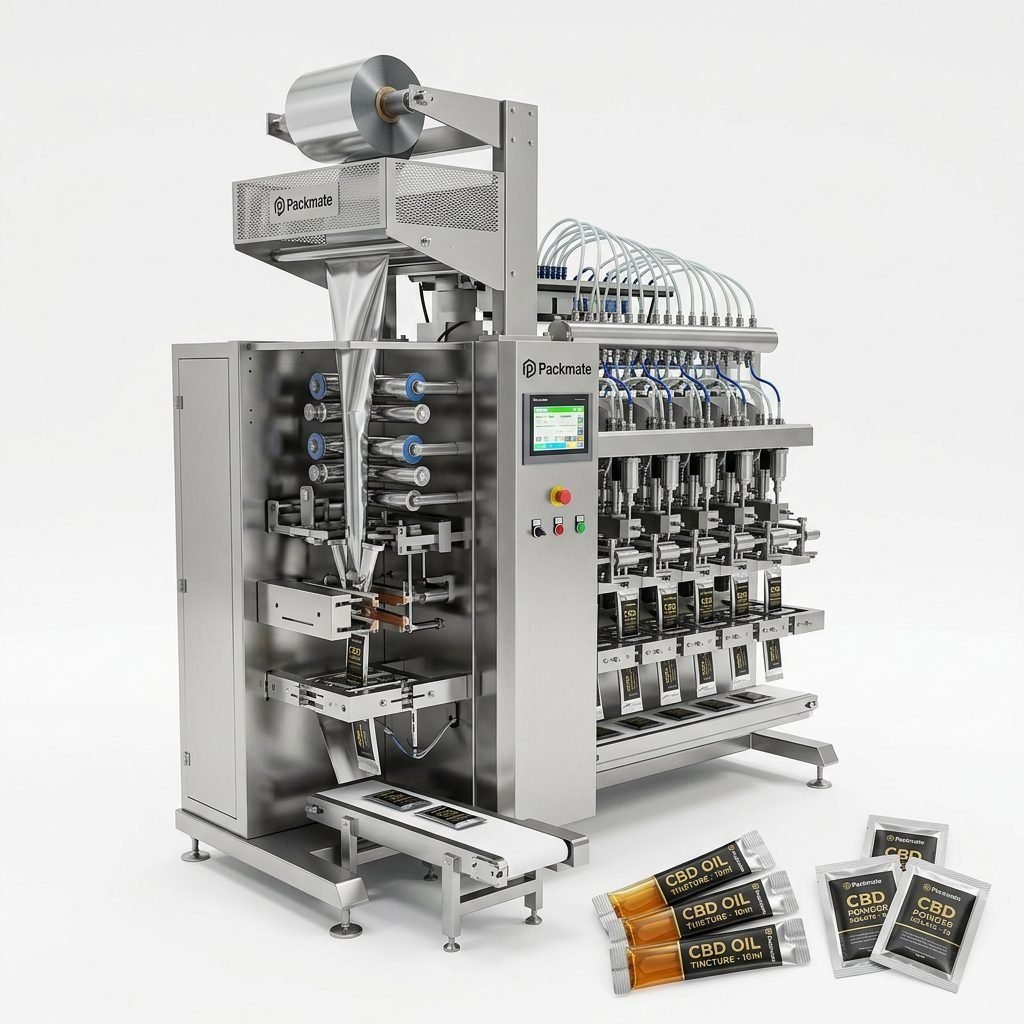
Accurate dosing relies on specialized feeders and weighing systems. Powder, granular, and liquid dosing require different technologies such as auger fillers, vacuum feeders, and multi-head weighers. For complete solutions, consider integrated Weighing & Packaging Systems and Filling & Packaging Lines to ensure each pouch meets target weight and regulatory limits.
Icon guide: ⚙️ = mechanical precision, 🔧 = service & parts, 📦 = final packaging. These symbols next to machine descriptions indicate their focus in a production line.
Detailed Workflow: From Raw Materials to Finished Pouches
A typical workflow includes raw material preparation, dosing and blending, pouch formation and filling, sealing and cutting, secondary packaging, inspection, and palletization. Below is an expanded view of each step to help you identify machine requirements and integration points.
Raw Material Handling and Blending
Raw tobacco, nicotine derivatives, and excipients must be stored and conditioned to precise moisture and particle size profiles. Blenders and mixers create consistent batches for dosing. Dust control and hygienic design are important to maintain product safety.
Dosing and Filling
Dosing technology varies by product form. Powder and granular blends are typically weighed with multi-head weighers or volumetric feeders; liquids use precision metering pumps. The filling system must synchronize with the pouch machine’s cycle to avoid overfill or underfill events.
Pouch Forming, Sealing, and Cutting
Pouches can be formed from roll stock or pre-cut webs. Forming systems create consistent pouch cavities, while heat-sealing units (or ultrasonic welders) ensure airtight seals. Cutting systems separate pouches to final dimensions. Precision across these modules determines consumer experience and shelf life.
Secondary Packaging and Cartoning
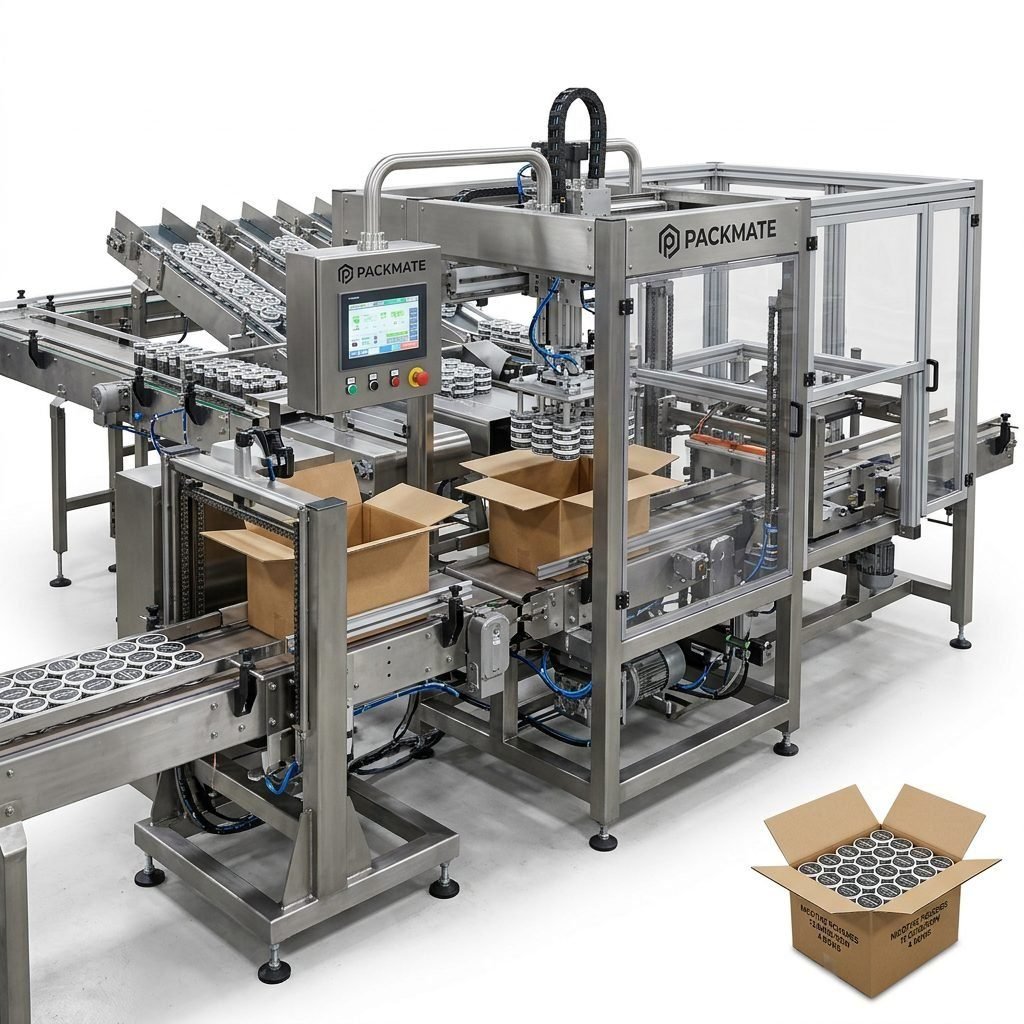
After primary packaging, pouches are grouped, counted, and placed into cartons or tins. Cartoning machines, thermoforming, or flow-wrap systems can be chosen depending on brand presentation. Automated case erectors and sealers prepare shipping-ready units.
Inspection, Compliance, and Traceability
Inline inspection systems verify seal integrity, weight accuracy, and print quality. Vision systems detect defects while checkweighers remove out-of-spec pouches. Production tracking systems capture batch numbers and timestamps to ensure traceability for regulatory audits.
Manufacturer strength: A factory with advanced CNC machining, precision assembly lines, and strict quality testing can deliver machines that maintain accuracy over millions of cycles—crucial for global snus brands.
Selecting the Right Manufacturer and Machine Configuration
Selecting a partner involves evaluating experience, product portfolio, production capacity, and after-sales support. Manufacturers with decades of experience and a broad model range reduce integration risk and offer tailored turnkey solutions across packaging formats including pouch, stick, sachet, and multi-lane systems. Learn more about one such provider at About Packmate.
Consider the following when comparing suppliers:
⚙️ Technical depth: Number of machine models and custom design capabilities.
🔧 Service network: Spare parts availability, training, and remote support.
📦 Turnkey offerings: Ability to provide complete lines including weighing, filling, and auxiliary equipment. For an example product lineup, view Filling & Packaging Lines and Bag & Pouch Packaging Machines.
Quick checklist: Confirm CE/ISO certifications, machine uptime guarantees, spare parts lead time, and onsite installation services before purchase.
Practical Considerations: Installation, Commissioning, and Lifecycle Support
Proper installation and commissioning are critical to reach rated performance. A competent supplier will provide site preparation specifications, electrical and utility requirements, operator training, and validation support. Long-term maintenance plans and access to genuine spare parts extend equipment life and protect production continuity.
When planning for lifecycle costs, account for:
• Preventive maintenance programs and consumable replacement intervals.
• Software updates and control system support.
• Upgrade paths to increase lanes or add new filling modules as production evolves.
Factory & Quality Assurance
Facilities equipped with advanced CNC centers and precision assembly ensure consistent manufacturing quality. A factory area of 20,000㎡ with strict quality control and ISO/CE certifications indicates strong production and compliance capabilities. Customers often choose manufacturers with global exhibition presence and case studies demonstrating successful installations across regions.
For reference to real-world applications and case examples, view Case and Our Exhibition pages to understand delivered solutions and live demonstrations.
Top Tips for Optimization and Scale-Up
1) Start with flexible machines that allow lane expansion.
2) Invest in advanced dosing and vision inspection to minimize waste.
3) Define clear SOPs for cleaning and sanitation to reduce changeover time.
4) Use data logging and MES integration for real-time performance monitoring.
Pro tip: When evaluating equipment lanes, match pouches/min targets to SKU mix. Overbuilding capacity inflates CAPEX; underbuilding constrains growth.
Warranty, Service & After-sales
A responsive after-sales team reduces downtime. Verify warranty terms, service-level agreements, and spare parts availability. Many leading manufacturers offer global support, remote diagnostics, and scheduled maintenance contracts. For details on services and support, see Service and Contact Us.
Conclusion
Automated snus manufacturing equipment is a strategic investment that demands careful selection of machine types, dosing solutions, and manufacturer capabilities. Prioritize modular, scalable machines, robust dosing and inspection systems, and a manufacturer with proven CNC and assembly facilities. With the right partner, you can deploy efficient, compliant, and high-throughput snus packaging lines that support long-term business growth.
Frequently Asked Questions (Common Questions)
Q1: What is the typical production speed of a multi-lane snus pouch machine?
A1: Production speeds vary by model and lane count. Multi-lane systems multiply per-lane rates; consult machine specifications to estimate total pouches per minute for your desired lane configuration.
Q2: How do I ensure dosing accuracy for very small pouch weights?
A2: Use precision multi-head weighing, calibrated volumetric feeders, or auger fillers tailored to product characteristics. Frequent calibration and inline checkweighers help maintain tolerances.
Q3: What certifications should I request from a snus packaging machine supplier?
A3: Ask for CE and ISO certificates, material safety documentation, and evidence of quality control processes. Compliance requirements may vary by market; ensure the supplier is familiar with your regulatory landscape.
Q4: Can machines be retrofitted to support new pouch formats?
A4: Many manufacturers design modular machines with upgrade paths. Discuss changeover options, tooling kits, and software updates to support new SKUs with minimal downtime.
Q5: How do I evaluate spare parts lead times and support availability?
A5: Review the supplier’s parts inventory policy, regional warehouses, and service agreements. Ask for typical lead times for critical components and options for on-site or remote troubleshooting.
Helpful links: Snus & Nicotine Packaging Machines, Sachet & Stick Pack Machines, Filling & Packaging Lines, About Packmate