Choosing the right nicotine packaging machine for your business in Lebanon requires more than selecting the highest speed model. You must balance local market preferences, regulatory requirements, available utilities, and after-sales support. This guide walks you through practical steps to make a confident purchase decision suited to Lebanon’s market conditions and business culture.
Market Snapshot: Nicotine Pouches in Lebanon
Lebanon’s tobacco and nicotine market is shaped by diverse consumer habits—Arabic and French labeling, small boutique producers, and an increasing interest in alternative nicotine formats. Retailers often prefer compact, attractive retail packs and clear Arabic/French information. For many local manufacturers, flexibility and small-batch capability matter as much as high output.
Why local needs change machine selection
Key local factors: import logistics, variable electricity supply in some areas, humidity control in coastal zones, Arabic/French labeling, and frequent small production runs for boutique brands. Machines that support rapid changeovers and multilingual printing or labeling options will have an advantage.
Types of Nicotine Packaging Machines to Consider
Selecting the correct machine type is the first technical decision. Below are common solutions and their best-fit scenarios:
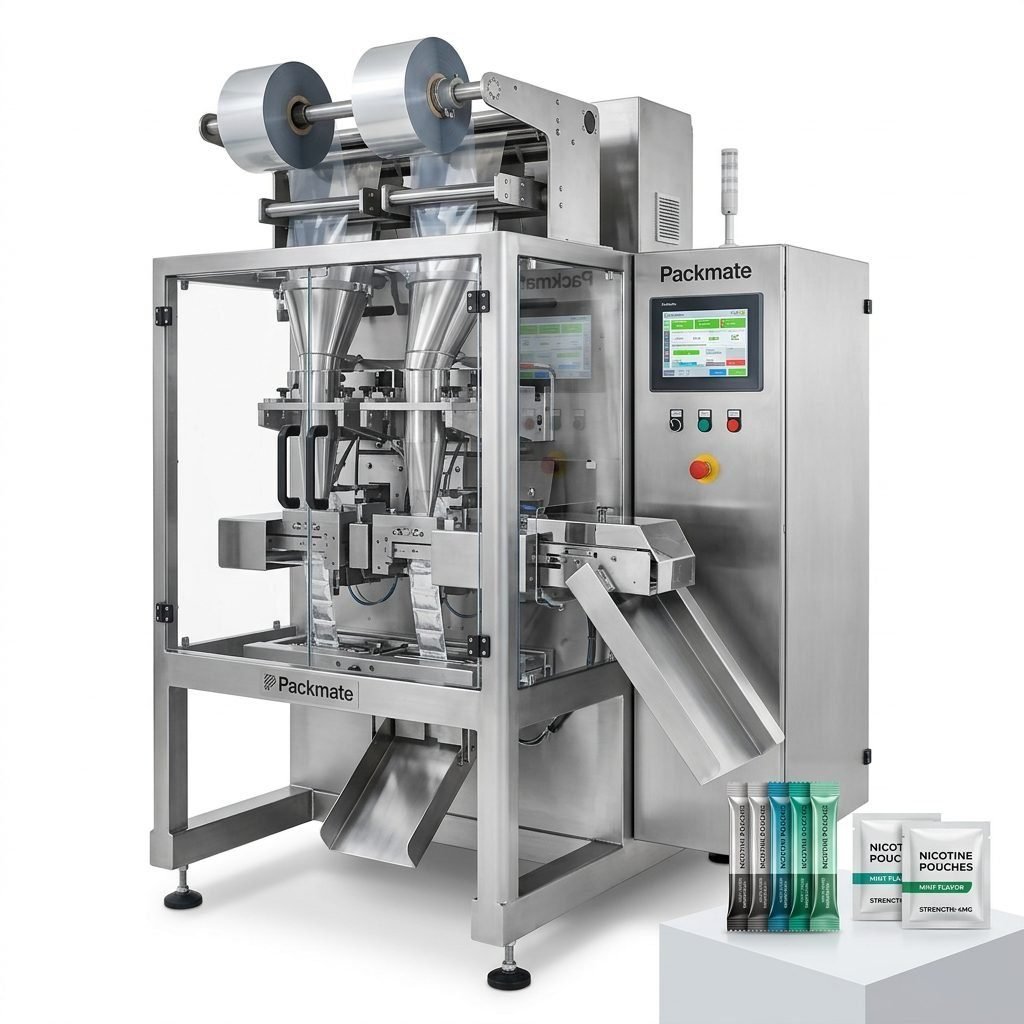
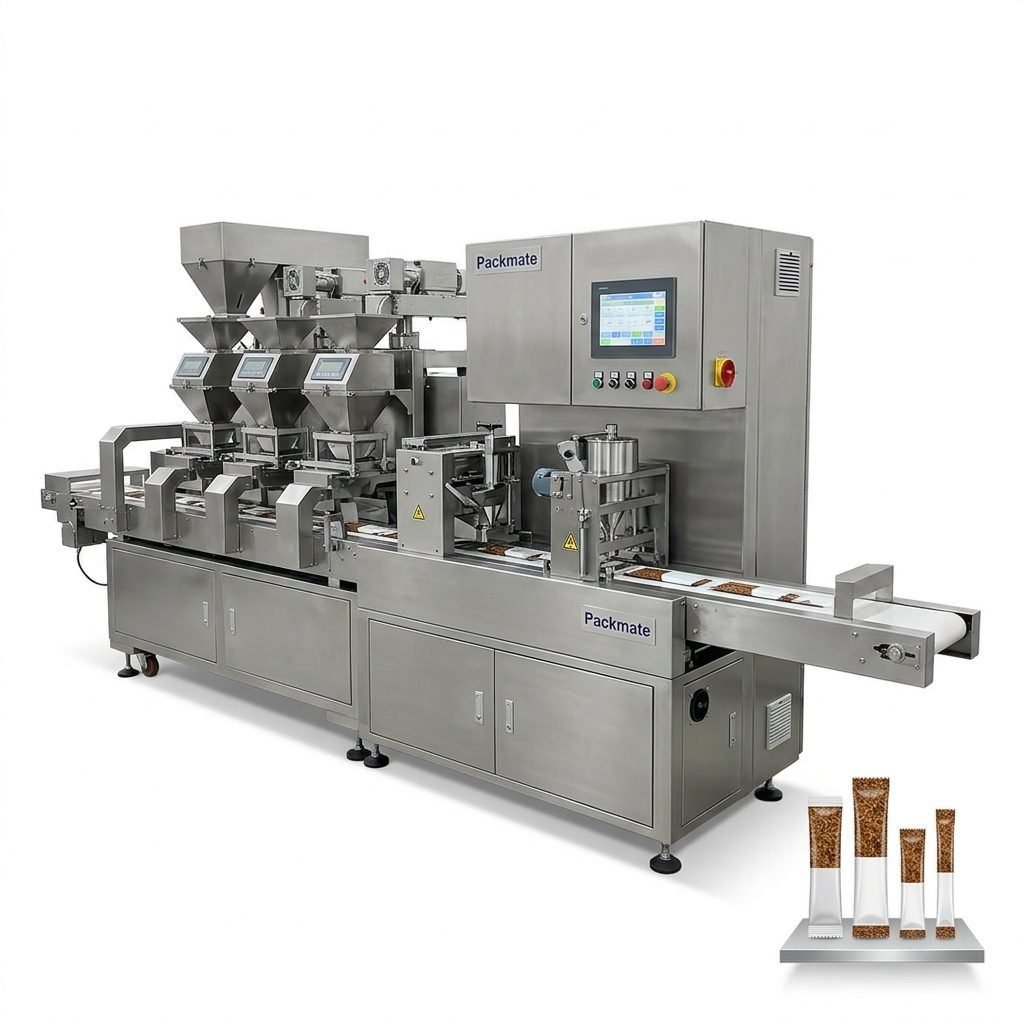
Sachet & Stick Pack Machines
Ideal for single-dose nicotine pouch formats, stick packs and sachets are popular when the focus is on low material cost and portability. These machines are great for small to medium runs and for producers testing new flavors or formulations. See advanced options at Sachet & Stick Pack Machines.
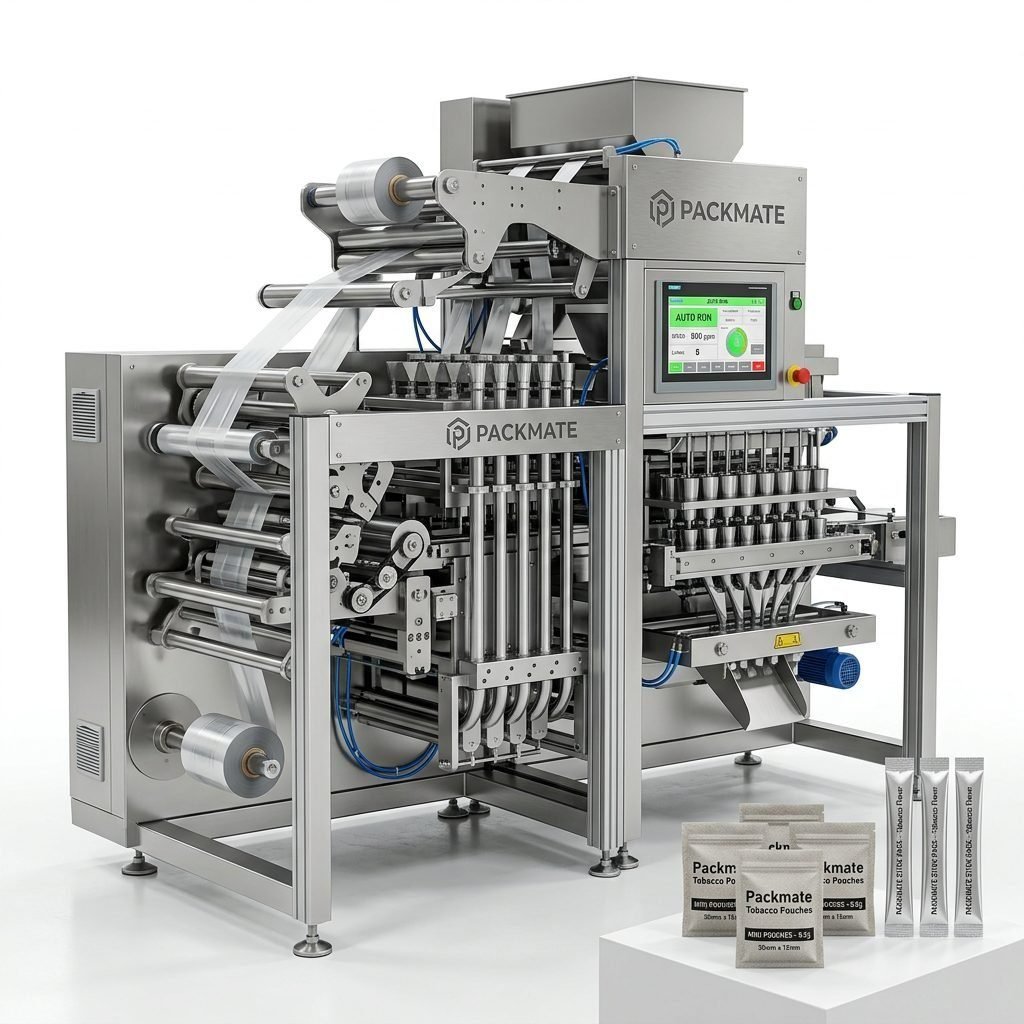
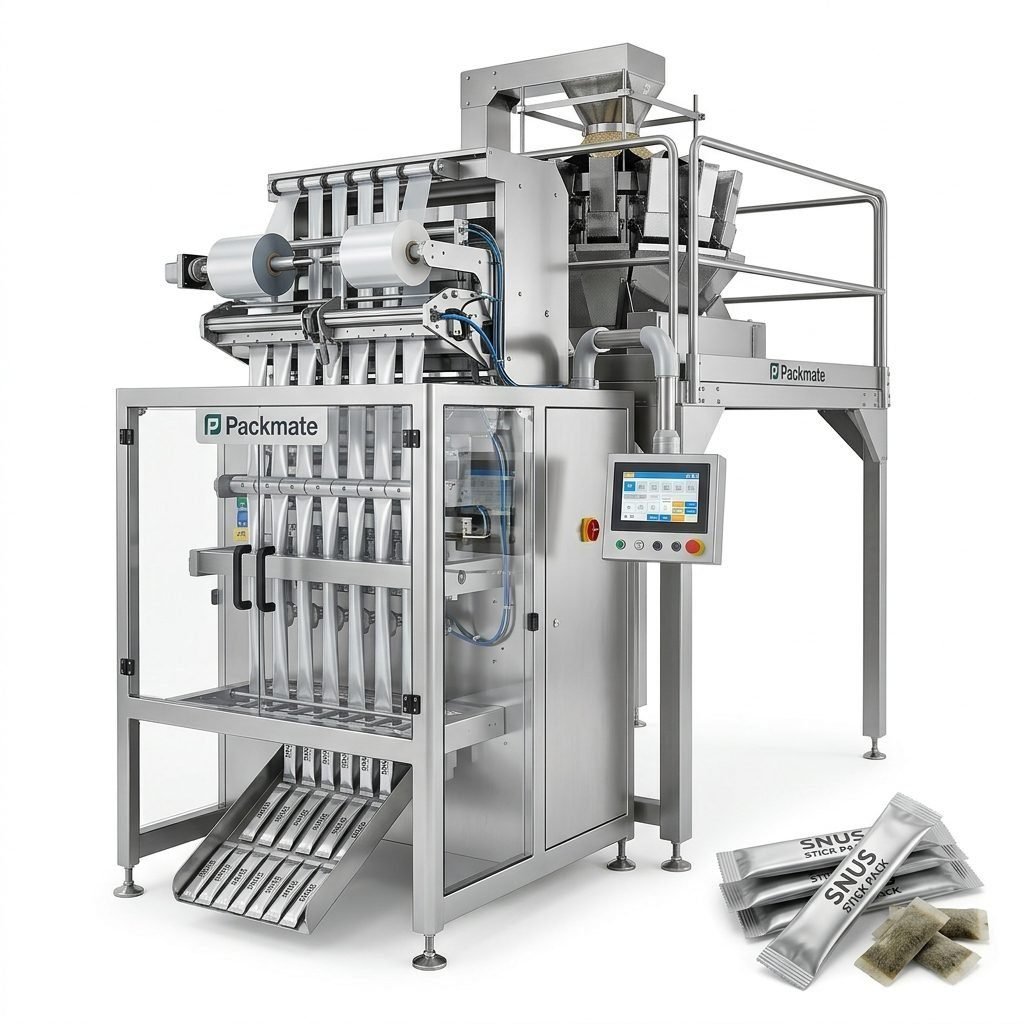
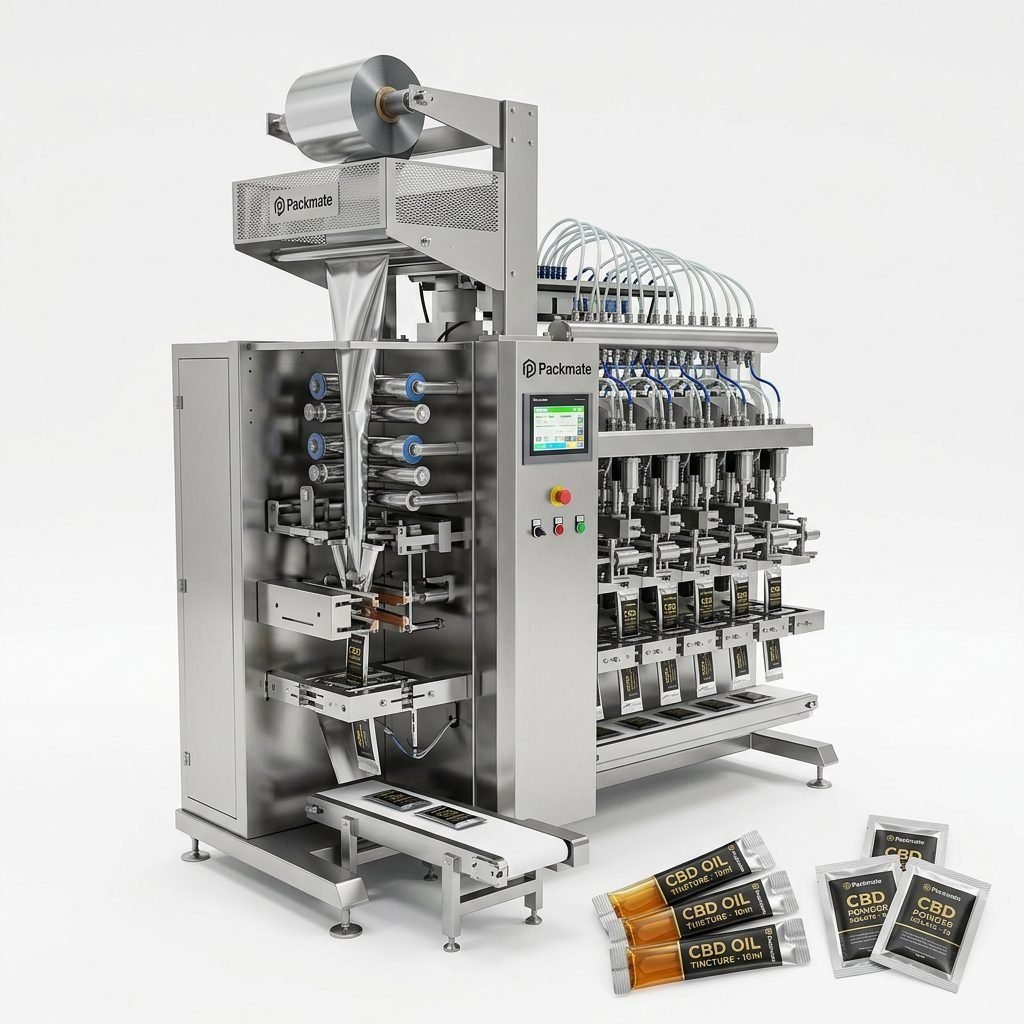
Multi-lane Snus / Nicotine Pouch Packaging Machines
For higher capacity needs and smaller pouch sizes, multi-lane systems provide excellent throughput while preserving compact footprints. These systems are particularly useful for established factories supplying multiple retail channels.
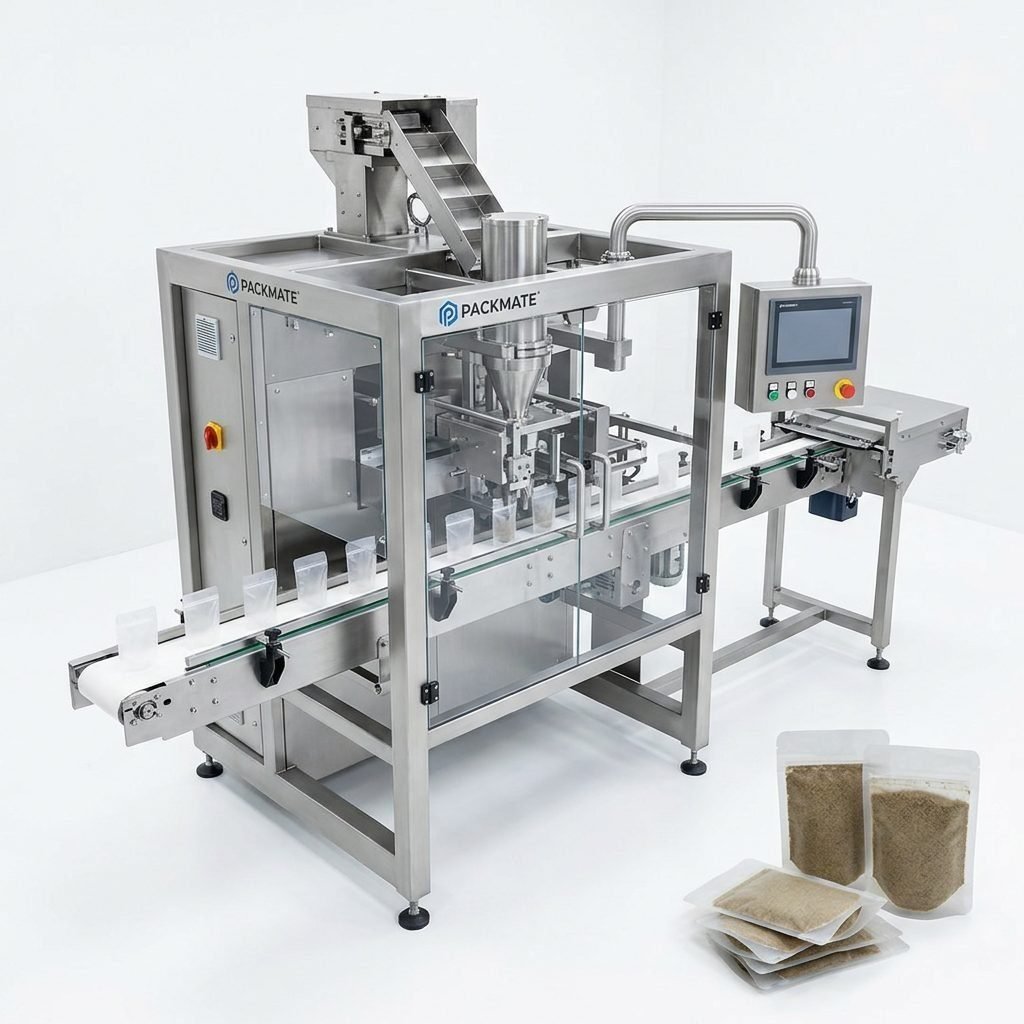
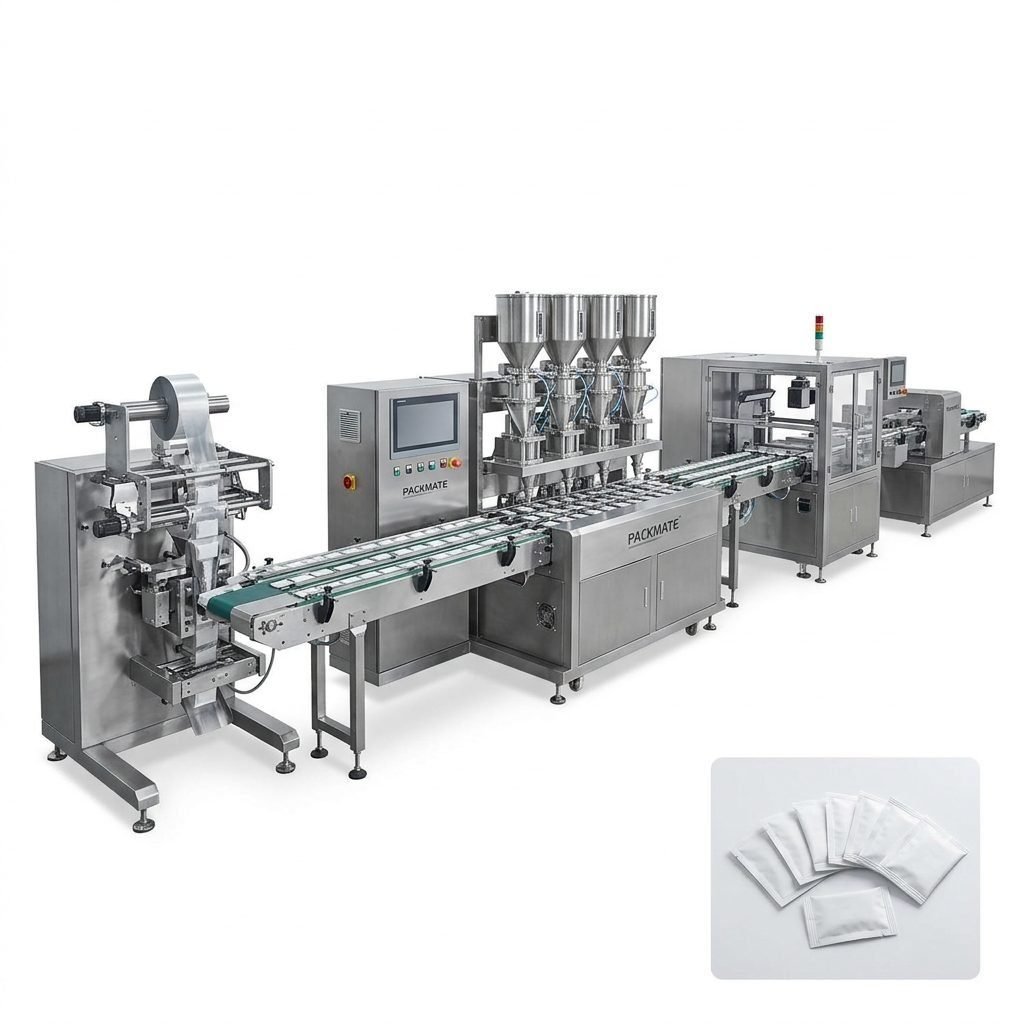
Complete Filling & Packaging Lines
If you need an end-to-end solution—from dosing and weighing to final packaging—consider integrated filling and packaging lines. These reduce manual handling and improve consistency. Explore turnkey lines at Filling & Packaging Lines.
Tip: For many Lebanese producers, a medium-speed multi-lane machine delivers the best compromise between flexibility and ROI.
Key Specifications to Compare
When comparing suppliers, use the following checklist. Each point can be decisive depending on your business model.
1) Production Capacity & Scalability
Consider current demand and realistic growth over 3–5 years. Machines are rated by pouches/min and lanes; choose scalable models so you can add lanes or modules rather than replacing the whole line.
2) Dosing Accuracy & Product Compatibility
Nicotine pouch filling requires precise dosing for safety and regulatory compliance. Check specs for dosing tolerance (mg tolerance), compatibility with powders, granules, and different pouch materials.
3) Changeover Time & Ease of Use
Small brands and seasonal SKUs demand machines with quick tool-less changeovers and simple HMI controls. Local operators benefit from clear Arabic or French labelling on controls and manuals.
4) Materials & Pouch Formats Supported
Verify compatibility with your chosen pouch film (PLA, PE, laminated films) and sealing requirements (heat seal, ultrasonic). Machines that support multiple pouch types avoid costly film conversions.
Operational Considerations in Lebanon
Local infrastructure and business customs affect machine performance and lifecycle:
Power & Utilities
Lebanon can have fluctuating grid power; ensure machines have robust voltage tolerances or plan for voltage stabilizers/UPS systems to protect sensitive PLCs and drives. Confirm water and compressed air needs and whether local suppliers can support those utilities.
Climate & Humidity Control
Coastal humidity can affect powders and sealing quality. Machines with integrated drying or support for humidity-controlled production rooms will reduce rejects.
Space & Layout
Lebanese workshops often optimize limited floorspace—choose compact multi-function machines or modular lines that can be arranged to a small footprint.
🔧 Local serviceability: prioritize suppliers offering rapid spare parts shipment to Lebanon or local partner stocks to minimize downtime.
Regulatory & Labeling Requirements
Before finalizing any purchase, confirm legal requirements for nicotine products in Lebanon. Typical considerations:
• Health warnings in Arabic and/or French, ingredient lists, and nicotine content disclosures.
• Packaging tamper-evidence and child-resistant features (verify local guidance).
• Product registration or notification with the Ministry of Public Health—ensure traceability and batch coding capability on your chosen machine.
Supplier Evaluation Checklist
A strong supplier reduces purchase risk. Check for:
✅ Certifications: CE, ISO quality systems.
✅ Factory tour & references: case studies and on-site demos.
✅ Spare parts & training: local training, multilingual manuals, spare parts lead times.
✅ After-sales service: remote support, in-country engineers or fast international dispatch.
Packmate Snus Machine is an example of a manufacturer with factory capabilities, global turnkey solutions, and certifications—see About Packmate and explore product ranges like Snus & Nicotine Packaging Machines.
Total Cost of Ownership (TCO) & ROI
Buying a machine is a capital investment. Look beyond the unit price to estimate real costs.
Consider: installation, commissioning, customs & import duties into Lebanon, spare parts inventory, consumables (films, inks), operator training, maintenance contracts, and downtime risk. For small Lebanese producers, a slightly higher upfront cost for reliable automation often yields faster ROI through reduced labor and consistent yields.
Testing & Acceptance Procedures
Insist on factory acceptance tests (FAT) and site acceptance tests (SAT) with your actual nicotine blend and film samples. A proper FAT should verify dosing accuracy, seal integrity, coding, and production speed under realistic conditions.
⚖️ Quality checkpoint: request video of machine running your sample and a written acceptance protocol before shipping.
Logistics, Customs & Installation in Lebanon
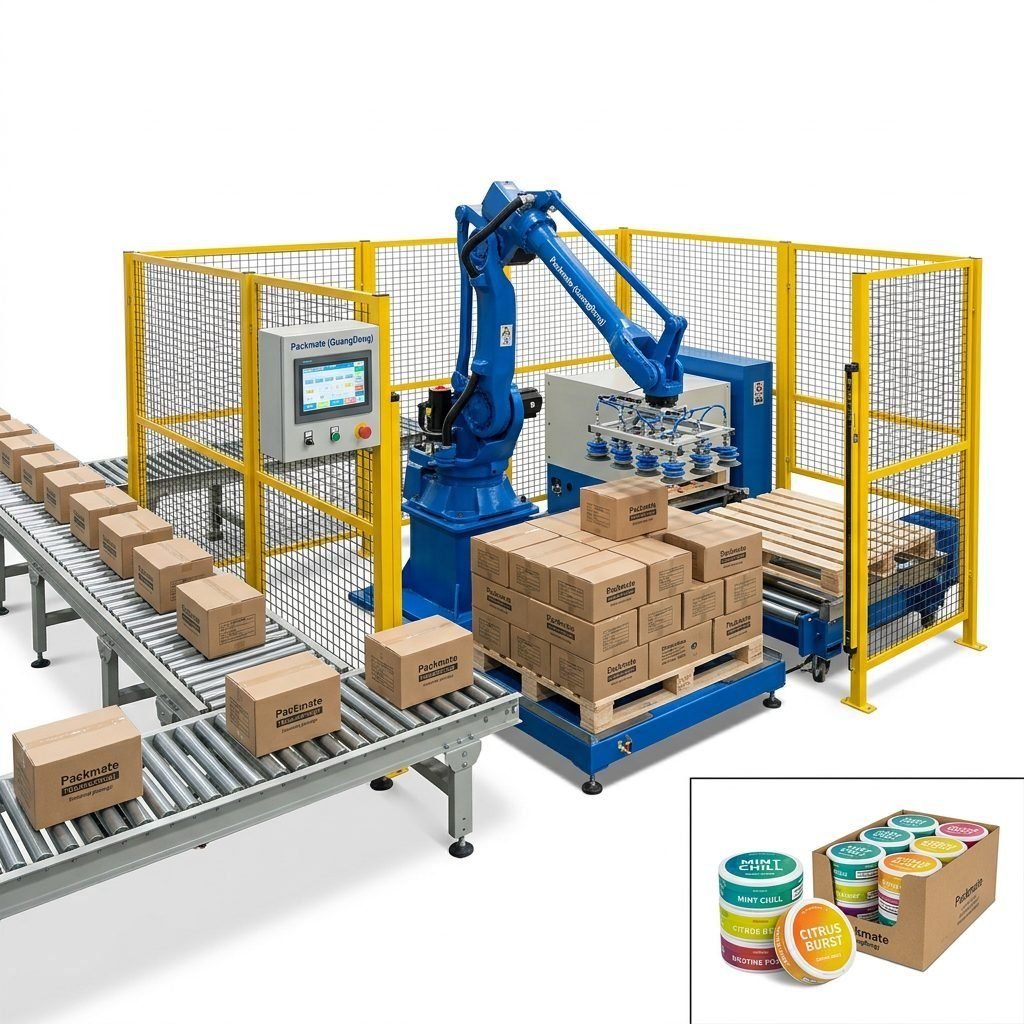
Plan for port clearance at Beirut or Tripoli, bonded warehouse options, and customs documentation for industrial equipment. Work with your supplier to provide complete documentation (packing list, CE/ISO certificates, user manuals).
Coordinate local installation with an experienced engineer who understands the machine’s electrical and pneumatic requirements. Confirm whether the supplier offers on-site commissioning and operator training.
Why Choose a Specialized Supplier?
Specialized nicotine/snuss machine manufacturers bring domain expertise—critical when tolerances are tight and regulations stringent.
Packmate’s decades of experience in snus and nicotine packaging, a large model portfolio, and global turnkey solutions can be a strong fit for Lebanese entrepreneurs who value reliability and after-sales support. See product categories like Bag & Pouch Packaging Machines and Weighing & Packaging Systems for integrated options.
Local partnerships and cultural fit
Lebanese businesses often prefer suppliers who understand local business norms, can communicate in French or Arabic, and provide flexible payment or financing options. A supplier with global exhibition experience and existing cooperation cases increases trust and reduces perceived risk. See Packmate’s Our Exhibition page for global presence.
Practical Next Steps Before Purchase
Follow this checklist to finalize your decision:
1. Define target daily output and pouch formats.
2. Send actual product and film samples to shortlisted suppliers for FAT.
3. Verify certifications and local regulatory compliance.
4. Request detailed TCO including spare parts and shipping to Lebanon.
5. Plan installation, operator training, and a spare parts kit for 12 months.
📞 Ready to discuss options? Contact the manufacturer to request tailored quotes, machine videos, and FAT schedules — or use the Contact Us page for direct inquiries.
Final Recommendations
To summarize the approach when choosing nicotine packaging machinery for Lebanon:
• Focus on flexibility and dosing precision for small-batch and boutique brands.
• Choose suppliers with strong after-sales support, certification, and FAT/SAT transparency.
• Prepare for local utilities, humidity control, and customs logistics.
• Factor total lifecycle costs and operator training into your purchase decision.
Related resources
Explore more product lines and technical details at vendor pages like Auxiliary Packaging Equipment and review service offerings at Service.
Frequently Asked Questions
Q1: How do I verify a machine’s dosing accuracy before purchase?
A1: Request a factory acceptance test (FAT) with your product and film; measurements and video evidence must be provided. Ask for tolerance specs and real production test reports.
Q2: What is the typical lead time for delivery to Lebanon?
A2: Lead times vary by model and customization. Standard delivery including FAT, packing, and shipping can range from several weeks to a few months—confirm with the supplier and include customs lead time.
Q3: Are nicotine packaging machines regulated differently in Lebanon?
A3: Regulations can change; always confirm labeling, health warning, and product registration requirements with Lebanese authorities and ensure your machine can print or code required batch information.
Q4: What after-sales support should I demand?
A4: Ask for installation/commissioning, operator training, spare parts availability, remote troubleshooting, and a clear warranty and service contract timeline.
Q5: Where can I see real cases or machine demos?
A5: Request case studies and live machine demonstrations. Manufacturers often share reference customers and exhibition demos—see Case and Catalog for more details.