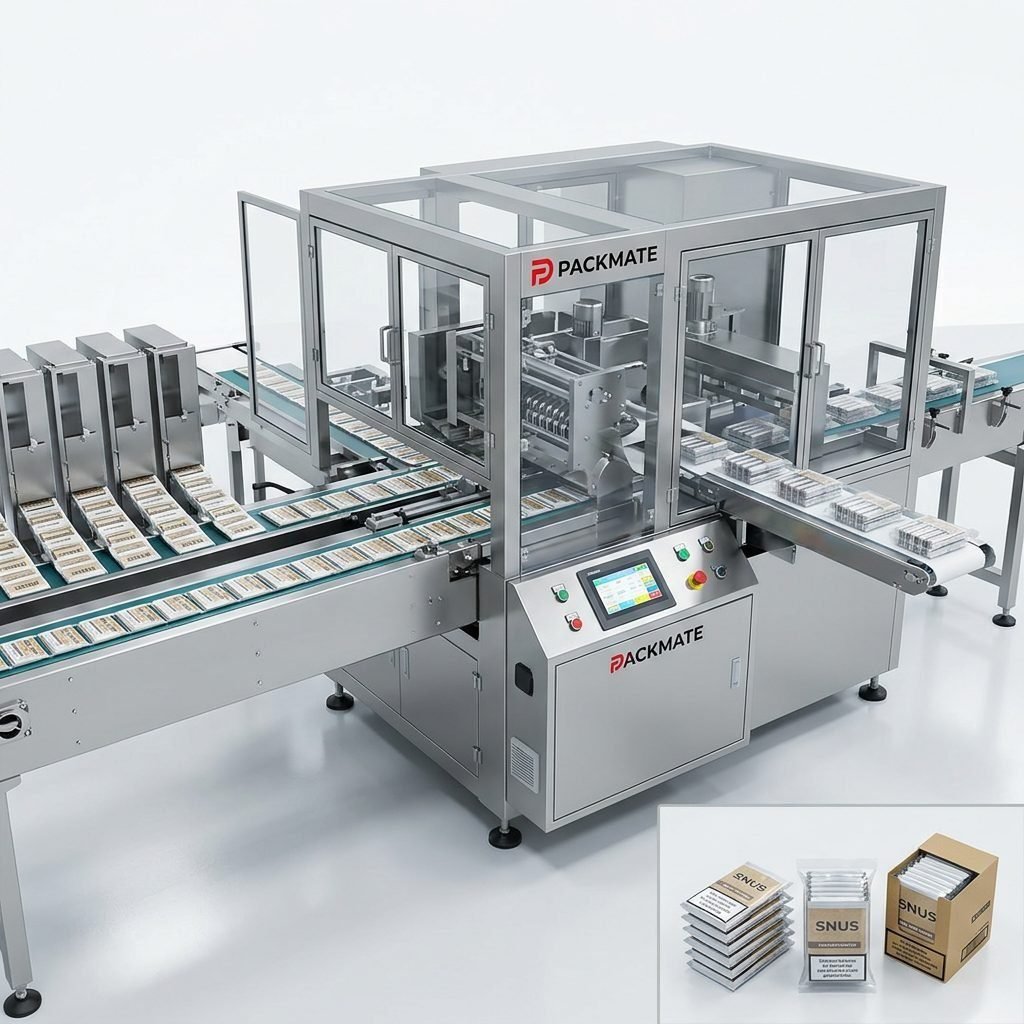
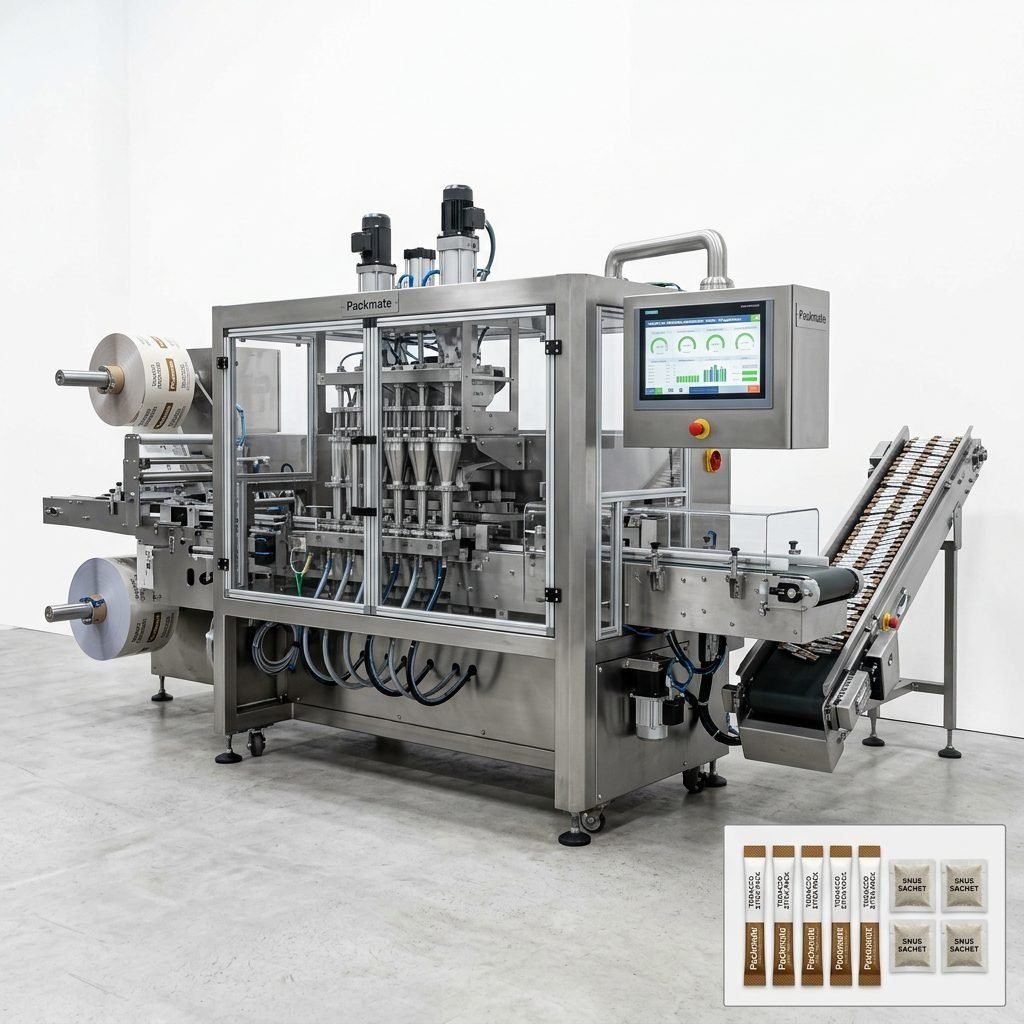
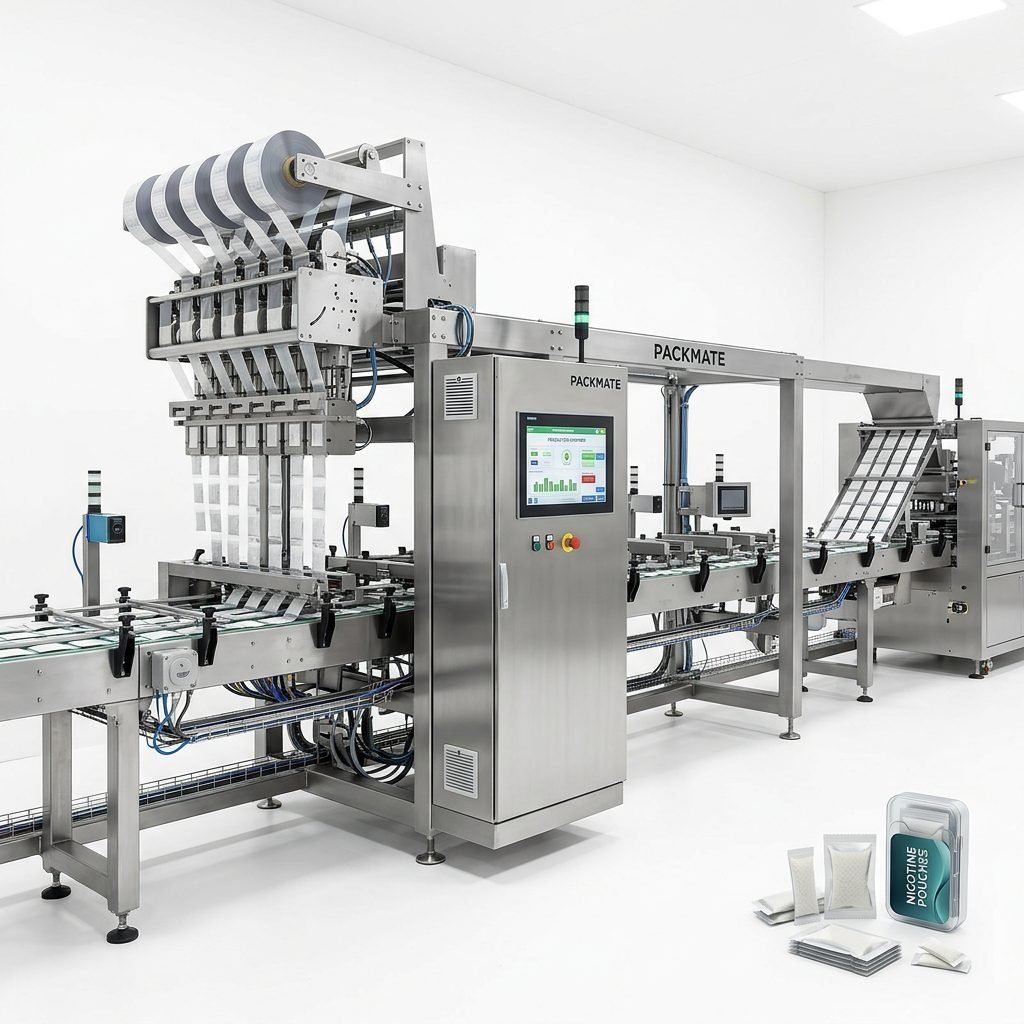
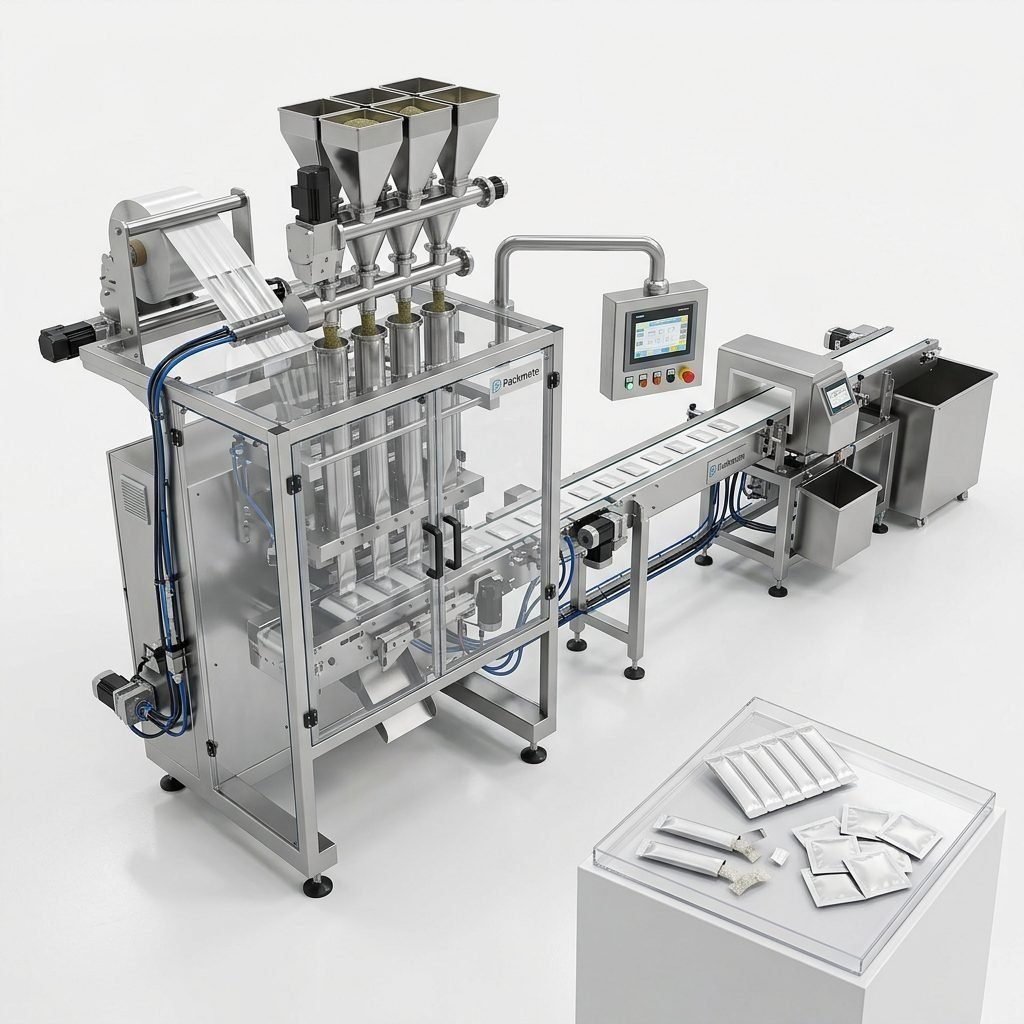
Choosing the right snus packaging machine in Slovenia requires more than just comparing price tags. You need equipment that matches your production speed, product format, regulatory requirements, and long-term business goals. This guide walks you through the practical steps to select the best snus or nicotine pouch packing solution — from machine types and technical specifications to supplier selection and return-on-investment considerations.
Understand your production needs first
Before reviewing machine models, clarify these essential parameters:
📌 Annual and daily output targets: How many pouches per minute and per shift do you need? Consider future growth — machines with scalable lane configurations help avoid early obsolescence.
📌 Product formats: Are you producing loose snus, nicotine pouches, or stick packs? Each format requires a specific filling and sealing approach.
📌 Fill materials: Powder, granules, gel or liquid — accuracy and dosing systems differ by material type.
Key machine types to consider
Knowing the common machine categories helps shortlist viable options quickly:
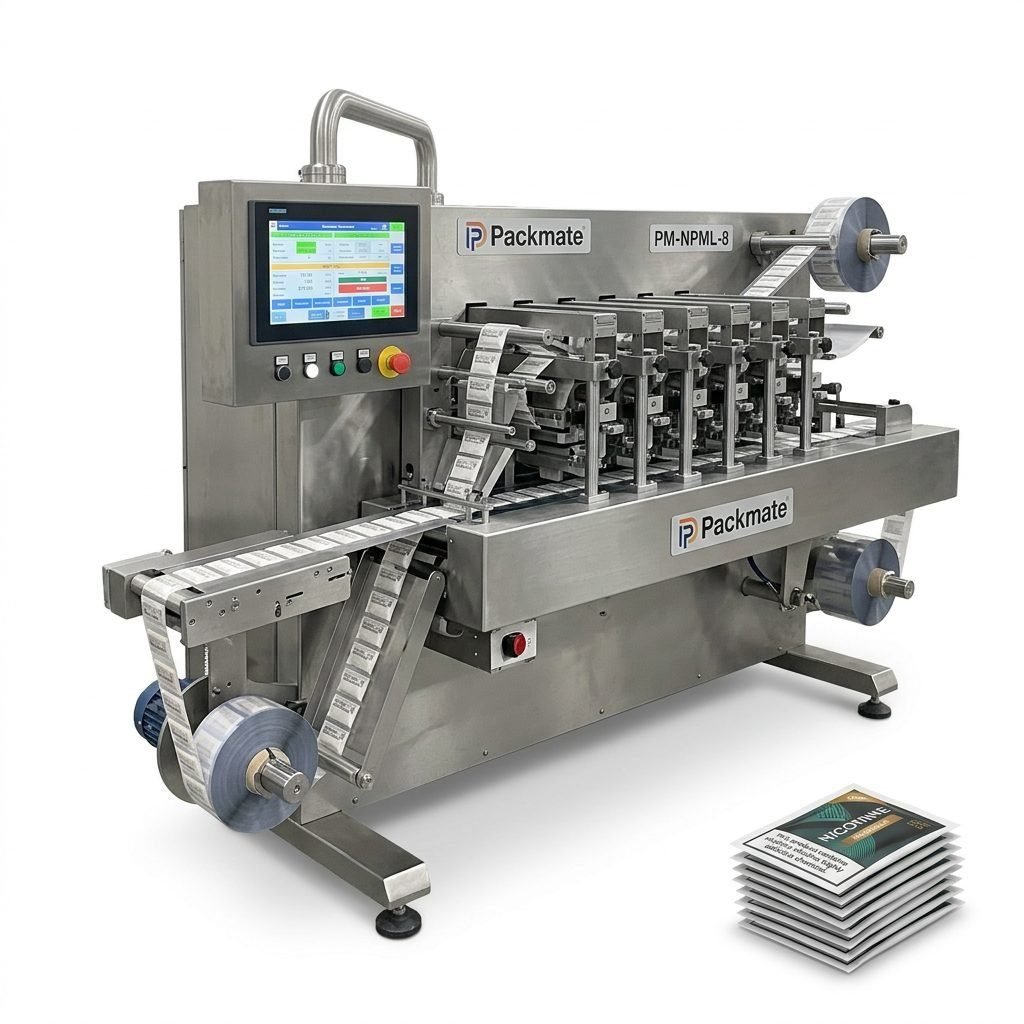
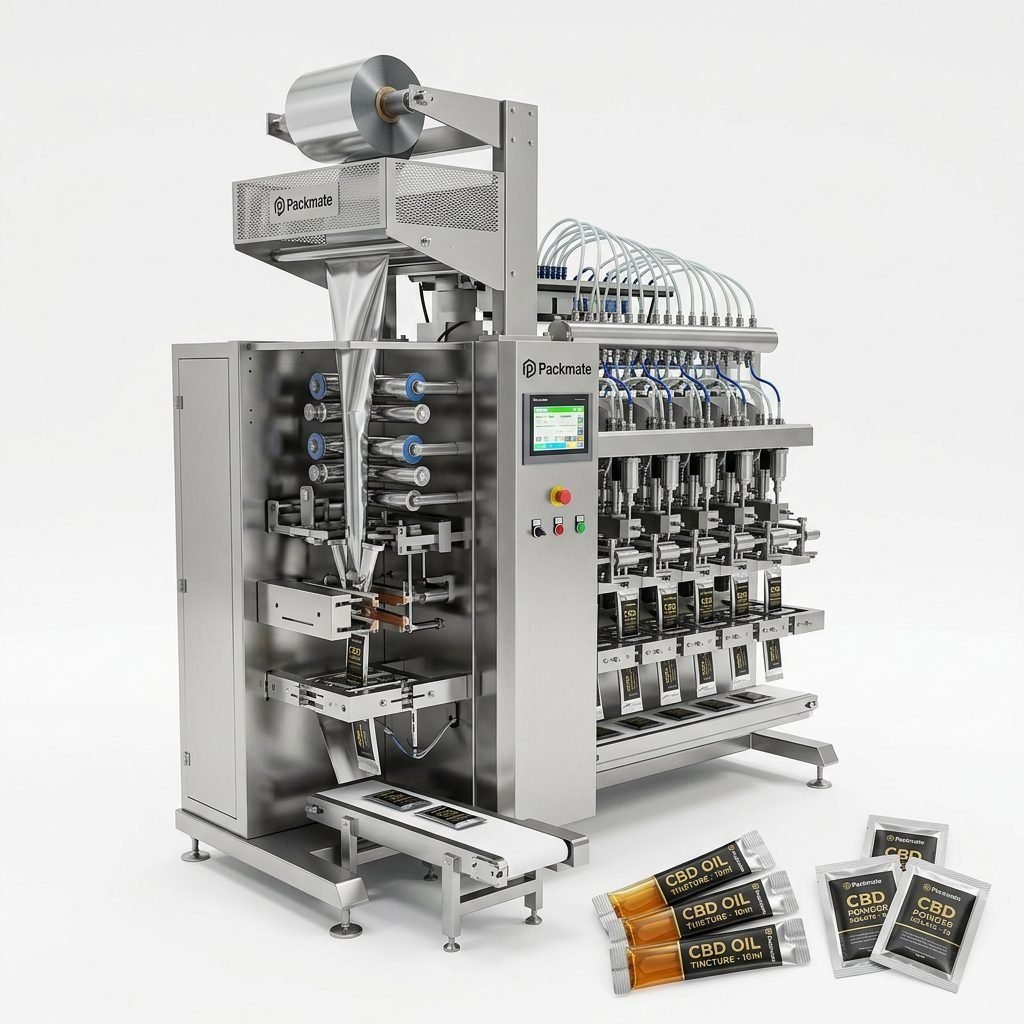
Sachet & stick pack machines
Sachet and stick pack equipment can produce single-serve pouches and thin stick formats suitable for flavored snus or nicotine pouches. These systems are ideal for products requiring fast, continuous packaging with consistent sealing.
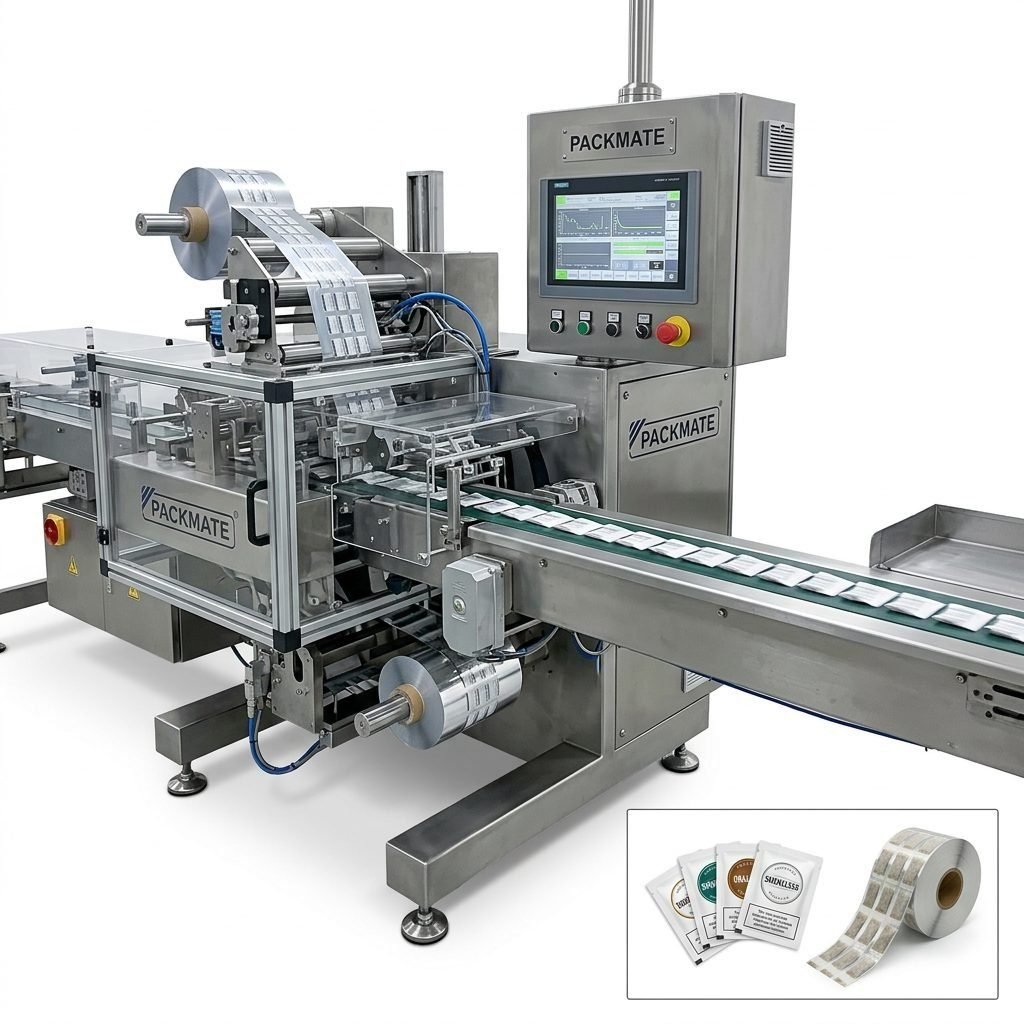
Multi-lane pouch systems
For high-volume manufacturing, multi-lane machines increase throughput by running several channels in parallel. They are commonly used for small-dose nicotine pouches where lane synchronization and filling precision are critical.
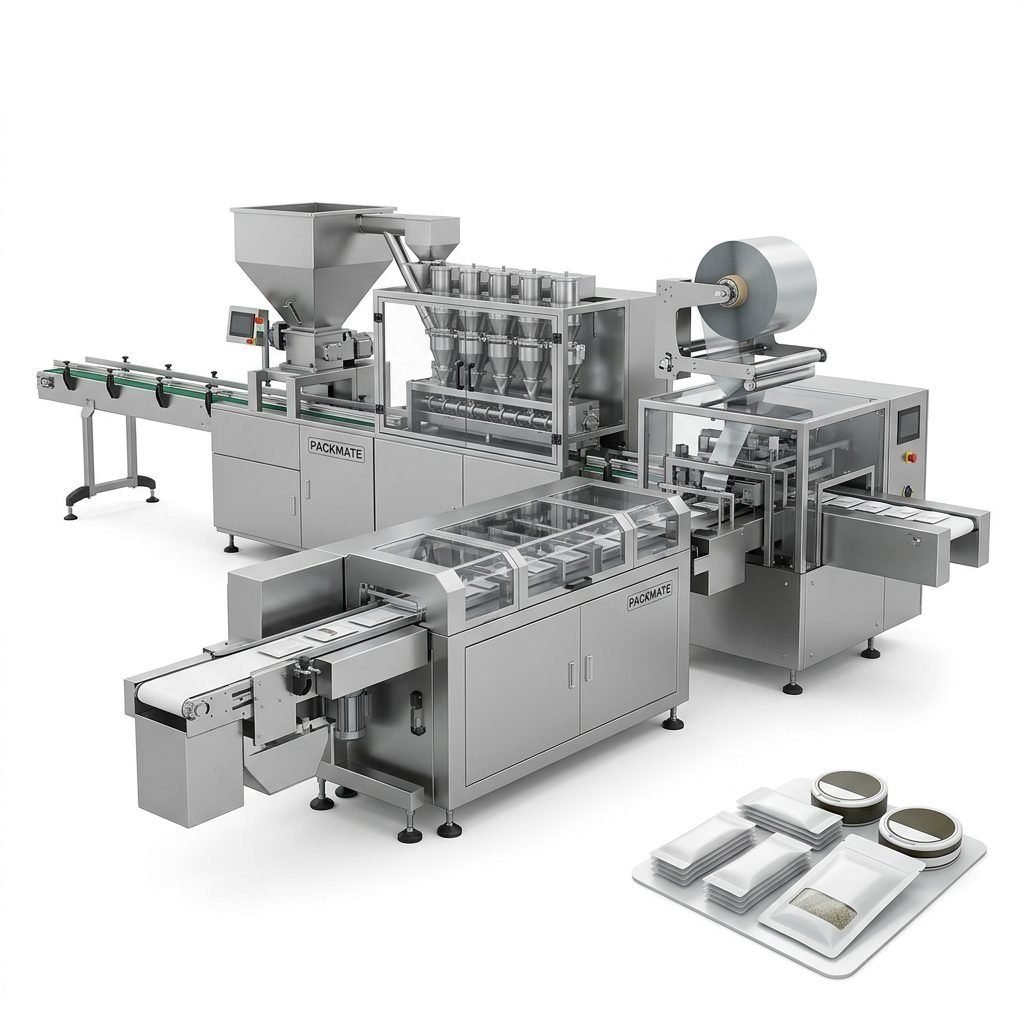
Fully automated lines (filling + packing)
If you need end-to-end automation, integrated filling and packaging lines minimize manual handling, improve sterility control, and provide better traceability for regulated products.
Explore product categories and machine types in detail at:
Snus & Nicotine Packaging Machines and
Sachet & Stick Pack Machines.
Important technical specifications to evaluate
When comparing models, prioritize the specs that impact product quality, uptime, and operating costs:
⚙️ Production speed (ppm): Pouches per minute and number of lanes determine throughput. Match speed to your peak demand, not only average demand.
🎯 Filling accuracy: Dose control affects product consistency and regulatory compliance. Look for high-precision weighers or volumetric fillers with low c.v. (coefficient of variation).
🔄 Changeover time: Quick tool-free changeovers reduce downtime for different pouch sizes or recipes.
🧰 Serviceability & spare parts: Easy access to wear parts and local stocking of critical components minimize MTTR (mean time to repair).
🔌 Utilities & footprint: Power, air, and water requirements as well as machine footprint are crucial for plant planning.
Materials, sealing technology and hygiene
Nicotine pouch packaging demands robust sealing and food/pharma-level hygiene. Key points:
- Sealing method (heat, impulse, ultrasonic) must match film structure and product moisture.
- Machine contact parts should be stainless steel 304/316 and comply with cleaning protocols.
- Dust and powder handling features (vacuum control, enclosed feeders) reduce contamination and product loss.
Supplier selection: what to verify about the manufacturer
Choosing a reliable manufacturer is as important as the machine itself. Evaluate these vendor attributes:
Experience & track record: Look for suppliers with proven history in snus and nicotine pouch lines. Manufacturers with decades of engineering experience are better at solving niche issues.
Certifications: CE and ISO compliance demonstrates adherence to international safety and quality standards.
After-sales service & spare parts: Local support in Europe or fast global logistics reduces downtime. Check warranty terms, service response time, and spare parts availability.
Customization & turnkey capability: If you need a complete line or special adaptations, choose vendors able to provide customized, integrated systems.
For a manufacturer with a global footprint and deep snus packaging expertise, see Packmate’s company profile at
About Packmate.
Total cost of ownership and ROI calculation
The cheapest initial quote rarely represents the best long-term value. Factor in:
- Capital cost vs. expected lifetime and depreciation.
- Operating costs — energy, consumables, and labor required for operation.
- Maintenance frequency, spare parts pricing, and mean time between failures (MTBF).
- Yield and waste rates — fill accuracy and handling affect material loss.
- Flexibility for new SKUs — machines that support multiple formats reduce future investment.
💡 Recommendation: Build a simple ROI model: (Annual profit increase from production – Annual operating cost) / Initial investment. Aim for payback within 2–4 years for high-turnover products.
Regulatory compliance and safety (especially for nicotine products)
Nicotine-containing products face strict regulations in many jurisdictions. Ensure machines and processes support:
- Traceability and batch coding capability.
- Material safety and cleanability (food/pharma-grade surfaces).
- Compliance with CE and applicable European directives.
You can confirm manufacturer certifications and exhibition presence at
Certificate and
Our Exhibition.
Integration, site acceptance and FAT/SAT process
Minimize risk by defining inspection checkpoints and acceptance criteria prior to purchase:
✅ Factory Acceptance Test (FAT): Verify machine performance, speed and functionality at the supplier’s site with your product or representative product.
✅ Site Acceptance Test (SAT): Confirm installation, utilities, and line integration at your site before formal handover.
✅ Spare parts kit & training: Agree on a spare parts list and operator/maintenance training package as part of the contract.
Questions to ask potential suppliers
A shortlist of practical questions to include in your RFQ and meetings:
- Can you provide references or local customers in Europe who run similar lines?
- What is the standard lead time and what are options for expedited delivery?
- What are the warranty terms and typical response times for on-site service?
- Can the machine be expanded later (add lanes or modules)?
- Do you provide FAT/SAT and operator training as standard?
Why consider Packmate for snus packaging lines
Packmate has over 30 years of packaging engineering experience and a dedicated focus on snus and nicotine pouch equipment. Their 20,000㎡ facility and 50+ machine models enable both standard and fully customized turnkey solutions. If you require a trusted partner with proven multi-lane and stick/sachet systems, review product lines and case studies at:
Snus & Nicotine Packaging Machines and
Case.
⚠️ Practical tip: Always request a demonstration using your actual product or a close surrogate. Performance with different powders or blends can vary significantly.
Final checklist before purchase
Use this quick checklist to confirm readiness:
- Defined production targets and SKU list
- Validated machine performance via FAT with your product
- Clear service & spare parts agreement
- Regulatory compliance evidence and documentation
- Plant utilities and layout planning completed
When you are ready to engage with suppliers or request quotations, contact trusted manufacturers and request their detailed proposals. Packmate provides comprehensive pre-sale consultation, FAT inspections, and global after-sales support — see
Contact Us for more information.
Summary: choose for performance, not just price
The best snus packaging machine for your Slovenia operation balances throughput, fill accuracy, flexibility and long-term serviceability. Prioritize suppliers with proven experience in snus and nicotine pouch systems, verify performance through FAT/SAT, and calculate total cost of ownership rather than focusing solely on purchase price.
Frequently Asked Questions
Q1: How long does it take to install a snus packaging line?
Typical installation and commissioning can range from a few days for a single machine to several weeks for a fully integrated line. Plan for FAT, delivery, installation, and SAT phases.
Q2: What ongoing maintenance is required?
Regular cleaning, lubrication of moving parts, periodic calibration of dosing systems, and replacement of wear parts are standard. Manufacturers provide maintenance schedules and recommended spare parts kits.
Q3: Can machines be adjusted for different pouch sizes?
Most modern machines support a range of pouch sizes with tool-free or quick-adjust mechanisms. Confirm the changeover time and available size range with your supplier.
Q4: Are nicotine pouch lines subject to special safety requirements?
Yes. Handling nicotine may require enclosed feeders, PPE for operators, waste handling procedures, and compliance with chemical safety regulations. Verify that the packaging line design supports safe handling and cleaning.
Q5: How can I see real machine performance before buying?
Request a Factory Acceptance Test (FAT) using your product or a close surrogate. A reputable supplier will demonstrate speed, sealing quality, and filling accuracy during FAT.