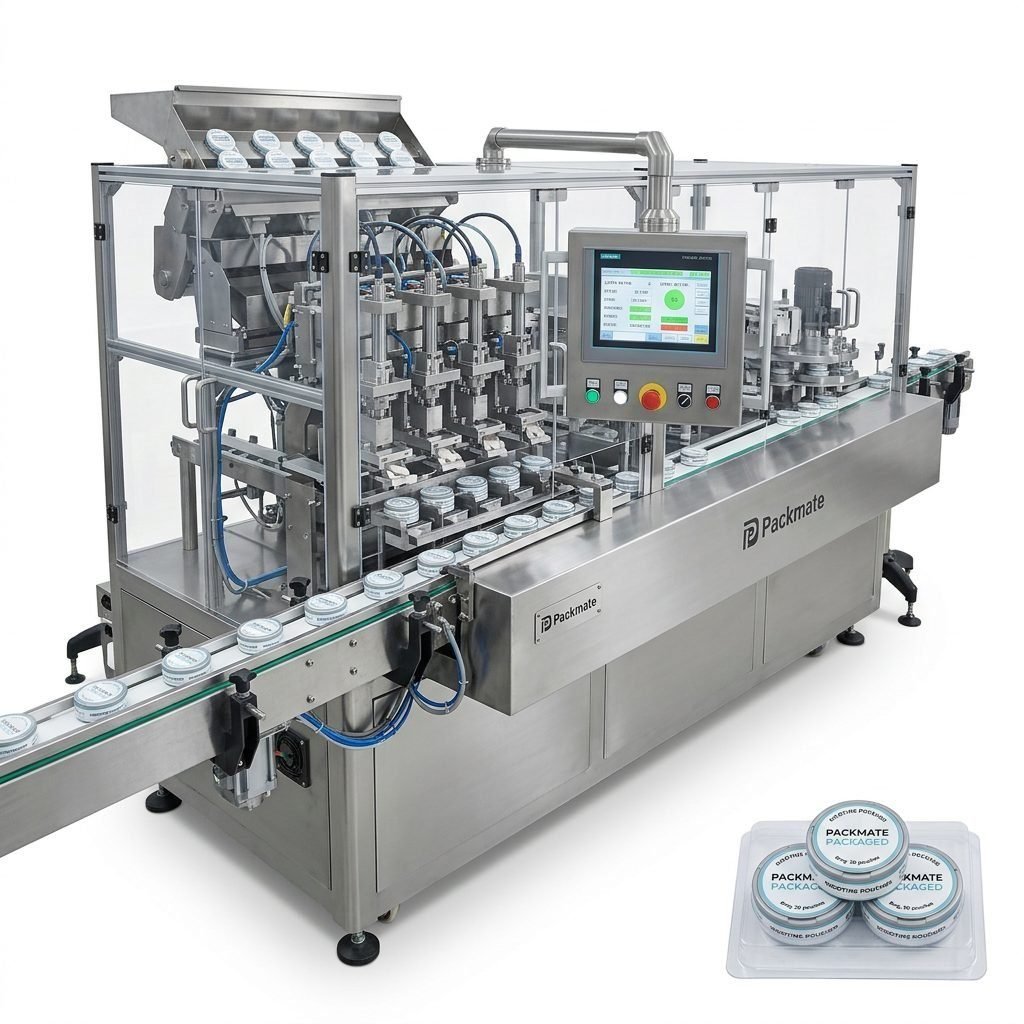
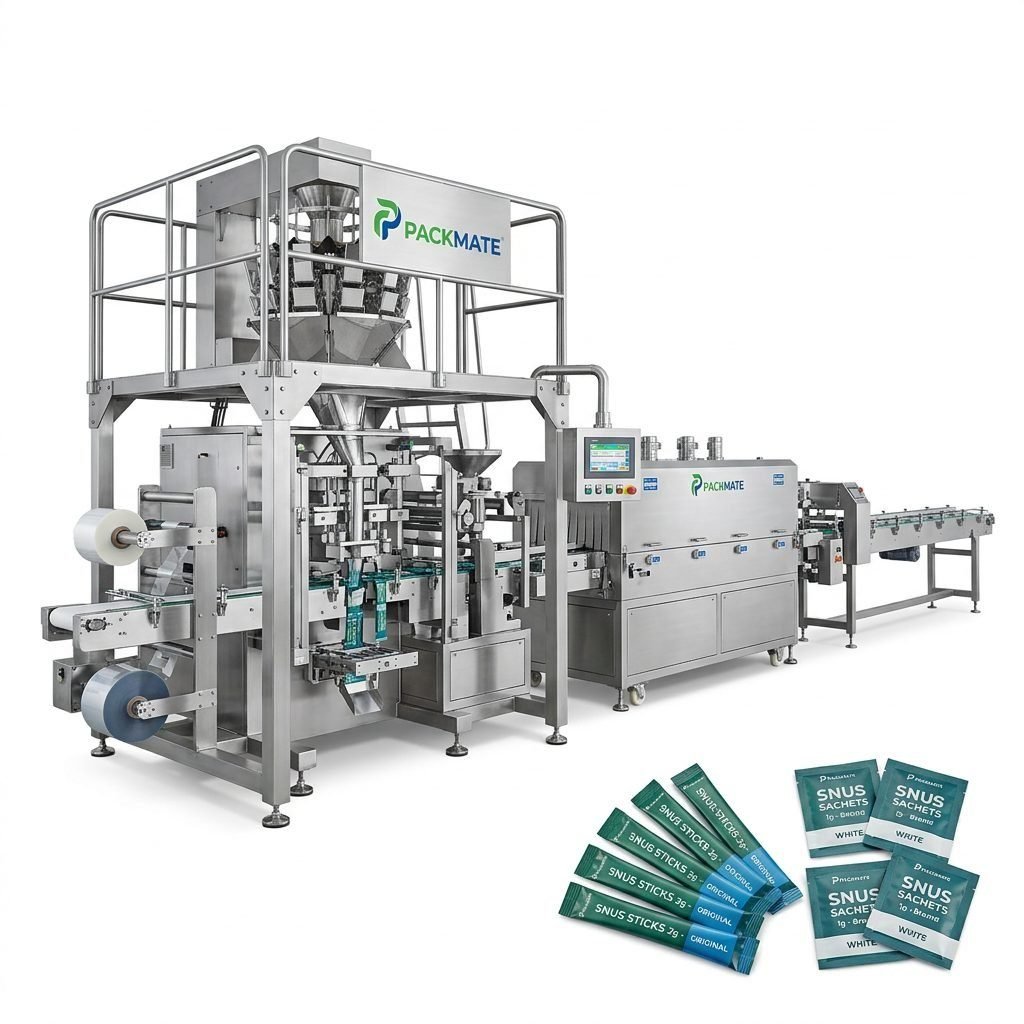
Installing a snus packaging line is a strategic project that blends mechanical engineering, process planning, and regulatory compliance. Whether you are scaling up production for nicotine pouches or launching a new product format, a well-executed installation keeps downtime minimal and maximizes throughput. This guide walks through planning, site preparation, equipment selection, mechanical and electrical setup, commissioning, staff training, and ongoing optimization — with practical tips from a manufacturer perspective.
1. Project Planning and Requirements
Success begins with clear objectives. Define target production capacity (pouches/minute), pouch formats (stick, sachet, multi-lane), target uptime, and regulatory needs. Engage cross-functional stakeholders — production, QA, maintenance, EHS, and procurement — to build a realistic timeline and budget.
Key inputs: expected daily output, SKU dimensions, material characteristics (powder, granule, wet blend), humidity & temperature control, and product compatibility with nicotine/pouch regulations.
2. Site Preparation and Layout
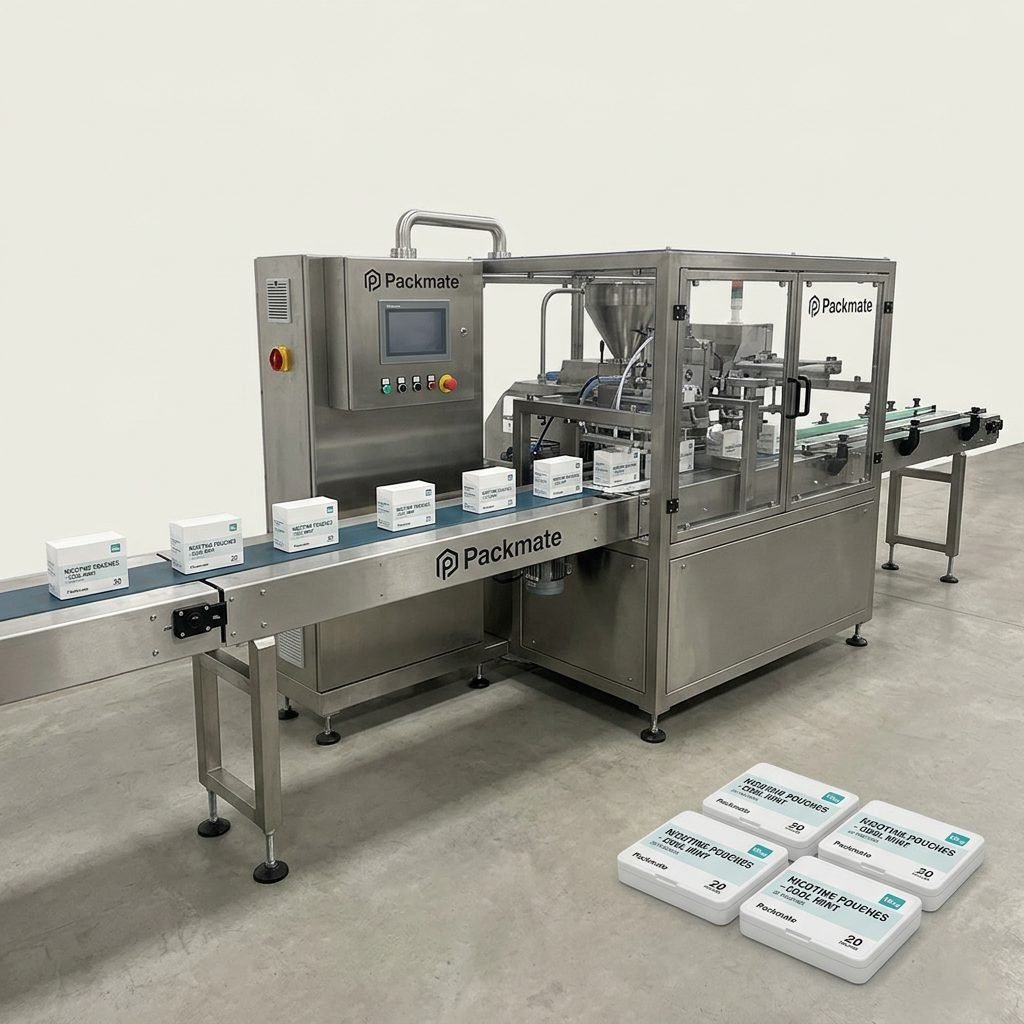
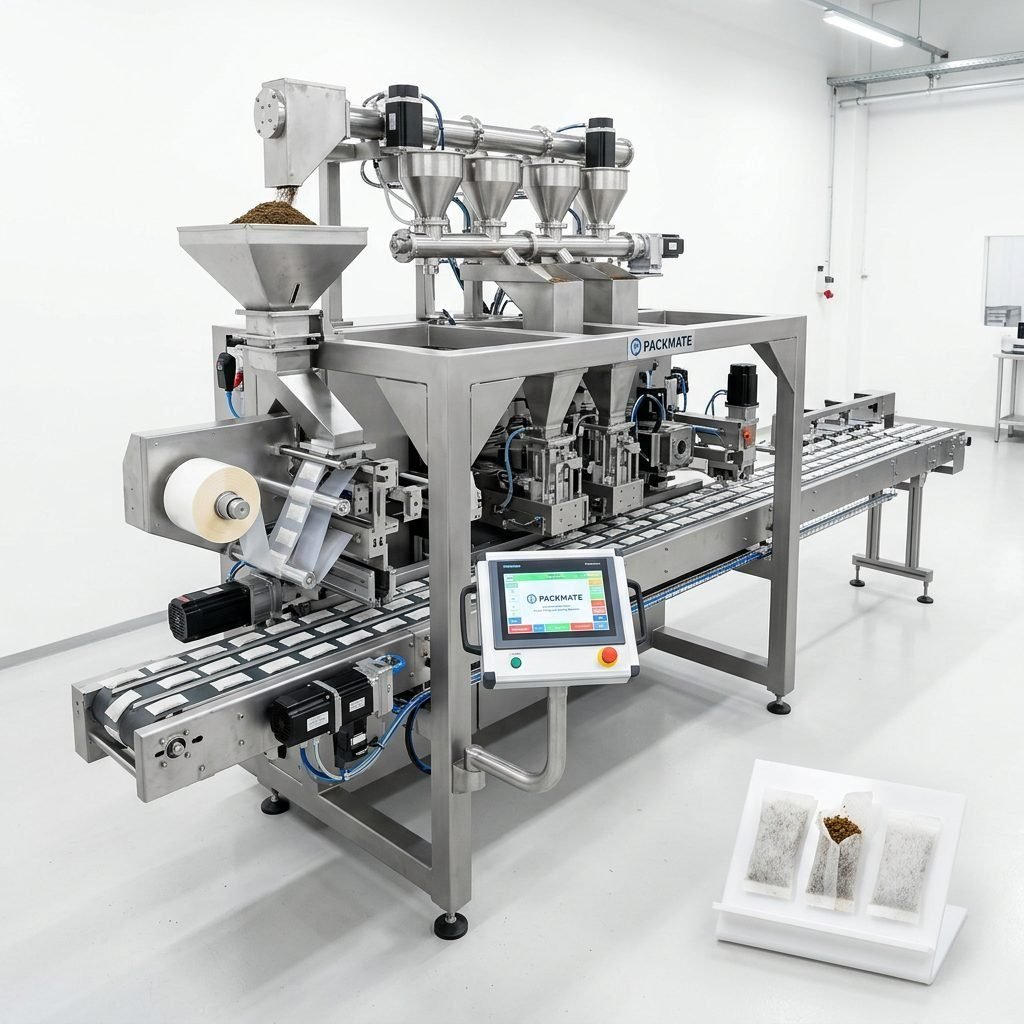
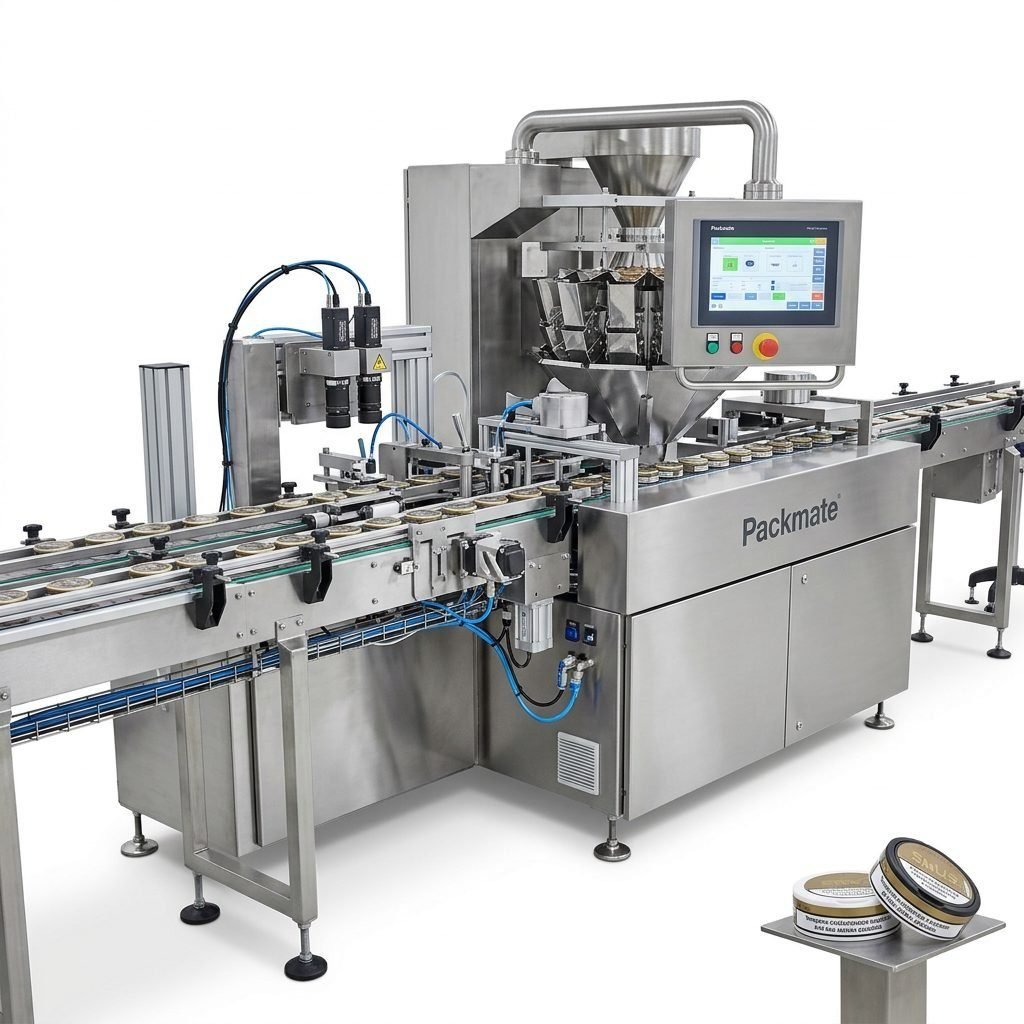
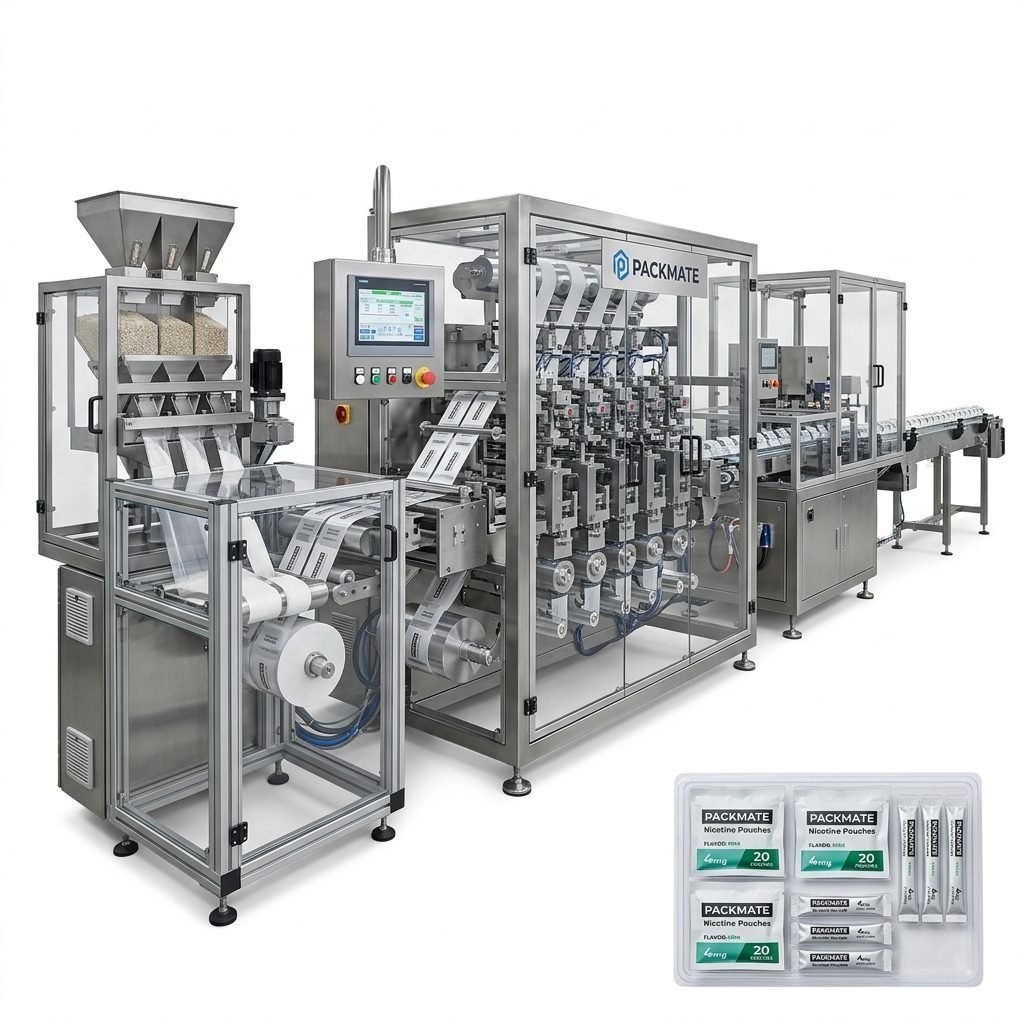
Evaluate floor plan for equipment footprint, material flow, and maintenance access. Snus lines typically include upstream feeding/weighing, filling, sealing, and downstream packing (cases/cartons). Ensure dedicated zones for raw material storage, mixing, QC sampling, and finished goods.
Floor load capacity, ceiling height for conveyors, and door sizes for machine transfer are crucial. Plan utility routes: power, compressed air, vacuum, process water, and drainage. Environmental control (HVAC) prevents moisture or dust issues that can affect nicotine pouch products.
Recommended utilities
- Three-phase power with dedicated breakers (check machine specs)
- Clean, dry compressed air with sufficient CFM for actuators and vacuum systems
- Stable PLC networking and Ethernet for HMI and remote support
- Proper grounding and ESD protection in handling areas
3. Equipment Selection: Choose the Right Machines
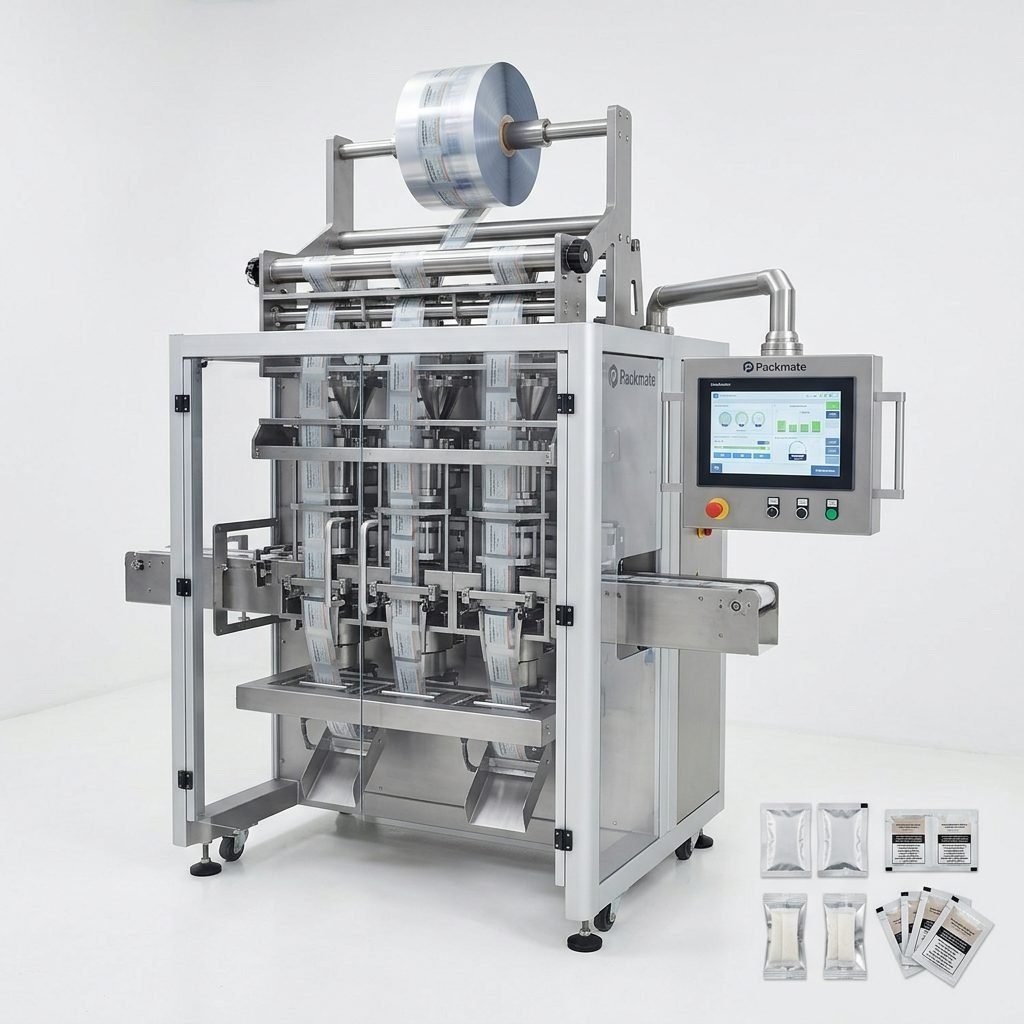
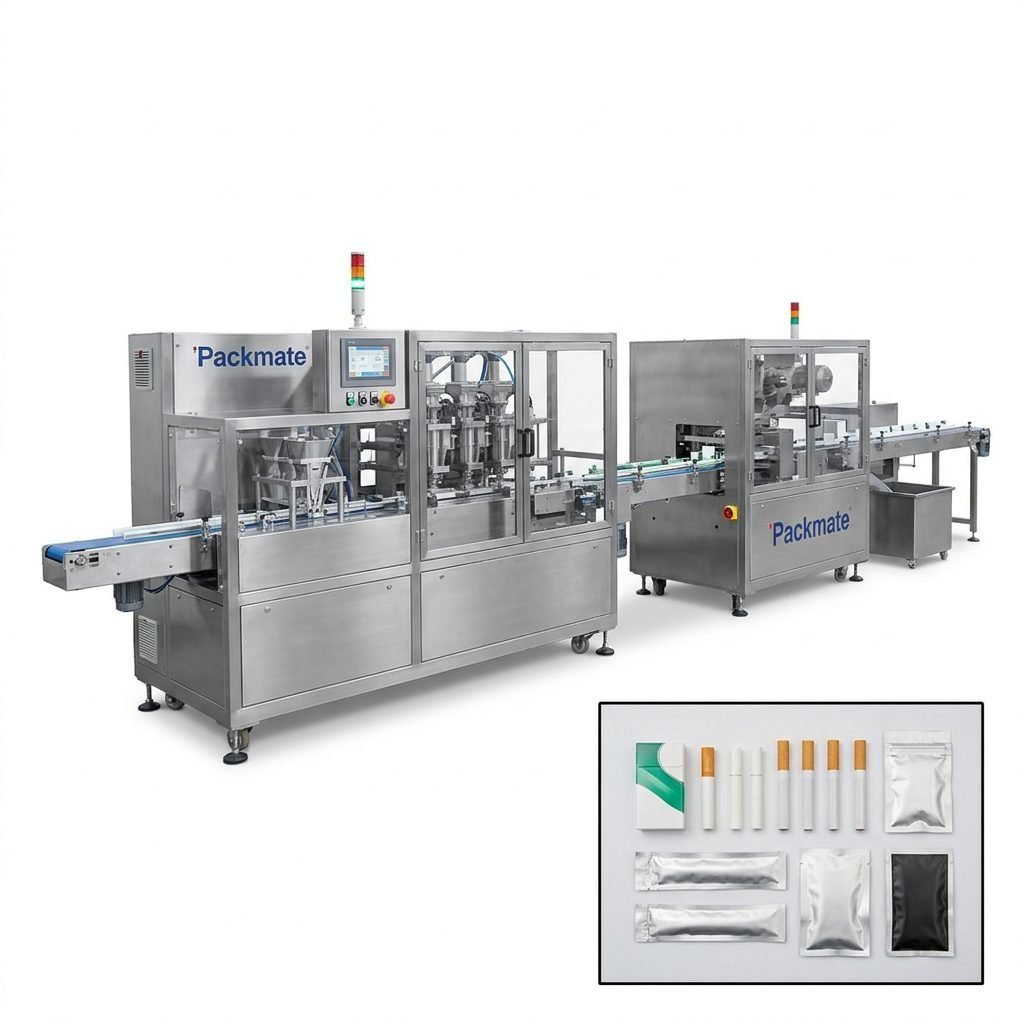
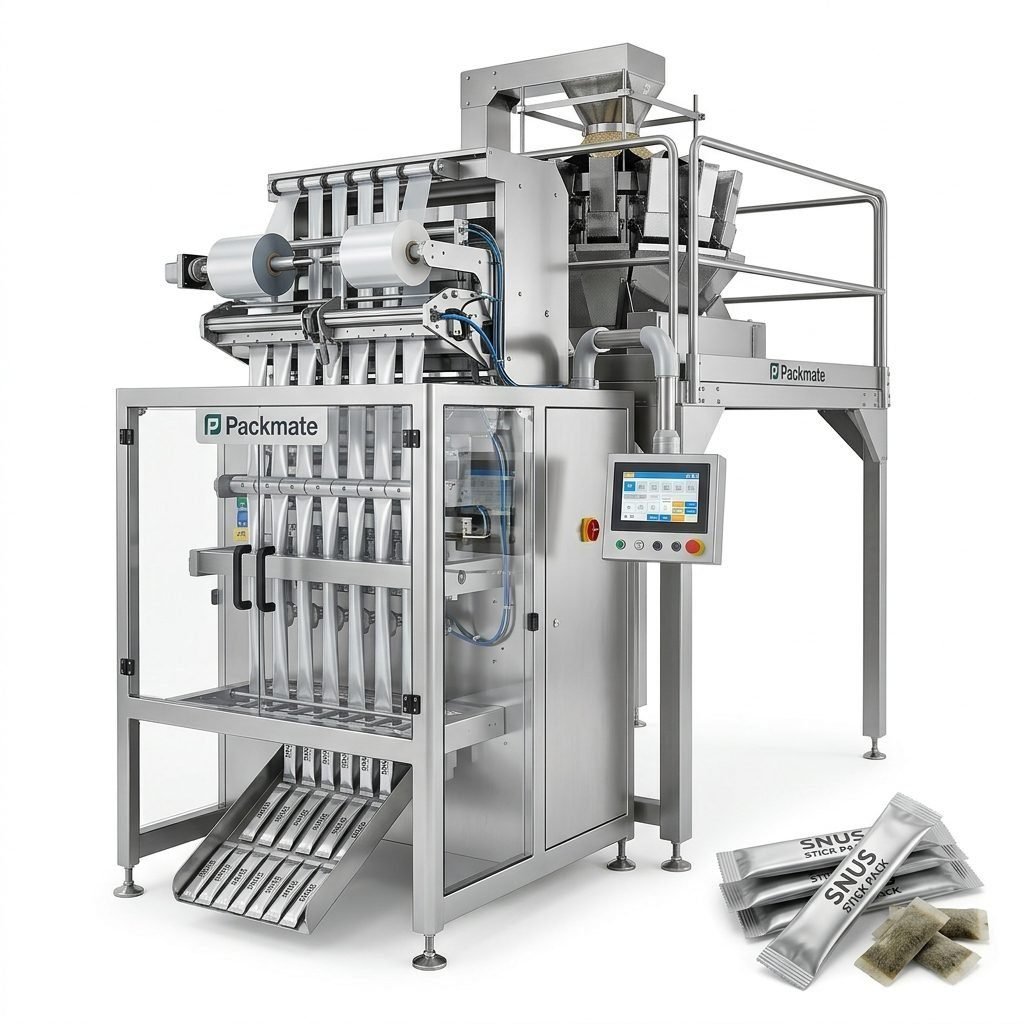
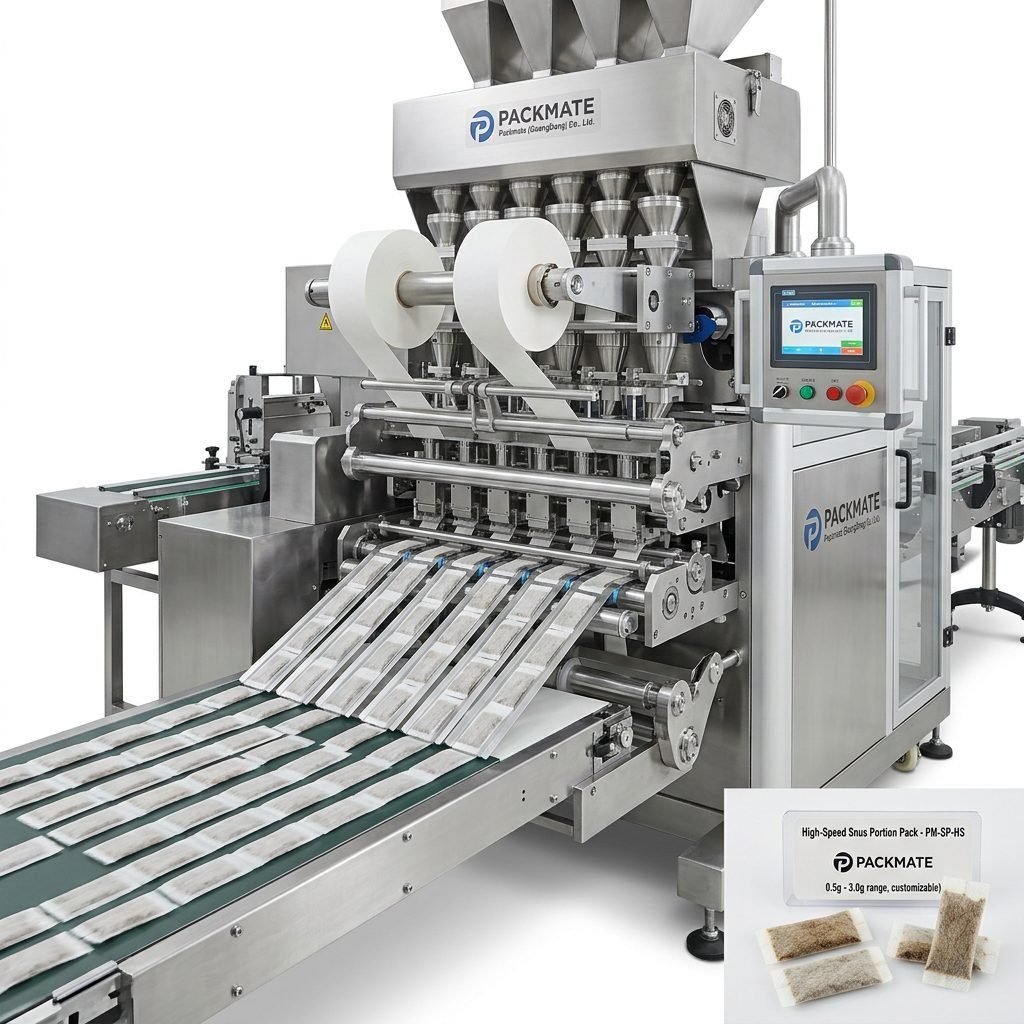
Choose machines based on format flexibility, lane count, and production scalability. For example, multi-lane systems are ideal for high throughput while sachet/stick pack machines suit single-format operations. Consider modular lines that integrate weighing, filling, sealing, and end-of-line packaging.
See product families and technical options: Snus & Nicotine Packaging Machines, Bag & Pouch Packaging Machines, and integrated Weighing & Packaging Systems.
Vendor evaluation checklist
- Field-proven designs for nicotine pouch handling
- Availability of spare parts and local service
- CE / ISO certifications and compliance documentation
- Delivery time, installation support, and commissioning service
4. Mechanical Installation and Alignment
Mechanical installation starts with correct positioning and leveling. Heavy machinery must be anchored on a flat foundation. Align conveyors, infeed systems, and multi-lane feeders precisely to avoid jams, inconsistent fills, or sealing defects.
Use the manufacturer’s recommended torque settings for fasteners and follow lubrication schedules. Verify moving components for smooth travel before powering the control systems.
Tip: mark and document baseline alignment points during installation — this saves hours during future maintenance and helps return the line to spec after component replacement.
5. Electrical, Controls, and Safety Checks
Install electrical panels with proper labeling and isolation devices. PLCs and HMIs should be mounted in clean, accessible locations. Connect sensors, actuators, and safety interlocks according to wiring diagrams. Test emergency stops and safety light curtains thoroughly.
For nicotine pouch lines, integrate recipe management and traceability features to ensure batch control and regulatory compliance. Remote connectivity enables vendor support and predictive diagnostics.
Pre-power checklist
- Grounding and bonding verified
- All guards and interlocks installed
- Wiring harnesses secured and labeled
- Compressed air lines and filters in place
6. Commissioning and Process Validation
Commissioning validates mechanical alignment, electrical systems, product handling, and packaging integrity. Run empty cycles first, then test with trial materials, gradually increasing speed and load. Monitor seal quality, weight consistency, and lane synchronization.
Validation steps: IQ (Installation Qualification), OQ (Operational Qualification), PQ (Performance Qualification), and record results for QA signoff.
7. Training, SOPs, and Documentation
Well-documented SOPs reduce operator errors and increase line uptime. Provide hands-on training for operators, maintenance, and QC teams. Topics should include changeovers, hygiene protocols, cleaning in place (if applicable), and troubleshooting common faults.
Keep a library of electrical diagrams, mechanical manuals, and spare parts lists. If a vendor offers commissioning and long-term service plans, evaluate those to secure rapid response and parts availability.
8. Optimization and Continuous Improvement
After initial stability, focus on optimizing throughput and product quality. Track key performance indicators (KPIs): OEE, yield, reject rate, downtime causes, and mean time between failures (MTBF). Use data to prioritize upgrades or process adjustments.
Simple improvements often yield big gains: refine feeder dosing, adjust sealing parameters, or tweak lane timing. Implement a structured change control to evaluate each optimization’s impact on quality and compliance.
Optimization example: converting a single-lane pouch filler to a multi-lane head can multiply output while keeping footprint changes modest.
Spare parts and lifecycle planning
Maintain critical spares: drive belts, sealing jaws, sensors, bearings, and PLC modules. Manufacturers like Packmate provide recommended spares and lifecycle support — consider service contracts for rapid delivery and remote troubleshooting.
9. Quality Assurance and Regulatory Compliance
For snus and nicotine pouches, strict QA regimes are necessary. Implement sampling plans for weight, moisture, seal integrity, and microbial testing if applicable. Ensure traceability from raw material batch to finished product and maintain calibration records for weighing systems.
Work with vendors who provide CE and ISO documentation and can support validation protocols. For turnkey lines, confirm all subsystems (weighing, filling, capping, and secondary packaging) meet your QA requirements.
10. Post-Installation Support and Upgrades
After handover, track the first 90 days closely. Log any recurring faults and collaborate with the machine supplier for corrective improvements. Many manufacturers offer remote monitoring and software updates to improve line performance over time.
Explore modular upgrades: additional lanes, automated changeover kits, or improved HMI analytics. These investments often pay back through reduced labor and higher output.
Vendor resources: product catalogs and case studies are valuable for benchmarking — see Catalog and Case.
Common pitfalls to avoid
- Ignoring small alignment errors that magnify at high speeds
- Underestimating spare parts lead times
- Insufficient operator training during initial ramp-up
- Skipping IQ/OQ/PQ steps and documentation
Maintenance Best Practices
Implement preventative maintenance schedules: daily checks, weekly lubrication, monthly alignment, and annual major inspections. Use condition-based monitoring for critical components and analyze downtime causes to fine-tune MRO strategies.
Document every intervention and maintain a digital log. Remote support agreements can reduce diagnostic time and help maintain uptime for international operations.
Service and spare parts
Consider integrated service offerings for lifecycle management. For support options and contact details, vendors often list services on their site — for instance, review the Service page or reach out via Contact Us for tailored proposals.
Final checklist before go-live
- All safety guards and interlocks validated
- Operators trained and SOPs accessible
- IQ/OQ/PQ completed and archived
- Spare parts packaged and labeled
- Remote support and service contract in place
Note: partnering with an experienced manufacturer ensures smoother installation and faster ROI. Learn more About Packmate and their manufacturing strengths.
With careful planning, precise installation, and continuous process improvement, you can build a snus packaging line that delivers high throughput, consistent quality, and regulatory confidence. The right combination of equipment, trained personnel, and maintenance strategy will keep your production running reliably for years.
Frequently Asked Questions
Q1: How long does a full snus line installation typically take?
A: Typical turnkey installations range from several weeks to a few months depending on site prep, utility readiness, number of integrated subsystems, and the extent of IQ/OQ/PQ validation. Pre-shipment FAT (factory acceptance testing) can shorten onsite commissioning time.
Q2: What are the most common causes of initial downtime after commissioning?
A: Alignment issues, incorrect sensor calibration, improper sealing parameters, and operator unfamiliarity are frequent early causes. A structured ramp-up plan and vendor support reduce these risks.
Q3: How should I plan spare parts for a snus packaging line?
A: Stock consumables and wear parts (belts, seals, cutters, bearings), one set of critical electronics modules, and recommended parts from the OEM. Maintain a reorder threshold based on lead times and production criticality.
Q4: Can existing packaging lines be retrofitted for nicotine pouches?
A: Many lines can be modified with new feeders, dosing systems, or sealing modules, but compatibility depends on original design. Consult with machine specialists to evaluate retrofit feasibility and cost-benefit.
Q5: Where can I see real-world examples of installed lines?
A: Review the manufacturer’s case studies and exhibition demos for performance benchmarks and use cases. Visit the Our Exhibition page for upcoming shows and live demonstrations.