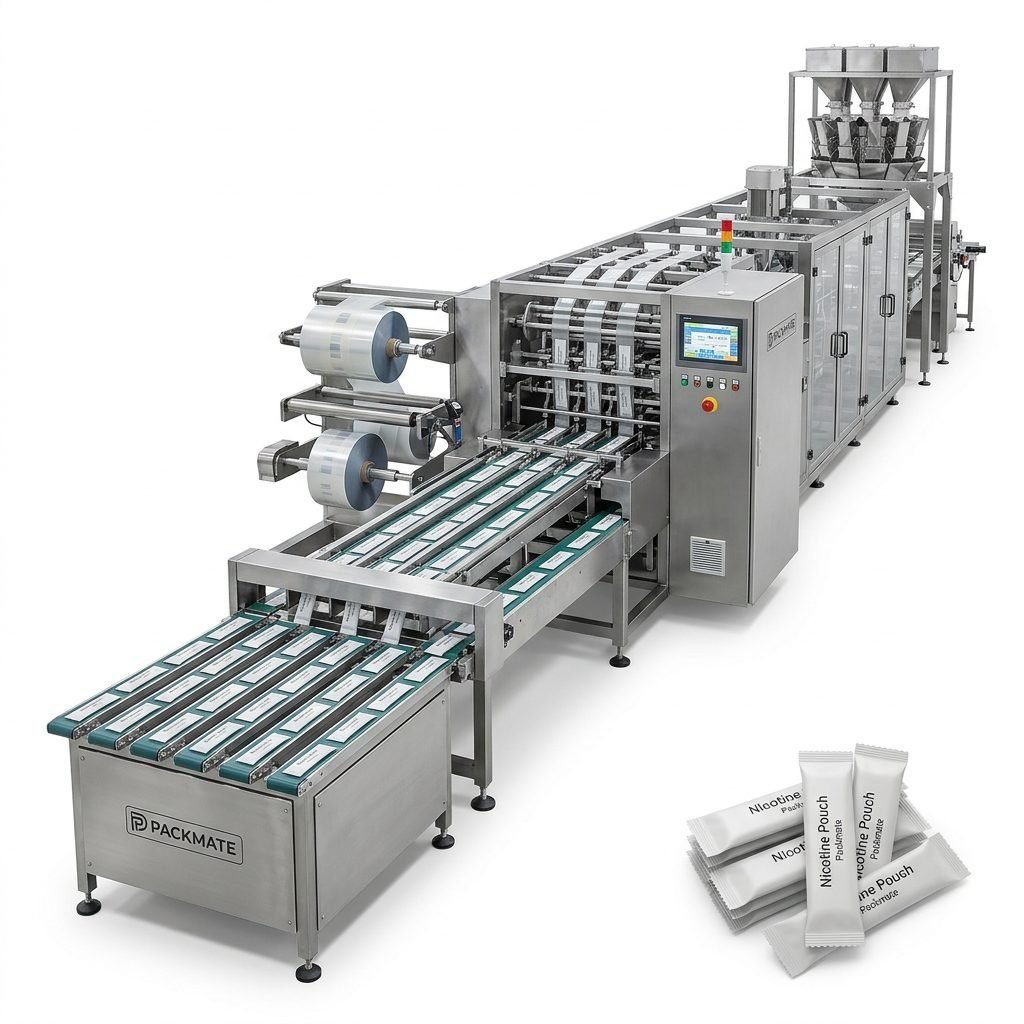
Choosing the right nicotine packaging machinery manufacturer for Papua New Guinea is a critical decision that affects product quality, regulatory compliance, supply chain reliability, and long-term operational costs. In a market where tropical climate, island logistics, and localized retail habits shape product performance and packaging longevity, selecting a supplier with proven technology, strong manufacturing capability, and sensible after-sales support is essential. This guide walks you through practical selection criteria, local considerations for Papua New Guinea, and an actionable procurement checklist so you can make a confident investment in snus and nicotine pouch packaging machinery.
Understand Papua New Guinea’s market and operational context
Papua New Guinea (PNG) presents unique challenges and opportunities for manufacturers and packagers. The population is concentrated in urban centers such as Port Moresby and Lae, but distribution to remote provinces and islands remains an important consideration. Two practical facts shape machinery choice:
Climate and moisture — PNG’s high humidity and warm temperatures demand packaging systems that ensure reliable sealing and moisture control. Machines with precise temperature regulation and high-quality sealing jaws reduce product spoilage and maintain pouch integrity during long transit times.
Logistics and local support — Sea freight times, customs clearance, and limited local repair resources make robust design and accessible spare parts a priority. Choosing a manufacturer that offers clear shipping documentation, spare parts kits, and remote or on-site commissioning support will minimize downtime.
Know the product types and match the right machine
Nicotine pouch and snus formats vary in dose size, pouch material, and dosing type (powder, granule, or wet). Common packing formats include:
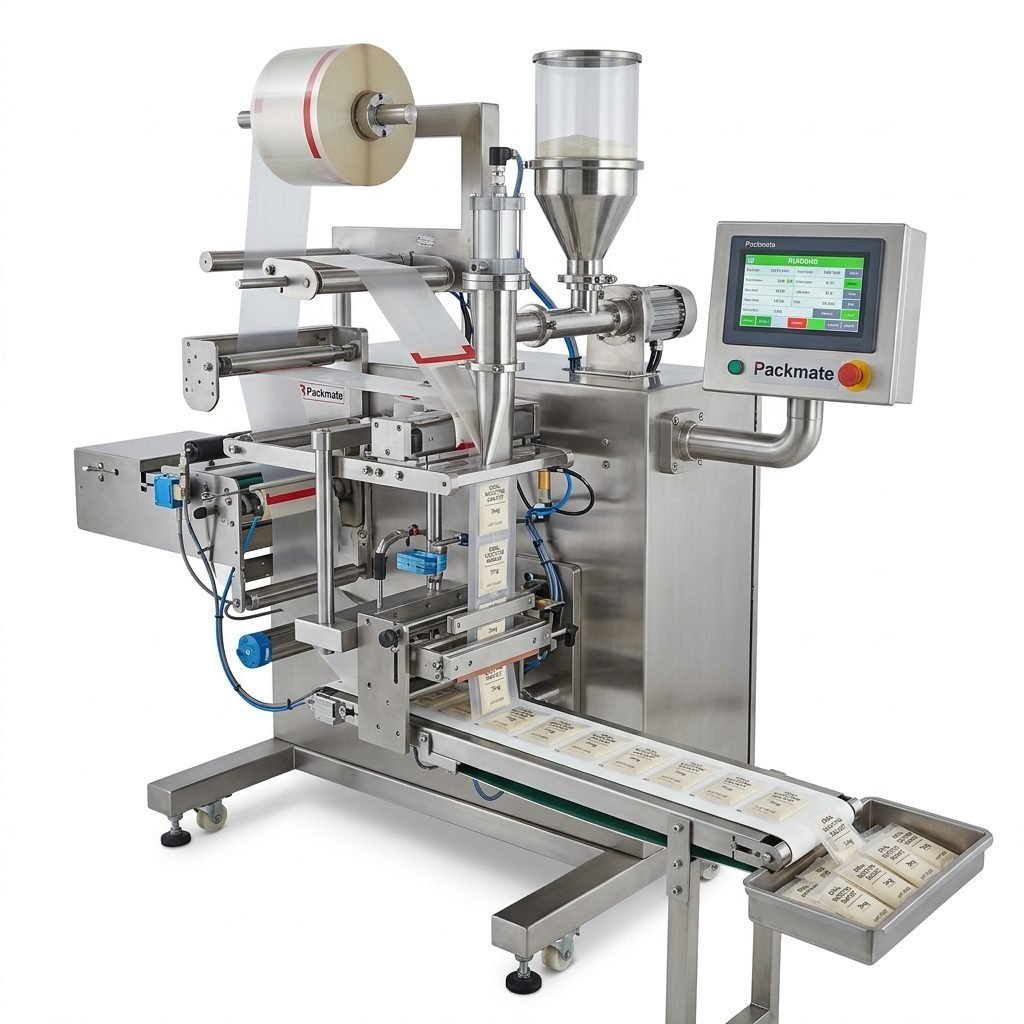
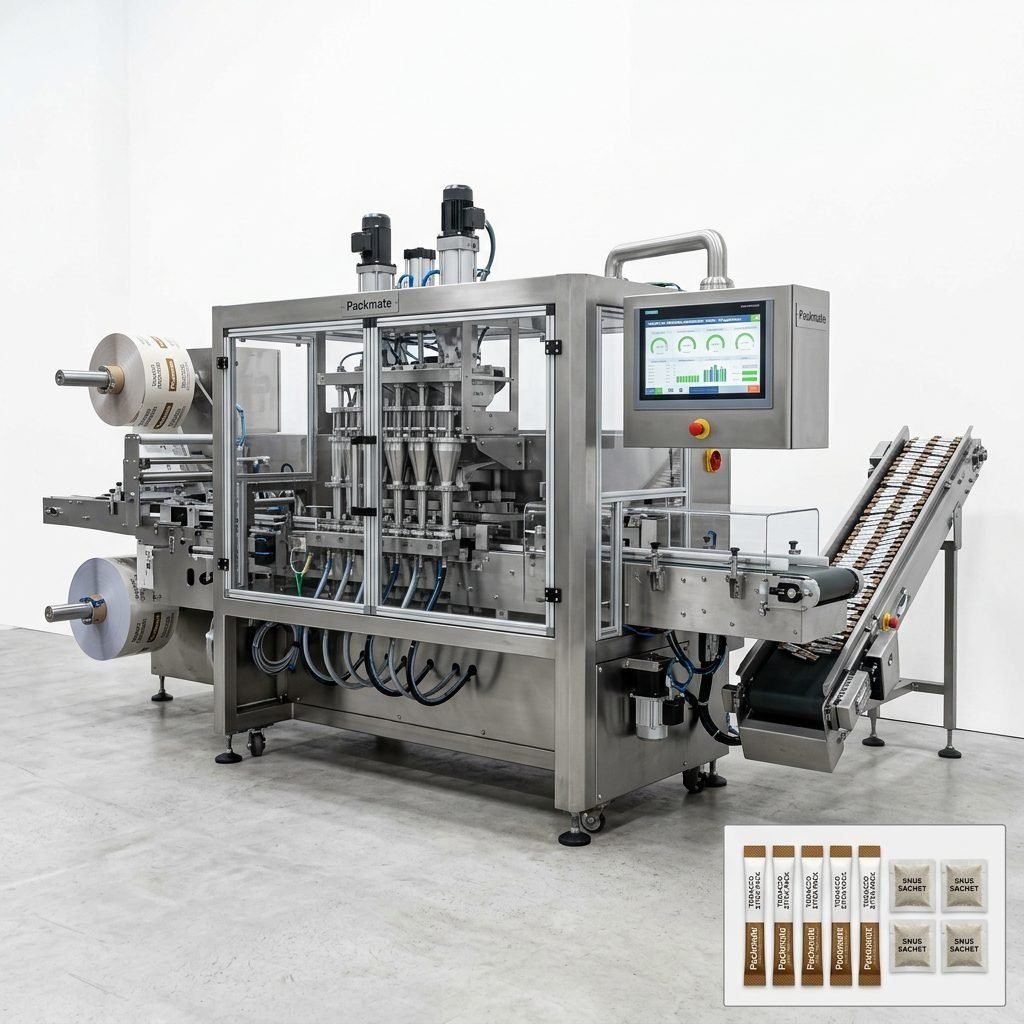
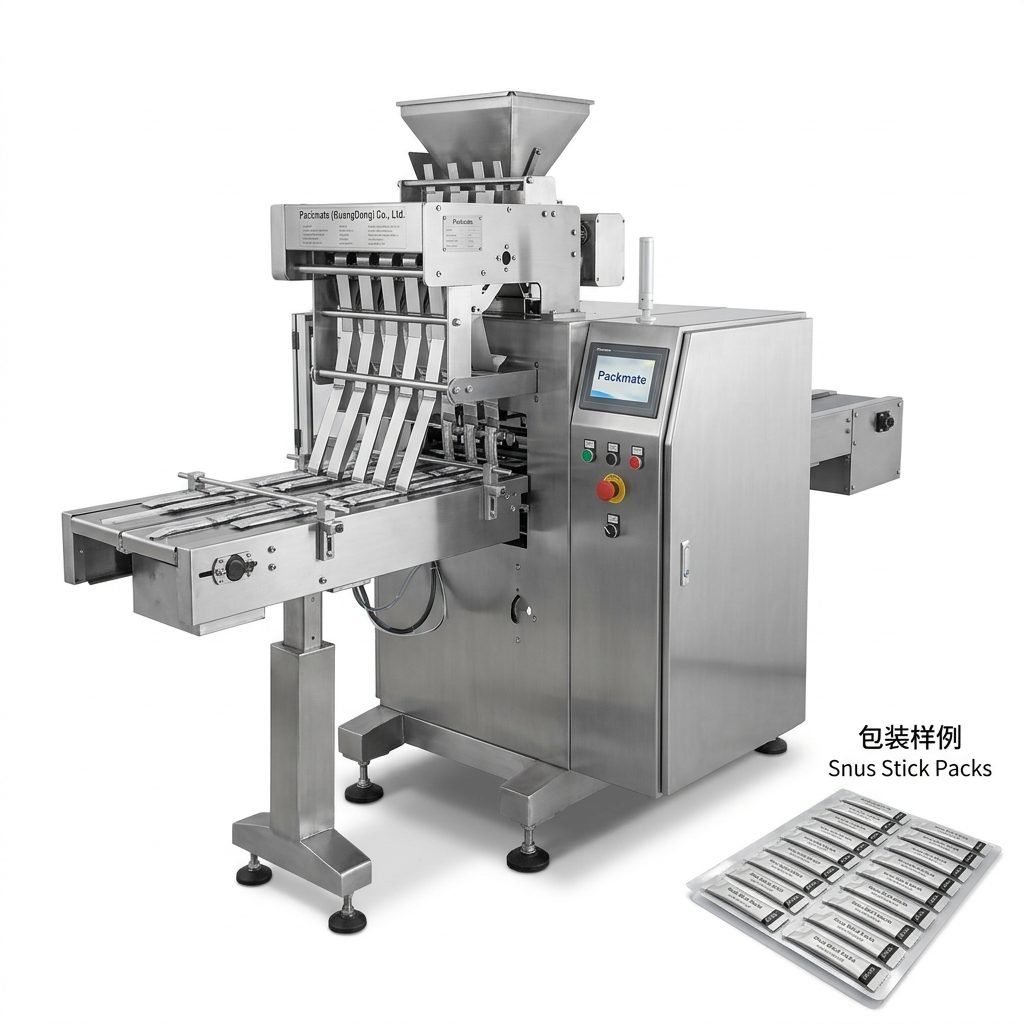
✅ Stick pack — ideal for single-dose portion sticks used in some markets.
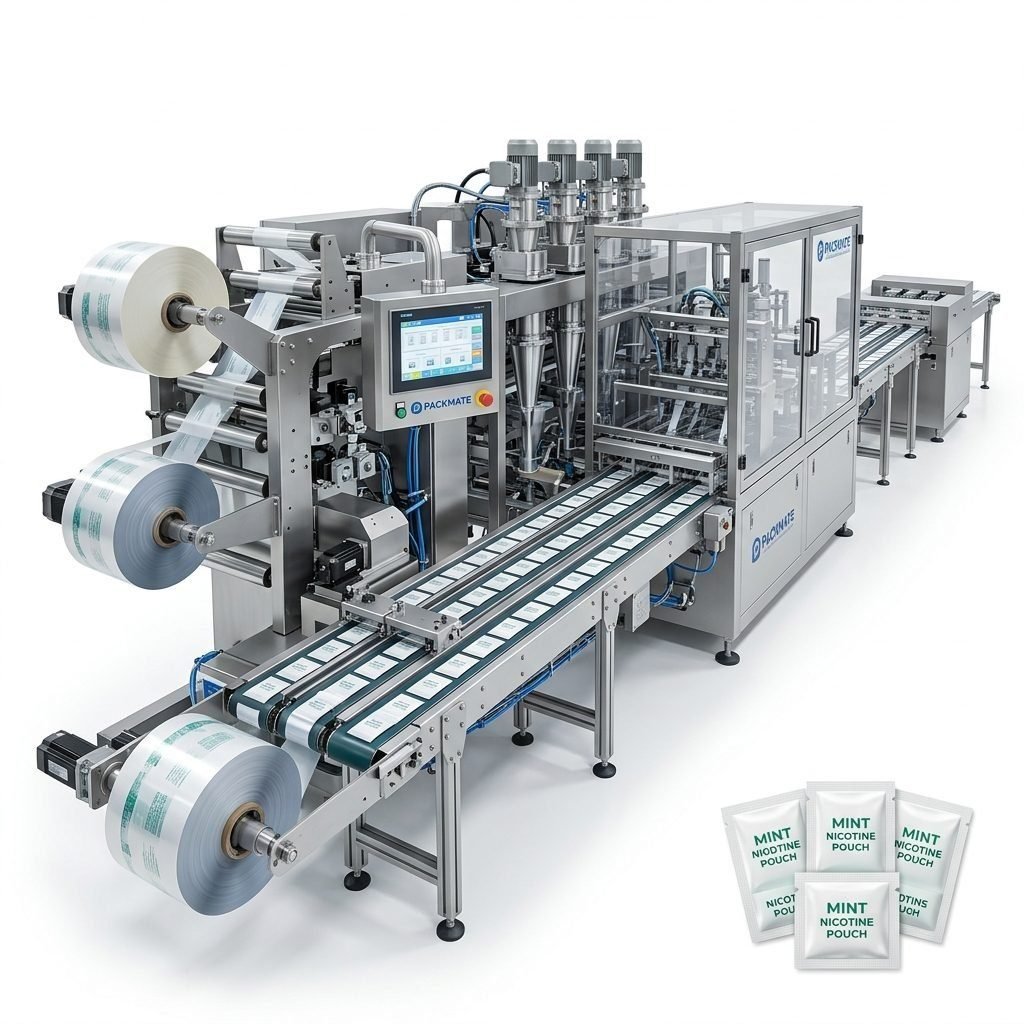
✅ Sachet and pillow packs — good for small pouches; flexible for different fill weights.
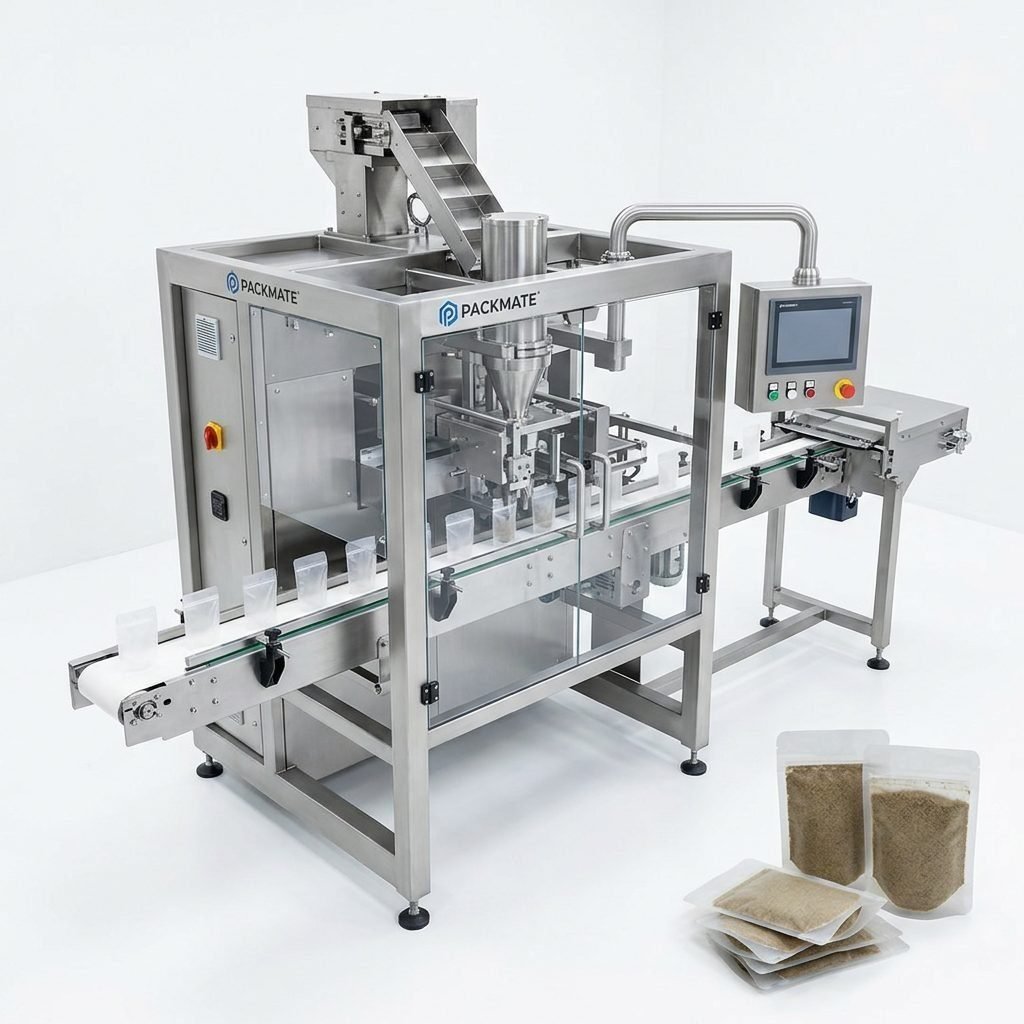
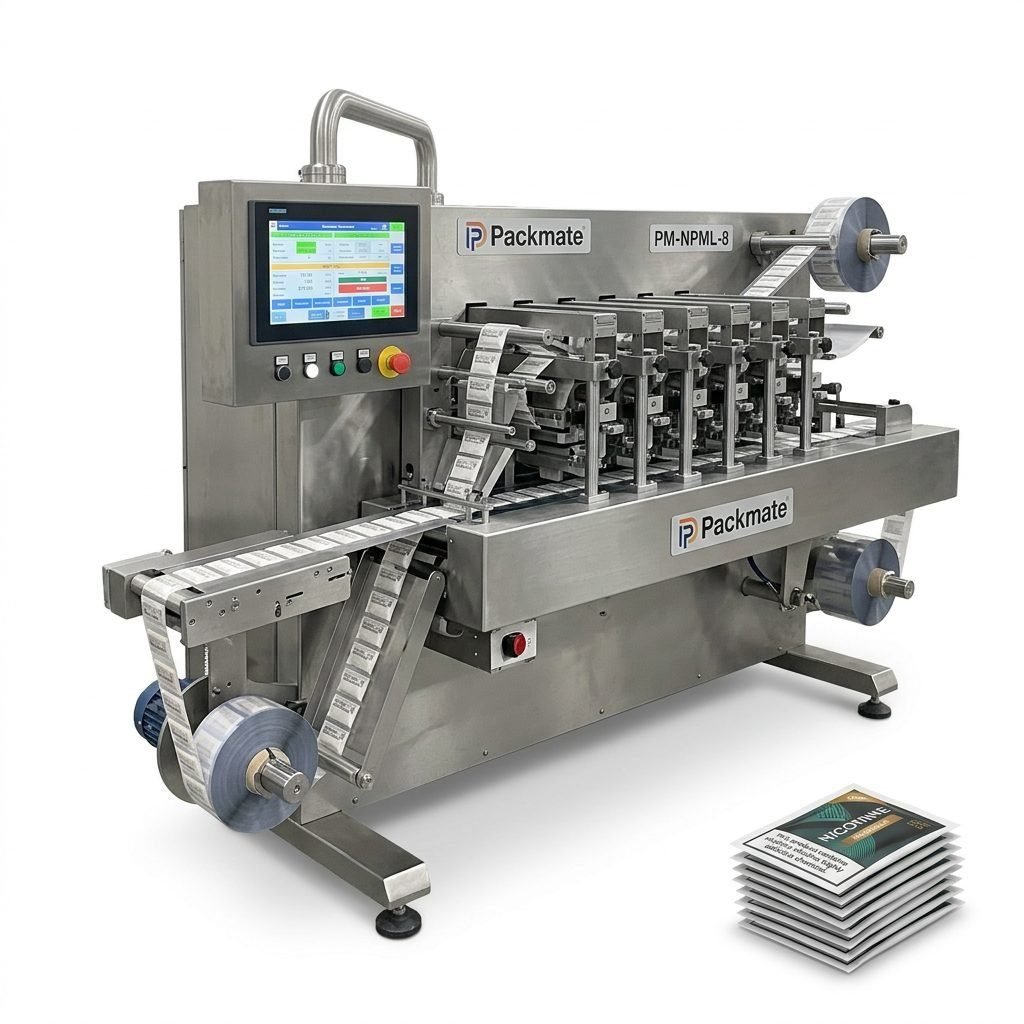
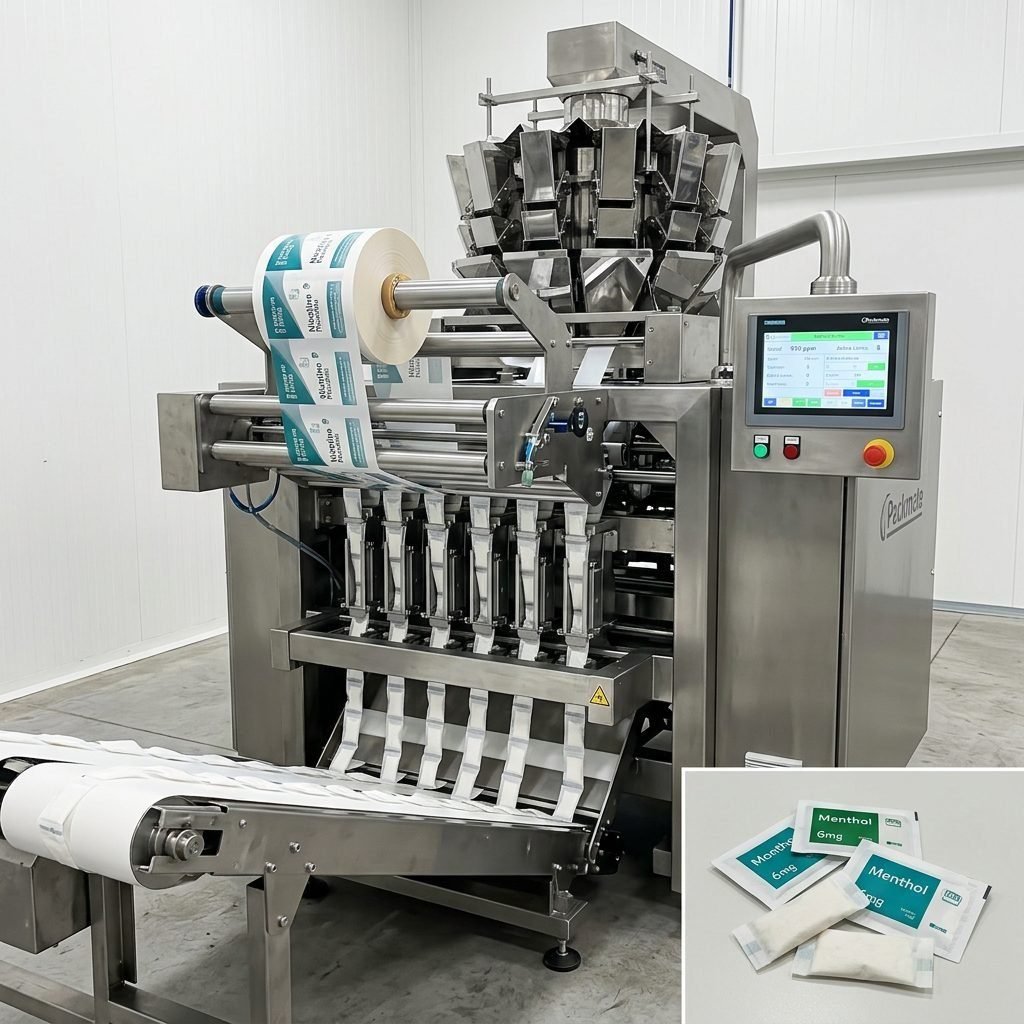
✅ Multi-lane snus/nicotine pouch machines — high-efficiency lines for small-dose multi-lane production.
If you want to explore machine models, consider viewing the manufacturer’s product pages for detailed specifications: Snus & Nicotine Packaging Machines and Sachet & Stick Pack Machines.
Important technical parameters to match are pouch width and length range, lane count, filling accuracy, sealing temperature control, and maximum line speed. For PNG, prioritize machines that maintain consistent sealing performance under variable ambient conditions and can handle the specific pouch substrates you plan to use.
🛠️ Quick tip: A multi-lane machine with independent lane control can help you run multiple SKU sizes with reduced changeover time — a practical advantage when serving diverse retail channels across PNG.
Assess manufacturer credentials and manufacturing strength
A proven manufacturer with strong factory capabilities reduces risk. Look for:
• Clear company history and manufacturing footprint — factory area, CNC capacity, and dedicated assembly lines.
• A diverse product lineup including turnkey production lines and auxiliary equipment for packaging, weighing, and filling.
• International certifications such as CE and ISO to streamline acceptance under import and regulatory checks.
For example, Packmate Snus Machine highlights 30+ years of experience, a 20,000㎡ factory footprint, and a broad model range — attributes that suggest solid engineering and production capacity. Explore their credentials for reference: About Packmate and Certificate.
Quality control, testing and CE/ISO compliance
Strong quality control includes precision machining, full-line testing before shipment, and documented Factory Acceptance Testing (FAT). Request machine test videos, FAT reports, and spare parts lists. Machines that comply with CE/ISO standards are generally easier to import and integrate into regulated production.
📦 Factory assurance: Ask for demonstrated running footage of your target SKU, a list of consumables and spare parts, and estimated MTBF (mean time between failures). These details matter for remote locations like PNG where fast repairs are more difficult.
After-sales service, training and spare parts
After-sales support is often the deciding factor for buyers in PNG. Evaluate vendors on:
• Spare parts availability and clear parts catalogues.
• Remote support capabilities (video guidance, PLC program backups, remote troubleshooting).
• On-site commissioning and operator training packages.
Consider manufacturers who provide a comprehensive service page and direct contact options: Service and Contact Us.
Packaging material compatibility and shelf-life in tropical environments
PNG’s heat and humidity demand materials and machine settings that protect nicotine pouches from moisture ingress and microbial risk. Confirm the machine can accommodate barrier films, heat-sealable laminates, and nitrogen flushing or desiccant integration if required. Sealing technology (jaw width, temperature uniformity) should keep pouches hermetic during maritime transit.
Regulatory and cultural considerations in Papua New Guinea
Local regulations around nicotine products can vary; you should consult local authorities or a customs broker for specific import and retail rules. Additionally, understanding consumer behavior helps size production runs:
• Retail structure — small kiosks and rural shops often prefer small pack sizes and long shelf-stability.
• Payment and distribution — logistics delays are common; produce with buffer stock to avoid stockouts.
• Cultural sensitivity — packaging graphics and labeling should respect local norms and language preferences where applicable.
⚠️ Regulatory note: Before finalizing a purchase, confirm whether PNG requires specific health warnings, ingredient declarations, or licensing for nicotine products — compliance avoids costly delays at customs and in-market withdrawals.
Logistics, installation and commissioning for island delivery
Plan for sea freight packaging, local customs clearance, and installation constraints such as ceiling heights and dock access. Good manufacturers will:
• Provide clear packing lists and crating suitable for ocean transport.
• Offer CIF/FOB guidance and assist with documentation to streamline PNG customs clearance.
• Support on-site installation, operator training, and initial production runs to validate performance under local conditions.
If you plan a factory visit or want to see machines at exhibitions, look for vendors active in global trade shows: Our Exhibition.
Procurement checklist: How to evaluate bids
Use this checklist when comparing quotations:
• Machine model, output (pouches/minute), and lane count — ensure realistic throughput for your SKU mix.
• Tolerance and filling accuracy — critical for regulatory weight declarations.
• Materials compatibility — films, laminates, desiccants, or MAP capabilities.
• Warranty, spare parts lead time, and recommended spare parts kit.
• FAT documentation, test videos, and third-party inspection options.
• Installation, training, and remote support SLA.
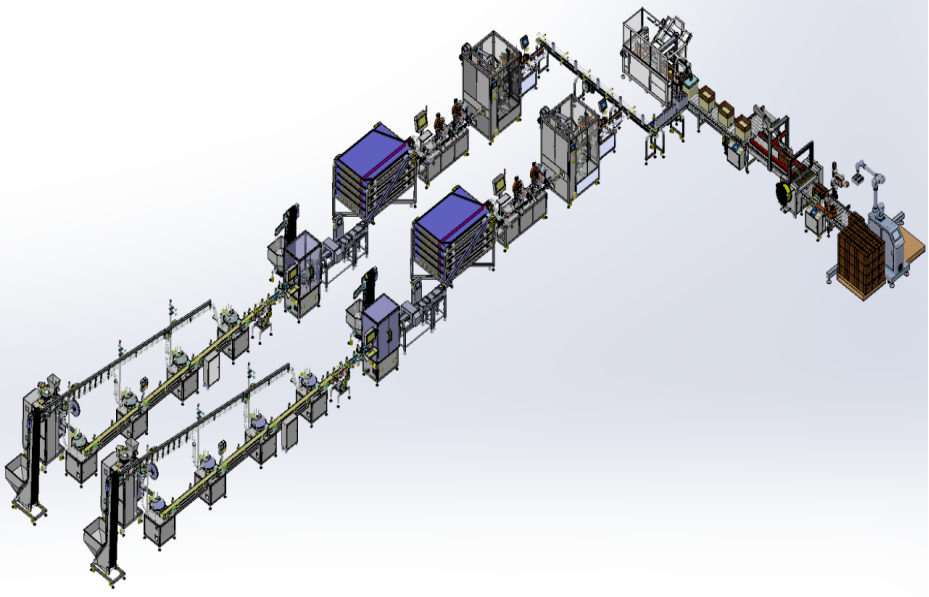
Consider manufacturers that offer integrated lines and complementary equipment such as weighing and filling systems: Weighing & Packaging Systems and Filling & Packaging Lines.
📌 Decision trigger: If a supplier provides clear FAT reports, spare parts lists, and remote training options, they are preferable for PNG due to reduced access to local technical resources.
Real-world case and verification
Ask for references and real-world case studies showing installations in similar tropical or remote contexts. Reference machines that demonstrate stable operation with your target pouch material and similar transit conditions. View case examples and client stories where available: Case.
Final procurement steps
1) Issue a detailed Request for Quotation (RFQ) with your SKU specs, expected annual output, and local constraints. 2) Request FAT and acceptance criteria. 3) Confirm warranty, spare parts lead times, and training arrangements. 4) Plan shipping and customs; confirm documentation needed for PNG. 5) Schedule remote commissioning and a follow-up service check after the first production month.
If you want to reach out to a manufacturer with dedicated snus packaging expertise and global service, consider initiating contact through their official channels: Contact Us.
Conclusion
Selecting the best nicotine packaging machinery manufacturer for Papua New Guinea means balancing machine performance, climate-appropriate sealing and material handling, strong factory credentials, and dependable after-sales support. Prioritize suppliers who demonstrate clear FAT procedures, provide spare parts and remote support, and show experience with snus and nicotine pouch formats. By following the procurement checklist above and validating vendor credentials, you can secure a packaging solution that meets PNG’s operational realities and supports reliable market delivery.
Common Questions
Q: Do these machines meet international safety and quality standards?
A: Most reputable manufacturers supply CE- and ISO-compliant equipment; always request certificates and audit reports to confirm compliance.
Q: What is a realistic lead time for a custom snus packaging line?
A: Lead times vary by customization level; typical delivery for built-to-order lines ranges from 8 to 20 weeks plus shipping and commissioning time. Confirm with your supplier early.
Q: How can I handle spare parts and maintenance in PNG?
A: Negotiate a spare parts kit with initial shipments, establish remote support contacts, and arrange periodic on-site visits or local partner training for essential repairs.
Q: Is operator training included?
A: Many suppliers include operator training in their commissioning package; confirm hours, language support, and whether follow-up remote sessions are offered.
Q: How do I ensure packaging lasts through long sea shipments to island provinces?
A: Use barrier films, ensure proper seal integrity, consider nitrogen flushing or desiccants, and validate packaging through humidity/heat cycle testing before mass production.